
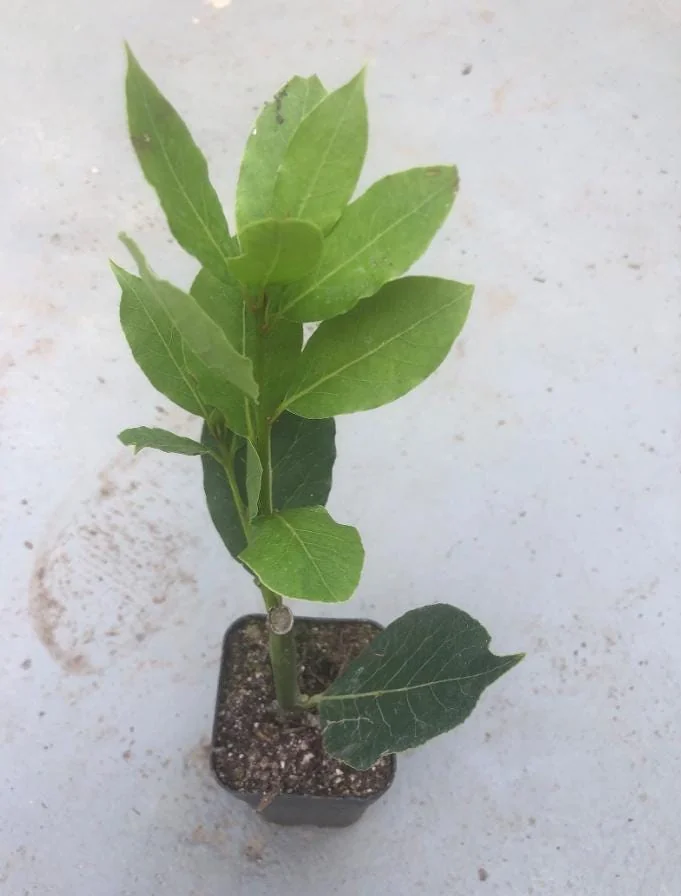
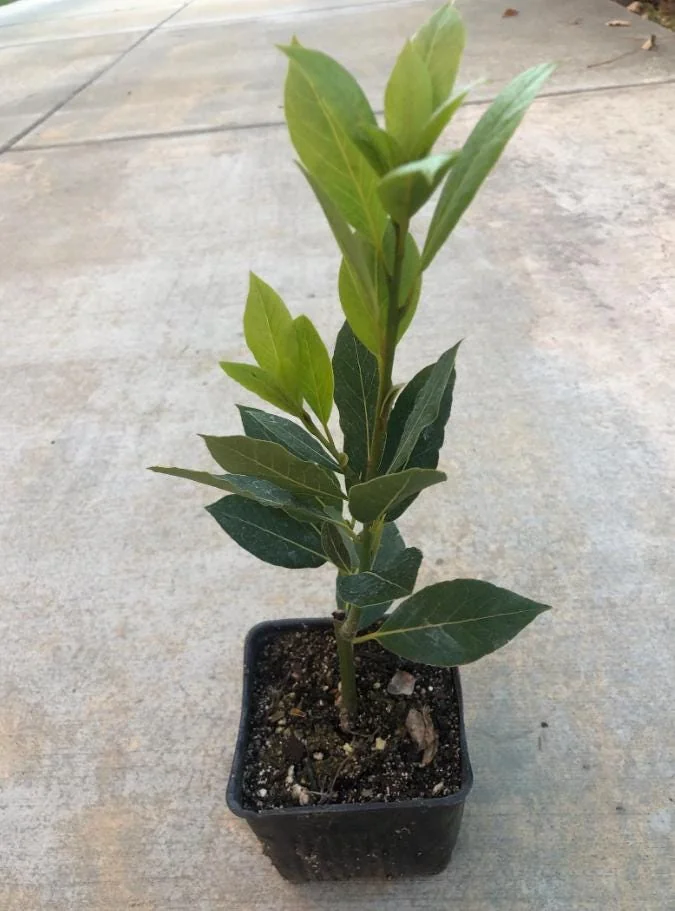
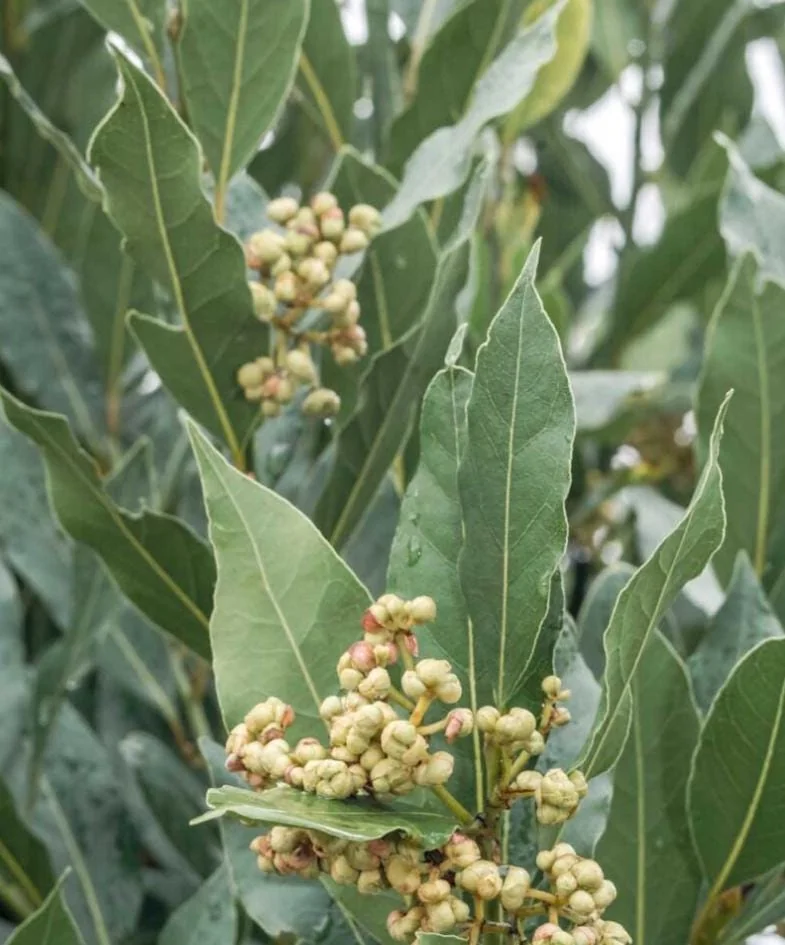
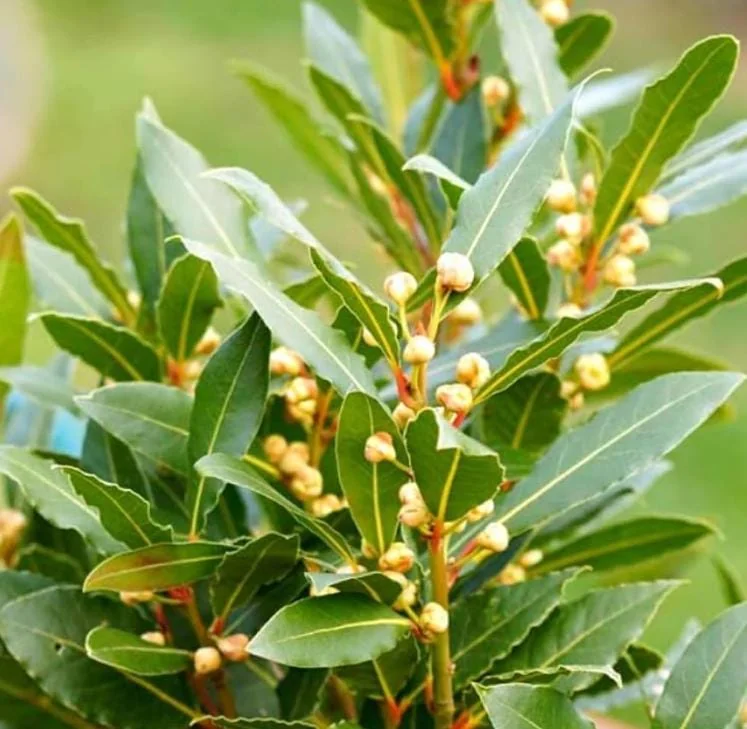
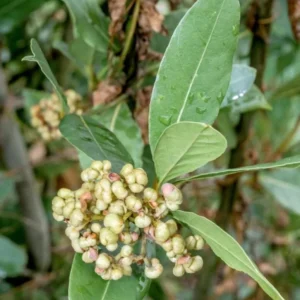
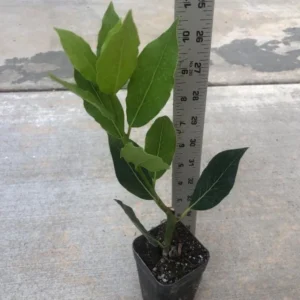

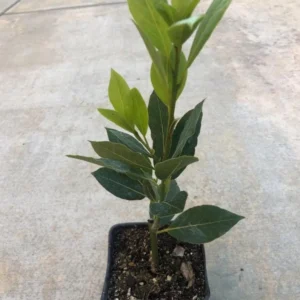
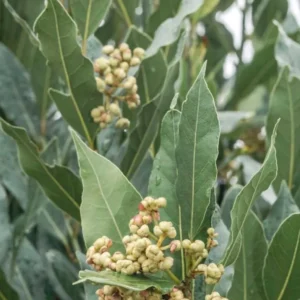
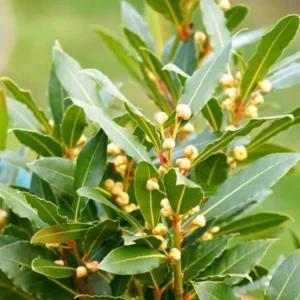
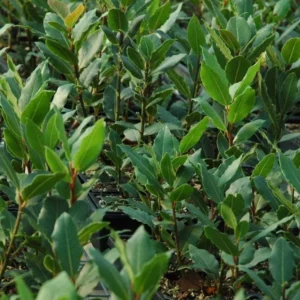
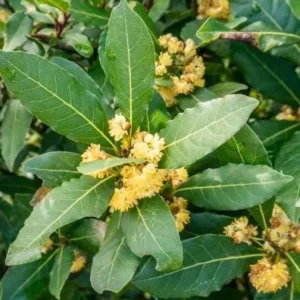
Bay Leaf Tree – Laurus Nobilis – Live Plant – 8-10 Inches – Indoor/Outdoor
Original price was: $53.98.$26.99Current price is: $26.99.
The bay leaf tree live plant is ideal for enhancing your culinary dishes. This aromatic plant thrives indoors or outdoors, providing flavorful leaves.
Estimated arrival
Mar 30
Apr 04 - Apr 06
Apr 09 - Apr 13

Reasonable Price
We offer reasonable price

Support 24/7
Contact us 24 hrs a day

100% Money Back
You've 30 days to Return

Payment Secure
100% secure payment
Overview
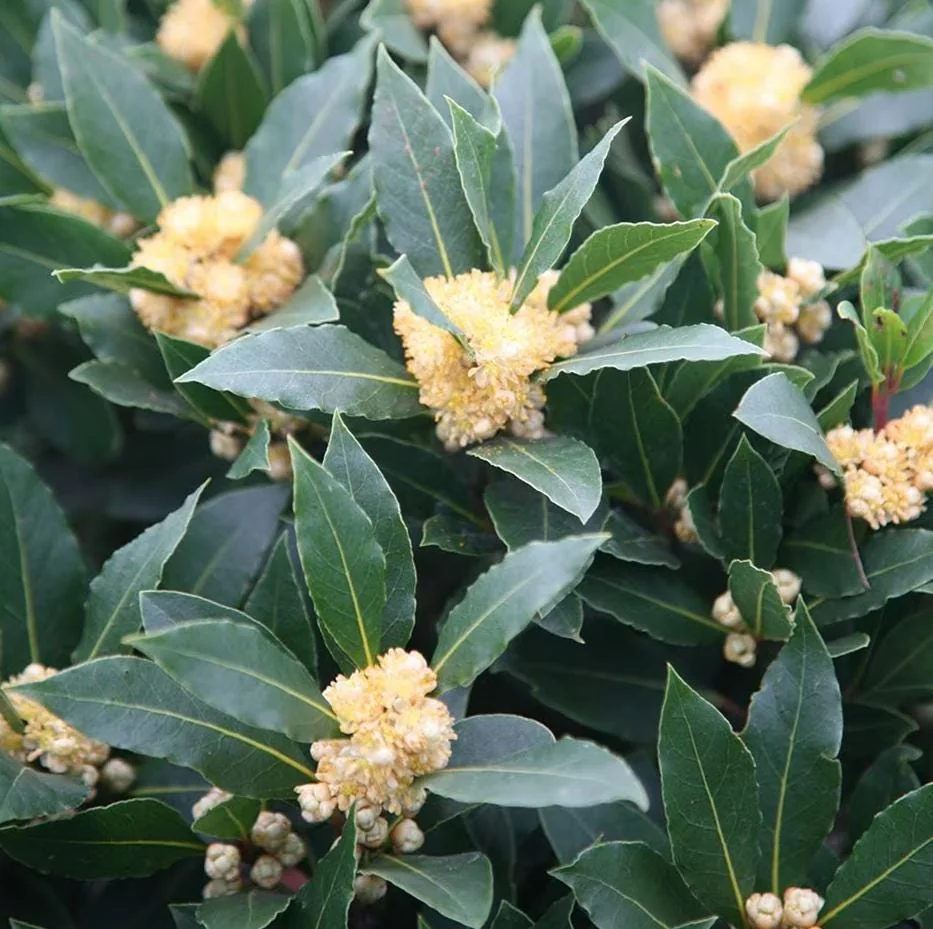
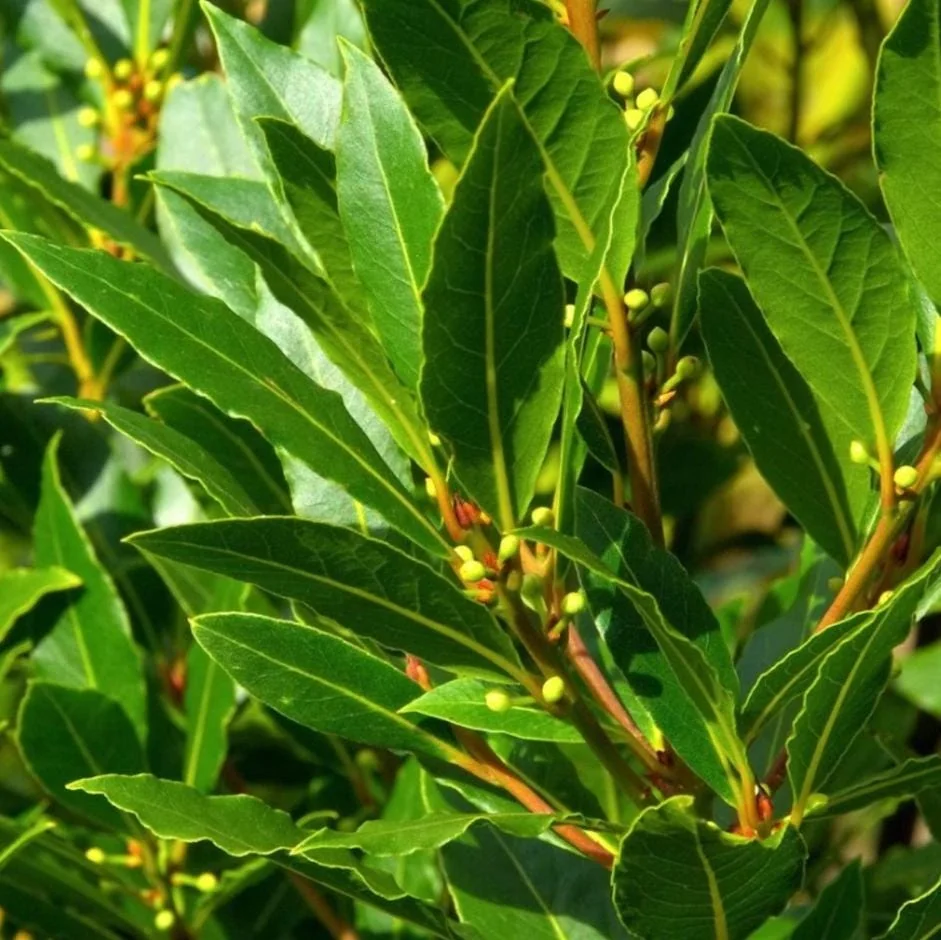
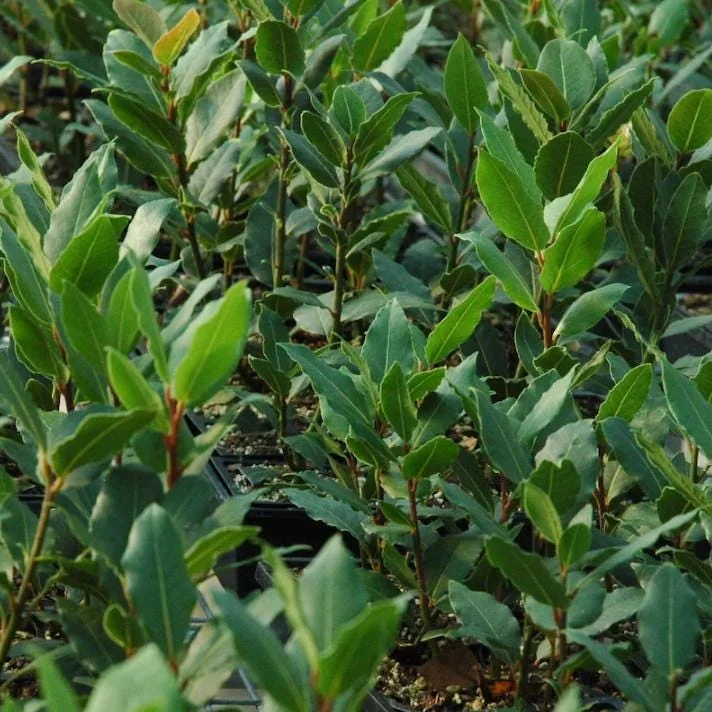
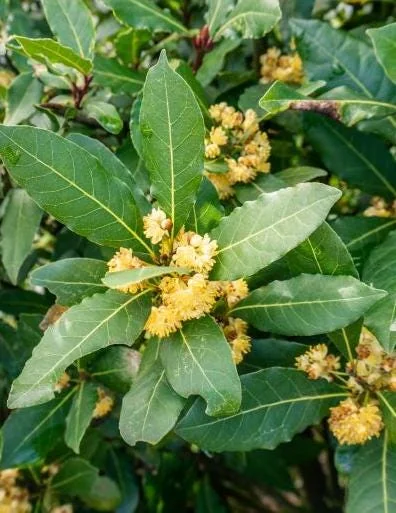
The bay leaf tree live plant, also known as Laurus nobilis, is a delightful evergreen that adds beauty and functionality to your home or garden. Native to the Mediterranean region, this plant is cherished for its aromatic leaves, which are widely used in cooking. With its slow-growing nature, the bay leaf tree can be pruned into a manageable shrub or kept in a container, making it a versatile choice for various gardening settings.
Whether you’re looking to enhance your indoor herb collection or cultivate a fragrant addition to your outdoor garden, the bay leaf tree is an excellent choice. Its leaves not only elevate your culinary creations but also serve as a decorative element in any space.
Key Benefits
The bay leaf tree live plant offers numerous benefits, making it a valuable addition to your home:
- Aromatic Leaves: The leaves of the bay leaf tree infuse dishes with a unique flavor, perfect for soups, stews, and sauces.
- Low Maintenance: This plant is easy to care for, thriving in various conditions as long as it receives proper sunlight and watering.
- Decorative Appeal: With its lush green foliage, the bay leaf tree enhances the aesthetic of any indoor or outdoor space.
- Drought-Tolerant: Once established, this tree is capable of withstanding dry conditions, reducing the need for frequent watering.
- Pruning Flexibility: It can be easily shaped through pruning, allowing you to maintain a specific size or form.
- Indoor & Outdoor Versatility: The bay leaf tree can thrive indoors as a potted plant or outdoors in suitable climates.
- Medicinal Properties: Beyond culinary uses, bay leaves have been traditionally used for their potential health benefits.
Plant Care & Growing Tips
To ensure the health and growth of your bay leaf tree live plant, consider the following care guidelines:
Sunlight is crucial for the bay leaf tree. It thrives in full sun to partial shade, ideally receiving at least 6 hours of direct sunlight each day. If grown indoors, place the plant near a south-facing window to maximize light exposure. The tree prefers well-draining, rich soil to support its growth, so use a high-quality potting mix or amend garden soil with compost.
Watering is essential but should be balanced. Keep the soil moist but avoid overwatering, as soggy soil can lead to root rot. Allow the top inch of soil to dry out between waterings once the plant is established. The bay leaf tree prefers warm temperatures and is best suited for USDA zones 8-11, although it can be grown indoors in colder climates.
Pruning is recommended to shape the tree and remove dead or yellowing leaves. Use sharp, clean scissors to avoid damaging the plant. Fertilize during the growing season with a balanced fertilizer every 4-6 weeks to promote healthy growth. Watch for common issues such as leaf drop or yellowing, which can indicate environmental stress or improper care.
Size & Details
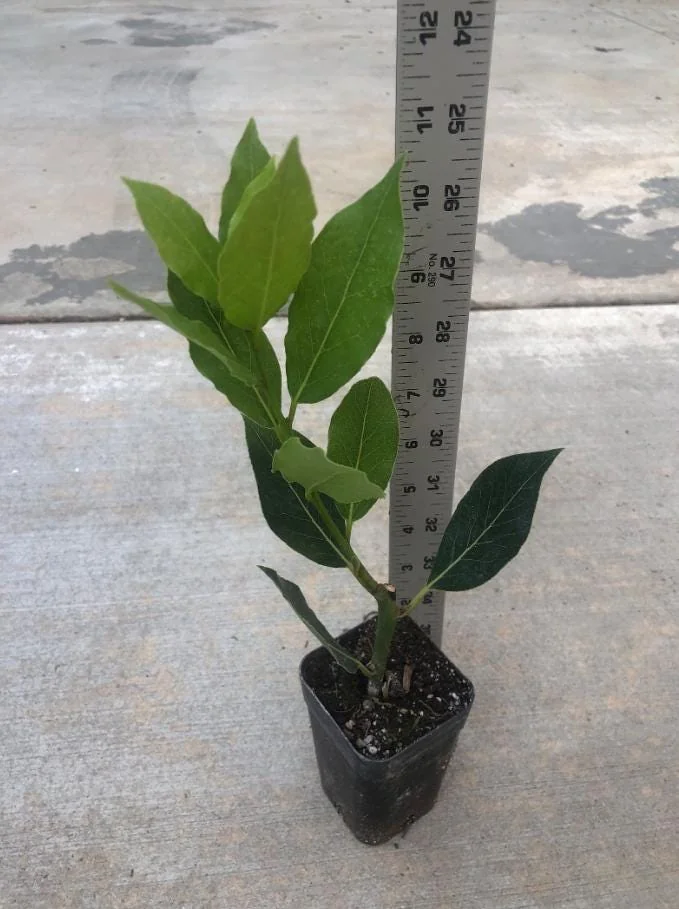
This bay leaf tree live plant typically grows to a height of 8-10 inches in a 4-inch pot, making it a compact addition to your indoor or outdoor space. It ships as a potted plant, ensuring that you receive it in good condition and ready to thrive. With proper care, expect it to grow steadily and produce aromatic leaves for culinary use.
Frequently Asked Questions
- Q: How big does this plant get? A: The bay leaf tree can grow up to several feet tall if planted in the ground, but this particular plant is currently 8-10 inches tall in a pot.
- Q: Is this an indoor or outdoor plant? A: The bay leaf tree can be grown both indoors and outdoors, depending on your climate.
- Q: How much sunlight does it need? A: This plant thrives in full sun to partial shade, ideally needing at least 6 hours of direct sunlight daily.
- Q: Is this plant easy to care for? A: Yes, the bay leaf tree is relatively low maintenance and is suitable for both novice and experienced gardeners.
- Q: What condition will it arrive in? A: The plant is shipped in a pot, ensuring it arrives healthy and ready to adapt to its new environment.
- Q: Can I use bay leaves in cooking? A: Absolutely! The leaves of this plant are commonly used in cooking to enhance the flavor of various dishes.
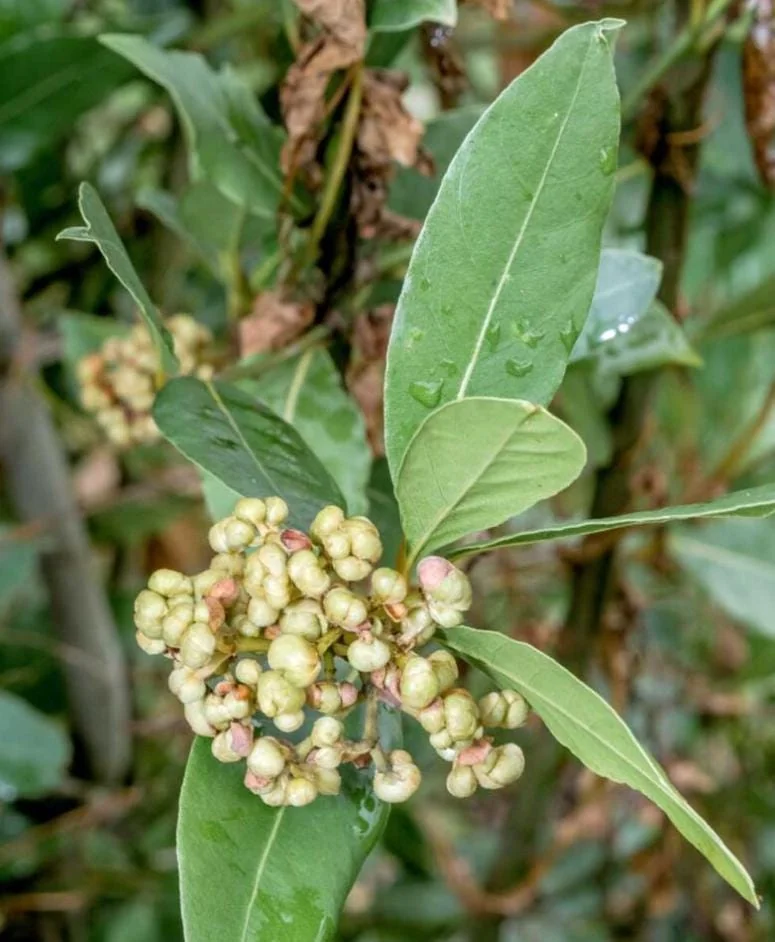
- Q: How long until it blooms? A: The bay leaf tree is primarily grown for its leaves and may not produce flowers in typical home settings.
- Q: Will it survive winter in my zone? A: The bay leaf tree prefers USDA zones 8-11 and can survive mild winters; consider bringing it indoors in colder areas.
- Q: What’s the minimum temperature? A: This plant prefers temperatures above 20°F, so protect it from frost in colder months.
Be the first to review “Bay Leaf Tree – Laurus Nobilis – Live Plant – 8-10 Inches – Indoor/Outdoor”
-
USDA Hardiness Zone
USDA zones 8-11 -
Soil Type
well-draining, rich soil -
Sunlight Exposure
full sun to partial shade -
Expected Planting Period
year-round indoors
People Also Viewd


Sold 128 products
Original price was: $27.00.$24.00Current price is: $24.00.

Sold 127 products
Original price was: $89.99.$64.99Current price is: $64.99.

Sold 125 products
Original price was: $3,536.00.$23.99Current price is: $23.99.

Sold 125 products
Original price was: $86.99.$66.99Current price is: $66.99.
Sold 116 products
Original price was: $27.99.$16.99Current price is: $16.99.

Flower Bulbs
3 Cranesbill Wild Geranium Organic Maculatums Bare Roots | Wildflower for Outdoor Garden
Sold 114 products
Original price was: $21.99.$6.99Current price is: $6.99.

Sold 114 products
Original price was: $28.99.$17.99Current price is: $17.99.
Sold 109 products
Original price was: $63.99.$28.99Current price is: $28.99.RELATED posts
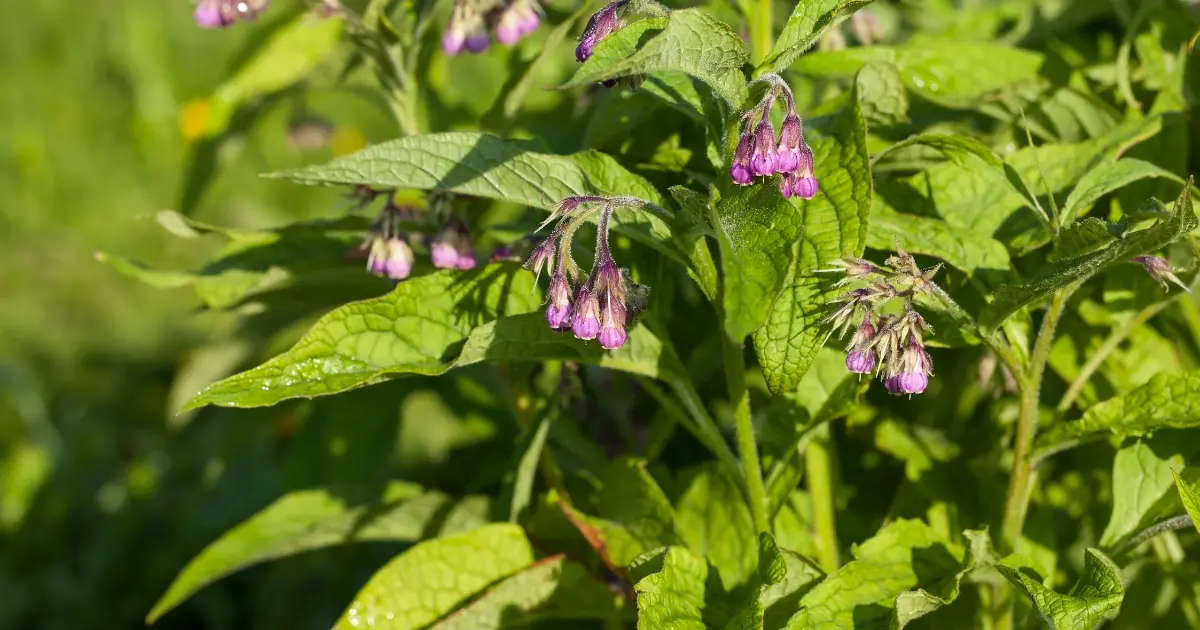
How to Identify Bocking 14 Comfrey: 5 Simple Visual Signs
If you’re growing comfrey for mulch, compost, or animal feed, knowing exactly which variety you [...]
Mar
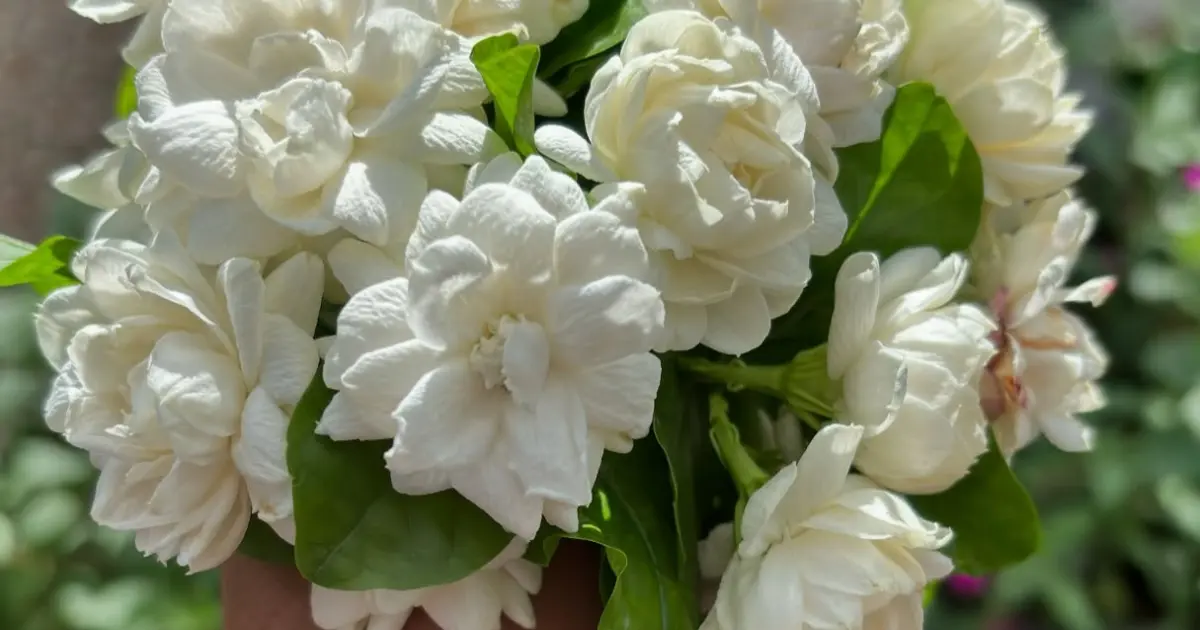
Grand Duke of Tuscany Jasmine: The Ultimate Guide to Growing a Fragrant Masterpiece
Have you ever caught a scent in the air so rich, creamy, and honey-sweet that [...]
Mar
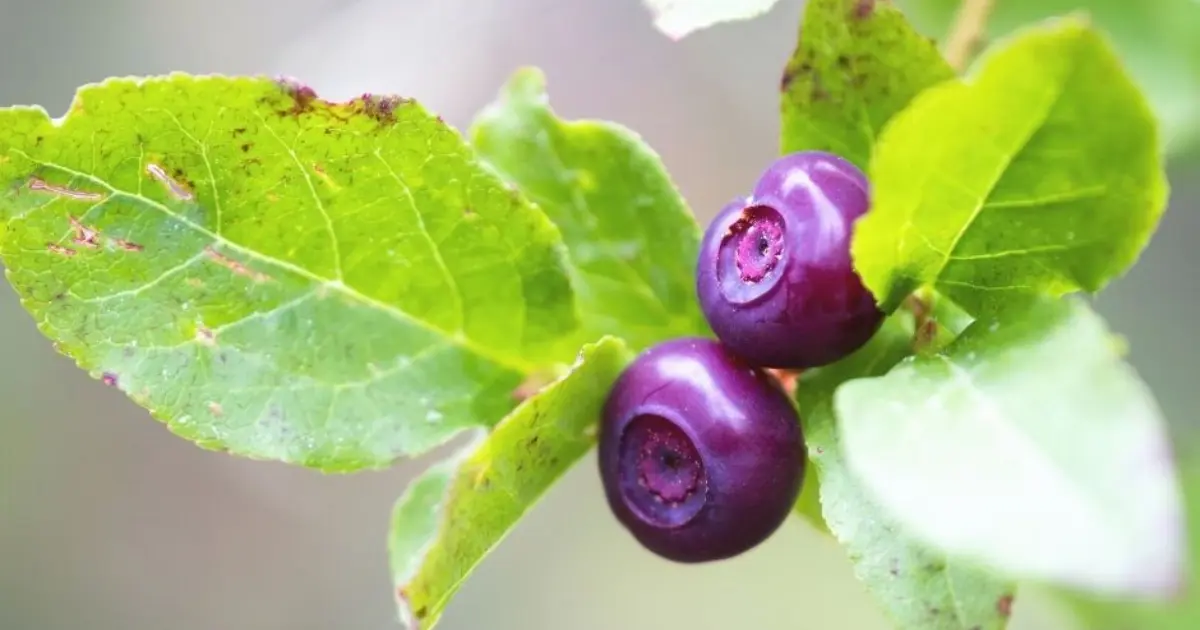
How to Grow Wild Huckleberries: A Guide to “Purple Gold”
Have you ever spent a summer afternoon hiking through the Pacific Northwest or the Rocky [...]
Mar
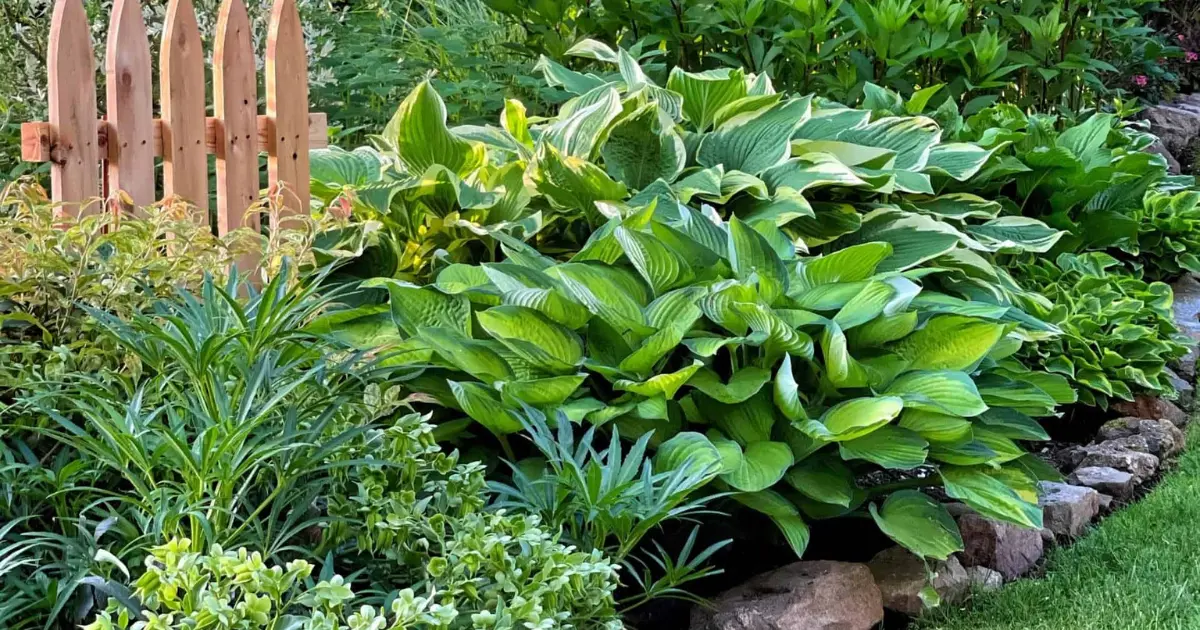
5 Best Shade-Loving Perennials for a Lush, Vibrant Garden
The world of gardening often shines a spotlight on sun-drenched blossoms, but there is a [...]
Mar

7 Common Curry Leaf Plant Problems: Easy Fixes for a Thriving Plant
Is your curry leaf plant looking a bit sad lately? Maybe you woke up to [...]
Mar
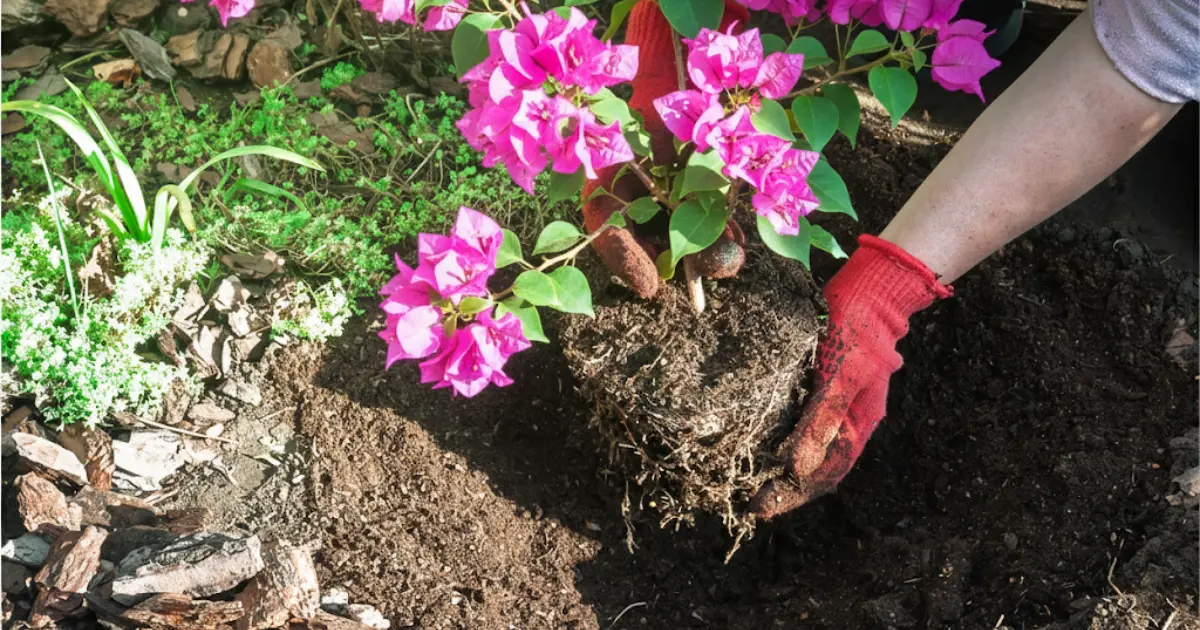
Best Time to Plant Bougainvillea: Timing for Vibrant Blooms
If you’re looking for a hardy tropical vine that delivers a riot of neon color, [...]
Feb
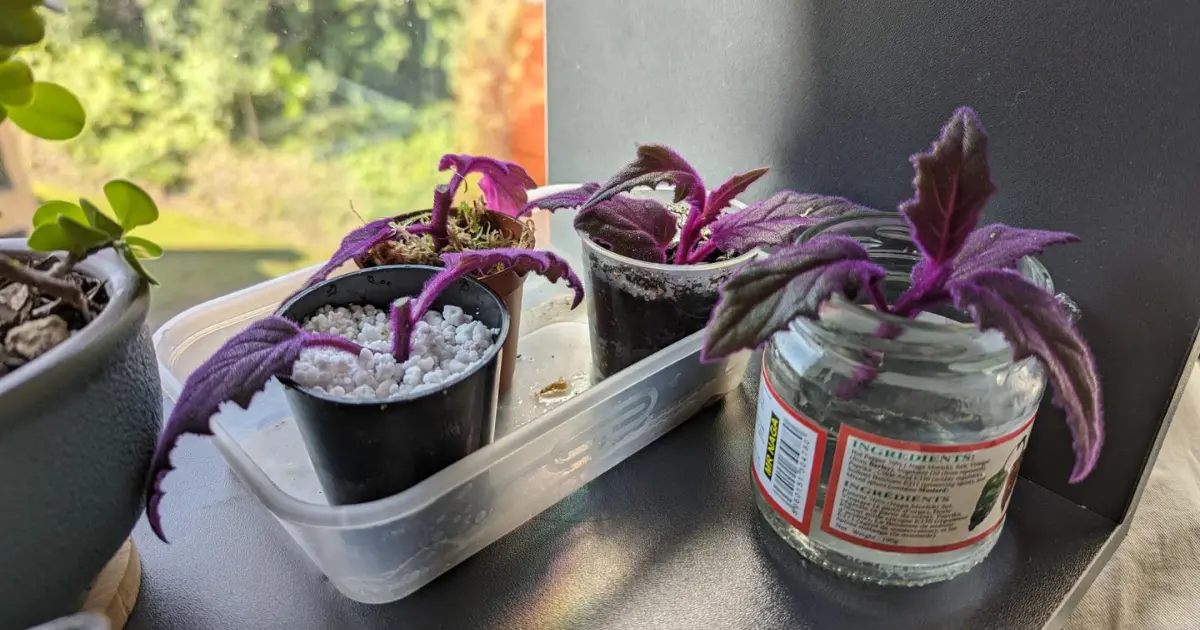
How to Propagate Purple Passion Plants (Gynura aurantiaca)
Have you ever been mesmerized by the neon-purple glow and fuzzy, velvet-like leaves of a [...]
Feb
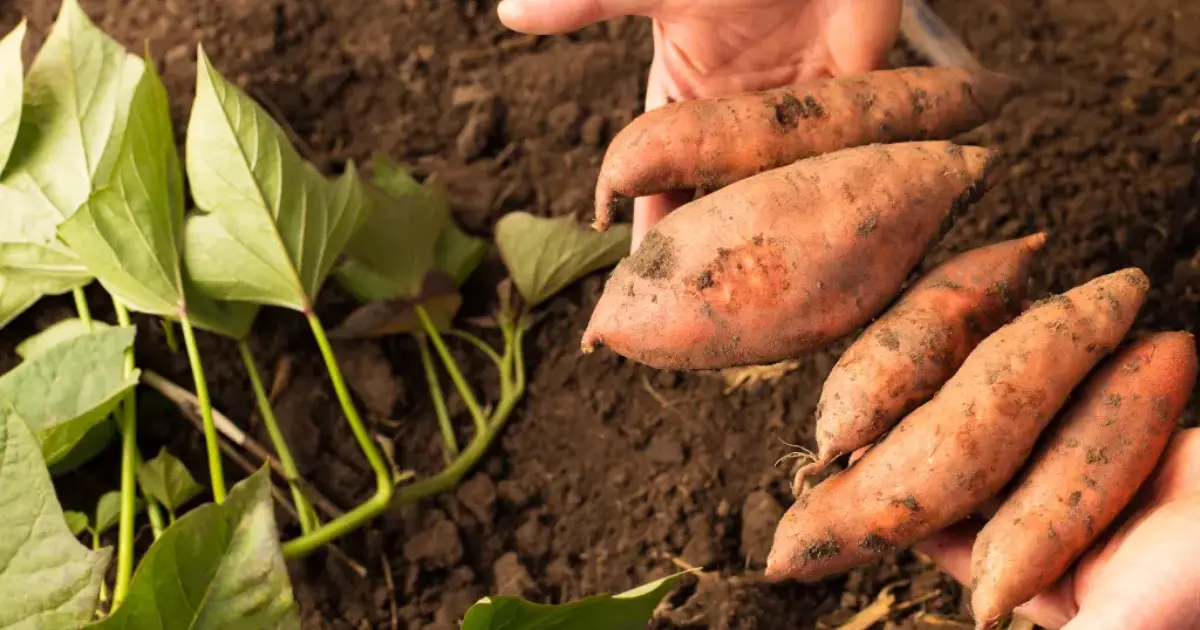
How to Grow Beauregard Sweet Potatoes: From Slips to a Bountiful Harvest
Are you ready to add a classic, heavy-hitting favorite to your vegetable patch? If you’ve [...]
Feb

Reviews
There are no reviews yet.