
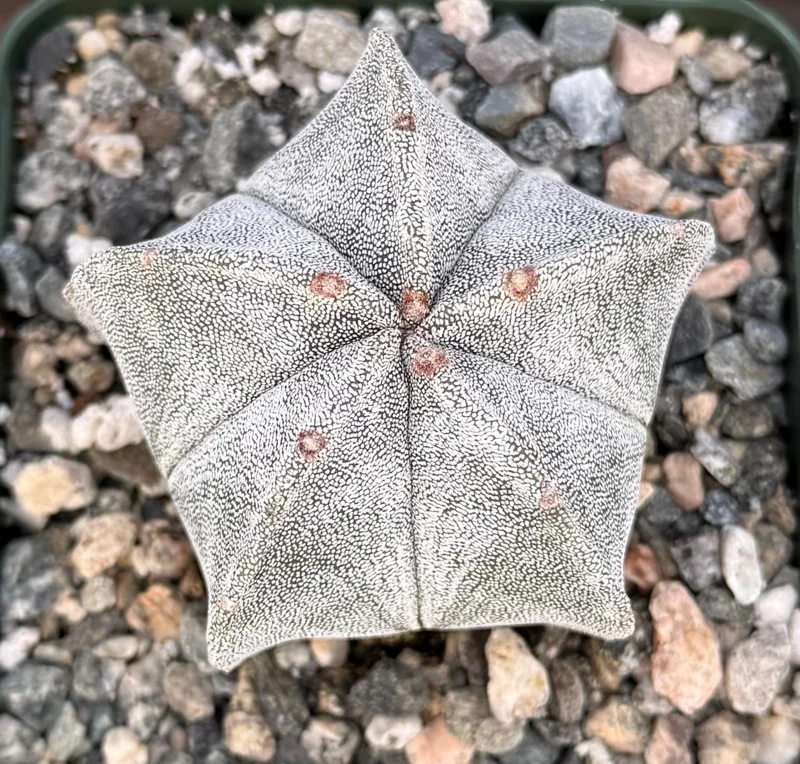
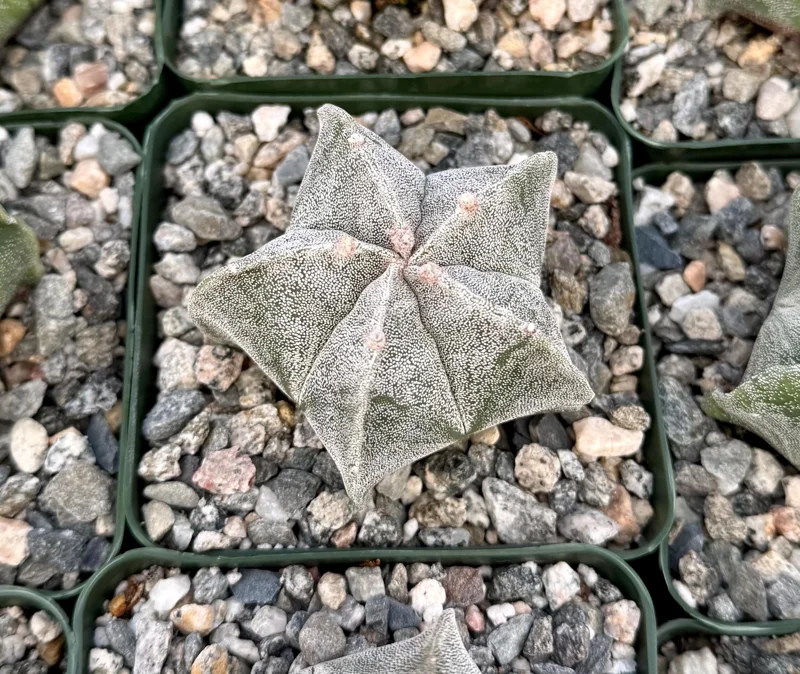
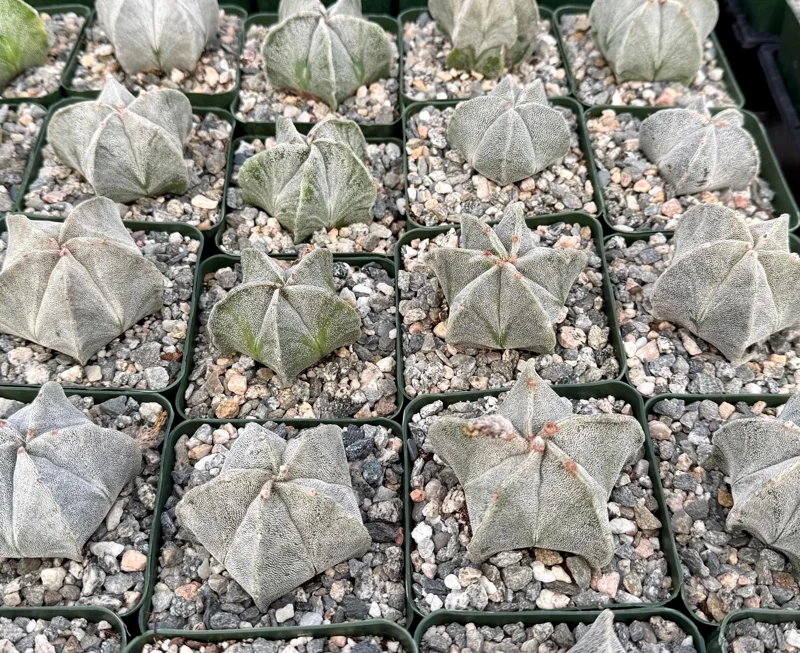
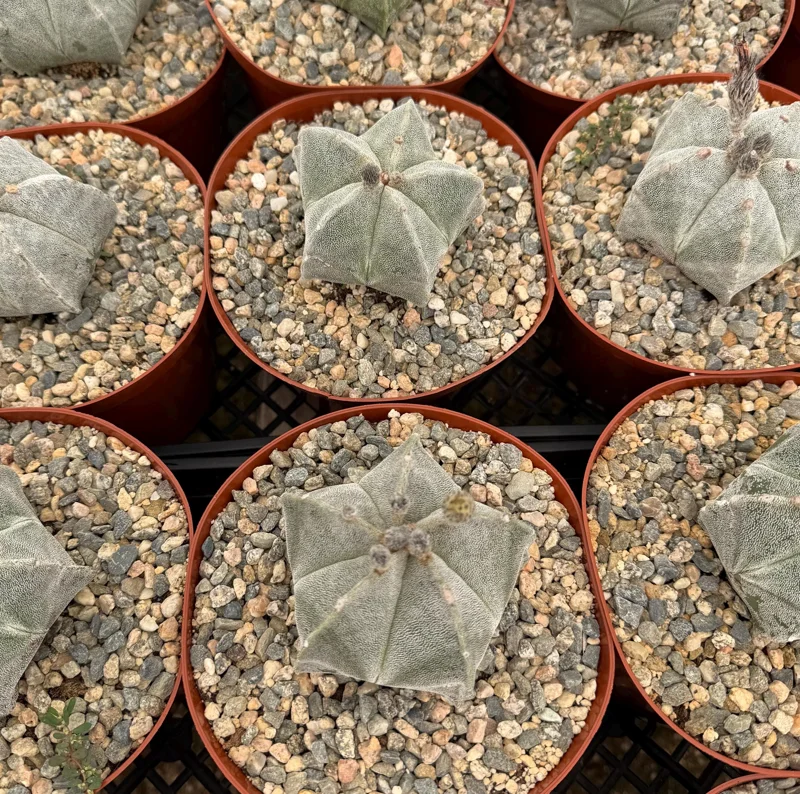
Bishop’s Cap Cactus Live Plant – Astrophytum Myriostigma – 4 or 6 Inch Pot
Price range: $33.25 through $80.29
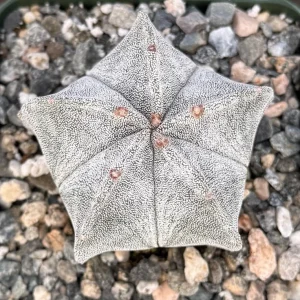
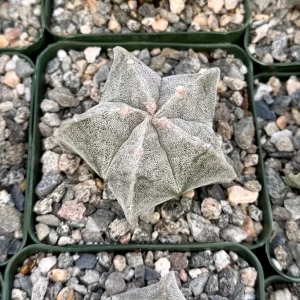
Bring home a unique desert gem with the bishop’s cap cactus live plant, also known as Astrophytum myriostigma. This distinctive, spineless succulent features a star-like shape and silvery, frosted appearance, making it a captivating addition to any collection. Perfect for beginners, it’s an easy care cactus that thrives indoors with minimal attention, offering beautiful yellow blooms in spring and summer.
Estimated arrival
Apr 05
Apr 10 - Apr 12
Apr 15 - Apr 19

Reasonable Price
We offer reasonable price

Support 24/7
Contact us 24 hrs a day

100% Money Back
You've 30 days to Return

Payment Secure
100% secure payment
Overview
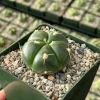
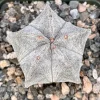
Introduce a touch of desert elegance to your home or garden with the bishop’s cap cactus live plant. Scientifically known as Astrophytum myriostigma, this remarkable succulent is a true conversation starter. Native to the arid highlands of Mexico, the bishop’s cap cactus live plant is celebrated for its distinctive star-like, often five-ribbed, globular form. Its surface is adorned with tiny white, dot-like scales, giving it a unique silvery or frosted appearance that adds to its allure. Unlike many cacti, the Bishop’s Cap is completely spineless, making it a safe and easy-to-handle choice for any plant enthusiast. It typically maintains a compact, globe-shaped form, though it may elongate gracefully with age. This beautiful plant is not just about its striking architecture; in spring and early summer, it delights with large, vibrant yellow flowers, often featuring a subtle hint of orange at their base, enhancing its ornamental appeal. Whether you’re a seasoned collector or new to the world of succulents, this plant offers both aesthetic beauty and straightforward care.
Key Benefits
The bishop’s cap cactus live plant offers a multitude of benefits, making it an excellent choice for various settings and lifestyles. Its unique characteristics contribute to its popularity and ease of integration into diverse plant collections. Choosing this succulent means embracing its low-maintenance nature and striking visual appeal.
- Unique Ornamental Appeal: The distinctive star-like shape and silvery, frosted appearance of the bishop’s cap cactus live plant make it a focal point in any room or garden. Its architectural form adds modern and minimalist aesthetics.
- Spineless & Safe: Unlike many cacti, Astrophytum myriostigma is completely spineless, making it safe for homes with children or pets, and much easier to handle during repotting or care.
- Low Maintenance: This is an easy care cactus, perfect for busy individuals or beginner gardeners. It requires infrequent watering and thrives on neglect, making it a resilient and forgiving plant.
- Drought Tolerant: Adapted to arid environments, the Bishop’s Cap cactus is highly drought-tolerant, requiring minimal water and surviving extended dry periods.
- Beautiful Blooms: During spring and early summer, it produces large, showy yellow flowers, often with an orange tint, adding a splash of vibrant color to its unique form.
- Compact Size: Its typically compact, globe-shaped growth habit makes it ideal for windowsills, desks, small apartments, or rock gardens where space is limited.
- Air Purifying Qualities: Like many succulents, the Bishop’s Cap cactus can contribute to improved indoor air quality by absorbing toxins and releasing oxygen.
Plant Care & Growing Tips
Caring for your bishop’s cap cactus live plant is straightforward, making it an ideal choice for both novice and experienced succulent enthusiasts. Understanding its basic needs will ensure a healthy and thriving plant. Proper light, watering, and soil conditions are crucial for its success, allowing it to display its unique form and beautiful blooms.
Sunlight Requirements: This cactus thrives in bright, indirect sunlight. While it appreciates plenty of light, intense, direct afternoon sun, especially in hot climates, can scorch its delicate skin. An east-facing window that receives morning sun or a south- or west-facing window with some protection from direct midday rays is ideal. If grown outdoors, place it in a location that receives partial shade during the hottest parts of the day. Adequate light is essential for robust growth and encourages the development of its characteristic star shape and flowering.
Watering Schedule & Soil Moisture: The Astrophytum myriostigma care routine emphasizes infrequent watering. Allow the soil to dry out completely between waterings to prevent root rot, which is a common issue for cacti. During the active growing season (spring and summer), water thoroughly until water drains from the bottom of the pot, then wait until the soil is bone dry before watering again. Reduce watering significantly in fall and winter when the plant enters dormancy; a light watering once a month or even less may suffice. Avoid overhead watering to prevent water from collecting in its ribs.
Soil Type & Drainage: A crucial aspect of Astrophytum myriostigma care is providing excellent drainage. Use a well-draining cactus or succulent potting mix, or create your own by mixing equal parts potting soil, coarse sand, and perlite or pumice. The pot must have drainage holes to prevent waterlogging. Good drainage mimics its natural desert habitat and is vital for the health of this rare cactus indoor.
Temperature Range & USDA Hardiness Zone: The Bishop’s Cap cactus prefers warm temperatures, ideally between 65-80°F (18-27°C) during its growing season. It can tolerate cooler temperatures down to about 40°F (4°C) in winter, but protection from frost is essential. It is generally suited for USDA zones 9-11 if grown outdoors year-round. If you live in a colder climate, it’s best to grow this easy care cactus in a container that can be brought indoors during colder months.
Fertilization: Fertilize sparingly. During the active growing season (spring and summer), feed with a balanced, low-nitrogen fertilizer diluted to half strength once every 2-4 weeks. Avoid fertilizing during its dormant period in fall and winter. Over-fertilization can harm the plant, so less is often more.
Common Problems & Solutions: The most common issue is root rot due to overwatering. Ensure proper drainage and allow soil to dry out. Pests like mealybugs can occasionally be a problem; treat with rubbing alcohol or insecticidal soap. Providing good air circulation also helps prevent fungal issues.
Size & Details
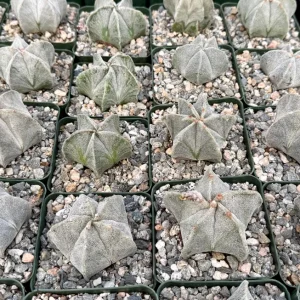
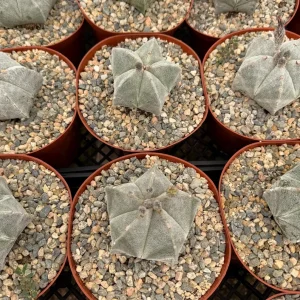
Each bishop’s cap cactus live plant is carefully cultivated to ensure a healthy start in your home. These plants are typically supplied in either a 4-inch or 6-inch nursery pot, providing a substantial specimen ready for display or repotting. The plant itself usually measures between 3 to 6 inches in diameter, maintaining its characteristic compact, globe-shaped form, though some older plants may elongate slightly. The growth rate is generally slow, allowing it to remain a manageable size for many years. When you receive your Astrophytum myriostigma care will be minimal as it’s already established. With proper care, this resilient succulent can live for many decades, becoming a long-term fixture in your collection. Its unique form and occasional yellow blooms make it a continuous source of fascination.
Frequently Asked Questions
- Q: How big does this plant get? A: The bishop’s cap cactus live plant typically grows 3 to 6 inches in diameter, maintaining a compact, globular shape. With significant age, it may elongate slightly but remains a relatively small succulent perfect for indoor spaces.
- Q: What size pot does it come in? A: This easy care cactus is available in either a 4-inch or 6-inch nursery pot, providing a well-established plant ready for its new home. You may choose to keep it in its current pot or repot it into a slightly larger decorative container.
- Q: Is this an indoor or outdoor plant? A: While the Astrophytum myriostigma care requirements mean it can thrive outdoors in USDA zones 9-11, it is most commonly grown as an indoor cactus due to its sensitivity to frost and preference for controlled environments. It makes an excellent houseplant.
- Q: How much sunlight does it need? A: The Bishop’s Cap cactus requires bright, indirect sunlight. It can tolerate some morning direct sun but should be protected from intense afternoon sun, which can cause scorching.
- Q: Is this plant easy to care for? A: Yes, the bishop’s cap cactus live plant is considered an easy care cactus, making it suitable for beginners. Its main requirements are bright light, infrequent watering, and well-draining soil.
- Q: What condition will it arrive in? A: Your cactus will arrive as a healthy, live plant, carefully packaged to minimize stress during transit. It will be rooted in its nursery pot, ready to be placed in your chosen location.
- Q: Is it pet-safe? A: The Bishop’s Cap cactus is spineless and generally considered non-toxic to pets, making it a safer option than many other cacti. However, it’s always best to prevent pets from chewing on plants.
- Q: How often should I water my Astrophytum myriostigma? A: Water only when the soil has completely dried out. In warmer months, this might be every 2-4 weeks, while in winter, it could be as little as once a month or less. Overwatering is the biggest risk for this rare cactus indoor.
- Q: When does the Bishop’s Cap Cactus flower? A: With proper care and sufficient light, the bishop’s cap cactus live plant typically produces beautiful yellow flowers during the spring and early summer months.
- Q: What type of soil is best for this cactus? A: A specialized cactus and succulent potting mix that ensures excellent drainage is ideal. You can also amend regular potting soil with perlite, pumice, or coarse sand to improve drainage for optimal Astrophytum myriostigma care.
| Pot size | 4" Pot, 6" Pot |
|---|
Be the first to review “Bishop’s Cap Cactus Live Plant – Astrophytum Myriostigma – 4 or 6 Inch Pot”
-
USDA Hardiness Zone
USDA zones 9–11 -
Soil Type
Well-draining cactus or succulent potting mix -
Sunlight Exposure
Bright, indirect sunlight -
Expected Planting Period
Year-round indoors
People Also Viewd
Sold 128 products
Original price was: $89.99.$64.99Current price is: $64.99.
Sold 128 products
Original price was: $27.00.$24.00Current price is: $24.00.
Sold 127 products
Original price was: $159.99.$139.99Current price is: $139.99.
Sold 126 products
Original price was: $3,536.00.$23.99Current price is: $23.99.

Sold 125 products
Original price was: $86.99.$66.99Current price is: $66.99.
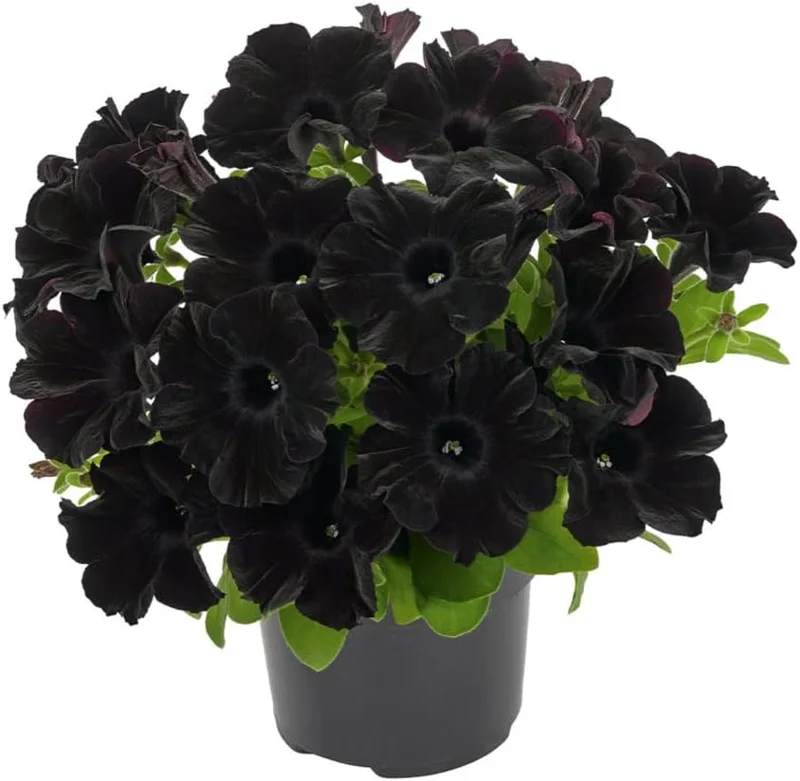
Sold 116 products
Original price was: $27.99.$16.99Current price is: $16.99.
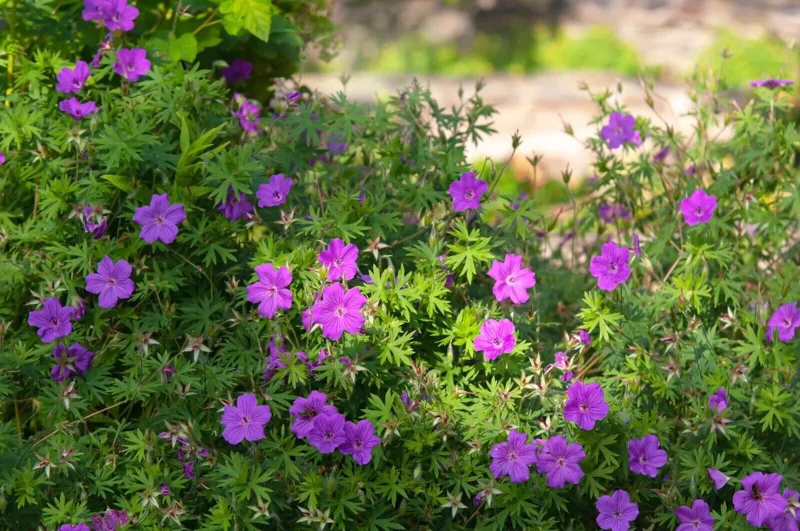
Flower Bulbs
3 Cranesbill Wild Geranium Organic Maculatums Bare Roots | Wildflower for Outdoor Garden
Sold 114 products
Original price was: $21.99.$6.99Current price is: $6.99.
Sold 114 products
Original price was: $28.99.$17.99Current price is: $17.99.RELATED posts
Yellow Dragon Fruit Plant Care: The Ultimate Guide for Healthy Growth
The yellow dragon fruit plant is a unique and rewarding addition to any home garden, [...]
Apr
How to Identify Bocking 14 Comfrey: 5 Simple Visual Signs
If you’re growing comfrey for mulch, compost, or animal feed, knowing exactly which variety you [...]
Mar
Grand Duke of Tuscany Jasmine: The Ultimate Guide to Growing a Fragrant Masterpiece
Have you ever caught a scent in the air so rich, creamy, and honey-sweet that [...]
Mar
How to Grow Wild Huckleberries: A Guide to “Purple Gold”
Have you ever spent a summer afternoon hiking through the Pacific Northwest or the Rocky [...]
Mar
5 Best Shade-Loving Perennials for a Lush, Vibrant Garden
The world of gardening often shines a spotlight on sun-drenched blossoms, but there is a [...]
Mar

7 Common Curry Leaf Plant Problems: Easy Fixes for a Thriving Plant
Is your curry leaf plant looking a bit sad lately? Maybe you woke up to [...]
Mar
Best Time to Plant Bougainvillea: Timing for Vibrant Blooms
If you’re looking for a hardy tropical vine that delivers a riot of neon color, [...]
Feb
How to Propagate Purple Passion Plants (Gynura aurantiaca)
Have you ever been mesmerized by the neon-purple glow and fuzzy, velvet-like leaves of a [...]
Feb
Reviews
There are no reviews yet.