
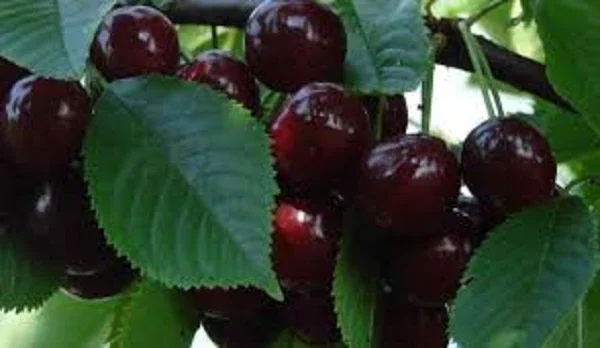
Black Cherry Tree Live Plants – 2 Pack Seedlings – Up to 2 ft Tall – Outdoor Fruit Tree
Original price was: $201.98.$100.99Current price is: $100.99.
Cultivate your own orchard with this 2-pack of black cherry tree live plant seedlings, each up to 2 feet tall. These robust black cherry fruit tree specimens (Prunus serotina) will bring delicious fruit, stunning white flowers, and ecological benefits to your outdoor space, thriving in USDA Zones 3-9.
Estimated arrival
Apr 12
Apr 17 - Apr 19
Apr 22 - Apr 26

Reasonable Price
We offer reasonable price

Support 24/7
Contact us 24 hrs a day

100% Money Back
You've 30 days to Return

Payment Secure
100% secure payment
Overview
Transform your outdoor space with this exceptional offer of two black cherry tree live plant seedlings. Each tree is carefully nurtured to reach up to 2 feet in height, providing a strong foundation for future growth. The Prunus serotina, commonly known as the Wild Black Cherry, is a native North American species renowned for its beautiful white flowers in spring, followed by dark, edible cherries in late summer. These trees are not only a source of delicious fruit but also provide significant ecological benefits, attracting birds and other wildlife. Planting these young seedlings allows you to enjoy the full lifecycle of a thriving fruit tree, from its initial delicate blooms to its mature, fruit-bearing state. They are an excellent choice for gardeners looking to add both aesthetic appeal and agricultural value to their property, offering a long-term investment in your landscape. The black cherry tree live plant is highly valued for its adaptability and resilience, thriving in various environments once established. Known for its rapid growth in favorable conditions, it quickly becomes a prominent feature in any garden. With proper care, these trees will provide years of beauty and bounty, becoming a cherished part of your home’s natural surroundings. Experience the joy of growing black cherry trees and contributing to local biodiversity with these robust wild black cherry tree specimens.
Key Benefits
Investing in these black cherry tree live plant seedlings brings a multitude of benefits to your garden and lifestyle. These trees offer more than just fruit; they enhance the natural environment around your home and provide a rewarding gardening experience, making them an ideal choice for a black cherry fruit tree.
- Delicious Fruit Production: Enjoy an abundance of dark, flavorful cherries perfect for eating fresh, making pies, jams, or preserves. The fruit ripens in late summer, offering a seasonal treat directly from your garden. These cherries are a favorite among both humans and wildlife, making your black cherry tree live plant a productive addition.
- Ecological Value: As a native species, the wild black cherry tree supports local wildlife, providing food for birds and other animals, and serving as a host plant for various butterfly and moth species. It plays a crucial role in supporting local ecosystems.
- Stunning Ornamental Features: Witness beautiful white flower clusters in spring, followed by attractive foliage that turns vibrant shades of yellow and red in autumn, adding year-round interest to your landscape. The textured bark also offers visual appeal.
- Hardy and Adaptable: These trees are known for their resilience and ability to thrive in a variety of soil conditions and climates once established, making them a relatively low-maintenance choice for many gardeners. They are especially suited for USDA Zones 3-9.
- Shade and Structure: Mature black cherry trees provide excellent shade, creating cooler areas in your yard during warm months, and adding significant structural interest to your garden design. Their stately presence commands attention.
- Sustainable Gardening: By growing your own fruit, you contribute to sustainable living, reducing your carbon footprint and enjoying fresh, organic produce. This promotes self-sufficiency and environmental responsibility.
- Investment in Your Property: Adding fruit-bearing trees can increase the value and appeal of your property, offering both immediate enjoyment and long-term benefits. A well-established black cherry tree live plant adds significant curb appeal.
Plant Care & Growing Tips
Proper care is essential for ensuring your black cherry tree live plant thrives and produces abundant fruit. These trees are generally hardy, but a good start makes all the difference. Understanding the specific needs of Prunus serotina care will help you cultivate a robust and healthy tree. From sunlight to soil, each element plays a crucial role in its development for optimal growth and fruit yield.
For optimal growth, plant your black cherry tree live plant in a location that receives full sun, meaning at least 6-8 hours of direct sunlight per day. While they can tolerate partial shade, fruit production will be significantly reduced. Well-draining soil is crucial; these trees do not like wet feet. A slightly acidic to neutral pH (6.0-7.0) is ideal. When planting, dig a hole twice as wide as the root ball and just as deep. Backfill with native soil, ensuring the top of the root ball is level with the ground. Water thoroughly after planting and regularly during the first growing season to establish strong roots. Once established, the wild black cherry tree is quite drought-tolerant, but consistent moisture during fruit development will yield better harvests. Fertilize annually in early spring with a balanced slow-release fertilizer, following product instructions. Pruning should be done in late winter or early spring while the tree is dormant. Focus on removing dead, damaged, or crossing branches, and shaping the tree to encourage good air circulation and light penetration. Watch out for common pests like cherry fruit fly and diseases such as black knot. Regular inspection and prompt action are key to maintaining the health of your trees. With proper Prunus serotina care, your seedlings will grow into magnificent, fruit-bearing trees, providing a bountiful harvest for years to come. This dedicated care ensures a healthy and productive plant, contributing to successful growing black cherry trees.
Size & Details
This offer includes two black cherry tree live plant seedlings, each standing up to 2 feet tall. These are young, vigorous plants in their seedling growth stage, ready for transplanting into your garden or orchard. They are typically shipped as bare-root or potted in small containers, ensuring safe transport and easy establishment. The growth rate of Prunus serotina is considered medium to fast, meaning you can expect noticeable growth each year, with the trees reaching a mature height of 50-80 feet over many years, though they can be kept smaller with pruning. They will begin bearing fruit within a few years of planting, offering a rewarding long-term addition to your landscape. These young trees are robust and have been cultivated to ensure a strong start in their new home, making them an excellent choice for anyone looking for a reliable black cherry fruit tree. Their substantial size at maturity makes them ideal for creating natural shade and habitat.
Frequently Asked Questions
- Q: How big will the black cherry tree live plant get? A: While these seedlings are up to 2 ft tall, mature black cherry trees can reach impressive heights of 50-80 feet with a spread of 25-50 feet. Regular pruning can help manage their size if desired for smaller spaces, but they are generally large trees.
- Q: Is this an indoor or outdoor plant? A: The wild black cherry tree is an outdoor plant. It requires full sun exposure and ample space to grow and thrive in a garden or orchard setting. It is not suitable for long-term indoor cultivation due to its mature size and light requirements.
- Q: How much sunlight does it need? A: For best fruit production and overall health, your black cherry tree live plant needs at least 6-8 hours of direct sunlight per day. While it can tolerate partial shade, this may significantly reduce fruiting and overall vigor.
- Q: What condition will the trees arrive in? A: Your black cherry tree live plant seedlings will arrive carefully packaged, either bare-root or in small pots, ready for planting. We prioritize healthy root systems and overall plant vitality for safe transit, ensuring they are ready to thrive.
- Q: How long until it starts producing cherries? A: Black cherry trees typically begin bearing fruit within 3-5 years after planting, depending on growing conditions and specific care. Patience will be rewarded with delicious harvests once established. This is a key aspect of growing black cherry trees.
- Q: What is the best time to plant these trees? A: The best time for growing black cherry trees from seedlings is in early spring or late fall, when the weather is cooler and the trees are dormant or just beginning to emerge from dormancy. This allows them to establish roots before extreme temperatures.
- Q: What kind of soil is best for Prunus serotina care? A: Black cherry trees prefer well-draining, moist soil with a slightly acidic to neutral pH (6.0-7.0). They can adapt to various soil types but perform best in loamy conditions rich in organic matter.
- Q: Are these trees deer resistant? A: While some parts of the wild black cherry tree can be toxic to deer, young trees may still be browsed. Protective measures like tree guards might be necessary for young plants to prevent damage from deer and other wildlife.
- Q: Can I grow a black cherry fruit tree in a container? A: Due to their mature size and extensive root systems, black cherry trees are generally not suitable for long-term container growth. They thrive best when planted directly in the ground, where their roots can spread freely.
- Q: What USDA hardiness zones are suitable for this tree? A: The Prunus serotina is generally hardy in USDA Zones 3-9, making it adaptable to a wide range of climates across the United States. Ensure your zone falls within this range for optimal success.
- Q: What are the main benefits of planting a black cherry fruit tree? A: Beyond delicious fruit, these trees offer significant ecological value by supporting wildlife, provide beautiful ornamental features with seasonal flowers and foliage, and contribute to sustainable gardening practices. They are a valuable addition to any landscape.
Be the first to review “Black Cherry Tree Live Plants – 2 Pack Seedlings – Up to 2 ft Tall – Outdoor Fruit Tree”
-
USDA Hardiness Zone
USDA Zones 3-9 -
Soil Type
Well-draining, loamy soil with slightly acidic to neutral pH (6.0-7.0) -
Sunlight Exposure
Full sun (6-8 hours direct sunlight daily) -
Expected Planting Period
Early spring or late fall
People Also Viewd
Sold 128 products
Original price was: $89.99.$64.99Current price is: $64.99.
Sold 128 products
Original price was: $159.99.$139.99Current price is: $139.99.
Sold 128 products
Original price was: $27.00.$24.00Current price is: $24.00.
Sold 126 products
Original price was: $3,536.00.$23.99Current price is: $23.99.

Sold 125 products
Original price was: $86.99.$66.99Current price is: $66.99.
Sold 116 products
Original price was: $27.99.$16.99Current price is: $16.99.
Sold 114 products
Original price was: $28.99.$17.99Current price is: $17.99.
Flower Bulbs
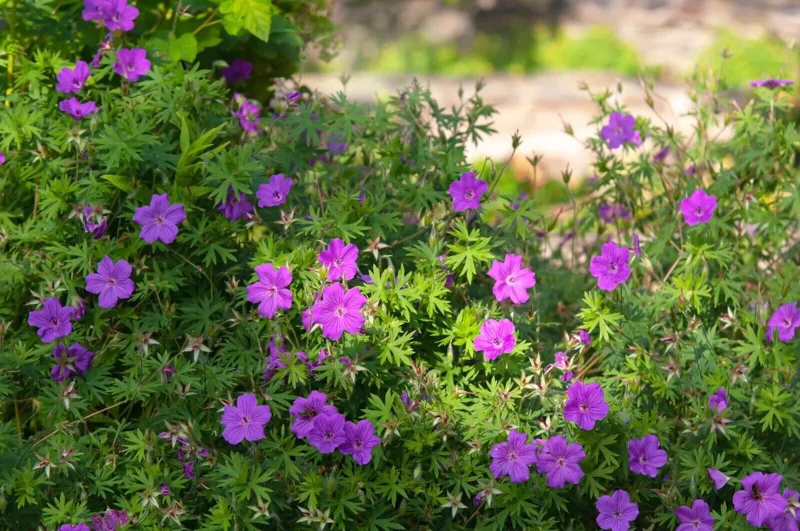
3 Cranesbill Wild Geranium Organic Maculatums Bare Roots | Wildflower for Outdoor Garden
Sold 114 products
Original price was: $21.99.$6.99Current price is: $6.99.RELATED posts
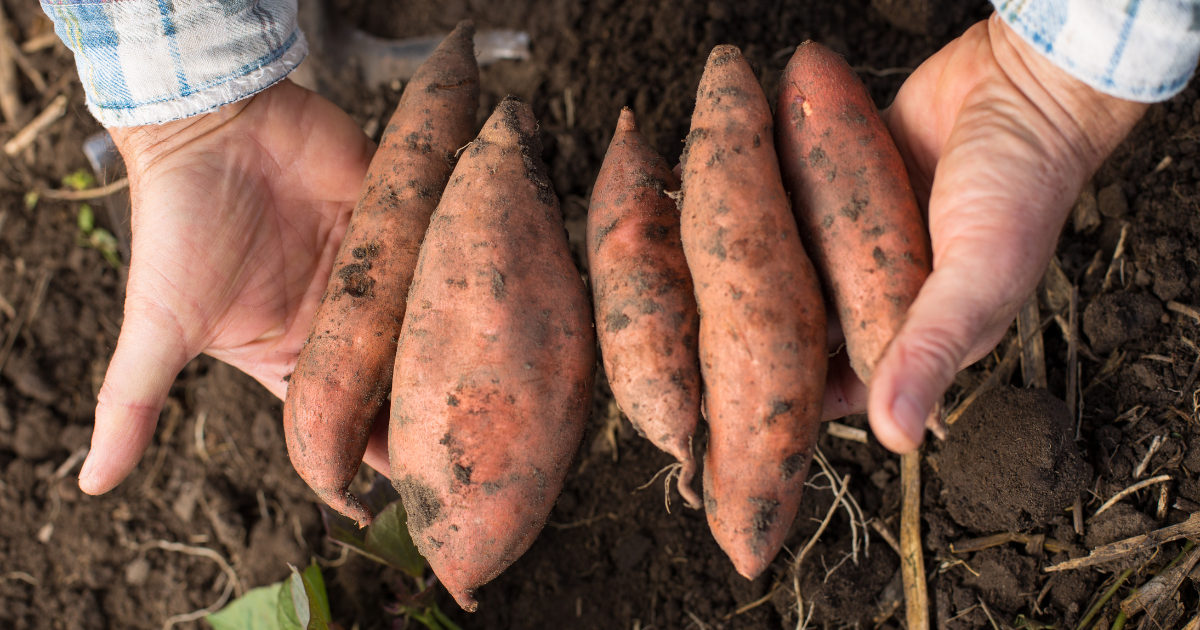
5 Tips for Growing Sweet Potatoes to Get the Biggest Sweet Potato Harvest Ever
If you are a fan of sweet potatoes, then these tips for growing sweet potatoes [...]
Apr
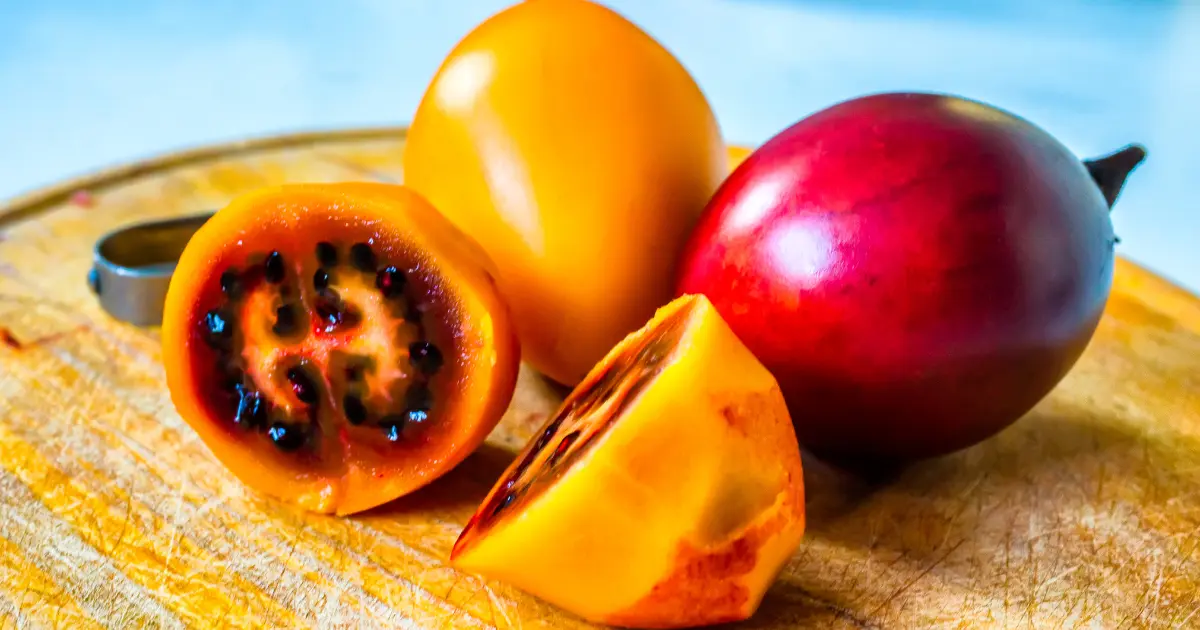
Tamarillo Tree Guide: Flavor, Texture & How to Eat Tree Tomatoes
The humble tomato is a kitchen staple we all know and love, but it rarely [...]
Apr
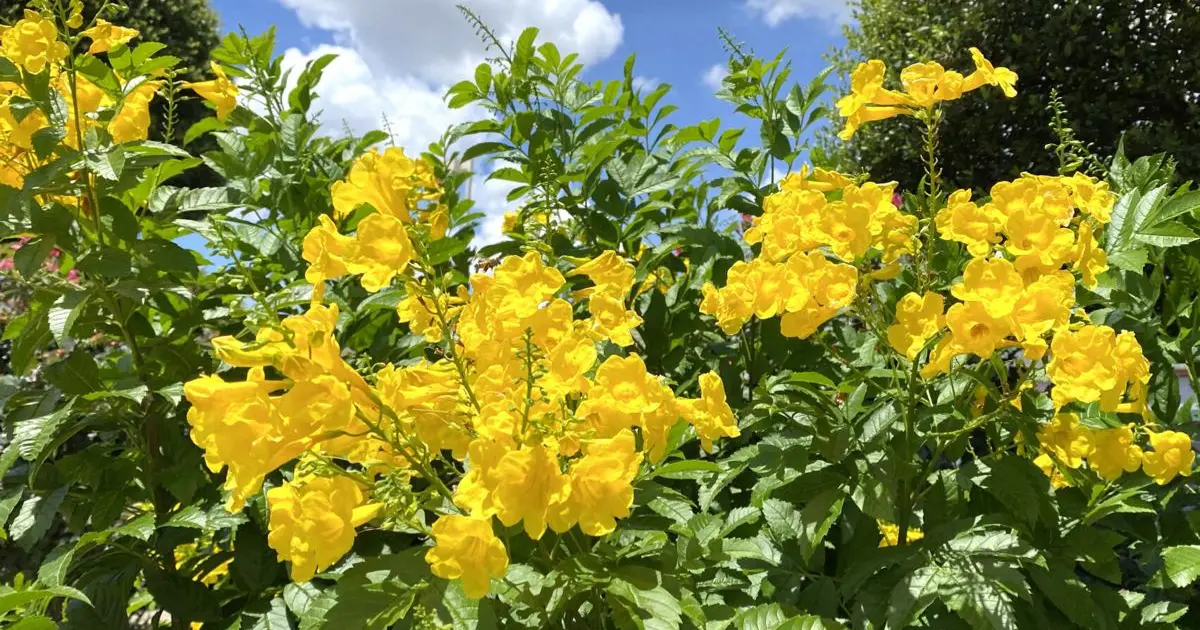
5 Pro Tips to Grow Esperanza ‘Gold Star’ Indoors: A Golden Glow for Your Home
While most gardeners know this Texas Superstar – Esperanza ‘Gold Star’ as a rugged outdoor [...]
Apr
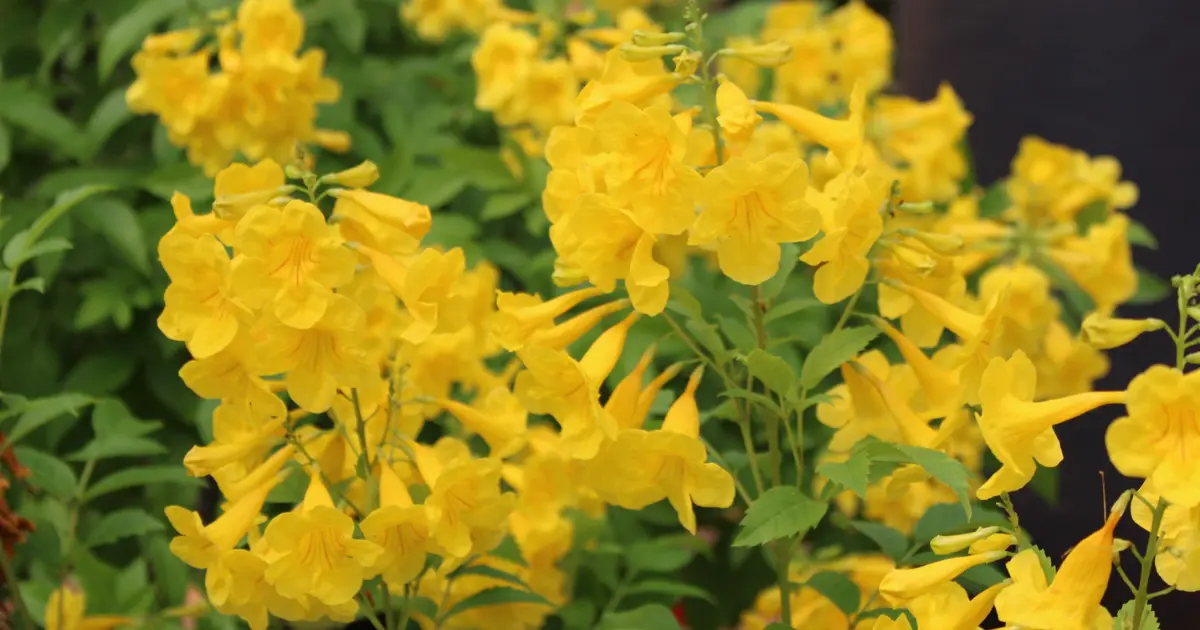
Mastering Esperanza Goldstar: Grow the Ultimate Yellow Bloom
Esperanza Goldstar is more than just a heat-tolerant shrub; for the American gardener battling the [...]
Apr
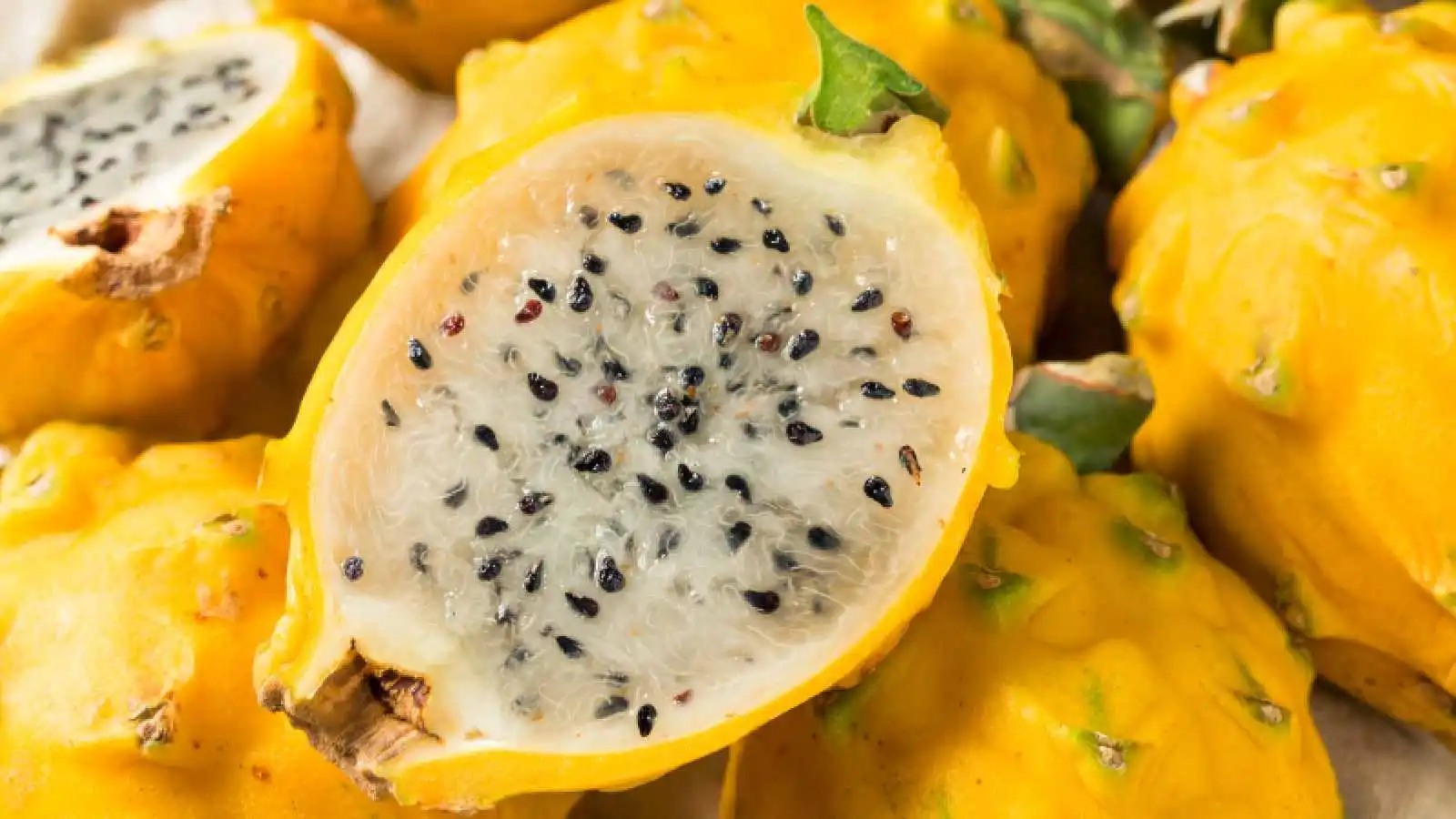
Yellow Dragon Fruit Plant Care: The Ultimate Guide for Healthy Growth
The yellow dragon fruit plant is a unique and rewarding addition to any home garden, [...]
Apr
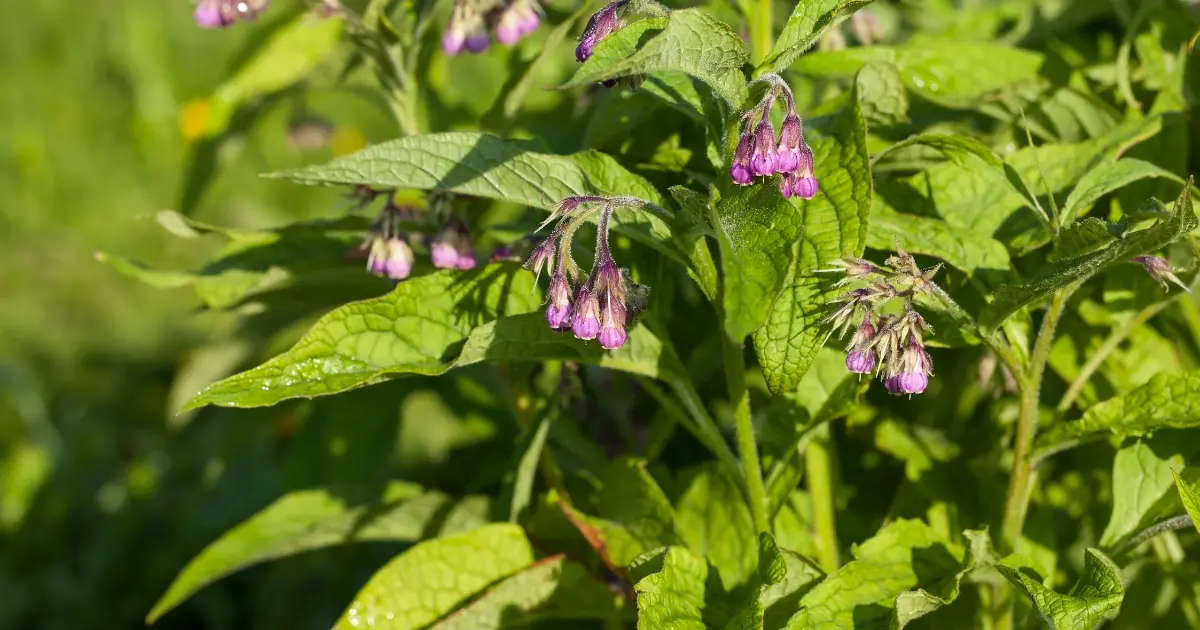
How to Identify Bocking 14 Comfrey: 5 Simple Visual Signs
If you’re growing comfrey for mulch, compost, or animal feed, knowing exactly which variety you [...]
Mar
Grand Duke of Tuscany Jasmine: The Ultimate Guide to Growing a Fragrant Masterpiece
Have you ever caught a scent in the air so rich, creamy, and honey-sweet that [...]
Mar
How to Grow Wild Huckleberries: A Guide to “Purple Gold”
Have you ever spent a summer afternoon hiking through the Pacific Northwest or the Rocky [...]
Mar

Reviews
There are no reviews yet.