
Black Hawk Black Raspberry Bare Roots – 2 Pack Hardy Fruit Plants
Original price was: $27.99.$17.99Current price is: $17.99.
Cultivate your own sweet and juicy berries with this black raspberry bare roots 2-pack. These hardy fruit plants are easy to grow and perfect for home gardens, providing delicious fruit for years to come.
Estimated arrival
Mar 30
Apr 04 - Apr 06
Apr 09 - Apr 13

Reasonable Price
We offer reasonable price

Support 24/7
Contact us 24 hrs a day

100% Money Back
You've 30 days to Return

Payment Secure
100% secure payment
Overview
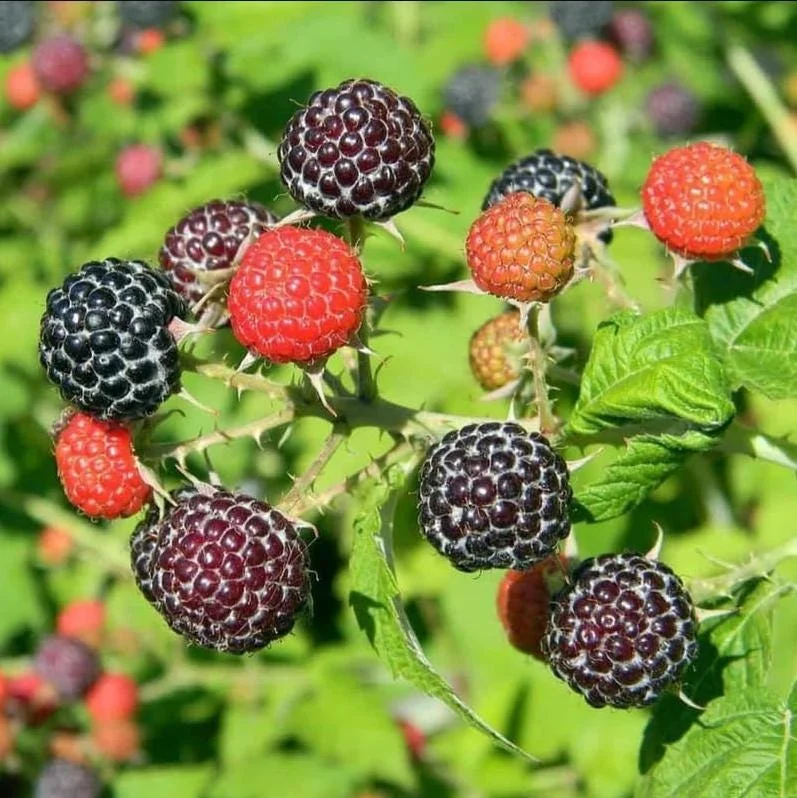
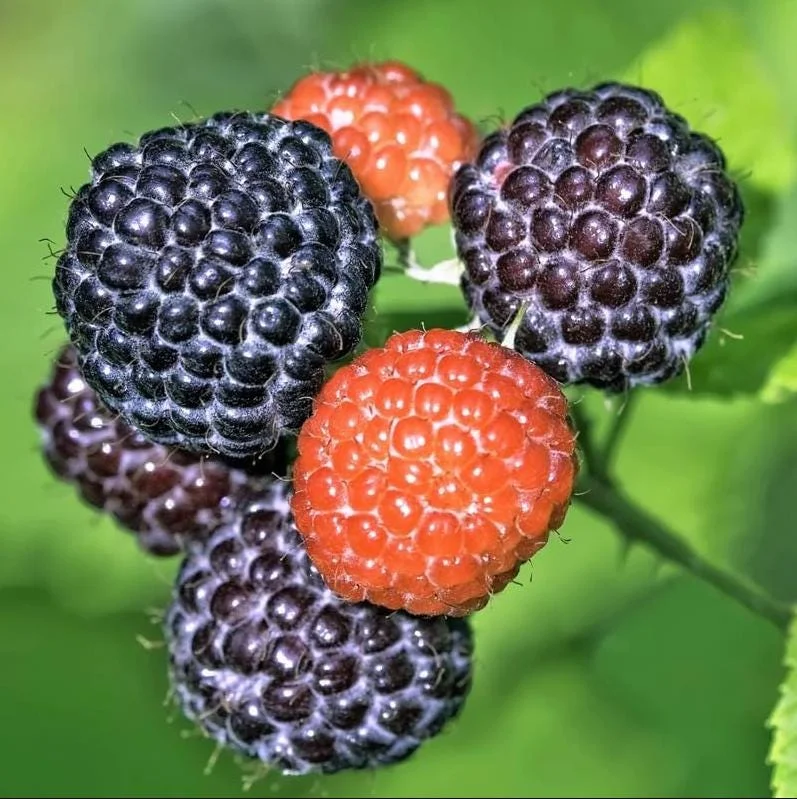
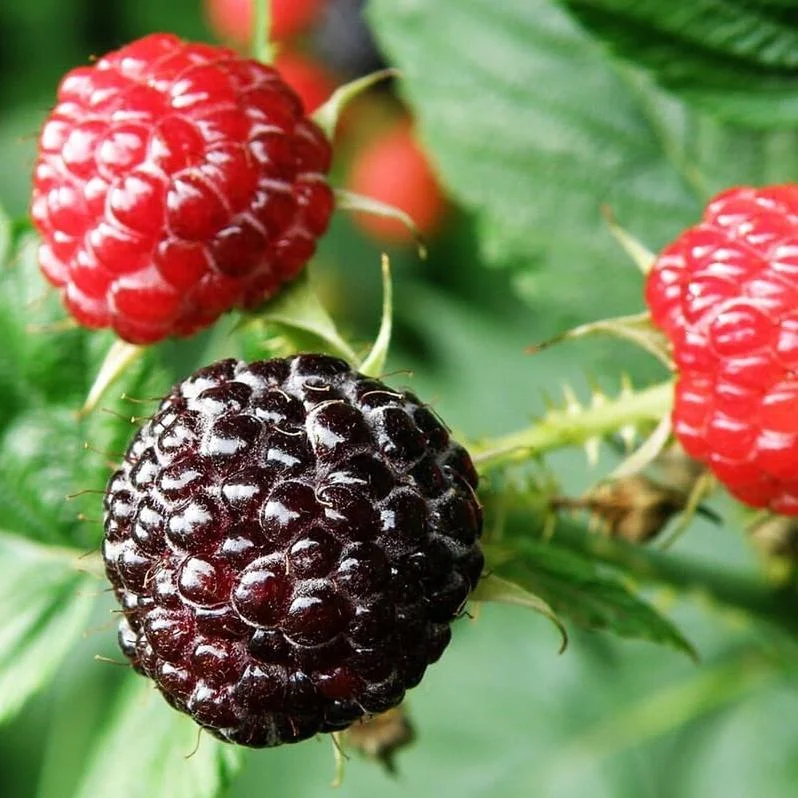
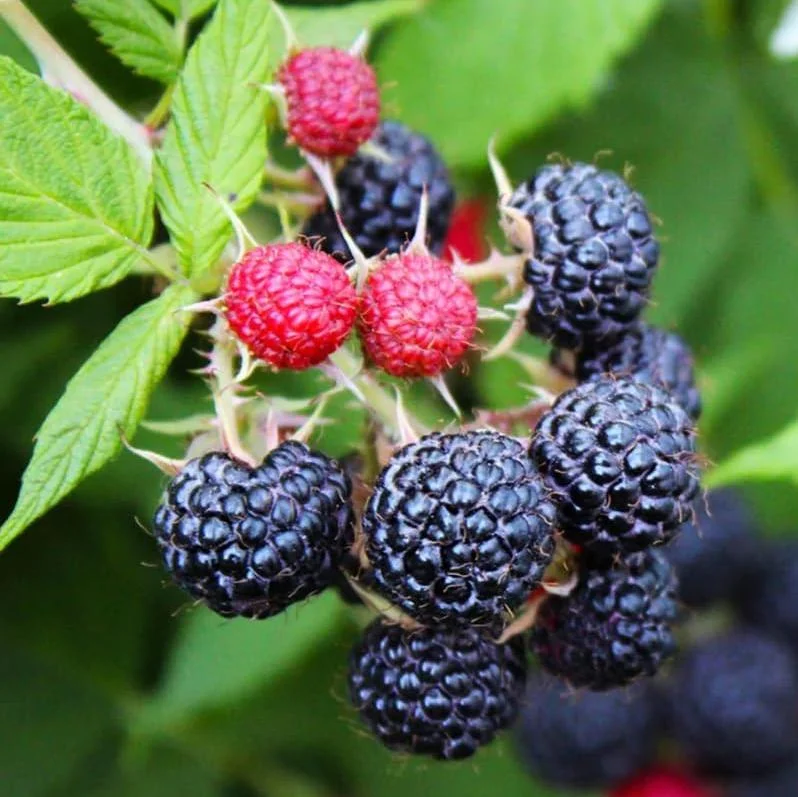
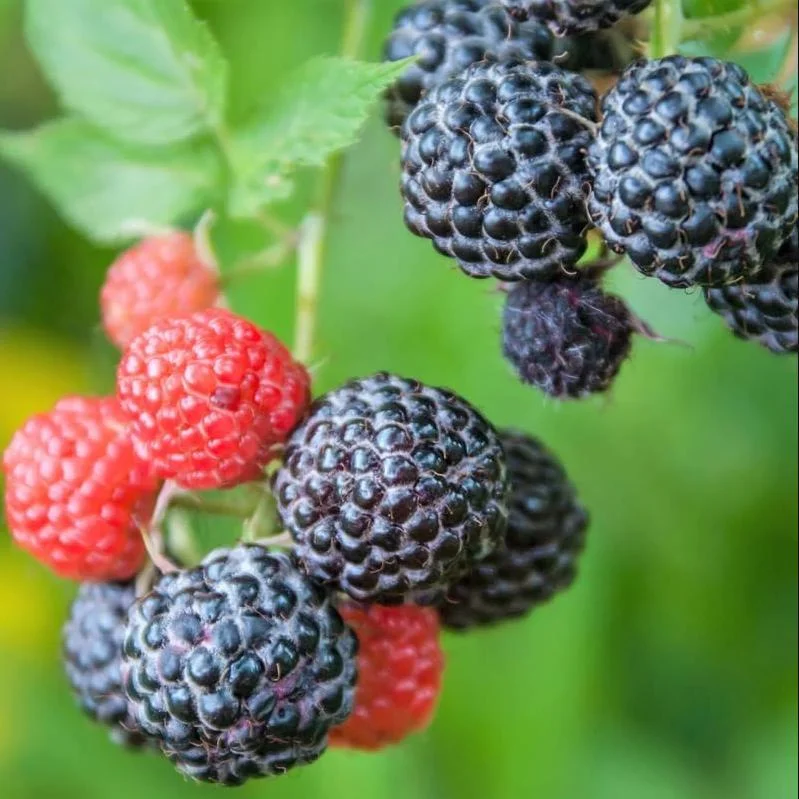
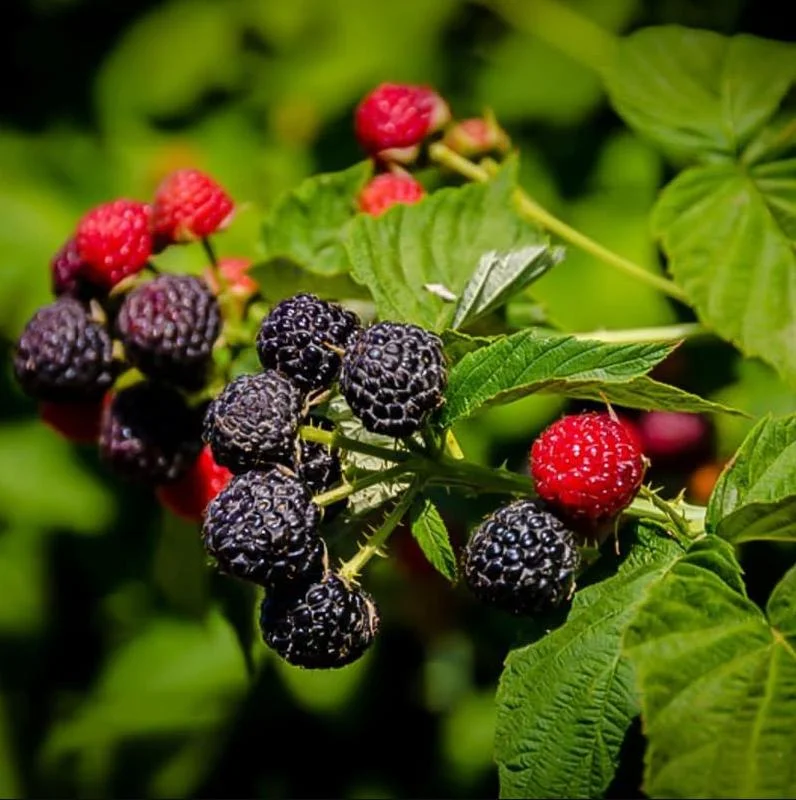
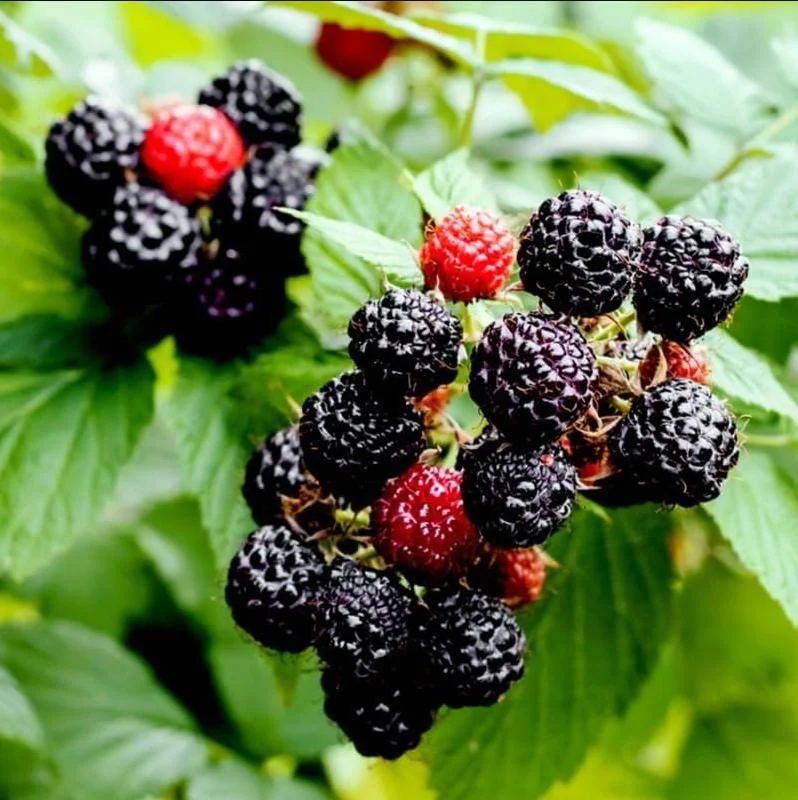
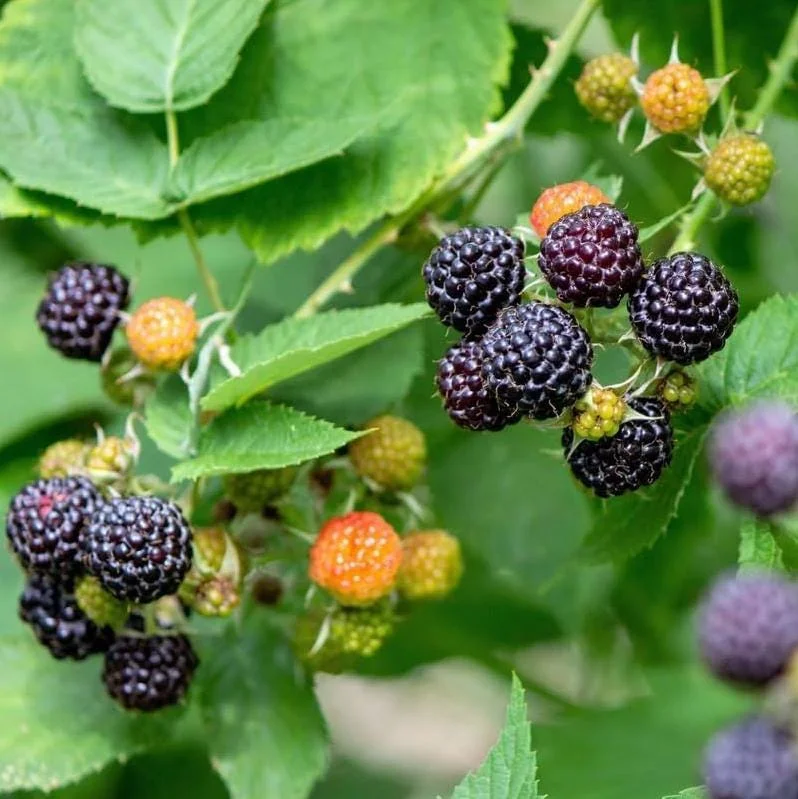
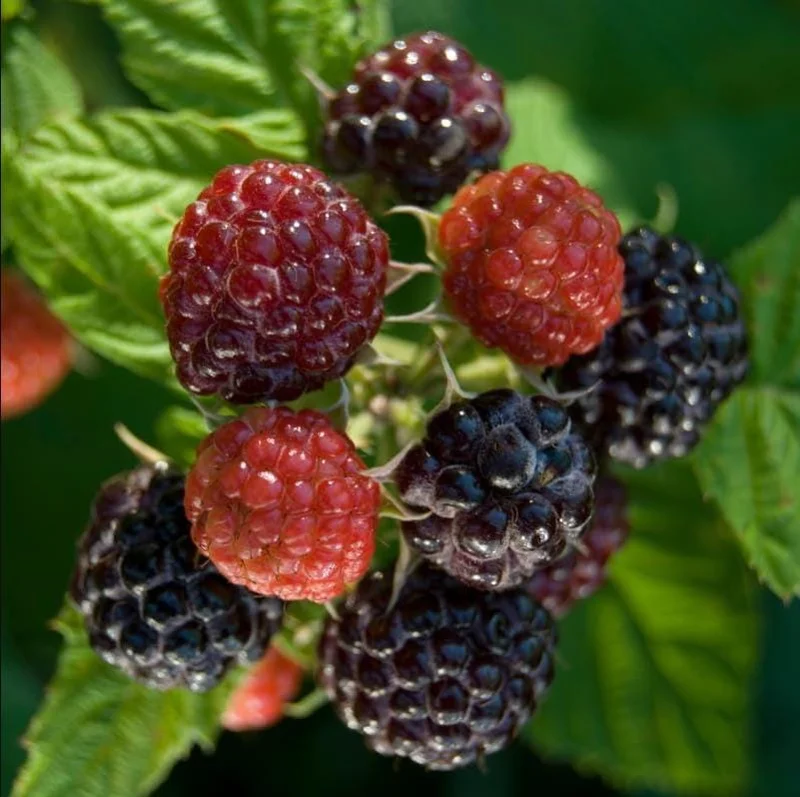
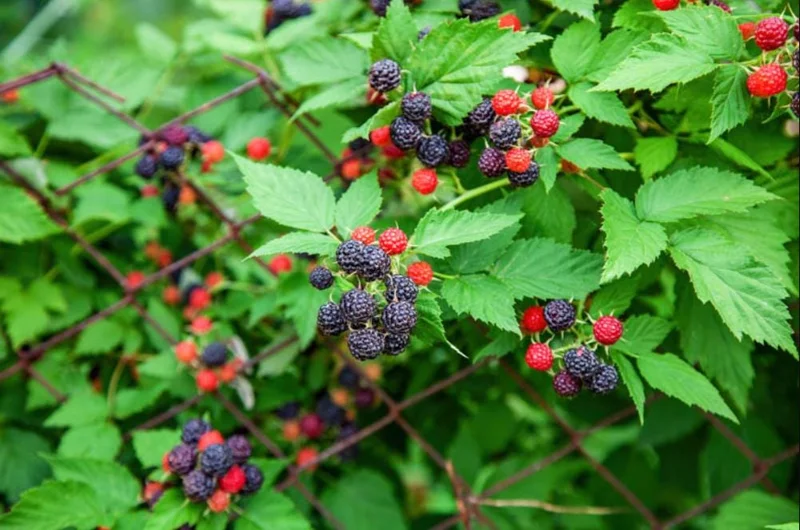
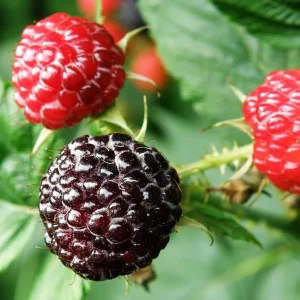
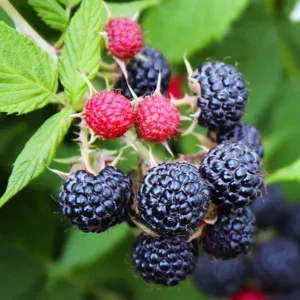
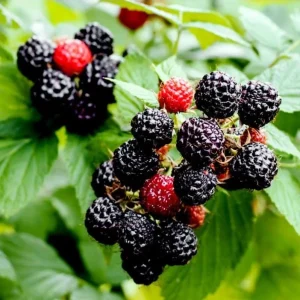
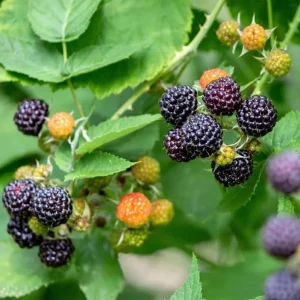
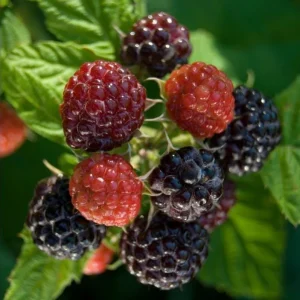
Embark on a rewarding gardening journey with our premium black raspberry bare roots. This offering includes a pack of two Black Hawk Black Raspberry bare roots, scientifically known as Rubus occidentalis. These are young, robust starter plants, typically 1-2 years old, ready to be planted directly into your garden. Black Hawk Black Raspberries are renowned for their rich flavor, dark color, and high antioxidant content, making them a fantastic addition to any home orchard or edible landscape. Growing your own raspberries ensures a fresh, organic supply for snacking, baking, or preserving. These plants are shipped without a pot, allowing for optimal root establishment directly in their new environment.
The Black Hawk variety is particularly valued for its vigorous growth and consistent yields. When established, these black raspberry bare roots will develop into strong, productive bushes, providing an abundance of fruit. They are an excellent choice for both experienced gardeners and those new to growing fruit, offering a relatively low-maintenance option for delicious, homegrown produce. Prepare to enjoy the delightful taste of fresh black raspberries from your very own backyard.
Key Benefits
Investing in black raspberry bare roots offers a multitude of benefits for both your garden and your health. These plants are not only productive but also contribute to a vibrant ecosystem. Here are some of the key advantages:
- Delicious Homegrown Fruit: Enjoy the unparalleled taste of fresh, organic black raspberries straight from your garden. The Black Hawk variety is known for its sweet, slightly tart flavor, perfect for eating fresh, making jams, pies, or smoothies.
- High Nutritional Value: Black raspberries are packed with antioxidants, vitamins, and fiber, contributing to a healthy diet. Growing your own ensures you have access to nutrient-rich produce without pesticides.
- Hardy and Resilient: These hardy fruit plants are well-suited to various climates and are known for their resilience. Once established, they can withstand common garden challenges and continue to produce for many years.
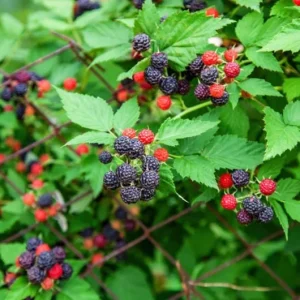
- Attractive Garden Addition: Beyond their fruit, raspberry bushes add an attractive, natural element to your garden landscape. Their green foliage and eventual dark berries create visual interest throughout the growing season.
- Supports Local Pollinators: The flowers of raspberry plants attract bees and other beneficial pollinators, contributing to the biodiversity and health of your garden ecosystem.
- Cost-Effective: Over time, growing your own raspberries can be significantly more cost-effective than continually purchasing them from stores, especially during peak season.
- Rewarding Gardening Experience: The process of planting, nurturing, and harvesting your own fruit is incredibly rewarding, offering a tangible connection to nature and a sense of accomplishment.
Plant Care & Growing Tips
To ensure your black raspberry bare roots thrive and produce bountiful harvests, proper care is essential. The Black Hawk Black Raspberry is a relatively easy plant to care for, but understanding its specific needs will lead to the best results. These plants are designed to be robust and are an excellent choice for those looking to grow black raspberries successfully.
Location and Soil: Select a site that receives full sun, meaning at least 6–8 hours of direct sunlight daily. Good air circulation is also beneficial. The soil should be well-draining and rich in organic matter. Black raspberries prefer a slightly acidic to neutral pH (6.0-6.8). Before planting, amend the soil with compost or well-rotted manure to improve fertility and drainage. When planting the bare roots, position them so that the uppermost root is covered by only 1 to 2 inches of soil. After planting, water thoroughly to settle the soil around the roots.
Watering and Fertilization: Consistent moisture is crucial, especially during establishment and fruit development. Provide 1 to 1.5 inches of water weekly, either through rainfall or irrigation. Drip irrigation is highly recommended as it keeps the foliage dry, reducing the risk of fungal diseases like anthracnose. Avoid overhead watering if possible. Fertilize your black hawk raspberry plant in early spring with a balanced granular fertilizer or a fertilizer specifically formulated for berries. Follow package directions for application rates. Avoid over-fertilizing, which can promote leafy growth at the expense of fruit production.
Pruning and Pest Management: Black raspberries produce fruit on canes that grew the previous year (floricanes). After harvesting, these floricanes will die back and should be pruned to the ground. New canes (primocanes) will emerge and produce fruit the following year. In late winter or early spring, prune primocanes to maintain desired height and width, and remove any weak or damaged canes. This proactive pruning helps to grow black raspberries effectively. Keep an eye out for common pests such as aphids or Japanese beetles, and address them with organic pest control methods if necessary. Good air circulation and proper spacing between plants can help prevent many disease issues.
Size & Details
You will receive a pack of two black raspberry bare roots. These are young, vigorous starter plants, typically 1-2 years old, designed for direct planting. Bare roots are an economical and effective way to start a berry patch, as they establish quickly once planted in suitable conditions. The plants are shipped without pots and are dormant, which is the ideal state for transplanting, minimizing shock and encouraging robust growth.
Upon planting, these Black Hawk Black Raspberry bare roots will begin to develop their root system and foliage. The mature hardy fruit plants can reach heights of 5-8 feet with a similar spread, depending on pruning and growing conditions. Expect the first fruits to appear in the second year after planting, with full production commencing in subsequent years. The Black Hawk variety is known for its strong, upright growth habit, making it relatively easy to manage within a garden setting. Proper trellising or support may be beneficial as the plants mature and bear heavy fruit loads to keep the canes organized and facilitate harvesting.
Frequently Asked Questions
- Q: What condition will the black raspberry bare roots arrive in? A: Your black raspberry bare roots will arrive dormant and without soil or a pot. This is the optimal state for transplanting, as it reduces stress on the plant and prepares it for direct planting into your garden.
- Q: How big will my black hawk raspberry plant get? A: A mature black hawk raspberry plant typically grows to a height of 5-8 feet and can spread similarly. Regular pruning helps manage its size and encourages better fruit production.
- Q: When is the best time to plant these bare roots? A: The best time to plant raspberry bare roots is in early spring, after the last frost, but before the heat of summer. This allows the roots ample time to establish before active growth begins.
- Q: How much sunlight do black raspberries need? A: Black raspberries thrive in full sun, requiring at least 6-8 hours of direct sunlight per day. This ensures optimal fruit development and plant health.
- Q: Are these hardy fruit plants suitable for all climates? A: These are hardy fruit plants, but their specific hardiness can vary. Black Hawk Black Raspberries are generally hardy in USDA zones 5-8. Check your local USDA hardiness zone to confirm suitability.
- Q: How long until I can harvest fruit from my black raspberry bare roots? A: You can typically expect your first harvest of black raspberries in the second year after planting. Full production usually begins in the third year.
- Q: What kind of soil is best for growing black raspberries? A: Black raspberries prefer well-draining soil that is rich in organic matter, with a slightly acidic to neutral pH (6.0-6.8). Good drainage is crucial to prevent root rot.
- Q: Can I grow black raspberries in containers? A: While possible, growing black raspberries in containers requires very large pots (at least 15-20 gallons) and diligent watering and fertilization due to their vigorous growth and extensive root systems. It’s generally best to grow black raspberries directly in the ground.
- Q: How much water do black raspberry plants need? A: Provide 1 to 1.5 inches of water weekly, especially during dry periods and fruit development. Drip irrigation is recommended to keep foliage dry and prevent diseases.
- Q: What is the benefit of pruning black raspberry plants? A: Pruning helps maintain plant health, encourages new growth, and improves fruit production. Removing spent floricanes and thinning primocanes ensures better air circulation and sunlight penetration, which is vital for the health of your black hawk raspberry plant.
Be the first to review “Black Hawk Black Raspberry Bare Roots – 2 Pack Hardy Fruit Plants”
-
USDA Hardiness Zone
USDA zones 5-8 -
Soil Type
Well-draining, rich in organic matter -
Sunlight Exposure
Full sun (6-8 hours daily) -
Expected Planting Period
Early spring
People Also Viewd
Sold 128 products
Original price was: $27.00.$24.00Current price is: $24.00.
Sold 127 products
Original price was: $89.99.$64.99Current price is: $64.99.
Sold 125 products
Original price was: $3,536.00.$23.99Current price is: $23.99.

Sold 125 products
Original price was: $86.99.$66.99Current price is: $66.99.
Sold 116 products
Original price was: $27.99.$16.99Current price is: $16.99.
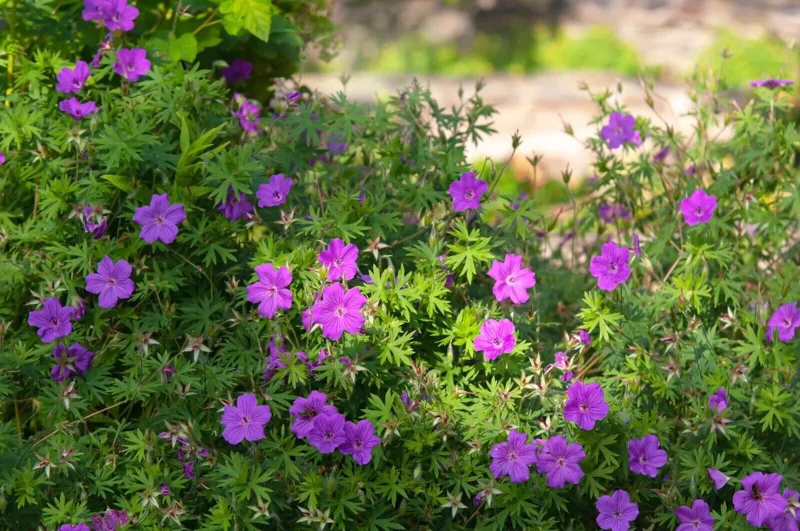
Flower Bulbs
3 Cranesbill Wild Geranium Organic Maculatums Bare Roots | Wildflower for Outdoor Garden
Sold 114 products
Original price was: $21.99.$6.99Current price is: $6.99.
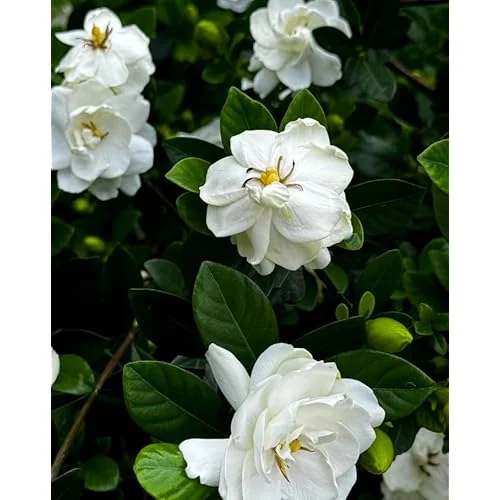
Sold 114 products
Original price was: $28.99.$17.99Current price is: $17.99.
Sold 109 products
Original price was: $63.99.$28.99Current price is: $28.99.RELATED posts
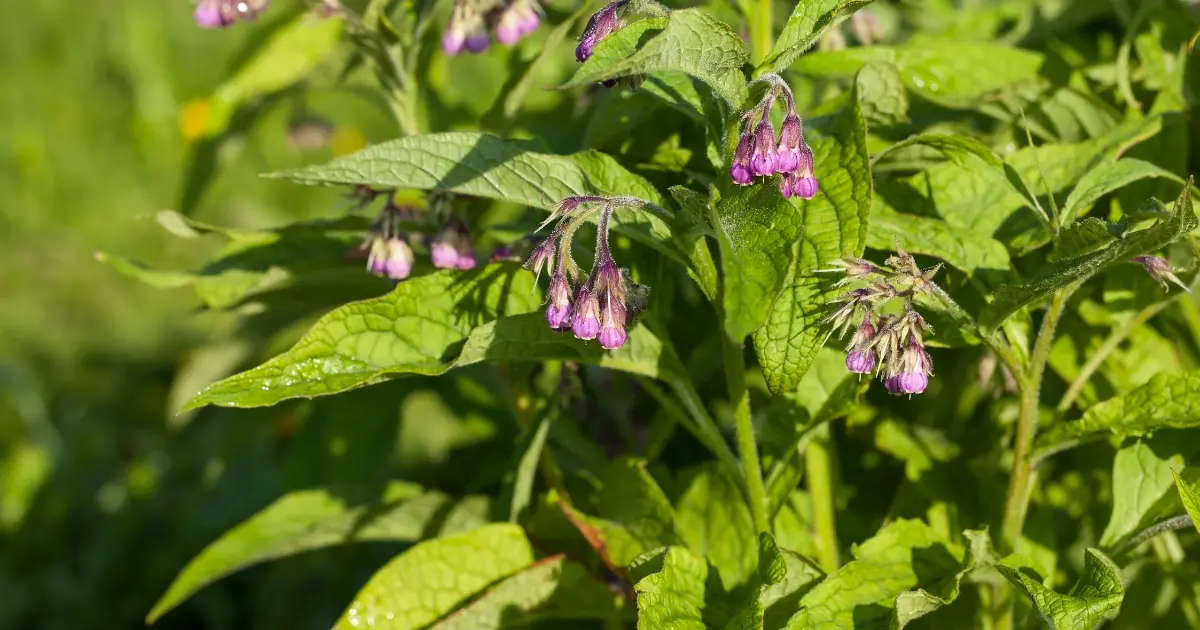
How to Identify Bocking 14 Comfrey: 5 Simple Visual Signs
If you’re growing comfrey for mulch, compost, or animal feed, knowing exactly which variety you [...]
Mar
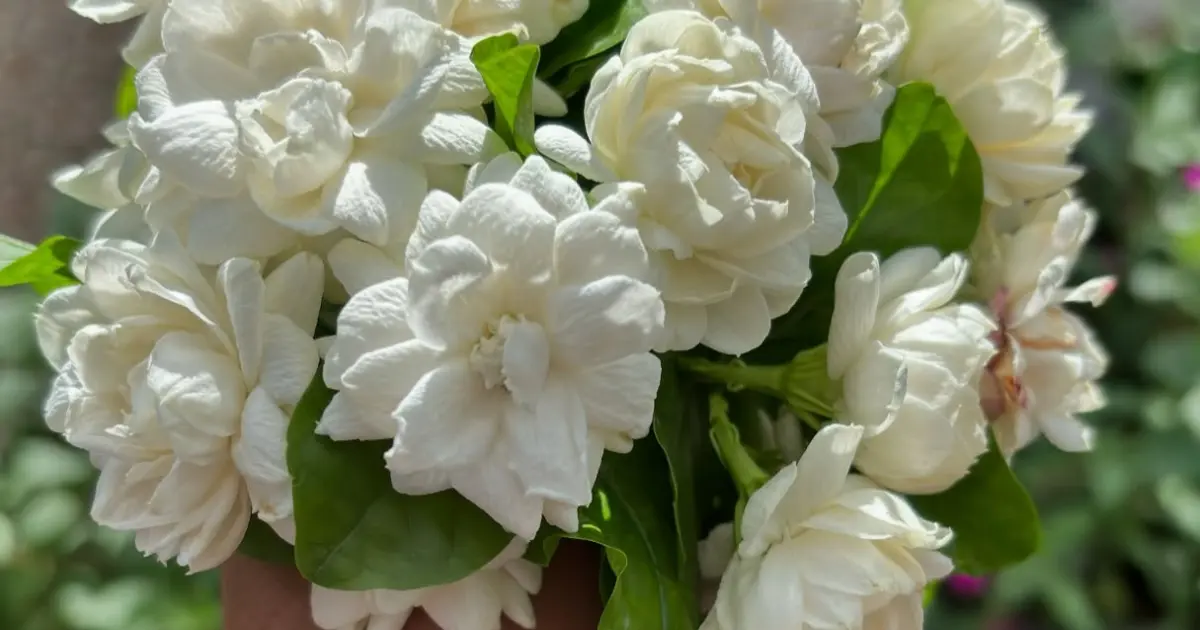
Grand Duke of Tuscany Jasmine: The Ultimate Guide to Growing a Fragrant Masterpiece
Have you ever caught a scent in the air so rich, creamy, and honey-sweet that [...]
Mar
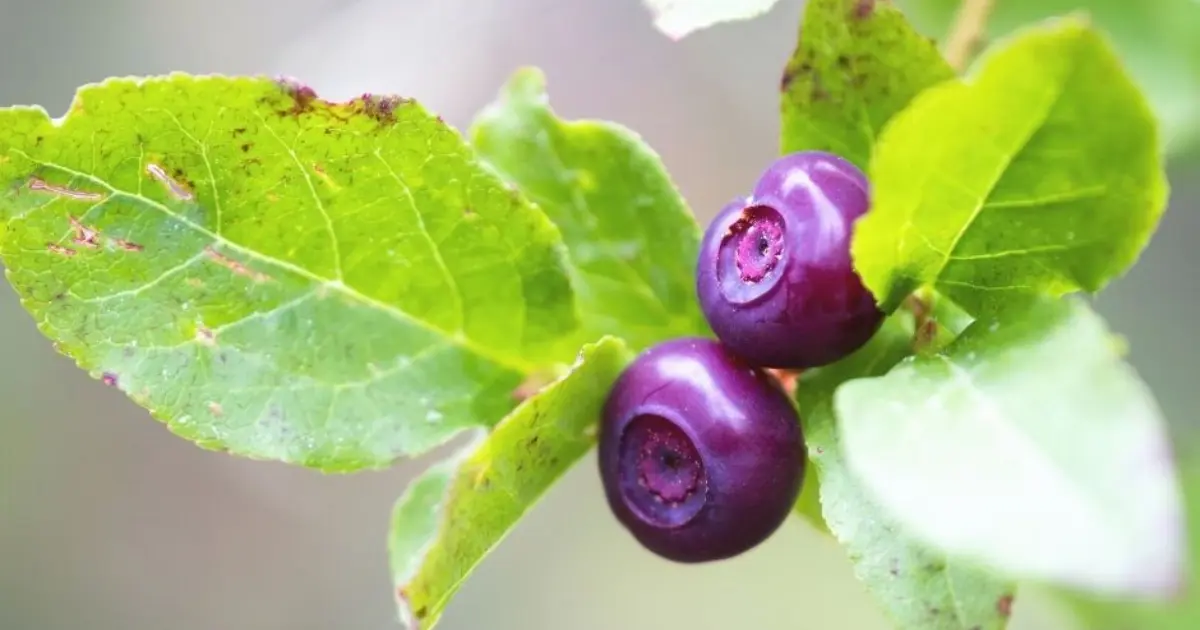
How to Grow Wild Huckleberries: A Guide to “Purple Gold”
Have you ever spent a summer afternoon hiking through the Pacific Northwest or the Rocky [...]
Mar
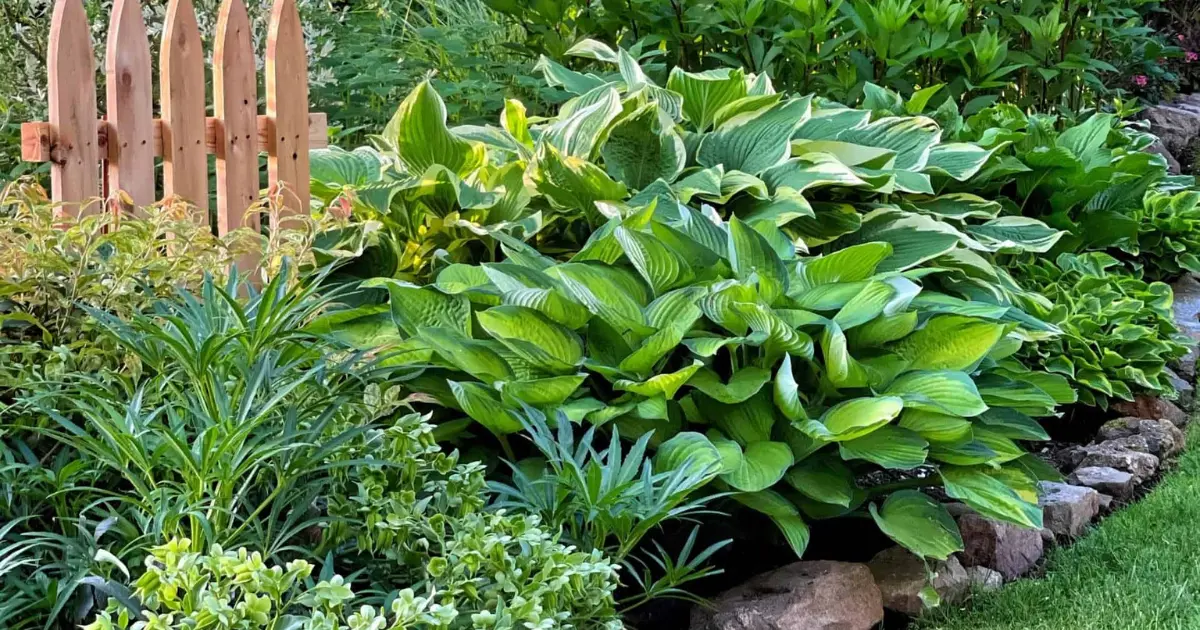
5 Best Shade-Loving Perennials for a Lush, Vibrant Garden
The world of gardening often shines a spotlight on sun-drenched blossoms, but there is a [...]
Mar

7 Common Curry Leaf Plant Problems: Easy Fixes for a Thriving Plant
Is your curry leaf plant looking a bit sad lately? Maybe you woke up to [...]
Mar
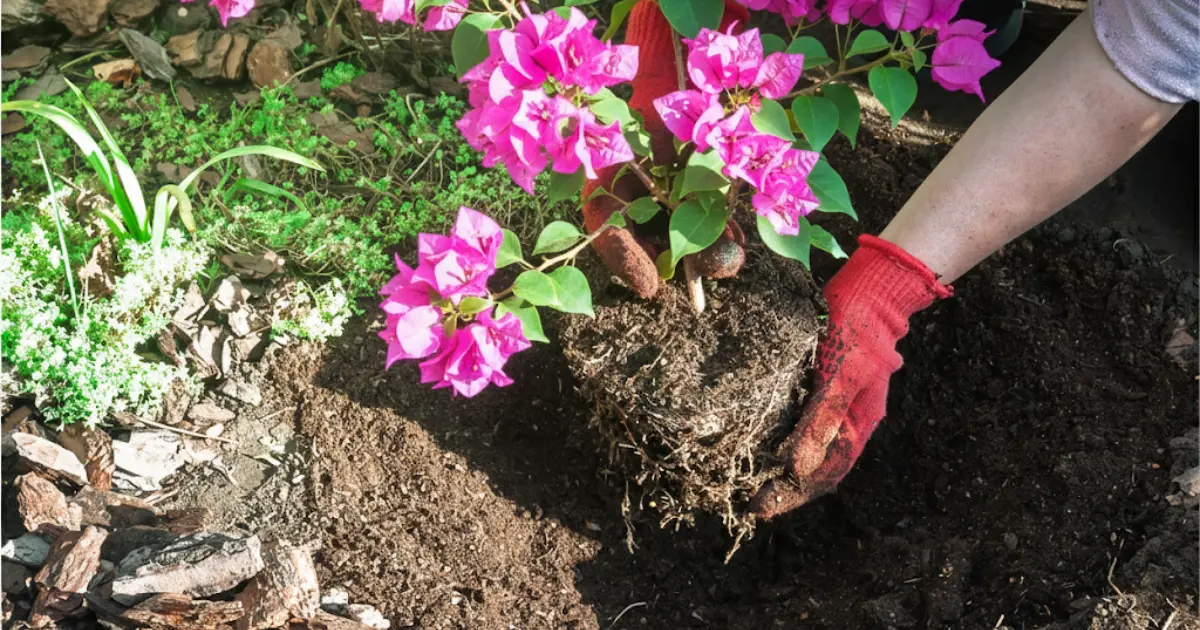
Best Time to Plant Bougainvillea: Timing for Vibrant Blooms
If you’re looking for a hardy tropical vine that delivers a riot of neon color, [...]
Feb
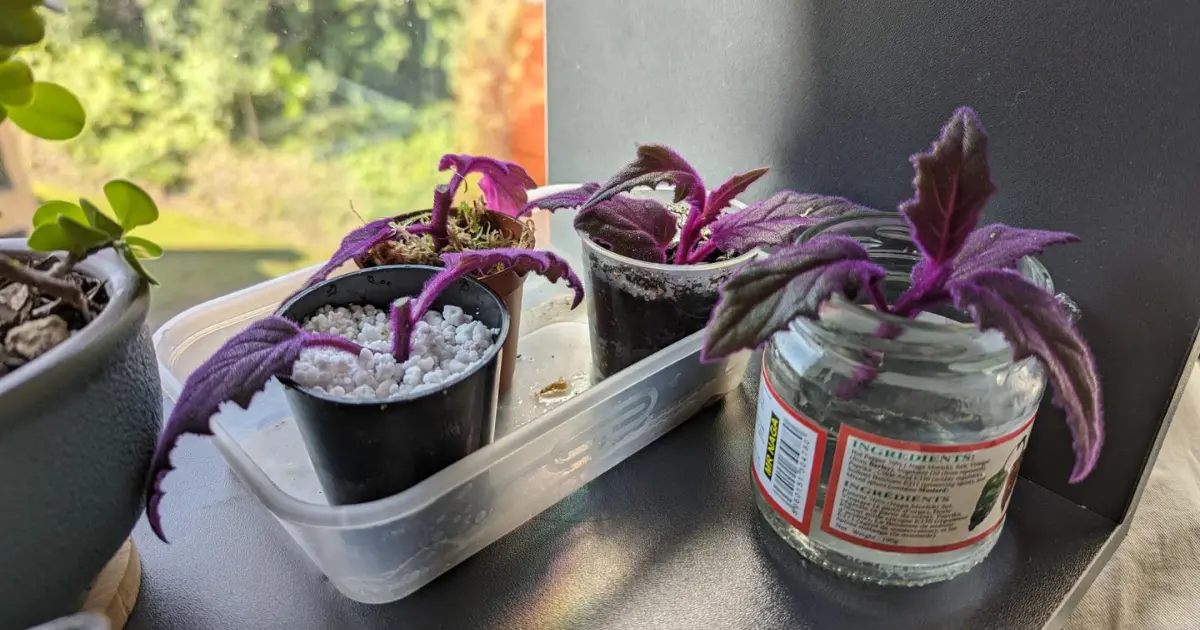
How to Propagate Purple Passion Plants (Gynura aurantiaca)
Have you ever been mesmerized by the neon-purple glow and fuzzy, velvet-like leaves of a [...]
Feb
How to Grow Beauregard Sweet Potatoes: From Slips to a Bountiful Harvest
Are you ready to add a classic, heavy-hitting favorite to your vegetable patch? If you’ve [...]
Feb
Reviews
There are no reviews yet.