
Black Pepper Live Plant – Piper Nigrum Starter, 3-5 Inch Tall, Indoor/Outdoor Herb
Original price was: $26.19.$16.19Current price is: $16.19.
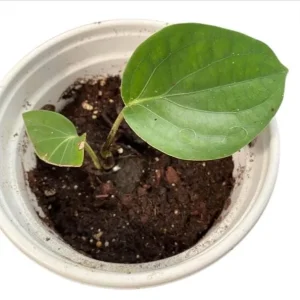
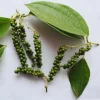
Cultivate your own spice with this healthy black pepper live plant. This Piper Nigrum starter is 3-5 inches tall, ready to thrive indoors or outdoors. Enjoy the journey of growing your own peppercorns.
Estimated arrival
Mar 30
Apr 04 - Apr 06
Apr 09 - Apr 13

Reasonable Price
We offer reasonable price

Support 24/7
Contact us 24 hrs a day

100% Money Back
You've 30 days to Return

Payment Secure
100% secure payment
Overview
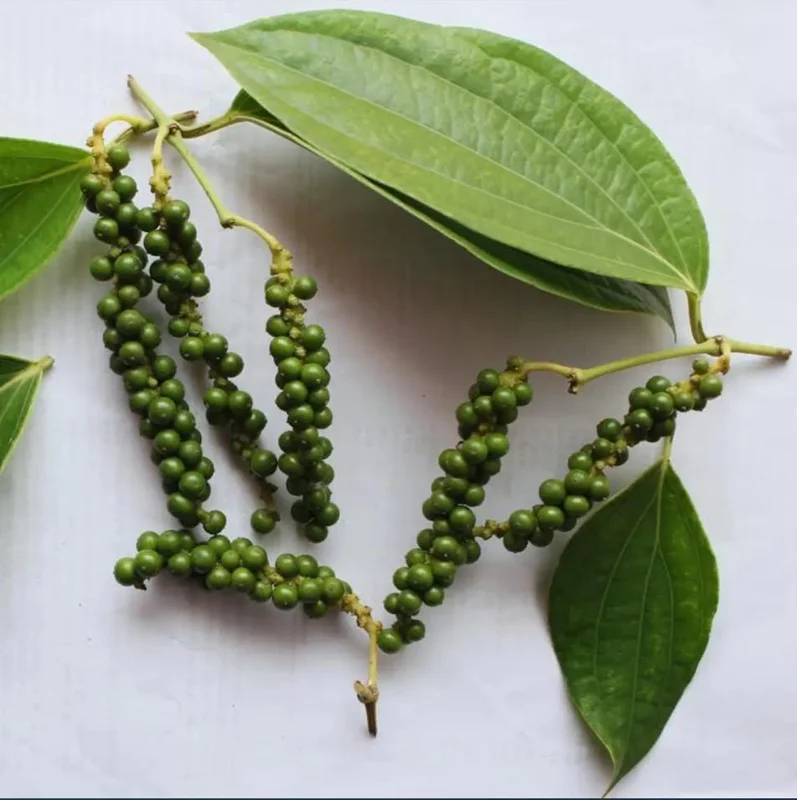
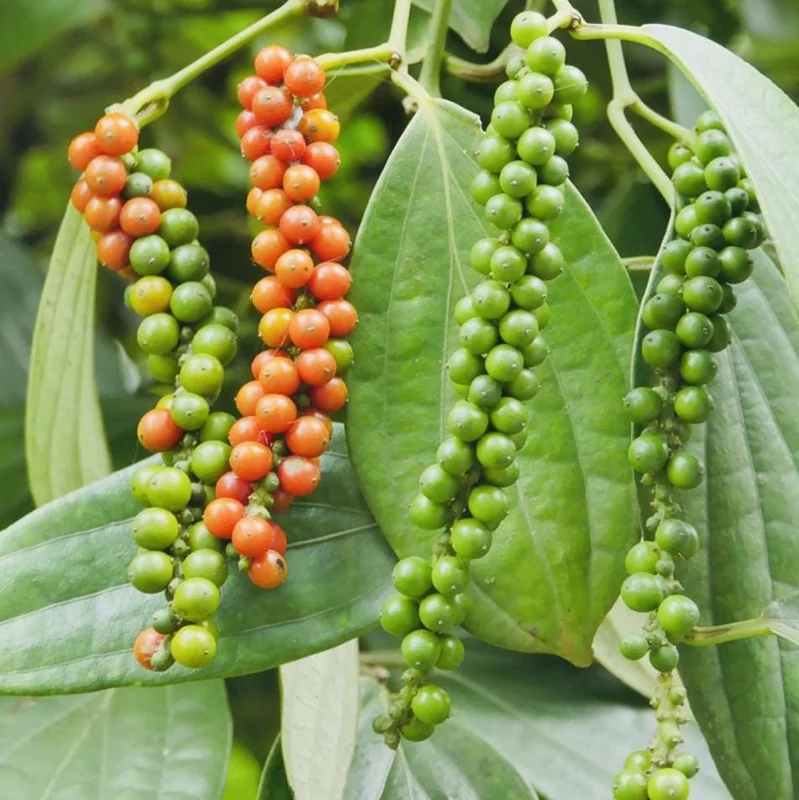
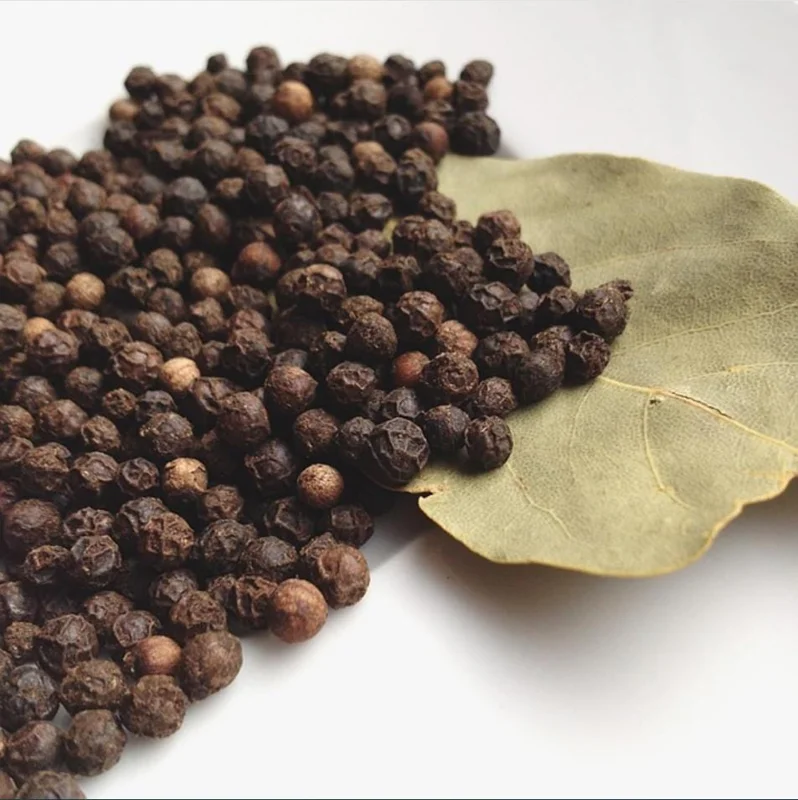
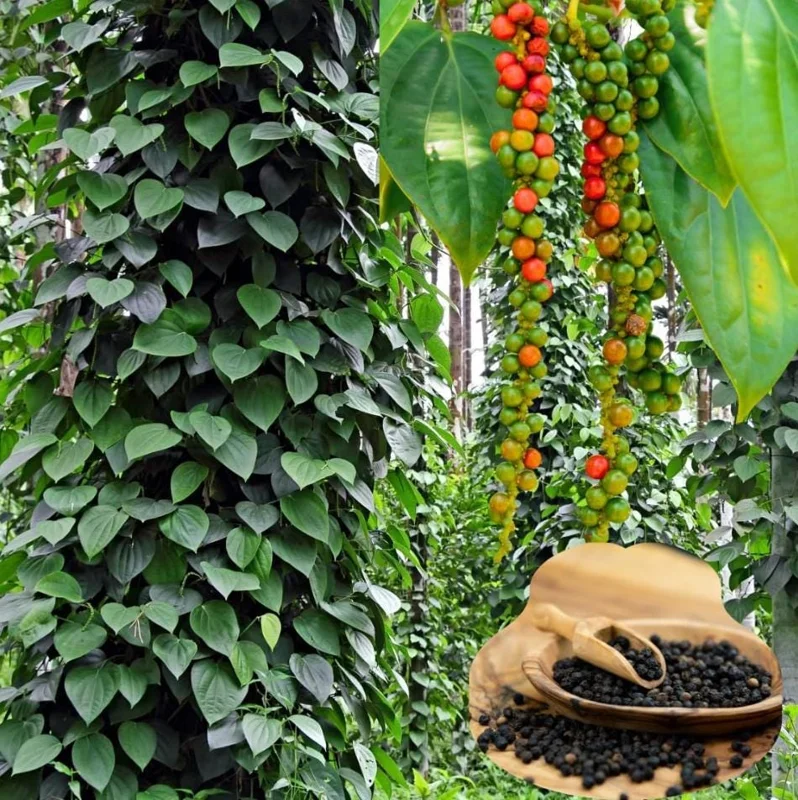
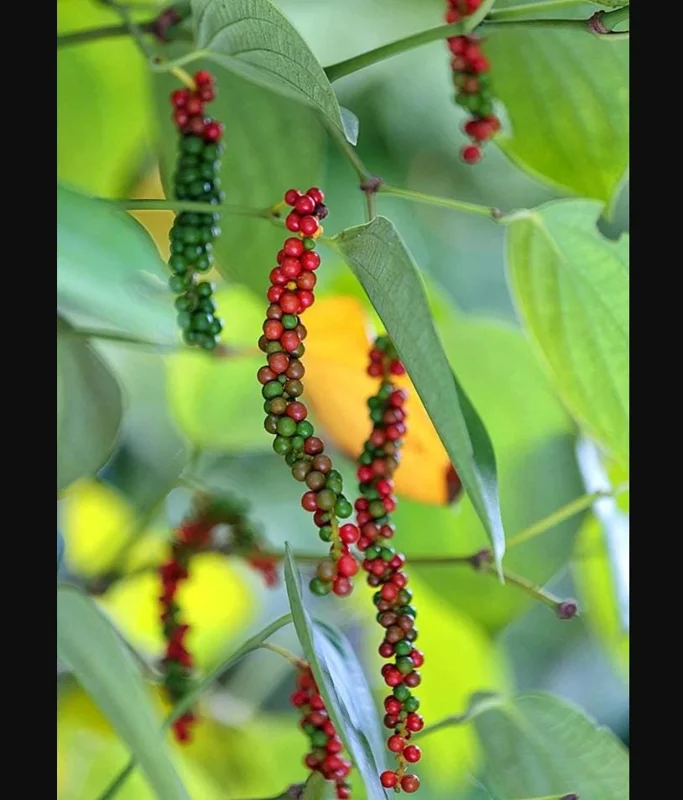
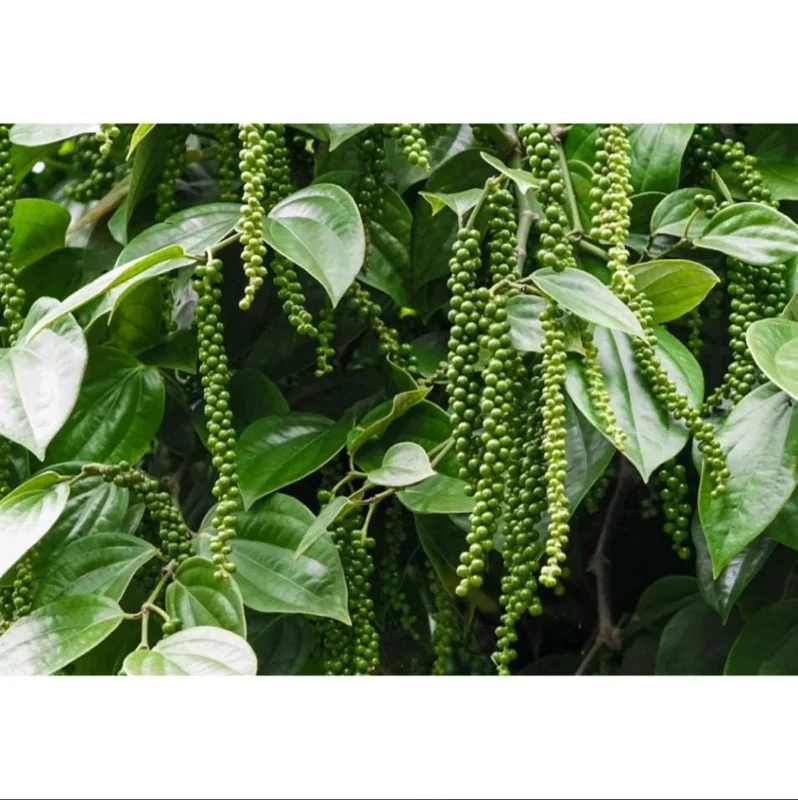
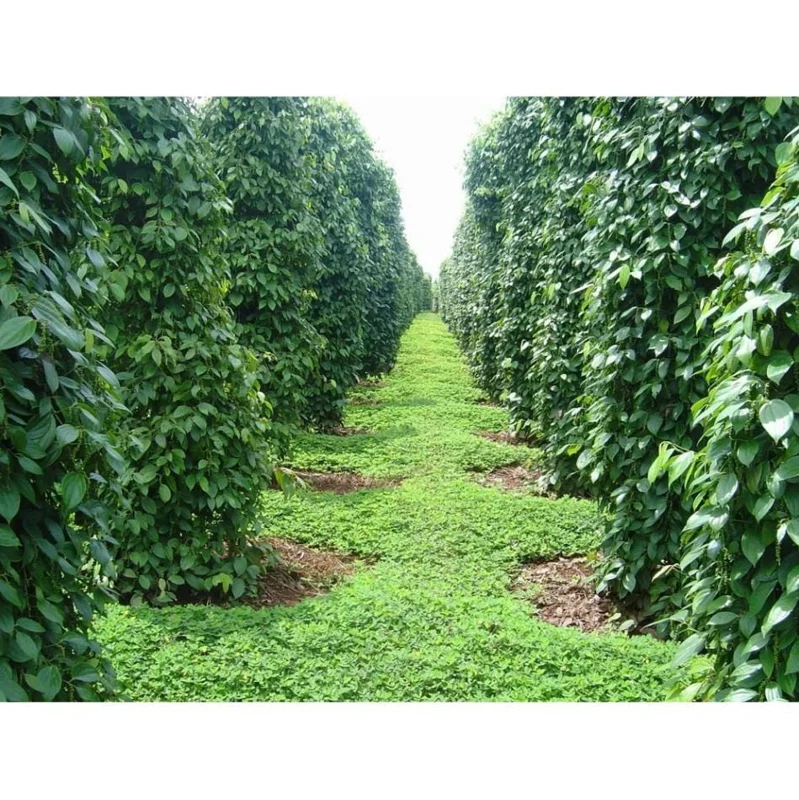
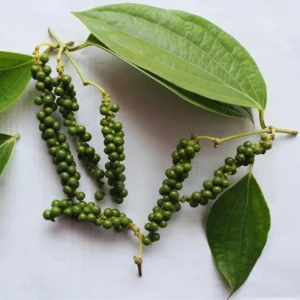
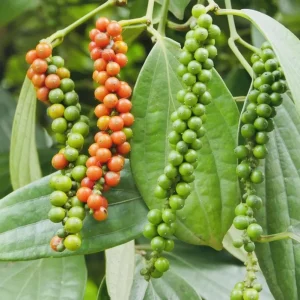
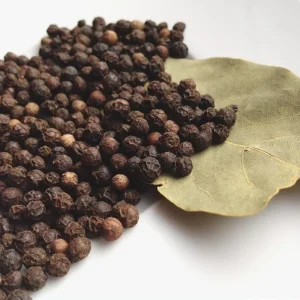
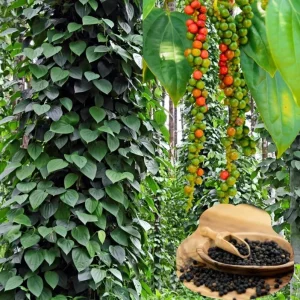
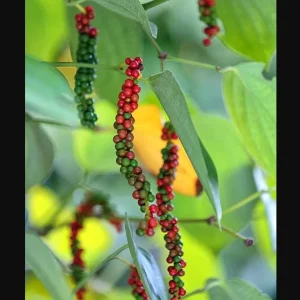
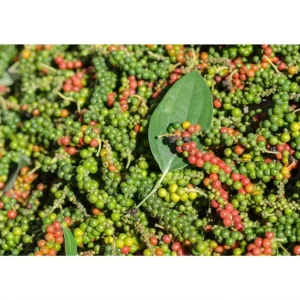
Embark on a unique gardening adventure by growing your own black pepper live plant. This healthy starter plant, scientifically known as Piper nigrum, offers an exciting opportunity for both novice and experienced gardeners to cultivate one of the world’s most beloved spices right at home. Originating from the Malabar Coast of India, the black pepper plant is a beautiful climbing vine that, with proper care, can produce its distinctive berries, which are then dried to become peppercorns. Our peppercorn plant starter is a young, vigorous specimen, typically measuring 3 to 5 inches tall, ensuring a strong foundation for future growth. While it arrives without flowers or fruit, it is primed to develop into a productive plant under suitable conditions. This versatile plant can be grown indoors in cooler climates or outdoors in warmer, humid environments, making it a fascinating addition to any plant collection.
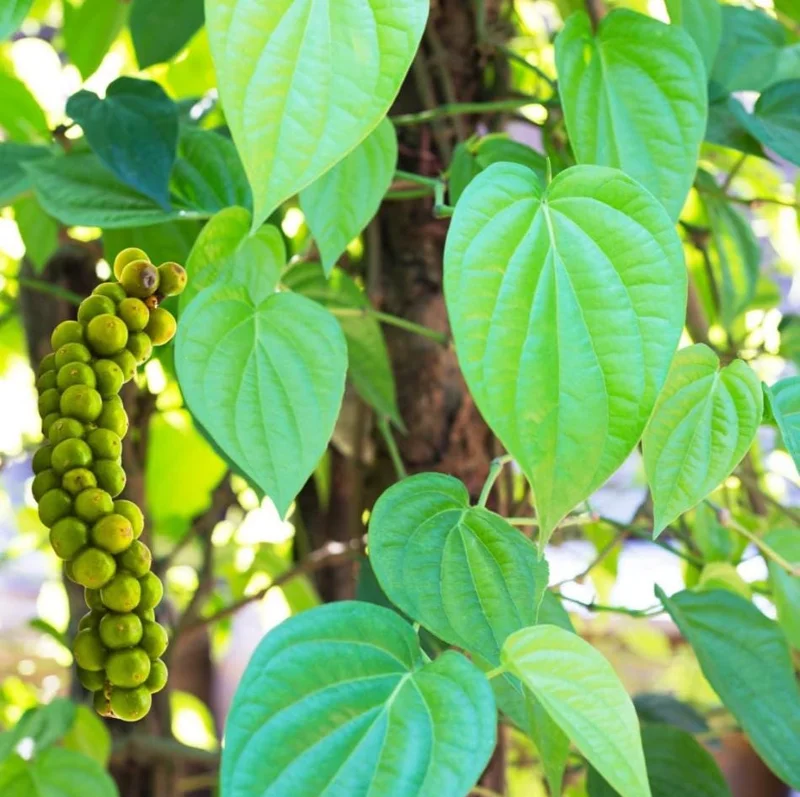
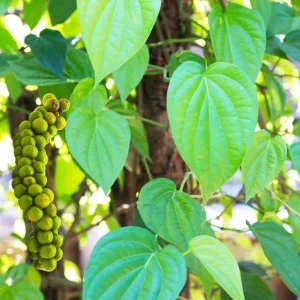
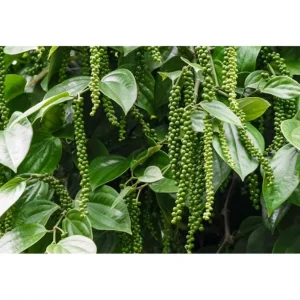
The black pepper live plant is not only a source of culinary delight but also adds an attractive tropical touch to your living space or garden. Its glossy green leaves and vining habit make it an appealing ornamental, even before it begins to bear fruit. Growing a piper nigrum plant care involves understanding its specific needs, which are relatively straightforward once established. Imagine the satisfaction of harvesting your own fresh peppercorns, adding unparalleled flavor to your meals. This starter plant provides an accessible entry point into the world of exotic home gardening.
Key Benefits
Growing a black pepper live plant offers a multitude of benefits, from culinary advantages to aesthetic appeal and the sheer joy of nurturing a unique plant. This plant is a fantastic choice for those looking to expand their edible garden or add an unusual specimen to their collection.
- Fresh, Homegrown Spice: The most significant benefit is the ability to harvest your own fresh peppercorns. The flavor of freshly ground, homegrown pepper is far superior to store-bought varieties, offering a more aromatic and robust taste for your culinary creations.
- Unique Ornamental Value: Beyond its utility, the black pepper live plant is a beautiful vining plant with lush, dark green leaves. It can be trained to climb a trellis or stake, adding a distinctive tropical flair to your indoor or outdoor space.
- Educational and Rewarding: Cultivating a spice plant from a young starter provides a rewarding educational experience. Watching the vine grow, flower, and eventually produce peppercorns is a truly gratifying process for any plant enthusiast.
- Adaptable Growing Conditions: This plant can thrive in various settings. It is well-suited for indoor growing as a houseplant in regions with cold winters, and it flourishes outdoors in tropical or subtropical climates, offering flexibility for different gardeners.
- Conversation Starter: A grow peppercorn tree is an unusual and interesting plant that is sure to spark conversations among guests. It’s a unique focal point that showcases your passion for gardening and exotic flora.
- Sustainable Living: By growing your own black pepper, you contribute to a more sustainable lifestyle, reducing your reliance on commercially produced spices and connecting more deeply with your food sources.
- Long-Term Productivity: With proper piper nigrum plant care, your plant can be a long-term producer, providing fresh peppercorns for many years to come.
Plant Care & Growing Tips
Caring for your black pepper live plant is a rewarding experience that requires attention to a few key environmental factors to ensure its robust growth and eventual peppercorn production. This tropical vine thrives in conditions that mimic its natural habitat. Understanding the needs of an indoor black pepper plant versus an outdoor one is crucial for success.
Light Requirements: The black pepper plant prefers bright, indirect sunlight. Aim for 6–8 hours of bright, filtered light daily. While it can tolerate partial shade, too much direct, intense sun can scorch its leaves. If growing indoors, place your plant near an east- or west-facing window where it will receive ample light without harsh midday exposure. For outdoor cultivation, choose a spot with dappled shade, especially during the hottest parts of the day. Adequate light is essential for a healthy peppercorn plant starter to develop strong stems and eventually produce flowers and fruit.
Watering and Soil: Consistency is key when it comes to watering your piper nigrum plant care. Keep the soil consistently moist but never waterlogged. Overwatering can lead to root rot, which is detrimental to the plant’s health. A good rule of thumb is to check the top inch of soil; if it feels dry to the touch, water thoroughly until water drains from the bottom of the pot. Use a well-draining, rich, loamy potting mix with a slightly acidic pH, ideally between 5.5 and 6.5. Avoid heavy clay soils that retain too much moisture. Good drainage is paramount for the health of the roots. Fertilize every 2-4 weeks during the growing season (spring and summer) with a balanced liquid fertilizer diluted to half strength. Reduce feeding in fall and winter when growth slows.
Temperature and Humidity: As a tropical plant, the black pepper live plant thrives in warm temperatures, ideally between 70-85°F (21-29°C). It is not frost-tolerant, so if outdoor temperatures drop below 50°F (10°C), it must be brought indoors. High humidity is also crucial for its well-being. Indoors, you can increase humidity by misting the leaves regularly, placing the pot on a pebble tray with water, or using a humidifier. These conditions are vital to successfully grow peppercorn tree and encourage lush foliage and fruit development.
Size & Details
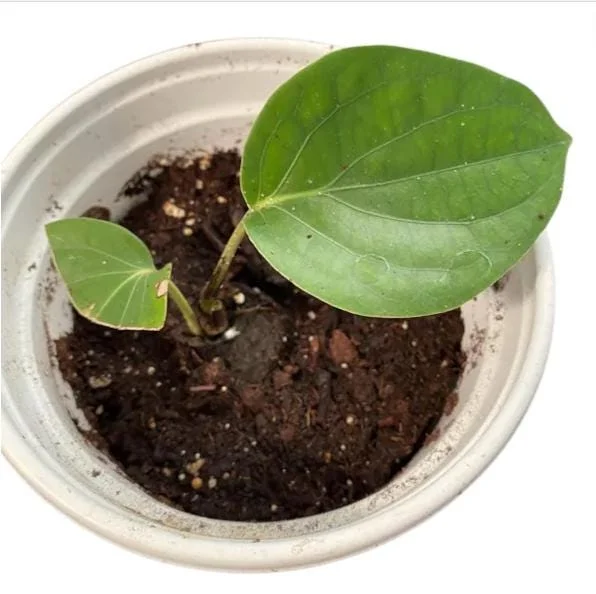
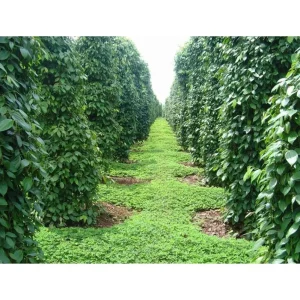
This offering is for one healthy black pepper live plant, a starter specimen of Piper nigrum. Each plant typically measures between 3 to 5 inches in height, providing a robust young plant ready for transplanting and further growth. It is shipped without a pot, carefully packaged to ensure its health upon arrival, and should be planted in your chosen container or garden bed as soon as possible. While young, this peppercorn plant starter has a moderate growth rate and, with optimal conditions, will develop into a vigorous climbing vine. Expect the plant to begin producing flowers and eventually peppercorns once it reaches maturity, which typically occurs after 3-4 years of established growth. The mature vine can reach lengths of 10-15 feet or more when supported, but it can be pruned to maintain a manageable size for indoor cultivation. The leaves are ovate, glossy, and dark green, contributing to its attractive appearance.
Frequently Asked Questions
- Q: How big does this black pepper live plant get? A: This starter plant is 3-5 inches tall upon arrival. With proper care, the black pepper live plant can grow into a vining plant 10-15 feet long, though it can be pruned to a smaller, more manageable size for indoor growing.
- Q: Is this an indoor or outdoor plant? A: The piper nigrum plant care allows it to be grown both indoors and outdoors. It thrives outdoors in tropical or subtropical climates (USDA zones 10-11) but can be successfully grown as a houseplant in cooler regions, provided it receives adequate light and humidity.
- Q: How much sunlight does it need? A: This plant prefers bright, indirect sunlight for 6-8 hours daily. Avoid harsh direct sun, especially during the hottest part of the day, which can scorch its leaves. A sunny east or west-facing window is ideal for an indoor black pepper plant.
- Q: Is this plant easy to care for? A: Growing a black pepper live plant is considered moderately easy. It requires consistent watering, good drainage, high humidity, and warm temperatures. Once its basic needs are met, it is relatively low-maintenance.
- Q: What condition will the plant arrive in? A: You will receive one healthy 3-5 inch starter plant. It is shipped without a pot to minimize shipping stress and should be transplanted into appropriate soil upon arrival.
- Q: How long until it produces peppercorns? A: A peppercorn plant starter typically takes 3-4 years to reach maturity and begin producing flowers and then peppercorns. Patience and consistent care are key to harvesting your own spice.
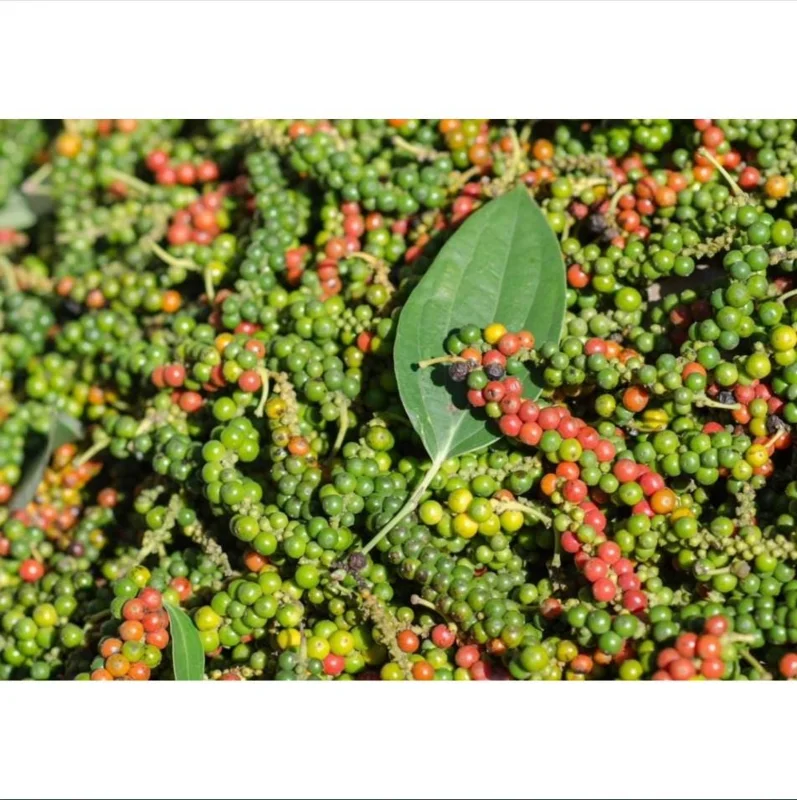
- Q: Can I use the peppercorns from this plant for cooking? A: Yes, once your grow peppercorn tree produces berries, you can harvest them and process them into black, white, or green peppercorns for culinary use.
- Q: What kind of soil is best for this plant? A: A well-draining, rich, loamy potting mix with a slightly acidic pH (5.5-6.5) is ideal. Avoid heavy soils that retain too much water, as this can lead to root rot.
- Q: Will it survive winter in my zone? A: The black pepper live plant is a tropical species and is not frost-tolerant. If you live in a region with cold winters (below USDA Zone 10), it must be brought indoors before temperatures drop.
- Q: Is this plant pet-safe? A: While black pepper is a common spice, the plant itself is generally considered non-toxic to pets according to various plant toxicity lists, but it’s always best to prevent pets from ingesting large quantities of any plant material.
Be the first to review “Black Pepper Live Plant – Piper Nigrum Starter, 3-5 Inch Tall, Indoor/Outdoor Herb”
-
USDA Hardiness Zone
USDA zones 10-11 (outdoors), suitable for indoor growing in all zones -
Soil Type
Well-draining, rich, loamy potting mix (pH 5.5-6.5) -
Sunlight Exposure
Bright, indirect sunlight (6-8 hours daily) -
Expected Planting Period
Year-round indoors; spring to early summer outdoors (in suitable zones)
People Also Viewd
Sold 128 products
Original price was: $27.00.$24.00Current price is: $24.00.
Sold 127 products
Original price was: $89.99.$64.99Current price is: $64.99.
Sold 125 products
Original price was: $3,536.00.$23.99Current price is: $23.99.

Sold 125 products
Original price was: $86.99.$66.99Current price is: $66.99.
Sold 116 products
Original price was: $27.99.$16.99Current price is: $16.99.
Flower Bulbs
3 Cranesbill Wild Geranium Organic Maculatums Bare Roots | Wildflower for Outdoor Garden
Sold 114 products
Original price was: $21.99.$6.99Current price is: $6.99.
Sold 114 products
Original price was: $28.99.$17.99Current price is: $17.99.
Sold 109 products
Original price was: $63.99.$28.99Current price is: $28.99.RELATED posts
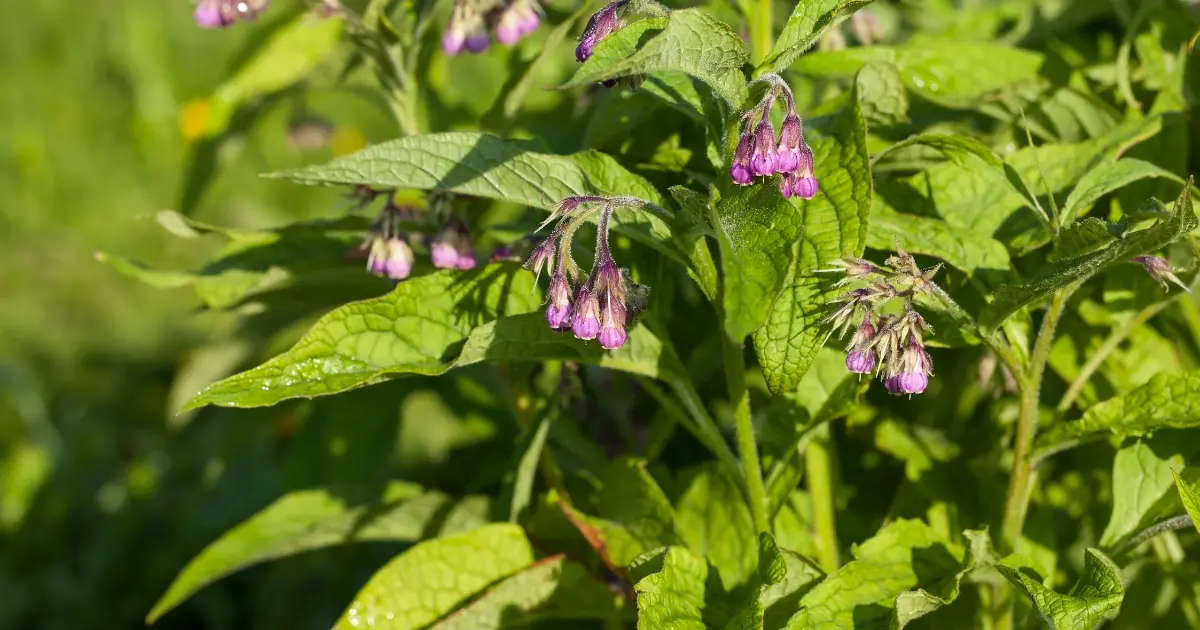
How to Identify Bocking 14 Comfrey: 5 Simple Visual Signs
If you’re growing comfrey for mulch, compost, or animal feed, knowing exactly which variety you [...]
Mar
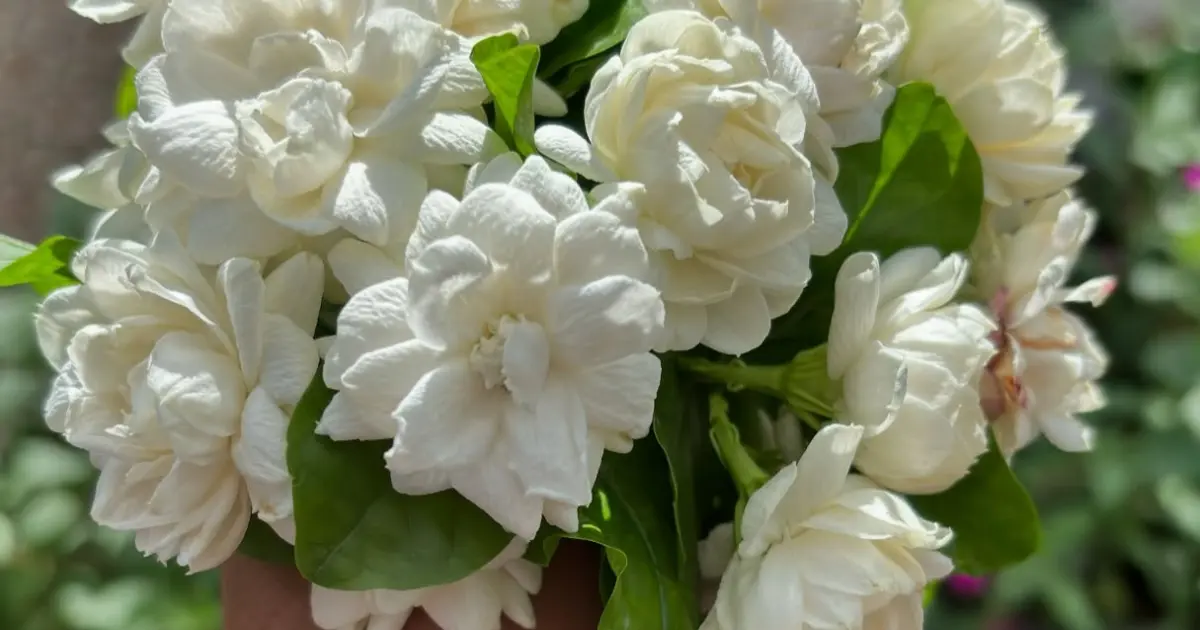
Grand Duke of Tuscany Jasmine: The Ultimate Guide to Growing a Fragrant Masterpiece
Have you ever caught a scent in the air so rich, creamy, and honey-sweet that [...]
Mar
How to Grow Wild Huckleberries: A Guide to “Purple Gold”
Have you ever spent a summer afternoon hiking through the Pacific Northwest or the Rocky [...]
Mar
5 Best Shade-Loving Perennials for a Lush, Vibrant Garden
The world of gardening often shines a spotlight on sun-drenched blossoms, but there is a [...]
Mar
7 Common Curry Leaf Plant Problems: Easy Fixes for a Thriving Plant
Is your curry leaf plant looking a bit sad lately? Maybe you woke up to [...]
Mar
Best Time to Plant Bougainvillea: Timing for Vibrant Blooms
If you’re looking for a hardy tropical vine that delivers a riot of neon color, [...]
Feb
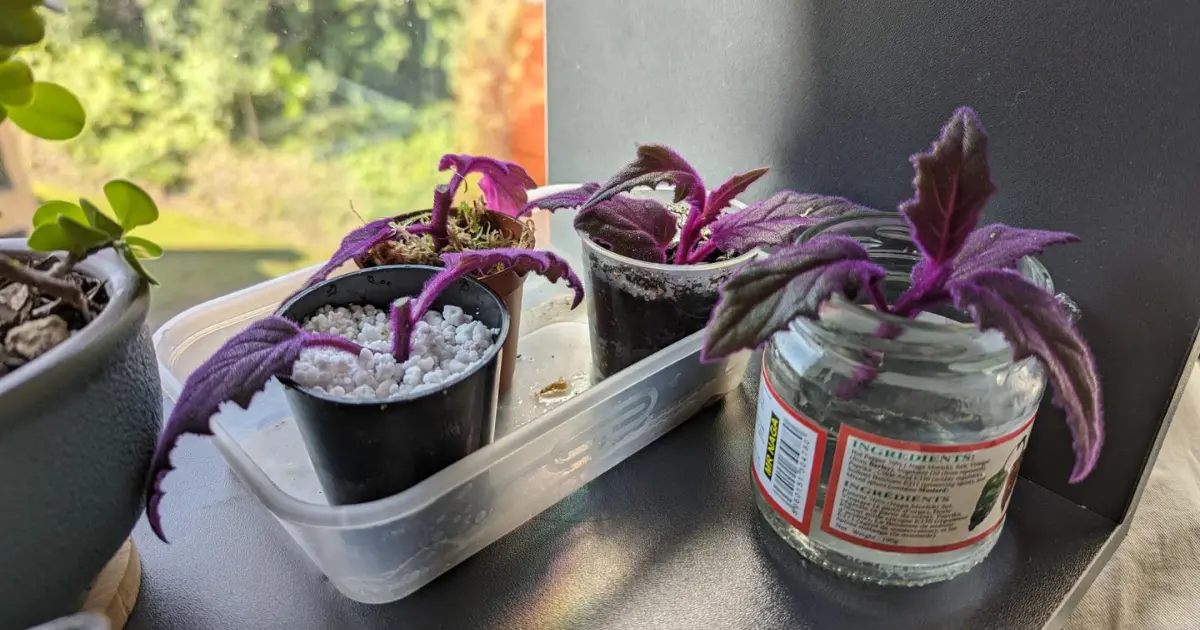
How to Propagate Purple Passion Plants (Gynura aurantiaca)
Have you ever been mesmerized by the neon-purple glow and fuzzy, velvet-like leaves of a [...]
Feb
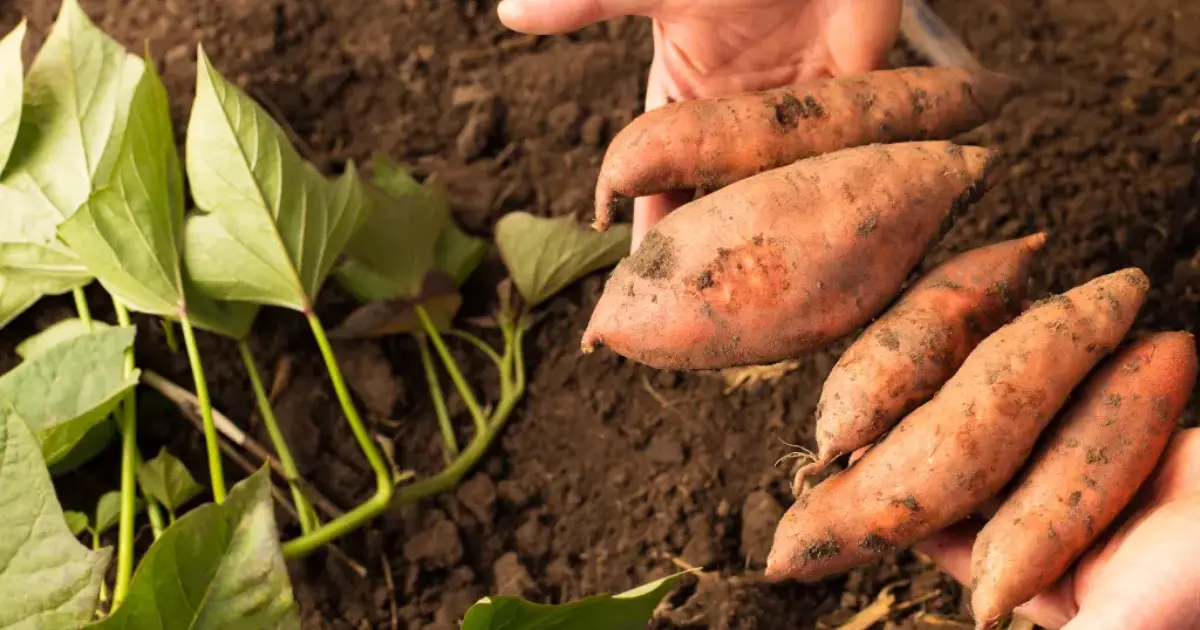
How to Grow Beauregard Sweet Potatoes: From Slips to a Bountiful Harvest
Are you ready to add a classic, heavy-hitting favorite to your vegetable patch? If you’ve [...]
Feb
Reviews
There are no reviews yet.