
Black Sumac Bareroot Seedling – Set of 2 Native Plants, 1-2 Ft Tall Outdoor Shrub
Original price was: $35.99.$20.99Current price is: $20.99.
Enhance your landscape with a set of two Black Sumac bareroot seedlings. These 1-2 ft tall native plants are known for their vibrant fall foliage and drought tolerance once established, making them an excellent choice for naturalized areas and wildlife gardens.
Estimated arrival
Apr 04
Apr 09 - Apr 11
Apr 14 - Apr 18

Reasonable Price
We offer reasonable price

Support 24/7
Contact us 24 hrs a day

100% Money Back
You've 30 days to Return

Payment Secure
100% secure payment
Overview
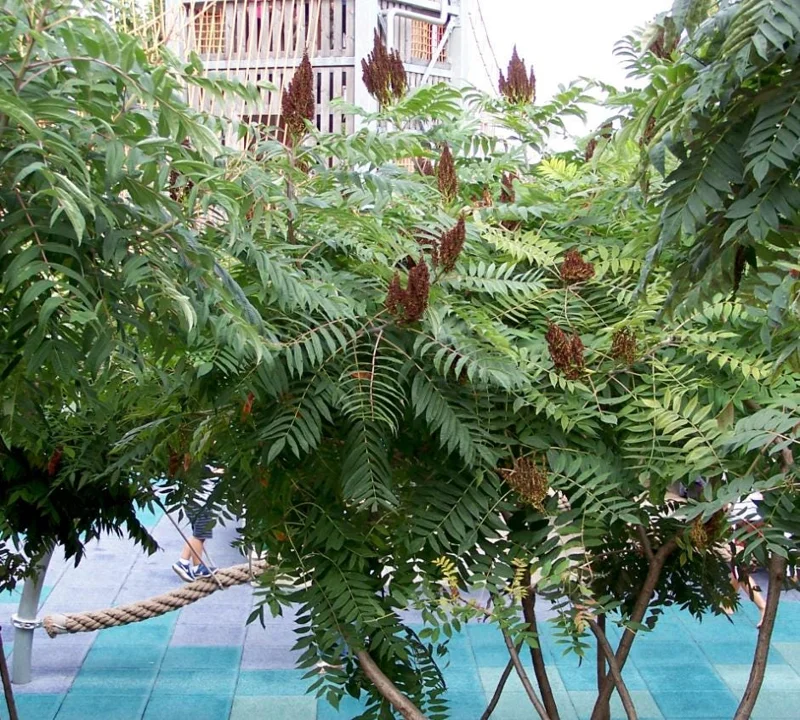
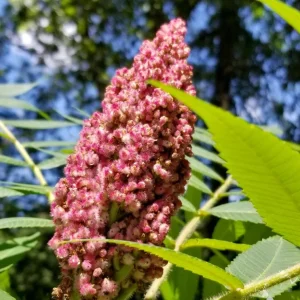
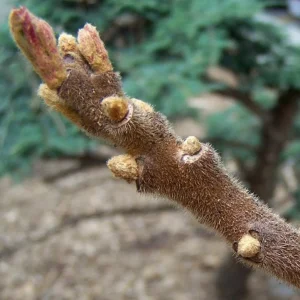
Introduce a touch of native beauty to your garden with our Black Sumac bareroot seedlings. This offering includes a set of two robust young plants, each standing 1-2 feet tall, ready to be planted and establish themselves in your landscape. Rhus glabra, commonly known as Smooth Sumac or Black Sumac, is a deciduous shrub or small tree native to North America, celebrated for its striking fall color and attractive fruit clusters. These bareroot seedlings provide an economical and effective way to grow this resilient plant, which is known for its ability to thrive in various conditions and contribute to local ecosystems. Ideal for naturalizing, erosion control, or creating a wildlife-friendly habitat, native Sumac plants like these are a fantastic addition to any outdoor space.
Our Black Sumac bareroot seedlings are carefully prepared for planting, ensuring they arrive healthy and ready to grow. Their bare root form minimizes transplant shock and allows for easy establishment in your garden. As they mature, these plants will develop into attractive specimens, offering seasonal interest with their deep green summer foliage, spectacular orange-red fall colors, and distinctive reddish fruit clusters that persist into winter, providing food for birds. Whether you’re a seasoned gardener or just starting, these native Sumac plants offer a rewarding growing experience with minimal fuss once established.
Key Benefits
The Black Sumac bareroot seedlings offer a multitude of benefits for your garden and local environment. Here are some of the key advantages of incorporating these remarkable plants into your landscape:
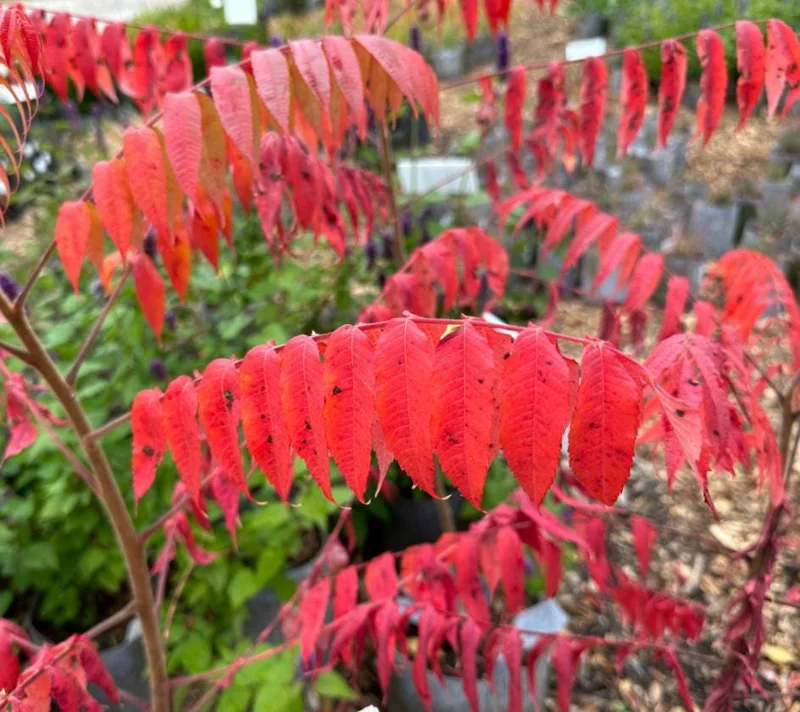
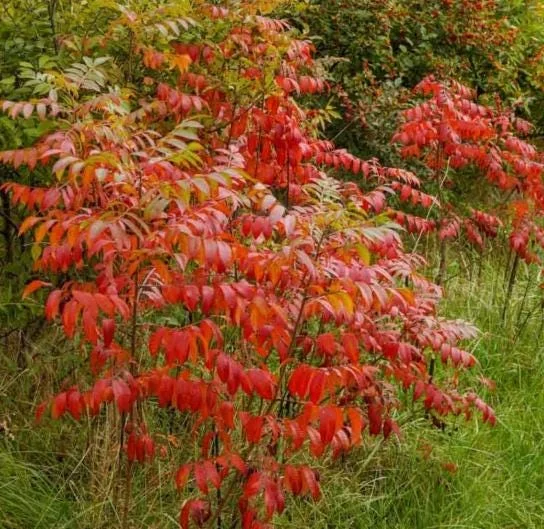
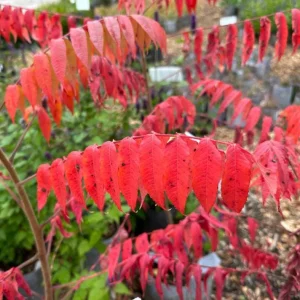
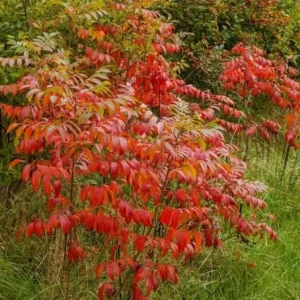
- Stunning Fall Color: One of the most celebrated features of Black Sumac is its breathtaking fall foliage. Leaves transform into brilliant shades of orange, red, and purple, providing a vibrant spectacle that can rival any ornamental tree or shrub. This makes them a focal point in autumn landscapes.
- Drought Tolerance: Once established, these native Sumac plants are remarkably drought-tolerant, requiring minimal supplemental watering. This makes them an excellent choice for xeriscaping or gardens in regions with dry summers, reducing the need for constant irrigation. This characteristic is a key aspect of effective drought tolerant shrubs.
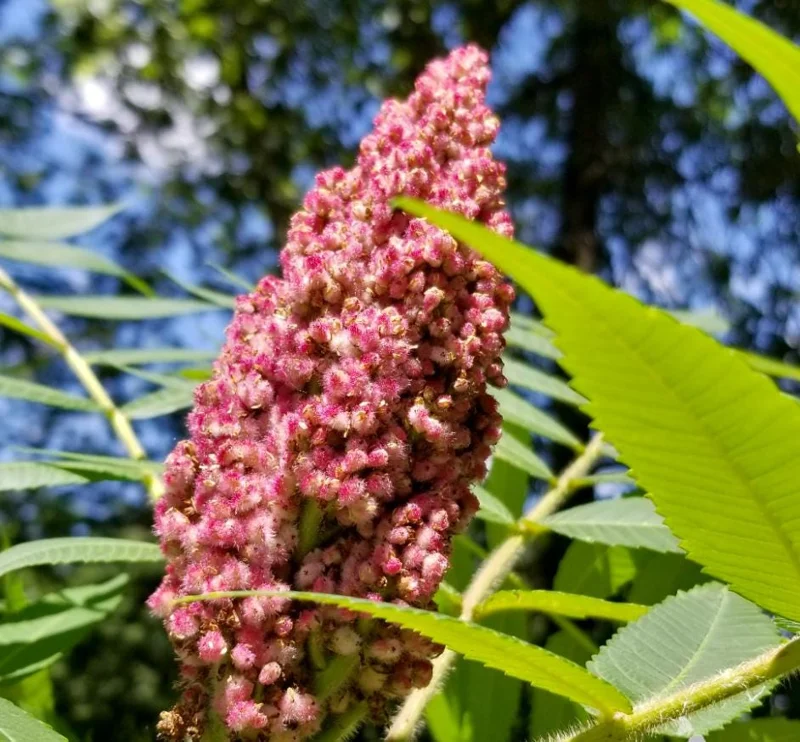
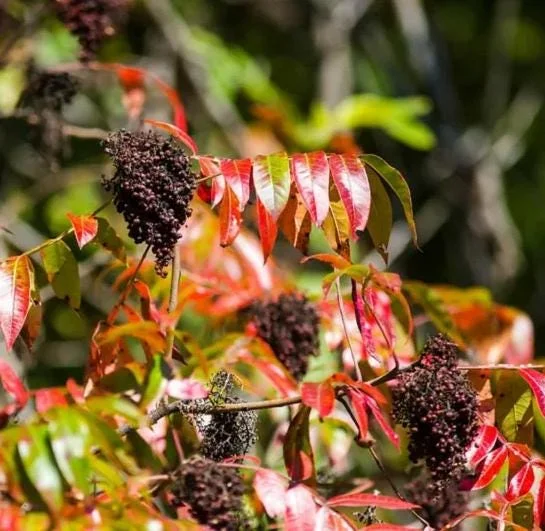
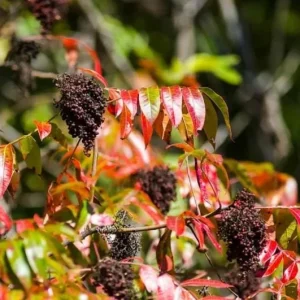
- Wildlife Attraction: The reddish, conical fruit clusters produced by Black Sumac are a vital food source for various bird species throughout the fall and winter months. The dense growth can also provide shelter for small wildlife, enhancing biodiversity in your garden.
- Erosion Control: Due to their vigorous root systems and tendency to spread via suckers, Black Sumac bareroot seedlings are highly effective for stabilizing slopes and preventing soil erosion, particularly in naturalized or challenging landscape areas.
- Low Maintenance: After their initial establishment, these plants are incredibly low maintenance. They are generally pest and disease resistant and do not require extensive pruning beyond managing their spread if desired. This ease of care makes them a favorite for many gardeners.
- Native Plant Benefits: As a native Sumac plant, Rhus glabra is perfectly adapted to local conditions, requiring fewer resources and supporting local ecosystems more effectively than non-native species. It contributes to the natural beauty and ecological balance of your region.
- Adaptability: These plants tolerate a wide range of soil types, from sandy to rocky, and can thrive in full sun to light shade, demonstrating their versatility and making them suitable for various garden settings. Understanding sumac care guide principles is straightforward due to their hardiness.
Plant Care & Growing Tips
Caring for your Black Sumac bareroot seedlings is relatively straightforward, especially once they are established. These native Sumac plants are known for their resilience, but a good start will ensure robust growth and vibrant displays. When you receive your bareroot seedlings, it’s best to plant them as soon as possible. If immediate planting isn’t feasible, keep the roots moist and cool, perhaps by temporarily heeling them into a shallow trench of soil or wrapping them in damp newspaper.
For planting, select a location that receives full sun to light shade. Black Sumac thrives in well-drained soil and is highly adaptable, tolerating sandy, gravelly, or rocky conditions. Avoid waterlogged or heavy clay soils, as these can lead to root rot. Dig a hole that is twice as wide as the root spread but no deeper than the root crown. Carefully spread out the roots and place the plant in the hole, ensuring the crown (where the roots meet the stem) is at soil level. Backfill with native soil, gently firming it around the roots to remove air pockets. Water thoroughly immediately after planting to settle the soil. Continue to water deeply and regularly during the first year to help the plant establish a strong root system, which is crucial for its long-term health and its development into a truly drought tolerant shrub. After the first year, Black Sumac becomes very drought-tolerant and will likely only need watering during extended dry periods.
Pruning is generally minimal for Black Sumac bareroot seedlings. You can prune in late winter or early spring while the plant is dormant to manage its size, shape, and spread. Sumac spreads naturally through root suckers, which can form colonies. If you wish to contain its spread, simply remove these suckers as they appear. Fertilization is typically not necessary, especially in average garden soils, as these native Sumac plants are not heavy feeders. For an in-depth sumac care guide, observe your plants and adjust care based on their specific needs and local climate conditions. They are generally hardy and resistant to most pests and diseases, making them a low-effort, high-reward choice for gardeners.
Size & Details
This product includes a set of two Black Sumac bareroot seedlings, each meticulously prepared for successful planting. Upon arrival, each seedling will measure approximately 1 to 2 feet in height, representing young, vigorous plants ready to establish quickly in your garden. Being bare root, they are shipped without soil around their roots, which is a common and efficient method for transporting dormant plants, minimizing weight and packaging. The root systems are healthy and well-developed, ensuring a strong start when properly planted. Black Sumac, or Rhus glabra, is a fast-growing deciduous shrub or small tree that typically reaches a mature height of 10-15 feet with an equal spread, forming an attractive, multi-stemmed specimen. It generally takes a few years to reach its full mature size, with significant growth observed after the first year of establishment. Expect the vibrant fall color to intensify as the plant matures, becoming a prominent feature in your autumn landscape.
Frequently Asked Questions
- Q: How big do these Black Sumac bareroot seedlings get? A: These seedlings are 1-2 feet tall when shipped. Mature Black Sumac plants can reach a height of 10-15 feet with a similar spread, forming a multi-stemmed shrub or small tree over several years.
- Q: Is this an indoor or outdoor plant? A: Black Sumac is an outdoor plant, native to North America. It thrives in various outdoor conditions and is best suited for landscaping, naturalized areas, or as a standalone specimen in gardens.
- Q: How much sunlight does it need? A: Black Sumac prefers full sun to light shade. For the most vibrant fall foliage, it’s best to plant it in a location that receives at least 6 hours of direct sunlight per day.
- Q: Is this plant easy to care for? A: Yes, Black Sumac is considered very easy to care for, especially after it’s established. It’s drought-tolerant, adaptable to various soils, and generally pest and disease resistant, making it an excellent choice for beginners and experienced gardeners alike. Following a basic sumac care guide is all that’s typically needed.
- Q: What condition will the bareroot seedlings arrive in? A: The seedlings will arrive dormant and bare root, meaning they will not have soil around their roots. Their roots will be carefully packaged to retain moisture, ensuring they are healthy and ready for immediate planting upon arrival.
- Q: When is the best time to plant Black Sumac bareroot seedlings? A: The best time to plant bareroot Black Sumac seedlings is in autumn or early spring when the plant is dormant. This allows the roots to establish before the stress of summer heat or intense winter cold.
- Q: Will it survive winter in my zone? A: Black Sumac is very hardy and typically thrives in USDA zones 3-9. It is well-adapted to cold winters in these regions and will go dormant, returning with new growth in spring. It’s a truly resilient and drought tolerant shrub.
Be the first to review “Black Sumac Bareroot Seedling – Set of 2 Native Plants, 1-2 Ft Tall Outdoor Shrub”
-
USDA Hardiness Zone
USDA zones 3-9 -
Soil Type
Well-draining soil (tolerates sandy, gravelly, rocky) -
Sunlight Exposure
Full sun to light shade -
Expected Planting Period
Autumn or early spring
People Also Viewd
Sold 128 products
Original price was: $89.99.$64.99Current price is: $64.99.
Sold 128 products
Original price was: $27.00.$24.00Current price is: $24.00.
Sold 126 products
Original price was: $159.99.$139.99Current price is: $139.99.
Sold 126 products
Original price was: $3,536.00.$23.99Current price is: $23.99.

Sold 125 products
Original price was: $86.99.$66.99Current price is: $66.99.
Sold 116 products
Original price was: $27.99.$16.99Current price is: $16.99.
Flower Bulbs
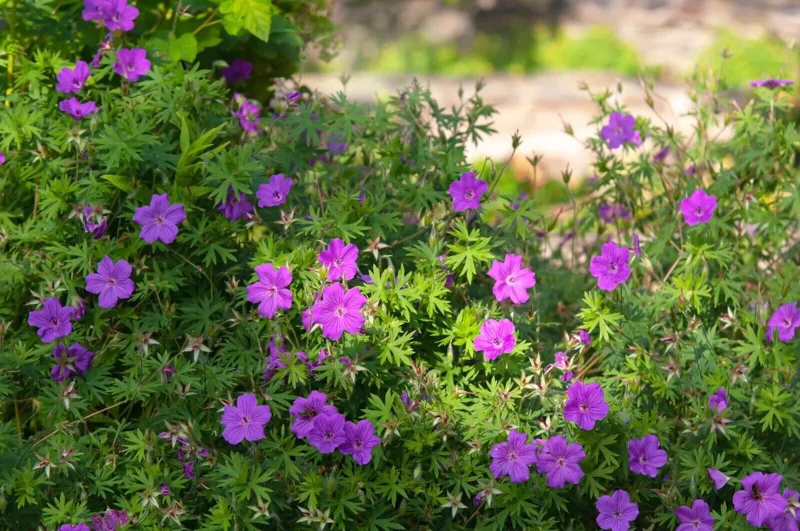
3 Cranesbill Wild Geranium Organic Maculatums Bare Roots | Wildflower for Outdoor Garden
Sold 114 products
Original price was: $21.99.$6.99Current price is: $6.99.
Sold 114 products
Original price was: $28.99.$17.99Current price is: $17.99.RELATED posts
Yellow Dragon Fruit Plant Care: The Ultimate Guide for Healthy Growth
The yellow dragon fruit plant is a unique and rewarding addition to any home garden, [...]
Apr
How to Identify Bocking 14 Comfrey: 5 Simple Visual Signs
If you’re growing comfrey for mulch, compost, or animal feed, knowing exactly which variety you [...]
Mar
Grand Duke of Tuscany Jasmine: The Ultimate Guide to Growing a Fragrant Masterpiece
Have you ever caught a scent in the air so rich, creamy, and honey-sweet that [...]
Mar
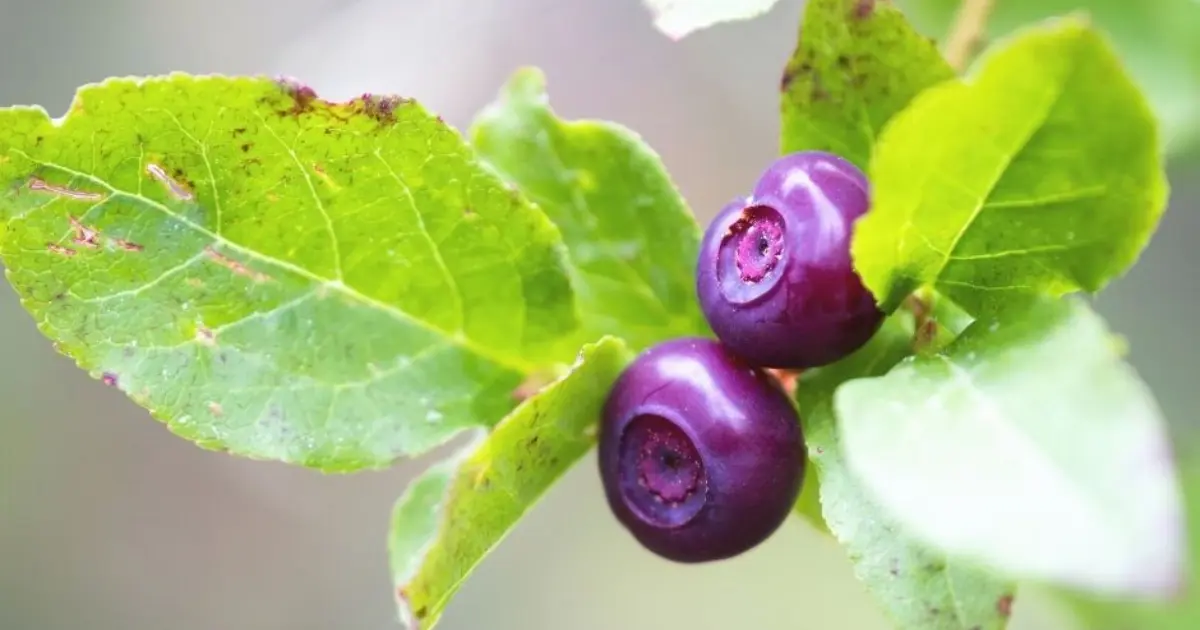
How to Grow Wild Huckleberries: A Guide to “Purple Gold”
Have you ever spent a summer afternoon hiking through the Pacific Northwest or the Rocky [...]
Mar
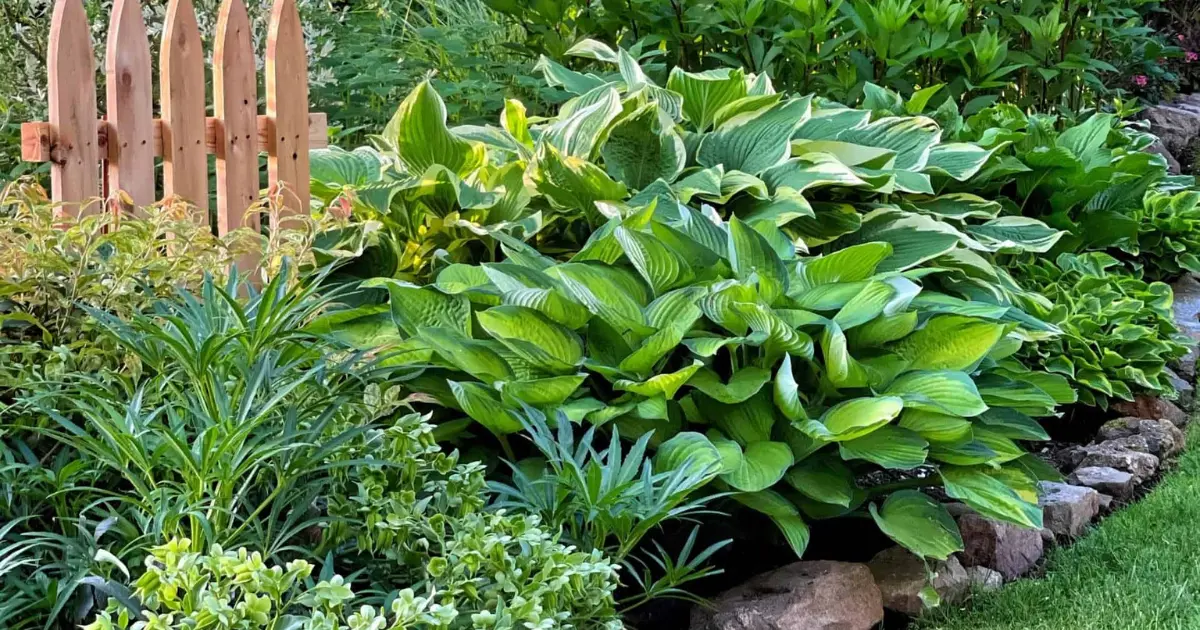
5 Best Shade-Loving Perennials for a Lush, Vibrant Garden
The world of gardening often shines a spotlight on sun-drenched blossoms, but there is a [...]
Mar

7 Common Curry Leaf Plant Problems: Easy Fixes for a Thriving Plant
Is your curry leaf plant looking a bit sad lately? Maybe you woke up to [...]
Mar
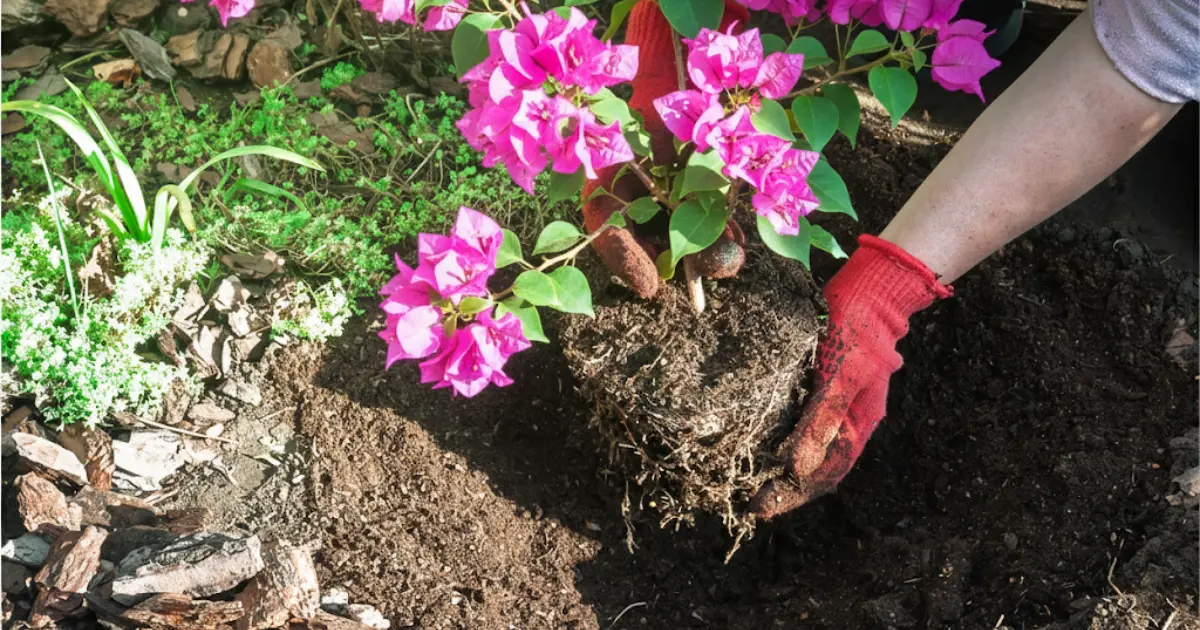
Best Time to Plant Bougainvillea: Timing for Vibrant Blooms
If you’re looking for a hardy tropical vine that delivers a riot of neon color, [...]
Feb
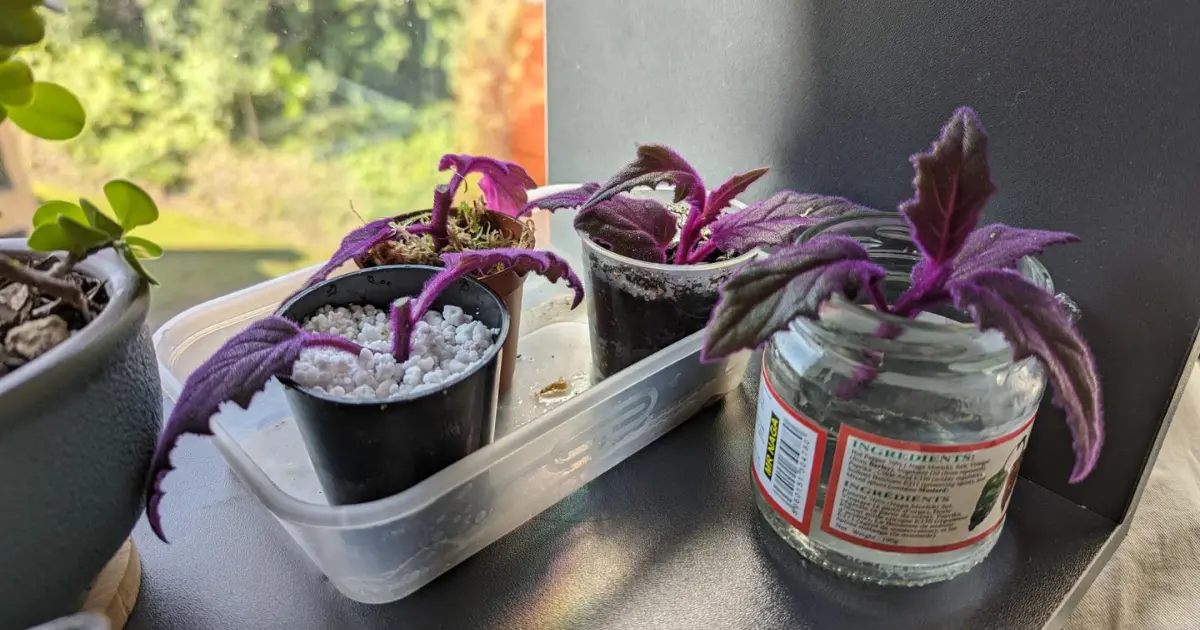
How to Propagate Purple Passion Plants (Gynura aurantiaca)
Have you ever been mesmerized by the neon-purple glow and fuzzy, velvet-like leaves of a [...]
Feb
Reviews
There are no reviews yet.