
Bleeding Heart Live Plant – White Clerodendrum Flowering Vine for Garden Planting
Original price was: $56.99.$31.99Current price is: $31.99.
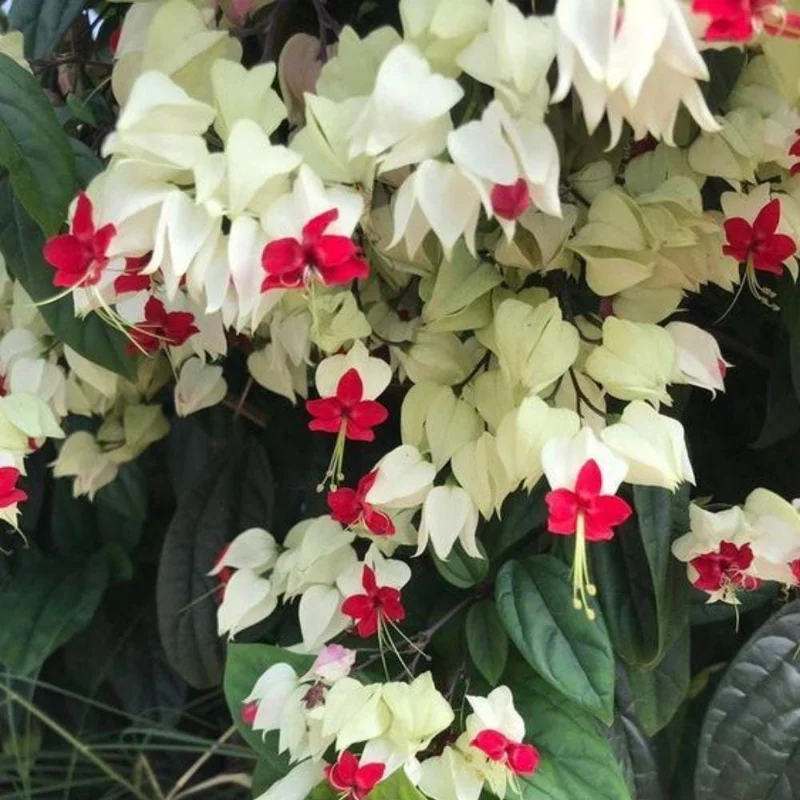
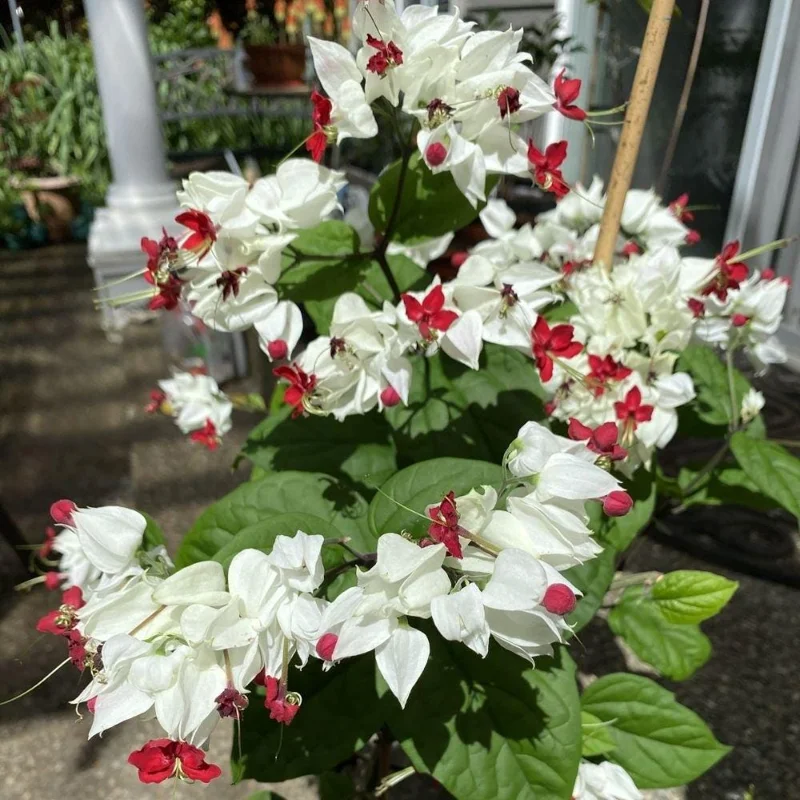
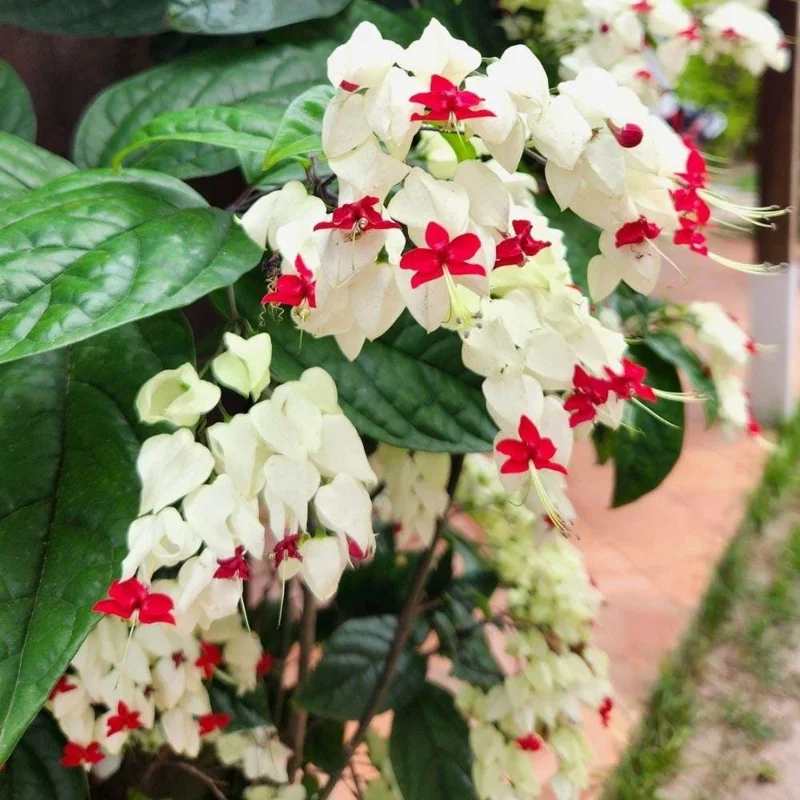
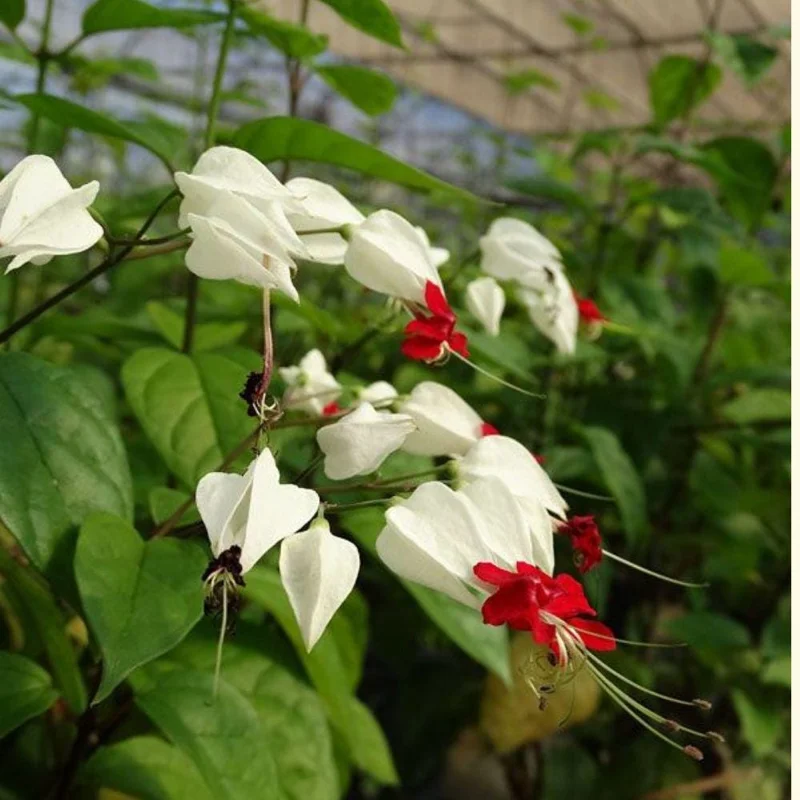
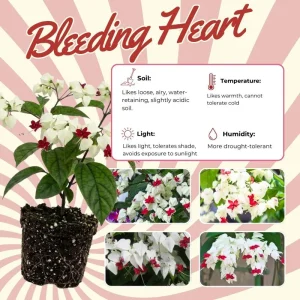
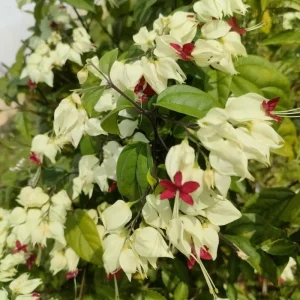
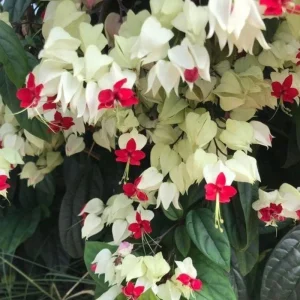
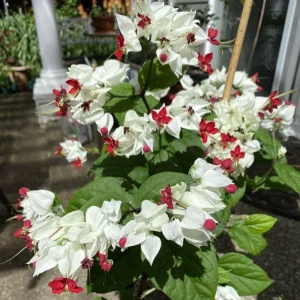
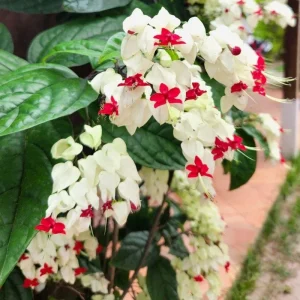
Bring elegance to your garden with this bleeding heart live plant, a beautiful white Clerodendrum flowering vine. Known for its distinct heart-shaped blooms and graceful arching stems, this plant is ideal for garden beds and shaded landscape areas, adding a touch of romance to any outdoor space.
Estimated arrival
Apr 11
Apr 16 - Apr 18
Apr 21 - Apr 25

Reasonable Price
We offer reasonable price

Support 24/7
Contact us 24 hrs a day

100% Money Back
You've 30 days to Return

Payment Secure
100% secure payment
Overview
Introduce a touch of romantic charm to your outdoor sanctuary with the exquisite bleeding heart live plant. Also known as White Clerodendrum, this enchanting flowering vine captivates with its delicate, heart-shaped white blooms that gracefully dangle from arching stems. Perfect for adding a gentle ornamental look, this plant transforms garden beds and shaded landscape areas into serene havens. Its soft green foliage provides a lush backdrop, enhancing the visual appeal of its unique flowers during its blooming period. This particular variety is a vigorous grower, offering a stunning display that stands out in any garden setting. Cultivating a bleeding heart live plant is a rewarding experience, as it brings both beauty and a sense of tranquility to your home garden.
The Bleeding Heart plant, botanically known as Clerodendrum thomsoniae, is a popular choice for gardeners seeking to add vertical interest and delicate beauty. This perennial vine thrives in conditions that mimic its natural habitat, producing an abundance of flowers that truly resemble tiny bleeding hearts. Whether you’re looking to create a focal point or simply enhance existing greenery, this plant offers a unique aesthetic. Its adaptability and charming appearance make it a favorite for both novice and experienced gardeners.
Key Benefits
The bleeding heart live plant offers a multitude of benefits, making it an excellent addition to various garden styles. Its distinctive features and growth habits contribute significantly to enhancing the beauty and ambiance of your outdoor spaces. This plant is not just about aesthetics; it also provides a serene and calming presence.
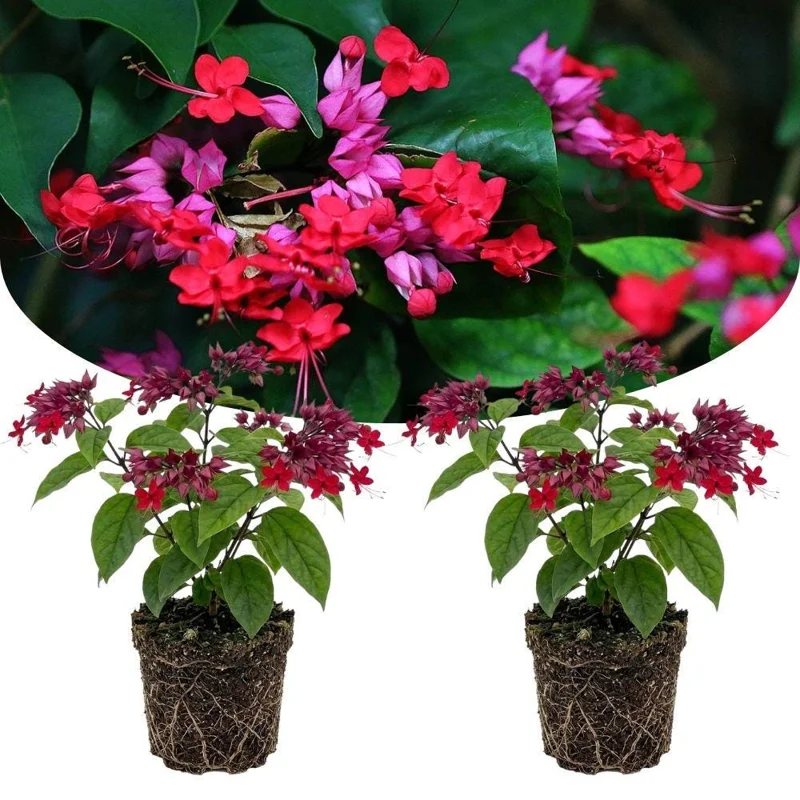
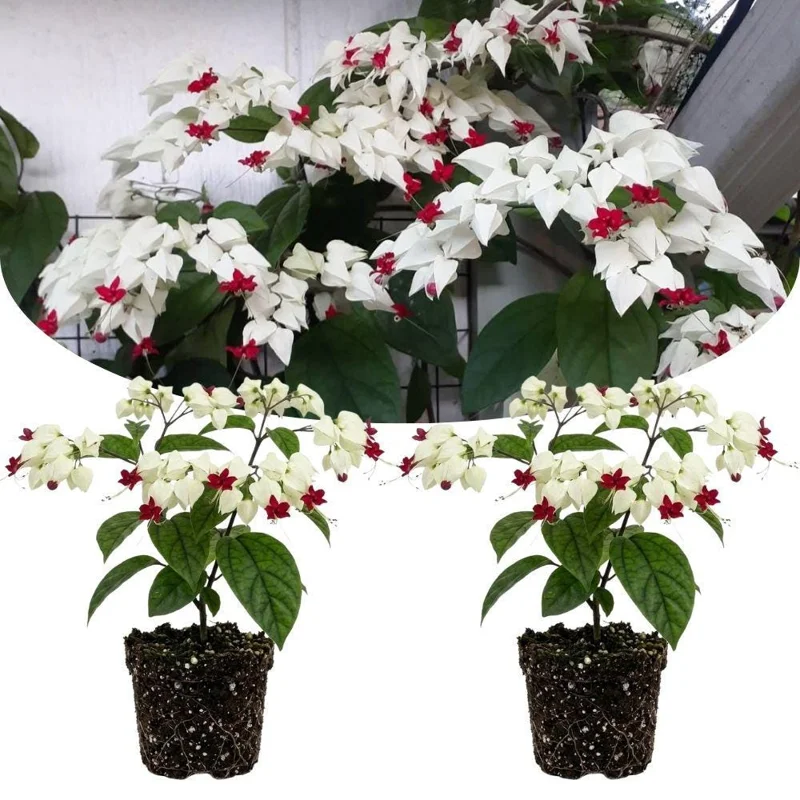
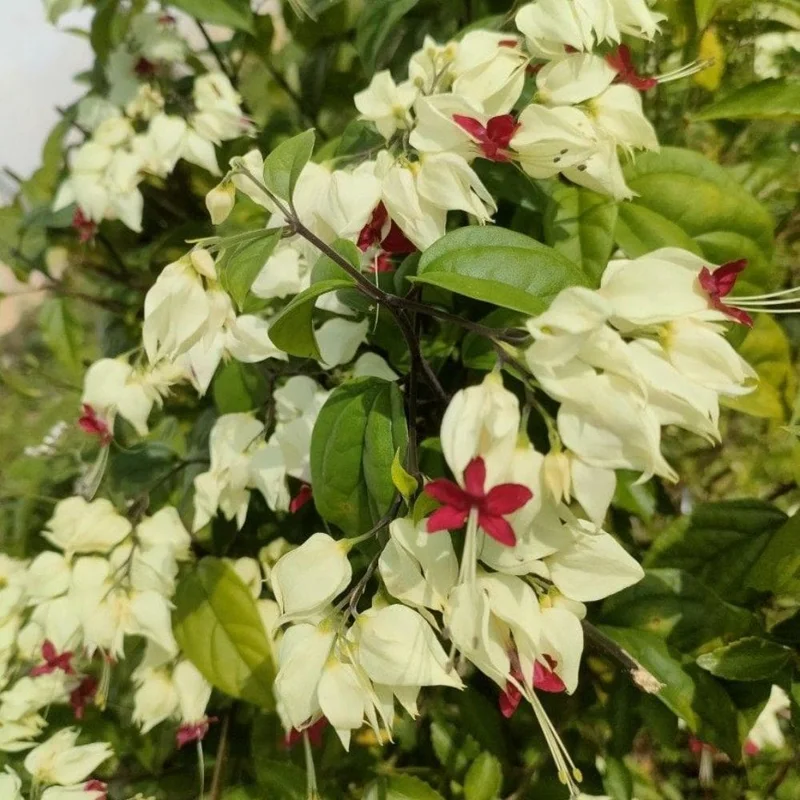
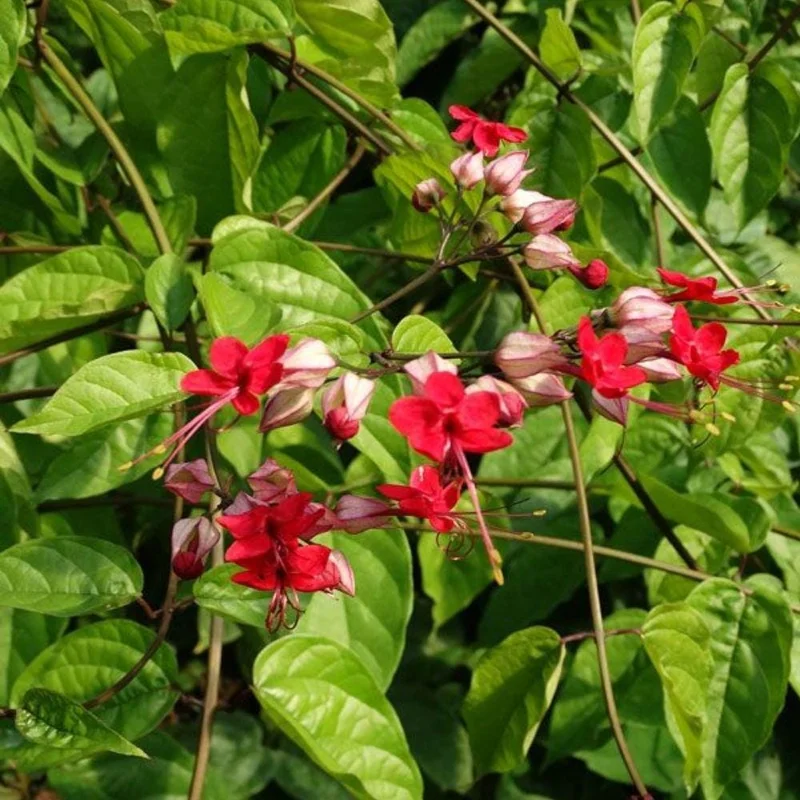
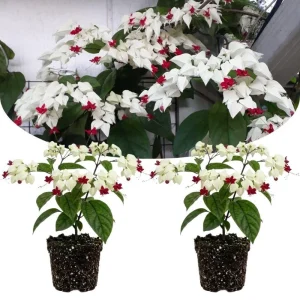
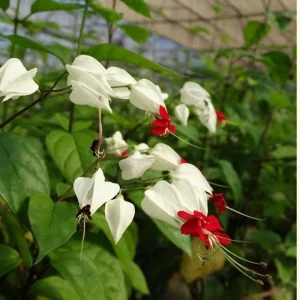
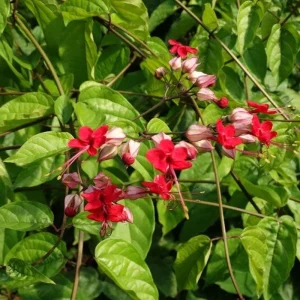
- Produces Distinctive Heart-Shaped Flowers: The most captivating feature of this plant is its unique white heart-shaped blooms with a small red tip, which hang beautifully along its arching stems. These delicate flowers create an eye-catching display, adding a unique ornamental touch to your garden.
- Suitable for Garden Beds and Shaded Areas: This versatile vine thrives in various garden settings, particularly in garden beds, borders, and shaded landscape areas. It provides an excellent solution for brightening up those less sunny spots in your yard.
- Adds Graceful Ornamental Look: With its elegant arching stems and soft green foliage, the bleeding heart live plant contributes a gentle, graceful aesthetic. It’s perfect for creating a romantic or whimsical garden design, enhancing the overall visual appeal of your outdoor space.
- Decorative Foliage for Texture: Beyond its stunning flowers, the plant’s lush green leaves add texture and depth to outdoor planting spaces, providing continuous visual interest even when not in bloom.
- Ideal for Woodland Gardens and Borders: Commonly used in woodland gardens, mixed borders, and seasonal flower displays, this plant complements other shade-loving plants beautifully, creating a harmonious and vibrant landscape. This white bleeding heart vine is particularly effective when allowed to climb or trail.
- Low Maintenance and Adaptable: Once established, this flowering vine is relatively easy to care for, requiring minimal intervention to thrive, making it suitable for gardeners of all experience levels. Its adaptability to various conditions ensures a rewarding growing experience.
Plant Care & Growing Tips
Caring for your bleeding heart live plant, or White Clerodendrum, is straightforward, ensuring a beautiful display with proper attention. This plant thrives in specific conditions that allow its delicate blooms to flourish. Understanding its needs for light, water, and soil will guarantee a healthy and vibrant vine.
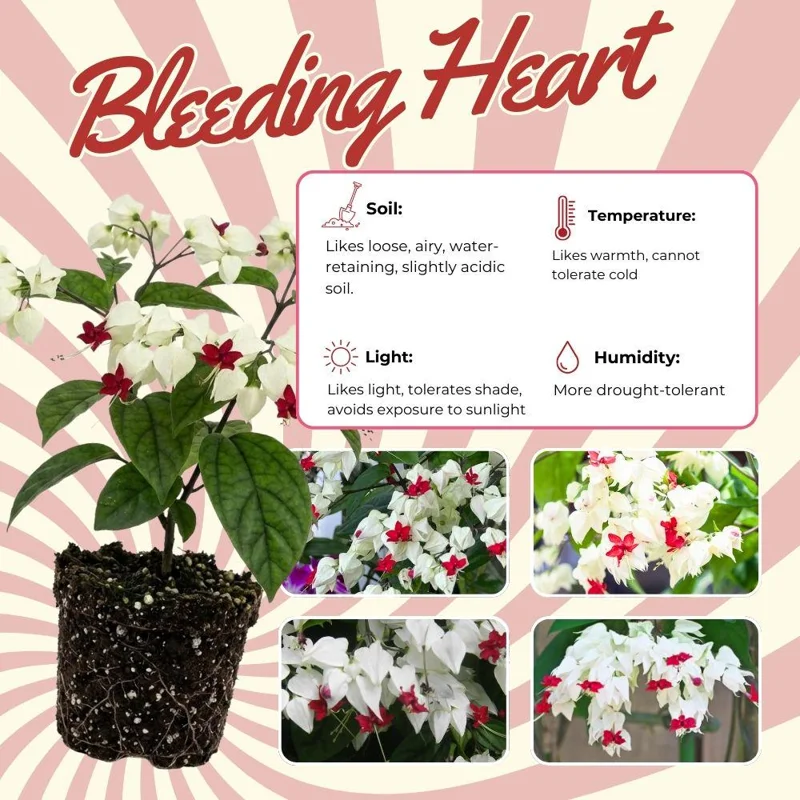
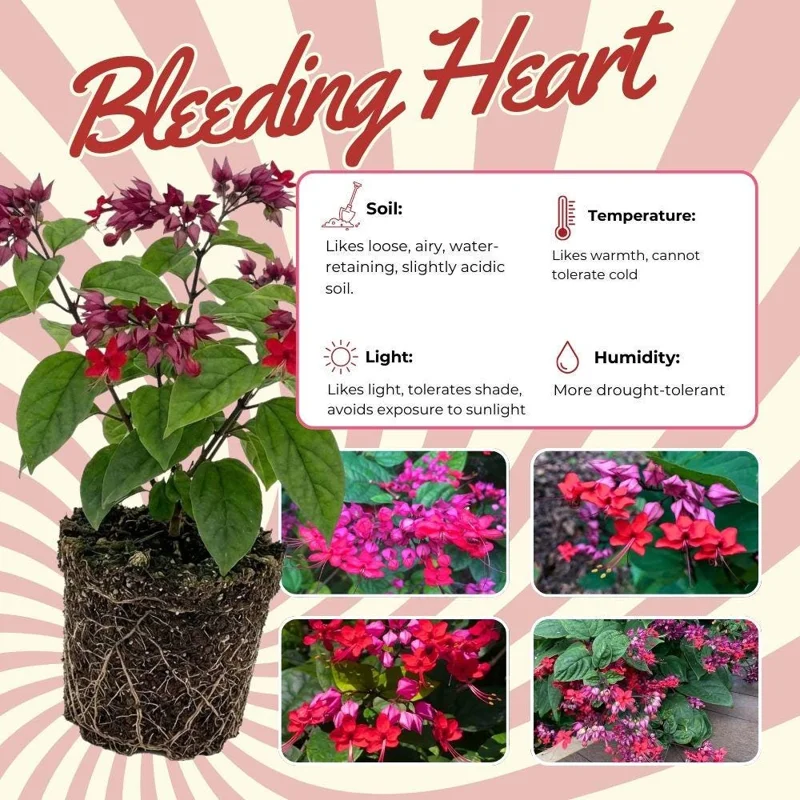
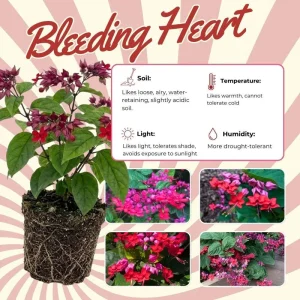
For optimal growth, the white bleeding heart vine prefers locations with partial shade. While it can tolerate some morning sun, protection from intense afternoon sun is crucial, especially in warmer climates, as direct, harsh sunlight can scorch its delicate leaves and flowers. Well-drained soil is paramount; ensure the planting site drains efficiently to prevent root rot. A rich, organic soil mixture is ideal, providing the necessary nutrients for robust growth. Regular watering is essential, especially during dry spells and the blooming season, keeping the soil consistently moist but never waterlogged. Reduce watering frequency during cooler, dormant periods.
Fertilize your Bleeding Heart plant with a balanced liquid fertilizer every 2-4 weeks during its active growing and blooming season (spring through summer). Pruning can be done after the flowering period to maintain shape, encourage bushier growth, and remove any dead or damaged stems. This also helps to promote a more abundant display of its delicate heart-shaped flowers the following season. Protect the plant from frost in colder climates by mulching heavily around the base or bringing potted specimens indoors. The clerodendrum plant care routine is designed to be manageable, providing a stunning visual reward for your efforts.
Size & Details
This bleeding heart live plant is shipped as a healthy, actively growing specimen, ready for immediate planting in your garden. As a vigorous climbing vine, it can reach impressive heights, typically growing 10 to 15 feet tall with proper support, and can spread 3 to 6 feet wide. Its rapid growth rate means you’ll enjoy its stunning blooms relatively quickly after planting. The plant is usually provided in a nursery pot, ensuring its roots are well-established for a smooth transition to your garden soil. Expect the plant to begin blooming in late spring to early summer, with flowering continuing through fall in ideal conditions.
The White Clerodendrum is known for its robust nature and ability to quickly establish itself. When planting, consider providing a trellis, arbor, or other structure for it to climb, allowing its beautiful arching stems and flowers to be showcased. The plant’s mature size and spread will depend on growing conditions, climate, and pruning practices, but it generally offers a substantial and eye-catching presence in the landscape. This flowering garden vine provides long-lasting beauty and interest throughout several seasons.
Frequently Asked Questions
- Q: How big does this bleeding heart live plant get? A: This vigorous vine can typically grow to a height of 10 to 15 feet with adequate support, and spread 3 to 6 feet wide. Its size can be managed with regular pruning to fit your garden space.
- Q: Is this an indoor or outdoor plant? A: The white bleeding heart vine is primarily an outdoor plant, thriving in garden beds and shaded landscape areas. In colder climates, it can be grown in containers and brought indoors during winter.
- Q: How much sunlight does it need? A: This plant prefers partial shade, meaning it should receive a few hours of morning sun and be protected from harsh afternoon sun. Too much direct sun can damage its foliage and flowers.
- Q: Is this plant easy to care for? A: Yes, once established, the Bleeding Heart vine is relatively low-maintenance. It requires consistent moisture and protection from intense sun, making clerodendrum plant care manageable for most gardeners.
- Q: What condition will it arrive in? A: Your bleeding heart live plant will arrive as a healthy, actively growing plant in a nursery pot, carefully packaged to ensure its safe journey to your home. It will be ready for planting upon arrival.
- Q: How long until it blooms? A: This flowering garden vine typically blooms from late spring through summer, and often continues into fall in favorable conditions. Established plants will produce abundant delicate heart-shaped flowers.
- Q: What is the best time to plant this vine? A: The best time to plant this Bleeding Heart vine is in spring or early summer after the last threat of frost has passed, allowing it ample time to establish before cooler weather.
- Q: What kind of soil does it prefer? A: It thrives in well-draining soil that is rich in organic matter. Ensuring good drainage is crucial to prevent root issues and promote healthy growth.
- Q: Will it survive winter in my zone? A: The Bleeding Heart vine is hardy in USDA zones 9-11. In colder zones, it can be grown as an annual or brought indoors as a houseplant during the winter months.
- Q: Is this plant pet-safe? A: While specific toxicity information can vary, it’s generally best to keep pets from ingesting parts of flowering plants. Consult a veterinarian if you have concerns.
| Primary color | Red, White |
|---|
Be the first to review “Bleeding Heart Live Plant – White Clerodendrum Flowering Vine for Garden Planting”
-
USDA Hardiness Zone
USDA zones 9-11 -
Soil Type
Well-draining, rich organic soil -
Sunlight Exposure
Partial shade -
Expected Planting Period
Spring to early summer
People Also Viewd


Sold 128 products
Original price was: $89.99.$64.99Current price is: $64.99.
Sold 128 products
Original price was: $159.99.$139.99Current price is: $139.99.

Sold 128 products
Original price was: $27.00.$24.00Current price is: $24.00.

Sold 126 products
Original price was: $3,536.00.$23.99Current price is: $23.99.

Sold 125 products
Original price was: $86.99.$66.99Current price is: $66.99.
Sold 116 products
Original price was: $27.99.$16.99Current price is: $16.99.

Flower Bulbs
3 Cranesbill Wild Geranium Organic Maculatums Bare Roots | Wildflower for Outdoor Garden
Sold 114 products
Original price was: $21.99.$6.99Current price is: $6.99.

Sold 114 products
Original price was: $28.99.$17.99Current price is: $17.99.RELATED posts
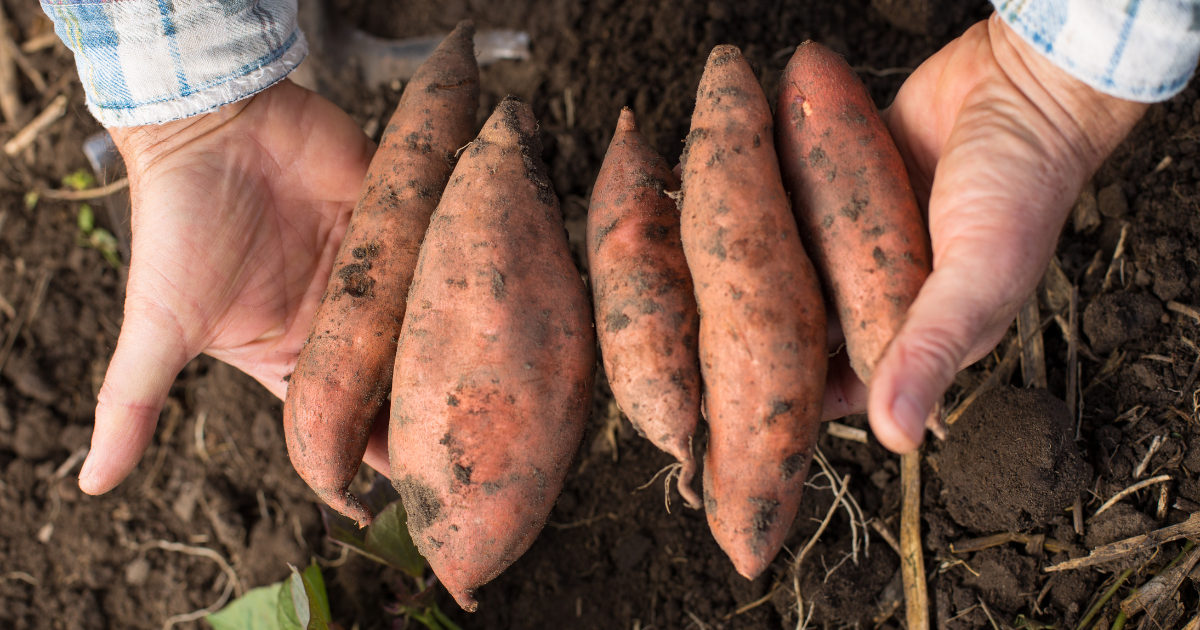
5 Tips for Growing Sweet Potatoes to Get the Biggest Sweet Potato Harvest Ever
If you are a fan of sweet potatoes, then these tips for growing sweet potatoes [...]
Apr
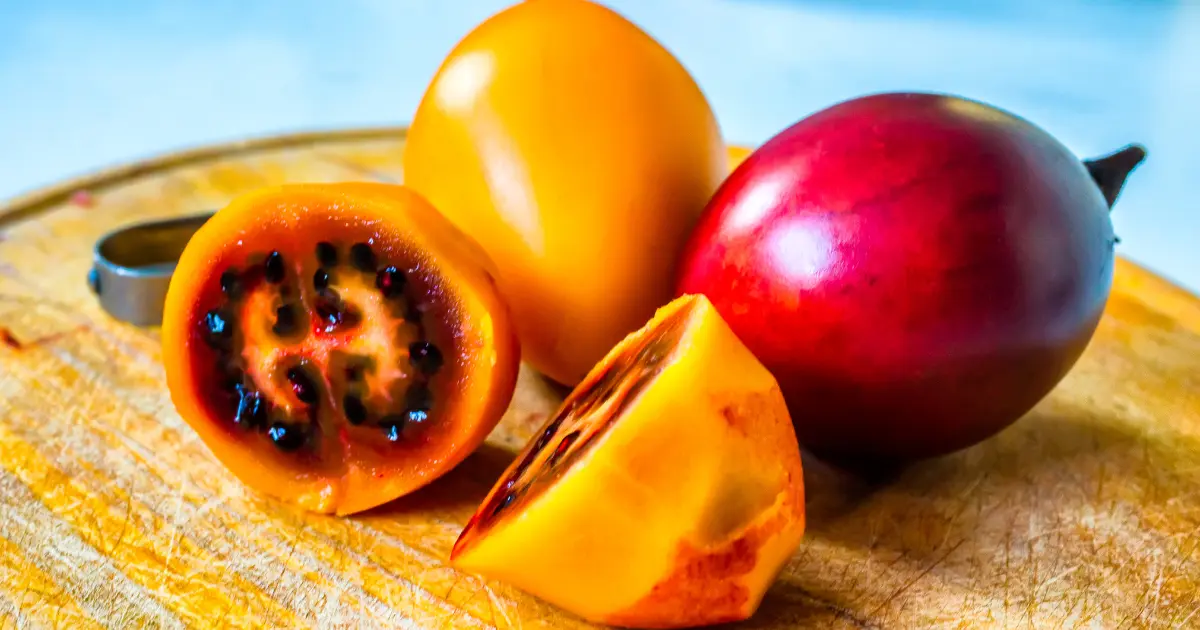
Tamarillo Tree Guide: Flavor, Texture & How to Eat Tree Tomatoes
The humble tomato is a kitchen staple we all know and love, but it rarely [...]
Apr
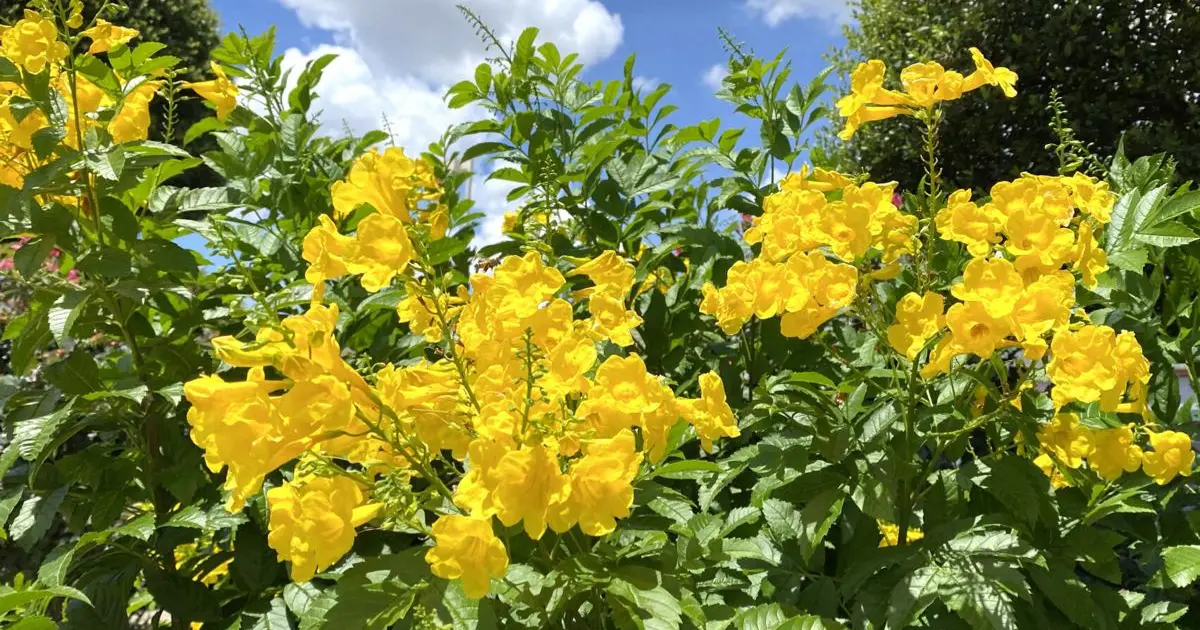
5 Pro Tips to Grow Esperanza ‘Gold Star’ Indoors: A Golden Glow for Your Home
While most gardeners know this Texas Superstar – Esperanza ‘Gold Star’ as a rugged outdoor [...]
Apr
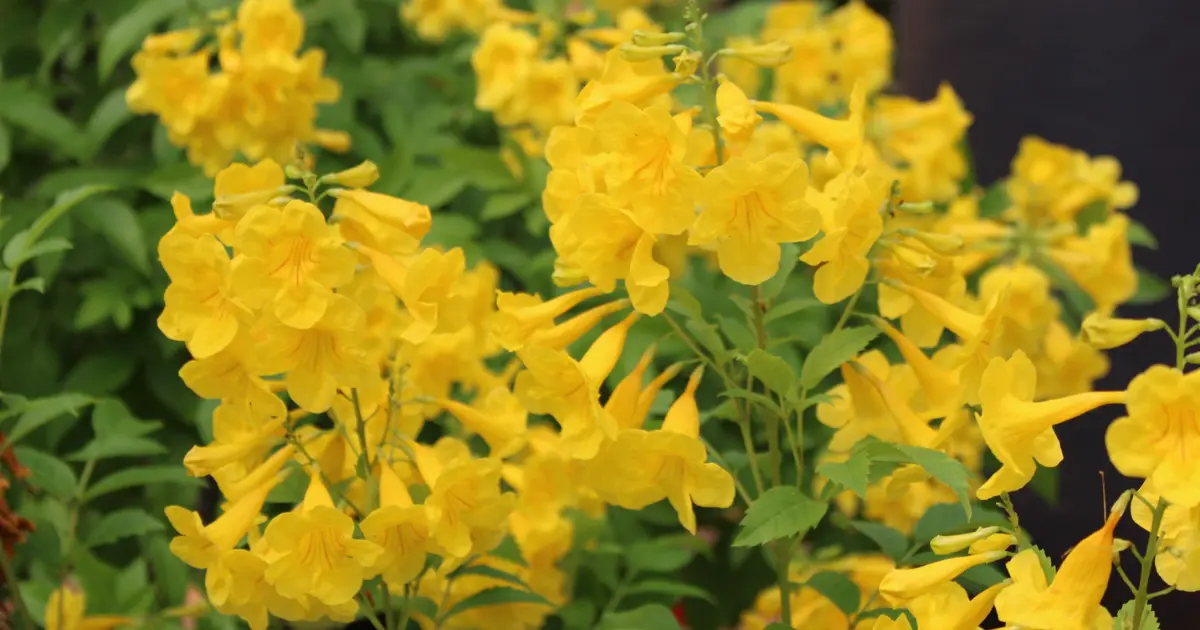
Mastering Esperanza Goldstar: Grow the Ultimate Yellow Bloom
Esperanza Goldstar is more than just a heat-tolerant shrub; for the American gardener battling the [...]
Apr
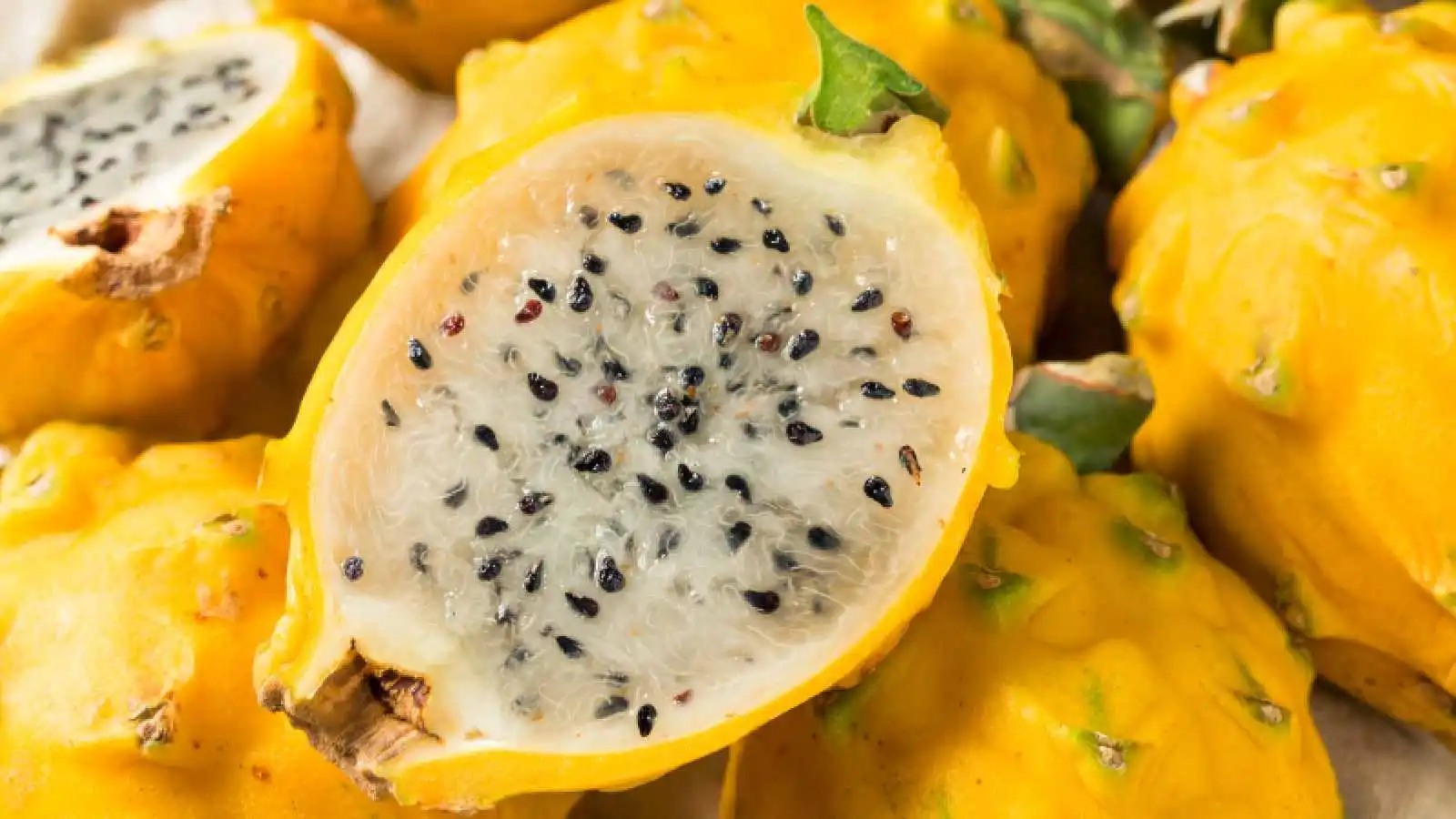
Yellow Dragon Fruit Plant Care: The Ultimate Guide for Healthy Growth
The yellow dragon fruit plant is a unique and rewarding addition to any home garden, [...]
Apr
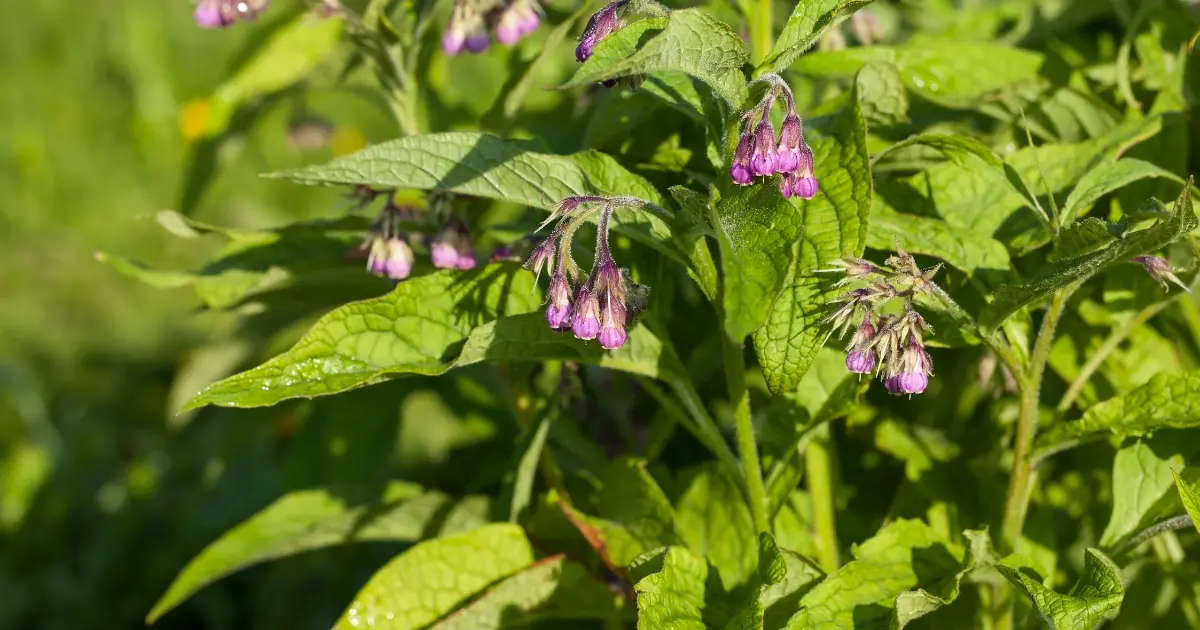
How to Identify Bocking 14 Comfrey: 5 Simple Visual Signs
If you’re growing comfrey for mulch, compost, or animal feed, knowing exactly which variety you [...]
Mar
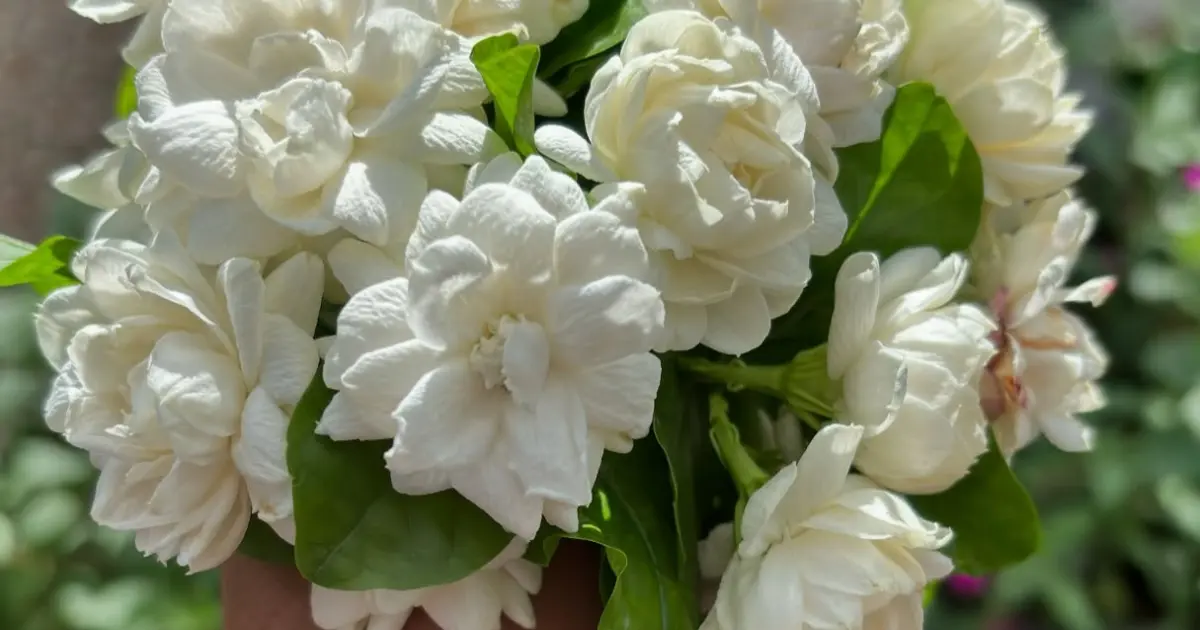
Grand Duke of Tuscany Jasmine: The Ultimate Guide to Growing a Fragrant Masterpiece
Have you ever caught a scent in the air so rich, creamy, and honey-sweet that [...]
Mar
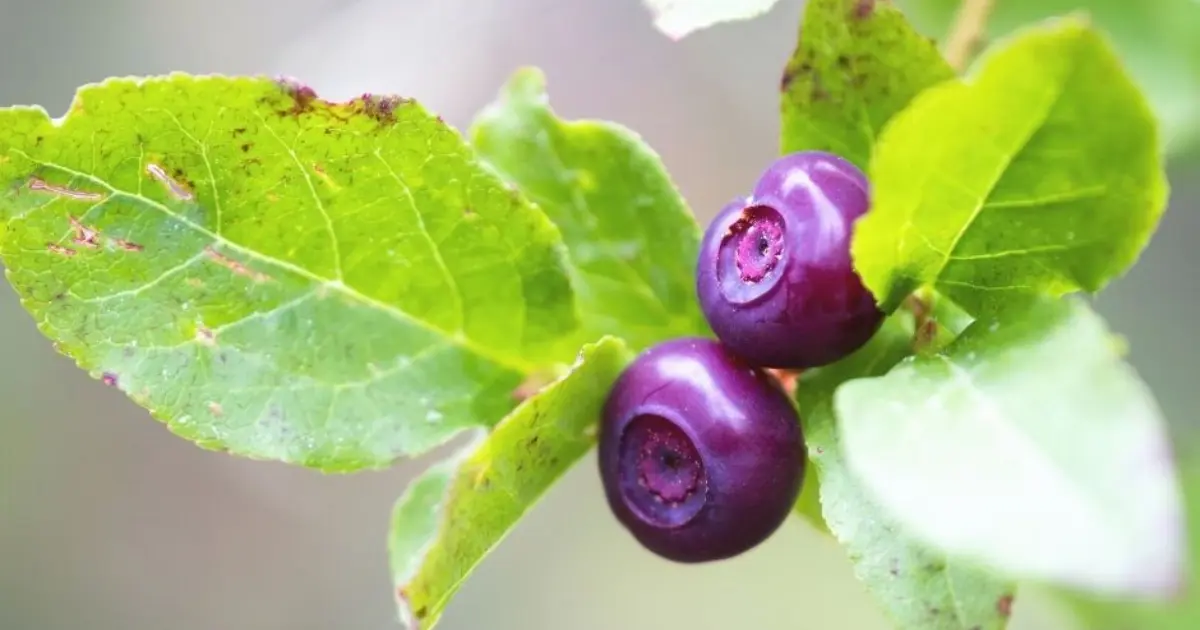
How to Grow Wild Huckleberries: A Guide to “Purple Gold”
Have you ever spent a summer afternoon hiking through the Pacific Northwest or the Rocky [...]
Mar
Reviews
There are no reviews yet.