
Bleeding Heart Vine Live Plant – Clerodendrum Thompsoniae – Cherry Red Blooms – Pack of 2 Starter Plants, 4-6 Inch Tall
Original price was: $24.39.$14.39Current price is: $14.39.
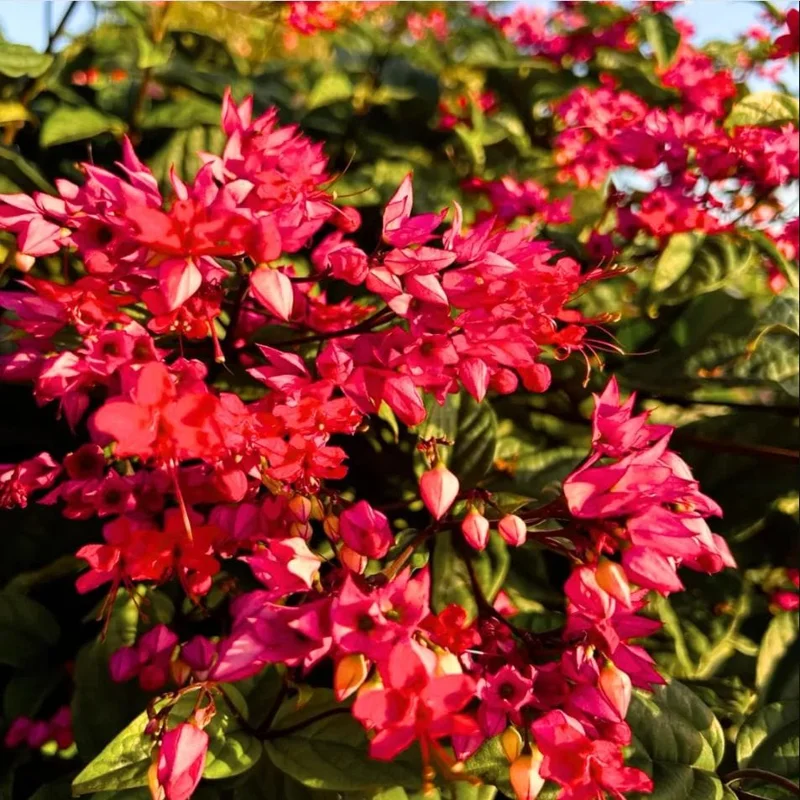
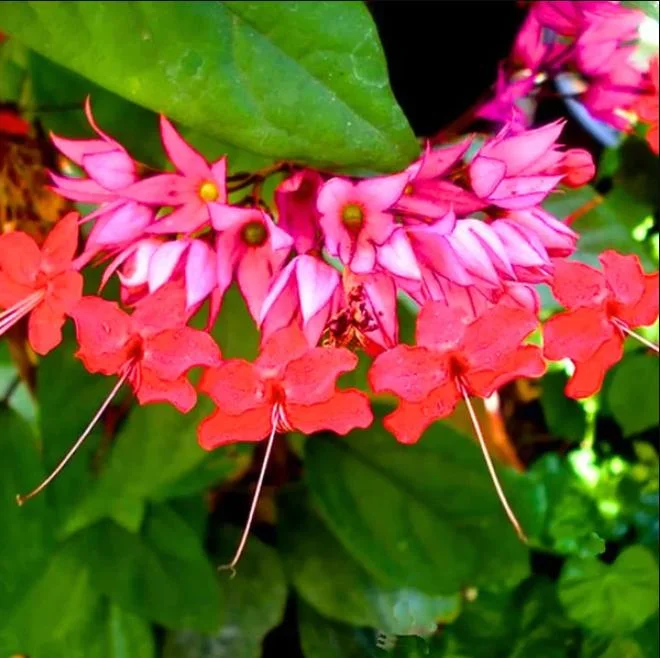
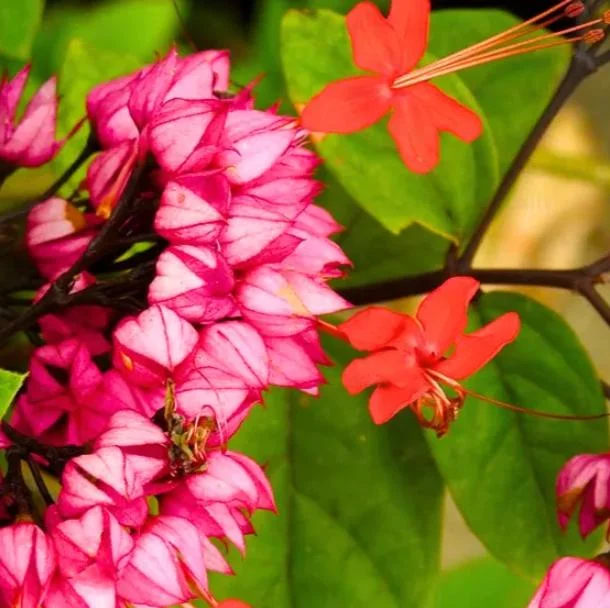
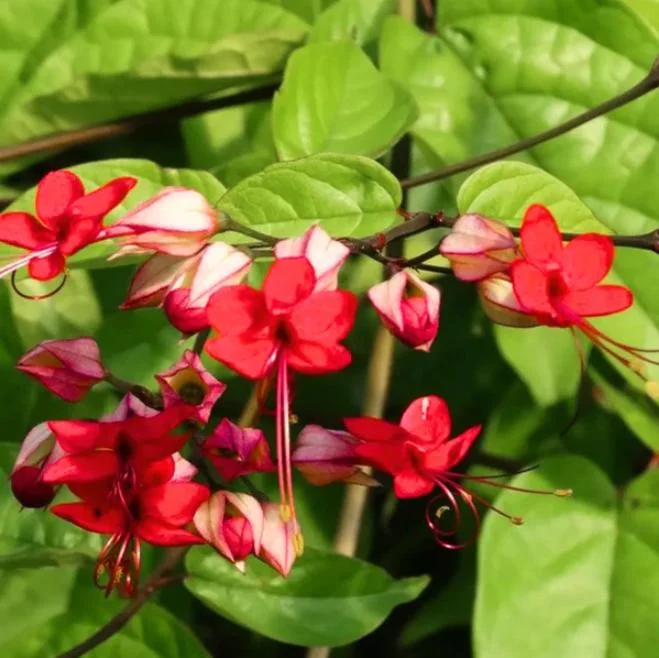
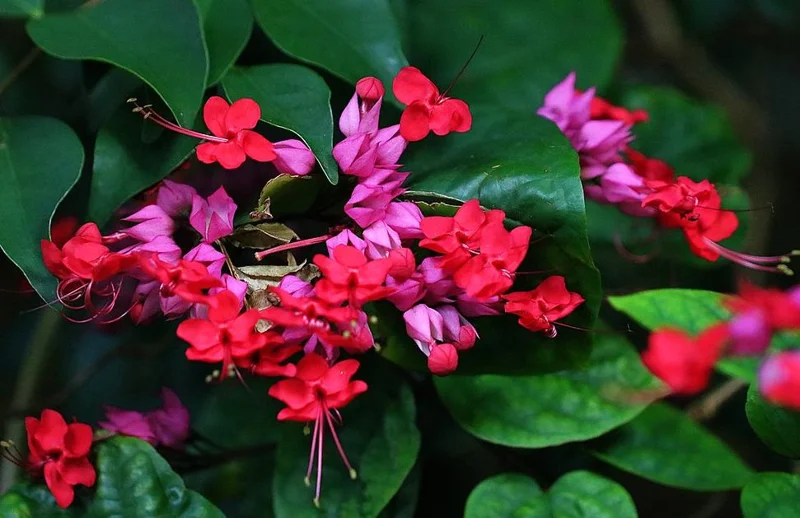
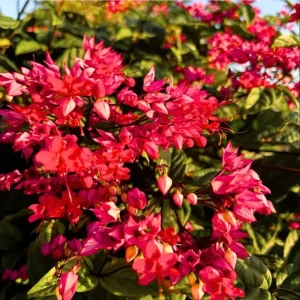
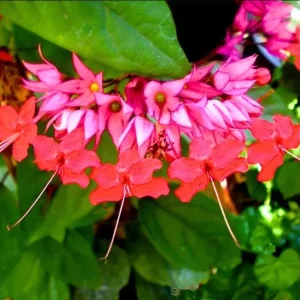
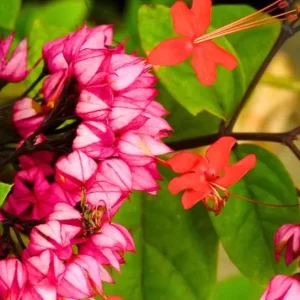
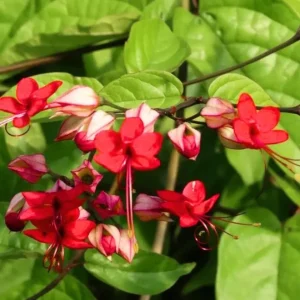
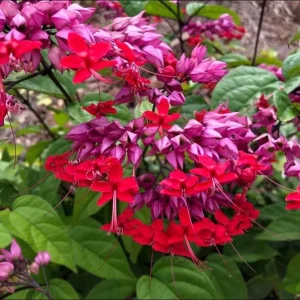
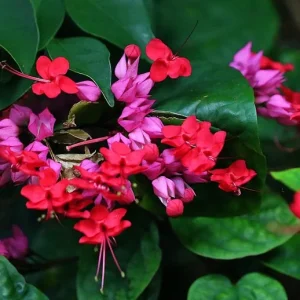
Bring vibrant color to your garden with this bleeding heart vine live plant (Clerodendrum thomsoniae). This pack of two starter plants, 4-6 inches tall, will grow into stunning vines with cherry red valentine blooms, perfect for trellises or hanging baskets.
Estimated arrival
Mar 30
Apr 04 - Apr 06
Apr 09 - Apr 13

Reasonable Price
We offer reasonable price

Support 24/7
Contact us 24 hrs a day

100% Money Back
You've 30 days to Return

Payment Secure
100% secure payment
Overview
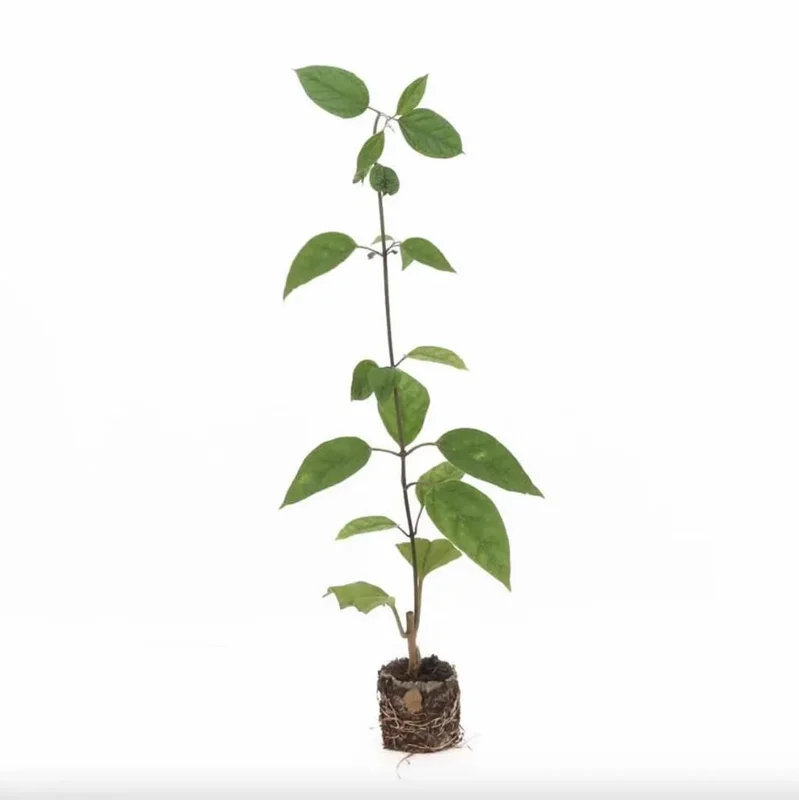
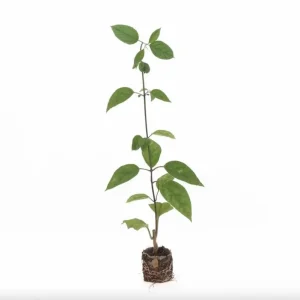
Introduce a cascade of vibrant color to your garden with the exquisite bleeding heart vine live plant (Clerodendrum thomsoniae). This stunning tropical vine is renowned for its unique and beautiful flowers, which resemble a heart with a drop of ‘blood’ emerging, giving it its evocative common name. Originally from West Africa, this vigorous climber is highly sought after for its ornamental value, producing a spectacular display of cherry red and white blooms that can transform any outdoor space into a romantic haven. Our offering includes a pack of two healthy starter plants, each measuring 4 to 6 inches tall, ready to be nurtured into mature, flowering specimens. While these young plants will not have flowers upon arrival, they are well-rooted and prepared to thrive with proper care. The bleeding heart vine live plant is perfect for adding vertical interest to patios, arbors, and fences, or for growing in hanging baskets where its charming flowers can truly shine.
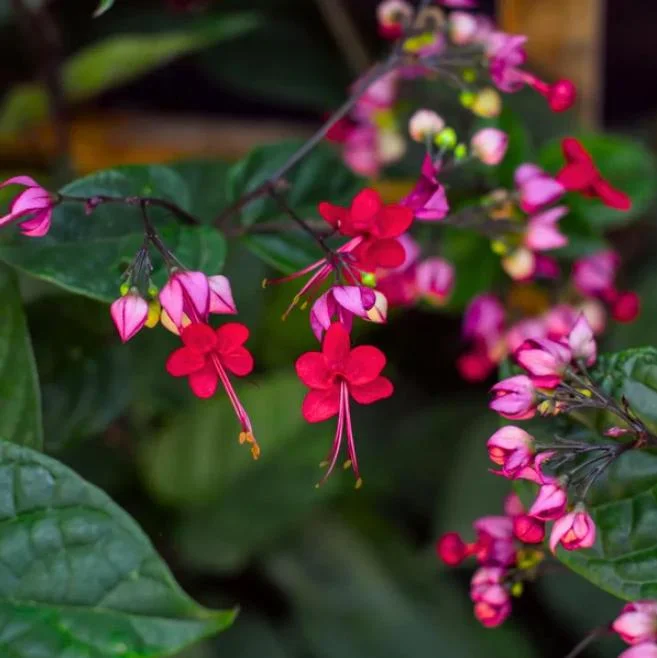
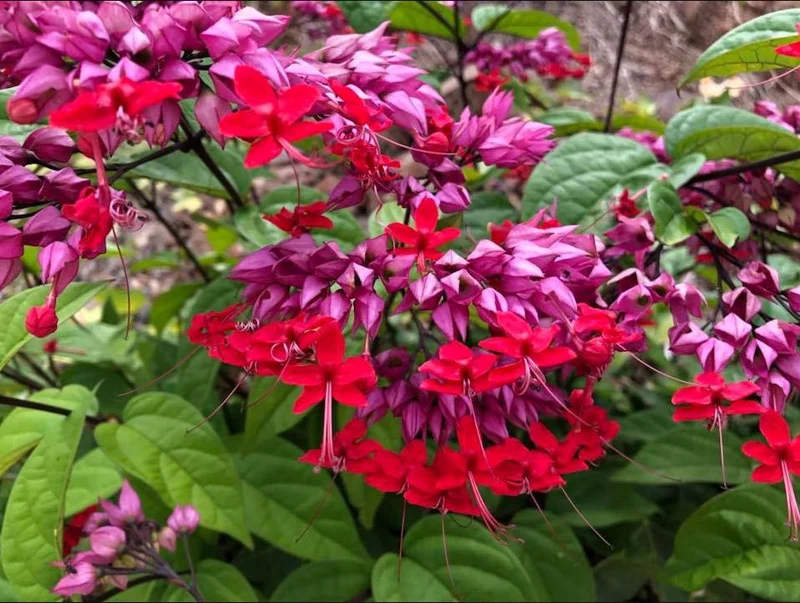
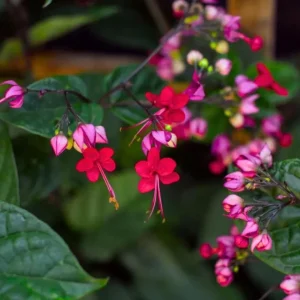
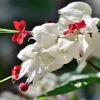
The botanical name, Clerodendrum thomsoniae, refers to the genus Clerodendrum, which means ‘chance’ or ‘fate tree’, and commemorates William Cooper Thompson, a medical missionary. Its distinctive bicolored flowers feature a pristine white calyx that encases a brilliant scarlet corolla, creating a striking contrast. As the flower matures, the white calyx often turns a delicate pink, adding another layer of visual interest. This plant is not only beautiful but also relatively easy to grow, making it a rewarding choice for both seasoned gardeners and enthusiastic beginners looking to cultivate a truly eye-catching feature in their landscape. Embrace the beauty and charm of the red bleeding heart plant and watch your garden come alive with its unique floral display.
Key Benefits
Cultivating a bleeding heart vine live plant offers numerous advantages, from its aesthetic appeal to its adaptability. These plants are designed to enhance your garden with their captivating presence and relatively straightforward care requirements. Here are some of the standout benefits:
-
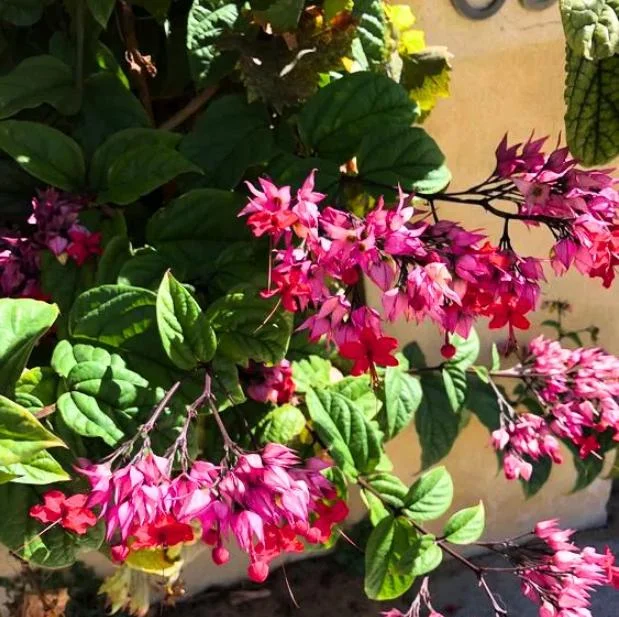
Exotic Floral Display: The Clerodendrum thomsoniae produces uniquely shaped, bicolored flowers with a white calyx and vibrant cherry red petals. This striking contrast creates an exotic and romantic appeal, making it a focal point in any garden or patio setting. The ‘valentine blooms’ are truly a sight to behold, attracting admiration.
-
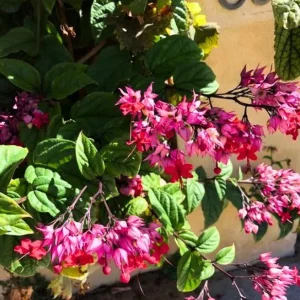
Vigorous Climbing Habit: As a vine, the bleeding heart vine live plant is an excellent choice for vertical gardening. It can quickly cover trellises, arbors, fences, or pergolas, providing lush foliage and a profusion of flowers, adding depth and dimension to your outdoor space.
-
Long Blooming Season: With proper care, this vine can bloom from late spring through early summer, and often intermittently throughout the warmer months, providing an extended period of color and beauty in your garden.
-
Attracts Pollinators: The vibrant flowers of the red bleeding heart plant are known to attract hummingbirds and butterflies, bringing life and movement to your garden ecosystem and supporting local biodiversity.
-
Versatile Garden Use: Beyond climbing structures, this vine can be grown in large containers, allowing it to be moved indoors during colder months in non-tropical climates. It also looks stunning spilling from hanging baskets.
-
Relatively Low Maintenance: Once established, the clerodendrum thomsoniae care is straightforward, requiring consistent watering and occasional feeding to maintain its vigor and bloom production. It’s a rewarding plant that doesn’t demand constant attention.
-
Adds Tropical Ambiance: Its lush foliage and distinctive flowers instantly create a tropical or subtropical feel, perfect for garden designs aiming for an exotic paradise theme.
Plant Care & Growing Tips
Ensuring your bleeding heart vine live plant thrives requires understanding its specific needs for light, water, soil, and temperature. These plants are generally robust, but providing optimal conditions will result in the most spectacular blooms. For successful growth, consistent care is key, especially during the establishment phase of these starter plants.
Light Requirements: The clerodendrum thomsoniae care guide emphasizes partial to full shade. While it can tolerate some morning sun, it’s crucial to avoid harsh afternoon sun exposure, especially in hotter climates, as this can scorch the delicate leaves and flowers. In very warm regions, a location with dappled shade or bright indirect light throughout the day is ideal. If grown indoors, place it near a window that receives bright, filtered light.
Watering: This vine prefers consistently moist soil but dislikes being waterlogged. Water thoroughly when the top inch of soil feels dry to the touch. Reduce watering slightly during cooler dormant periods. Ensure good drainage to prevent root rot. During peak growing and blooming seasons, monitor soil moisture closely, as the plant will be actively consuming water.
Soil and Fertilization: The ideal soil for a bleeding heart vine live plant is rich, moist, and well-drained, with a high organic matter content. A good quality potting mix amended with compost or peat moss works well. Fertilize every 2-4 weeks during the growing season (spring and summer) with a balanced liquid fertilizer, or one slightly higher in phosphorus to encourage blooming. Reduce feeding in fall and winter. For optimal clerodendrum thomsoniae growing tips, consider amending your soil with aged manure or compost annually.
Temperature and Hardiness: Clerodendrum thomsoniae is a tropical plant and is sensitive to cold. It thrives in temperatures between 60-85°F (15-29°C). It is typically grown as an outdoor perennial in USDA Zones 9-11. In cooler climates, it can be grown as an annual or brought indoors before the first frost. Protect from temperatures below 50°F (10°C). Humidity is also appreciated, especially indoors; consider misting or using a pebble tray.
Pruning: Prune your red bleeding heart plant after its main flush of blooms to maintain shape, encourage bushier growth, and promote more flowers. You can also prune vigorously in late winter or early spring to control size and remove any dead or leggy growth. This helps rejuvenate the plant and ensures a more robust display of its distinctive flowers.
Size & Details
This offering includes a pack of two bleeding heart vine live plant starter plants, each standing approximately 4 to 6 inches tall. These young plants are well-rooted in soil and are shipped without a pot to ensure safe and efficient transit, ready for immediate planting upon arrival. While they are young, they possess the vigor to grow into impressive flowering vines. The Clerodendrum thomsoniae is a moderately fast-growing vine that, with ideal conditions, can reach lengths of 10 to 15 feet or more, spreading about 3 to 6 feet wide. Its mature size makes it an excellent choice for covering structures or creating a dense, flowering screen. Expect these starter plants to begin producing their iconic cherry red valentine blooms within one to two growing seasons, provided they receive adequate light, water, and nutrients. The growth rate and bloom time can vary slightly depending on your specific climate and care regimen, but these bleeding heart vine starter plants are designed to give you a head start on cultivating this magnificent specimen. Allow plenty of space for vertical growth and provide a support structure for best results.
Frequently Asked Questions
-
Q: How big will the bleeding heart vine live plant get? A: With proper care and support, the bleeding heart vine live plant can grow to a length of 10 to 15 feet or even more, with a spread of 3 to 6 feet. Its vigorous climbing habit allows it to cover trellises, arbors, or fences effectively.
-
Q: Is this an indoor or outdoor plant? A: Clerodendrum thomsoniae is primarily an outdoor plant in tropical and subtropical climates (USDA Zones 9-11). In cooler regions, it can be grown outdoors during warm months and brought indoors as a houseplant before temperatures drop below 50°F (10°C).
-
Q: How much sunlight does the red bleeding heart plant need? A: This plant thrives in partial to full shade. It prefers bright, indirect light and should be protected from harsh afternoon sun, which can scorch its leaves. Morning sun is generally tolerated well.
-
Q: What condition will my bleeding heart vine starter plants arrive in? A: You will receive two healthy, well-rooted starter plants, each 4 to 6 inches tall. They are shipped without a pot to ensure safe transit and are ready for planting in your garden or a larger container upon arrival.
-
Q: When can I expect the clerodendrum thomsoniae to bloom? A: These starter plants are young and will not have flowers upon arrival. With consistent care, you can typically expect your clerodendrum thomsoniae care to lead to blooms within one to two growing seasons, primarily from late spring to early summer.
-
Q: Is the bleeding heart vine easy to care for? A: Yes, once established, the bleeding heart vine live plant is considered relatively easy to care for. It requires consistent moisture, well-draining soil, and protection from direct harsh sun and cold temperatures.
-
Q: What kind of soil is best for this plant? A: The Clerodendrum thomsoniae prefers rich, moist, and well-drained soil with a high organic matter content. A good quality potting mix amended with compost or peat moss is ideal.
-
Q: How often should I water my clerodendrum thomsoniae? A: Water thoroughly when the top inch of soil feels dry to the touch. The plant prefers consistently moist soil but should not be left waterlogged. Reduce watering slightly during dormant periods.
-
Q: Can I grow this plant in a hanging basket? A: Absolutely! The trailing nature of the bleeding heart vine live plant makes it an excellent choice for hanging baskets, where its beautiful flowers can gracefully cascade downwards.
-
Q: What are some common problems with the red bleeding heart plant? A: Common issues include yellowing leaves from overwatering or nutrient deficiencies, and scorched leaves from too much direct sun. Pests like spider mites or whiteflies can sometimes occur, but good air circulation and proper care help prevent most problems.
Be the first to review “Bleeding Heart Vine Live Plant – Clerodendrum Thompsoniae – Cherry Red Blooms – Pack of 2 Starter Plants, 4-6 Inch Tall”
-
USDA Hardiness Zone
USDA Zones 9–11 -
Soil Type
Rich, moist, well-draining soil -
Sunlight Exposure
Partial to Full Shade; avoid harsh afternoon sun -
Expected Planting Period
Late spring to early summer (blooming); year-round indoors
People Also Viewd
Sold 128 products
Original price was: $27.00.$24.00Current price is: $24.00.
Sold 127 products
Original price was: $89.99.$64.99Current price is: $64.99.
Sold 125 products
Original price was: $3,536.00.$23.99Current price is: $23.99.

Sold 125 products
Original price was: $86.99.$66.99Current price is: $66.99.
Sold 116 products
Original price was: $27.99.$16.99Current price is: $16.99.
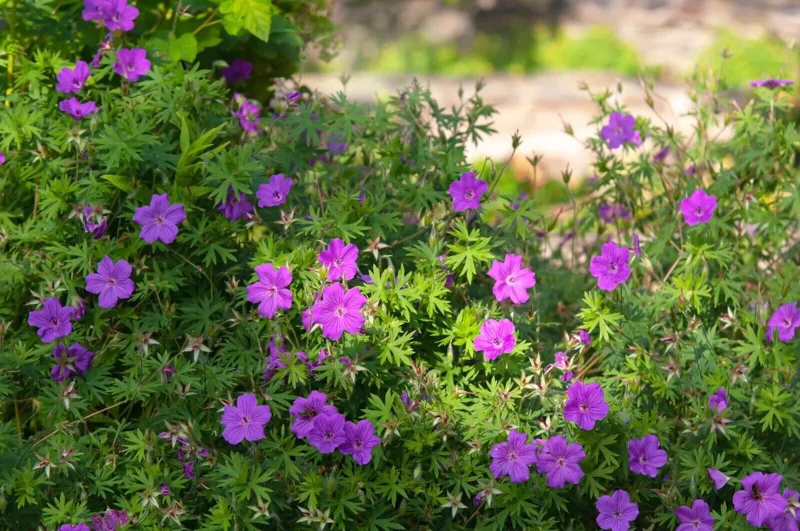
Flower Bulbs
3 Cranesbill Wild Geranium Organic Maculatums Bare Roots | Wildflower for Outdoor Garden
Sold 114 products
Original price was: $21.99.$6.99Current price is: $6.99.
Sold 114 products
Original price was: $28.99.$17.99Current price is: $17.99.
Sold 109 products
Original price was: $63.99.$28.99Current price is: $28.99.RELATED posts
How to Identify Bocking 14 Comfrey: 5 Simple Visual Signs
If you’re growing comfrey for mulch, compost, or animal feed, knowing exactly which variety you [...]
Mar
Grand Duke of Tuscany Jasmine: The Ultimate Guide to Growing a Fragrant Masterpiece
Have you ever caught a scent in the air so rich, creamy, and honey-sweet that [...]
Mar
How to Grow Wild Huckleberries: A Guide to “Purple Gold”
Have you ever spent a summer afternoon hiking through the Pacific Northwest or the Rocky [...]
Mar
5 Best Shade-Loving Perennials for a Lush, Vibrant Garden
The world of gardening often shines a spotlight on sun-drenched blossoms, but there is a [...]
Mar
7 Common Curry Leaf Plant Problems: Easy Fixes for a Thriving Plant
Is your curry leaf plant looking a bit sad lately? Maybe you woke up to [...]
Mar
Best Time to Plant Bougainvillea: Timing for Vibrant Blooms
If you’re looking for a hardy tropical vine that delivers a riot of neon color, [...]
Feb
How to Propagate Purple Passion Plants (Gynura aurantiaca)
Have you ever been mesmerized by the neon-purple glow and fuzzy, velvet-like leaves of a [...]
Feb
How to Grow Beauregard Sweet Potatoes: From Slips to a Bountiful Harvest
Are you ready to add a classic, heavy-hitting favorite to your vegetable patch? If you’ve [...]
Feb
Reviews
There are no reviews yet.