
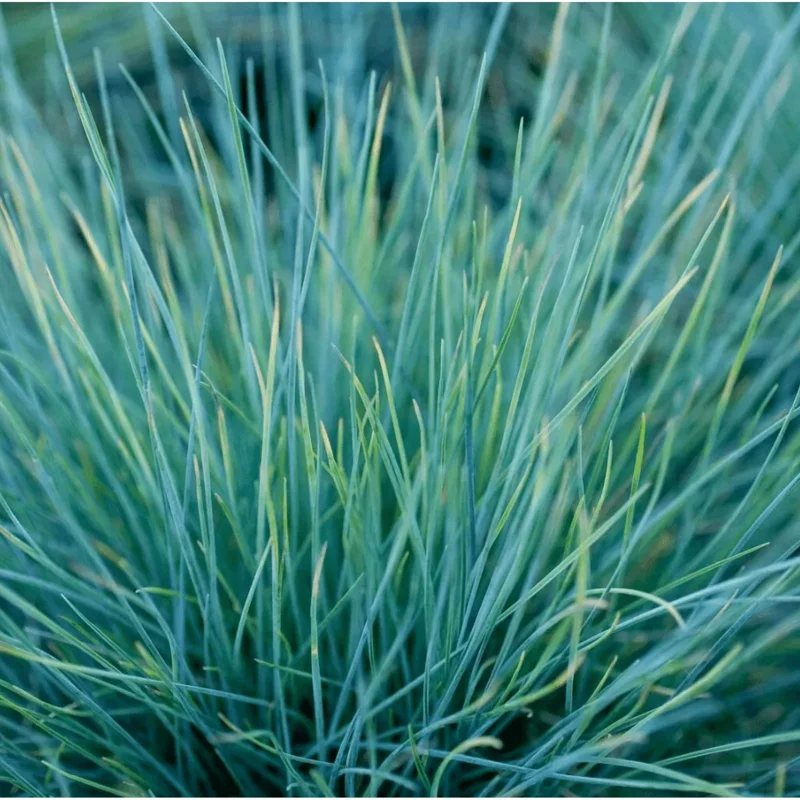
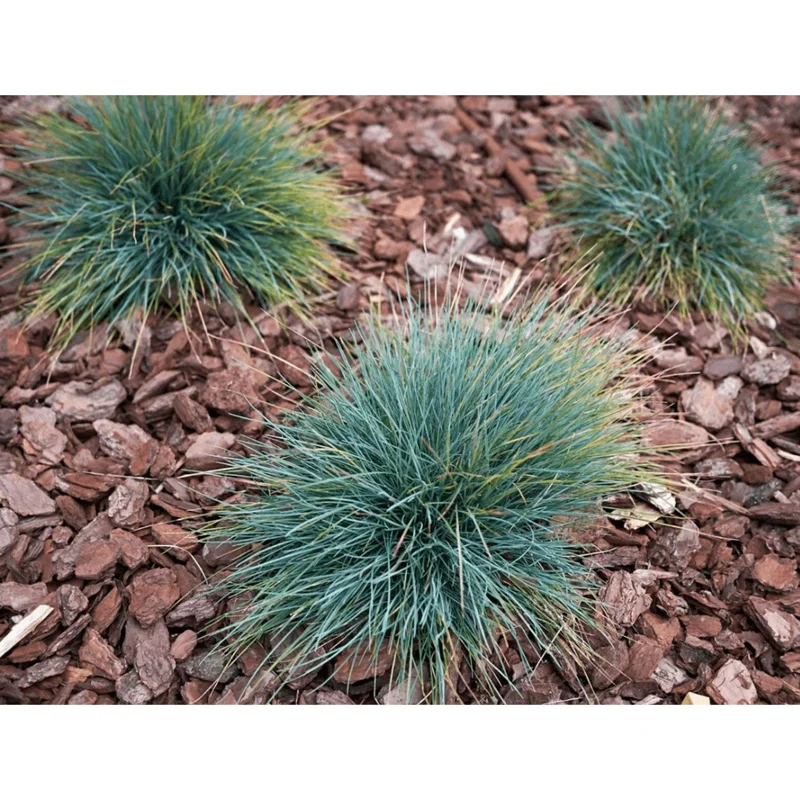
Blue Fescue Grass Live Plant – Festuca Glauca – 4 inch Pot – Ornamental Outdoor
Original price was: $55.49.$35.49Current price is: $35.49.
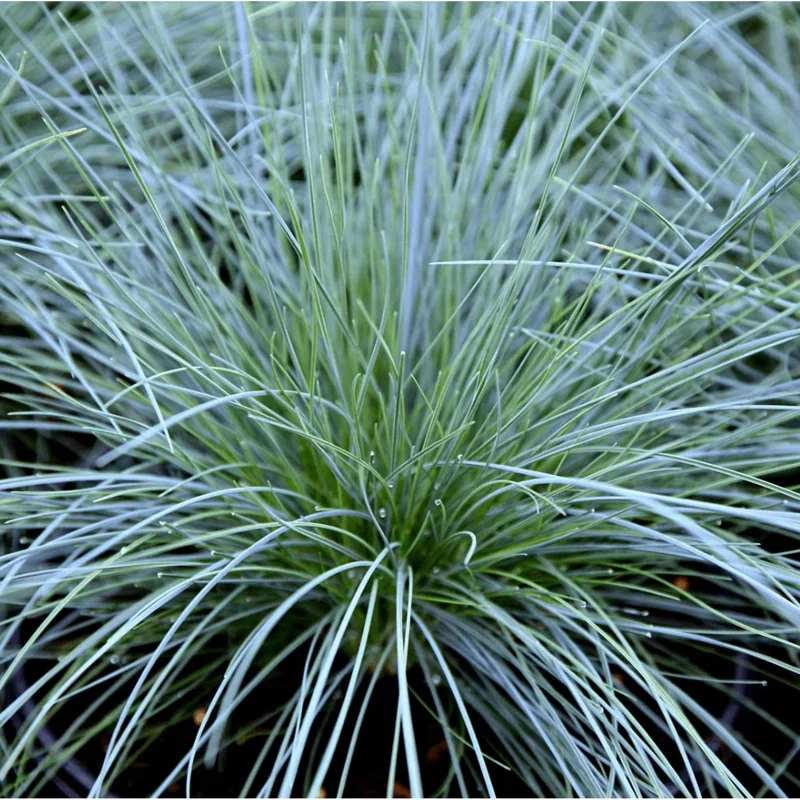
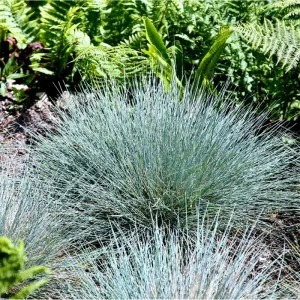
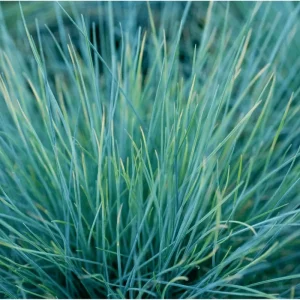
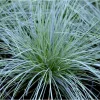
Add striking texture and color to your garden with this blue fescue grass live plant. Known for its silvery-blue foliage, Festuca glauca is a compact, drought-tolerant ornamental grass perfect for rock gardens, borders, or mass plantings. Thriving in full sun, this starter plant comes in a 4-inch pot, ready to establish in your outdoor landscape.
Estimated arrival
Apr 12
Apr 17 - Apr 19
Apr 22 - Apr 26

Reasonable Price
We offer reasonable price

Support 24/7
Contact us 24 hrs a day

100% Money Back
You've 30 days to Return

Payment Secure
100% secure payment
Overview
Introduce a touch of cool elegance to your garden with this stunning blue fescue grass live plant. Known botanically as Festuca glauca, this ornamental grass is celebrated for its distinctive silvery-blue foliage that forms neat, rounded mounds. Originating from Europe, blue fescue grass is a popular choice for gardeners seeking low-maintenance, drought-tolerant plants that provide year-round visual interest. This compact perennial grass is ideal for adding fine texture and a unique color contrast to various landscape designs, from modern minimalist gardens to more traditional cottage styles. You will receive a healthy starter plant in a 4-inch pot, ready to be transplanted and thrive in your outdoor space, quickly becoming a focal point with its vibrant hue.
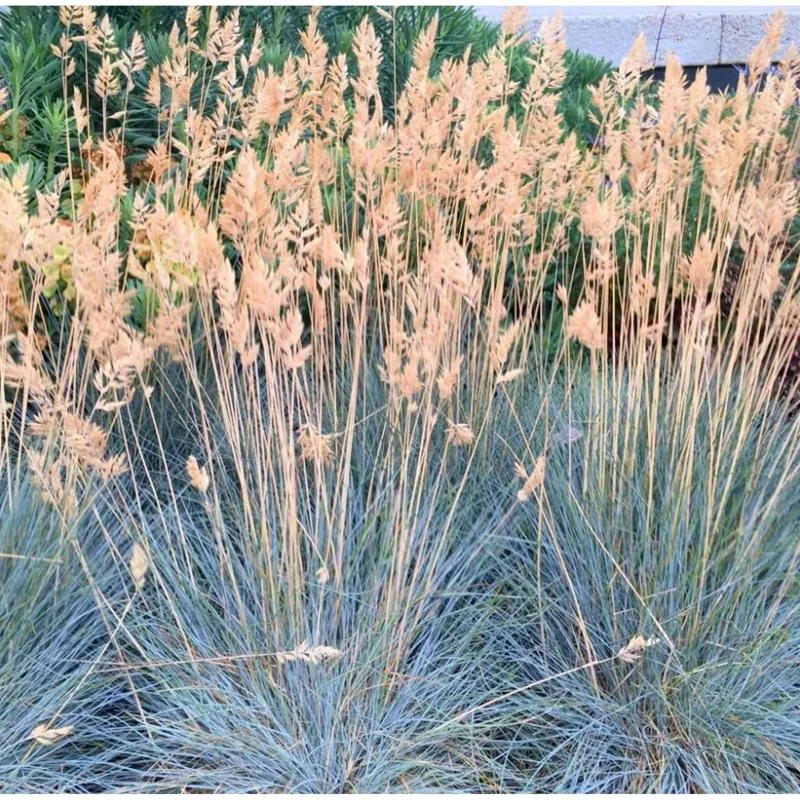
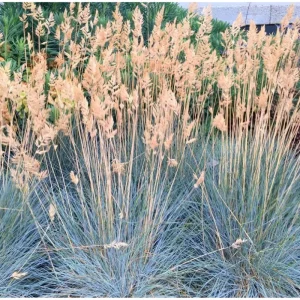
The beauty of blue fescue grass live plant lies not only in its striking color but also in its adaptability. It’s an excellent option for challenging areas where other plants might struggle, such as dry slopes or rocky terrain. Its ability to maintain its vibrant blue color throughout the growing season makes it a valuable asset for creating consistent visual appeal. While primarily grown for its foliage, it also produces delicate, pale green flowers that mature into buff-colored seed heads, adding another layer of texture. This blue fescue plant is robust and resilient, offering a beautiful, fuss-free solution for enhancing your garden’s aesthetic.
Key Benefits
The blue fescue grass live plant offers numerous advantages for both seasoned gardeners and beginners alike, making it a highly desirable addition to any outdoor setting. Its distinctive features contribute significantly to a garden’s overall health and beauty.
- Striking Silvery-Blue Foliage: The most notable benefit is its vibrant, cool-toned foliage. This unique color provides excellent contrast against green plants and flowers, making it a standout feature in borders, rock gardens, or mass plantings. The color intensifies with adequate sunlight, creating a truly captivating display.
- Drought-Tolerant Nature: Once established, blue fescue grass is remarkably drought-tolerant, requiring minimal watering. This makes it an eco-friendly choice for water-wise gardening and an excellent option for regions with dry climates or for those looking to conserve water.
- Low Maintenance: This ornamental grass is incredibly easy to care for. It requires little more than occasional watering during prolonged dry spells and an annual trim to remove spent foliage, making it perfect for busy gardeners or those new to gardening.
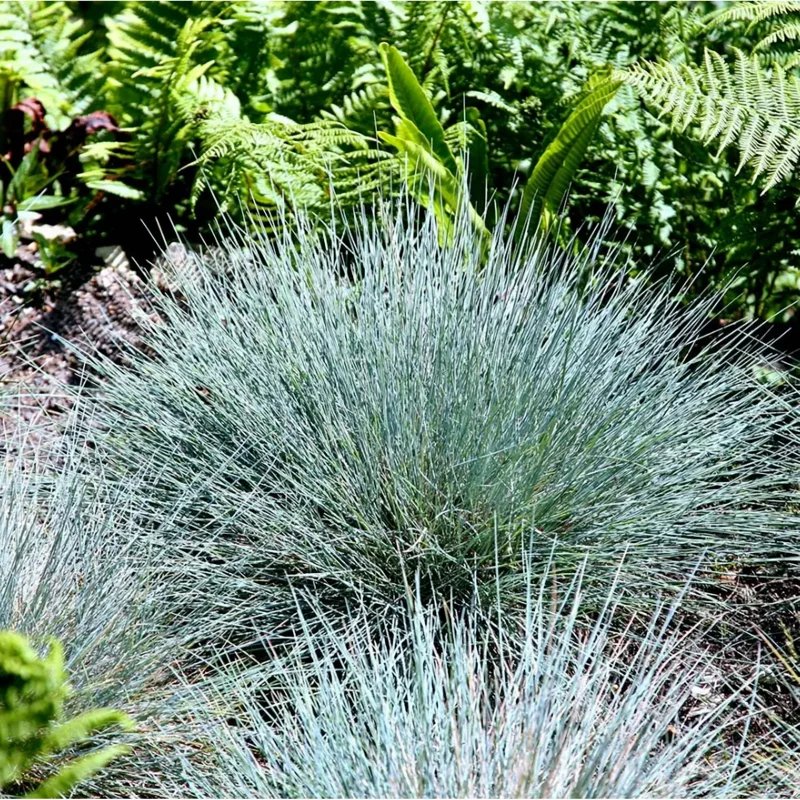
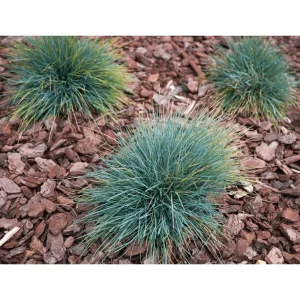
- Compact & Mounding Growth Habit: Growing into neat, spherical mounds, blue fescue grass maintains a tidy appearance, preventing it from overwhelming other plants. Its compact size makes it suitable for small gardens, containers, and edging.
- Versatile Landscape Use: From accentuating pathways and defining garden beds to creating textural interest in mixed borders and providing ground cover, its versatility is unmatched. It also performs well in containers, bringing its unique charm to patios and balconies.
- Deer Resistant: Generally, deer tend to avoid grazing on blue fescue grass, which is a significant advantage in areas where deer can be a nuisance to other garden plants.
- Year-Round Interest: While its blue color is most intense in spring and summer, the foliage often retains its hue through milder winters, providing continuous visual interest even in colder months.
Plant Care & Growing Tips
Caring for your blue fescue grass live plant is straightforward, ensuring its vibrant blue foliage remains a highlight in your garden. Understanding its basic needs will help you achieve optimal growth and color. For robust growth and the best silvery-blue coloration, blue fescue grass thrives in full sunlight. Aim for at least 6-8 hours of direct sun per day. While it can tolerate partial shade, too little sun will cause the foliage to become greener and the plant to be less vigorous, potentially impacting its overall health and the intensity of its distinctive color. Ensure your chosen planting site receives ample bright light throughout the day.
When it comes to watering, festuca glauca care emphasizes well-draining soil and moderate moisture. This plant prefers relatively consistently moist soil but absolutely cannot tolerate soggy conditions, which can lead to root rot. Water weekly during hot summer months, especially when the plant is establishing, to keep it green and growing. Once established, it becomes quite drought-tolerant, requiring less frequent irrigation. The ideal soil type is sandy or loamy, with good drainage. Avoid heavy clay soils unless amended with organic matter and grit to improve permeability. This ornamental grass is hardy in USDA zones 4-9, making it suitable for a wide range of climates. It tolerates average temperatures but can benefit from some protection in extreme heat or cold. Fertilization is generally not necessary for blue fescue grass; an annual application of compost around the base in spring is usually sufficient to provide essential nutrients. Watch out for common issues such as crown rot in poorly drained soils or excessive greening in too much shade. Proper siting and watering practices are key to preventing most problems.
Size & Details
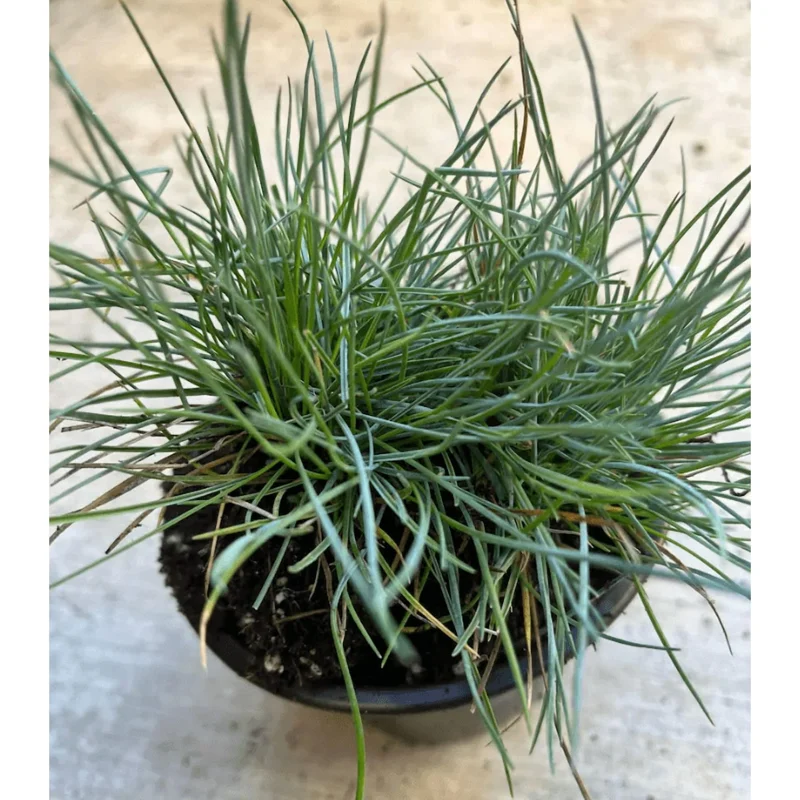
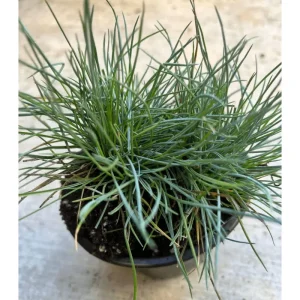
This offering includes one healthy blue fescue grass live plant, shipped in a 4-inch nursery pot. Upon arrival, the plant will be a starter size, ready for transplanting into your garden or a larger container. Mature blue fescue grass typically reaches a height of 6-12 inches and spreads 6-18 inches, forming a dense, mounding clump. Its compact size makes it an excellent choice for front borders, rock gardens, or as an accent plant. The growth rate is moderate, allowing it to establish and fill out within one to two growing seasons. This plant is primarily grown for its ornamental foliage, which provides consistent color and texture throughout the year. While it does produce delicate flowers, its main appeal lies in its distinctive blue leaves. This hardy perennial is an excellent investment for adding long-lasting beauty to your outdoor space.
Frequently Asked Questions
- Q: How big does this blue fescue grass live plant get? A: A mature blue fescue grass live plant typically grows 6-12 inches tall and spreads 6-18 inches wide, forming a compact, rounded clump. Its modest size makes it ideal for various garden applications without becoming overgrown.
- Q: What size pot does it come in? A: This blue fescue grass live plant is shipped in a 4-inch nursery pot, providing a healthy root system ready for transplanting into your garden or a larger container.
- Q: Is this an indoor or outdoor plant? A: Blue fescue grass (Festuca glauca) is predominantly an outdoor ornamental grass, thriving in garden beds, borders, and rock gardens. While it can be grown in containers, it prefers outdoor conditions.
- Q: How much sunlight does blue fescue grass need? A: For the best color and growth, blue fescue grass requires full sun, meaning at least 6-8 hours of direct sunlight per day. It can tolerate partial shade, but its blue color may be less intense.
- Q: Is this plant easy to care for? A: Yes, blue fescue grass is considered a very easy-to-care-for plant. It is drought-tolerant once established and requires minimal maintenance, making it suitable for beginners and busy gardeners.
- Q: How long until it blooms? A: While blue fescue grass is primarily grown for its foliage, it typically produces pale green flowers in late spring to early summer that mature into buff-colored seed heads.
- Q: Will it survive winter in my zone? A: Blue fescue grass is hardy in USDA Zones 4-9, meaning it can withstand winter conditions in these regions. In colder zones, it may benefit from winter protection or be treated as an annual.
- Q: What’s the minimum temperature this blue fescue plant can tolerate? A: This plant can typically tolerate temperatures down to -30°F (-34°C) in its hardiness zones. However, extreme, prolonged cold snaps might require some mulching for protection.
- Q: Is this drought tolerant grass suitable for rock gardens? A: Absolutely! Its compact size, unique color, and drought tolerance make it an excellent choice for rock gardens, where it can provide texture and visual interest.
- Q: What kind of soil does blue fescue prefer? A: Blue fescue grass thrives in well-draining soil, preferably sandy or loamy. It is crucial to avoid heavy, waterlogged soils to prevent root rot.
Be the first to review “Blue Fescue Grass Live Plant – Festuca Glauca – 4 inch Pot – Ornamental Outdoor”
-
USDA Hardiness Zone
USDA zones 4-9 -
Soil Type
Well-draining, sandy or loamy soil -
Sunlight Exposure
Full sun -
Expected Planting Period
Spring to early summer
People Also Viewd


Sold 128 products
Original price was: $89.99.$64.99Current price is: $64.99.
Sold 128 products
Original price was: $159.99.$139.99Current price is: $139.99.

Sold 128 products
Original price was: $27.00.$24.00Current price is: $24.00.

Sold 126 products
Original price was: $3,536.00.$23.99Current price is: $23.99.

Sold 125 products
Original price was: $86.99.$66.99Current price is: $66.99.
Sold 116 products
Original price was: $27.99.$16.99Current price is: $16.99.

Flower Bulbs
3 Cranesbill Wild Geranium Organic Maculatums Bare Roots | Wildflower for Outdoor Garden
Sold 114 products
Original price was: $21.99.$6.99Current price is: $6.99.

Sold 114 products
Original price was: $28.99.$17.99Current price is: $17.99.RELATED posts
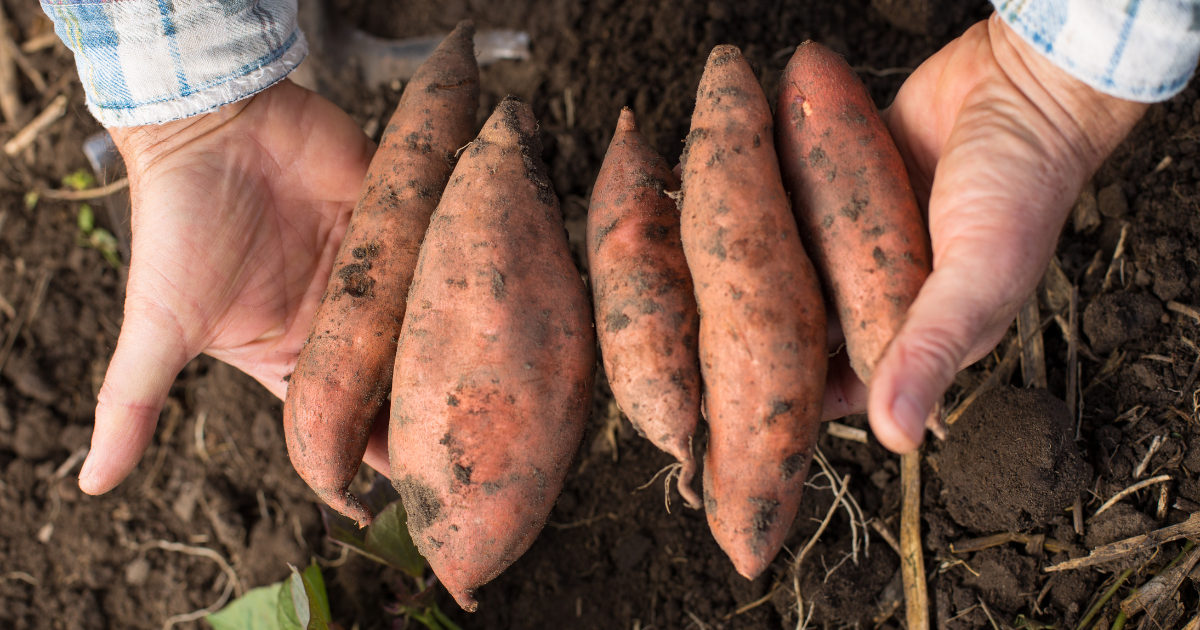
5 Tips for Growing Sweet Potatoes to Get the Biggest Sweet Potato Harvest Ever
If you are a fan of sweet potatoes, then these tips for growing sweet potatoes [...]
Apr
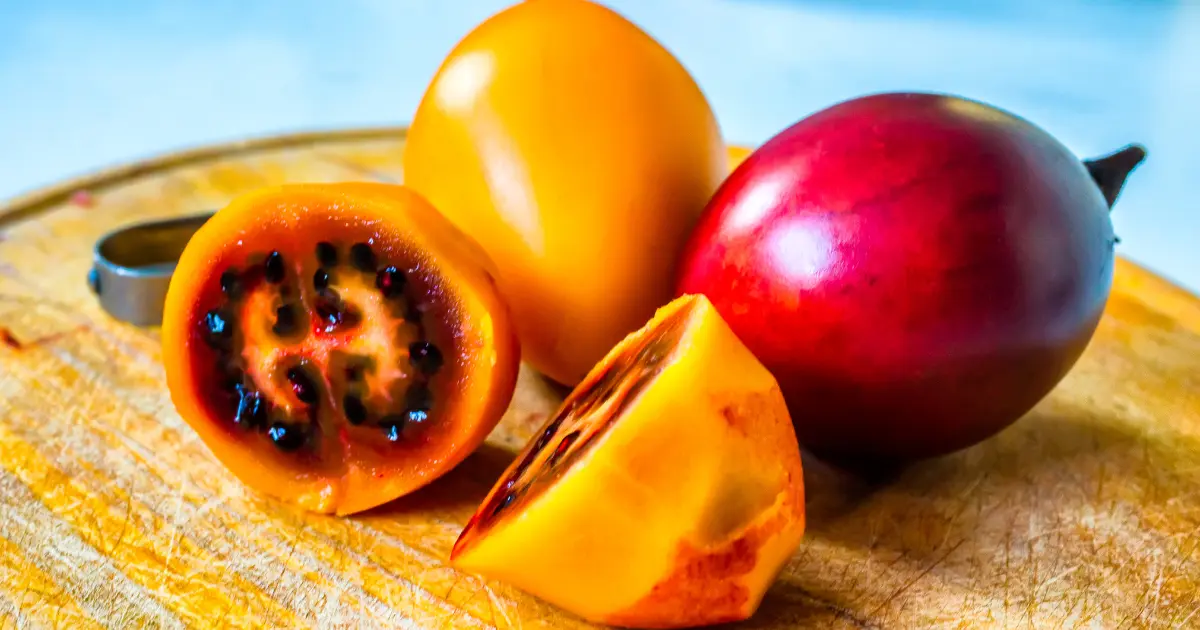
Tamarillo Tree Guide: Flavor, Texture & How to Eat Tree Tomatoes
The humble tomato is a kitchen staple we all know and love, but it rarely [...]
Apr
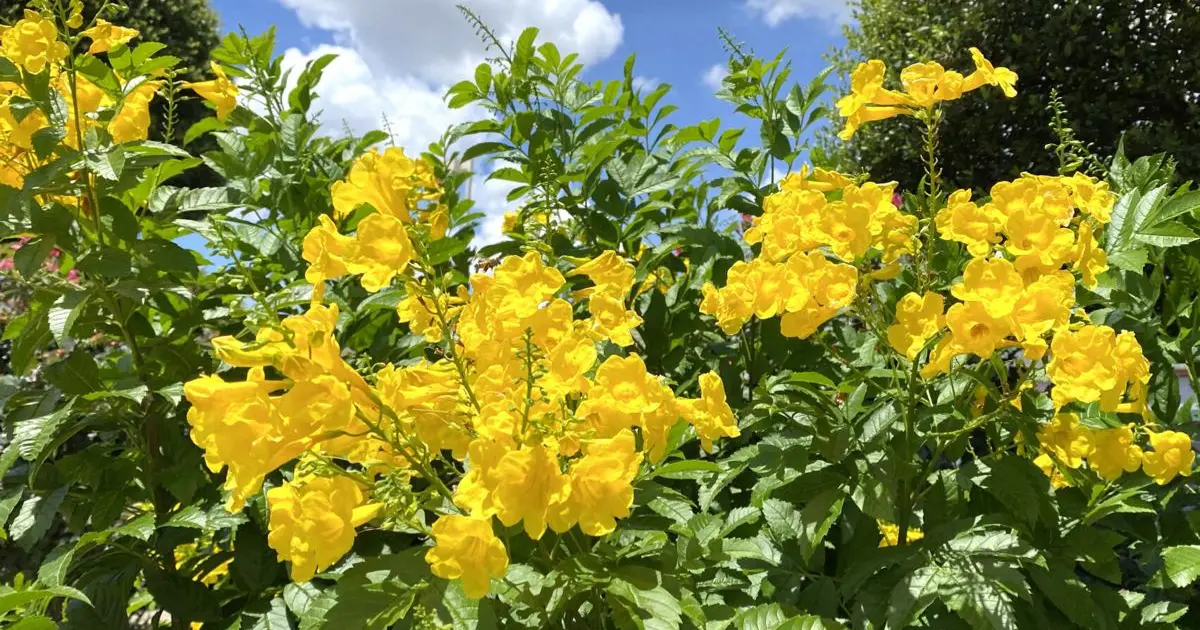
5 Pro Tips to Grow Esperanza ‘Gold Star’ Indoors: A Golden Glow for Your Home
While most gardeners know this Texas Superstar – Esperanza ‘Gold Star’ as a rugged outdoor [...]
Apr
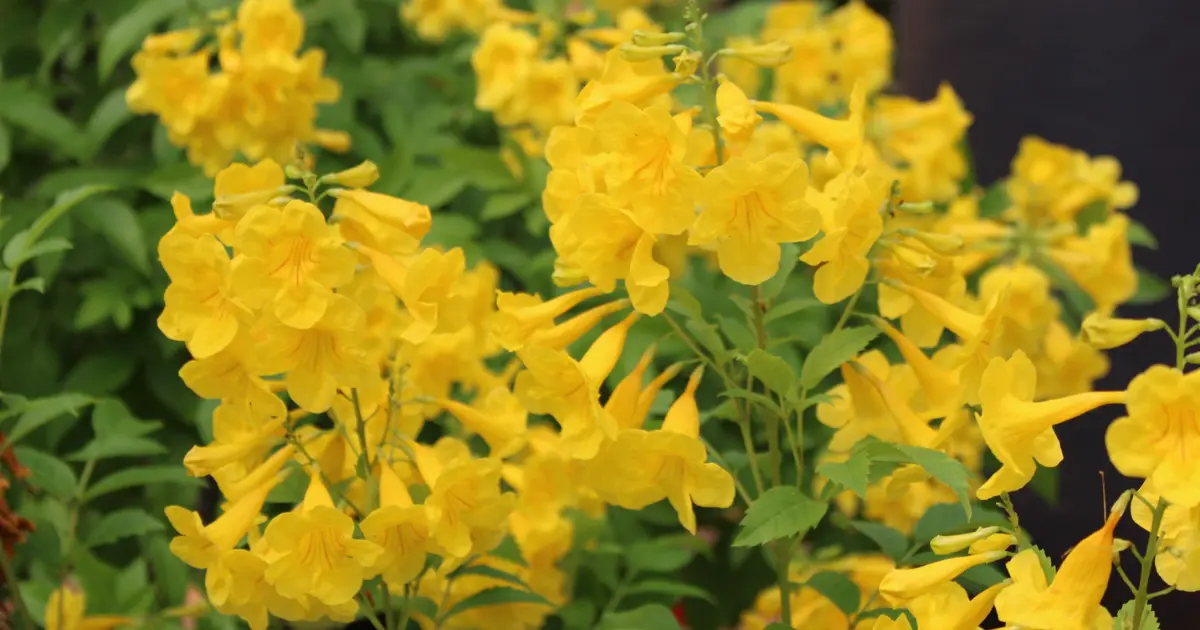
Mastering Esperanza Goldstar: Grow the Ultimate Yellow Bloom
Esperanza Goldstar is more than just a heat-tolerant shrub; for the American gardener battling the [...]
Apr
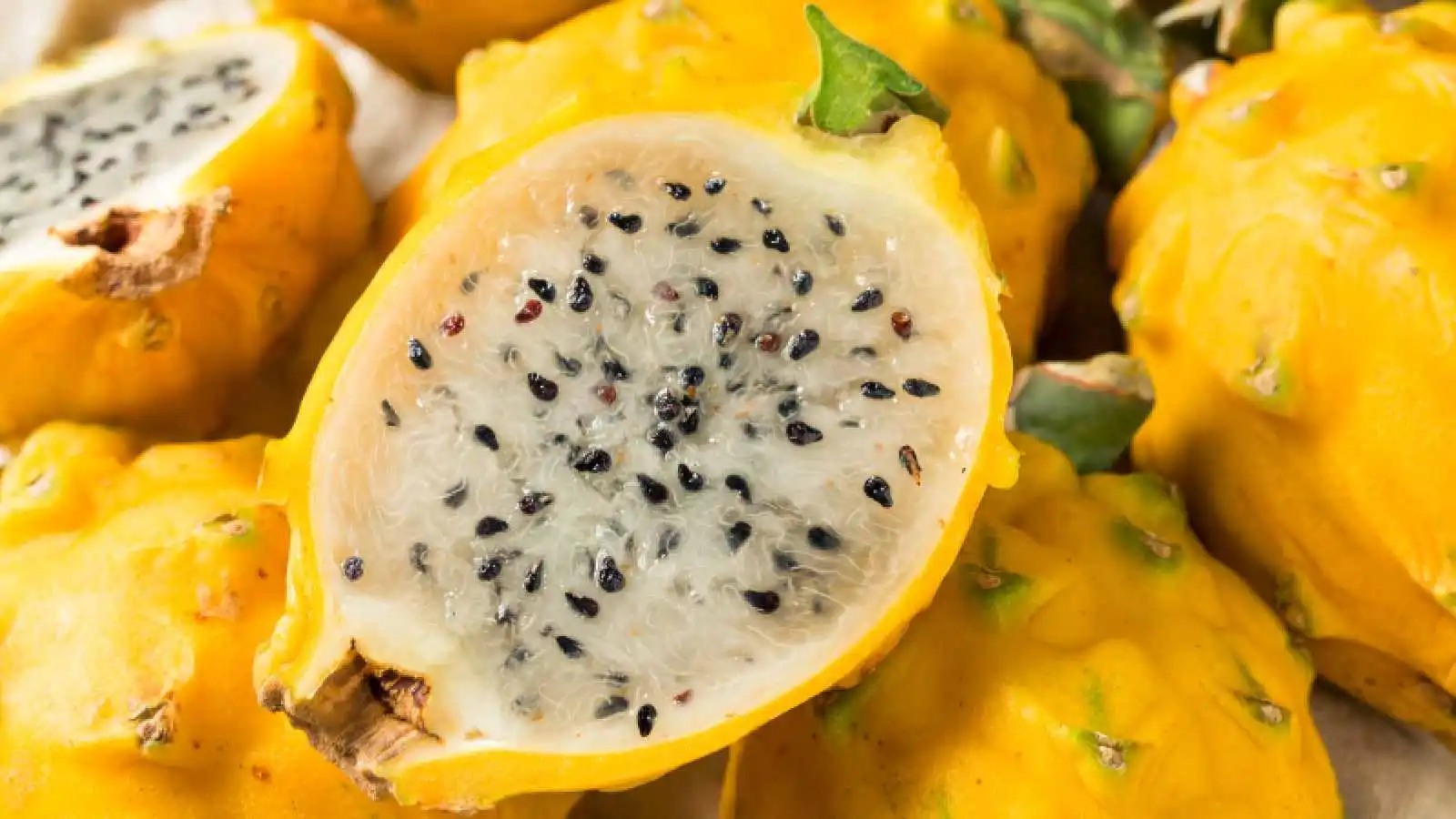
Yellow Dragon Fruit Plant Care: The Ultimate Guide for Healthy Growth
The yellow dragon fruit plant is a unique and rewarding addition to any home garden, [...]
Apr
How to Identify Bocking 14 Comfrey: 5 Simple Visual Signs
If you’re growing comfrey for mulch, compost, or animal feed, knowing exactly which variety you [...]
Mar
Grand Duke of Tuscany Jasmine: The Ultimate Guide to Growing a Fragrant Masterpiece
Have you ever caught a scent in the air so rich, creamy, and honey-sweet that [...]
Mar
How to Grow Wild Huckleberries: A Guide to “Purple Gold”
Have you ever spent a summer afternoon hiking through the Pacific Northwest or the Rocky [...]
Mar
Reviews
There are no reviews yet.