












Bonsai Weeping Willow Tree Seeds – Green Salix, 5 Seeds, Indoor & Outdoor
Original price was: $27.76.$12.76Current price is: $12.76.
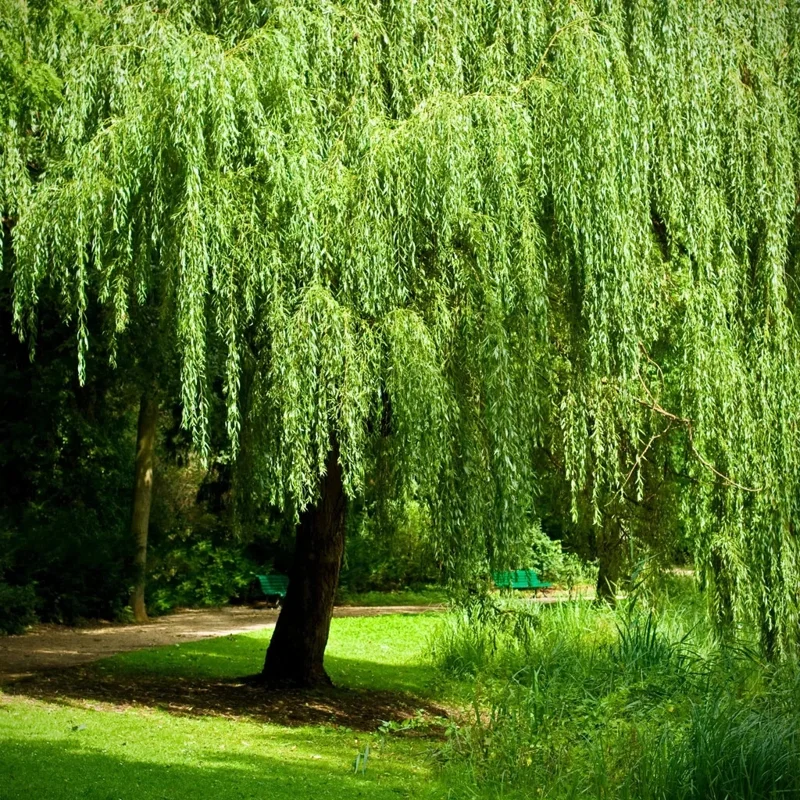
Start your own elegant weeping willow bonsai seeds project with this pack of 5 premium green Salix tree seeds. Suitable for both indoor and outdoor cultivation, these seeds are for those who enjoy the art of bonsai or wish to grow a beautiful green weeping willow seeds specimen.
Estimated arrival
Apr 07
Apr 12 - Apr 14
Apr 17 - Apr 21

Reasonable Price
We offer reasonable price

Support 24/7
Contact us 24 hrs a day

100% Money Back
You've 30 days to Return

Payment Secure
100% secure payment
Overview
Embark on the rewarding journey of cultivating your own miniature landscape with our premium weeping willow bonsai seeds. This offering provides 5 high-quality seeds of the elegant Weeping Willow (Salix babylonica), renowned for its graceful, drooping branches and vibrant green foliage. Ideal for both novice and experienced gardeners, these seeds allow you to grow a unique bonsai specimen or a beautiful ornamental tree. The Weeping Willow is a fast-growing species, making it an exciting choice for those eager to see quick progress in their gardening endeavors. Originating from the Salix genus, this tree is celebrated for its distinctive form and adaptability, making it a captivating addition to any garden or indoor space.
Key Benefits
Growing a Weeping Willow from seed offers numerous advantages, from enhancing your living space to providing a fulfilling horticultural experience. These weeping willow bonsai seeds are carefully selected to ensure viability and strong growth, promising a rewarding cultivation process.
- Aesthetic Appeal: The iconic cascading branches and bright green leaves of the Weeping Willow create a serene and picturesque focal point, whether as a bonsai or a larger landscape tree. Its unique form adds a touch of tranquility to any setting.
- Versatile Growth: These seeds can be grown as a traditional bonsai, allowing for detailed shaping and artistic expression, or cultivated into a full-sized ornamental tree, perfect for adding shade and beauty to a garden.
- Fast-Growing Nature: Weeping Willows are known for their rapid growth rate, providing quicker gratification compared to many other tree species. This makes them an exciting project for those who enjoy observing plant development.
- Adaptability: While preferring moist conditions, the Weeping Willow is relatively adaptable to various soil types and can thrive in a range of environments, making it suitable for different growing conditions.
- Stress Reduction: The act of nurturing a plant from seed to maturity is a calming and meditative process, offering significant stress relief and a sense of accomplishment. Watching your weeping willow tree growing tips come to life is truly satisfying.
- Educational Value: Perfect for teaching children or beginners about plant life cycles, botany, and the patience required in gardening. Understanding how to grow weeping willow bonsai provides valuable hands-on experience.
- Air Purification: Like many plants, the Weeping Willow contributes to better air quality by absorbing carbon dioxide and releasing oxygen, creating a healthier environment around it.
Plant Care & Growing Tips
Successfully growing weeping willow bonsai seeds requires attention to specific conditions to ensure strong germination and healthy development. Weeping Willows thrive best in moist, well-draining soil. For germination, a stratification period is often beneficial. Place seeds in a damp paper towel inside a plastic bag and refrigerate for 4-6 weeks. After stratification, sow seeds on the surface of a rich, well-draining potting mix, lightly pressing them into the soil without covering, as they require light to germinate. Maintain consistent moisture, but avoid waterlogging.
Once germinated, provide plenty of sunlight. Young seedlings prefer bright, indirect light, gradually transitioning to full sun as they mature. Weeping Willows are water-loving plants, so ensure the soil remains consistently moist, especially during dry spells. They can tolerate a wide range of temperatures but prefer temperate climates. For outdoor planting, USDA Zones 2-9 are generally suitable. Fertilize young plants with a balanced, slow-release fertilizer during the growing season to encourage robust growth. Pruning is essential for bonsai training; start shaping early to establish the desired form. Regularly check for pests and diseases, and address any issues promptly. Following these weeping willow tree growing tips will help ensure the success of your project.
Size & Details
This package contains 5 viable weeping willow seeds for sale. Each seed has the potential to grow into a magnificent Weeping Willow tree. When grown as a bonsai, the size can be controlled through meticulous pruning and root trimming, typically reaching a height of 1-3 feet. If allowed to grow naturally in ideal conditions, a Weeping Willow tree can reach impressive heights of 30-50 feet with a similar spread. The seeds are harvested for the 2025 season, ensuring freshness and optimal germination rates. These seeds are perfect for starting an indoor bonsai project or cultivating a beautiful specimen for your outdoor garden. Expect germination within a few weeks after proper stratification and planting, with rapid growth thereafter.
Frequently Asked Questions
- Q: How big does a Weeping Willow bonsai get? A: A Weeping Willow bonsai’s size is highly dependent on pruning and container size. Typically, they can be maintained at heights between 1 to 3 feet, allowing for a compact and artistic display.
- Q: What size pot is recommended for starting these seeds? A: For germination, a small seed-starting tray or 2-4 inch pots are ideal. Once the seedling is established and growing, it can be transplanted into a larger bonsai pot or directly into the ground for a full-sized tree.
- Q: Is this an indoor or outdoor plant? A: The Weeping Willow can be grown both indoors as a bonsai, especially when young, and outdoors as a larger tree. When grown indoors, ensure it receives ample light. Our green weeping willow seeds are adaptable.
- Q: How much sunlight does a Weeping Willow need? A: Weeping Willows thrive in full sun, meaning at least 6 hours of direct sunlight per day. Young seedlings may benefit from partial shade initially to prevent scorching.
- Q: Is this plant easy to care for? A: Growing a Weeping Willow from seed requires some patience and consistent care, particularly regarding moisture and light. However, once established, they are relatively hardy and rewarding to maintain, especially if you follow specific weeping willow tree growing tips.
- Q: What condition will the seeds arrive in? A: The seeds are shipped dry and carefully packaged to ensure their viability upon arrival. They should be stored in a cool, dry place until ready for stratification and planting.
- Q: When is the best time to plant Weeping Willow seeds? A: The best time to stratify and plant Weeping Willow seeds is in late winter or early spring, mimicking their natural germination cycle. This allows them to sprout as the weather warms.
- Q: Will these seeds grow into a thick-trunked bonsai? A: With proper care, consistent pruning, and root development techniques over several years, these weeping willow bonsai seeds can be trained to develop a thick, mature-looking trunk characteristic of a well-established bonsai.
- Q: What is the ideal soil type for Weeping Willow seeds? A: Weeping Willow seeds and seedlings prefer a rich, well-draining soil mix that retains moisture. A good quality potting mix amended with compost or peat moss works well.
- Q: What is the expected germination rate for these seeds? A: While germination rates can vary, these fresh 2025 harvest seeds, when properly stratified and cared for, have a good potential for germination. Following the provided instructions closely will optimize your chances.
Be the first to review “Bonsai Weeping Willow Tree Seeds – Green Salix, 5 Seeds, Indoor & Outdoor”
-
USDA Hardiness Zone
USDA zones 2-9 -
Soil Type
Moist, well-draining soil -
Sunlight Exposure
Full sun to partial shade -
Expected Planting Period
Late winter to early spring
People Also Viewd


Sold 128 products
Original price was: $89.99.$64.99Current price is: $64.99.

Sold 128 products
Original price was: $27.00.$24.00Current price is: $24.00.
Sold 127 products
Original price was: $159.99.$139.99Current price is: $139.99.

Sold 126 products
Original price was: $3,536.00.$23.99Current price is: $23.99.

Sold 125 products
Original price was: $86.99.$66.99Current price is: $66.99.
Sold 116 products
Original price was: $27.99.$16.99Current price is: $16.99.

Flower Bulbs
3 Cranesbill Wild Geranium Organic Maculatums Bare Roots | Wildflower for Outdoor Garden
Sold 114 products
Original price was: $21.99.$6.99Current price is: $6.99.

Sold 114 products
Original price was: $28.99.$17.99Current price is: $17.99.RELATED posts
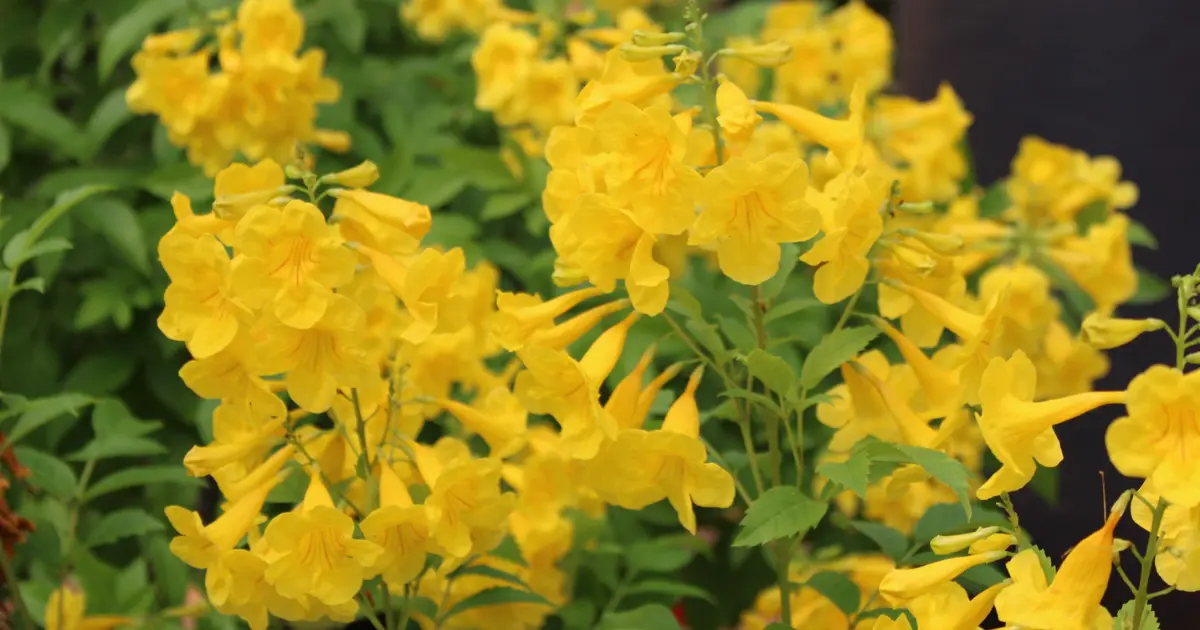
Mastering Esperanza Goldstar: Grow the Ultimate Yellow Bloom
Esperanza Goldstar is more than just a heat-tolerant shrub; for the American gardener battling the [...]
Apr

Yellow Dragon Fruit Plant Care: The Ultimate Guide for Healthy Growth
The yellow dragon fruit plant is a unique and rewarding addition to any home garden, [...]
Apr
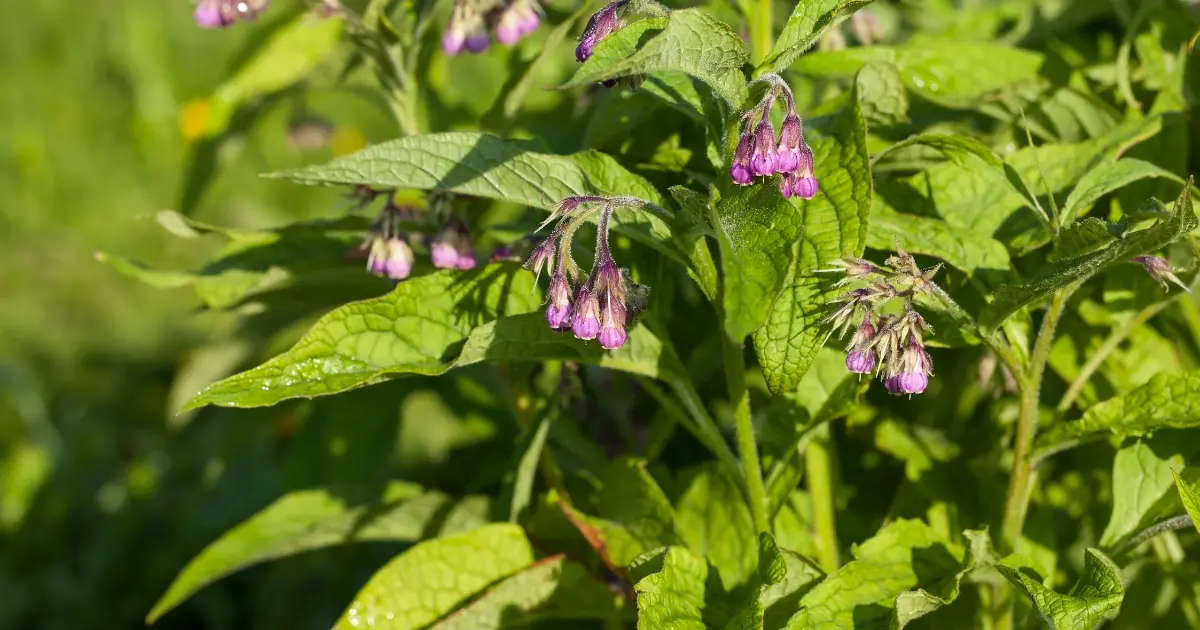
How to Identify Bocking 14 Comfrey: 5 Simple Visual Signs
If you’re growing comfrey for mulch, compost, or animal feed, knowing exactly which variety you [...]
Mar
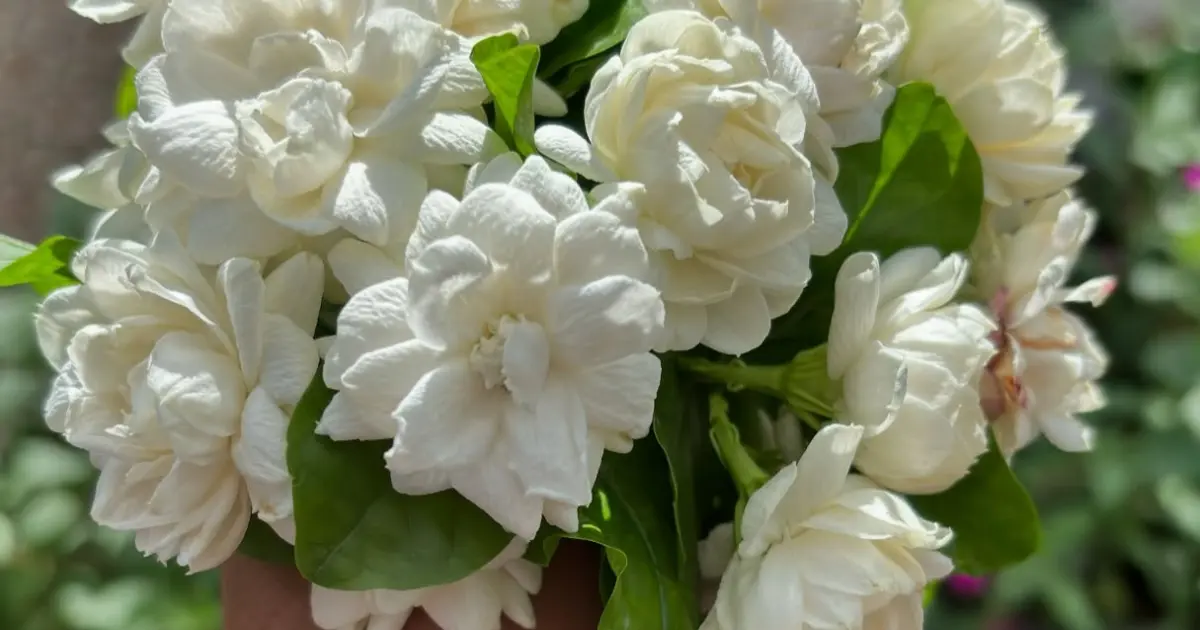
Grand Duke of Tuscany Jasmine: The Ultimate Guide to Growing a Fragrant Masterpiece
Have you ever caught a scent in the air so rich, creamy, and honey-sweet that [...]
Mar
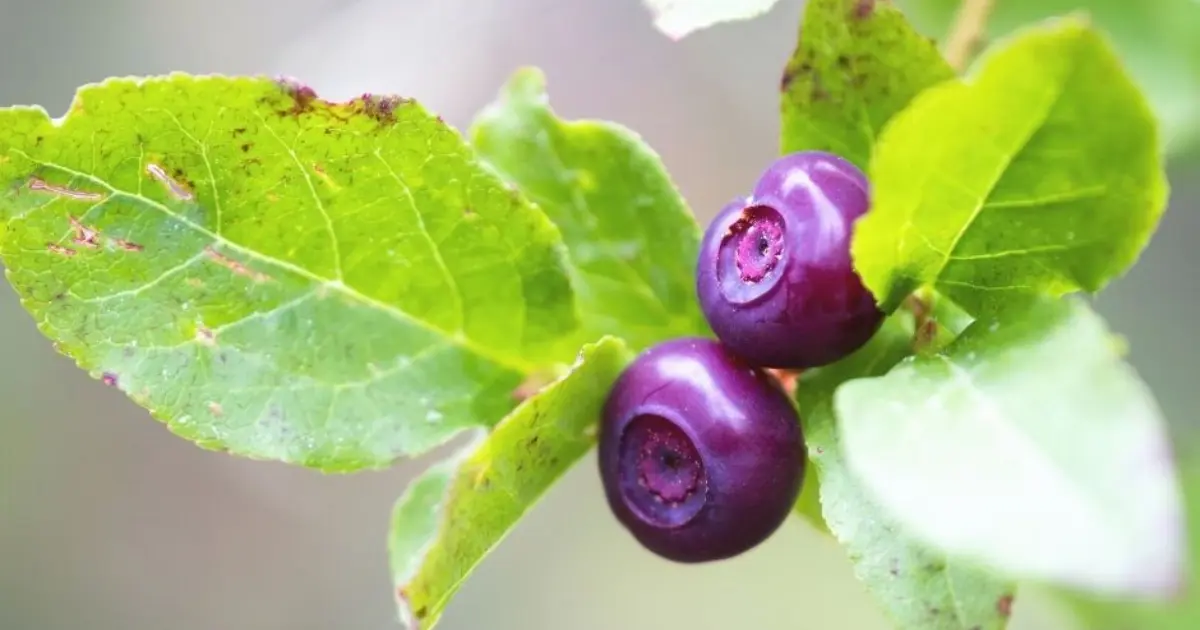
How to Grow Wild Huckleberries: A Guide to “Purple Gold”
Have you ever spent a summer afternoon hiking through the Pacific Northwest or the Rocky [...]
Mar
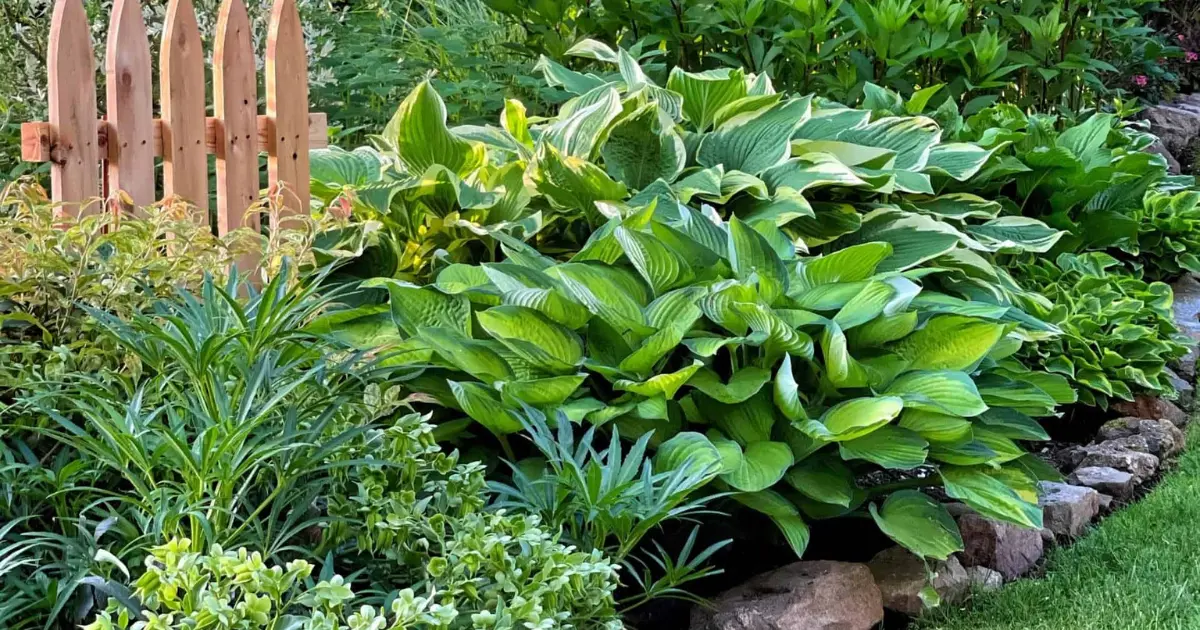
5 Best Shade-Loving Perennials for a Lush, Vibrant Garden
The world of gardening often shines a spotlight on sun-drenched blossoms, but there is a [...]
Mar

7 Common Curry Leaf Plant Problems: Easy Fixes for a Thriving Plant
Is your curry leaf plant looking a bit sad lately? Maybe you woke up to [...]
Mar
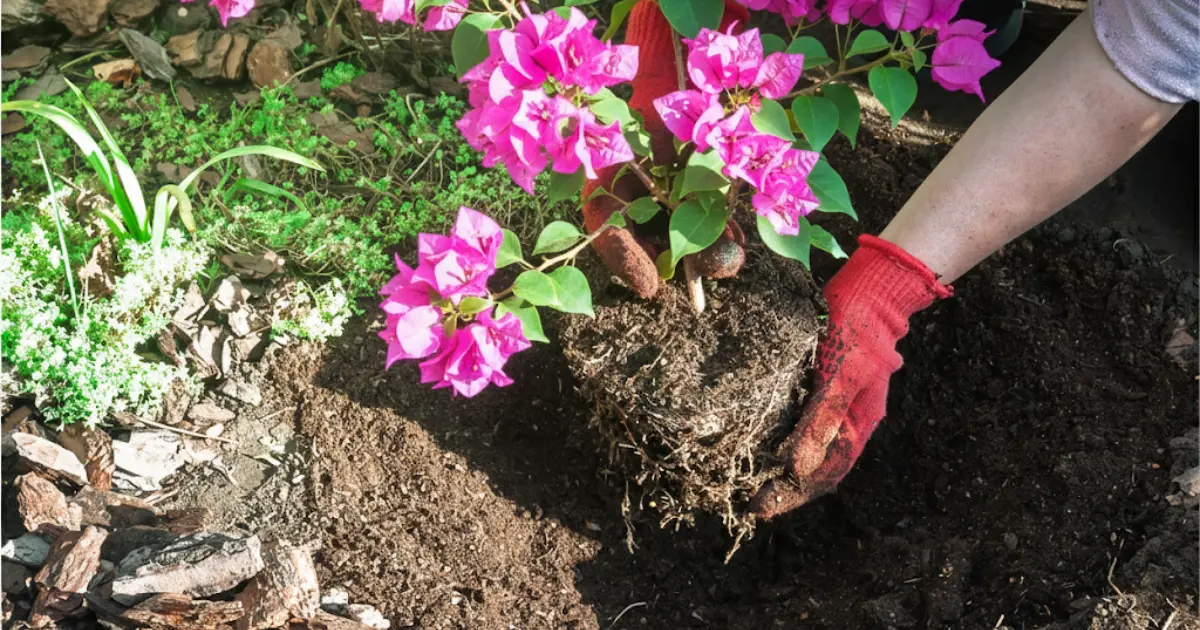
Best Time to Plant Bougainvillea: Timing for Vibrant Blooms
If you’re looking for a hardy tropical vine that delivers a riot of neon color, [...]
Feb



Reviews
There are no reviews yet.