
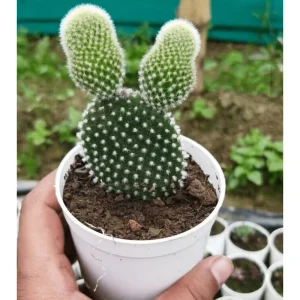
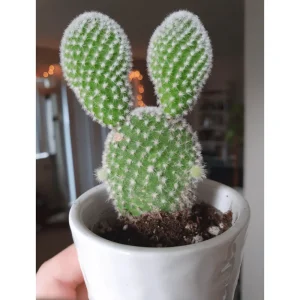
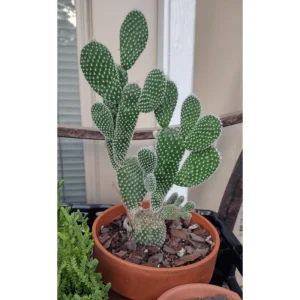
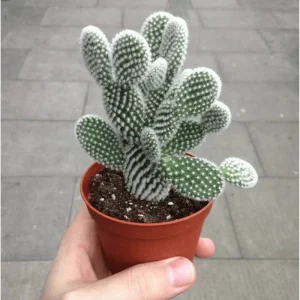
Bunny Ear Cactus Live Plant – Opuntia Microdasys Prickly Pear 4″ Pot
Original price was: $48.96.$28.96Current price is: $28.96.
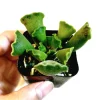
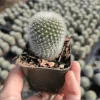
Add a charming touch to your home with a bunny ear cactus live plant (Opuntia microdasys) in a 4″ pot. This unique, low-maintenance succulent is perfect for beginners and thrives with minimal care, offering a distinctive aesthetic without the fuss. Ideal for indoor cultivation.
Estimated arrival
Apr 13
Apr 18 - Apr 20
Apr 23 - Apr 27

Reasonable Price
We offer reasonable price

Support 24/7
Contact us 24 hrs a day

100% Money Back
You've 30 days to Return

Payment Secure
100% secure payment
Overview
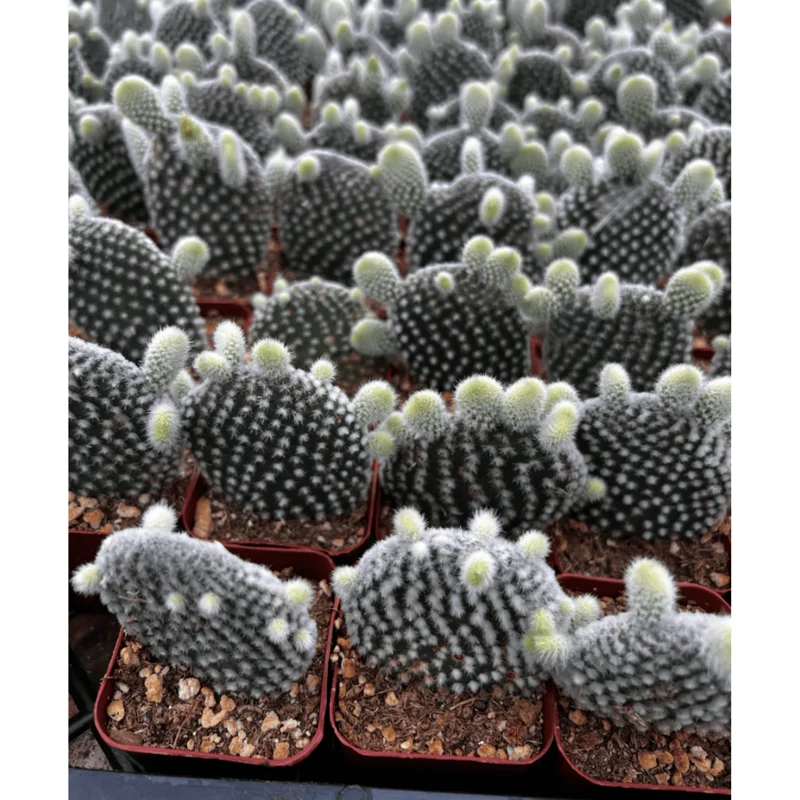
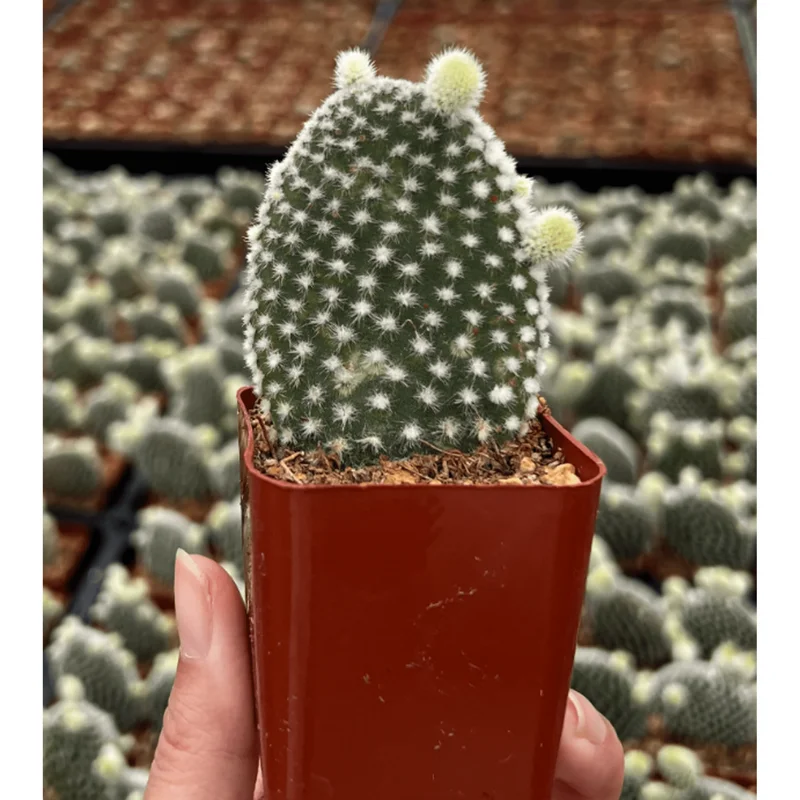
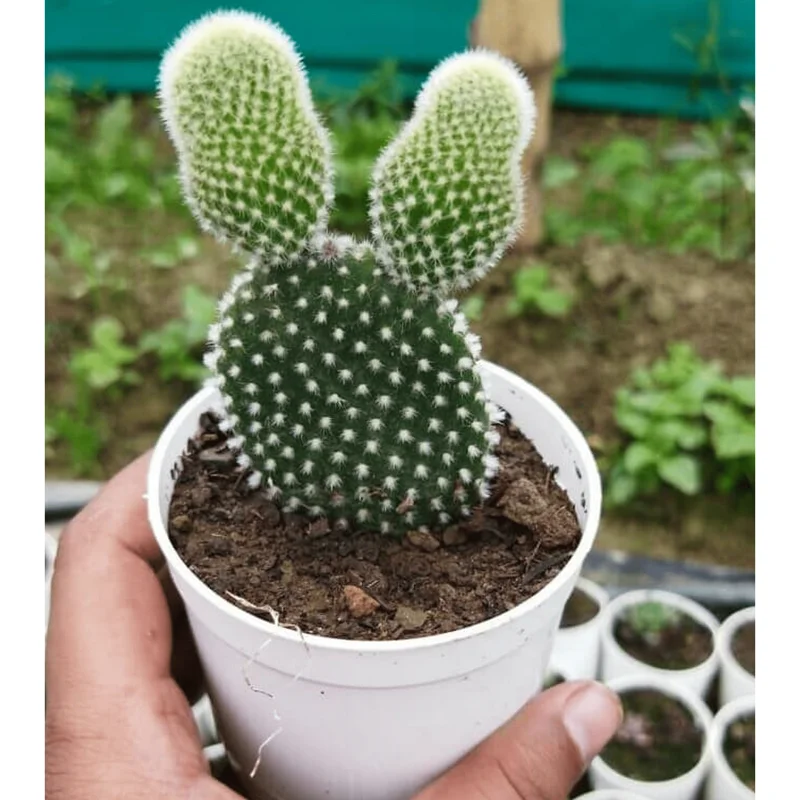
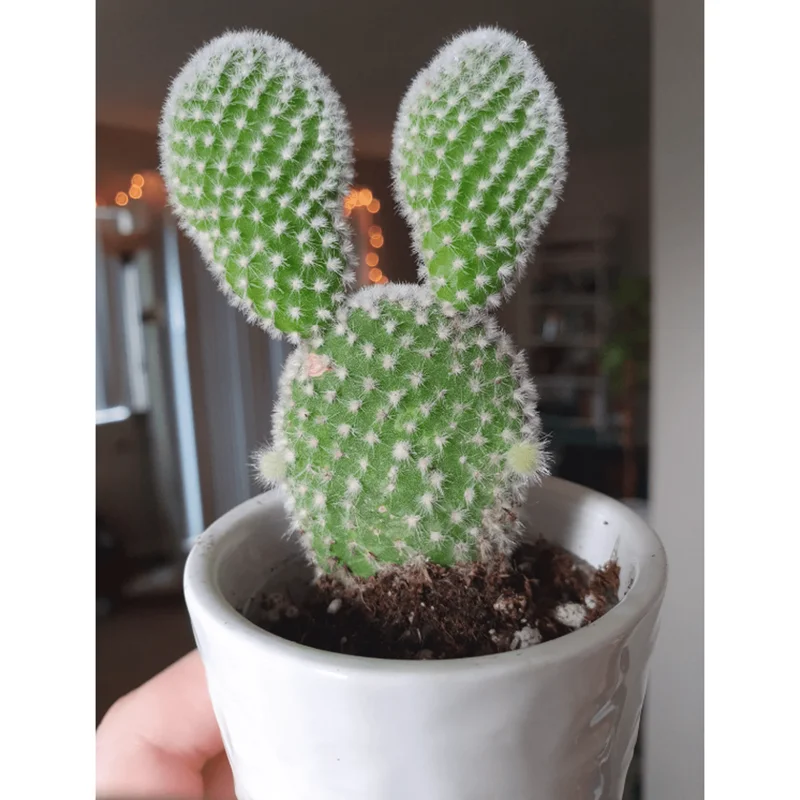
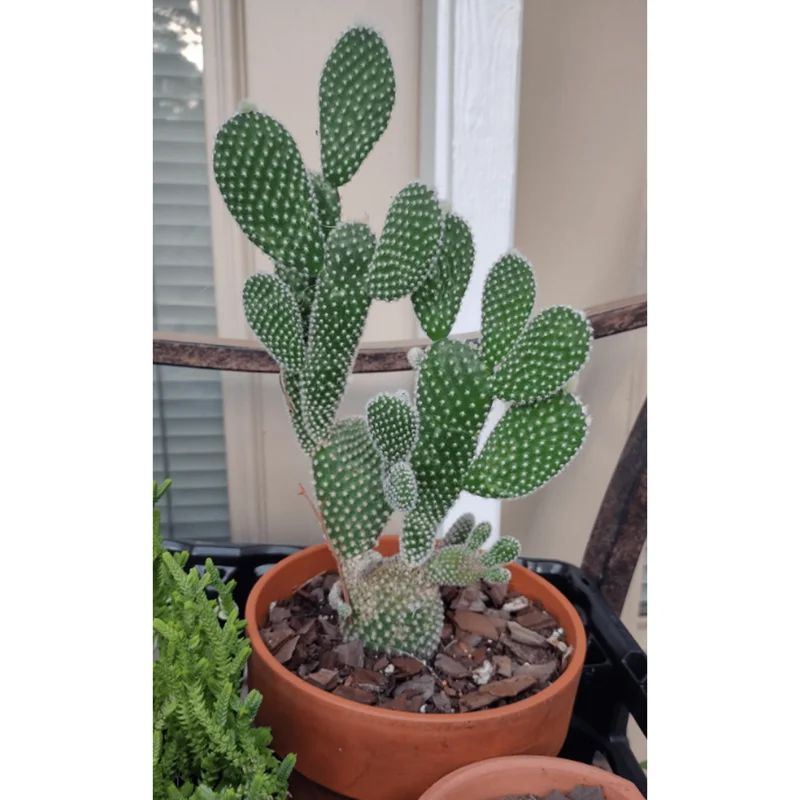
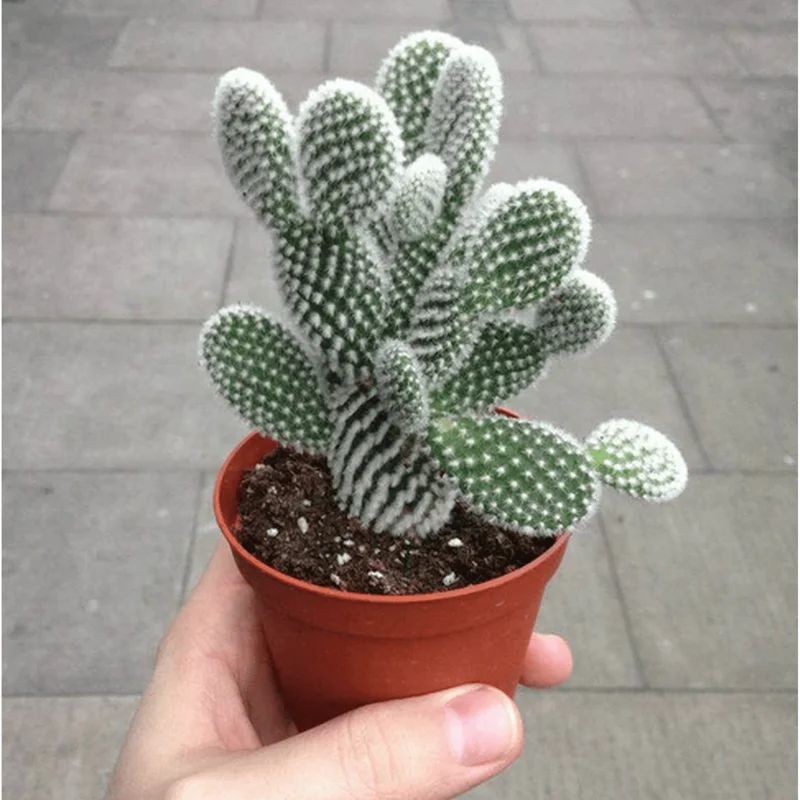
Introduce a delightful and distinctive succulent to your collection with the bunny ear cactus live plant. Also known by its scientific name, Opuntia microdasys, or commonly as Polka Dot Cactus and Prickly Pear Cactus, this charming plant is celebrated for its paddle-like segments covered in fuzzy, yellow or white glochids that resemble rabbit ears. This particular offering is for a healthy, established plant in a 4″ pot, ready to adorn your living space. Originating from Mexico, the Bunny Ear Cactus is a desert-dwelling beauty, well-adapted to arid conditions, making it an excellent choice for those seeking a unique, low-maintenance indoor plant or an outdoor specimen in suitable climates. Its architectural form and intriguing texture add a modern, natural element to any decor style.
The bunny ear cactus live plant is a fascinating species that captures attention with its unique appearance. Unlike many cacti, it lacks traditional spines, instead boasting clusters of tiny, hair-like barbs called glochids. These give the plant its characteristic fuzzy look, but be cautious as they can still cause irritation if handled without protection. This live plant offers a wonderful opportunity to enjoy the beauty of desert flora in your home or garden.
Key Benefits
The bunny ear cactus live plant offers a multitude of benefits, making it a popular choice for plant enthusiasts and beginners alike. Its ease of care and striking appearance contribute to its widespread appeal, ensuring it brings joy and beauty to any setting.
- Unique Aesthetic Appeal: Its distinctive paddle shape and fuzzy glochids create a whimsical, eye-catching look, resembling bunny ears, perfect for adding character to any room or garden.
- Low Maintenance: This succulent requires minimal watering and thrives on neglect, making it an ideal choice for busy individuals or those new to plant care. Enjoy its beauty without constant attention.
- Drought Tolerant: As a desert plant, the opuntia microdasys care is straightforward, needing infrequent watering and well-draining soil, making it resilient in dry conditions.
- Versatile Placement: Suitable for both indoor cultivation as a charming houseplant and outdoor planting in warm, dry climates (USDA zones 9-11).
- Air Purifying Properties: Like many plants, the Bunny Ear Cactus contributes to a healthier indoor environment by converting carbon dioxide into oxygen.
- Beginner-Friendly: Its robust nature and forgiving care requirements make it an excellent choice for novice gardeners looking to expand their plant collection.
- Architectural Interest: The structural form of this prickly pear cactus indoor plant adds a modern, sculptural element to shelves, desks, or patio arrangements.
Plant Care & Growing Tips
Caring for your bunny ear cactus live plant is relatively simple, provided you understand its basic needs as a desert succulent. Proper care ensures healthy growth and prevents common issues. The key to successful opuntia microdasys care lies in replicating its natural arid environment as much as possible.
Sunlight: Bunny ear cactus for sale thrive in abundant sunlight. Place your plant in a location that receives at least 6-8 hours of direct, bright sunlight daily, especially during the warmer months. Indoors, a south-facing window is ideal. If adequate natural light isn’t available, consider supplementing with a grow light. Insufficient light can lead to etiolation, where the plant stretches and becomes leggy in search of light.
Watering: Infrequent watering is crucial for this low maintenance cactus. Allow the soil to dry out completely between waterings. During the active growing season (spring and summer), water thoroughly until water drains from the bottom of the pot, then wait until the soil is bone dry before watering again. Reduce watering significantly in fall and winter when the plant is dormant. Overwatering is the most common cause of root rot and can quickly kill your cactus.
Soil: Use a well-draining cactus or succulent potting mix. This type of soil ensures that excess water drains away quickly and prevents the roots from sitting in soggy conditions. You can also create your own mix by combining potting soil with perlite, pumice, or coarse sand in a 1:1 ratio. Good drainage is paramount for healthy prickly pear cactus indoor plants.
Temperature & Humidity: Bunny Ear cacti prefer average home temperatures, ideally between 65-80°F (18-27°C). They can tolerate cooler temperatures down to 50°F (10°C) but should be protected from frost. They prefer low humidity, typical of most indoor environments. Avoid placing them in overly humid areas like bathrooms.
Fertilization: Fertilize sparingly during the growing season (spring and summer) with a balanced, diluted succulent or cactus fertilizer. Avoid fertilizing in fall and winter. Over-fertilization can harm the plant.
Pests & Problems: This low maintenance cactus is generally pest-resistant but can occasionally be affected by mealybugs or scale insects. Inspect your plant regularly and treat any infestations promptly with insecticidal soap or neem oil. Ensure good air circulation to prevent fungal issues.
Size & Details
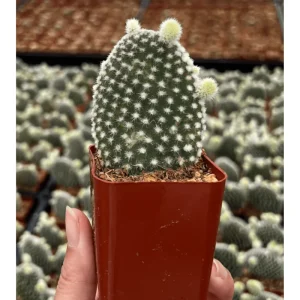
This offering is for one healthy bunny ear cactus live plant, presented in a 4″ nursery pot. The plant’s height typically ranges from 4-8 inches above the soil line at the time of shipping, but actual size may vary slightly based on growth stage and individual plant development. These cacti are known for their moderate growth rate, gradually forming new paddles and expanding their overall size. With optimal conditions, they can eventually reach heights of 2-3 feet and spread similarly over many years, though they remain compact for a considerable time, especially when grown in pots. Your plant will arrive rooted in its nursery pot with soil, ensuring a smooth transition to its new home. The distinctive paddles, covered in fuzzy glochids, are already well-formed, showcasing the unique appeal of an opuntia microdasys care specimen.
Frequently Asked Questions
- Q: How big does this plant get? A: A bunny ear cactus live plant in a 4″ pot will typically be 4-8 inches tall upon arrival. With proper care, it can eventually grow to 2-3 feet tall and wide over several years, though it remains a manageable size for indoor cultivation for a long time.
- Q: Is this an indoor or outdoor plant? A: This prickly pear cactus indoor plant is suitable for both. It thrives indoors in bright, sunny locations and can be grown outdoors year-round in USDA zones 9-11, where temperatures do not drop below 50°F (10°C).
- Q: How much sunlight does it need? A: The bunny ear cactus for sale requires at least 6-8 hours of direct, bright sunlight daily to flourish. Indoors, a south-facing window is ideal. Outdoors, choose a spot with full sun exposure.
- Q: Is this plant easy to care for? A: Yes, the Bunny Ear Cactus is considered a very low maintenance cactus, making it excellent for beginners. Its primary needs are ample sunlight and infrequent watering in well-draining soil.
- Q: What condition will it arrive in? A: Your bunny ear cactus live plant will arrive well-rooted in its 4″ nursery pot, securely packaged to minimize stress during transit. It will be ready to be placed in its new home or repotted.
- Q: How often should I water my Bunny Ear Cactus? A: Water only when the soil has completely dried out. During the growing season (spring/summer), this might be every 2-4 weeks. Reduce watering significantly in fall and winter. Overwatering is detrimental to opuntia microdasys care.
- Q: Is the Bunny Ear Cactus pet-safe? A: While the plant itself is not toxic, the glochids (tiny hair-like spines) can cause irritation if ingested or if they come into contact with skin or mucous membranes. It’s best to keep it out of reach of pets and children.
- Q: What kind of soil is best for this cactus? A: A specialized cactus or succulent potting mix that provides excellent drainage is essential. You can also mix regular potting soil with perlite or coarse sand to improve drainage.
- Q: When is the best time to repot? A: Repotting is best done in the spring or early summer, typically every 1-2 years or when the plant outgrows its current pot. Always use a pot with drainage holes.
- Q: Will my bunny ear cactus for sale flower? A: Mature Bunny Ear Cacti can produce small, usually yellow or red, flowers in late spring or early summer, followed by small, edible fruits. However, flowering is more common in outdoor plants or very mature indoor specimens with ideal conditions.
Be the first to review “Bunny Ear Cactus Live Plant – Opuntia Microdasys Prickly Pear 4″ Pot”
-
USDA Hardiness Zone
USDA zones 9–11 (outdoors), year-round indoors -
Soil Type
Well-draining cactus or succulent potting mix -
Sunlight Exposure
Bright direct sunlight (6-8 hours daily) -
Expected Planting Period
Year-round indoors, spring to early summer outdoors
People Also Viewd
Sold 128 products
Original price was: $89.99.$64.99Current price is: $64.99.
Sold 128 products
Original price was: $159.99.$139.99Current price is: $139.99.
Sold 128 products
Original price was: $27.00.$24.00Current price is: $24.00.
Sold 126 products
Original price was: $3,536.00.$23.99Current price is: $23.99.

Sold 125 products
Original price was: $86.99.$66.99Current price is: $66.99.
Sold 116 products
Original price was: $27.99.$16.99Current price is: $16.99.
Sold 114 products
Original price was: $28.99.$17.99Current price is: $17.99.
Flower Bulbs
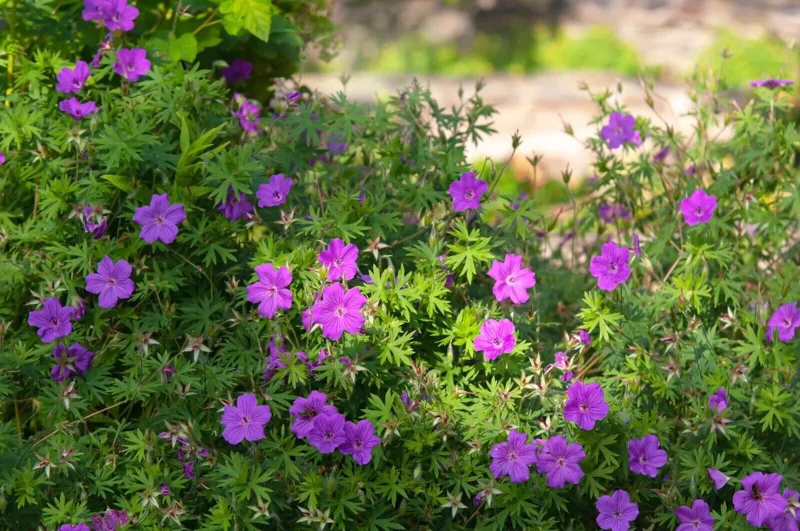
3 Cranesbill Wild Geranium Organic Maculatums Bare Roots | Wildflower for Outdoor Garden
Sold 114 products
Original price was: $21.99.$6.99Current price is: $6.99.RELATED posts

5 Tips for Growing Sweet Potatoes to Get the Biggest Sweet Potato Harvest Ever
If you are a fan of sweet potatoes, then these tips for growing sweet potatoes [...]
Apr
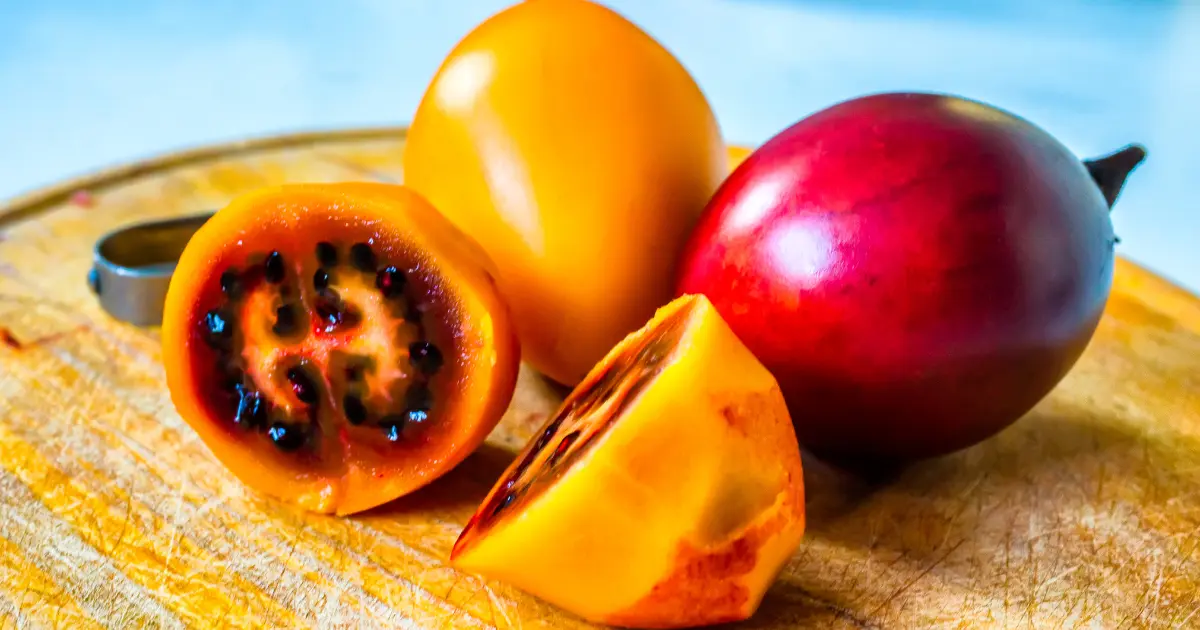
Tamarillo Tree Guide: Flavor, Texture & How to Eat Tree Tomatoes
The humble tomato is a kitchen staple we all know and love, but it rarely [...]
Apr
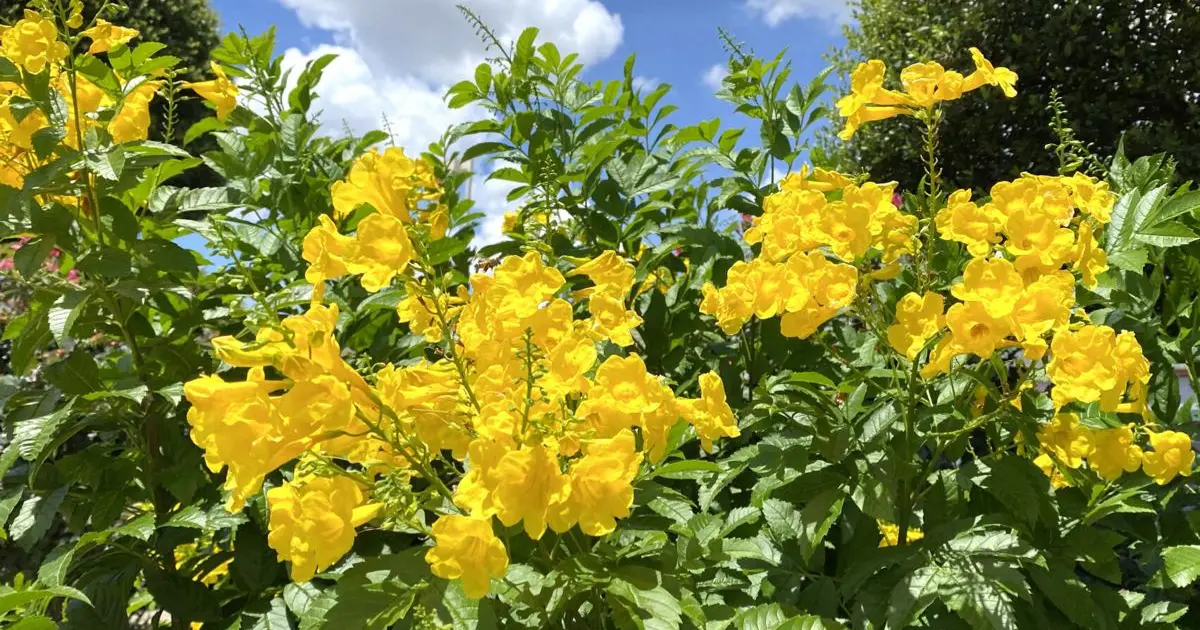
5 Pro Tips to Grow Esperanza ‘Gold Star’ Indoors: A Golden Glow for Your Home
While most gardeners know this Texas Superstar – Esperanza ‘Gold Star’ as a rugged outdoor [...]
Apr
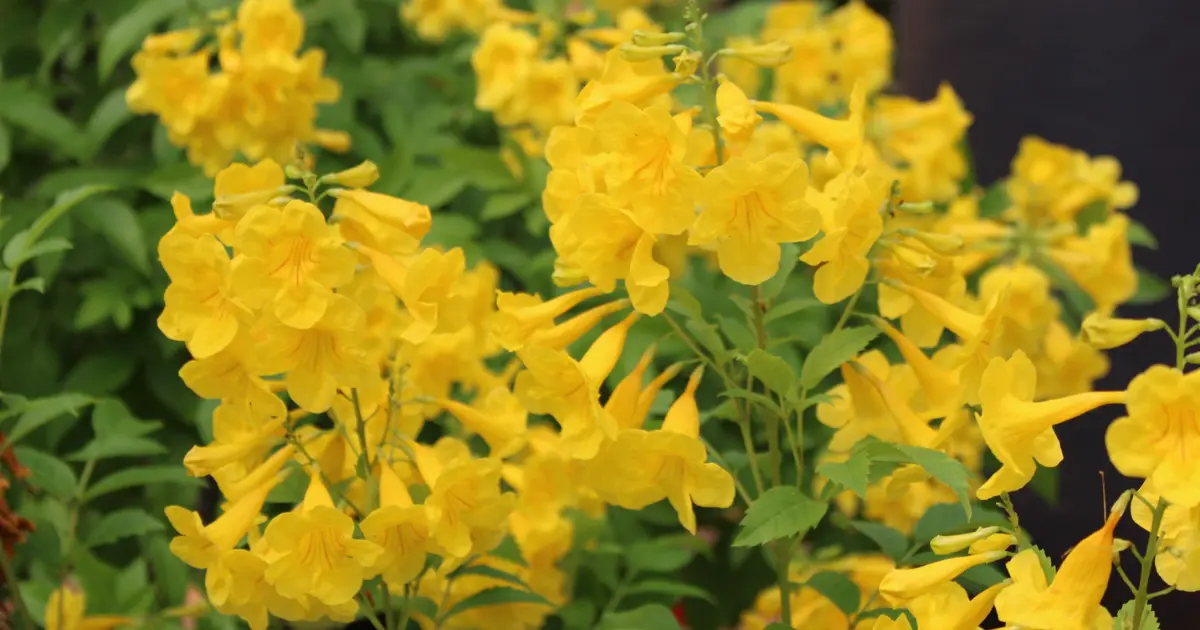
Mastering Esperanza Goldstar: Grow the Ultimate Yellow Bloom
Esperanza Goldstar is more than just a heat-tolerant shrub; for the American gardener battling the [...]
Apr
Yellow Dragon Fruit Plant Care: The Ultimate Guide for Healthy Growth
The yellow dragon fruit plant is a unique and rewarding addition to any home garden, [...]
Apr
How to Identify Bocking 14 Comfrey: 5 Simple Visual Signs
If you’re growing comfrey for mulch, compost, or animal feed, knowing exactly which variety you [...]
Mar
Grand Duke of Tuscany Jasmine: The Ultimate Guide to Growing a Fragrant Masterpiece
Have you ever caught a scent in the air so rich, creamy, and honey-sweet that [...]
Mar
How to Grow Wild Huckleberries: A Guide to “Purple Gold”
Have you ever spent a summer afternoon hiking through the Pacific Northwest or the Rocky [...]
Mar
Reviews
There are no reviews yet.