
Buttonbush Cephalanthus occidentalis Live Plant 12+ Inches Tall Outdoor Shrub
Original price was: $41.79.$21.79Current price is: $21.79.
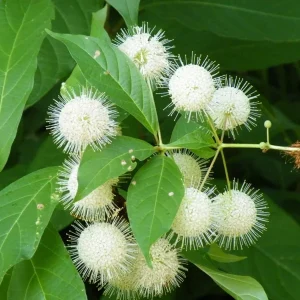
Enhance your garden with a vibrant buttonbush live plant, reaching over 12 inches tall. This native shrub, Cephalanthus occidentalis, thrives outdoors and attracts pollinators with its unique, spherical white flowers. Enjoy easy care and a beautiful addition to your landscape.
Estimated arrival
Apr 06
Apr 11 - Apr 13
Apr 16 - Apr 20

Reasonable Price
We offer reasonable price

Support 24/7
Contact us 24 hrs a day

100% Money Back
You've 30 days to Return

Payment Secure
100% secure payment
Overview
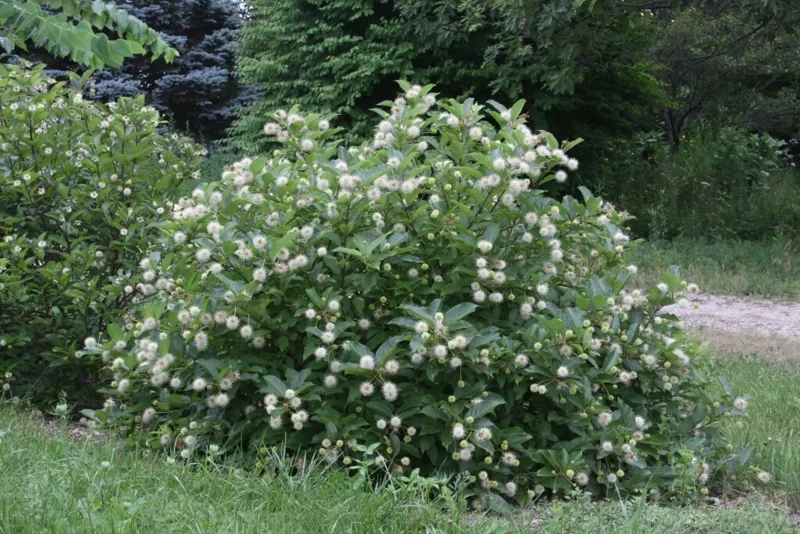
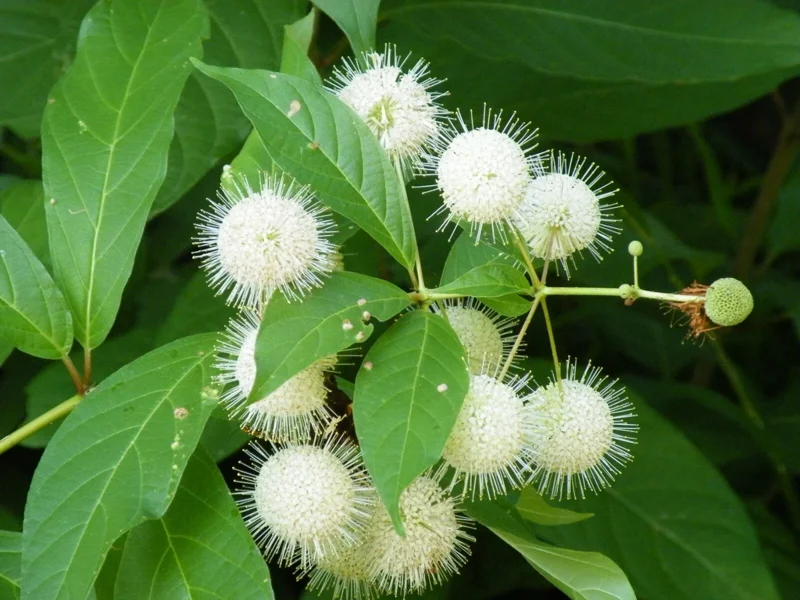
Introduce the captivating buttonbush live plant (Cephalanthus occidentalis) to your garden, a truly remarkable native shrub that offers both beauty and ecological benefits. Known for its distinctive, spherical white flowers that bloom in summer, the buttonbush live plant is a magnet for pollinators, including butterflies and hummingbirds. This particular specimen arrives as a healthy, robust bare root plant, ready to establish and grow to over 12 inches tall, providing an instant impact in your outdoor space. Its unique appearance and ease of care make it a favorite among gardeners looking to create a vibrant, wildlife-friendly environment. The common name, buttonbush, refers to its fascinating flower clusters, resembling pincushions or buttons, which add an intriguing texture to any landscape.
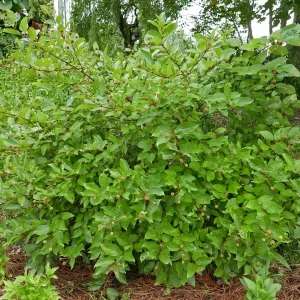
The Cephalanthus occidentalis is a deciduous shrub native to North America, thriving in various conditions, particularly in moist soils found near wetlands, ponds, and streams. Its adaptability, combined with its striking floral display, ensures that this plant will be a focal point in your garden. Whether you’re aiming to restore a native habitat, create a pollinator garden, or simply add an element of natural beauty, the buttonbush live plant is an excellent choice. Its lush green foliage provides a beautiful backdrop for its unique blossoms, and it offers continuous interest throughout the growing season. This plant is not just an ornamental; it plays a vital role in supporting local ecosystems, making it a responsible and rewarding addition to your home.
Key Benefits
The buttonbush live plant offers a multitude of benefits, making it an exceptional choice for any garden. Its unique characteristics contribute to both aesthetic appeal and environmental health. This native shrub is incredibly versatile and provides long-lasting enjoyment with minimal effort.
- Pollinator Magnet: The spherical white flowers are highly attractive to a wide array of pollinators, including butterflies, bees, and hummingbirds. Planting a buttonbush live plant helps support local ecosystems and biodiversity, ensuring your garden is bustling with life.
- Unique Ornamental Value: With its distinct ‘button’ flowers and glossy green leaves, the buttonbush adds intriguing texture and visual interest to wetlands, rain gardens, or mixed borders. Its unique form stands out in any landscape design.
- Adaptable & Resilient: As a native plant, Cephalanthus occidentalis is well-suited to various soil types and moisture levels, tolerating both wet and average conditions once established. It’s known for its hardiness and ability to thrive in challenging environments.
- Low Maintenance: Once established, the buttonbush requires minimal care, making it an ideal choice for busy gardeners. It’s generally pest and disease resistant, further reducing the need for intervention.
- Wildlife Habitat: Beyond pollinators, the buttonbush provides shelter and nesting sites for birds and other small wildlife. Its seeds are also a food source for waterfowl, enhancing the ecological value of your property.
- Erosion Control: Due to its robust root system, this shrub is excellent for stabilizing soil in areas prone to erosion, especially along streambanks or pond edges.
- Seasonal Interest: From its vibrant spring foliage to its summer blooms and attractive fall seed heads, the native buttonbush shrub offers continuous beauty throughout the seasons.
Plant Care & Growing Tips
Caring for your buttonbush live plant is relatively straightforward, especially given its native hardiness. This shrub thrives in conditions that mimic its natural habitat. For optimal growth, plant your bare root buttonbush in a location that receives full sun to partial shade, meaning at least 4-6 hours of direct sunlight per day. While it can tolerate some shade, more sun generally leads to more abundant flowering. The ideal soil type for Cephalanthus occidentalis is moist, well-draining soil. It is particularly fond of consistently damp conditions and can even tolerate standing water for short periods, making it perfect for rain gardens or areas with poor drainage. If your soil is heavy clay, amending it with organic matter can improve drainage and aeration.
Watering is crucial, especially during the establishment phase. Keep the soil consistently moist, but avoid waterlogging. Once established, the buttonbush live plant is quite drought-tolerant, though it will perform best with regular moisture, particularly during dry spells. Fertilization is generally not necessary for native plants like the buttonbush, especially if planted in fertile soil. If your soil is poor, a light application of a balanced, slow-release fertilizer in early spring can be beneficial. Pruning can be done in late winter or early spring to maintain shape, remove dead or damaged branches, or control size. This plant can be cut back hard if rejuvenation is needed. The buttonbush plant care routine is designed for ease, allowing you to enjoy its beauty without constant fuss.
The buttonbush is typically hardy in USDA zones 4-9. It is quite resilient to various temperatures, handling both cold winters and hot summers. While generally disease and pest resistant, keep an eye out for common garden issues like aphids or powdery mildew, which can be managed with organic sprays if they become problematic. Ensuring good air circulation and appropriate watering practices will help prevent most issues. By following these simple guidelines, your Cephalanthus occidentalis will flourish, providing a stunning display and a haven for wildlife in your garden.
Size & Details
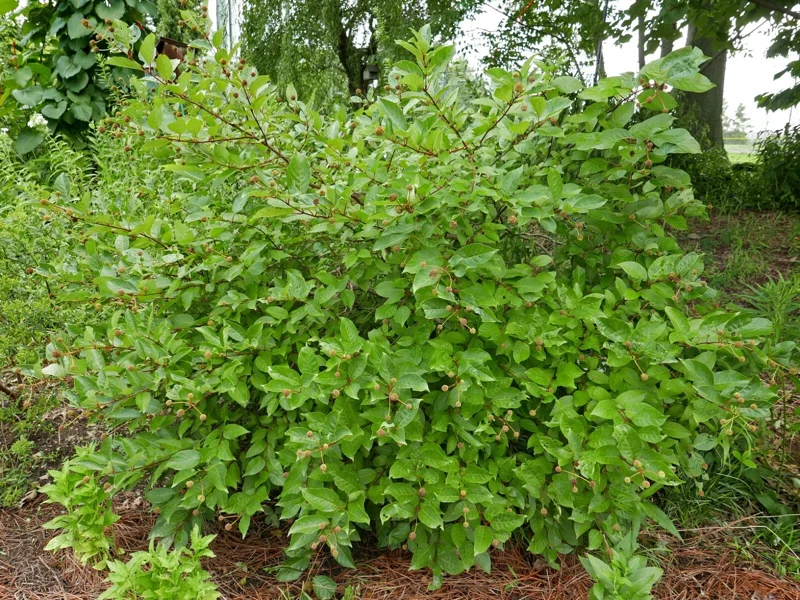
This offering is for a vibrant buttonbush live plant, provided as a bare root specimen, ensuring a robust start in your garden. Upon arrival, the plant will be at least 12 inches tall, poised for healthy growth. Buttonbush plants are known for their moderate to fast growth rate, typically adding 1-2 feet of height per year under ideal conditions. Mature plants can reach heights of 5-12 feet and spread 4-8 feet wide, forming an attractive, rounded shrub. The plant will develop its distinctive spherical white flowers, which are approximately 1 inch in diameter, typically blooming from early to late summer. Following the blooms, interesting reddish-brown seed heads will form, providing extended seasonal interest and food for birds. This native buttonbush shrub is expected to begin flowering within 1-2 years of planting, depending on growing conditions.
When planting, consider its mature size to allow ample space for growth. As a bare root plant, it is shipped without soil around its roots, which minimizes transplant shock and allows for easier establishment. Ensure immediate planting upon receipt to give it the best chance to thrive. The plant’s perennial nature means it will return year after year, growing larger and more magnificent with each passing season. Its adaptability to various soil types and moisture levels makes it a versatile choice for different garden settings, from formal landscapes to naturalized areas, especially where you want to attract pollinators. This buttonbush for pollinators will become a cherished part of your outdoor space.
Frequently Asked Questions
- Q: How big does this plant get? A: This buttonbush live plant will arrive at least 12 inches tall. Mature plants typically reach heights of 5-12 feet and spreads of 4-8 feet, forming a beautiful, rounded shrub in your garden. Its growth rate is moderate to fast, adding significant size each year.
- Q: Is this an indoor or outdoor plant? A: The Cephalanthus occidentalis is an outdoor plant, best suited for garden beds, borders, or naturalized areas. It thrives in full sun to partial shade and is especially well-suited for moist environments.
- Q: How much sunlight does it need? A: This buttonbush live plant prefers full sun to partial shade, ideally receiving at least 4-6 hours of direct sunlight daily for optimal flowering and growth. More sun will generally lead to a more prolific bloom.
- Q: Is this plant easy to care for? A: Yes, the buttonbush plant care is considered low maintenance once established. As a native shrub, it’s quite resilient and requires minimal intervention, making it a great choice for both experienced and novice gardeners.
- Q: What condition will it arrive in? A: Your buttonbush will arrive as a healthy bare root plant, carefully packaged to ensure its vitality during transit. Bare root plants are typically dormant and ready for immediate planting upon receipt.
- Q: When is the best time to plant? A: The best time to plant bare root buttonbush is in early spring or fall when the plant is dormant. This allows the roots to establish before the stress of summer heat or winter cold.
- Q: Can I use this plant to attract wildlife? A: Absolutely! The buttonbush for pollinators is a fantastic choice for attracting butterflies, bees, hummingbirds, and other beneficial insects with its nectar-rich flowers. Its seed heads also provide food for waterfowl.
- Q: What kind of soil does it prefer? A: The buttonbush thrives in moist, well-draining soil. It is particularly adaptable and can tolerate various soil types, including clay, and even short periods of standing water, making it ideal for wet areas.
- Q: Will it survive winter in my zone? A: The native buttonbush shrub is hardy in USDA Zones 4-9, meaning it can withstand cold winter temperatures in a wide range of climates across the United States.
- Q: Does it have any fragrance? A: Yes, the unique white flowers of the buttonbush have a delicate, sweet fragrance that is particularly noticeable up close, adding another sensory appeal to your garden.
Be the first to review “Buttonbush Cephalanthus occidentalis Live Plant 12+ Inches Tall Outdoor Shrub”
-
USDA Hardiness Zone
USDA zones 4-9 -
Soil Type
Moist, well-draining soil -
Sunlight Exposure
Full Sun to Partial Shade -
Expected Planting Period
Spring to Fall
People Also Viewd
Sold 128 products
Original price was: $27.00.$24.00Current price is: $24.00.
Sold 128 products
Original price was: $89.99.$64.99Current price is: $64.99.
Sold 127 products
Original price was: $159.99.$139.99Current price is: $139.99.
Sold 126 products
Original price was: $3,536.00.$23.99Current price is: $23.99.

Sold 125 products
Original price was: $86.99.$66.99Current price is: $66.99.
Sold 116 products
Original price was: $27.99.$16.99Current price is: $16.99.
Sold 114 products
Original price was: $28.99.$17.99Current price is: $17.99.
Flower Bulbs
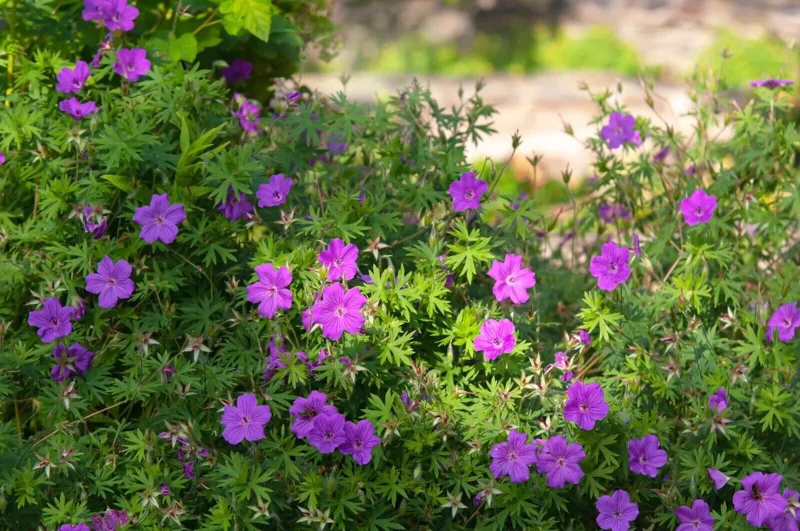
3 Cranesbill Wild Geranium Organic Maculatums Bare Roots | Wildflower for Outdoor Garden
Sold 114 products
Original price was: $21.99.$6.99Current price is: $6.99.RELATED posts
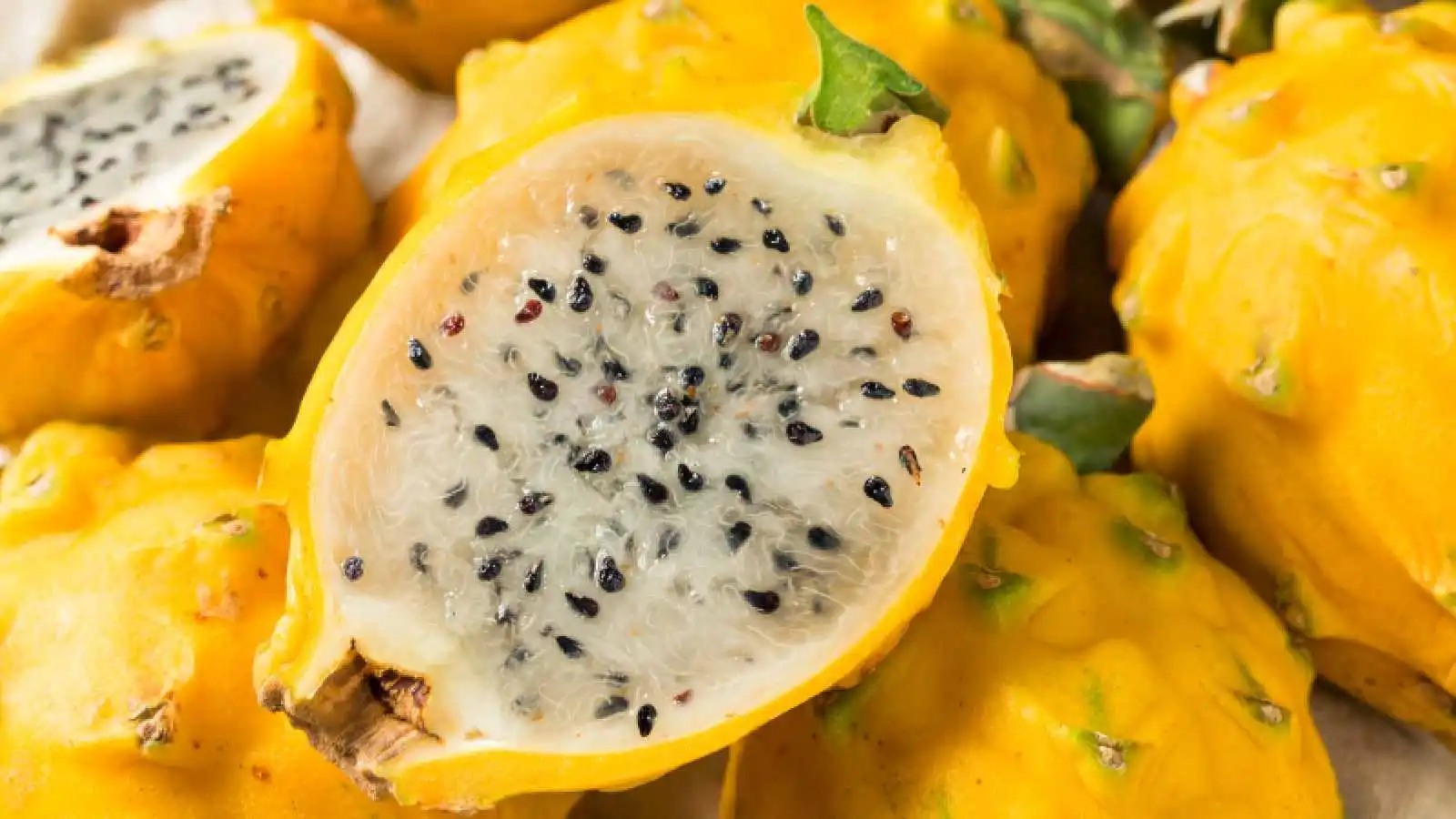
Yellow Dragon Fruit Plant Care: The Ultimate Guide for Healthy Growth
The yellow dragon fruit plant is a unique and rewarding addition to any home garden, [...]
Apr
How to Identify Bocking 14 Comfrey: 5 Simple Visual Signs
If you’re growing comfrey for mulch, compost, or animal feed, knowing exactly which variety you [...]
Mar
Grand Duke of Tuscany Jasmine: The Ultimate Guide to Growing a Fragrant Masterpiece
Have you ever caught a scent in the air so rich, creamy, and honey-sweet that [...]
Mar
How to Grow Wild Huckleberries: A Guide to “Purple Gold”
Have you ever spent a summer afternoon hiking through the Pacific Northwest or the Rocky [...]
Mar
5 Best Shade-Loving Perennials for a Lush, Vibrant Garden
The world of gardening often shines a spotlight on sun-drenched blossoms, but there is a [...]
Mar
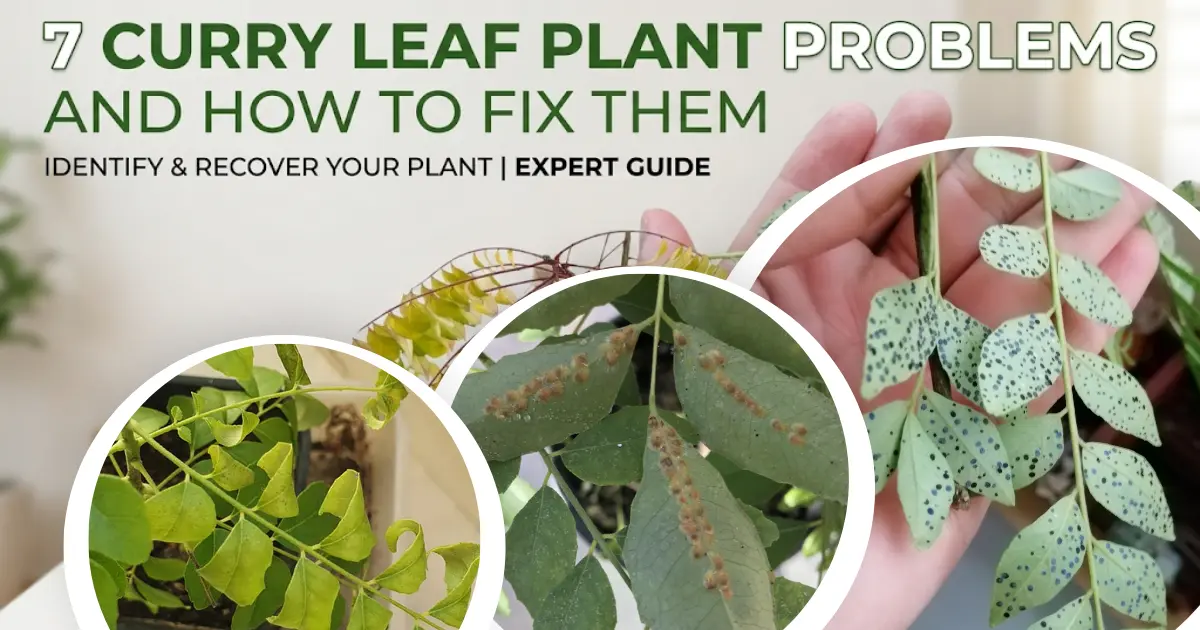
7 Common Curry Leaf Plant Problems: Easy Fixes for a Thriving Plant
Is your curry leaf plant looking a bit sad lately? Maybe you woke up to [...]
Mar
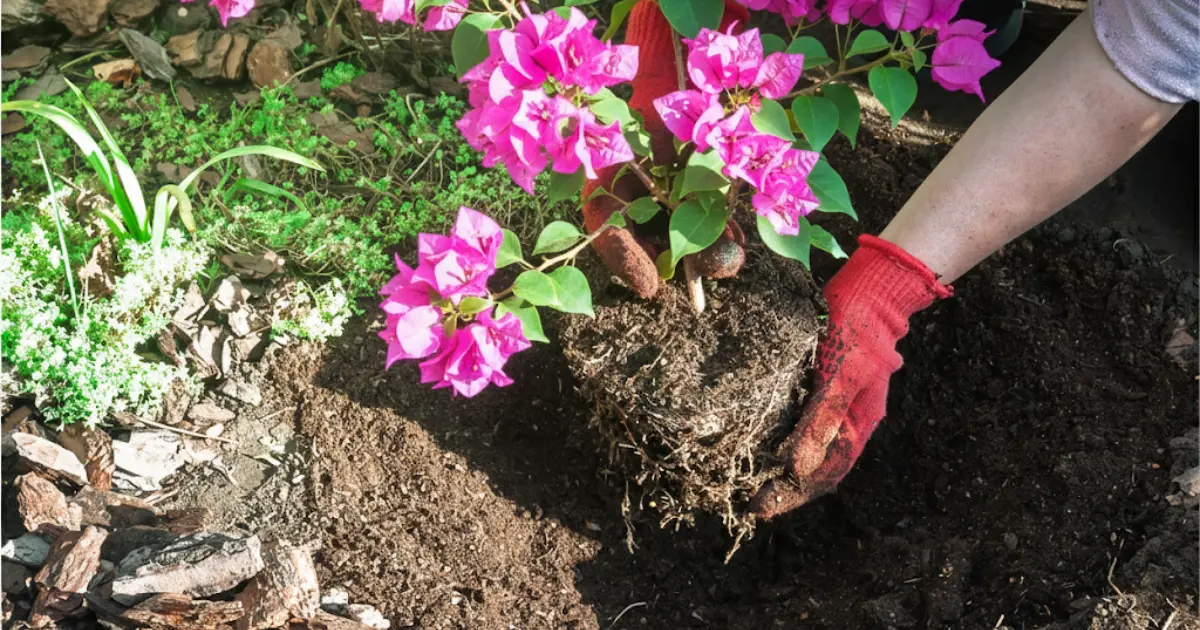
Best Time to Plant Bougainvillea: Timing for Vibrant Blooms
If you’re looking for a hardy tropical vine that delivers a riot of neon color, [...]
Feb
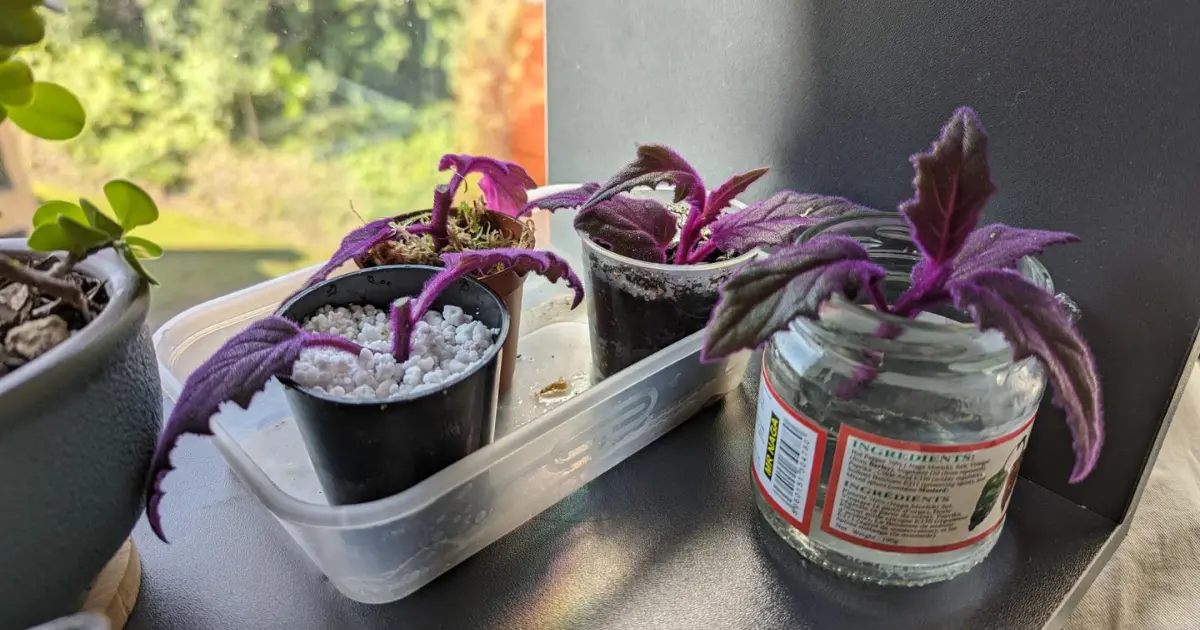
How to Propagate Purple Passion Plants (Gynura aurantiaca)
Have you ever been mesmerized by the neon-purple glow and fuzzy, velvet-like leaves of a [...]
Feb
Reviews
There are no reviews yet.