
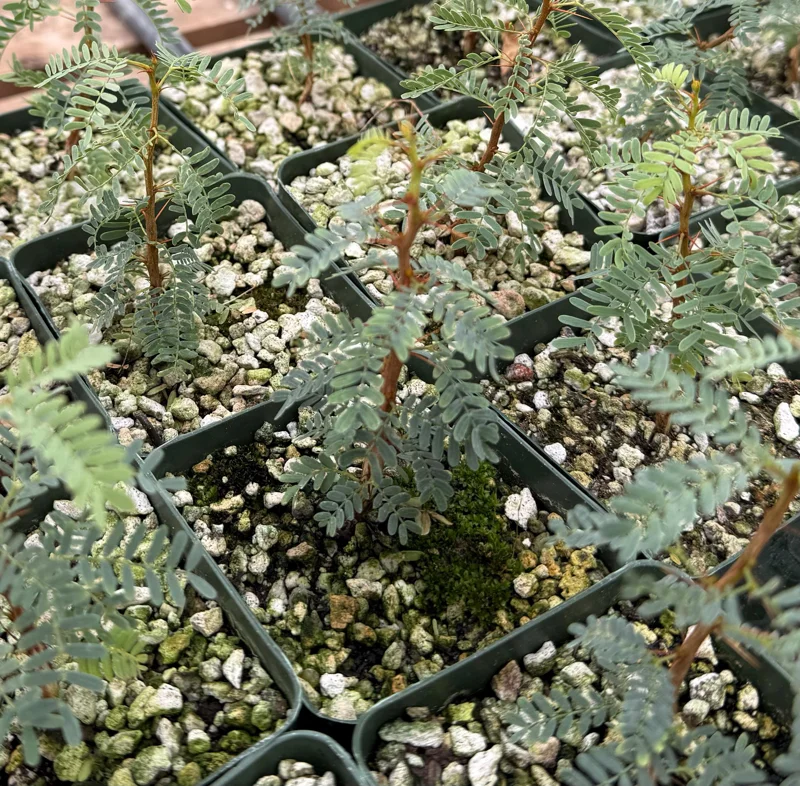
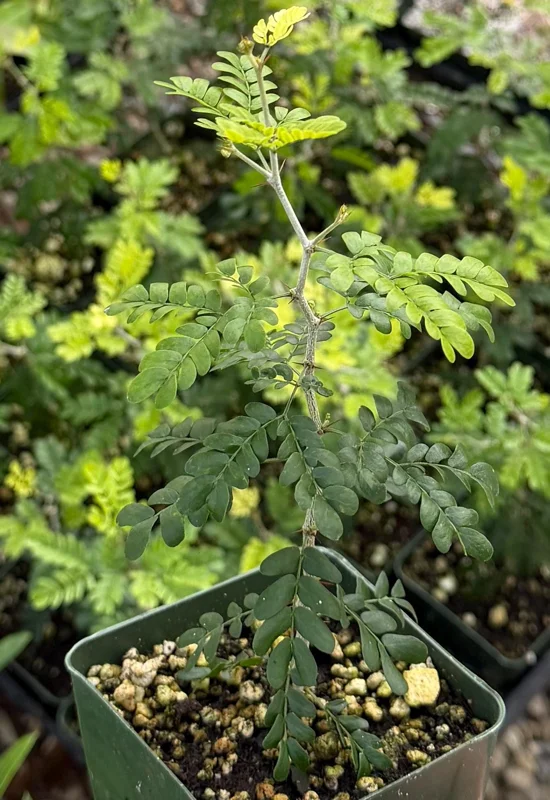
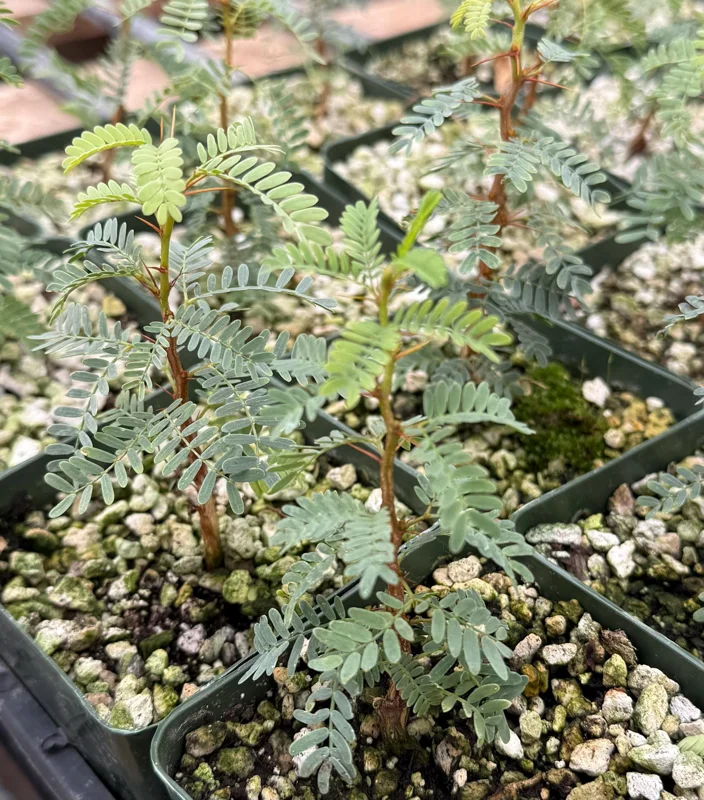
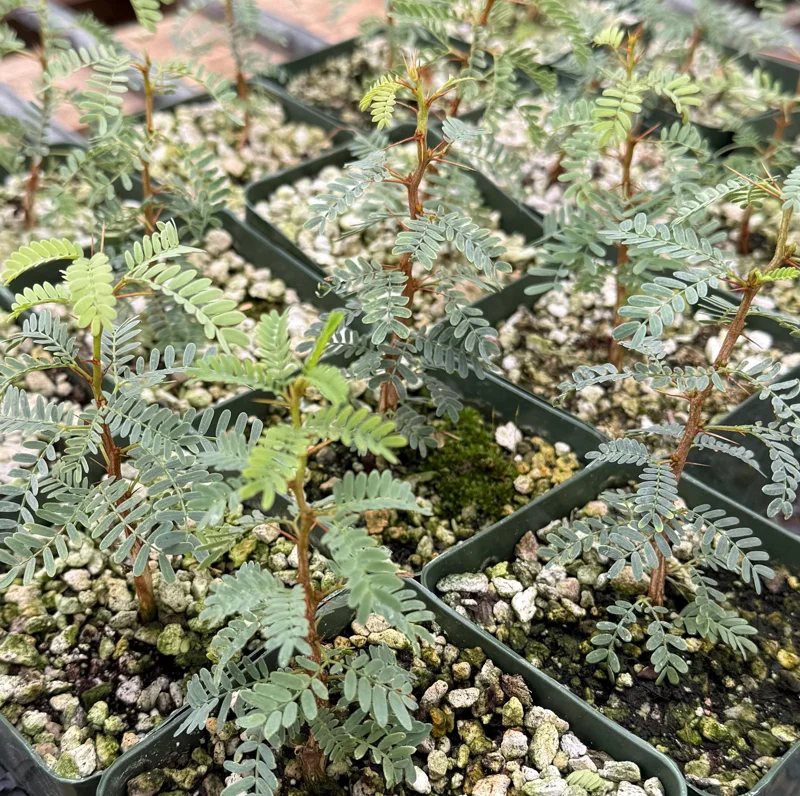
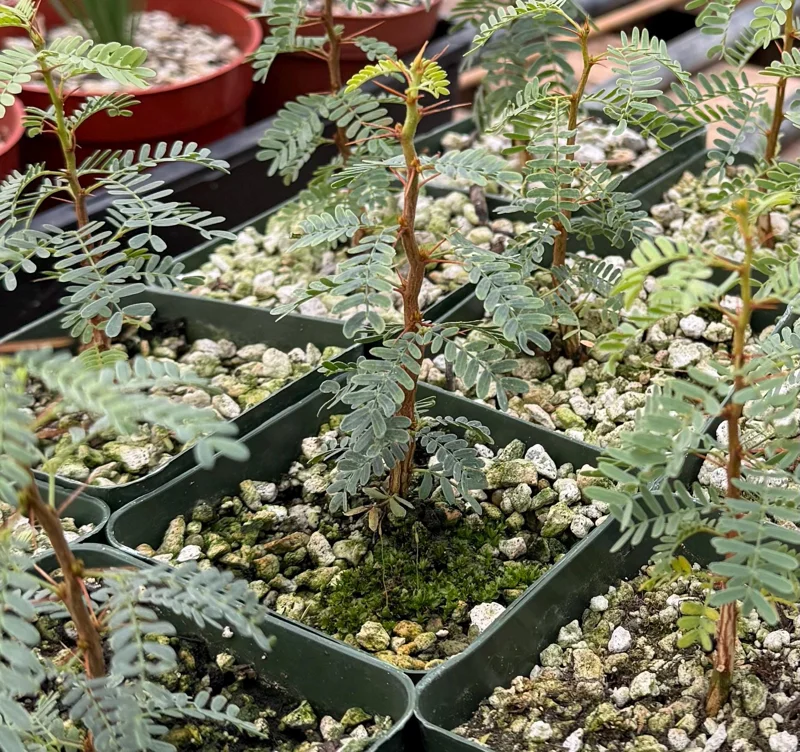
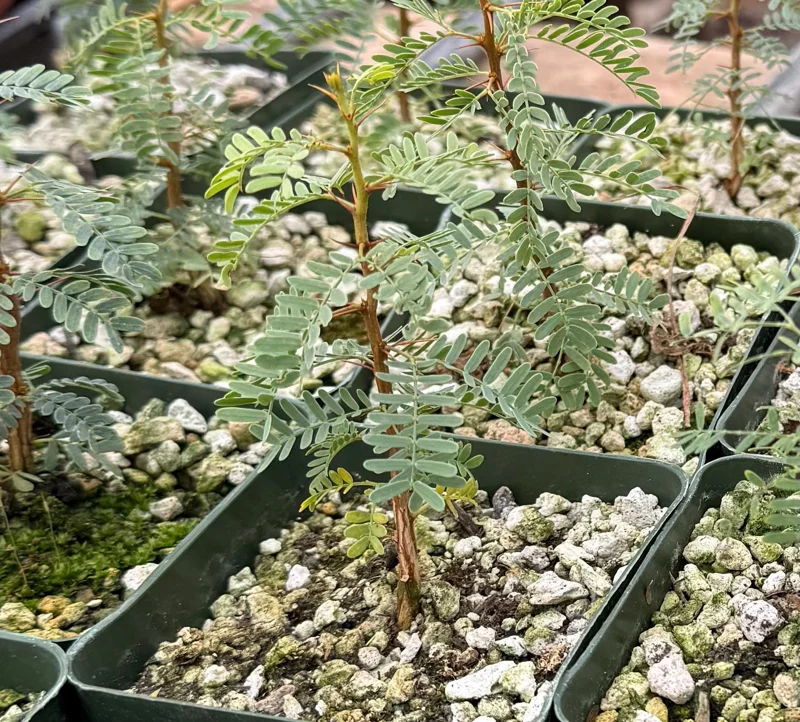
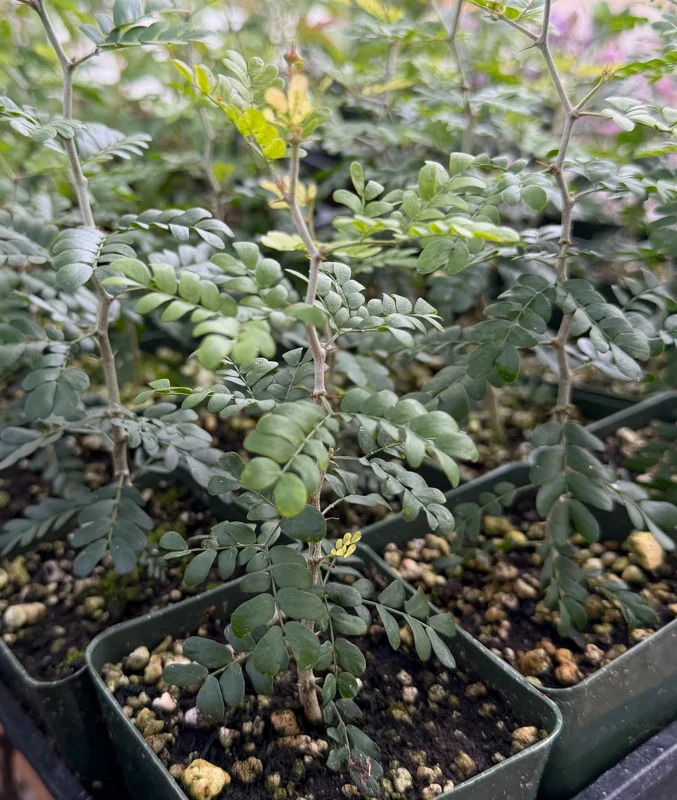
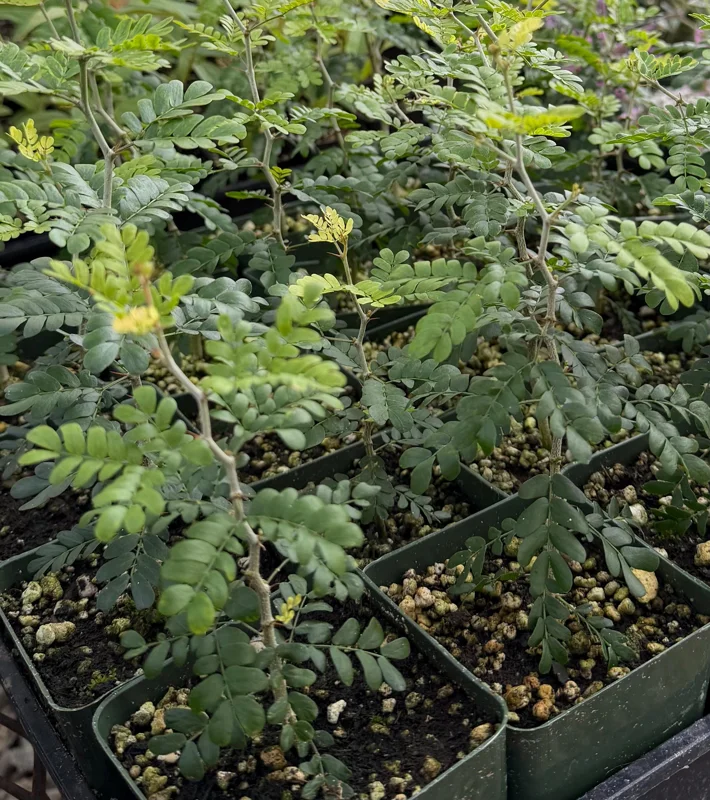
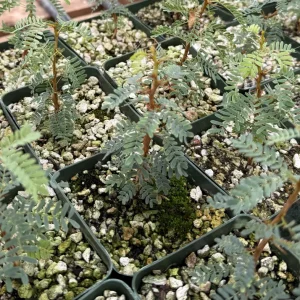
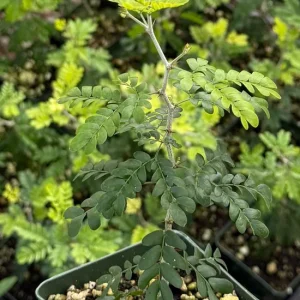
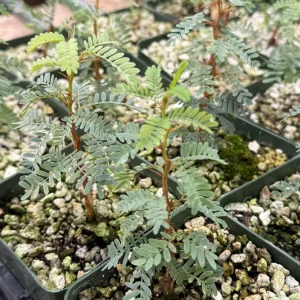
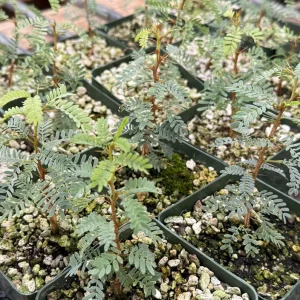
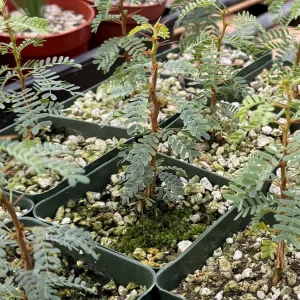
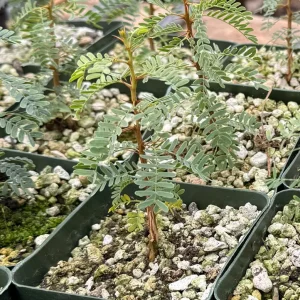
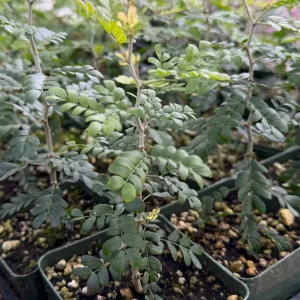
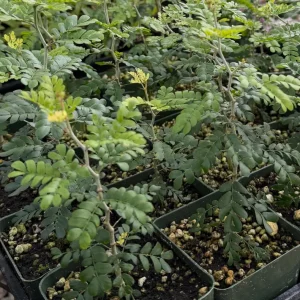
Camel Thorn Tree Live Plant – Acacia Erioloba 4 Inch Pot – Desert Shade Tree
Original price was: $60.99.$35.99Current price is: $35.99.
Bring the resilience of the desert to your landscape with this camel thorn tree live plant. This acacia erioloba tree, also known as texas ebony tree, comes in a 4 inch pot, ready to establish. It’s a striking small tree plant, perfect for arid conditions, offering unique beauty and ecological value.
Estimated arrival
Apr 10
Apr 15 - Apr 17
Apr 20 - Apr 24

Reasonable Price
We offer reasonable price

Support 24/7
Contact us 24 hrs a day

100% Money Back
You've 30 days to Return

Payment Secure
100% secure payment
Overview
Introducing the remarkable camel thorn tree live plant, scientifically known as Acacia erioloba, also commonly referred to as the texas ebony tree. This resilient and slow-growing tree is native to the arid and semi-arid regions of Southern Africa, including Namibia, Botswana, and South Africa. Perfectly adapted to survive in harsh desert conditions, the acacia erioloba tree plays an essential ecological role in its native habitat. This offering is for a healthy young specimen, provided as a small tree plant in a 4 inch pot, ready for you to nurture into a magnificent landscape feature. Its unique characteristics make it a fascinating addition to any collection of drought-tolerant species, providing a touch of exotic beauty and ecological significance.
The camel thorn tree live plant is celebrated for its distinctive appearance and tenacious nature. While it can reach impressive heights of up to 66 feet in its natural environment, it often remains much smaller in cultivated or drier settings, making it manageable for various landscape designs. Its characteristic umbrella-shaped canopy offers excellent shade, a valuable asset in scorching climates. The bark is typically dark gray to black and deeply fissured, adding to its rugged charm, while its branches are often adorned with sharp thorns, providing a natural defense.
Beyond its striking form, the acacia erioloba tree is known for its ecological contributions. It produces small, fragrant yellow flowers that bloom in clusters, typically after significant rains, attracting pollinators. The tree’s flat, crescent-shaped seed pods are a crucial food source for diverse wildlife, including large herbivores like elephants and giraffes, as well as livestock. The wood of Acacia erioloba is exceptionally hard and dense, traditionally valued for fuel and crafting, further highlighting the versatility and importance of this extraordinary small tree plant.
Key Benefits
The camel thorn tree live plant offers a multitude of benefits, making it an excellent choice for specific landscape needs and plant enthusiasts alike. Its unique adaptations and aesthetic appeal contribute to its value.
- Exceptional Drought Tolerance: This tree is incredibly well-adapted to arid and semi-arid environments, requiring minimal water once established. Its ability to thrive in harsh conditions makes it a sustainable choice for xeriscaping or gardens in dry climates.
- Distinctive Landscape Feature: With its unique umbrella-shaped canopy and rugged, fissured bark, the acacia erioloba tree creates a striking focal point in any landscape. It adds an exotic and architectural element that captures attention.
- Natural Shade Provider: The broad, spreading canopy of a mature camel thorn tree live plant offers significant shade, which is highly valued in hot climates. This natural cooling can reduce energy costs and create comfortable outdoor living spaces.
- Ecological Importance: As a crucial food source for various wildlife, including large mammals, the tree contributes significantly to local biodiversity. Planting one supports the ecosystem and provides habitat.
- Hardy and Resilient: Known for its resilience, this tree can withstand extreme temperatures and challenging soil conditions, making it a robust and long-lived addition to your garden. It’s a low-maintenance option for those seeking durability.
- Fragrant Blooms: The small, fragrant yellow flowers that appear after rains add a delicate touch of beauty and a pleasant aroma to the landscape, attracting beneficial insects.
- Unique Seed Pods: The flat, crescent-shaped seed pods are not only ecologically important but also visually interesting, adding another layer of texture and appeal to the tree’s overall appearance.
Plant Care & Growing Tips
Caring for your camel thorn tree live plant, or acacia erioloba tree, is relatively straightforward, especially given its natural resilience to harsh conditions. To ensure optimal growth and health, understanding its preferred environment is key. This small tree plant thrives in full sun, requiring at least 6-8 hours of direct sunlight daily to grow vigorously and develop its characteristic form. It is best suited for outdoor planting in regions with hot, dry climates. If you are starting it indoors or in a greenhouse, ensure it receives maximum light exposure.
When it comes to watering, the camel thorn tree live plant is exceptionally drought-tolerant once established. For a young plant in a 4 inch pot, water regularly but allow the soil to dry out completely between waterings to prevent root rot. Once planted in the ground, reduce watering frequency significantly. It prefers well-draining soil and can tolerate a wide range of soil types, including sandy or rocky soils, as long as drainage is excellent. Avoid heavy, waterlogged soils. This tree is adapted to alkaline soils, but can also grow in neutral to slightly acidic conditions. It’s a truly hardy desert shade tree.
The texas ebony tree is highly tolerant of heat and cold, typically hardy in USDA zones 9-11, and can even withstand some light frosts. Protection from severe, prolonged freezing temperatures is advisable for young plants. Fertilization is generally not required for mature trees in suitable soil, but a balanced, slow-release fertilizer can be applied sparingly to young plants during their active growing season in spring to encourage establishment. Pruning is usually limited to removing dead or damaged branches and shaping the canopy as desired. Watch out for common pests, though this species is generally quite resistant. Ensuring proper air circulation and sunlight will help prevent most issues for your small tree plant.
Size & Details
This offering is for a healthy camel thorn tree live plant, provided in a 4 inch nursery pot. At this stage, the acacia erioloba tree is a young specimen, typically standing between 6-12 inches tall, depending on growth rates. While the mature tree can reach heights of up to 66 feet with a broad, umbrella-shaped canopy, this small tree plant is perfect for starting its journey in your landscape or as a container plant in its early years. Its growth rate is considered slow, allowing you to enjoy its smaller, manageable size for quite some time before it develops into a large desert shade tree.
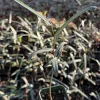
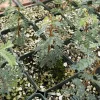
Upon arrival, your texas ebony tree will be carefully packaged to ensure its health during transit. It will arrive in its nursery pot with soil, ready for transplanting. Expect to see the characteristic dark gray to black bark and, potentially, the sharp thorns that are a hallmark of this species. With proper care, this resilient plant will gradually develop its distinctive form, eventually providing significant shade and ecological benefits. It’s a long-term investment in a unique and hardy landscape feature.
Frequently Asked Questions
- Q: How big does this camel thorn tree live plant get? A: While a mature acacia erioloba tree can reach up to 66 feet tall in its native habitat, it often remains smaller in cultivation, especially in drier environments. This small tree plant is currently in a 4 inch pot, typically 6-12 inches tall, and grows slowly.
- Q: Is this an indoor or outdoor plant? A: The camel thorn tree live plant is primarily an outdoor plant, best suited for arid and semi-arid climates. It requires full sun exposure and is highly drought-tolerant. It can be started indoors in a sunny spot, but will eventually need to be moved outside.
- Q: How much sunlight does the texas ebony tree need? A: This tree thrives in full sun, requiring at least 6-8 hours of direct sunlight per day. Adequate light is crucial for its health and development, especially for a young small tree plant.
- Q: Is this plant easy to care for? A: Yes, once established, the camel thorn tree live plant is considered low-maintenance due to its natural resilience to harsh conditions and drought tolerance. Young plants require consistent, but not excessive, watering until established.
- Q: What condition will the acacia erioloba tree arrive in? A: Your acacia erioloba tree will arrive in a 4 inch nursery pot with soil, carefully packaged to ensure its health during shipping. It will be a healthy young specimen ready for transplanting.
- Q: When is the best time to plant this desert shade tree? A: The best time to plant a desert shade tree like the Camel Thorn is typically in the spring or early fall, allowing it time to establish its root system before extreme temperatures.
- Q: What’s the minimum temperature this small tree plant can tolerate? A: The camel thorn tree live plant is quite hardy, generally tolerating temperatures down to USDA Zone 9 (around 20-25°F). Young plants may benefit from protection during severe or prolonged freezes.
- Q: What kind of soil does it prefer? A: This tree prefers well-draining soil and can tolerate a variety of soil types, including sandy or rocky soils. Good drainage is paramount to prevent root issues.
- Q: Does the camel thorn tree have thorns? A: Yes, the branches of the camel thorn tree live plant often bear sharp thorns, which are a characteristic feature of the species.
- Q: Will this texas ebony tree attract wildlife? A: Yes, the seed pods of the texas ebony tree are a crucial food source for various animals, including elephants, giraffes, and livestock, contributing to local ecosystems.
| Variety | Texas Ebony |
|---|
Be the first to review “Camel Thorn Tree Live Plant – Acacia Erioloba 4 Inch Pot – Desert Shade Tree”
-
USDA Hardiness Zone
USDA zones 9-11 -
Soil Type
Well-draining soil (sandy or rocky preferred) -
Sunlight Exposure
Full sun -
Expected Planting Period
Spring to early fall
People Also Viewd


Sold 128 products
Original price was: $89.99.$64.99Current price is: $64.99.
Sold 128 products
Original price was: $159.99.$139.99Current price is: $139.99.

Sold 128 products
Original price was: $27.00.$24.00Current price is: $24.00.

Sold 126 products
Original price was: $3,536.00.$23.99Current price is: $23.99.

Sold 125 products
Original price was: $86.99.$66.99Current price is: $66.99.
Sold 116 products
Original price was: $27.99.$16.99Current price is: $16.99.

Flower Bulbs
3 Cranesbill Wild Geranium Organic Maculatums Bare Roots | Wildflower for Outdoor Garden
Sold 114 products
Original price was: $21.99.$6.99Current price is: $6.99.

Sold 114 products
Original price was: $28.99.$17.99Current price is: $17.99.RELATED posts
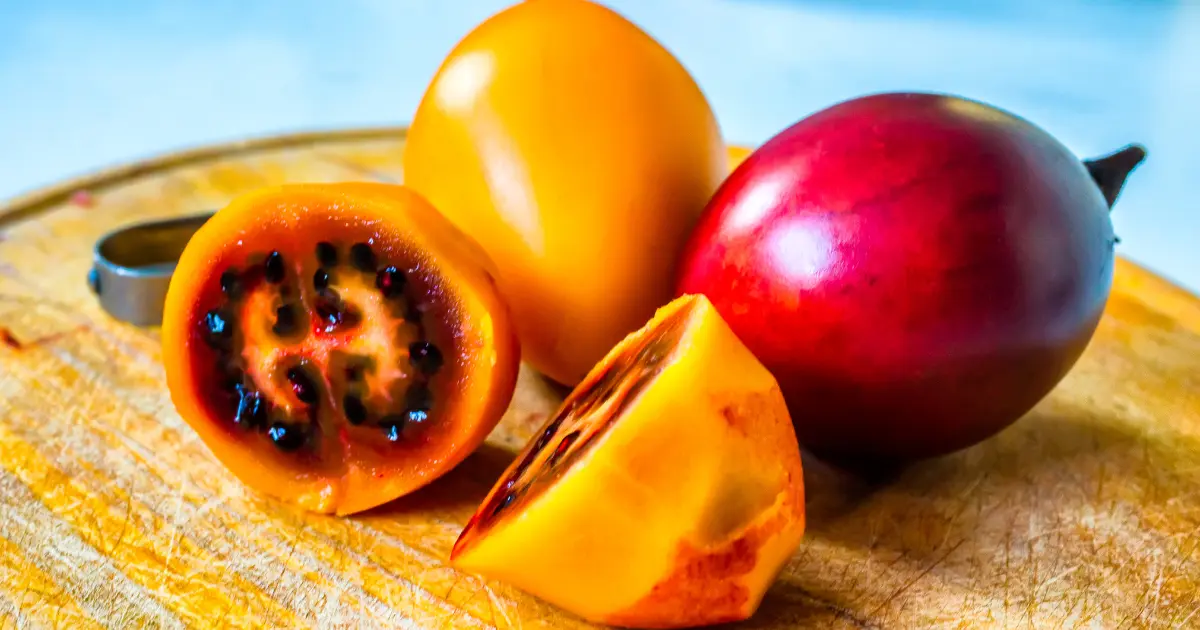
Tamarillo Tree Guide: Flavor, Texture & How to Eat Tree Tomatoes
The humble tomato is a kitchen staple we all know and love, but it rarely [...]
Apr
5 Pro Tips to Grow Esperanza ‘Gold Star’ Indoors: A Golden Glow for Your Home
While most gardeners know this Texas Superstar – Esperanza ‘Gold Star’ as a rugged outdoor [...]
Apr
Mastering Esperanza Goldstar: Grow the Ultimate Yellow Bloom
Esperanza Goldstar is more than just a heat-tolerant shrub; for the American gardener battling the [...]
Apr
Yellow Dragon Fruit Plant Care: The Ultimate Guide for Healthy Growth
The yellow dragon fruit plant is a unique and rewarding addition to any home garden, [...]
Apr
How to Identify Bocking 14 Comfrey: 5 Simple Visual Signs
If you’re growing comfrey for mulch, compost, or animal feed, knowing exactly which variety you [...]
Mar
Grand Duke of Tuscany Jasmine: The Ultimate Guide to Growing a Fragrant Masterpiece
Have you ever caught a scent in the air so rich, creamy, and honey-sweet that [...]
Mar
How to Grow Wild Huckleberries: A Guide to “Purple Gold”
Have you ever spent a summer afternoon hiking through the Pacific Northwest or the Rocky [...]
Mar
5 Best Shade-Loving Perennials for a Lush, Vibrant Garden
The world of gardening often shines a spotlight on sun-drenched blossoms, but there is a [...]
Mar
Reviews
There are no reviews yet.