
Cotyledon pendens Live Plant – Cliff Cotyledon – 2in or 4in Pot – Trailing Succulent
Price range: $19.48 through $54.00
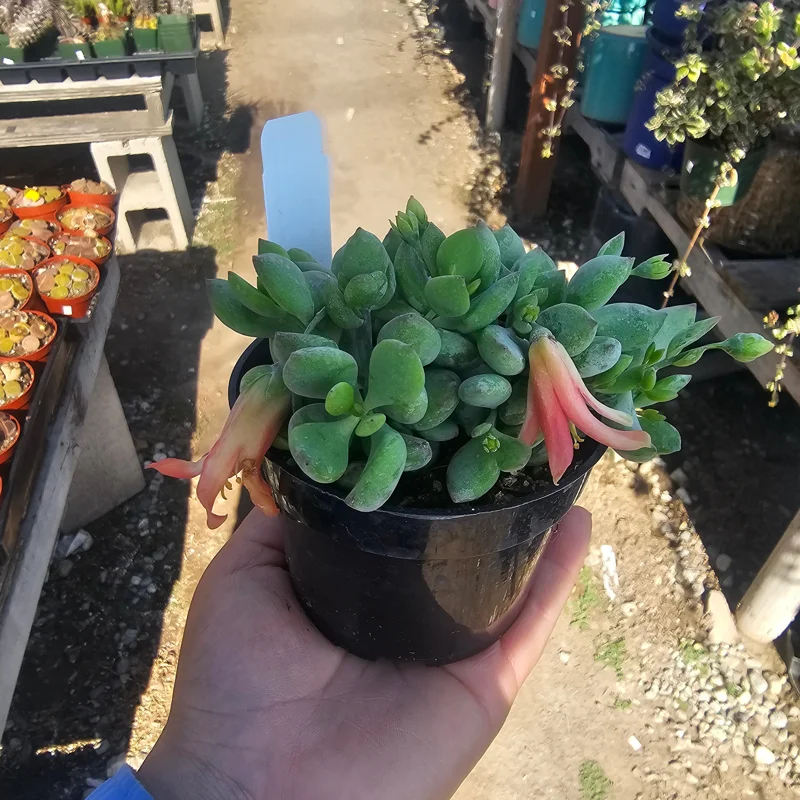
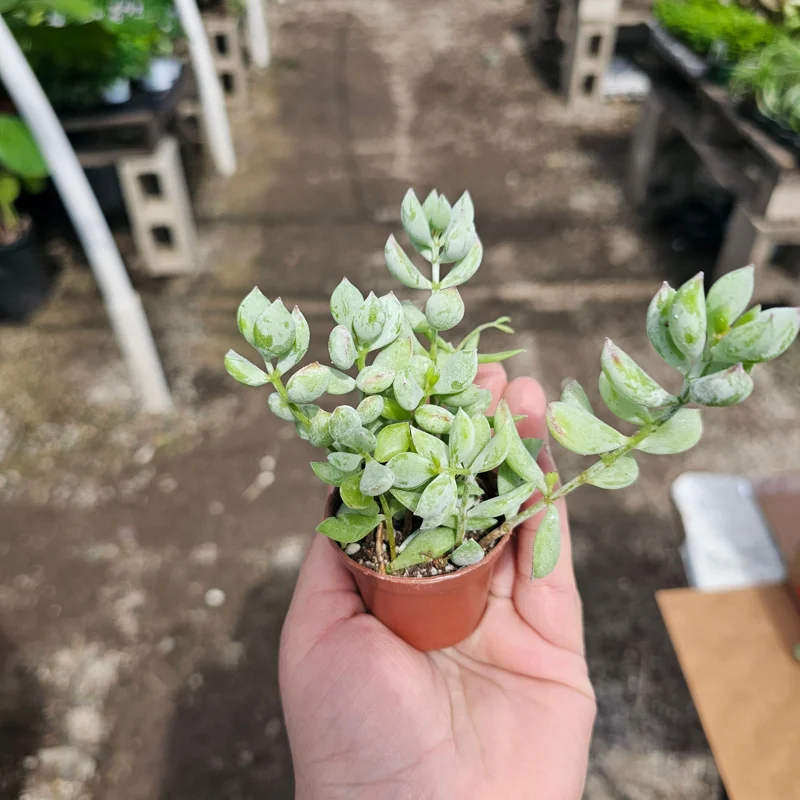
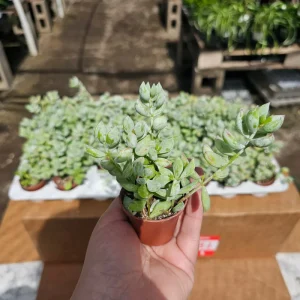
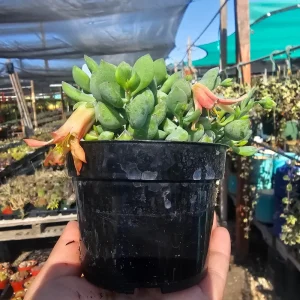
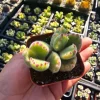
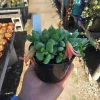
Bring unique charm to your home with the Cotyledon pendens live plant, also known as Cliff Cotyledon care. This beautiful trailing succulent is ideal for hanging baskets, spilling gracefully over edges. Available in 2in or 4in pots, it’s a perfect choice for succulent enthusiasts seeking a distinctive and easy-to-grow specimen. Enjoy its unique, pendulous foliage that adds architectural interest to any space.
Estimated arrival
Apr 11
Apr 16 - Apr 18
Apr 21 - Apr 25

Reasonable Price
We offer reasonable price

Support 24/7
Contact us 24 hrs a day

100% Money Back
You've 30 days to Return

Payment Secure
100% secure payment
Overview
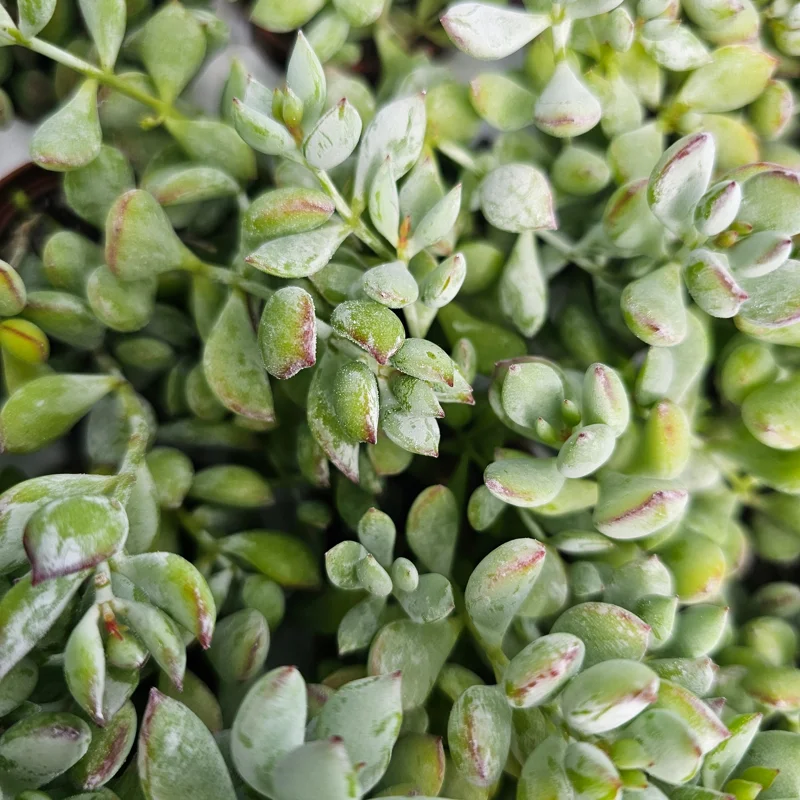
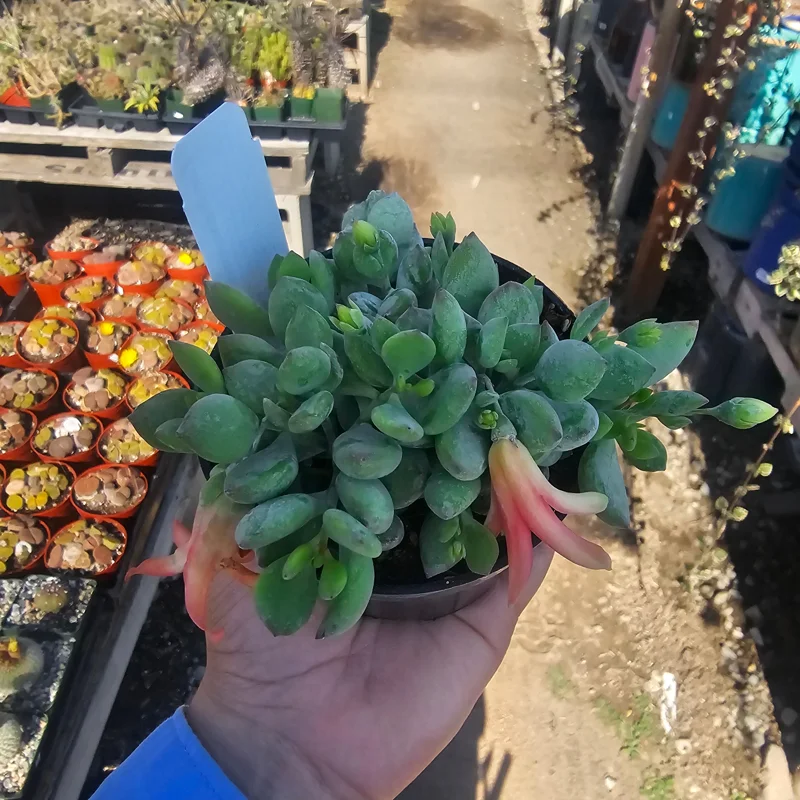
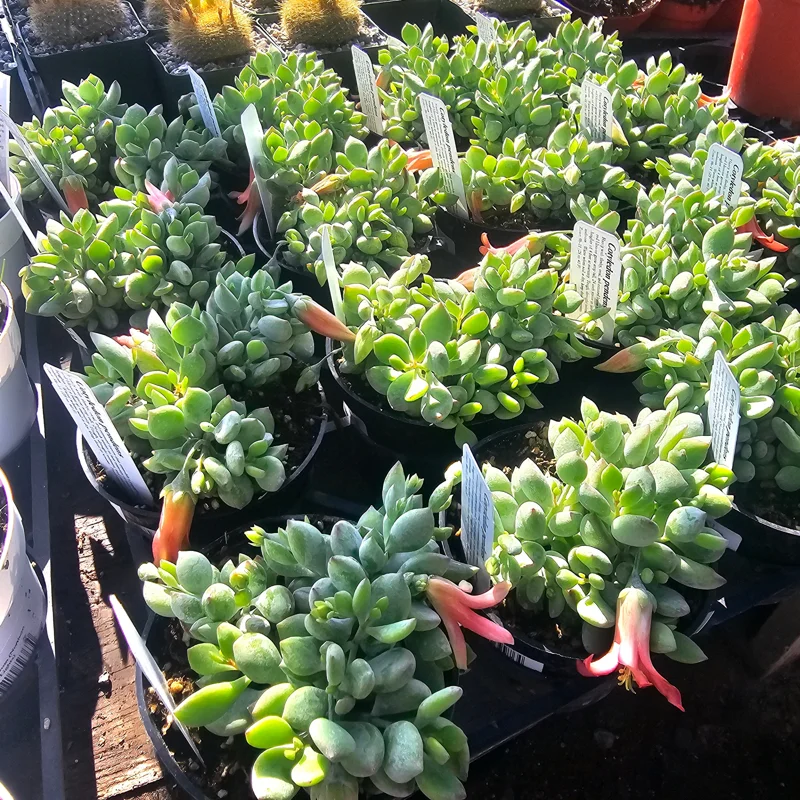
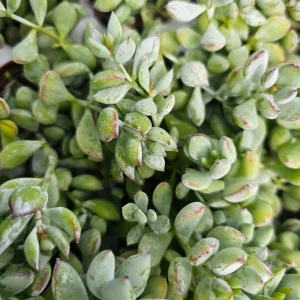
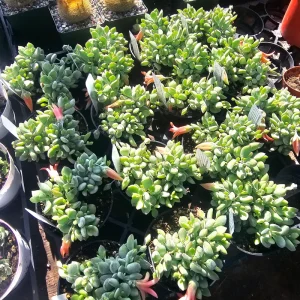
Introduce a touch of unique beauty to your plant collection with the Cotyledon pendens live plant. Also commonly known as Cliff Cotyledon, this captivating succulent is celebrated for its distinctive pendulous stems adorned with plump, gray-green leaves. Native to the cliffs of the Eastern Cape of South Africa, it’s perfectly adapted to thrive in well-drained conditions, making it an excellent choice for indoor enthusiasts and xeriscaping in suitable climates. Our Cotyledon pendens for sale offers a charming addition to hanging baskets, elevated planters, or rock gardens where its trailing habit can truly shine. This particular species stands out among other succulents with its unique growth form and potential for delicate, bell-shaped orange flowers.
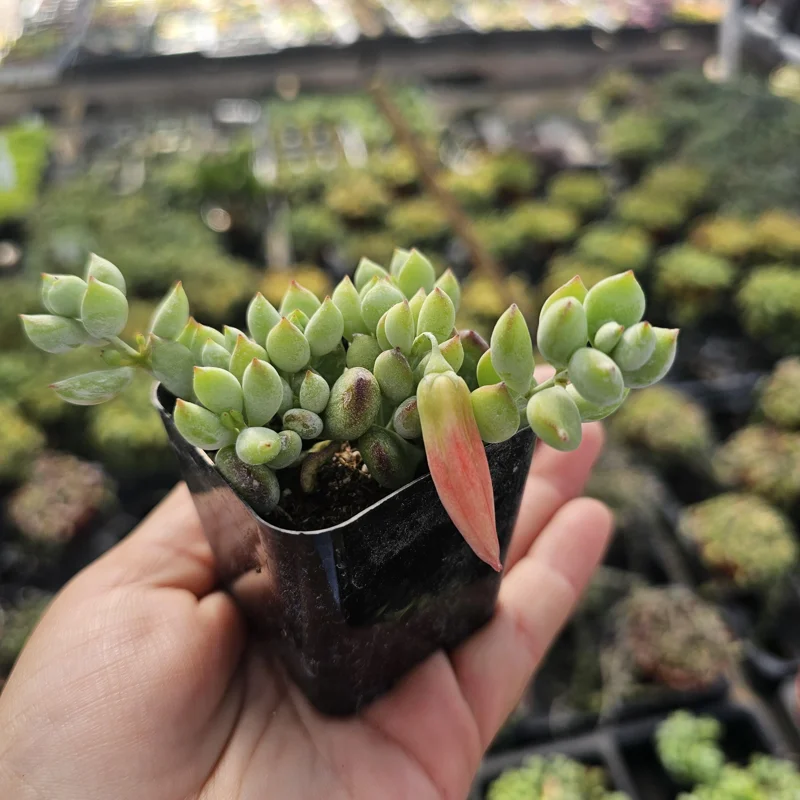
The Cotyledon pendens live plant is a resilient and relatively low-maintenance succulent, making it suitable for both beginner and experienced plant parents. Its unique appearance, resembling strings of beads or small dumplings, quickly makes it a conversation starter. Whether you’re looking to enhance your indoor jungle or add texture to an outdoor succulent display, the Cliff Cotyledon care requirements are straightforward, ensuring a rewarding growing experience.
Key Benefits
The Cotyledon pendens live plant offers a multitude of benefits, making it a highly desirable addition to any plant collection. Its unique aesthetics and easy-care nature are just the beginning:
-
Exceptional Ornamental Value: The Cotyledon pendens boasts a truly unique appearance with its trailing stems and plump, bead-like leaves, creating a striking visual display. It’s perfect for adding dynamic texture and form to any space, especially when allowed to cascade.
-
Low Maintenance: As a succulent, the Cliff Cotyledon care routine is minimal, requiring infrequent watering and tolerating a range of light conditions. This makes it an excellent choice for busy individuals or those new to plant ownership.
-
Versatile Display Options: Its pendulous growth habit makes it an ideal succulent for hanging basket displays, shelves, or elevated planters. It also thrives in rock gardens or as a groundcover in frost-free regions.
-
Drought Tolerant: Like most succulents, the Cotyledon pendens is highly drought-resistant, storing water in its fleshy leaves. This reduces the need for frequent watering, contributing to its easy-care nature.
-
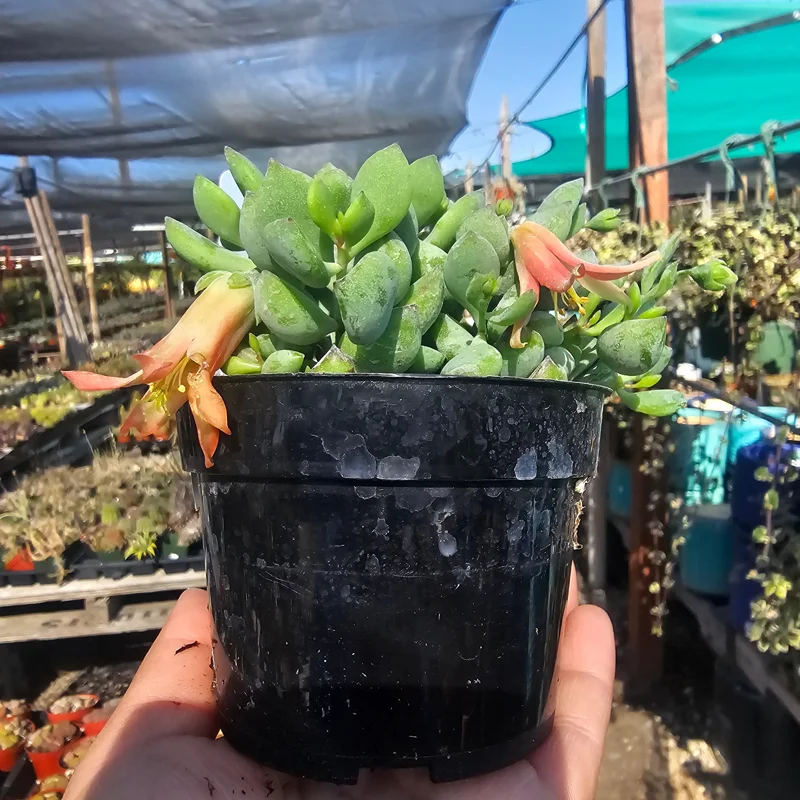
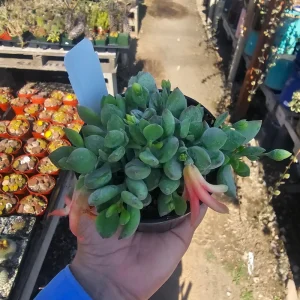
Unique Flowering: Given the right conditions, this plant can produce beautiful, bell-shaped orange flowers that dangle from the stems, adding another layer of charm to its already attractive foliage.
-
Air Purifying Qualities: While succulents aren’t the strongest air purifiers, they do contribute to healthier indoor air quality by absorbing some toxins and releasing oxygen.
Plant Care & Growing Tips
Providing proper Cliff Cotyledon care is essential for its health and vibrant growth. This resilient trailing succulent thrives with specific conditions that mimic its natural arid habitat. For optimal growth, place your Cotyledon pendens live plant in a location where it receives plenty of bright, indirect sunlight. While it can tolerate some direct morning sun, intense afternoon sun, especially in hot climates, can scorch its leaves. An east or west-facing window is often ideal indoors, or a sheltered spot outdoors with filtered light. If you notice the plant stretching or becoming leggy, it’s likely not getting enough light.
Watering is perhaps the most critical aspect of caring for your Cotyledon pendens. As a succulent, it is highly susceptible to root rot from overwatering. Always allow the soil to dry out completely between waterings. When it’s time to water, do so thoroughly until water drains from the bottom of the pot, then empty any standing water from the saucer. During the dormant winter months, reduce watering frequency significantly. The ideal soil for a Cotyledon pendens live plant is a well-draining succulent or cactus mix, possibly amended with extra perlite or pumice to enhance drainage. A terracotta pot can also help wick away excess moisture.
The Cotyledon pendens for sale is generally hardy in USDA zones 9-11 if planted outdoors. If you live in a colder climate, it’s best grown as an indoor plant or brought inside during cooler temperatures. Avoid exposing it to temperatures below 50°F (10°C). Fertilize sparingly, if at all, during the growing season (spring and summer) with a diluted succulent fertilizer. Repotting is rarely needed as this plant prefers to be slightly root-bound and grows relatively slowly. Watch out for common succulent pests like mealybugs or spider mites, and treat promptly if observed. With proper Cliff Cotyledon care, your plant will flourish and become a stunning focal point.
Size & Details
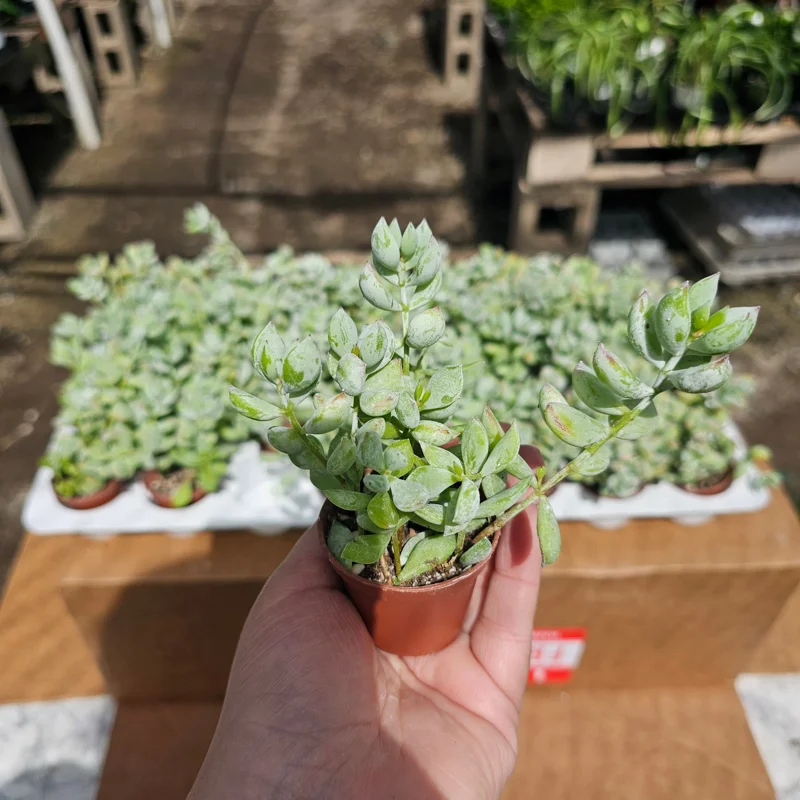
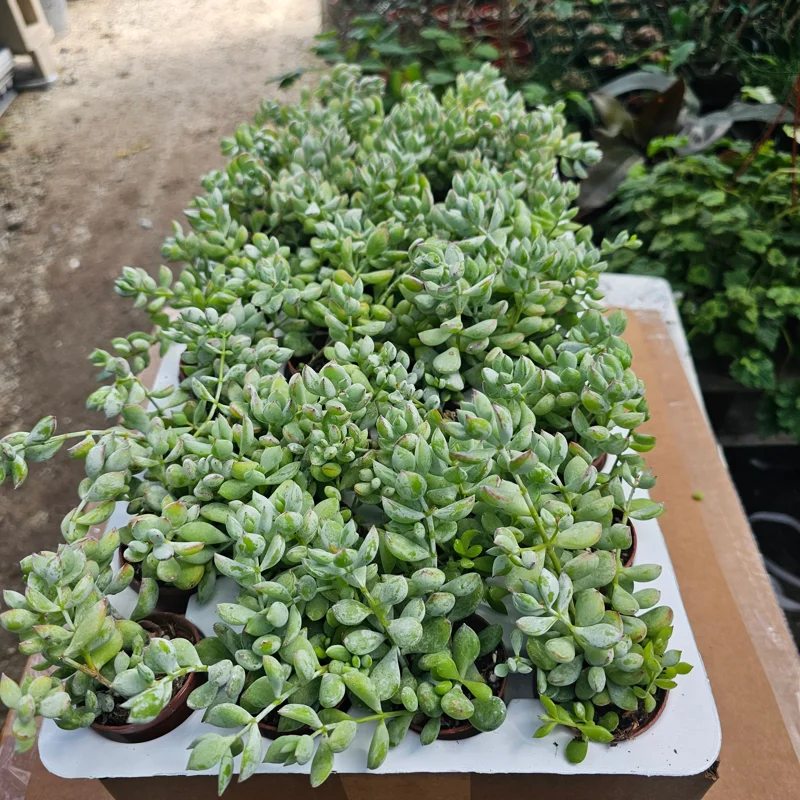
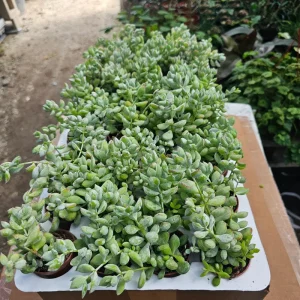
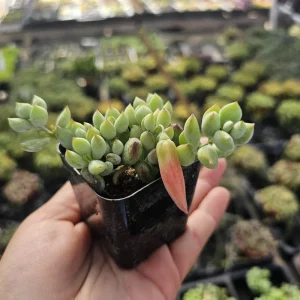
Our Cotyledon pendens live plant is available in two popular nursery pot sizes: a 2in pot and a 4in pot, offering options for various display preferences and growth stages. These plants are carefully cultivated to ensure healthy and established root systems, ready for their new homes. The trailing succulent habit means that while the base of the plant will fit its specified pot size, the stems will naturally cascade, often extending several inches beyond the pot’s edge, creating a beautiful waterfall effect. The growth rate is moderate, allowing for gradual development and easy maintenance. Each plant is shipped in its original nursery grow pot to minimize stress during transit.
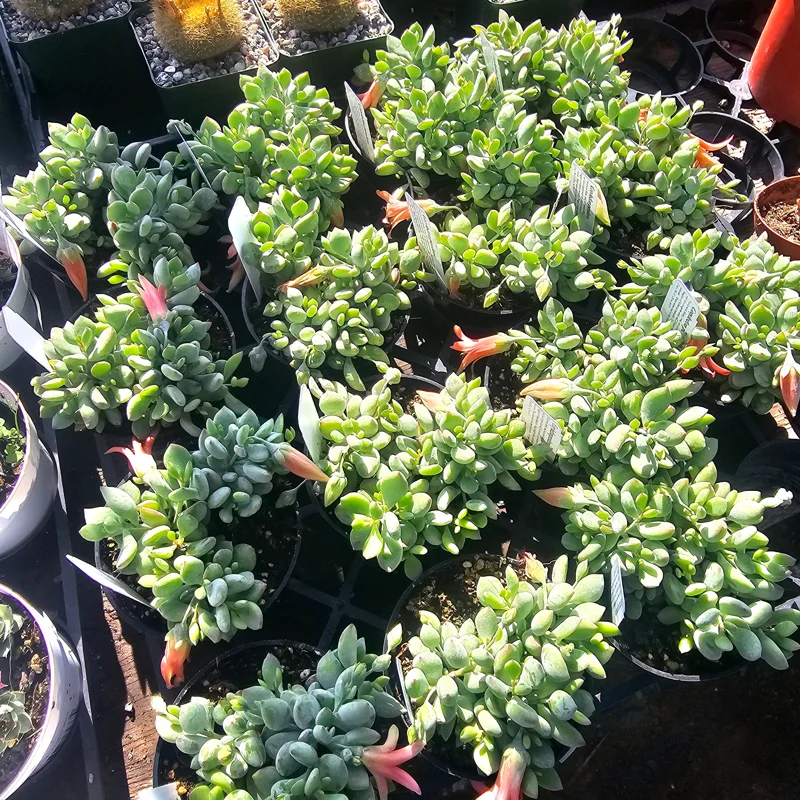
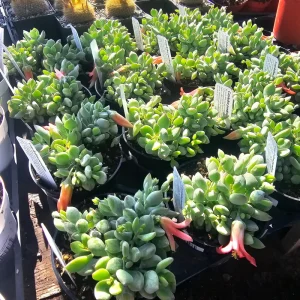
When you receive your Cotyledon pendens for sale, expect a robust specimen with the characteristic plump, gray-green leaves. The exact length of the trailing stems will vary depending on the pot size and individual plant, but both options provide a fantastic starting point for a stunning display. This plant is perfect for those looking for a unique accent or to add to a collection of unusual succulents. The Cotyledon pendens live plant will continue to grow and develop its beautiful trailing form with appropriate care.
Frequently Asked Questions
- Q: How big does this plant get? A: The Cotyledon pendens live plant is a trailing succulent. While the base fits a 2in or 4in pot, its stems can cascade several inches, even over a foot, depending on maturity and growing conditions.
- Q: Is this an indoor or outdoor plant? A: The Cliff Cotyledon can be grown both indoors and outdoors. It thrives outdoors in USDA zones 9-11. In colder climates, it’s best kept as an indoor plant or brought inside during winter.
- Q: How much sunlight does it need? A: This trailing succulent prefers bright, indirect sunlight. It can tolerate some direct morning sun but should be protected from intense afternoon sun, especially during hot summers.
- Q: Is this plant easy to care for? A: Yes, the Cotyledon pendens is considered relatively easy to care for, making it a good choice for beginners. Its primary requirements are plenty of light and infrequent watering to prevent root rot.
- Q: What condition will it arrive in? A: Your Cotyledon pendens for sale will arrive carefully packaged in its original nursery grow pot, with soil to minimize disturbance during transit. We take utmost care to ensure it reaches you in excellent condition.
- Q: How often should I water my Cotyledon pendens? A: Water only when the soil is completely dry. This usually means every 2-4 weeks, but it can vary based on temperature, humidity, and pot size. Always err on the side of underwatering rather than overwatering.
- Q: What kind of soil is best for Cotyledon pendens? A: A well-draining succulent or cactus potting mix is ideal for the Cotyledon pendens live plant. You can amend it with perlite or pumice for even better drainage.
- Q: Can I propagate Cotyledon pendens? A: Yes, Cliff Cotyledon care includes propagation! It can be propagated from stem cuttings. Allow the cut end to callus for a few days before planting in well-draining soil.
- Q: Does the Cotyledon pendens bloom? A: Yes, with proper care and sufficient light, the Cotyledon pendens can produce attractive bell-shaped orange flowers that hang from its trailing stems.
- Q: Is this succulent pet-safe? A: Cotyledon species are generally considered toxic if ingested by pets. It’s best to keep your trailing succulent out of reach of curious animals.
| Size | 2In Pot |
|---|---|
| Bundle Option | 1, Bundle Of 2, Bundle Of 3 |
Be the first to review “Cotyledon pendens Live Plant – Cliff Cotyledon – 2in or 4in Pot – Trailing Succulent”
-
USDA Hardiness Zone
USDA zones 9-11 (outdoor) or indoor -
Soil Type
Well-draining succulent or cactus mix -
Sunlight Exposure
Bright, indirect light -
Expected Planting Period
Year-round indoors, spring to summer outdoors in suitable zones
People Also Viewd


Sold 128 products
Original price was: $89.99.$64.99Current price is: $64.99.
Sold 128 products
Original price was: $159.99.$139.99Current price is: $139.99.

Sold 128 products
Original price was: $27.00.$24.00Current price is: $24.00.

Sold 126 products
Original price was: $3,536.00.$23.99Current price is: $23.99.

Sold 125 products
Original price was: $86.99.$66.99Current price is: $66.99.
Sold 116 products
Original price was: $27.99.$16.99Current price is: $16.99.

Flower Bulbs
3 Cranesbill Wild Geranium Organic Maculatums Bare Roots | Wildflower for Outdoor Garden
Sold 114 products
Original price was: $21.99.$6.99Current price is: $6.99.

Sold 114 products
Original price was: $28.99.$17.99Current price is: $17.99.RELATED posts
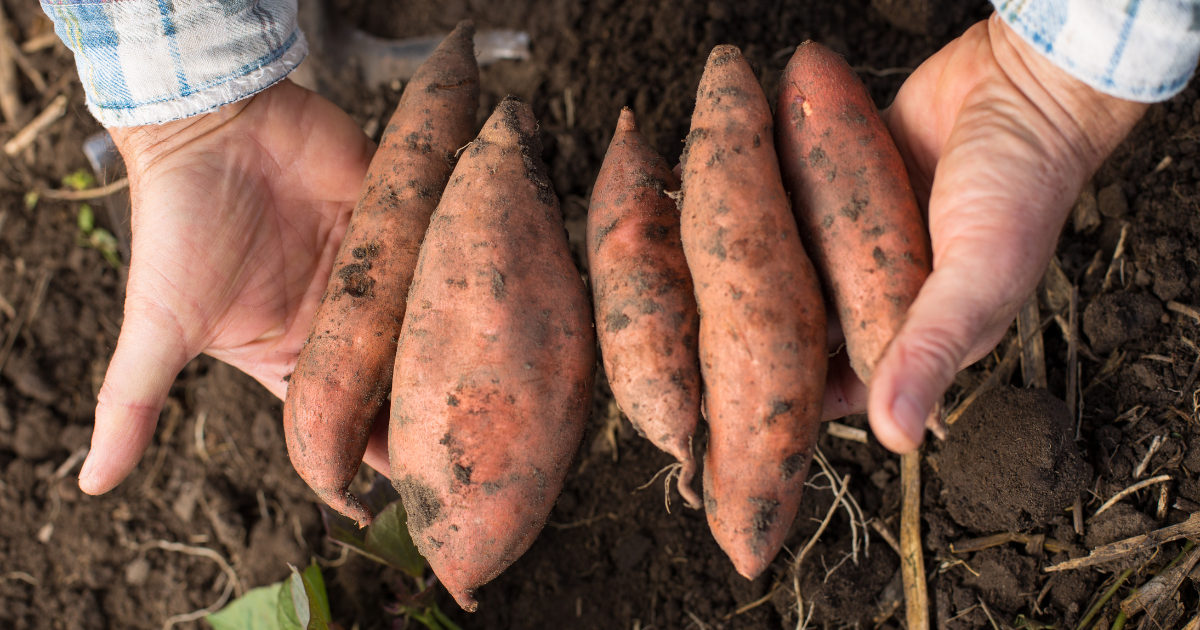
5 Tips for Growing Sweet Potatoes to Get the Biggest Sweet Potato Harvest Ever
If you are a fan of sweet potatoes, then these tips for growing sweet potatoes [...]
Apr
Tamarillo Tree Guide: Flavor, Texture & How to Eat Tree Tomatoes
The humble tomato is a kitchen staple we all know and love, but it rarely [...]
Apr
5 Pro Tips to Grow Esperanza ‘Gold Star’ Indoors: A Golden Glow for Your Home
While most gardeners know this Texas Superstar – Esperanza ‘Gold Star’ as a rugged outdoor [...]
Apr
Mastering Esperanza Goldstar: Grow the Ultimate Yellow Bloom
Esperanza Goldstar is more than just a heat-tolerant shrub; for the American gardener battling the [...]
Apr
Yellow Dragon Fruit Plant Care: The Ultimate Guide for Healthy Growth
The yellow dragon fruit plant is a unique and rewarding addition to any home garden, [...]
Apr
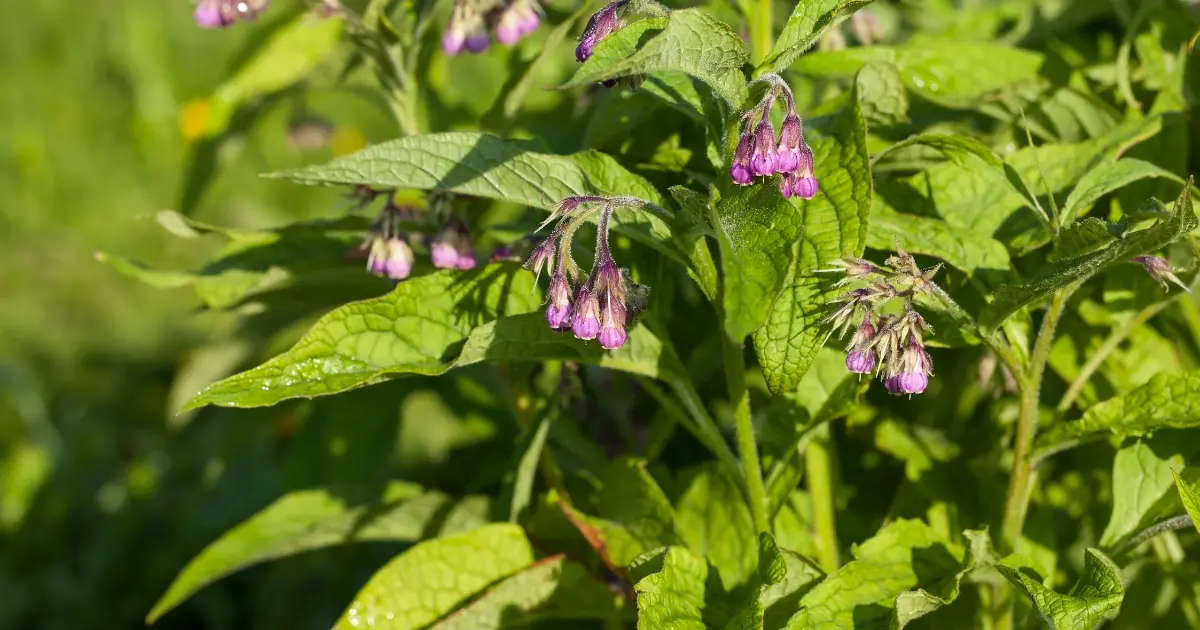
How to Identify Bocking 14 Comfrey: 5 Simple Visual Signs
If you’re growing comfrey for mulch, compost, or animal feed, knowing exactly which variety you [...]
Mar
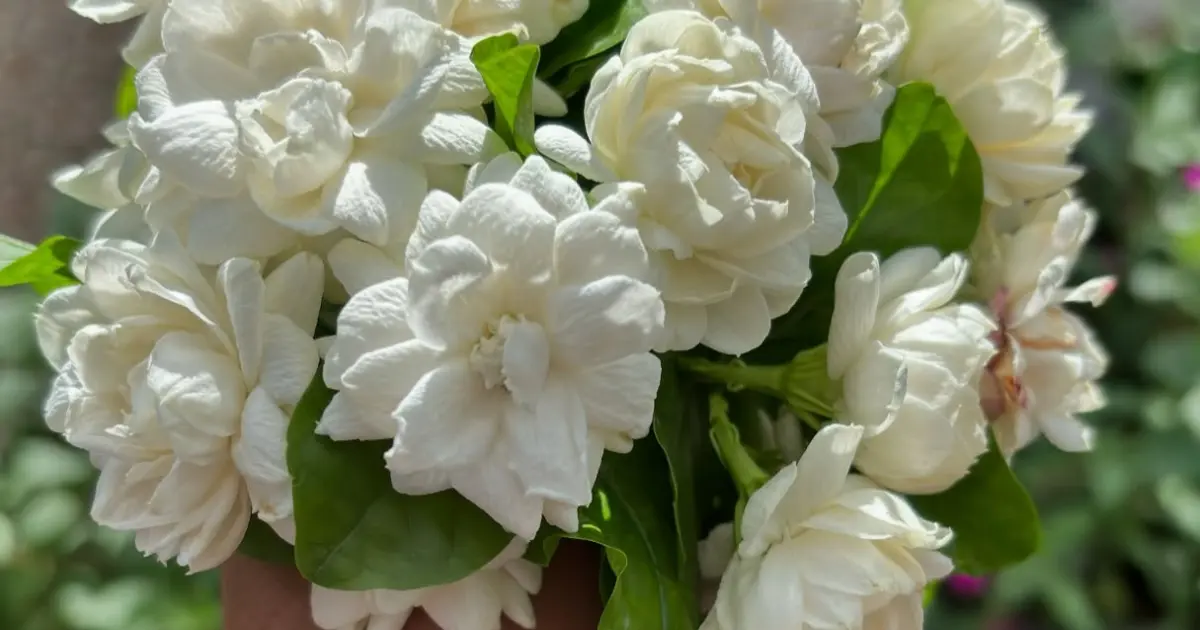
Grand Duke of Tuscany Jasmine: The Ultimate Guide to Growing a Fragrant Masterpiece
Have you ever caught a scent in the air so rich, creamy, and honey-sweet that [...]
Mar
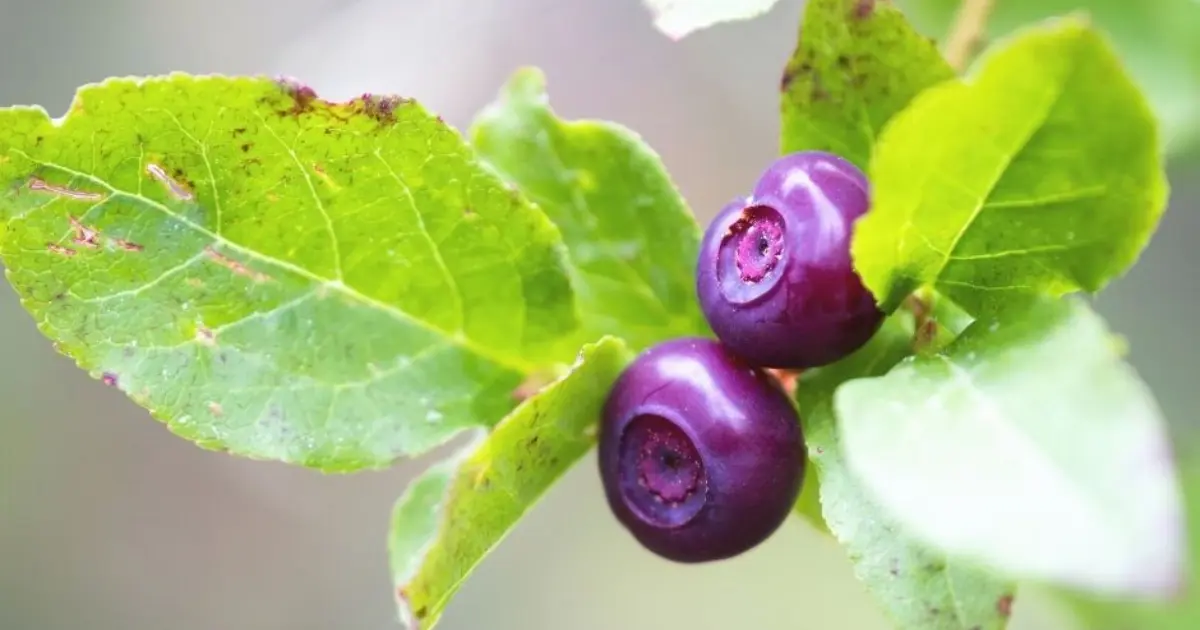
How to Grow Wild Huckleberries: A Guide to “Purple Gold”
Have you ever spent a summer afternoon hiking through the Pacific Northwest or the Rocky [...]
Mar
Reviews
There are no reviews yet.