





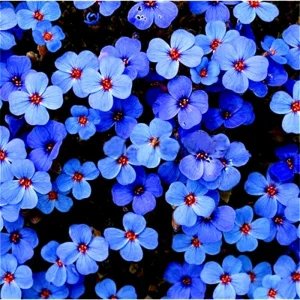




Creeping Thyme Herb Flower Seeds – Thymus Serpyllum Ground Cover Blue – 100+ Seeds Perennial
Original price was: $25.66.$10.66Current price is: $10.66.
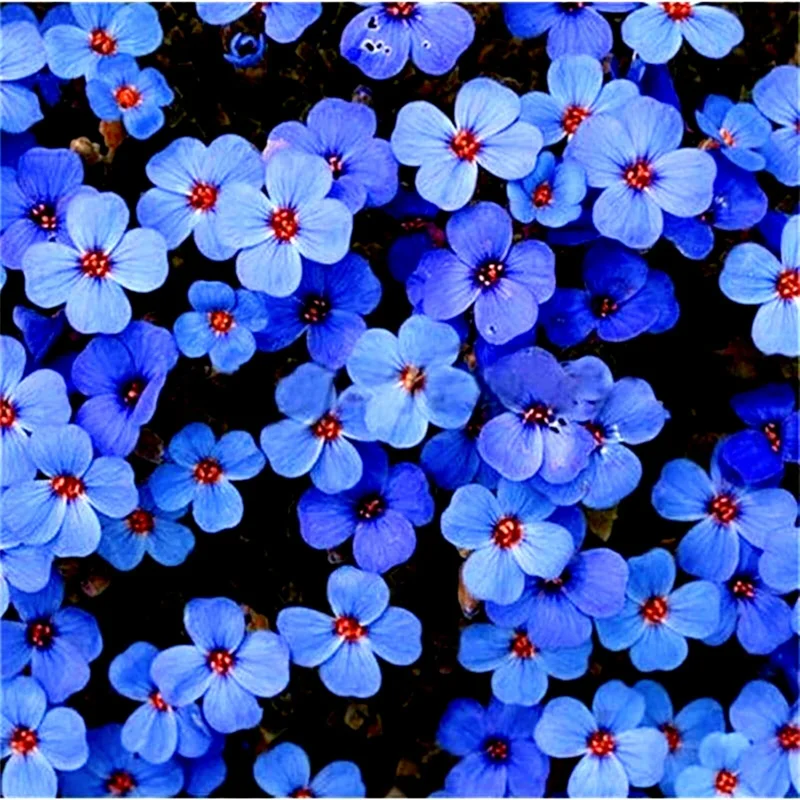
Discover the beauty and functionality of creeping thyme herb flower seeds. These versatile thymus serpyllum seeds are ideal for creating a fragrant, low-growing ground cover with charming blue flowers, perfect for both indoor and outdoor cultivation.
Estimated arrival
Apr 07
Apr 12 - Apr 14
Apr 17 - Apr 21

Reasonable Price
We offer reasonable price

Support 24/7
Contact us 24 hrs a day

100% Money Back
You've 30 days to Return

Payment Secure
100% secure payment
Overview
Cultivate a lush, aromatic landscape with our premium creeping thyme herb flower seeds. This offering provides 100+ high-quality thymus serpyllum seeds, perfect for establishing a beautiful and resilient ground cover. Creeping Thyme, scientifically known as Thymus serpyllum, is a popular choice among gardeners for its low-growing habit, vibrant blue flowers, and delightful fragrance. It’s an excellent solution for filling in pathways, covering bare spots, or creating a verdant carpet in rock gardens. These perennial herb seeds are known for their hardiness and ability to thrive in a variety of conditions, making them a fantastic addition to almost any garden setting. Enjoy the beauty of blue blooms throughout the summer, while also benefiting from its robust growth as a natural weed suppressor. Whether you’re an experienced horticulturist or a budding enthusiast, growing creeping thyme ground cover from seed is a rewarding experience that transforms ordinary spaces into extraordinary botanical displays.
Key Benefits
Embrace the many advantages of incorporating creeping thyme herb flower seeds into your garden design. This versatile plant offers both aesthetic appeal and practical benefits that enhance any outdoor space.
- Excellent Ground Cover: Forms a dense, mat-like growth that effectively suppresses weeds and reduces the need for constant maintenance. It’s perfect for areas where traditional grass struggles.
- Attractive Blue Flowers: Produces a profusion of charming blue flowers throughout the summer, adding a serene and beautiful color accent to your landscape.
- Aromatic Foliage: The leaves release a pleasant, earthy fragrance when walked upon or brushed, making it ideal for planting along pathways or near seating areas.
- Drought Tolerant: Once established, thymus serpyllum seeds grow into plants that are highly resistant to drought, requiring minimal watering and making them a sustainable choice for arid climates.
- Low Maintenance: Requires very little care, thriving with minimal pruning and fertilization. This makes it an ideal choice for busy gardeners or those seeking an easy-to-manage garden.
- Edible Herb: Beyond its ornamental value, Creeping Thyme is an edible herb with culinary uses, adding a delicate flavor to various dishes.
- Attracts Pollinators: The vibrant blue flowers are a magnet for bees and other beneficial pollinators, contributing to the health and biodiversity of your garden ecosystem.
Plant Care & Growing Tips
Successfully growing creeping thyme ground cover begins with understanding its basic needs. This hardy perennial is relatively forgiving, but providing optimal conditions will ensure a thriving display. For best results, sow your creeping thyme herb flower seeds in well-draining soil. Thyme prefers a neutral soil pH, and can adapt to various soil types including clay, loam, peat, and sand, as long as drainage is good. Avoid heavy, waterlogged soils as this can lead to root rot. When considering sunlight, Creeping Thyme is highly adaptable, performing well in partial shade to full sun. For the most prolific blooms and densest growth, aim for at least 6 hours of direct sunlight per day. However, in hotter climates, some afternoon shade can be beneficial.
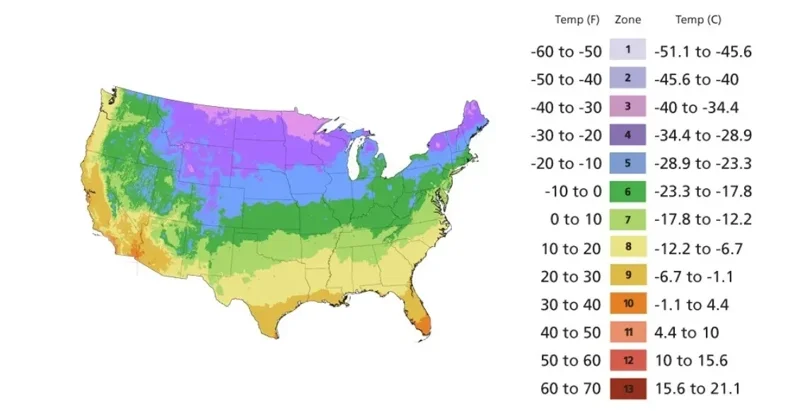
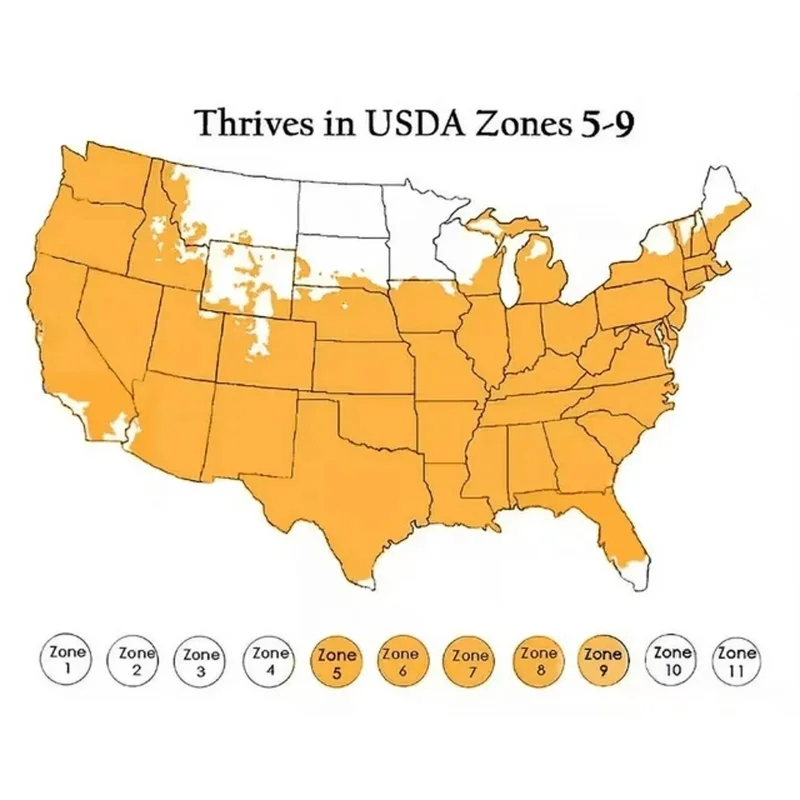
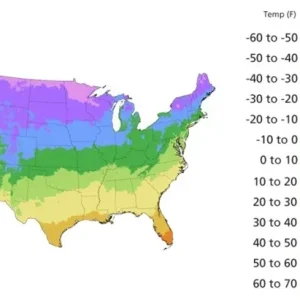
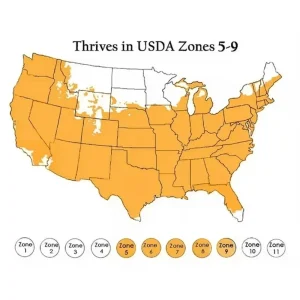
Watering should be moderate. While establishing, keep the soil consistently moist but never soggy. Once mature, Creeping Thyme is quite drought-tolerant and prefers drier conditions. Allow the soil to dry out completely between waterings. Fertilization is generally not required for this plant, as it thrives in lean soil. If your soil is particularly poor, a light application of a balanced, slow-release fertilizer in early spring can be beneficial. These plants are cold hardy, typically thriving in USDA Hardiness Zones 2-9, making them suitable for a wide range of climates. Regular weeding around young plants is important until the ground cover is established. Learning how to grow creeping thyme effectively will result in a beautiful, fragrant, and resilient addition to your garden.
Size & Details
This offering includes 100+ thymus serpyllum seeds, ensuring you have ample quantity to establish a significant area of ground cover. When mature, Creeping Thyme typically reaches a height of 4-6 inches, creating a low, dense mat. Its growth habit is clumping and spreading, making it an excellent choice for filling in spaces between stepping stones or cascading over retaining walls. These perennial herb seeds will produce plants that bloom throughout the summer, offering continuous blue color. The seeds are fresh harvest, promoting fast germination and healthy growth. Plant in spring or early summer for best results, and expect to see a carpet of fragrant foliage and flowers by the following season. The plants are suitable for both indoor and outdoor cultivation, though they perform best outdoors in well-lit areas.
Frequently Asked Questions
- Q: How big does this plant get? A: Creeping thyme ground cover typically grows to a height of 4-6 inches, forming a dense, spreading mat that can cover a significant area over time. Its low profile makes it ideal for various landscaping uses.
- Q: How much sunlight does it need? A: Creeping Thyme thrives in full sun, requiring at least 6 hours of direct sunlight daily for optimal growth and flowering. It can tolerate partial shade, especially in hotter climates, but may produce fewer blooms.
- Q: Is this plant easy to care for? A: Yes, Creeping Thyme is considered a moderate difficulty plant to cultivate. Once established from creeping thyme herb flower seeds, it is very low-maintenance, drought-tolerant, and generally pest and disease resistant, making it a great choice for various gardeners.
- Q: What condition will the seeds arrive in? A: Your thymus serpyllum seeds will arrive as fresh harvest seeds, carefully packaged to ensure their viability and readiness for planting.
- Q: Can I use this plant for culinary purposes? A: Yes, Creeping Thyme is an edible herb and can be used in cooking, similar to common thyme, offering a delicate, earthy flavor to dishes.
- Q: When is the best time to plant these seeds? A: The best time to plant these perennial herb seeds is in spring to early summer after the last frost, when soil temperatures have warmed up. This allows the plants ample time to establish before winter.
- Q: Will it survive winter in my zone? A: Creeping Thyme is very cold hardy, thriving in USDA Hardiness Zones 2-9. This means it can withstand very cold winter temperatures and will return year after year in suitable climates.
- Q: What type of soil does Creeping Thyme prefer? A: It prefers well-draining soil with a neutral pH. It can grow in various soil types including sandy, loamy, or even clay soils, provided they do not retain too much moisture.
- Q: How do I ensure good germination when I plant creeping thyme herb flower seeds? A: For good germination, ensure the seeds are lightly pressed into fine soil, kept consistently moist until sprouts appear, and provided with adequate warmth and light.
- Q: Is this plant good for attracting pollinators? A: Absolutely! The blue flowers of Creeping Thyme are very attractive to bees, butterflies, and other beneficial pollinators, making it an excellent choice for a pollinator-friendly garden.
Be the first to review “Creeping Thyme Herb Flower Seeds – Thymus Serpyllum Ground Cover Blue – 100+ Seeds Perennial”
-
USDA Hardiness Zone
2 (-50 to -40 °F) to 9 -
Soil Type
Any good soil or mix, Clay, Loam, Peat, Sand -
Sunlight Exposure
Partial Shade, Full Sun -
Expected Planting Period
Spring, Summer
People Also Viewd
Sold 128 products
Original price was: $89.99.$64.99Current price is: $64.99.
Sold 128 products
Original price was: $27.00.$24.00Current price is: $24.00.
Sold 127 products
Original price was: $159.99.$139.99Current price is: $139.99.
Sold 126 products
Original price was: $3,536.00.$23.99Current price is: $23.99.

Sold 125 products
Original price was: $86.99.$66.99Current price is: $66.99.
Sold 116 products
Original price was: $27.99.$16.99Current price is: $16.99.
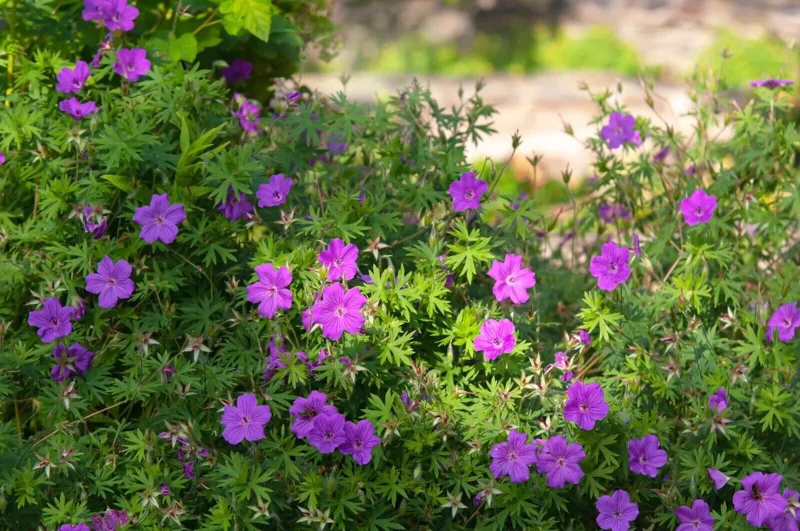
Flower Bulbs
3 Cranesbill Wild Geranium Organic Maculatums Bare Roots | Wildflower for Outdoor Garden
Sold 114 products
Original price was: $21.99.$6.99Current price is: $6.99.
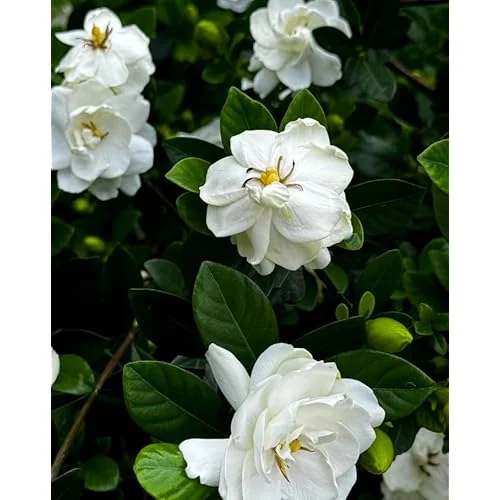
Sold 114 products
Original price was: $28.99.$17.99Current price is: $17.99.RELATED posts
Mastering Esperanza Goldstar: Grow the Ultimate Yellow Bloom
Esperanza Goldstar is more than just a heat-tolerant shrub; for the American gardener battling the [...]
Apr
Yellow Dragon Fruit Plant Care: The Ultimate Guide for Healthy Growth
The yellow dragon fruit plant is a unique and rewarding addition to any home garden, [...]
Apr
How to Identify Bocking 14 Comfrey: 5 Simple Visual Signs
If you’re growing comfrey for mulch, compost, or animal feed, knowing exactly which variety you [...]
Mar
Grand Duke of Tuscany Jasmine: The Ultimate Guide to Growing a Fragrant Masterpiece
Have you ever caught a scent in the air so rich, creamy, and honey-sweet that [...]
Mar
How to Grow Wild Huckleberries: A Guide to “Purple Gold”
Have you ever spent a summer afternoon hiking through the Pacific Northwest or the Rocky [...]
Mar
5 Best Shade-Loving Perennials for a Lush, Vibrant Garden
The world of gardening often shines a spotlight on sun-drenched blossoms, but there is a [...]
Mar

7 Common Curry Leaf Plant Problems: Easy Fixes for a Thriving Plant
Is your curry leaf plant looking a bit sad lately? Maybe you woke up to [...]
Mar
Best Time to Plant Bougainvillea: Timing for Vibrant Blooms
If you’re looking for a hardy tropical vine that delivers a riot of neon color, [...]
Feb


Reviews
There are no reviews yet.