
Creeping Thyme Seeds for Planting – 150,000 Seeds – Perennial Ground Cover
Original price was: $67.99.$52.99Current price is: $52.99.
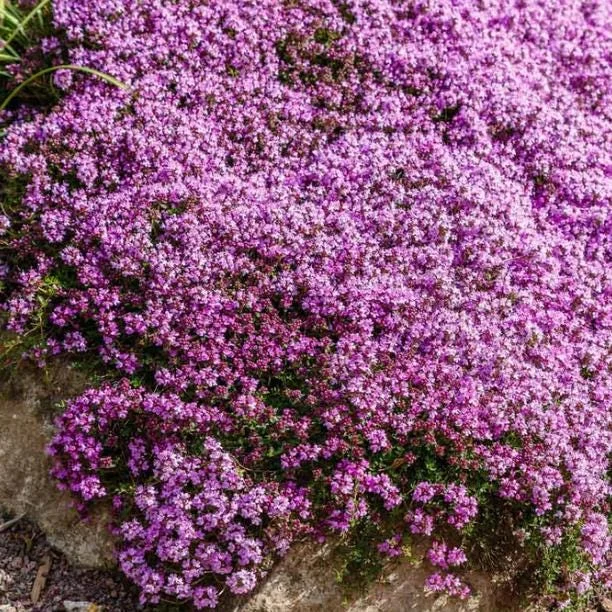
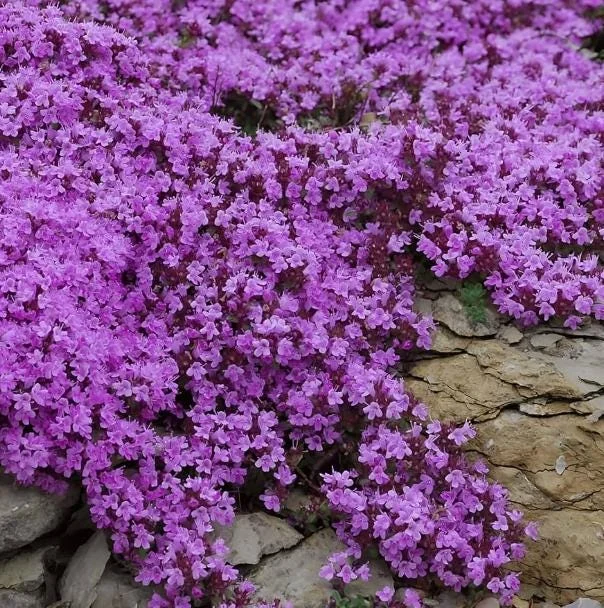
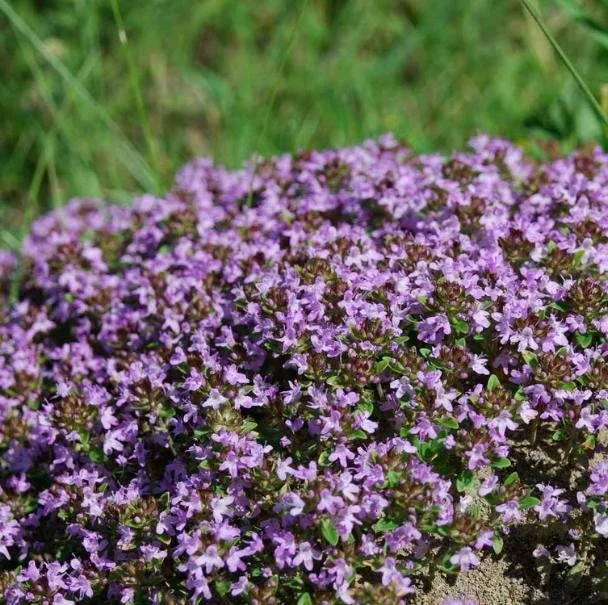
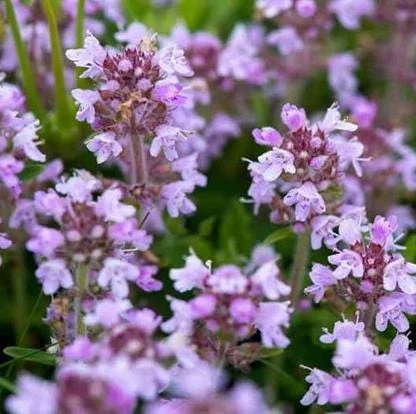
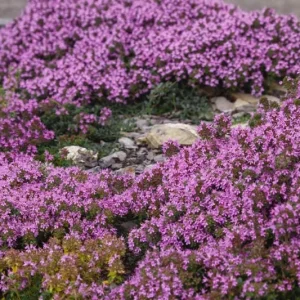
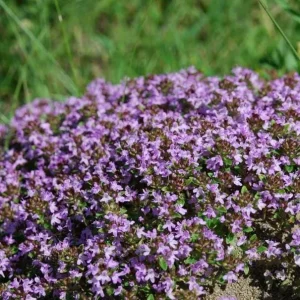
Cultivate a charming, fragrant landscape with these creeping thyme seeds. Ideal for creating a dense, mat-like ground cover, this perennial herb (Thymus serpyllum) thrives in full sun and requires minimal water. Enjoy its beautiful pink to purple flowers and aromatic foliage.
Estimated arrival
Apr 02
Apr 07 - Apr 09
Apr 12 - Apr 16

Reasonable Price
We offer reasonable price

Support 24/7
Contact us 24 hrs a day

100% Money Back
You've 30 days to Return

Payment Secure
100% secure payment
Overview
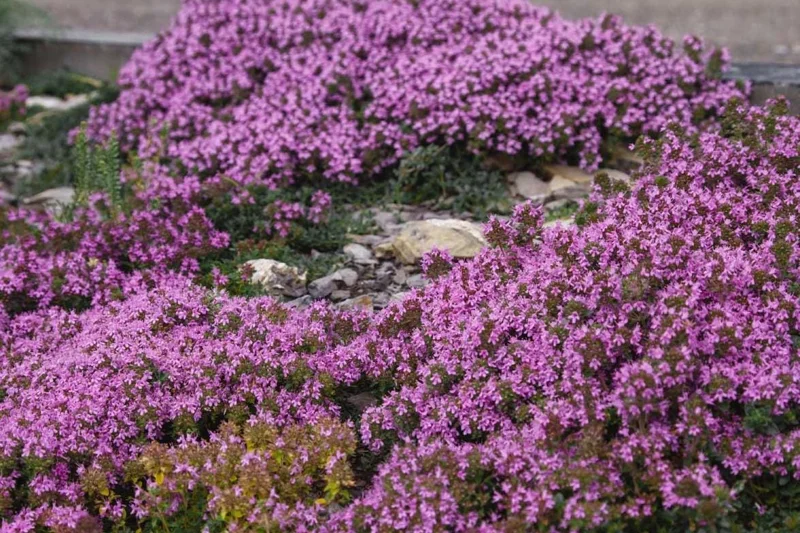
Transform your garden into a fragrant haven with these high-quality creeping thyme seeds. Thymus serpyllum, commonly known as Creeping Thyme, is a beloved low-growing perennial herb renowned for its dense, mat-forming habit and charming, tiny flowers. Perfect for creating a living carpet, this plant is an excellent choice for ground cover in various garden settings. Whether you’re looking to soften pathways, fill in between stepping stones, or establish a beautiful border, these thymus serpyllum seeds offer an easy and rewarding way to achieve a lush, aromatic landscape. The evergreen foliage releases a pleasant thyme scent when brushed or stepped on, adding an immersive sensory experience to your outdoor space. In late spring to summer, you’ll be delighted by clusters of delicate pink to purple flowers that attract pollinators and enhance the visual appeal of your garden.
These creeping thyme seeds are specifically selected for their vigor and ability to establish a robust, spreading plant. Creeping Thyme is not only beautiful but also incredibly resilient, adapting well to a range of conditions once established. It’s an ideal choice for gardeners seeking a low-maintenance solution for erosion control on slopes or for adding texture to rock gardens. With an estimated 150,000 seeds per pack, you’ll have ample opportunity to cover a significant area, ensuring a bountiful display of this delightful perennial. Embrace the beauty and practicality of creeping thyme seeds in your next gardening project.
Key Benefits
Growing creeping thyme seeds offers numerous advantages for both the aesthetic and ecological aspects of your garden. This versatile plant is celebrated for its ease of care and its ability to thrive in challenging environments. Here are some of the key benefits you can expect:
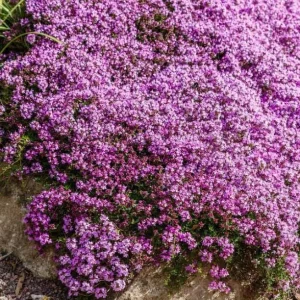
- Excellent Ground Cover: Creeping Thyme forms a dense, mat-like carpet that effectively suppresses weeds and prevents soil erosion, making it an ideal perennial ground cover seeds solution for slopes, pathways, and garden beds.
- Fragrant Foliage: The small, evergreen leaves release a delightful, aromatic thyme scent when walked upon or brushed, creating a sensory experience in your garden. This natural fragrance also helps deter some pests.
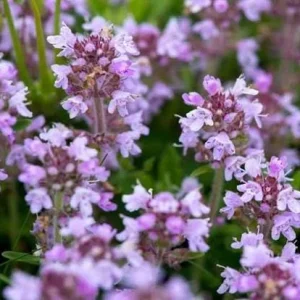
- Beautiful Blooms: In late spring to summer, the plant produces an abundance of charming pink to purple flowers, adding vibrant color and attracting beneficial pollinators like bees and butterflies to your garden.
- Low Maintenance: Once established, Creeping Thyme is remarkably drought-tolerant and requires minimal watering, making it a perfect choice for gardeners seeking a low-effort yet high-impact plant. It rarely needs pruning or extensive care.
- Drought Tolerant: This plant is well-suited for xeriscaping or gardens in drier climates, as its low water needs contribute to water conservation.
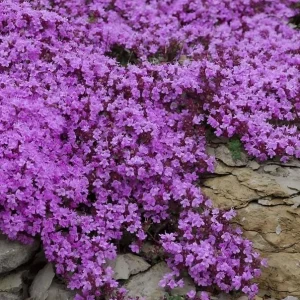
- Versatile Use: Beyond ground cover, it’s perfect for rock gardens, between stepping stones, as a lawn alternative in low-traffic areas, or spilling over retaining walls.
- Hardy Perennial: Thriving in USDA Zones 4 to 9, Creeping Thyme returns year after year, providing continuous beauty and function without the need for annual replanting. These creeping thyme seeds will establish a long-lasting presence.
Plant Care & Growing Tips
Successfully growing creeping thyme seeds is straightforward, especially when you provide the right conditions. This resilient plant is not overly demanding, but a good start ensures a healthy, thriving ground cover. Begin by sowing the seeds in well-draining soil after the last frost, or indoors 6-8 weeks before transplanting. Lightly cover the seeds with soil, as they require some light to germinate. Keep the soil consistently moist until germination occurs, which typically takes 10-20 days. Once seedlings are established, thin them to about 6-12 inches apart to allow for proper spread.
Creeping Thyme thrives in full sun, requiring at least 6 hours of direct sunlight daily to produce the most vibrant blooms and dense foliage. While it can tolerate some partial shade, too little sun can lead to leggy growth and fewer flowers. The ideal soil for low water thyme is well-draining, sandy, or rocky soil. Avoid heavy clay soils that retain too much moisture, as soggy conditions can lead to root rot. A slightly acidic to neutral pH (6.0-7.5) is preferred. Watering needs are low; once established, water occasionally during dry periods, allowing the soil to dry out between waterings. Overwatering is a common mistake that can harm this plant. It prefers temperatures between 60°F to 80°F and tolerates low to moderate humidity. Fertilization is generally not necessary for Creeping Thyme, especially in good soil, as it thrives in lean conditions. If growth seems slow, a light application of balanced, slow-release fertilizer in spring can be beneficial. Watch out for common garden pests like spider mites or aphids, though they are rarely a significant problem for this robust plant.
Size & Details
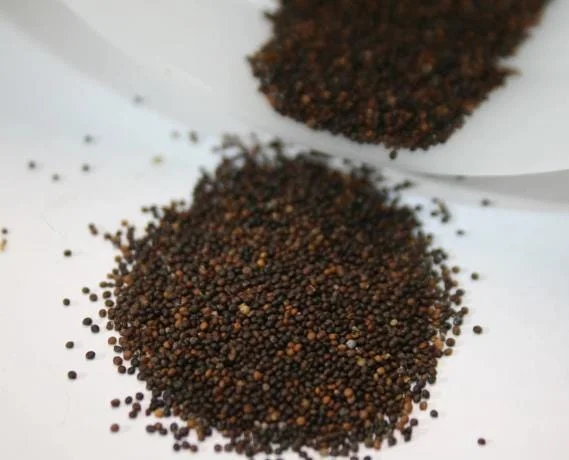
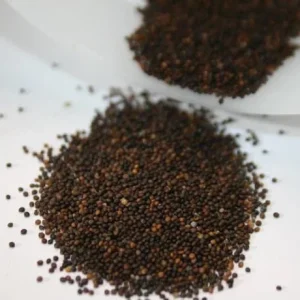
This offering includes approximately 150,000 creeping thyme seeds (Thymus serpyllum), providing an ample quantity for establishing a significant area of ground cover. Once mature, Creeping Thyme typically forms a dense mat reaching 2-6 inches in height and can spread up to 18-24 inches wide, creating a beautiful and functional carpet. The growth rate is moderate to fast, allowing for establishment within one to two seasons. These perennial ground cover seeds will develop into plants that bloom from late spring through summer, showcasing delicate pink to purple flowers. The plants are hardy in USDA Zones 4 to 9, making them suitable for a wide range of climates across the United States. They are shipped as high-quality, viable seeds, ready for planting in your garden. Expect to see germination within 10-20 days under optimal conditions, leading to a long-lasting and resilient garden feature.
Frequently Asked Questions
- Q: How many creeping thyme seeds are included in this package? A: This package contains approximately 150,000 high-quality creeping thyme seeds, providing an abundant supply for establishing a large area of ground cover.
- Q: What is the best time to plant thymus serpyllum seeds? A: The best time to plant thymus serpyllum seeds outdoors is in the spring after the last danger of frost has passed. For an earlier start, you can sow them indoors 6-8 weeks before the last frost and transplant the seedlings.
- Q: How much sunlight does Creeping Thyme need? A: Creeping Thyme thrives in full sun, requiring at least 6 hours of direct sunlight per day. It can tolerate some partial shade, especially in hotter climates, but full sun encourages the best growth and blooming.
- Q: Is Creeping Thyme considered a low-maintenance plant? A: Yes, Creeping Thyme is known for being very low-maintenance. Once established, it is drought-tolerant, requires minimal watering, and generally does not need frequent fertilization or pruning.
- Q: What type of soil is best for growing creeping thyme seeds? A: Creeping Thyme prefers well-draining soil, ideally sandy or rocky. It does not do well in heavy clay soils that retain too much moisture, as this can lead to root rot.
- Q: How tall does Creeping Thyme grow and how wide does it spread? A: Creeping Thyme typically grows to a height of 2-6 inches. It is a spreading plant, forming a dense mat that can spread up to 18-24 inches wide over time, making it an excellent perennial ground cover seeds option.
- Q: Will these fragrant thyme seeds attract pollinators? A: Yes, the pink to purple flowers of Creeping Thyme are very attractive to beneficial pollinators such as bees and butterflies, contributing to a healthy garden ecosystem.
- Q: What USDA hardiness zones are suitable for Creeping Thyme? A: Creeping Thyme is a hardy perennial suitable for USDA Zones 4 through 9, allowing it to withstand a wide range of winter temperatures.
- Q: Can I use Creeping Thyme between stepping stones? A: Absolutely! Creeping Thyme is an excellent choice for planting between stepping stones or along pathways, as it tolerates light foot traffic and releases a pleasant aroma when brushed.
- Q: Are these low water thyme seeds difficult to germinate? A: Germination for low water thyme seeds is generally straightforward. They require some light to germinate, so lightly cover them with soil and keep the soil consistently moist until sprouts appear, typically within 10-20 days.
Be the first to review “Creeping Thyme Seeds for Planting – 150,000 Seeds – Perennial Ground Cover”
-
USDA Hardiness Zone
USDA 4 to 9 -
Soil Type
Well-draining, sandy or rocky soil -
Sunlight Exposure
Full sun (at least 6 hours daily) -
Expected Planting Period
Spring to summer
People Also Viewd
Sold 128 products
Original price was: $89.99.$64.99Current price is: $64.99.
Sold 128 products
Original price was: $27.00.$24.00Current price is: $24.00.
Sold 126 products
Original price was: $3,536.00.$23.99Current price is: $23.99.

Sold 125 products
Original price was: $86.99.$66.99Current price is: $66.99.
Sold 116 products
Original price was: $27.99.$16.99Current price is: $16.99.
Flower Bulbs
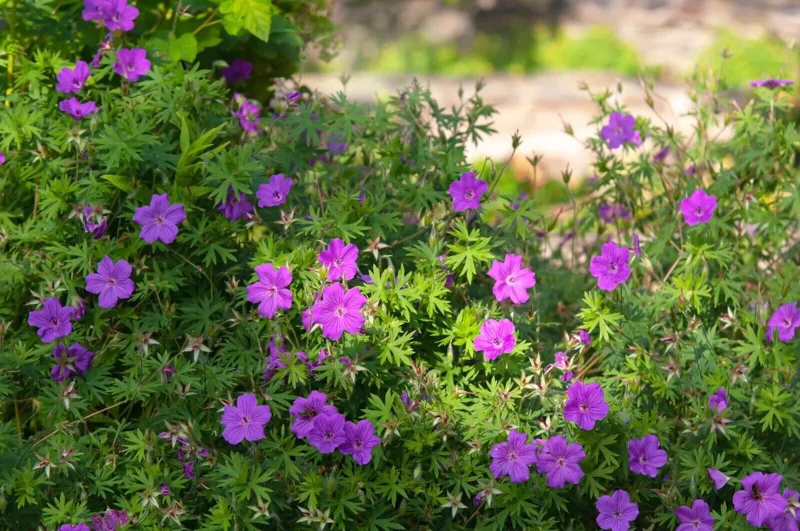
3 Cranesbill Wild Geranium Organic Maculatums Bare Roots | Wildflower for Outdoor Garden
Sold 114 products
Original price was: $21.99.$6.99Current price is: $6.99.
Sold 114 products
Original price was: $28.99.$17.99Current price is: $17.99.
Sold 109 products
Original price was: $63.99.$28.99Current price is: $28.99.RELATED posts
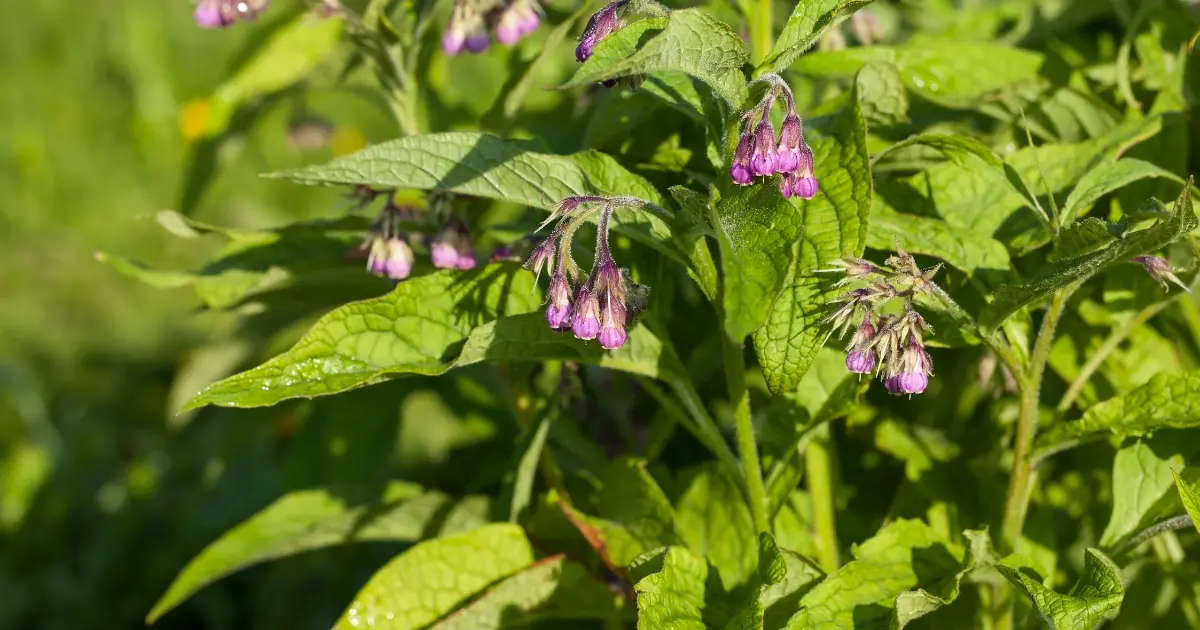
How to Identify Bocking 14 Comfrey: 5 Simple Visual Signs
If you’re growing comfrey for mulch, compost, or animal feed, knowing exactly which variety you [...]
Mar
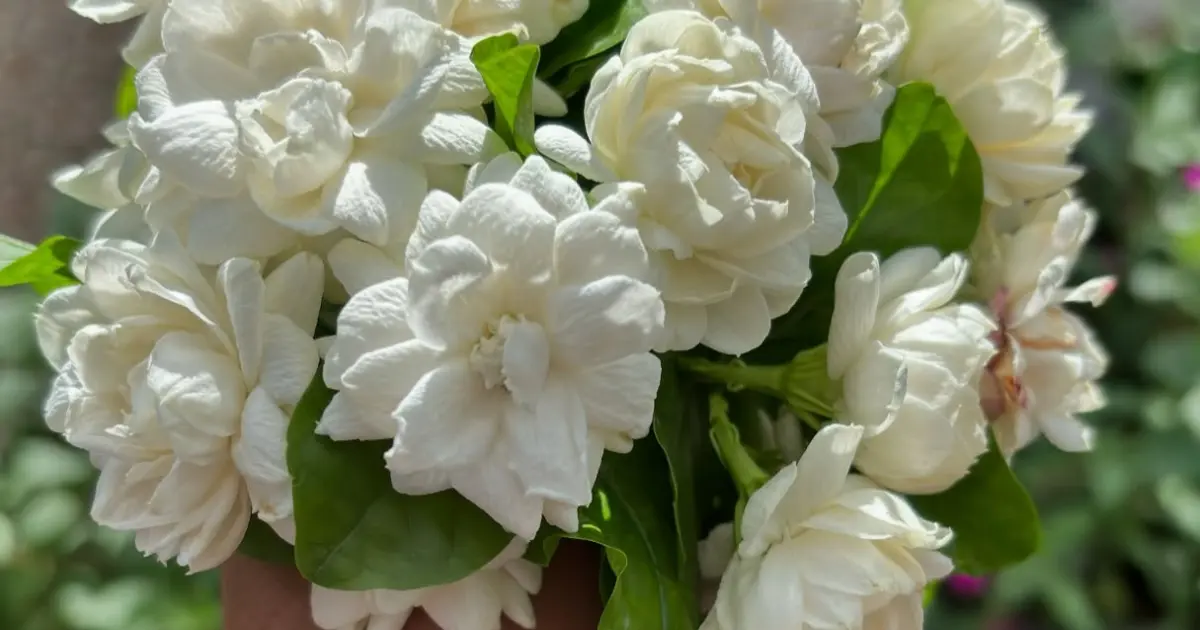
Grand Duke of Tuscany Jasmine: The Ultimate Guide to Growing a Fragrant Masterpiece
Have you ever caught a scent in the air so rich, creamy, and honey-sweet that [...]
Mar
How to Grow Wild Huckleberries: A Guide to “Purple Gold”
Have you ever spent a summer afternoon hiking through the Pacific Northwest or the Rocky [...]
Mar
5 Best Shade-Loving Perennials for a Lush, Vibrant Garden
The world of gardening often shines a spotlight on sun-drenched blossoms, but there is a [...]
Mar

7 Common Curry Leaf Plant Problems: Easy Fixes for a Thriving Plant
Is your curry leaf plant looking a bit sad lately? Maybe you woke up to [...]
Mar
Best Time to Plant Bougainvillea: Timing for Vibrant Blooms
If you’re looking for a hardy tropical vine that delivers a riot of neon color, [...]
Feb
How to Propagate Purple Passion Plants (Gynura aurantiaca)
Have you ever been mesmerized by the neon-purple glow and fuzzy, velvet-like leaves of a [...]
Feb
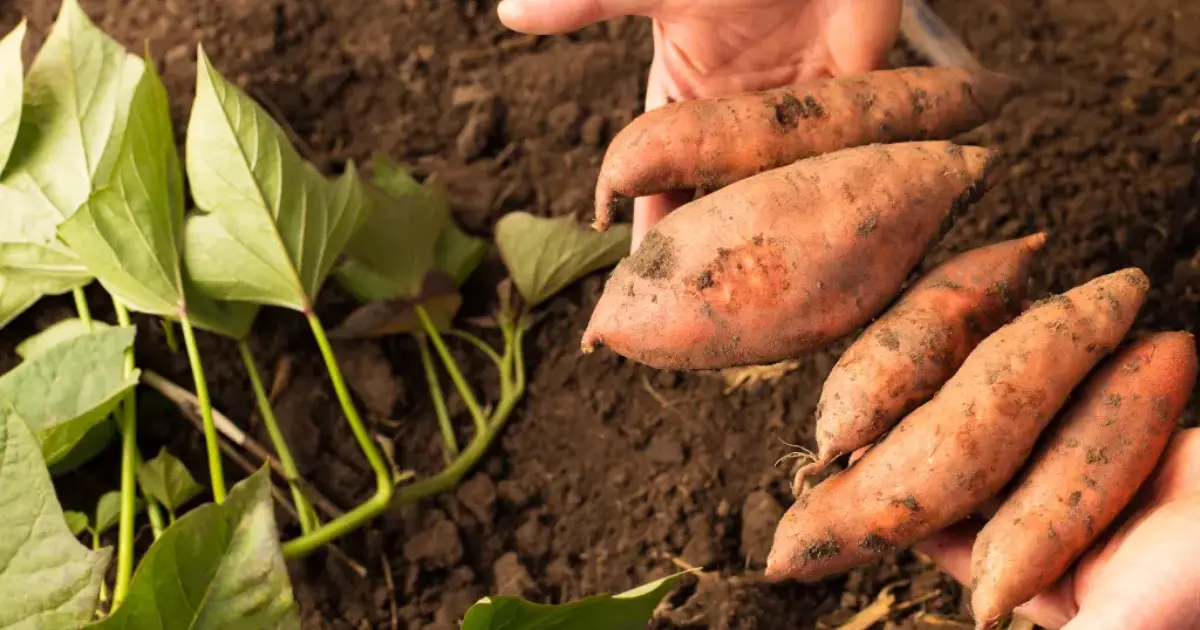
How to Grow Beauregard Sweet Potatoes: From Slips to a Bountiful Harvest
Are you ready to add a classic, heavy-hitting favorite to your vegetable patch? If you’ve [...]
Feb



Reviews
There are no reviews yet.