
Deep Red Lantana Live Plant 6-9 Inch Tall – Perennial Flowers for Outdoor
Original price was: $56.99.$31.99Current price is: $31.99.
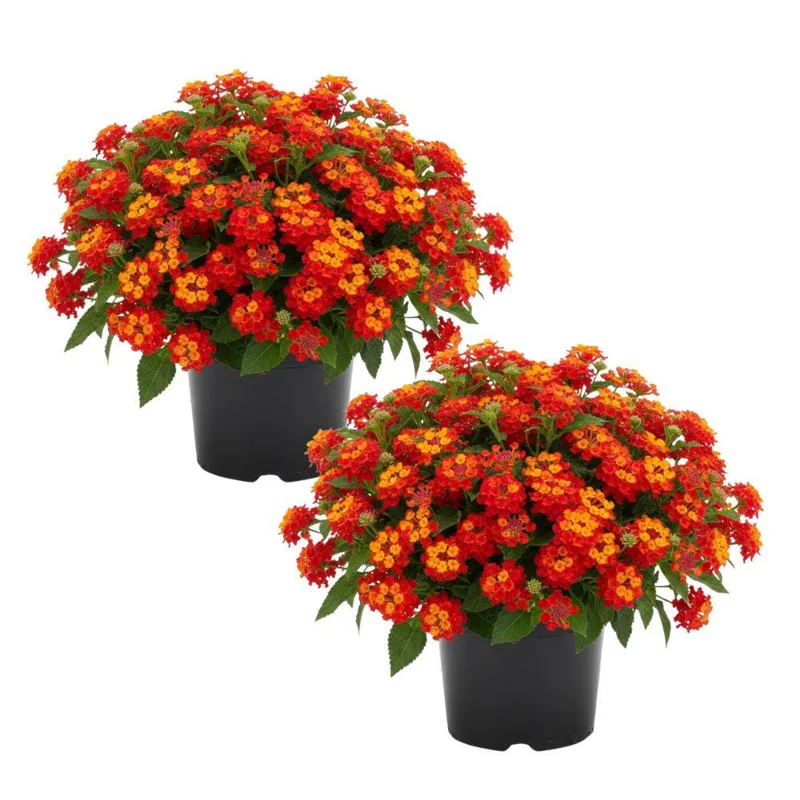
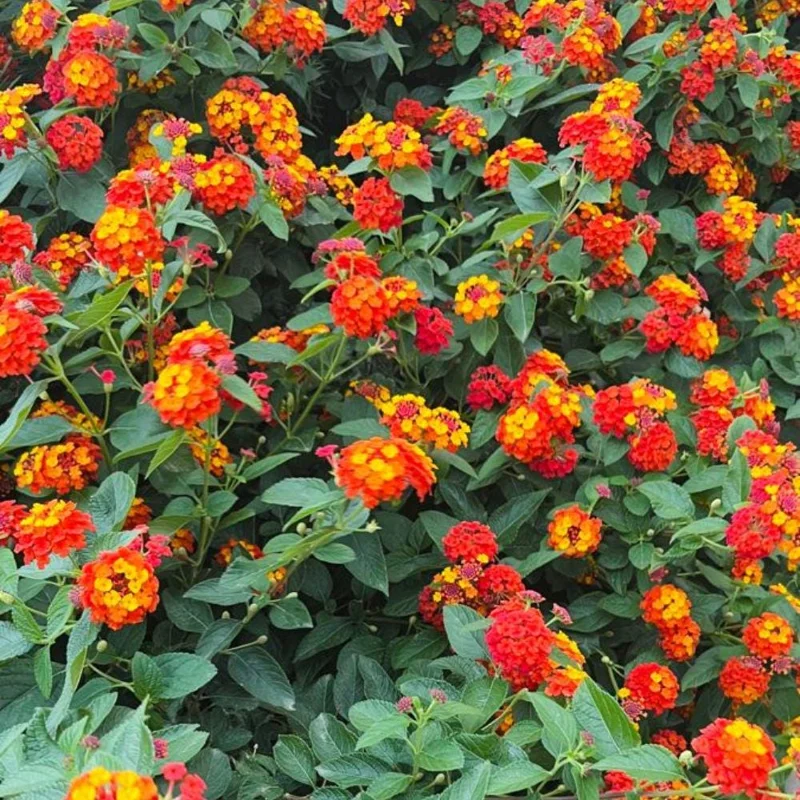
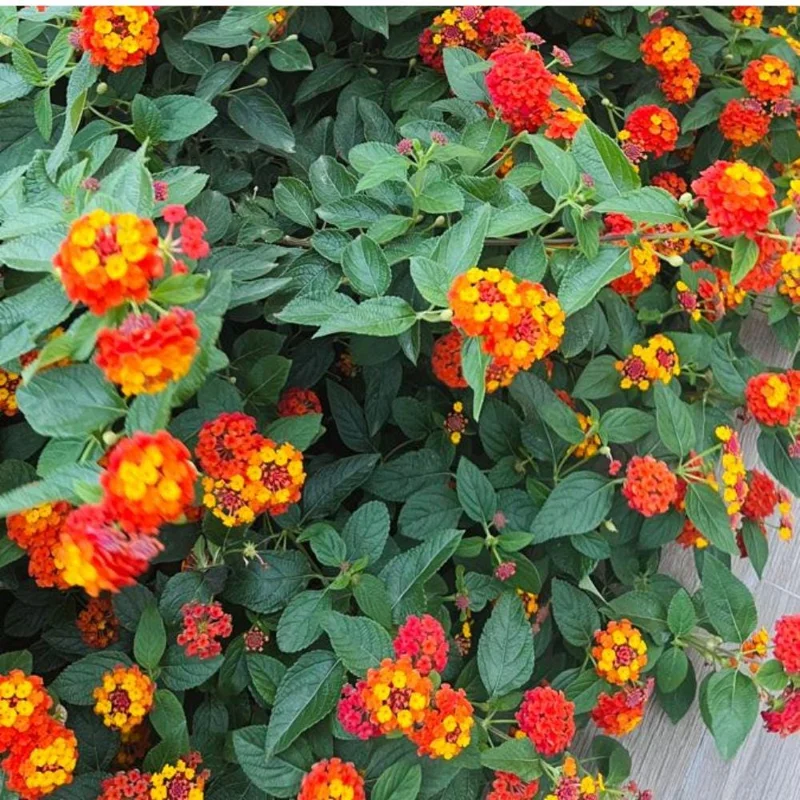
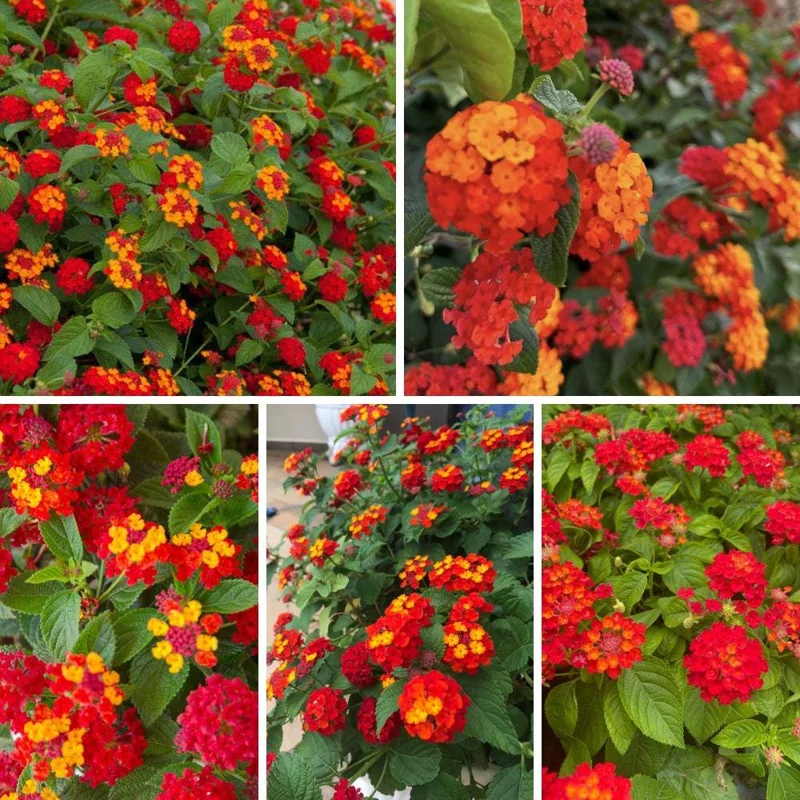
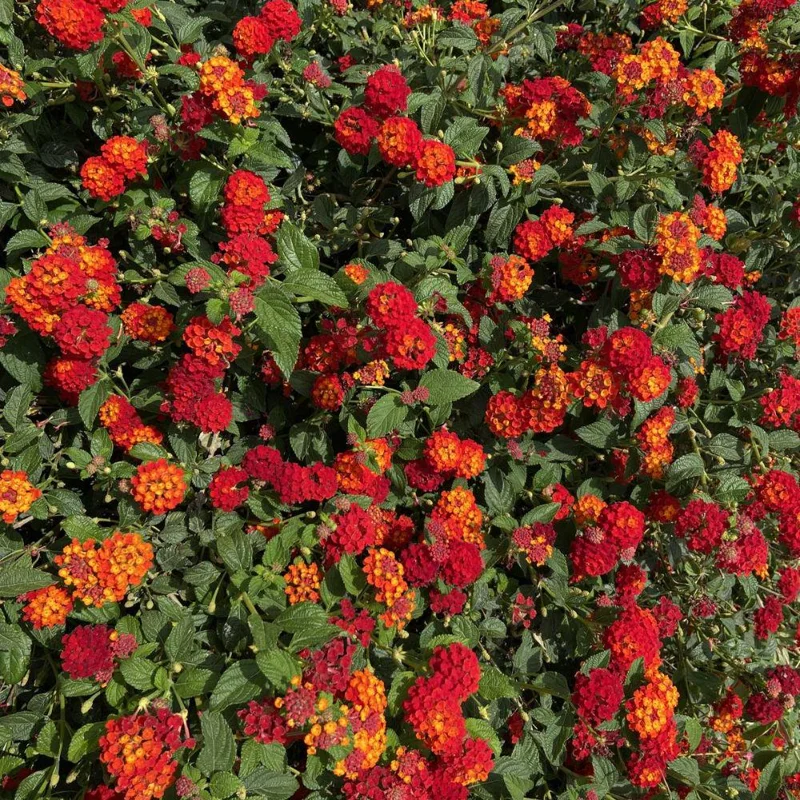
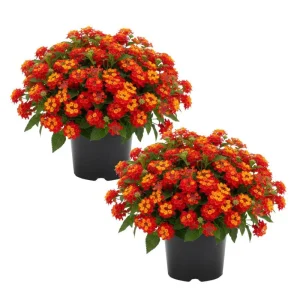
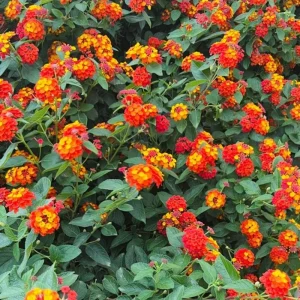
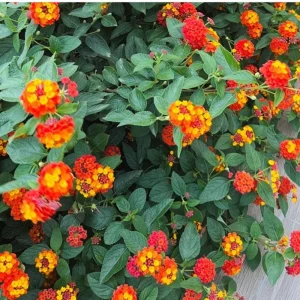
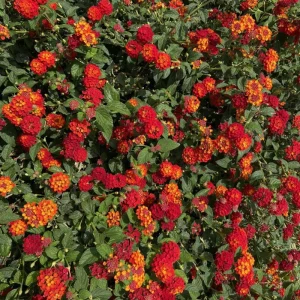
Bring brilliant color to your garden with this deep red Lantana live plant. Perfect for garden beds, containers, and attracting pollinators. Enjoy continuous blooms in sunny locations.
- Vibrant red Lantana plant blooms
- Ideal for outdoor landscapes
- Attracts butterflies and pollinators
Estimated arrival
Apr 13
Apr 18 - Apr 20
Apr 23 - Apr 27

Reasonable Price
We offer reasonable price

Support 24/7
Contact us 24 hrs a day

100% Money Back
You've 30 days to Return

Payment Secure
100% secure payment
Overview
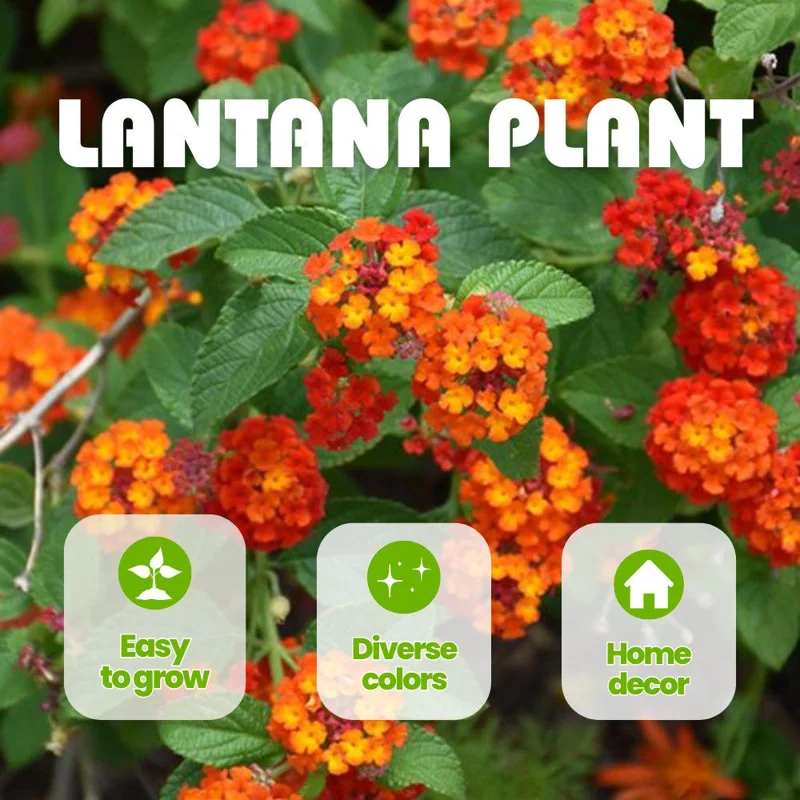
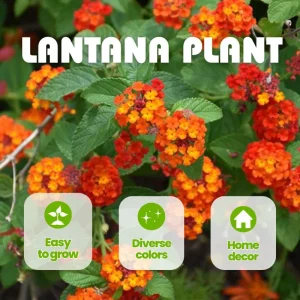
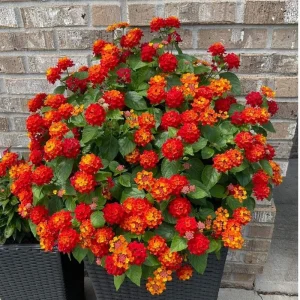
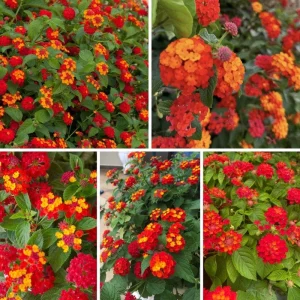
Introduce a burst of vibrant color to your outdoor spaces with the stunning deep red Lantana live plant. This captivating perennial is celebrated for its dense clusters of rich red flowers that bloom profusely throughout warm seasons, creating a spectacular display. Known botanically as Lantana camara, this variety features textured green foliage that beautifully contrasts with its brilliant blooms. Whether you’re looking to fill garden beds, adorn patio containers, or create eye-catching landscape plantings, the red Lantana plant is an excellent choice. Its vigorous growth and continuous flowering habit make it a favorite for gardeners seeking long-lasting beauty and easy care. This robust plant thrives in sunny conditions, making it a perfect addition to brighten up any sun-drenched area of your yard.
The deep red Lantana live plant is not just a visual delight; it also serves as a magnet for local wildlife. Its nectar-rich flowers are irresistible to butterflies, hummingbirds, and other beneficial pollinators, transforming your garden into a lively sanctuary. This particular variety, often referred to as a trailing Lantana plant due to its spreading growth habit, is highly adaptable and resilient, making it suitable for a wide range of climates and gardening styles. If you’re searching for perennial flowers for garden that offer both beauty and ecological benefits, this Lantana is an unparalleled option. It’s an easy-to-grow, low-maintenance plant that delivers high impact with minimal effort, ensuring your garden remains a vibrant spectacle from spring through fall.
Key Benefits
The deep red Lantana live plant offers numerous advantages, making it a popular choice for both novice and experienced gardeners. Its captivating beauty and ease of care contribute to a thriving and aesthetically pleasing outdoor environment.
- Spectacular, Long-Lasting Blooms: This deep red Lantana live plant produces abundant clusters of vivid red flowers that bloom continuously from late spring until the first frost, ensuring your garden remains colorful for an extended period.
- Attracts Pollinators: The nectar-rich flowers are a favorite among butterflies, bees, and hummingbirds, making it an excellent choice for creating a pollinator-friendly garden. This helps support local ecosystems and enhances garden biodiversity.
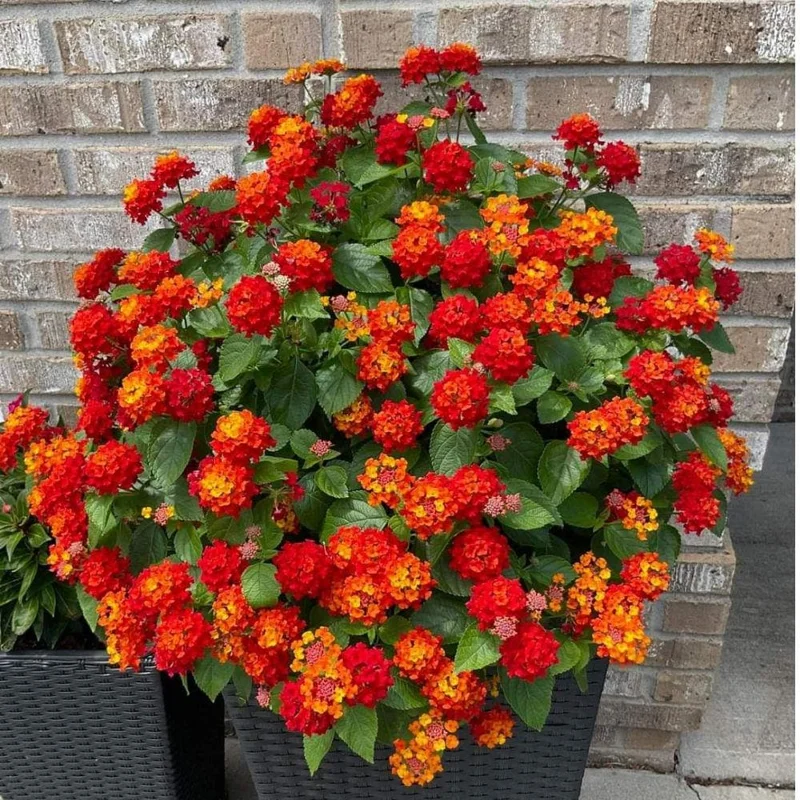
- Versatile Garden Use: Ideal for a variety of applications, this red Lantana plant can be planted in garden beds, borders, rock gardens, hanging baskets, and patio containers. Its adaptable nature allows it to fit seamlessly into diverse landscape designs.
- Drought-Tolerant and Low Maintenance: Once established, Lantana is highly drought-tolerant, requiring minimal watering. It is also relatively pest and disease resistant, making it an easy-care option for busy gardeners.
- Thrives in Full Sun: This plant flourishes in sunny locations, making it perfect for areas of your garden that receive abundant sunlight where other plants might struggle. It loves the heat and performs best in warm climates.
- Enhances Curb Appeal: The striking red blooms and lush green foliage create a strong visual impact, significantly boosting the aesthetic appeal and vibrance of your home’s exterior and garden spaces.
- Deer Resistant: Lantana is generally considered deer resistant, providing peace of mind that your beautiful blooms are less likely to be grazed upon by local wildlife.
Plant Care & Growing Tips
Caring for your deep red Lantana live plant is straightforward, ensuring a season full of vibrant blooms with minimal effort. This resilient plant thrives in conditions that might challenge other species, making it a rewarding addition to almost any garden. For optimal growth, plant your Lantana in a location that receives full sun, meaning at least 6-8 hours of direct sunlight per day. While it can tolerate partial shade, flowering will be more prolific and vibrant in full sun. Ensure the soil is well-draining; Lantana dislikes soggy feet. A sandy or loamy soil mix is ideal, and amending heavy clay soils with organic matter can improve drainage significantly. It’s crucial to avoid overwatering, especially after the plant has established itself. Water thoroughly when the top inch or two of soil feels dry to the touch, then allow it to dry out before the next watering.
The red Lantana plant is quite tolerant of heat and humidity, making it an excellent choice for warm climates. It is typically hardy in USDA Zones 9-11 as a perennial, meaning it will return year after year in these regions. In cooler zones, it can be grown as an annual or brought indoors during winter. Fertilize sparingly; a balanced, slow-release fertilizer in early spring is usually sufficient to support its vigorous blooming. Over-fertilization can promote foliage growth at the expense of flowers. Pruning is beneficial for maintaining a bushy shape and encouraging more blooms. Lightly trim back spent flowers (deadheading) to encourage continuous flowering. A more significant prune can be done in early spring to shape the plant and remove any winter damage. Watch out for common pests like whiteflies or spider mites, though Lantana is generally quite resistant. Ensuring good air circulation and proper watering practices can help prevent most issues, helping your perennial flowers for garden thrive.
Size & Details
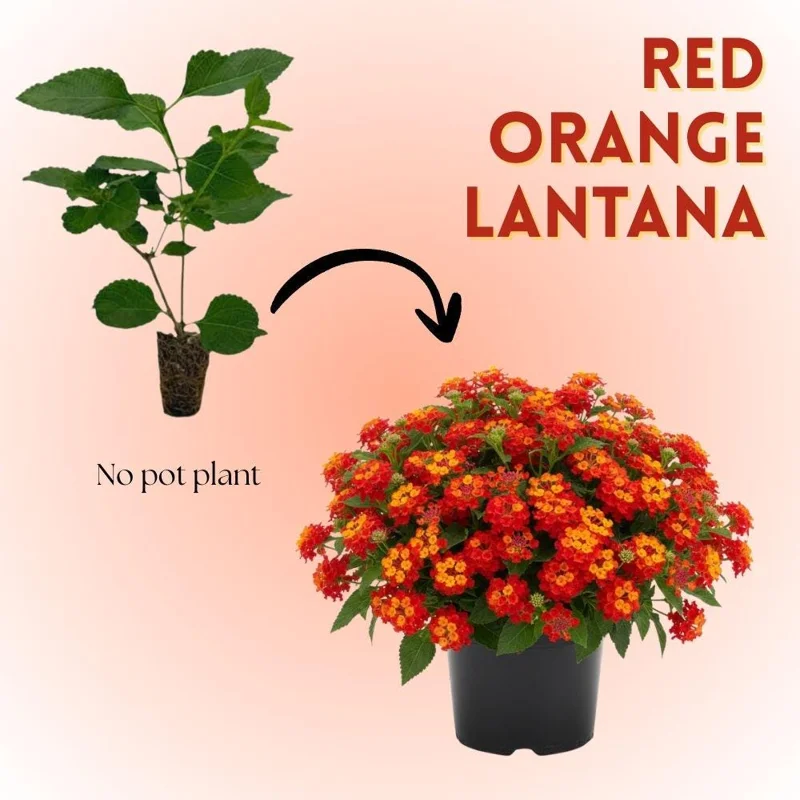
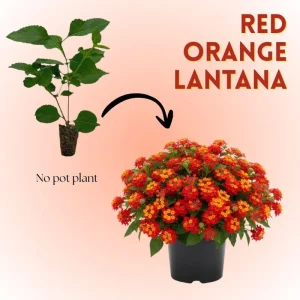
This offering includes two deep red Lantana live plant specimens, each standing approximately 6-9 inches tall at the time of shipment. These plants are well-rooted and ready for immediate planting in your garden or preferred containers. With a moderate to fast growth rate, these outdoor flowering plant will quickly establish themselves and begin to produce their characteristic vibrant red flower clusters. Each plant is typically grown in a nursery pot, ensuring a healthy root system for successful transplanting. When mature, a trailing Lantana plant can spread up to 3-6 feet wide and reach a height of 2-4 feet, depending on the variety and growing conditions, creating a dense, colorful display. The branching growth habit makes it excellent for cascading over the edges of containers or as a groundcover.
The plants are shipped with care to minimize stress during transit, arriving in a condition ready to flourish in their new environment. Expect the first flush of blooms to appear shortly after planting, with continuous flowering throughout the warm season. These perennial flowers for garden are perfect for adding immediate impact and long-term beauty. For best results, allow ample space for their spread and consider their mature size when planning your garden layout. The robust nature of these plants means they will provide years of enjoyment with proper care and placement.
Frequently Asked Questions
- Q: How big will the deep red Lantana live plant get? A: This plant typically grows to a height of 2-4 feet and can spread 3-6 feet wide, creating a dense and colorful display. Its mature size can vary slightly based on growing conditions and pruning.
- Q: Is this an indoor or outdoor plant? A: This is primarily an outdoor flowering plant. While it can be overwintered indoors in cooler climates, it thrives and blooms best when grown outdoors in full sunlight.
- Q: How much sunlight does the red Lantana plant need? A: Lantana requires at least 6-8 hours of direct sunlight per day to produce the most abundant and vibrant blooms. Full sun exposure is crucial for its overall health and flowering performance.
- Q: Is this plant easy to care for? Is it good for beginners? A: Yes, Lantana is considered a very easy-care plant, making it an excellent choice for beginners. It is drought-tolerant once established and generally resistant to pests and diseases.
- Q: What condition will the plants arrive in? A: The plants will arrive as deep red Lantana live plant specimens, typically 6-9 inches tall, well-rooted in nursery pots and carefully packaged to ensure their health during transit.
- Q: How long until this perennial flowers for garden blooms? A: These plants are often already blooming or will begin to bloom shortly after planting, continuing to produce flowers throughout the warm growing season.
- Q: What is the best time to plant a trailing Lantana plant? A: The best time to plant Lantana is in spring after the last danger of frost has passed, once soil temperatures have warmed up. This allows the plant ample time to establish before summer.
- Q: Will it survive winter in my zone? A: This Lantana is perennial in USDA Zones 9-11. In cooler zones, it is typically grown as an annual or can be brought indoors to overwinter in a bright, cool location.
- Q: Does this plant attract butterflies? A: Yes, the vibrant flowers of the deep red Lantana live plant are highly attractive to butterflies, hummingbirds, and other pollinators, making it an excellent choice for a pollinator garden.
- Q: What type of soil does Lantana prefer? A: Lantana thrives in well-draining soil. It tolerates a variety of soil types, including sandy or loamy soils, but good drainage is essential to prevent root rot.
Be the first to review “Deep Red Lantana Live Plant 6-9 Inch Tall – Perennial Flowers for Outdoor”
-
USDA Hardiness Zone
USDA zones 9–11 -
Soil Type
Well-draining soil -
Sunlight Exposure
Full sun -
Expected Planting Period
Spring to early summer
People Also Viewd
Sold 128 products
Original price was: $89.99.$64.99Current price is: $64.99.
Sold 128 products
Original price was: $159.99.$139.99Current price is: $139.99.
Sold 128 products
Original price was: $27.00.$24.00Current price is: $24.00.
Sold 126 products
Original price was: $3,536.00.$23.99Current price is: $23.99.

Sold 125 products
Original price was: $86.99.$66.99Current price is: $66.99.
Sold 116 products
Original price was: $27.99.$16.99Current price is: $16.99.
Sold 114 products
Original price was: $28.99.$17.99Current price is: $17.99.
Flower Bulbs
3 Cranesbill Wild Geranium Organic Maculatums Bare Roots | Wildflower for Outdoor Garden
Sold 114 products
Original price was: $21.99.$6.99Current price is: $6.99.RELATED posts
5 Tips for Growing Sweet Potatoes to Get the Biggest Sweet Potato Harvest Ever
If you are a fan of sweet potatoes, then these tips for growing sweet potatoes [...]
Apr
Tamarillo Tree Guide: Flavor, Texture & How to Eat Tree Tomatoes
The humble tomato is a kitchen staple we all know and love, but it rarely [...]
Apr
5 Pro Tips to Grow Esperanza ‘Gold Star’ Indoors: A Golden Glow for Your Home
While most gardeners know this Texas Superstar – Esperanza ‘Gold Star’ as a rugged outdoor [...]
Apr
Mastering Esperanza Goldstar: Grow the Ultimate Yellow Bloom
Esperanza Goldstar is more than just a heat-tolerant shrub; for the American gardener battling the [...]
Apr
Yellow Dragon Fruit Plant Care: The Ultimate Guide for Healthy Growth
The yellow dragon fruit plant is a unique and rewarding addition to any home garden, [...]
Apr
How to Identify Bocking 14 Comfrey: 5 Simple Visual Signs
If you’re growing comfrey for mulch, compost, or animal feed, knowing exactly which variety you [...]
Mar
Grand Duke of Tuscany Jasmine: The Ultimate Guide to Growing a Fragrant Masterpiece
Have you ever caught a scent in the air so rich, creamy, and honey-sweet that [...]
Mar
How to Grow Wild Huckleberries: A Guide to “Purple Gold”
Have you ever spent a summer afternoon hiking through the Pacific Northwest or the Rocky [...]
Mar
Reviews
There are no reviews yet.