
Dutchman’s Pipe Vine Live Plant – 4-6 Inch Tall Starter – Outdoor Vine
Original price was: $31.59.$21.59Current price is: $21.59.
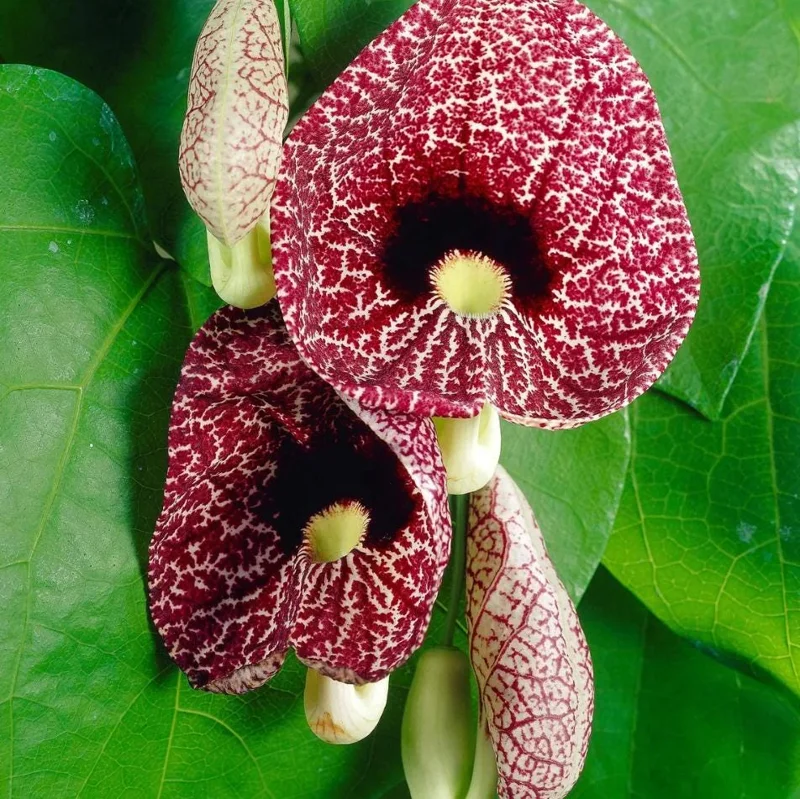
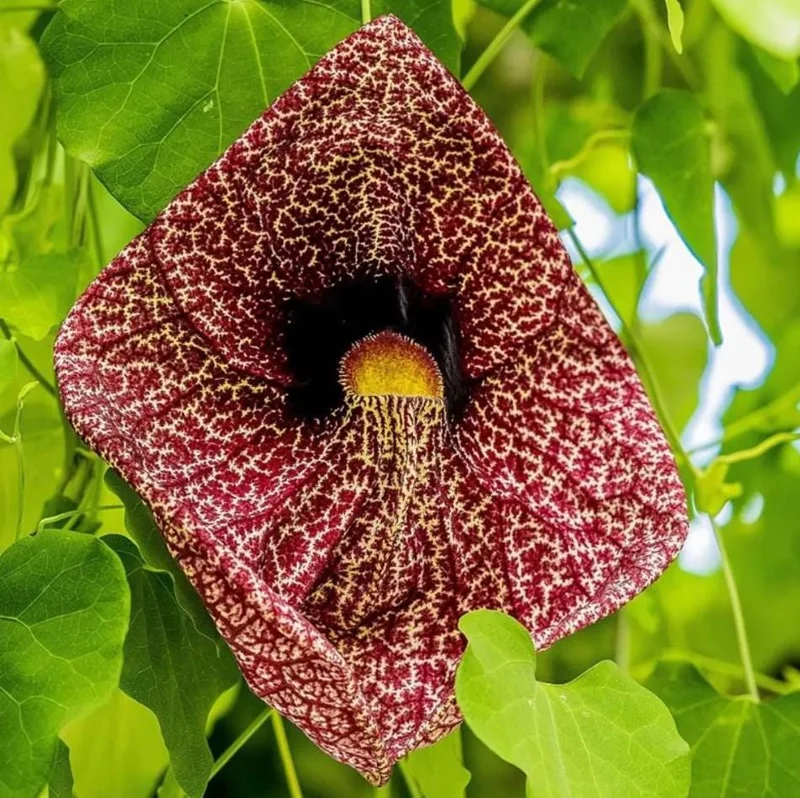
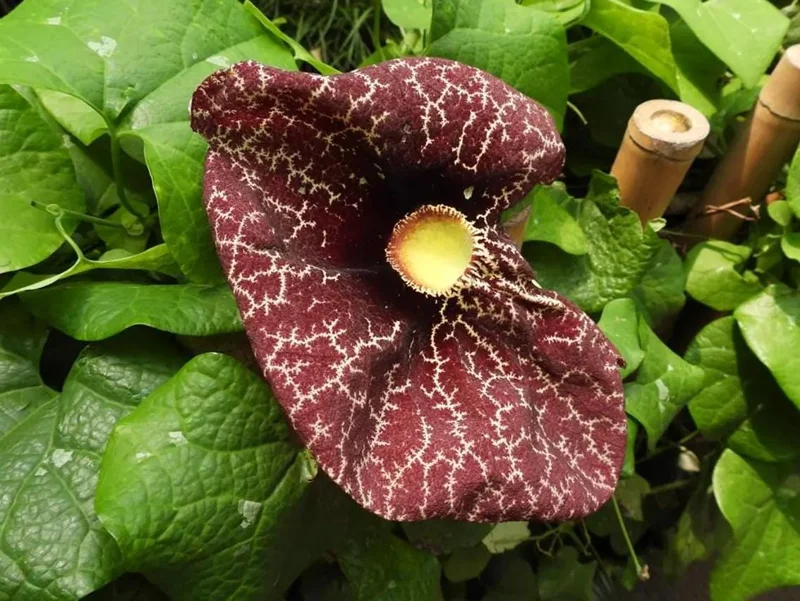
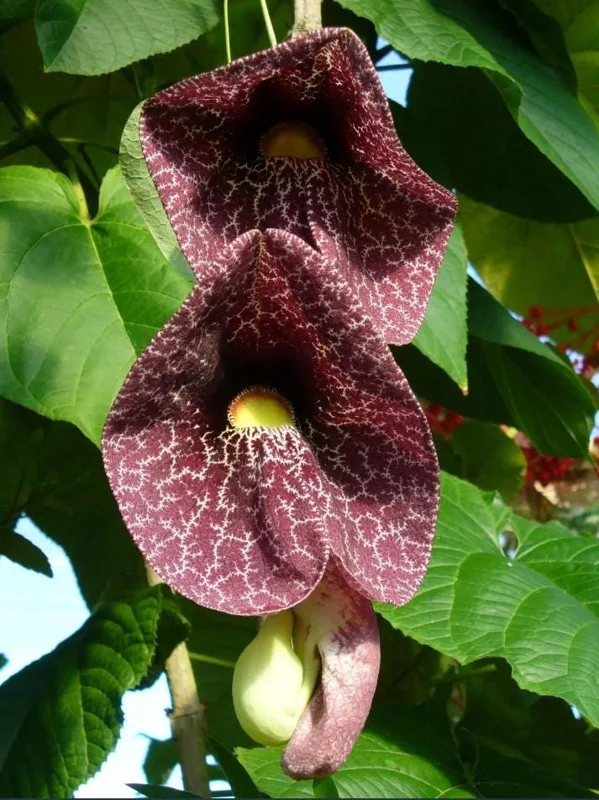
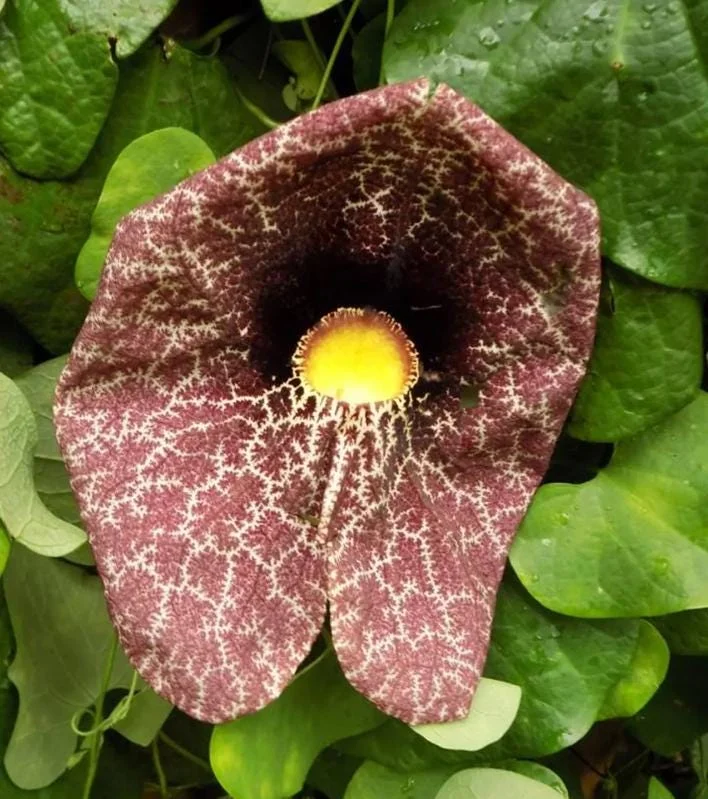
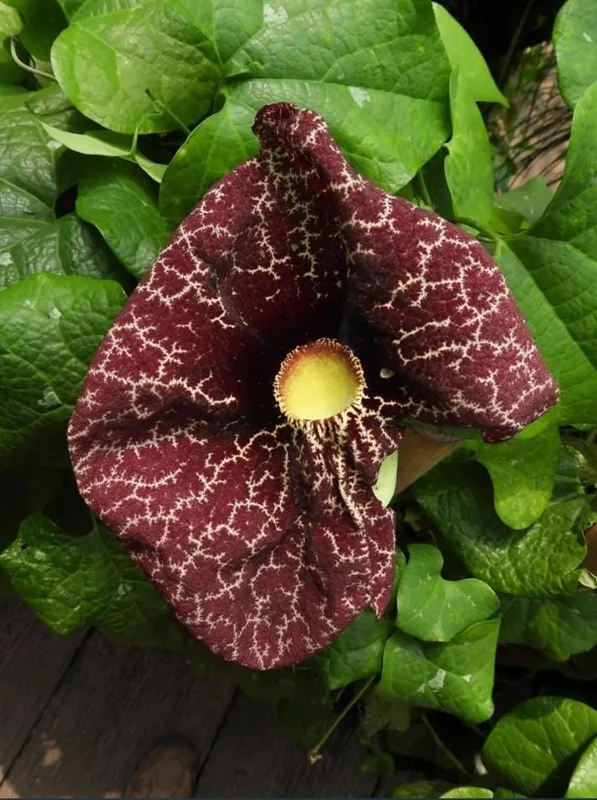
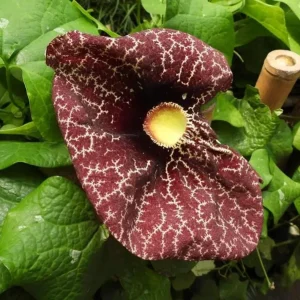
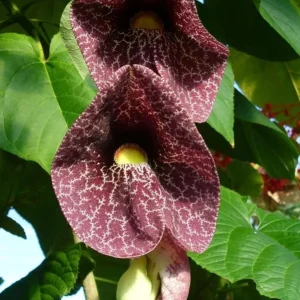
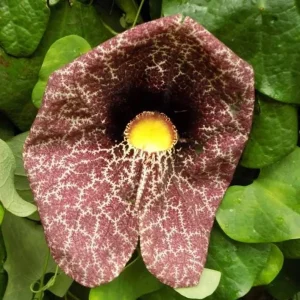
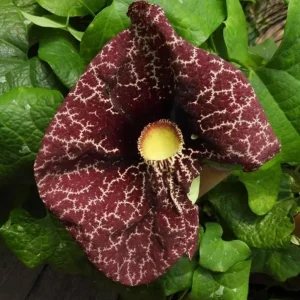
Cultivate a stunning Dutchman’s Pipe Vine live plant, known for its distinctive large purple-brown speckled blooms. This 4 to 6 inch tall starter vine is perfect for adding unique architectural interest to your outdoor garden or trellis. Easy to grow and a fascinating conversation starter.
Estimated arrival
Mar 30
Apr 04 - Apr 06
Apr 09 - Apr 13

Reasonable Price
We offer reasonable price

Support 24/7
Contact us 24 hrs a day

100% Money Back
You've 30 days to Return

Payment Secure
100% secure payment
Overview
Introduce an extraordinary botanical specimen to your garden with the Dutchman’s Pipe Vine live plant. This captivating climber, scientifically known as Aristolochia macrophylla, is renowned for its strikingly unusual, pipe-shaped flowers that resemble an old-fashioned smoking pipe. These large, purple-brown speckled blooms are a true marvel, often reaching impressive sizes and creating a dramatic visual impact. Our offering is a healthy 4 to 6 inch tall starter plant, ready to establish itself and begin its journey towards becoming a magnificent, mature vine. Ideal for covering arbors, pergolas, or fences, the Dutchman’s Pipe Vine live plant provides lush foliage and an intriguing floral display that will undoubtedly become a focal point in any outdoor landscape.
The unique appearance of the Calico Flower, another common name for this plant, makes it a must-have for gardeners seeking something truly distinctive. While the starter plant will arrive as a young specimen without flowers, it possesses a strong root system, ensuring a robust start in your garden. With proper care, this vigorous vine will quickly grow, developing its characteristic heart-shaped leaves and eventually producing the spectacular blooms that give it its name. The large pipevine plant is not just a visual delight; it also serves as a host plant for certain butterfly species, adding ecological value to your outdoor space.
Key Benefits
The Dutchman’s Pipe Vine live plant offers a multitude of benefits, making it an excellent choice for a wide range of garden designs and preferences. Its unique characteristics contribute both aesthetic appeal and ecological value to your outdoor environment.
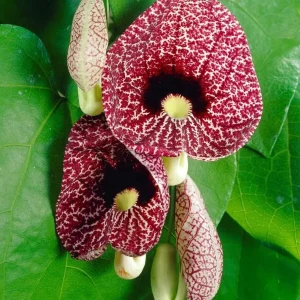
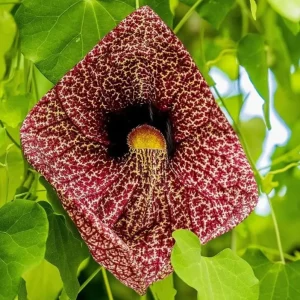
- Unique Ornamental Value: The primary draw of the Dutchman’s Pipe Vine live plant is its incredibly distinctive, large, pipe-shaped flowers. These purple-brown speckled blooms are unlike most other garden flowers, providing an exotic and captivating focal point.
- Rapid Growth and Coverage: As a vigorous climbing vine, this plant quickly covers trellises, arbors, and fences, offering excellent privacy and shade. Its dense, heart-shaped foliage provides a lush green backdrop throughout the growing season.
- Low Maintenance: Once established, the Dutchman’s Pipe Vine is relatively low-maintenance, requiring consistent moisture but otherwise thriving with minimal intervention. It’s a great choice for gardeners looking for high impact with less fuss.
- Ecological Support: The large pipevine plant serves as a vital host plant for the Pipevine Swallowtail butterfly, contributing to local biodiversity. Planting this vine helps support butterfly populations and adds dynamic wildlife interest to your garden.
- Adaptable to Various Light Conditions: While it prefers full sun to partial shade, it can adapt to different light exposures, especially in warmer climates where some afternoon shade can prevent leaf scorch, making it versatile for various garden spots.
- Hardy and Resilient: The most common species, Aristolochia macrophylla, is hardy in USDA zones 4–8, making it suitable for a broad range of climates. It can withstand cooler temperatures, returning year after year.
Plant Care & Growing Tips
Ensuring the success of your Dutchman’s Pipe Vine live plant involves understanding its specific care requirements, particularly regarding light, soil, and watering. This robust vine, also known as Aristolochia macrophylla, thrives when provided with the right conditions, allowing it to produce its impressive foliage and unique blooms.
For optimal growth, the Dutchman’s Pipe Vine live plant prefers a location that receives full sun to partial shade. In regions with intense summer heat, providing some afternoon shade is beneficial as it helps prevent the leaves from wilting and stress. Aim for at least 4-6 hours of direct sunlight, with filtered light during the hottest parts of the day. The plant requires consistently moist, rich, fertile, and well-drained soil. It is intolerant of dry soils, so regular watering is crucial, especially during dry spells and in its establishment phase. Incorporating organic matter into the planting site will significantly improve soil fertility and moisture retention, creating an ideal environment for your large pipevine plant. When it comes to hardiness, the most commonly cultivated species, Aristolochia macrophylla, is reliably hardy in USDA zones 4 through 8, making it a versatile choice for many temperate climates. Protect young plants from severe frost in their first winter.
Fertilization can be done annually in spring with a balanced slow-release granular fertilizer or a liquid feed every few weeks during the active growing season. Pruning is best done in late winter or early spring to remove any dead or damaged wood and to maintain the desired shape and size of the vine. This also encourages bushier growth and more prolific flowering. While generally robust, keep an eye out for common garden pests like aphids, which can be managed with organic insecticidal soap. Proper air circulation and avoiding overhead watering can help prevent fungal issues. Following these guidelines will help your Aristolochia macrophylla care regimen ensure a healthy and thriving vine.
Size & Details
You will receive one healthy Dutchman’s Pipe Vine live plant, which is a young starter plant measuring approximately 4 to 6 inches in height. This vine is shipped without a pot, with its roots carefully wrapped to ensure moisture retention during transit, ready for immediate planting upon arrival. The plant is well-rooted in soil, indicating a strong foundation for future growth. Please note that photos depicting mature plants with flowers are for reference only; your starter plant will be young and will not have flowers or fruit upon arrival. Its growth rate is considered vigorous, and with proper support, this outdoor climbing vine can quickly cover substantial areas.
Mature Dutchman’s Pipe Vines can reach impressive heights, often climbing 20 to 30 feet, making them excellent choices for large trellises, pergolas, or fences. The distinctive large purple-brown speckled blooms typically appear in late spring to early summer once the plant has matured, usually within a year or two of planting. The leaves are heart-shaped and can grow quite large, providing dense, attractive foliage. The plant’s hardiness in USDA zones 4–8 ensures its resilience in a wide range of climates. This starter plant offers an economical and rewarding way to introduce this unique and beautiful vine into your garden landscape.
Frequently Asked Questions
- Q: How big does this plant get? A: The Dutchman’s Pipe Vine live plant is a vigorous climber that can reach impressive heights of 20 to 30 feet when mature. It requires a sturdy support structure to achieve its full potential.
- Q: What size pot does it come in? A: This offering is for a live starter plant that ships without a pot. The roots are carefully prepared and wrapped to ensure the plant arrives healthy and ready for planting in your garden or a larger container.
- Q: Is this an indoor or outdoor plant? A: The Dutchman’s Pipe Vine live plant is primarily an outdoor climbing vine. It thrives in garden settings where it can climb and spread, suitable for USDA zones 4-8.
- Q: How much sunlight does it need? A: This plant performs best in full sun to partial shade. In warmer climates, some afternoon shade is recommended to protect the foliage from intense heat and prevent wilting.
- Q: Is this plant easy to care for? A: Once established, the Aristolochia macrophylla care requirements are relatively straightforward. It needs consistently moist, well-drained soil and a support structure for climbing, but is otherwise low-maintenance.
- Q: What condition will it arrive in? A: You will receive one healthy, well-rooted starter plant that is approximately 4 to 6 inches tall. It will be carefully packaged to ensure its well-being during shipment.
- Q: How long until it blooms? A: As a starter plant, it will take some time to mature. The distinctive large purple-brown speckled blooms typically appear within one to two years after planting, once the vine is well-established.
- Q: When is the best time to plant? A: The best time to plant your large pipevine plant is in spring or early summer, after the last frost. This allows the plant ample time to establish its root system before winter.
- Q: Will it survive winter in my zone? A: The most common species, Aristolochia macrophylla, is hardy in USDA zones 4–8, meaning it can tolerate winter conditions in these regions and will return year after year.
- Q: Is it good for attracting wildlife? A: Yes, the outdoor climbing vine is a significant host plant for the Pipevine Swallowtail butterfly, making it an excellent choice for attracting and supporting local wildlife in your garden.
Be the first to review “Dutchman’s Pipe Vine Live Plant – 4-6 Inch Tall Starter – Outdoor Vine”
-
USDA Hardiness Zone
USDA zones 4–8 -
Soil Type
Rich, fertile, moist, well-drained soil -
Sunlight Exposure
Full sun to partial shade -
Expected Planting Period
Spring to early summer
People Also Viewd
Sold 128 products
Original price was: $27.00.$24.00Current price is: $24.00.
Sold 127 products
Original price was: $89.99.$64.99Current price is: $64.99.
Sold 125 products
Original price was: $3,536.00.$23.99Current price is: $23.99.

Sold 125 products
Original price was: $86.99.$66.99Current price is: $66.99.
Sold 116 products
Original price was: $27.99.$16.99Current price is: $16.99.
Flower Bulbs
3 Cranesbill Wild Geranium Organic Maculatums Bare Roots | Wildflower for Outdoor Garden
Sold 114 products
Original price was: $21.99.$6.99Current price is: $6.99.
Sold 114 products
Original price was: $28.99.$17.99Current price is: $17.99.
Sold 109 products
Original price was: $63.99.$28.99Current price is: $28.99.RELATED posts
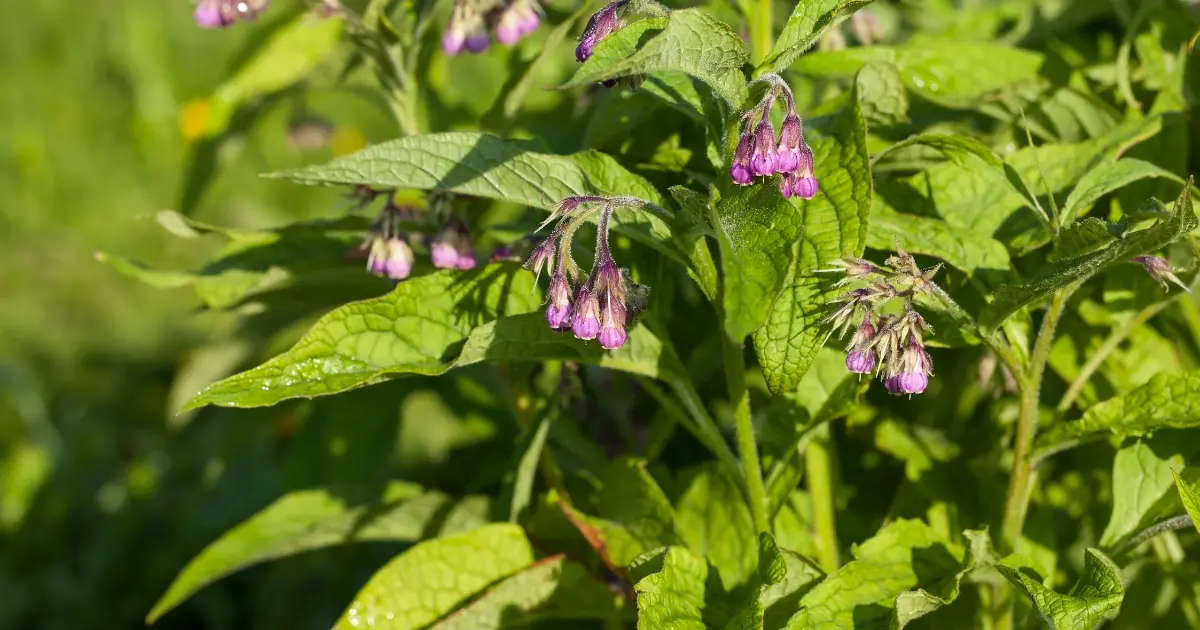
How to Identify Bocking 14 Comfrey: 5 Simple Visual Signs
If you’re growing comfrey for mulch, compost, or animal feed, knowing exactly which variety you [...]
Mar
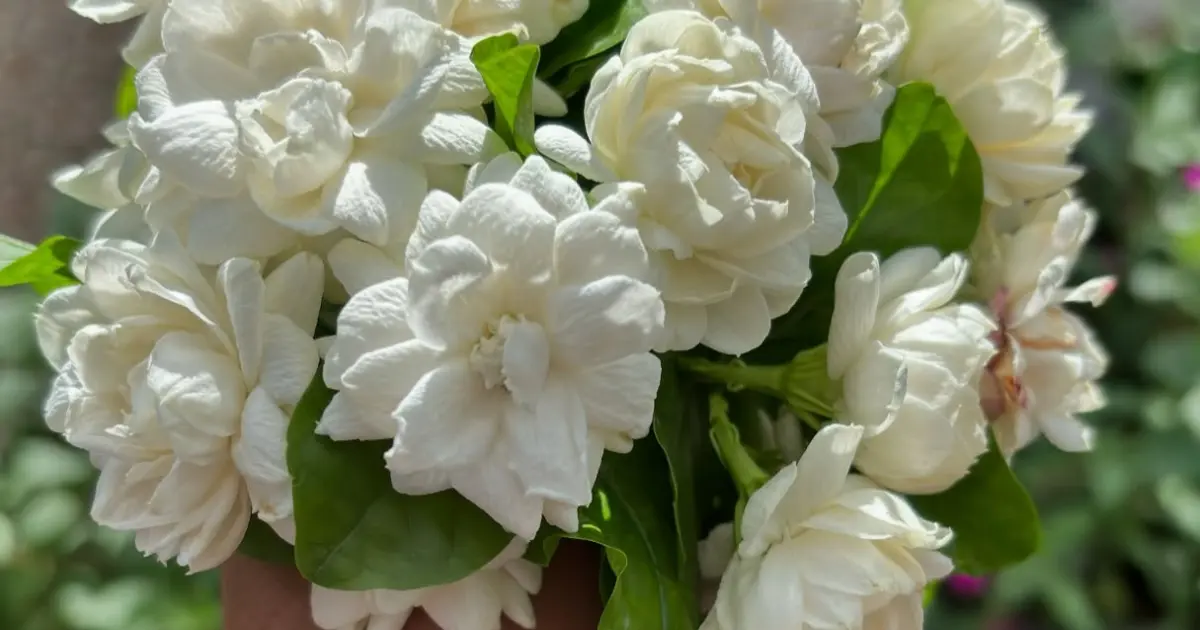
Grand Duke of Tuscany Jasmine: The Ultimate Guide to Growing a Fragrant Masterpiece
Have you ever caught a scent in the air so rich, creamy, and honey-sweet that [...]
Mar
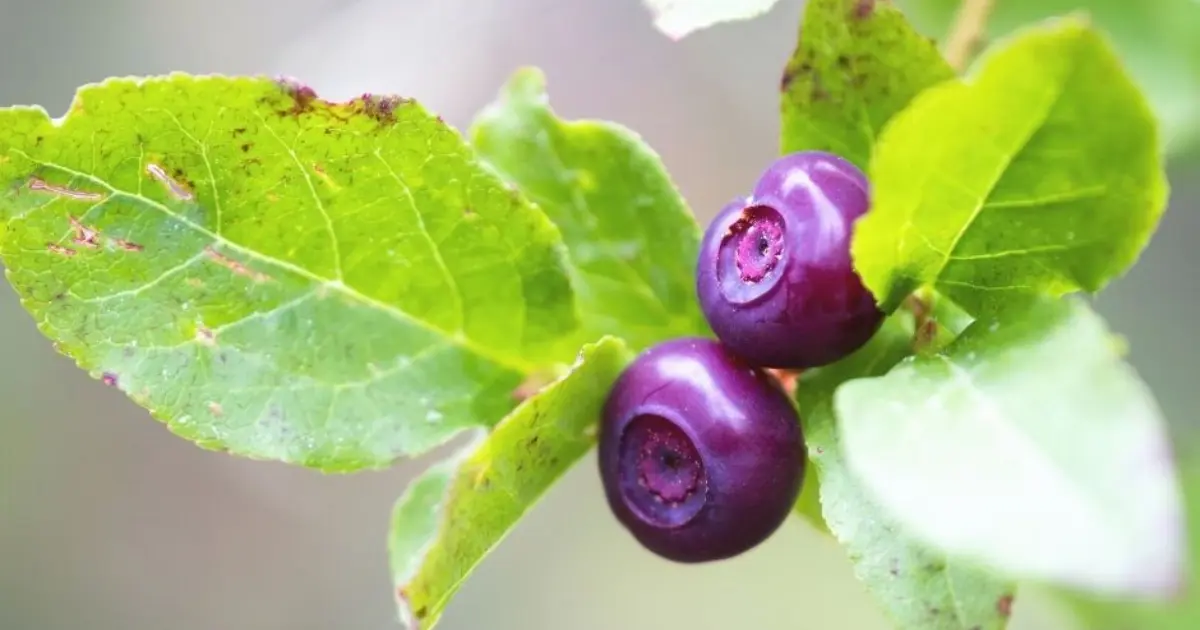
How to Grow Wild Huckleberries: A Guide to “Purple Gold”
Have you ever spent a summer afternoon hiking through the Pacific Northwest or the Rocky [...]
Mar
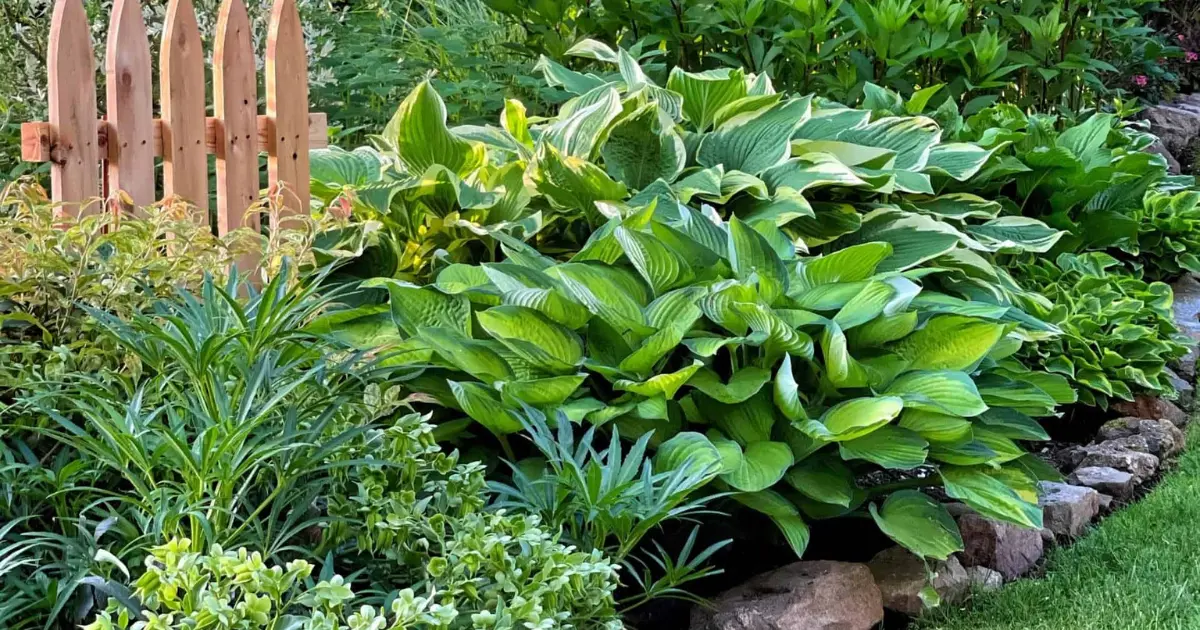
5 Best Shade-Loving Perennials for a Lush, Vibrant Garden
The world of gardening often shines a spotlight on sun-drenched blossoms, but there is a [...]
Mar

7 Common Curry Leaf Plant Problems: Easy Fixes for a Thriving Plant
Is your curry leaf plant looking a bit sad lately? Maybe you woke up to [...]
Mar
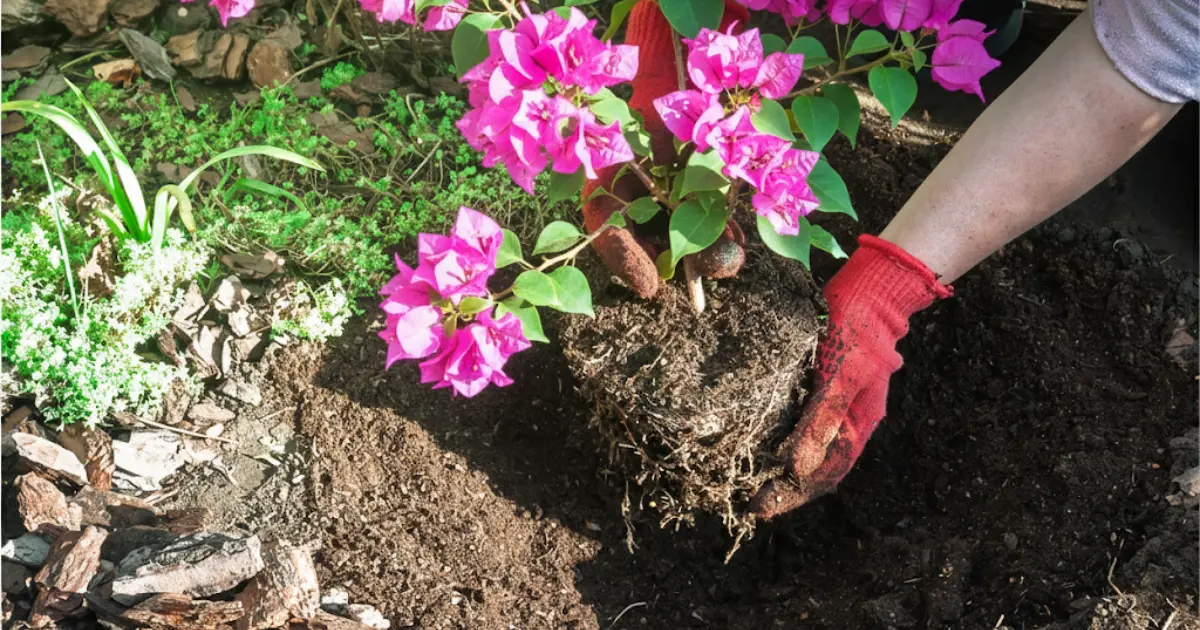
Best Time to Plant Bougainvillea: Timing for Vibrant Blooms
If you’re looking for a hardy tropical vine that delivers a riot of neon color, [...]
Feb
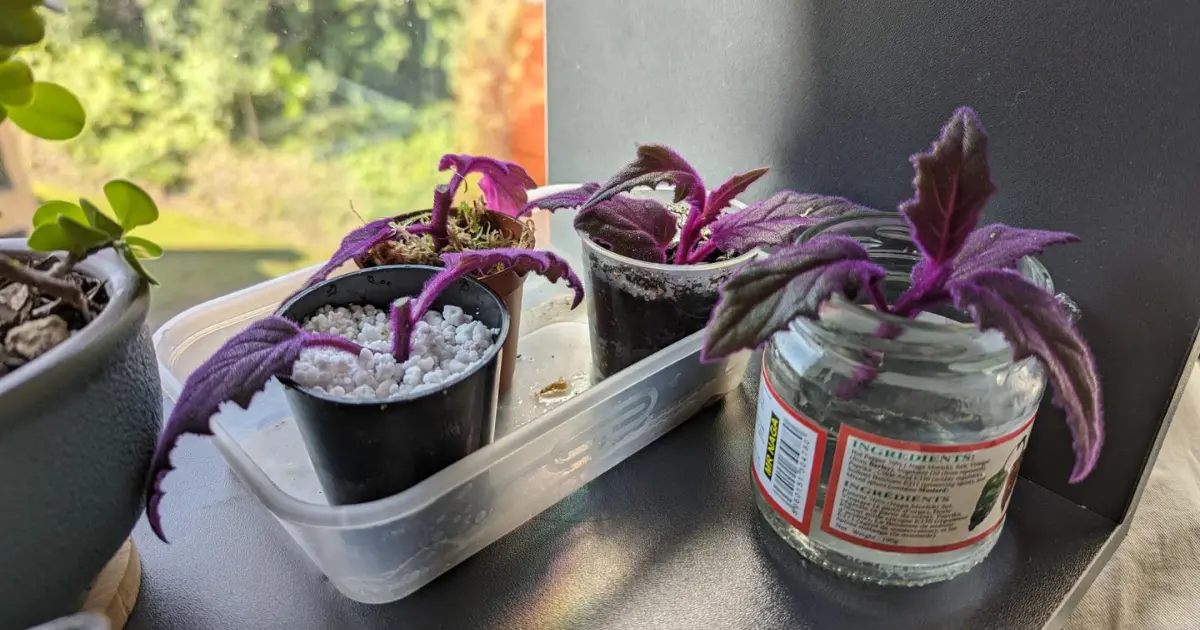
How to Propagate Purple Passion Plants (Gynura aurantiaca)
Have you ever been mesmerized by the neon-purple glow and fuzzy, velvet-like leaves of a [...]
Feb
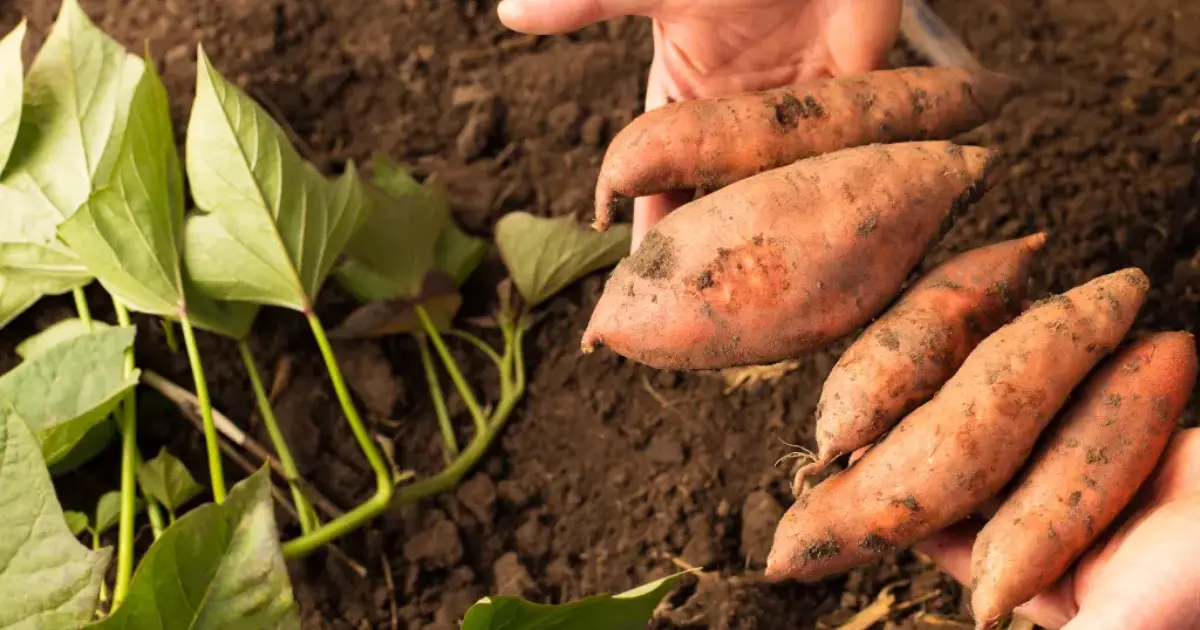
How to Grow Beauregard Sweet Potatoes: From Slips to a Bountiful Harvest
Are you ready to add a classic, heavy-hitting favorite to your vegetable patch? If you’ve [...]
Feb

Reviews
There are no reviews yet.