
Dwarf Winterberry Holly Nana Red Sprite Live Plant 12-16+ Inches – Deciduous Shrub
Original price was: $83.79.$63.79Current price is: $63.79.
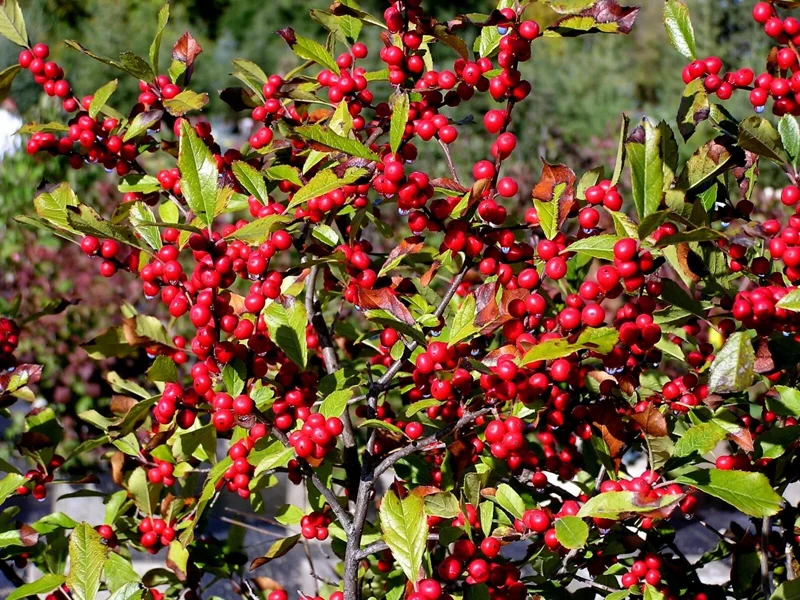
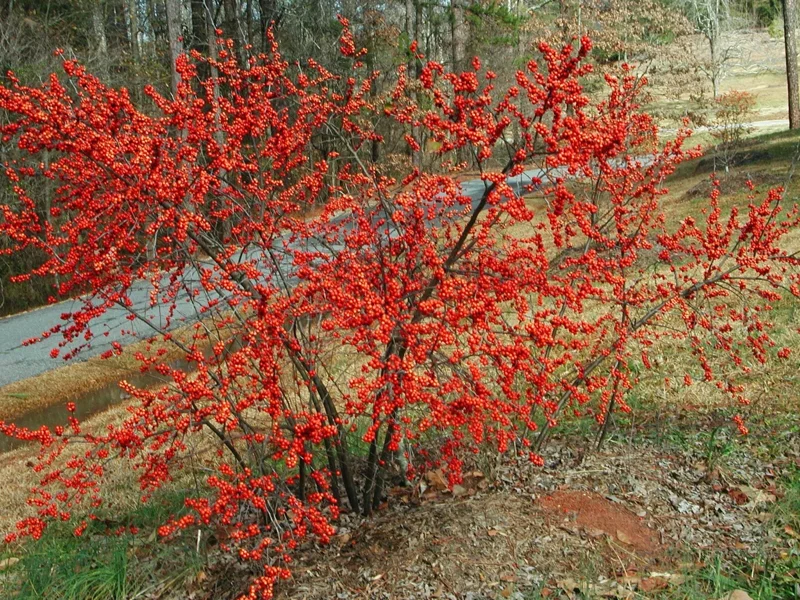
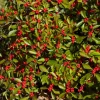
Bring brilliant winter color to your garden with the dwarf winterberry holly ‘Nana Red Sprite’. This deciduous shrub features striking red berries that persist long after the leaves fall, providing essential winter interest. Ideal for outdoor planting, it reaches 12-16+ inches, making it a perfect compact choice for various garden designs.
Estimated arrival
Apr 06
Apr 11 - Apr 13
Apr 16 - Apr 20

Reasonable Price
We offer reasonable price

Support 24/7
Contact us 24 hrs a day

100% Money Back
You've 30 days to Return

Payment Secure
100% secure payment
Overview
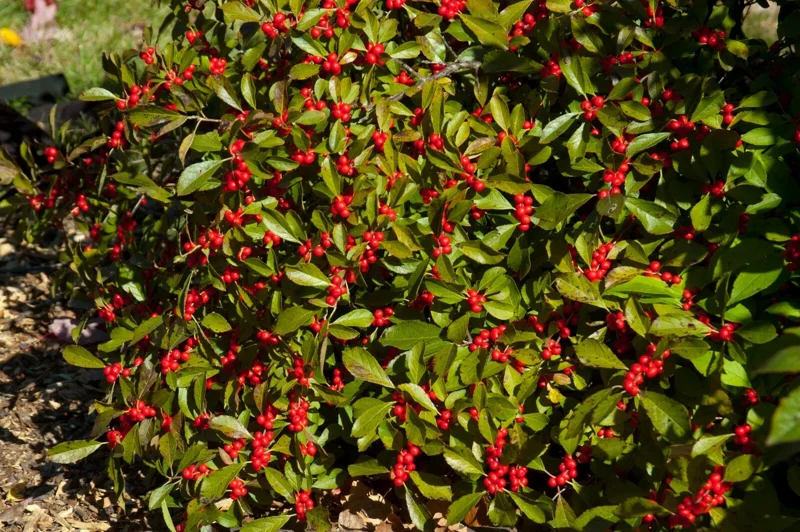
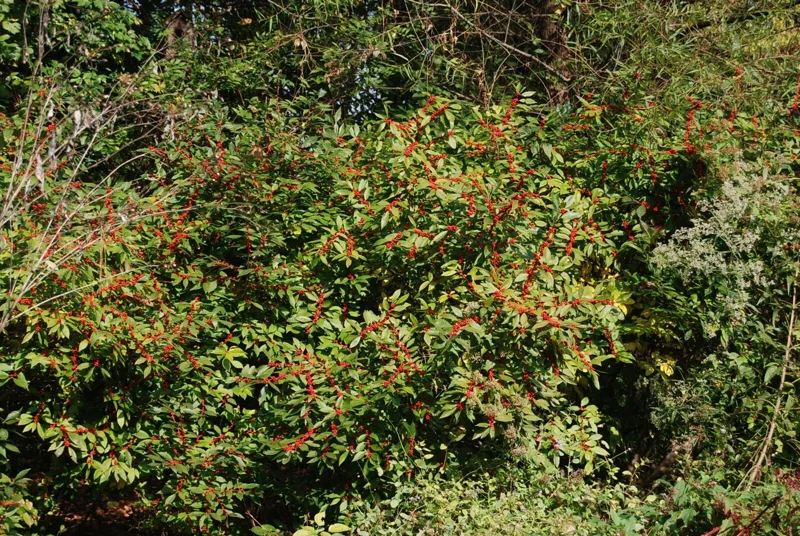
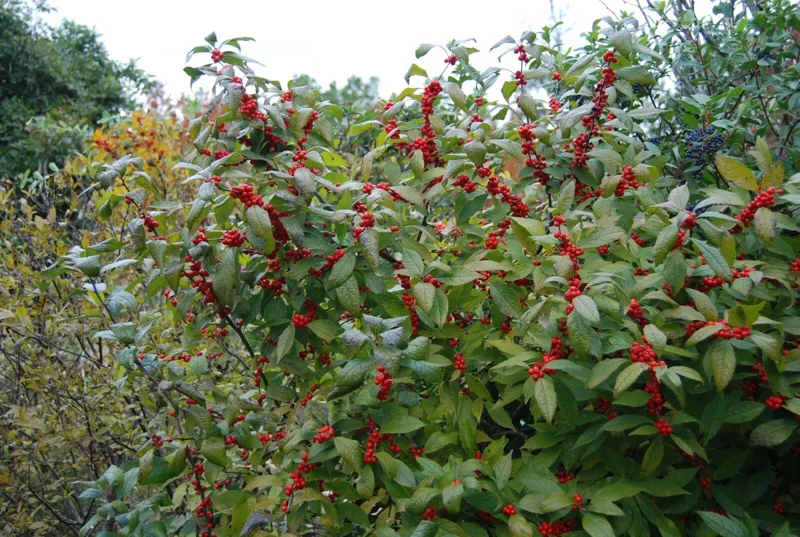
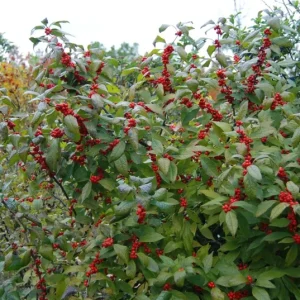
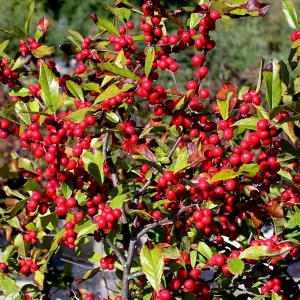
Transform your landscape with the stunning beauty of the dwarf winterberry holly ‘Nana Red Sprite’ live plant. This exceptional deciduous shrub, scientifically known as Ilex verticillata ‘Nana Red Sprite’, is celebrated for its abundant, vibrant red berries that emerge in fall and persist through winter, offering a spectacular display against snowy backdrops. Unlike many hollies, the winterberry is deciduous, meaning its leaves drop to reveal the full glory of its fruit, making it a true standout in the colder months. This particular cultivar, ‘Nana Red Sprite’, is a compact and manageable variety, typically growing to a height of 12-16+ inches, making it versatile for smaller gardens, containers, or mass plantings. Its bright green foliage in spring and summer provides a lush backdrop before the dramatic winter show begins. This red berry shrub is a must-have for anyone looking to add significant visual appeal and wildlife attraction to their outdoor spaces.
The dwarf winterberry holly is a native North American plant, renowned for its hardiness and adaptability. ‘Nana Red Sprite’ is a female cultivar, which means it will produce berries provided a male pollinator (such as ‘Jim Dandy’ or ‘Southern Gentleman’) is planted nearby. Its compact growth habit ensures it won’t overwhelm your garden, while its striking winter berries provide a vital food source for birds during lean months. This plant is an excellent choice for wetland areas, rain gardens, or simply as a vibrant accent in a mixed border. Growing this beautiful nana red sprite holly will undoubtedly elevate the aesthetic appeal of your garden, offering year-round interest with minimal fuss.
Key Benefits
The dwarf winterberry holly ‘Nana Red Sprite’ offers a multitude of benefits, making it a cherished addition to any garden. Its unique characteristics contribute to both aesthetic beauty and ecological value.
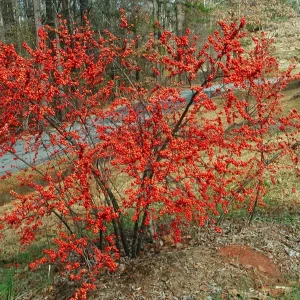
- Spectacular Winter Interest: The primary benefit of this holly is its incredible winter display. After its green leaves fall, the branches become adorned with a profusion of bright red berries, creating a striking contrast against winter snow or evergreens. This makes it a focal point in the dormant landscape.
- Wildlife Attraction: The vibrant berries are not only beautiful but also serve as a crucial food source for various bird species, especially during the cold winter months when other food sources are scarce. Planting this shrub can help support local wildlife.
- Compact Growth Habit: As a ‘Nana’ (dwarf) cultivar, ‘Red Sprite’ maintains a manageable size, typically reaching 3-5 feet tall and wide. This makes it suitable for smaller gardens, foundation plantings, or even large containers, offering flexibility in landscape design.
- Adaptable to Various Conditions: This winterberry plant outdoor thrives in a range of soil conditions, from wet to average, and tolerates both full sun and partial shade. Its adaptability makes it a robust choice for different garden environments, including rain gardens.
- Low Maintenance: Once established, the dwarf winterberry holly requires minimal care. It’s generally pest and disease resistant, making it an easy-care option for busy gardeners. Pruning is mainly for shaping or removing dead branches.
- Versatile Landscape Use: Whether used as a specimen plant, in mass plantings, hedges, or along water features, its distinct seasonal appeal adds texture and color. It pairs beautifully with evergreens or other deciduous shrubs.
- Native Plant Benefits: Being a native North American species, Ilex verticillata is well-suited to local climates and ecosystems, contributing to biodiversity and requiring less intervention than non-native alternatives.
Plant Care & Growing Tips
Caring for your dwarf winterberry holly ‘Nana Red Sprite’ is relatively straightforward, making it an excellent choice for both novice and experienced gardeners. Proper care will ensure a thriving plant with an abundance of winter berries. This red berry shrub prefers moist, acidic soils but is quite adaptable to various soil types, including clay. The most crucial factor for prolific berry production is adequate sunlight and the presence of a compatible male pollinator.
For optimal growth and berry set, plant your nana red sprite holly in a location that receives full sun to partial shade. Full sun (at least 6 hours of direct sunlight daily) will encourage the densest growth and most abundant berries. While it tolerates partial shade, berry production may be reduced. Ensure the soil remains consistently moist, especially during dry spells. Winterberries naturally grow in wet areas, so they are tolerant of soggy conditions that many other plants would not endure. However, well-draining soil is still recommended for general garden settings. Watering should be regular, particularly during the first year after planting, to help establish a strong root system. Once established, it can tolerate average moisture but will perform best with consistent hydration.
The ilex verticillata care routine also includes proper fertilization and pruning. Fertilize in early spring with a balanced, slow-release granular fertilizer formulated for acid-loving plants. Avoid over-fertilizing, which can promote leafy growth at the expense of berries. Pruning should be done in late winter or early spring while the plant is dormant, before new growth begins. This is the ideal time to remove any dead or damaged branches, shape the plant, or thin out older stems to encourage new, vigorous growth. Remember that berries form on new wood, so avoid heavy pruning of all branches if you want a good berry display the following winter. Winterberry hollies are generally hardy in USDA Zones 3-9, tolerating a wide range of temperatures. They are relatively disease and pest-free, though occasional issues like leaf spot or powdery mildew can occur in humid conditions. Ensure good air circulation to minimize these problems. The key to a successful winterberry plant outdoor is understanding its need for consistent moisture and a pollinator.
Size & Details
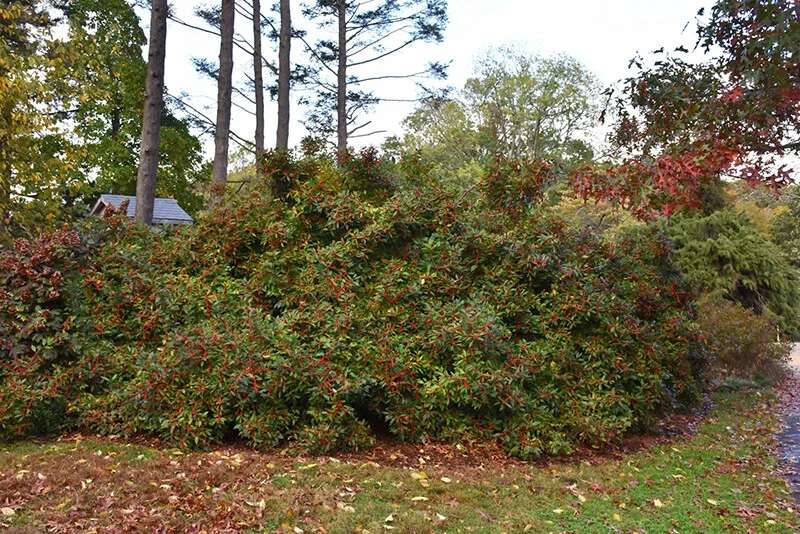
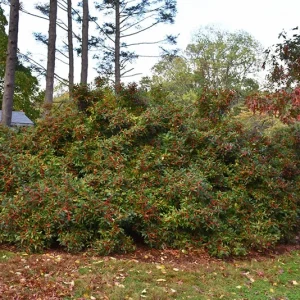
The dwarf winterberry holly ‘Nana Red Sprite’ is a compact and highly desirable shrub, known for its manageable size and spectacular winter display. This live plant typically arrives at a height of 12-16+ inches, offering a head start in establishing its presence in your garden. When mature, ‘Nana Red Sprite’ generally reaches a height and spread of 3 to 5 feet, creating a dense, rounded form. Its moderate growth rate means it will fill out nicely within a few years, providing ample foliage in spring and summer, followed by its signature red berries.
This deciduous shrub is supplied as a bare root plant, carefully dug up as ordered to ensure freshness and viability. Bare root plants are an economical and effective way to establish new shrubs, allowing them to acclimate quickly to their new environment. While it does not come in a specific pot size, it is ready for immediate planting upon arrival. Expect the first significant berry production within 1-2 years after planting, provided a male pollinator is nearby. The berries are a vibrant red, making this red berry shrub an excellent choice for brightening up winter landscapes and attracting local birdlife. Its broadleaf foliage is a rich green during the warmer months, transitioning to a breathtaking display of red berries in fall and winter. This plant is usually shipped with one plant per pack.
Frequently Asked Questions
- Q: How big does this dwarf winterberry holly get? A: The ‘Nana Red Sprite’ cultivar is a compact variety, typically reaching a mature height and spread of 3 to 5 feet. It’s excellent for smaller gardens or areas where a large shrub would be too overwhelming.
- Q: Is this an indoor or outdoor plant? A: The dwarf winterberry holly is an outdoor plant, highly valued for its cold hardiness and winter interest. It is not suitable for indoor cultivation.
- Q: How much sunlight does the nana red sprite holly need? A: For the best berry production and vigorous growth, this holly prefers full sun (at least 6 hours of direct sunlight daily). It can tolerate partial shade, but berry display may be less abundant.
- Q: Is this plant easy to care for? A: Yes, once established, the ilex verticillata care requirements are relatively low. It’s a hardy plant that tolerates various conditions and is generally pest and disease resistant, making it suitable for gardeners of all experience levels.
- Q: What condition will the winterberry plant outdoor arrive in? A: This plant is shipped as a bare root plant, meaning it will arrive without soil around its roots, carefully packaged to ensure freshness. It should be planted as soon as possible after arrival.
- Q: When is the best time to plant this red berry shrub? A: The best time to plant bare root winterberry hollies is in early spring or late fall when the plant is dormant. This allows the roots to establish before extreme temperatures.
- Q: Will it survive winter in my zone? A: The dwarf winterberry holly ‘Nana Red Sprite’ is very cold hardy and thrives in USDA Hardiness Zones 3 through 9, making it suitable for a wide range of climates across the United States.
- Q: Does this shrub need a pollinator to produce berries? A: Yes, ‘Nana Red Sprite’ is a female plant and requires a male winterberry holly pollinator (such as ‘Jim Dandy’ or ‘Southern Gentleman’) to be planted nearby to produce its characteristic red berries. One male can pollinate several female plants.
- Q: What type of soil does it prefer? A: This holly prefers moist, acidic soils but is adaptable to various soil types, including clay. It’s important for the soil to retain moisture, as winterberries naturally grow in wetland environments.
- Q: How often should I water my dwarf winterberry holly? A: Keep the soil consistently moist, especially during dry periods and throughout its first year of growth. Once established, it can tolerate average moisture but will perform best with regular watering.
Be the first to review “Dwarf Winterberry Holly Nana Red Sprite Live Plant 12-16+ Inches – Deciduous Shrub”
-
USDA Hardiness Zone
USDA Zones 3-9 -
Soil Type
Moist, acidic, well-draining soil -
Sunlight Exposure
Full Sun to Partial Sun -
Expected Planting Period
Early Spring or Late Fall
People Also Viewd


Sold 128 products
Original price was: $27.00.$24.00Current price is: $24.00.

Sold 128 products
Original price was: $89.99.$64.99Current price is: $64.99.
Sold 127 products
Original price was: $159.99.$139.99Current price is: $139.99.

Sold 126 products
Original price was: $3,536.00.$23.99Current price is: $23.99.

Sold 125 products
Original price was: $86.99.$66.99Current price is: $66.99.
Sold 116 products
Original price was: $27.99.$16.99Current price is: $16.99.

Sold 114 products
Original price was: $28.99.$17.99Current price is: $17.99.

Flower Bulbs
3 Cranesbill Wild Geranium Organic Maculatums Bare Roots | Wildflower for Outdoor Garden
Sold 114 products
Original price was: $21.99.$6.99Current price is: $6.99.RELATED posts
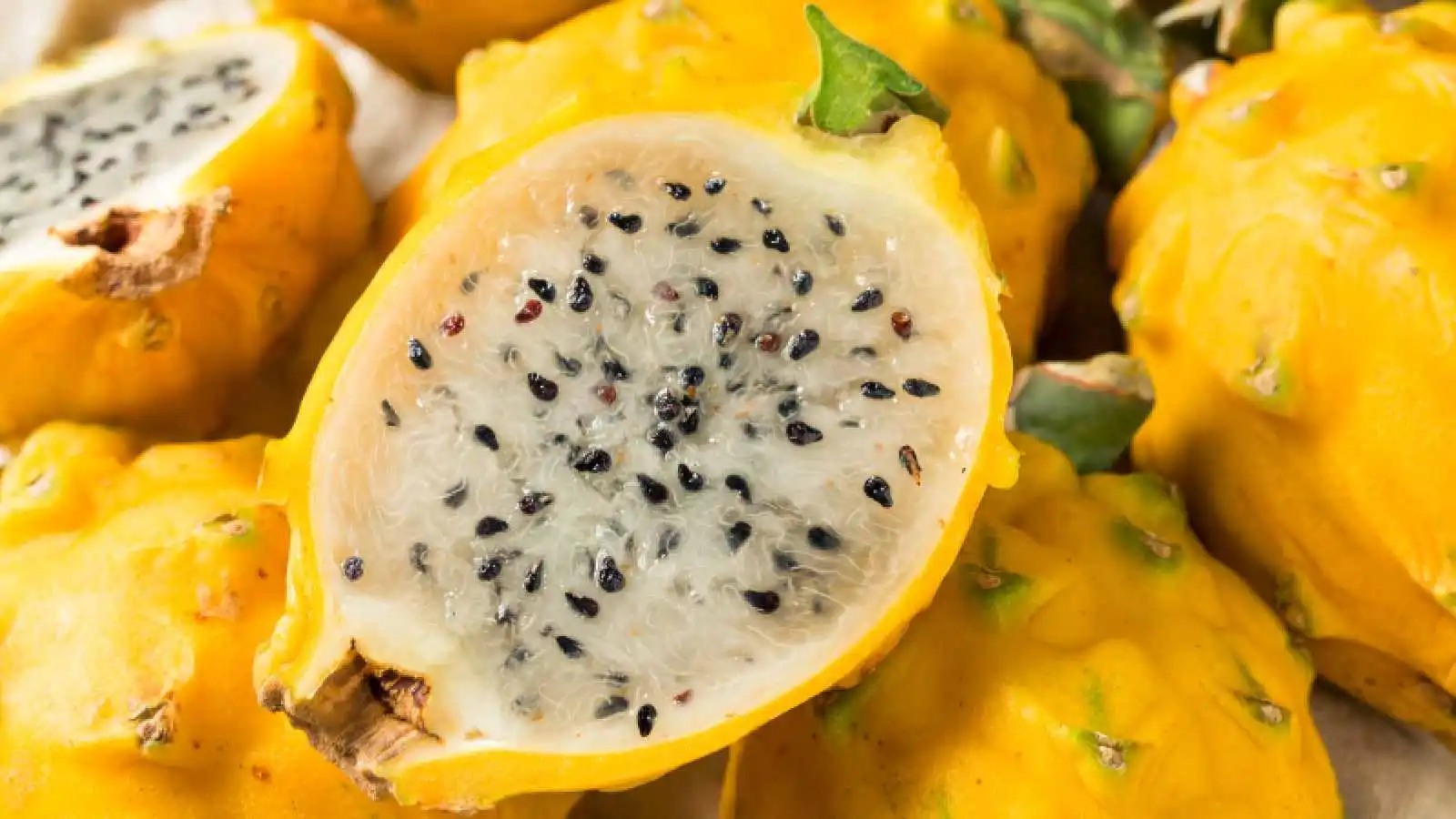
Yellow Dragon Fruit Plant Care: The Ultimate Guide for Healthy Growth
The yellow dragon fruit plant is a unique and rewarding addition to any home garden, [...]
Apr
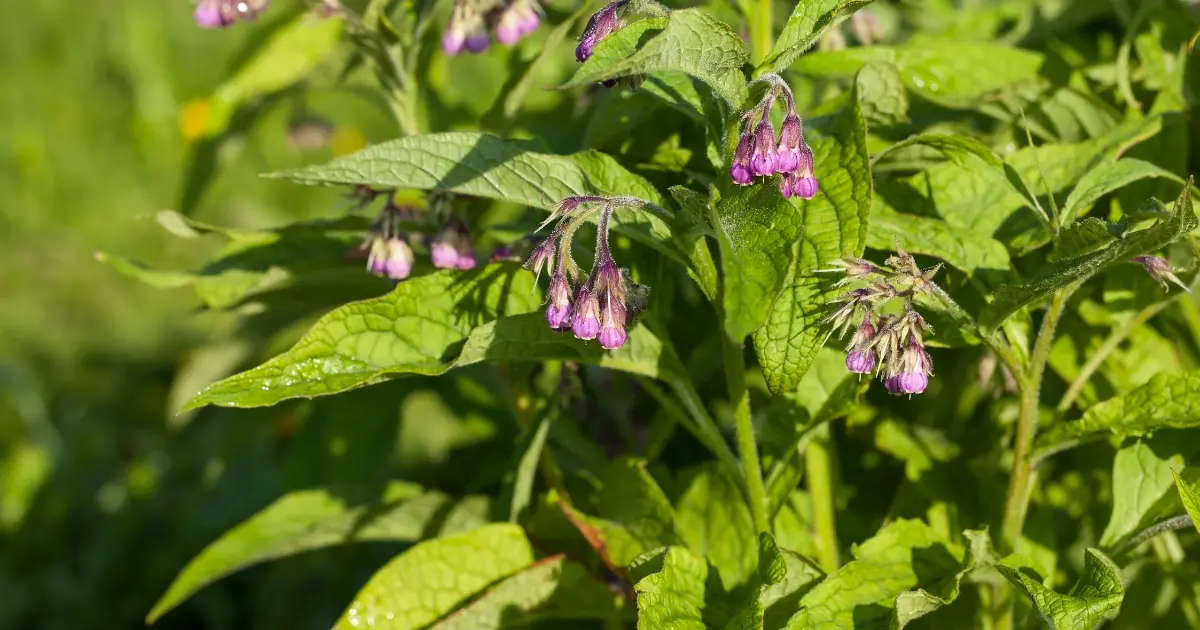
How to Identify Bocking 14 Comfrey: 5 Simple Visual Signs
If you’re growing comfrey for mulch, compost, or animal feed, knowing exactly which variety you [...]
Mar
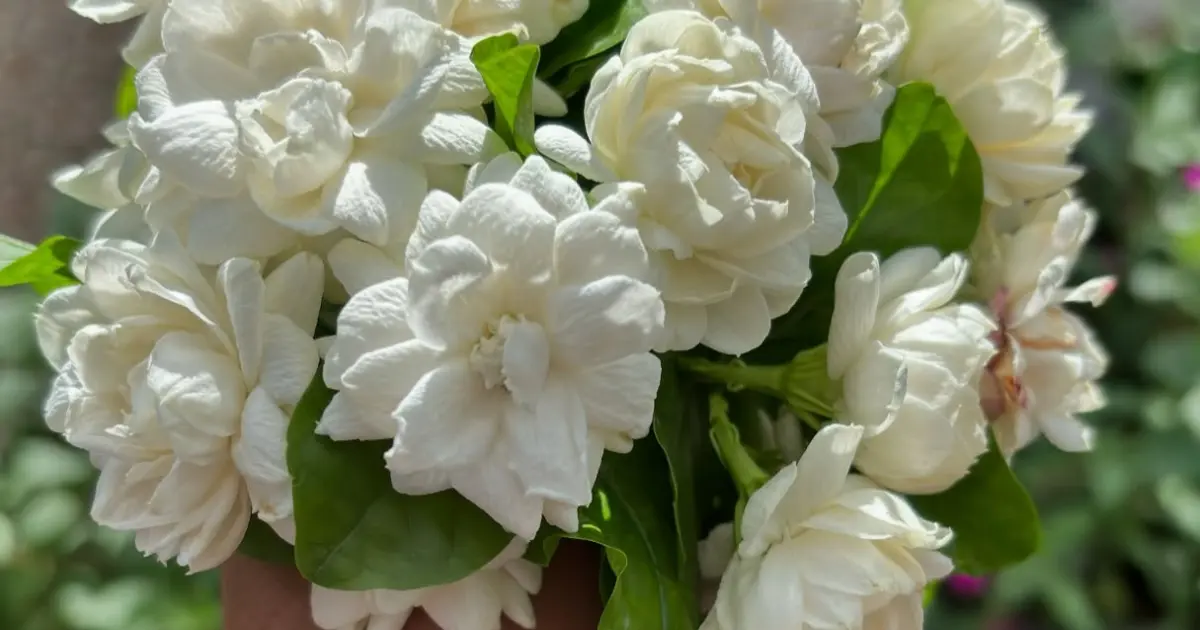
Grand Duke of Tuscany Jasmine: The Ultimate Guide to Growing a Fragrant Masterpiece
Have you ever caught a scent in the air so rich, creamy, and honey-sweet that [...]
Mar
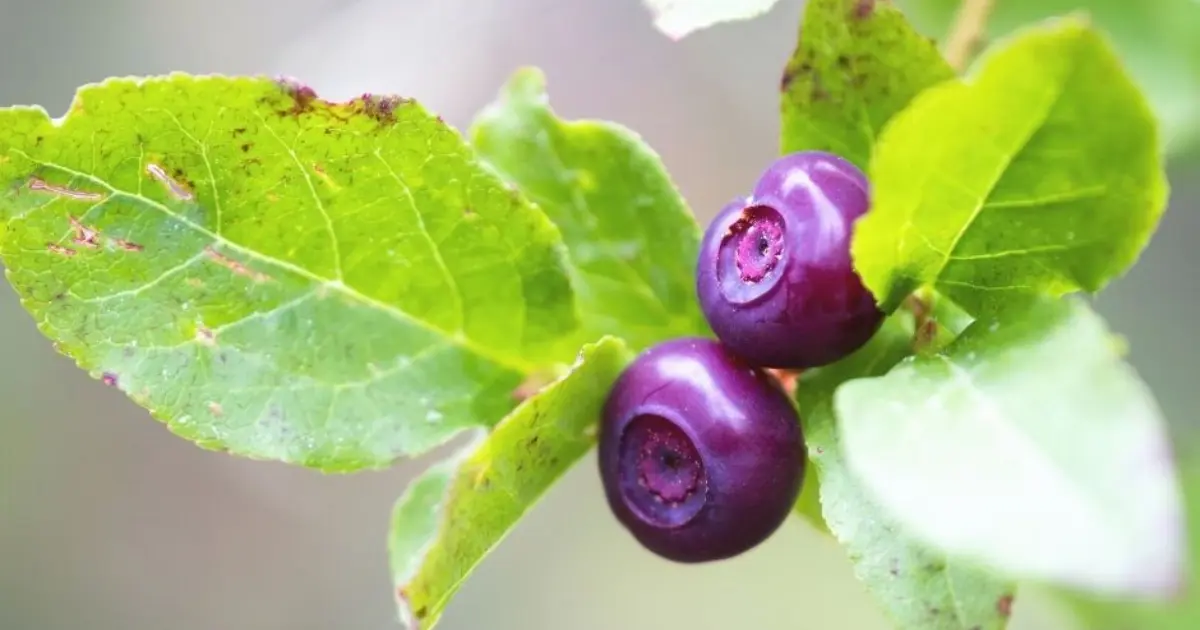
How to Grow Wild Huckleberries: A Guide to “Purple Gold”
Have you ever spent a summer afternoon hiking through the Pacific Northwest or the Rocky [...]
Mar
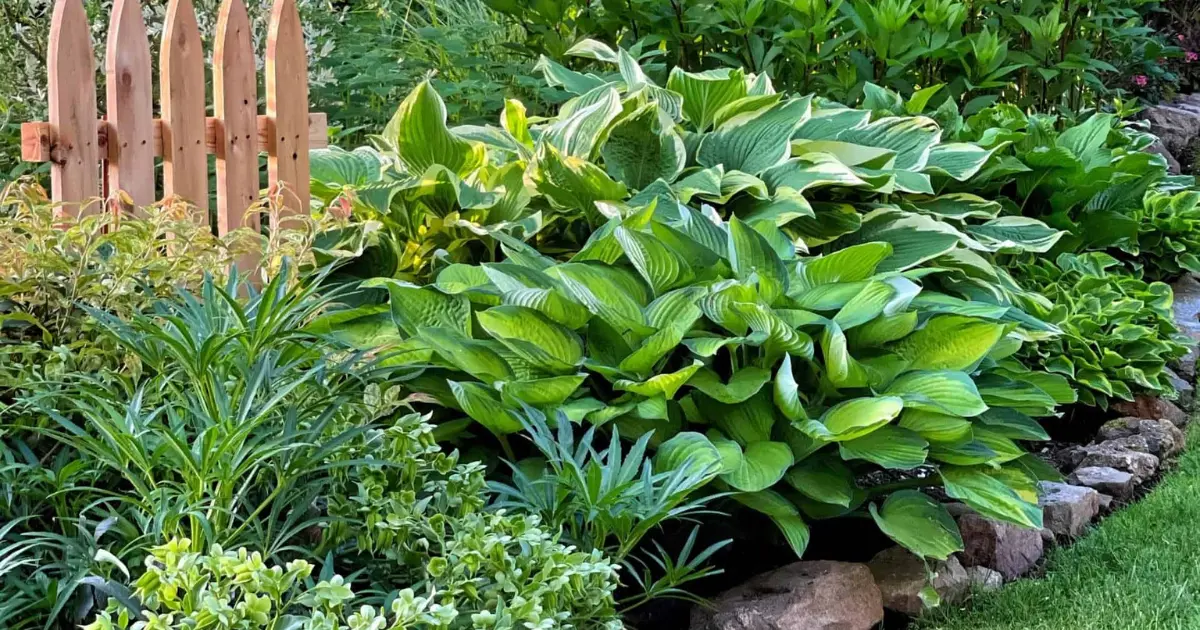
5 Best Shade-Loving Perennials for a Lush, Vibrant Garden
The world of gardening often shines a spotlight on sun-drenched blossoms, but there is a [...]
Mar

7 Common Curry Leaf Plant Problems: Easy Fixes for a Thriving Plant
Is your curry leaf plant looking a bit sad lately? Maybe you woke up to [...]
Mar
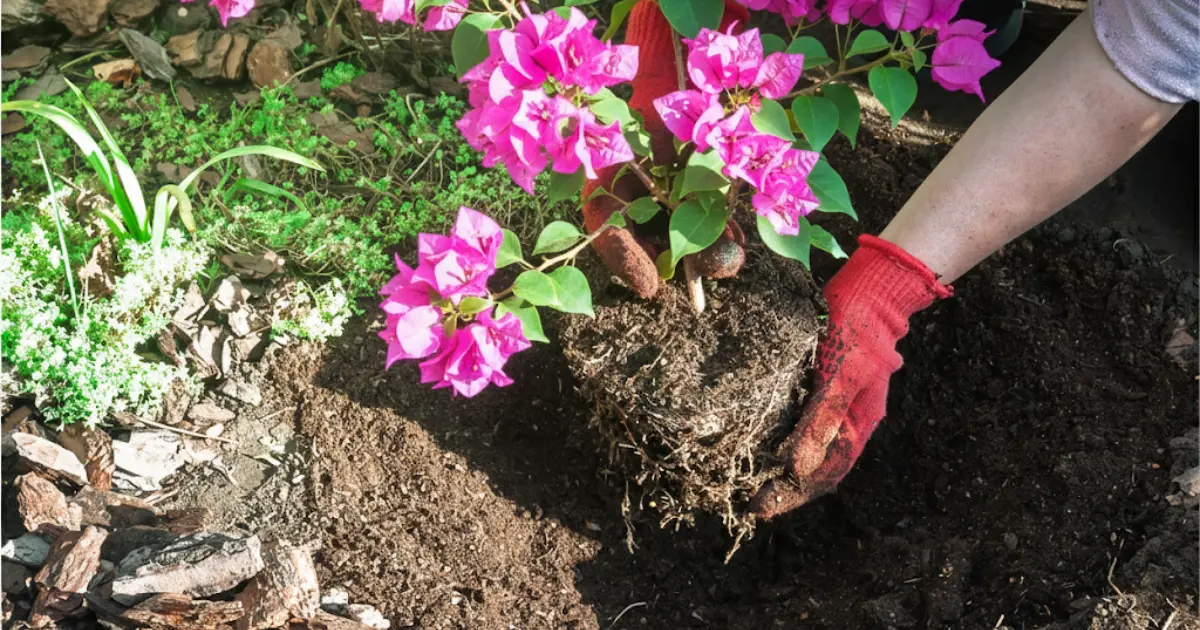
Best Time to Plant Bougainvillea: Timing for Vibrant Blooms
If you’re looking for a hardy tropical vine that delivers a riot of neon color, [...]
Feb
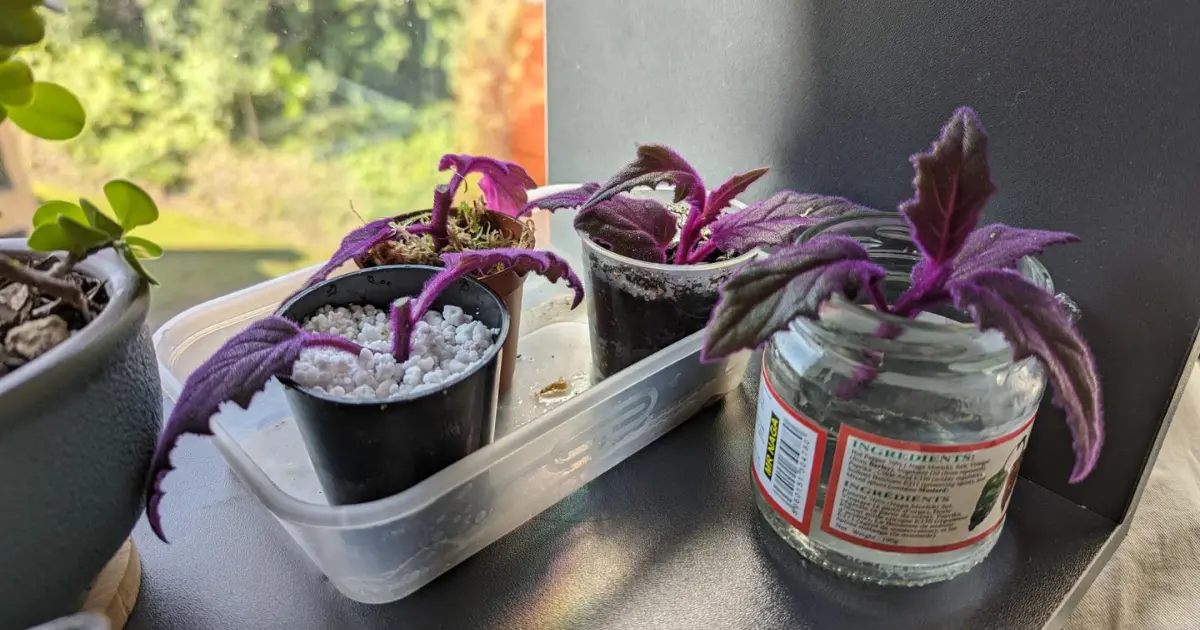
How to Propagate Purple Passion Plants (Gynura aurantiaca)
Have you ever been mesmerized by the neon-purple glow and fuzzy, velvet-like leaves of a [...]
Feb
Reviews
There are no reviews yet.