
Echeveria Opalina Live Succulent Plant – Pink Hues, Low Maintenance
Original price was: $38.55.$18.55Current price is: $18.55.
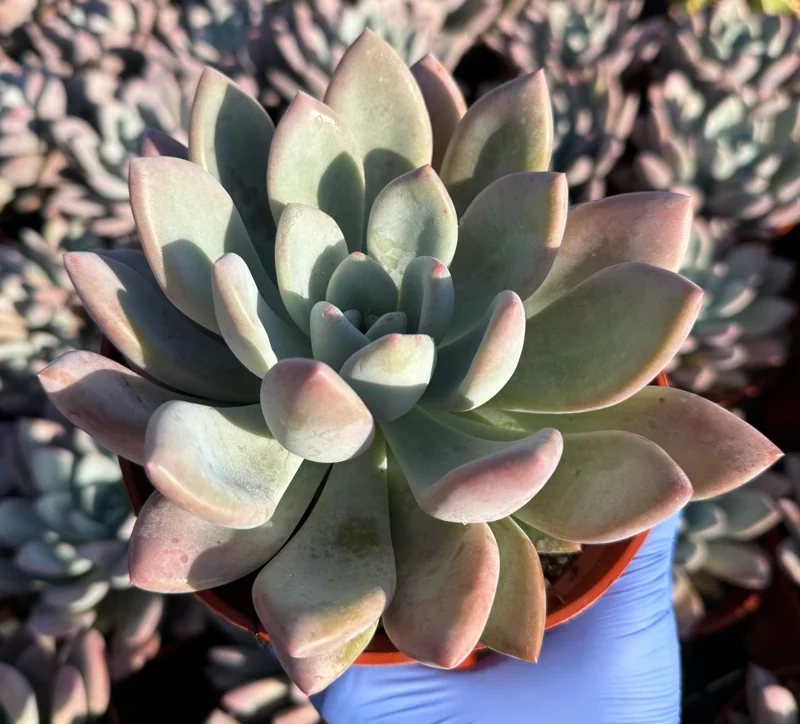
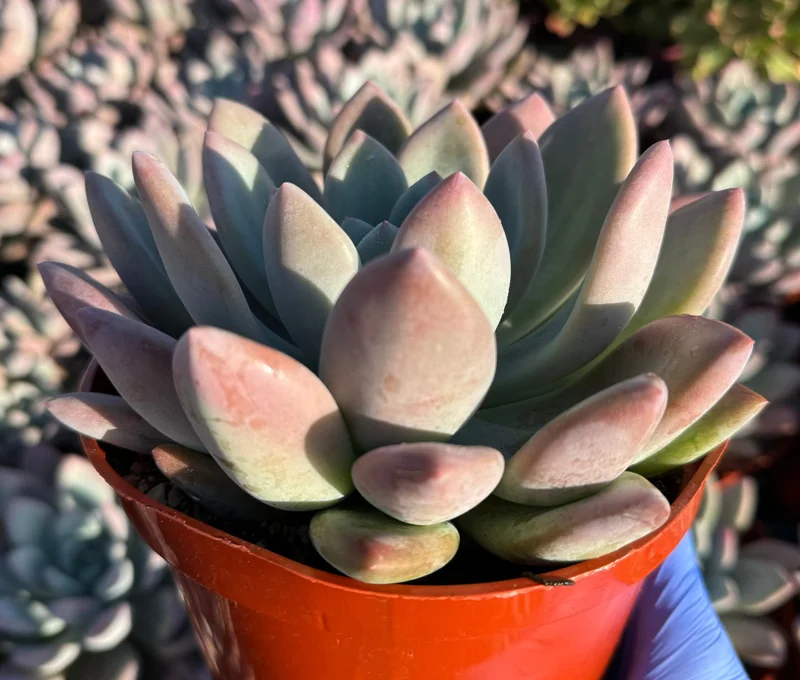
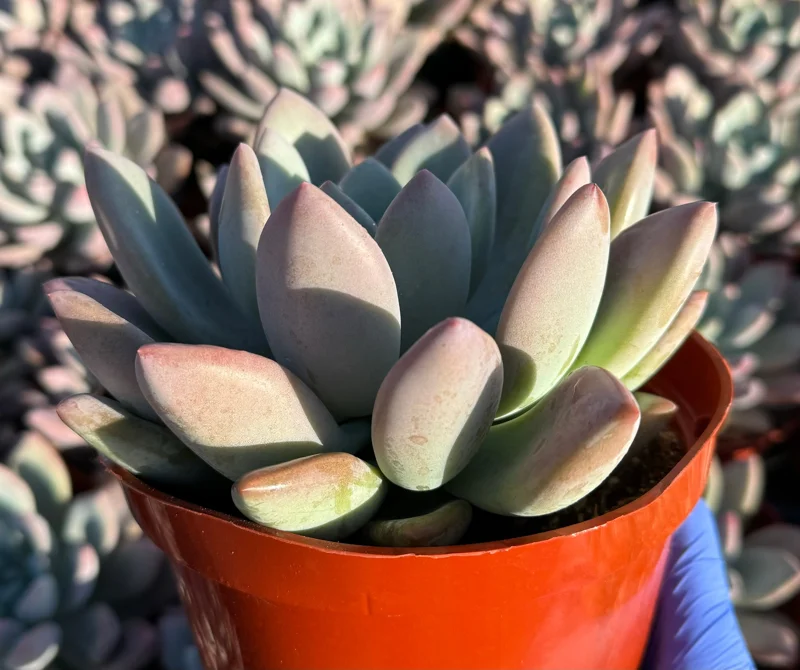
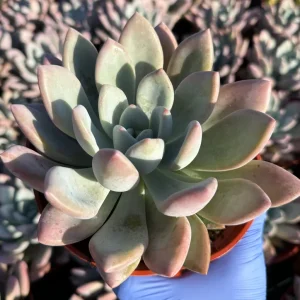
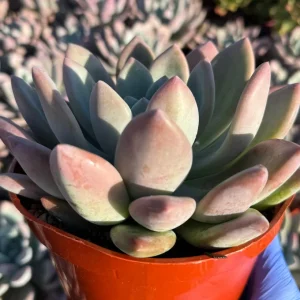
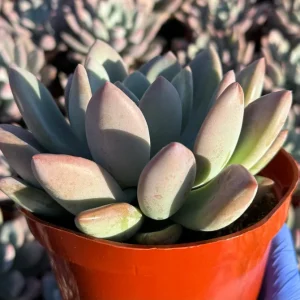
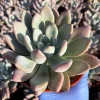
Bring home the exquisite Echeveria Opalina live plant, a stunning pink succulent plant known for its opalescent blue-green leaves with delicate pink tips. This low maintenance succulent is perfect for adding elegance to any indoor or outdoor space, thriving in bright, indirect light.
Estimated arrival
Apr 06
Apr 11 - Apr 13
Apr 16 - Apr 20

Reasonable Price
We offer reasonable price

Support 24/7
Contact us 24 hrs a day

100% Money Back
You've 30 days to Return

Payment Secure
100% secure payment
Overview
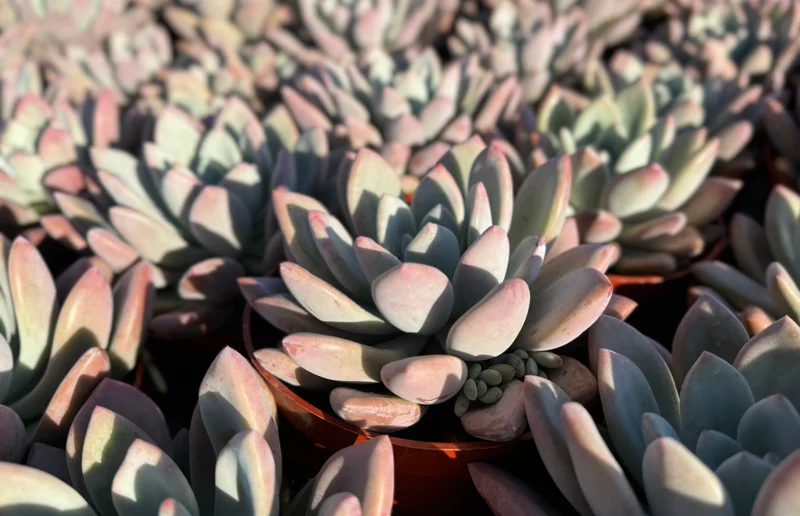
Introducing the captivating Echeveria Opalina live plant, a truly serene masterpiece for any plant enthusiast. This remarkable succulent, a cultivar of the popular Echeveria genus, is celebrated for its unique opalescent foliage and captivating hues. With leaves reminiscent of a soft opal gemstone, the ‘Opalina’ displays a beautiful powdery blue-green or bluish-gray color. As it basks in sufficient sunlight, the leaf tips often develop a charming pinkish blush, adding to its delicate allure. Ideal for both beginners and experienced gardeners, this pink succulent plant offers tranquil beauty and artistic form to your living space, garden, or succulent collection.
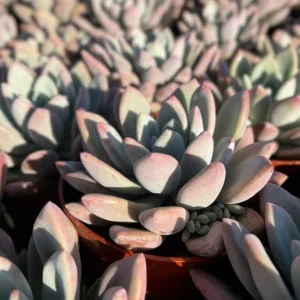
The Echeveria ‘Opalina’ stands out not just for its stunning appearance but also for its graceful symmetry and compact growth habit, forming elegant rosettes. Whether you’re looking for a striking centerpiece or a charming addition to a succulent arrangement, this plant embodies natural artistry and serene elegance. Its distinctive beauty makes it a perfect choice for those seeking a unique and visually appealing live plant.
Key Benefits
The Echeveria Opalina live plant offers a multitude of benefits, making it an excellent choice for any plant lover. Its aesthetic appeal is undeniable, but its advantages extend far beyond just beauty:
- Stunning Visual Appeal: The opalescent, spoon-shaped leaves with their unique blue-green and pink blush create a mesmerizing display, adding a touch of sophisticated beauty to any setting.
- Compact & Elegant Growth: Forming a neat, small rosette, this succulent is ideal for various uses, from charming container gardens to intricate succulent arrangements, fitting perfectly in smaller spaces.
- Low-Maintenance Gem: As a low maintenance succulent, the ‘Opalina’ requires minimal care, making it perfect for busy individuals or those new to gardening. It thrives with infrequent watering and bright, indirect light.
- Versatile Placement: Suitable for both indoor and outdoor environments, this flexible succulent can adapt to various conditions, enhancing patios, windowsills, or garden beds alike.
- Drought-Tolerant: Like most succulents, the Echeveria Opalina live plant is highly drought-tolerant, capable of storing water in its fleshy leaves, which reduces the need for frequent watering.
- Floral Delight: In season, it produces slender, arching stalks adorned with bell-shaped flowers, often in shades of pink, coral, or orange, adding another layer of charm to its natural beauty.
- Easy Propagation: For those wishing to expand their collection or share with friends, the ‘Opalina’ can be easily propagated from offsets, leaf cuttings, or seeds, allowing its enchantment to spread.
Plant Care & Growing Tips
Caring for your Echeveria Opalina live plant is straightforward, especially if you understand its basic needs. This low maintenance succulent thrives when given the right conditions. For optimal growth, ensure it receives plenty of bright, indirect sunlight. A south-facing window with sheer curtains indoors, or a spot outdoors that gets morning sun and afternoon shade, would be ideal. Direct, harsh afternoon sun can sometimes scorch its delicate leaves, especially in warmer climates, so protection is important. Good air circulation is also beneficial for preventing fungal issues.
When it comes to watering, less is often more. The ‘Opalina’ prefers a ‘soak and dry’ method, meaning you should water thoroughly until water drains from the bottom of the pot, then allow the soil to dry out completely before watering again. Overwatering is the most common cause of succulent demise, leading to root rot. Well-draining soil is crucial; a cactus or succulent potting mix is highly recommended. Ensure your pot has drainage holes. This succulent generally prefers temperatures between 60-80°F (15-27°C) and can tolerate brief dips to 40°F (4°C), making it suitable for USDA zones 9-11 outdoors, or as an indoor Echeveria in colder regions. Fertilize sparingly, perhaps once a year in spring, with a diluted succulent-specific fertilizer. Watch out for common pests like mealybugs or aphids, treating them promptly with insecticidal soap if they appear.
For those interested in Echeveria care, remember that adapting to your specific environment is key. If your plant is outdoors, protect it from heavy rains to prevent overwatering. Indoors, monitor humidity levels, as very dry air can sometimes stress the plant. Proper care ensures your Echeveria Opalina live plant remains vibrant and healthy, displaying its unique charm for years to come.
Size & Details
The Echeveria Opalina live plant is typically shipped as a well-rooted, healthy specimen, ready to be transplanted into its new home. It forms a compact rosette, generally maturing to a diameter of 4-6 inches. The exact size upon arrival may vary slightly depending on the growth stage and cultivation practices, but rest assured, each plant is selected for its robust health and characteristic beauty. These succulents are relatively slow-growing, maintaining their neat form, which makes them excellent for small spaces, terrariums, or as part of a larger succulent display. They arrive in a nursery pot, usually 2-4 inches in size, providing a stable environment for transit and initial growth.
This succulent’s thick, fleshy leaves contribute to its sculptural appearance. While specific height can vary, an established plant typically stands about 3-5 inches tall. With proper Echeveria care, your plant will continue to develop its rich coloration, especially the delicate pink blush on its leaf tips. Expect your ‘Opalina’ to thrive and exhibit its full beauty within a few months of planting, provided it receives adequate light and appropriate watering. No specific time to maturity is needed for its ornamental value, as it is attractive at all stages of growth.
Frequently Asked Questions
- Q: How big does the Echeveria Opalina typically get? A: The Echeveria Opalina live plant forms a compact rosette, usually reaching a diameter of about 4-6 inches and a height of 3-5 inches. Its small size makes it perfect for various arrangements and small spaces.
- Q: Is this an indoor or outdoor plant? A: The Echeveria ‘Opalina’ is versatile and can thrive both indoors and outdoors. If grown outdoors, it prefers USDA zones 9-11. As an indoor Echeveria, it needs bright, indirect light to maintain its vibrant colors.
- Q: How much sunlight does the Echeveria Opalina need? A: This pink succulent plant requires plenty of bright, indirect sunlight. Outdoors, morning sun is ideal, with protection from harsh afternoon sun. Indoors, a south or west-facing window with filtered light works well.
- Q: Is this plant easy to care for, especially for beginners? A: Yes, the Echeveria ‘Opalina’ is considered a low maintenance succulent, making it an excellent choice for beginners. Its primary needs are bright light and infrequent watering, allowing the soil to dry completely between waterings.
- Q: What kind of soil is best for Echeveria Opalina? A: A well-draining soil mix is crucial. A specialized cactus or succulent potting mix is highly recommended to prevent waterlogging and root rot. Ensure the pot has drainage holes.
- Q: How often should I water my Echeveria Opalina? A: Water thoroughly only when the soil has completely dried out. The frequency will depend on your environment, but it’s often every 2-4 weeks. Always err on the side of underwatering rather than overwatering.
- Q: Will the Echeveria Opalina maintain its pink coloration? A: The beautiful pink blush on the leaf tips of your pink succulent plant is often a response to good light exposure and sometimes mild stress (like cooler temperatures). Providing ample bright, indirect light will help maintain its vibrant hues.
- Q: What condition will the plant arrive in? A: Your Echeveria Opalina live plant will arrive as a healthy, well-rooted specimen in a nursery pot, carefully packaged to ensure its safe journey. It will be ready for you to transplant into its permanent home.
- Q: What are common problems to watch out for with Echeveria care? A: The most common issues are overwatering, which leads to root rot, and insufficient light, which can cause the plant to stretch (etiolate). Keep an eye out for common succulent pests like mealybugs.
- Q: Can I propagate my Echeveria Opalina? A: Yes, propagation is relatively easy for this succulent. You can propagate it from offsets (pups) that grow around the base of the mother plant, or from individual leaf cuttings.
Be the first to review “Echeveria Opalina Live Succulent Plant – Pink Hues, Low Maintenance”
-
USDA Hardiness Zone
USDA zones 9-11 (or indoors) -
Soil Type
Well-draining succulent or cactus potting mix -
Sunlight Exposure
Bright indirect light -
Expected Planting Period
Year-round indoors, spring to summer outdoors
People Also Viewd


Sold 128 products
Original price was: $89.99.$64.99Current price is: $64.99.

Sold 128 products
Original price was: $27.00.$24.00Current price is: $24.00.
Sold 127 products
Original price was: $159.99.$139.99Current price is: $139.99.

Sold 126 products
Original price was: $3,536.00.$23.99Current price is: $23.99.

Sold 125 products
Original price was: $86.99.$66.99Current price is: $66.99.
Sold 116 products
Original price was: $27.99.$16.99Current price is: $16.99.

Flower Bulbs
3 Cranesbill Wild Geranium Organic Maculatums Bare Roots | Wildflower for Outdoor Garden
Sold 114 products
Original price was: $21.99.$6.99Current price is: $6.99.

Sold 114 products
Original price was: $28.99.$17.99Current price is: $17.99.RELATED posts
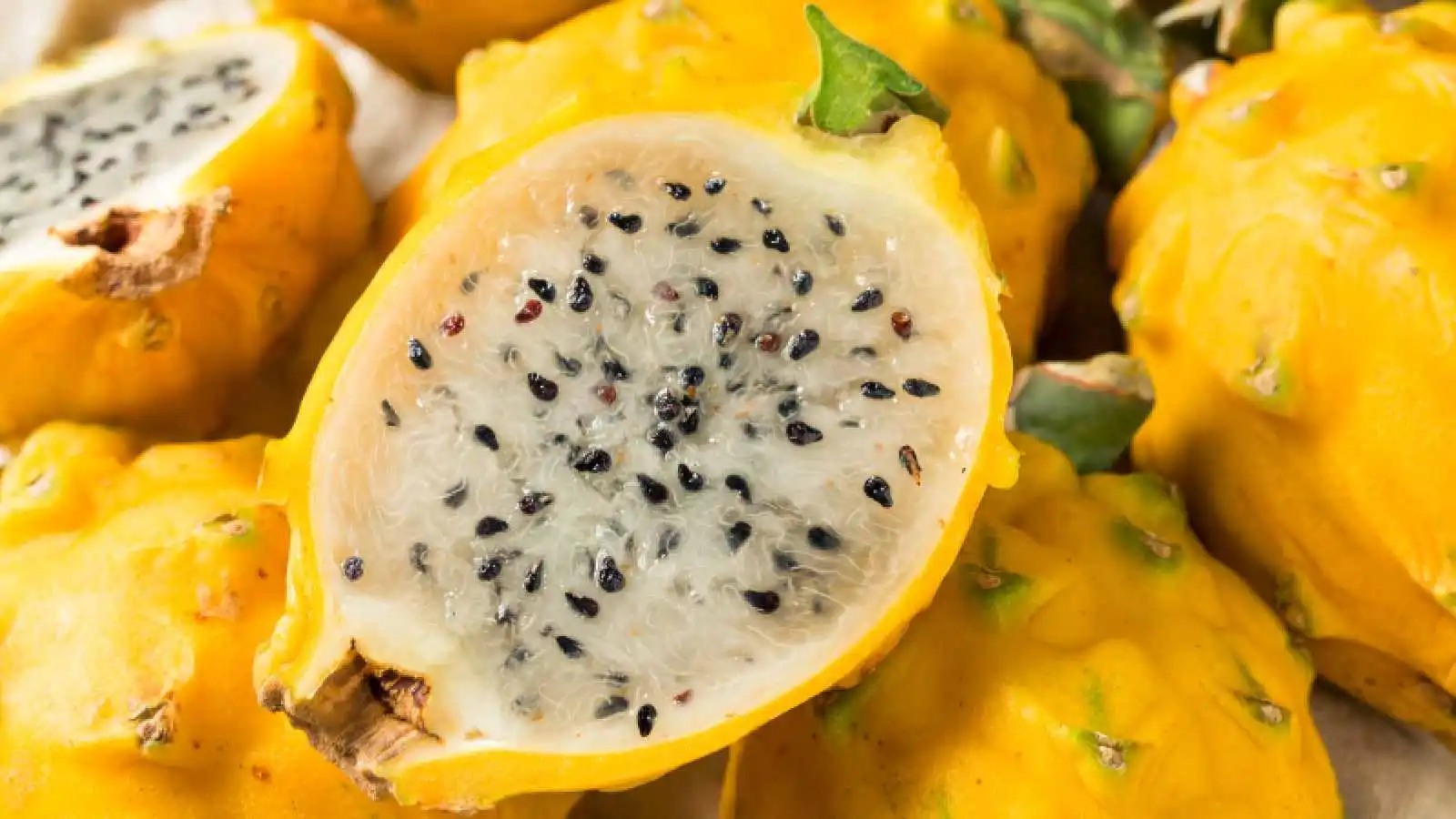
Yellow Dragon Fruit Plant Care: The Ultimate Guide for Healthy Growth
The yellow dragon fruit plant is a unique and rewarding addition to any home garden, [...]
Apr
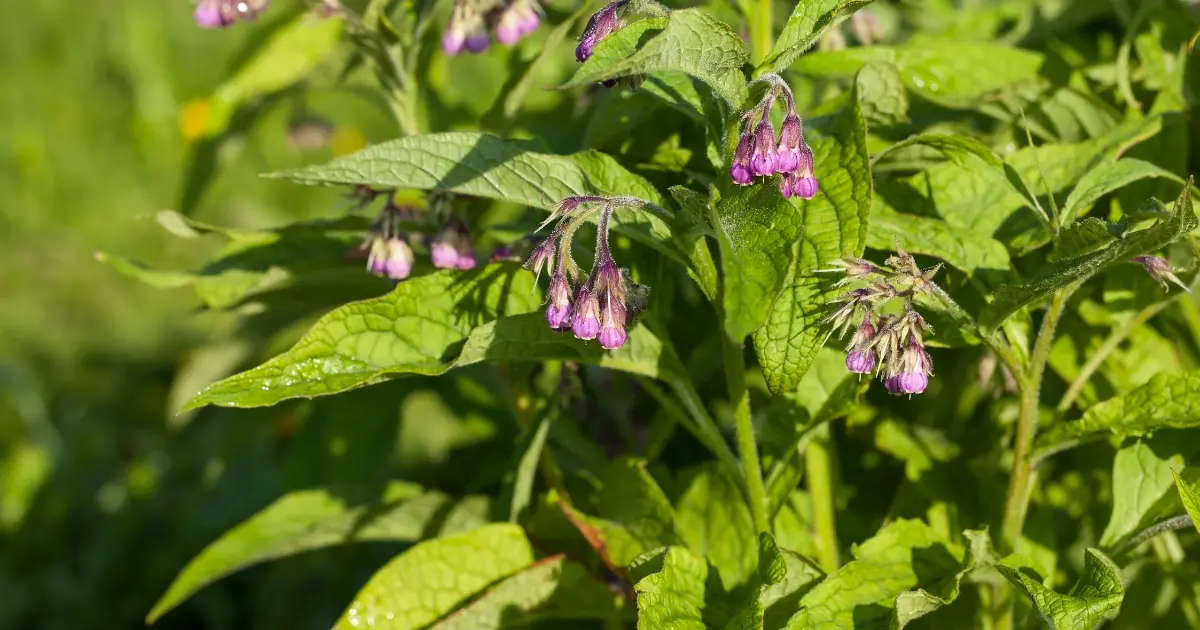
How to Identify Bocking 14 Comfrey: 5 Simple Visual Signs
If you’re growing comfrey for mulch, compost, or animal feed, knowing exactly which variety you [...]
Mar
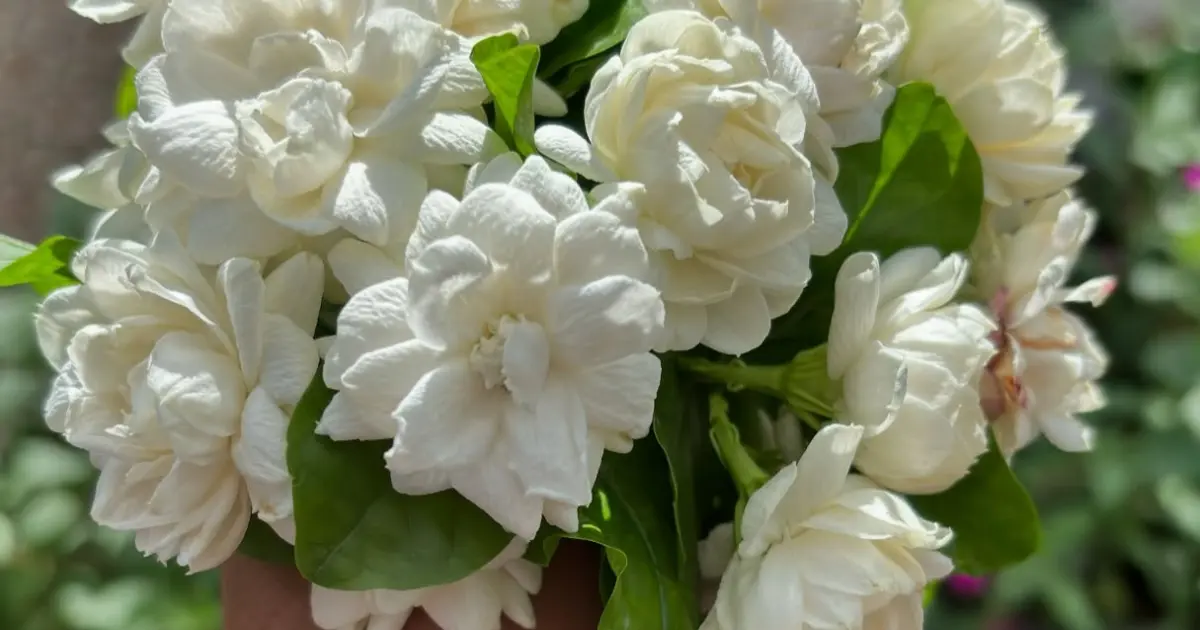
Grand Duke of Tuscany Jasmine: The Ultimate Guide to Growing a Fragrant Masterpiece
Have you ever caught a scent in the air so rich, creamy, and honey-sweet that [...]
Mar
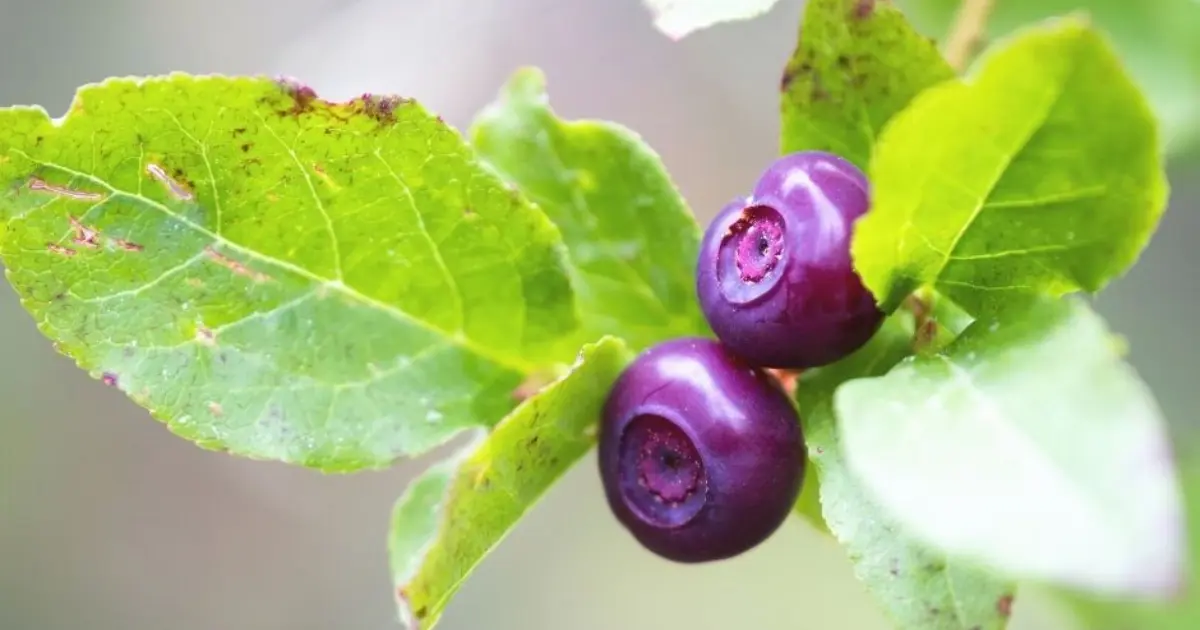
How to Grow Wild Huckleberries: A Guide to “Purple Gold”
Have you ever spent a summer afternoon hiking through the Pacific Northwest or the Rocky [...]
Mar
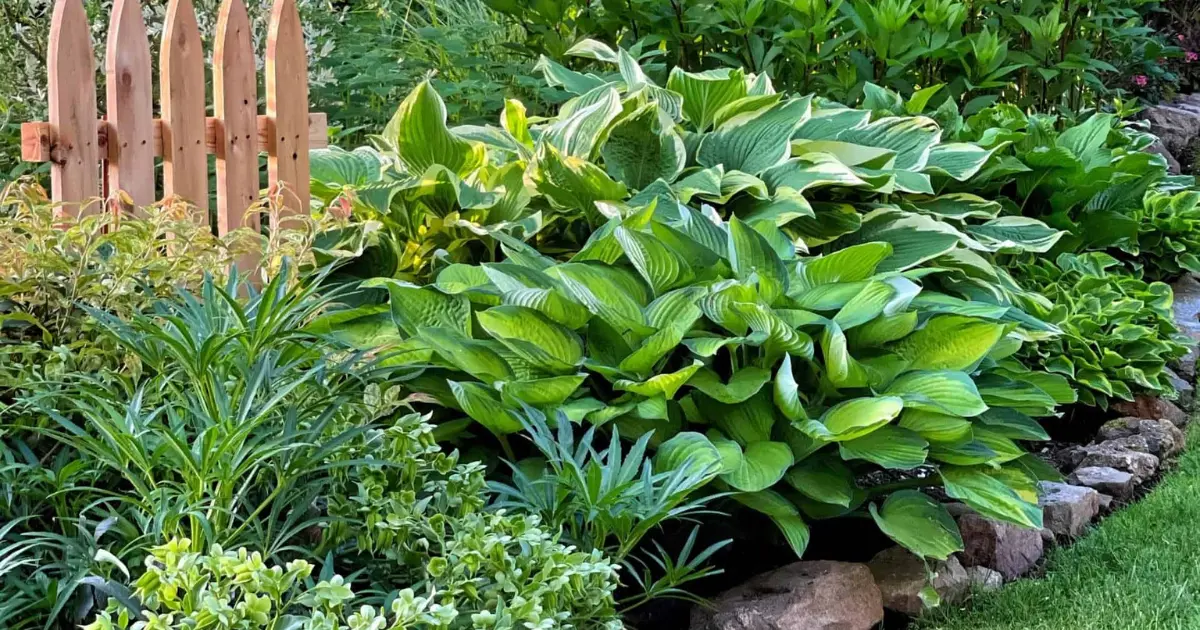
5 Best Shade-Loving Perennials for a Lush, Vibrant Garden
The world of gardening often shines a spotlight on sun-drenched blossoms, but there is a [...]
Mar
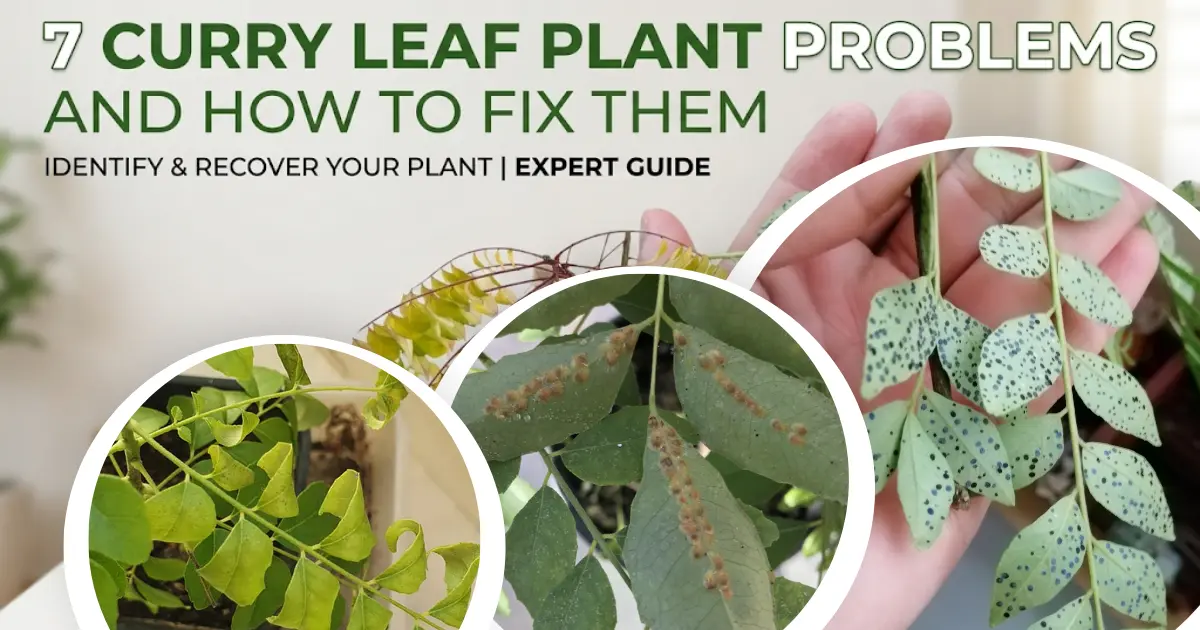
7 Common Curry Leaf Plant Problems: Easy Fixes for a Thriving Plant
Is your curry leaf plant looking a bit sad lately? Maybe you woke up to [...]
Mar
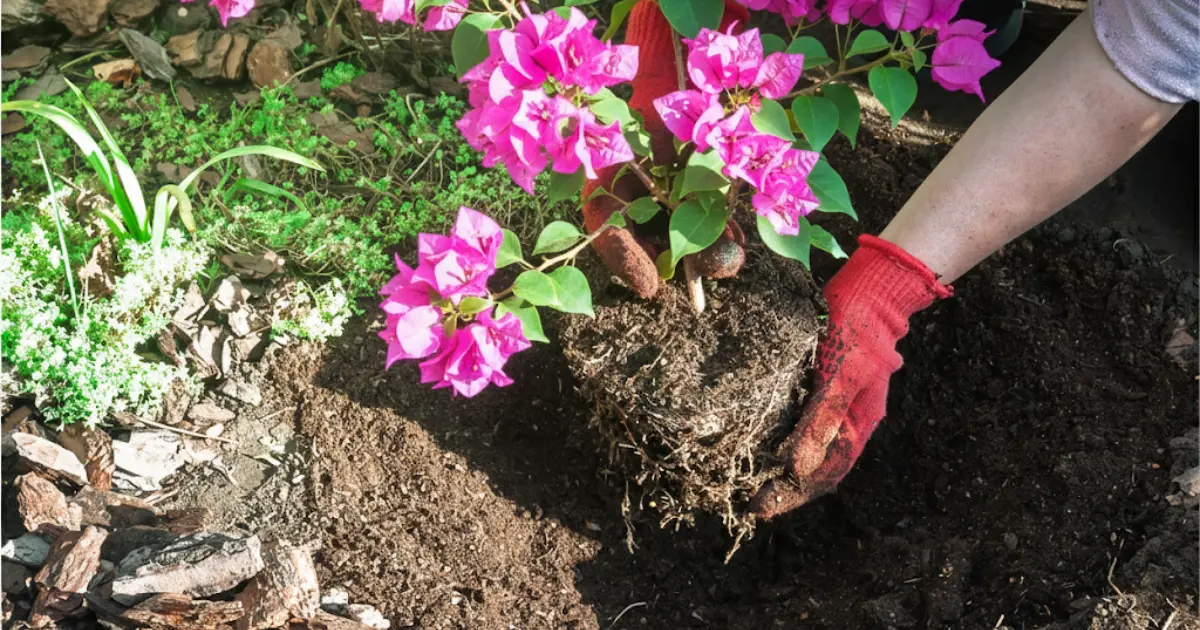
Best Time to Plant Bougainvillea: Timing for Vibrant Blooms
If you’re looking for a hardy tropical vine that delivers a riot of neon color, [...]
Feb
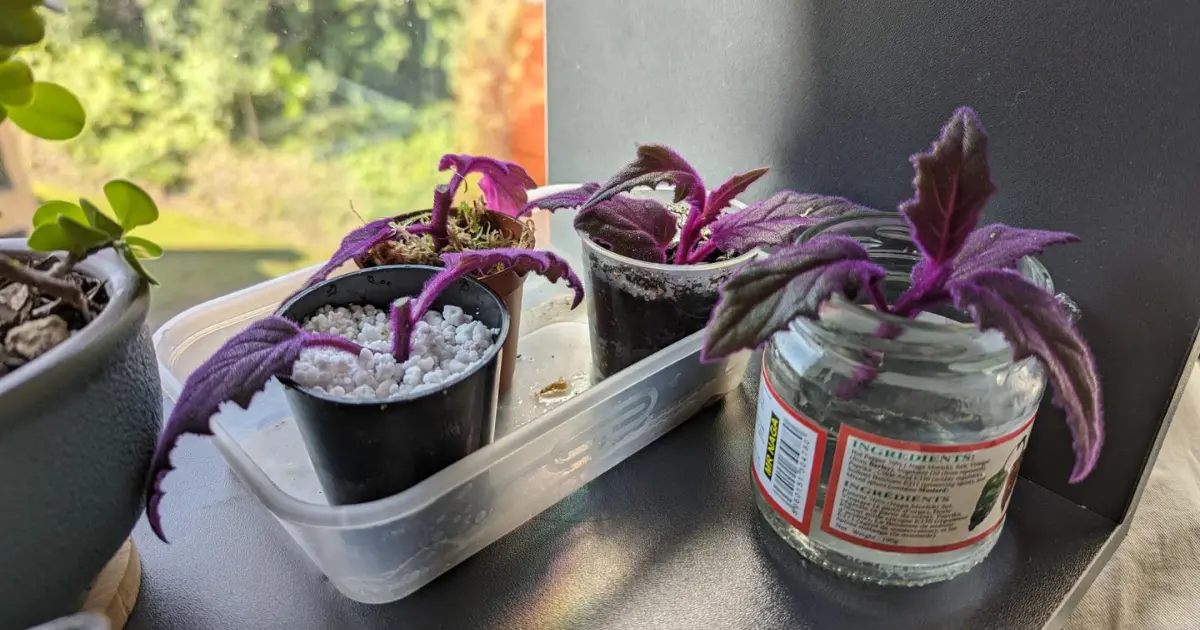
How to Propagate Purple Passion Plants (Gynura aurantiaca)
Have you ever been mesmerized by the neon-purple glow and fuzzy, velvet-like leaves of a [...]
Feb
Reviews
There are no reviews yet.