


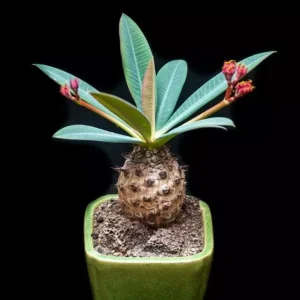
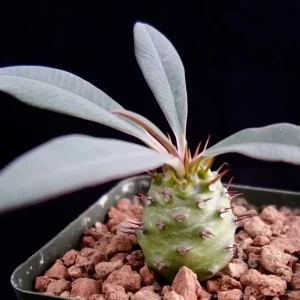



Euphorbia Pachypodioides Seeds – Rare Succulent Cactus – 5 Seed Pack – Outdoor
Original price was: $29.86.$14.86Current price is: $14.86.
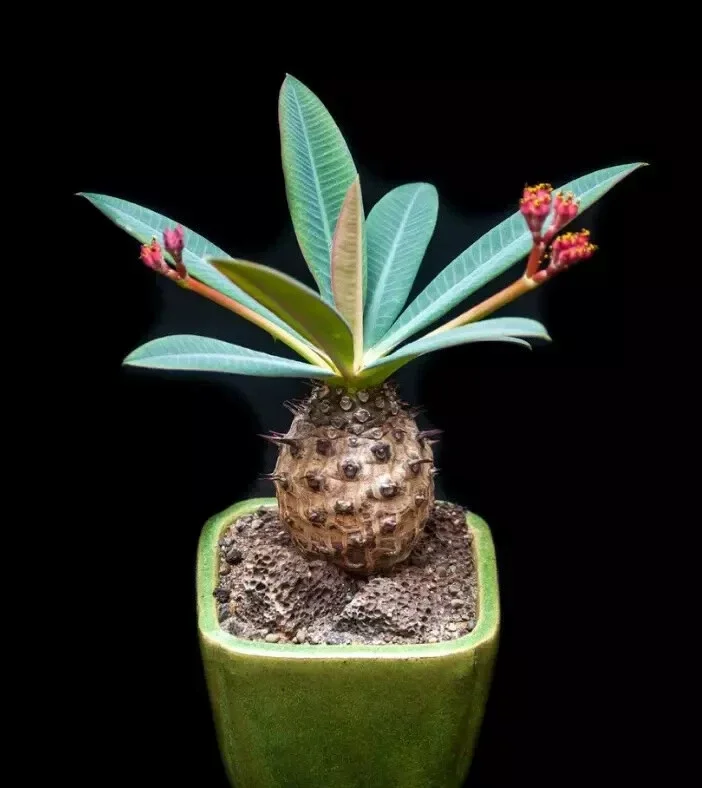
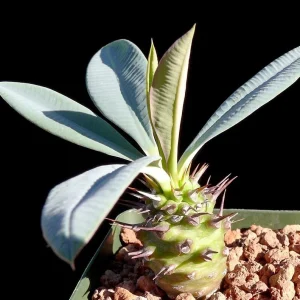
Cultivate the extraordinary Euphorbia Pachypodioides seeds, a truly unique and rare succulent cactus. This 5-seed pack offers the chance to grow an exotic caudex plant, ideal for passionate collectors and enthusiasts looking for something distinct for their outdoor garden or greenhouse. Enjoy the fascinating growth of these remarkable rare succulent seeds.
Estimated arrival
Apr 07
Apr 12 - Apr 14
Apr 17 - Apr 21

Reasonable Price
We offer reasonable price

Support 24/7
Contact us 24 hrs a day

100% Money Back
You've 30 days to Return

Payment Secure
100% secure payment
Overview
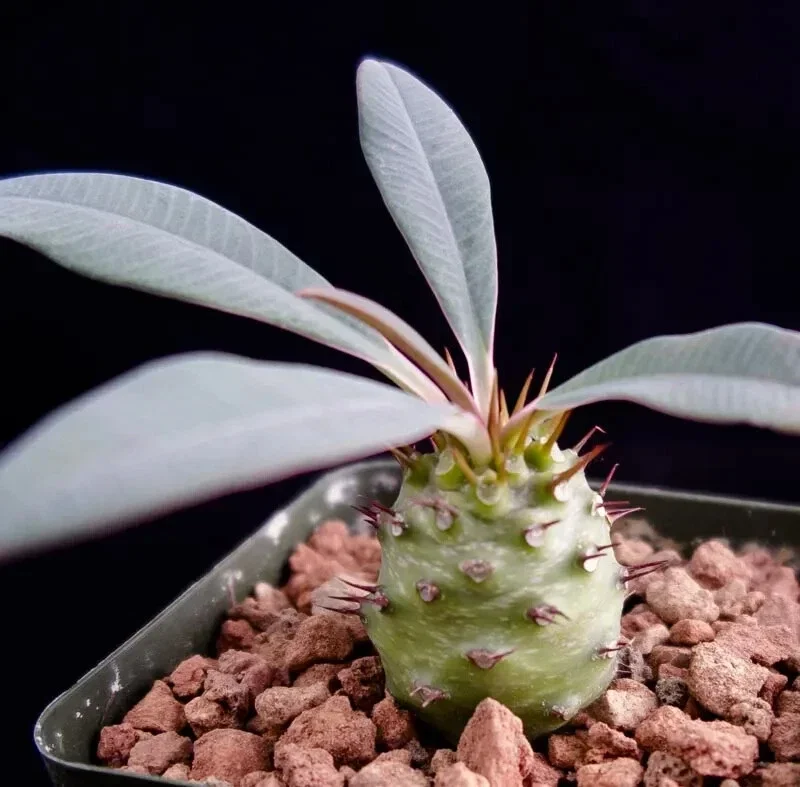
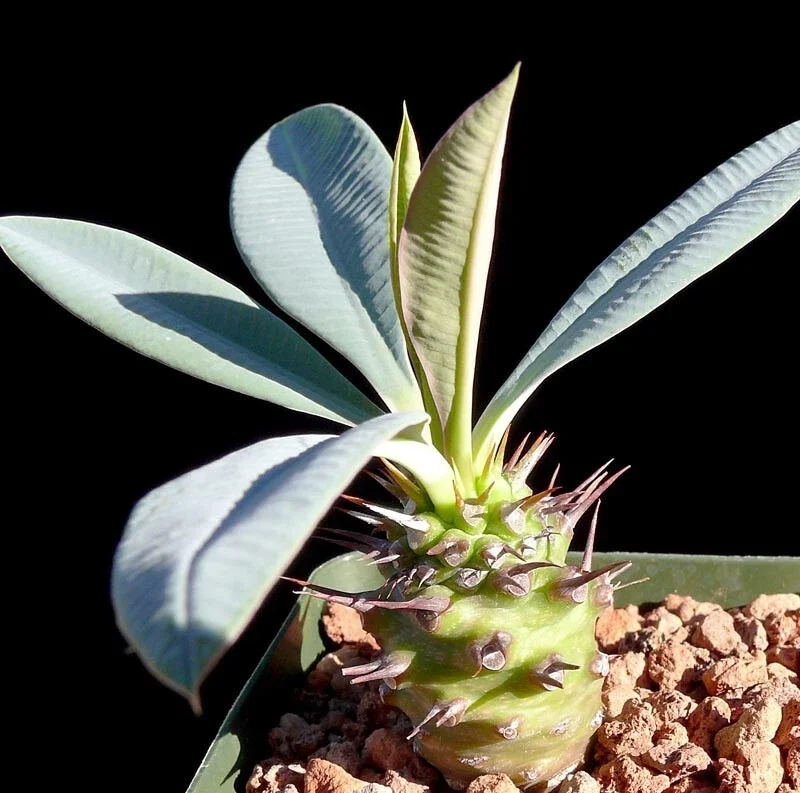
Embark on an exciting horticultural journey with this Euphorbia Pachypodioides seeds pack. These rare and exotic succulent cactus seeds offer a unique opportunity to cultivate one of the plant kingdom’s most fascinating specimens. Native to Madagascar, Euphorbia pachypodioides is renowned for its distinctive caudex form, developing a thick, swollen stem that stores water, allowing it to thrive in arid conditions. While often mistaken for a cactus due to its succulent nature and spiny appearance, it belongs to the diverse Euphorbia genus. Growing these exotic cactus seeds provides a rewarding experience for both novice and experienced gardeners eager to expand their collection with something truly special.
The allure of the Euphorbia Pachypodioides seeds lies in its architectural beauty and resilience. Each seed holds the potential to grow into a striking, sculptural plant that can become a focal point in any succulent arrangement or rock garden. These particular seeds are fresh harvest, ensuring optimal germination rates for your growing success. Bring a piece of Madagascar’s botanical wonder into your home and garden by starting your own collection of this captivating succulent.
Key Benefits
Growing Euphorbia Pachypodioides seeds offers several compelling benefits, making it a desirable choice for plant enthusiasts seeking unique and rewarding cultivation experiences. These benefits extend from their striking appearance to their robust nature.
- Exceptional Ornamental Value: The mature Euphorbia Pachypodioides seeds develop into plants with a highly aesthetic, sculptural caudex and intricate branching, making them a stunning addition to any collection or landscape. Their unique form provides year-round visual interest.
- Drought Tolerance: As a true succulent, this plant is incredibly efficient at water storage, requiring minimal watering once established. This makes it an ideal choice for xeriscaping or for gardeners seeking low-maintenance options.
- Collector’s Item: Due to its distinctive appearance and relatively rare availability, the Euphorbia pachypodioides is highly sought after by succulent and caudiciform plant collectors. Growing it from rare succulent seeds adds to its prestige.
- Resilient and Adaptable: These plants are known for their hardiness and ability to adapt to various outdoor environments, provided their basic needs for sunlight and drainage are met. They tolerate a range of temperatures typical for arid and semi-arid regions.
- Fascinating Growth Habit: Observing the development of the caudex from a small seedling into a robust, woody structure is a truly captivating process, offering a unique insight into plant physiology and adaptation.
Plant Care & Growing Tips
Successfully germinating and growing Euphorbia Pachypodioides seeds requires attention to specific environmental conditions that mimic its natural habitat. Begin by sowing the seeds in a well-draining, gritty succulent mix. A good blend might include pumice, perlite, and a small amount of organic potting soil. Ensure the container has drainage holes to prevent waterlogging, which can be detrimental to succulent seeds and seedlings. Lightly cover the Euphorbia seeds with a thin layer of grit or sand, then mist gently to moisten the soil.
For optimal germination, maintain a warm and consistent temperature, ideally between 70-85°F (21-29°C). A heat mat can be beneficial if your ambient temperatures are cooler. Provide bright, indirect light; direct harsh sun can be too intense for young seedlings. Keep the soil consistently moist but never soggy during the germination phase, which can take anywhere from a few weeks to several months. Once seedlings emerge, gradually introduce them to more light and allow the soil to dry slightly between waterings. Mature plants prefer full sun to partial shade outdoors and thrive with medium watering, allowing the soil to dry completely before rewatering to prevent root rot.
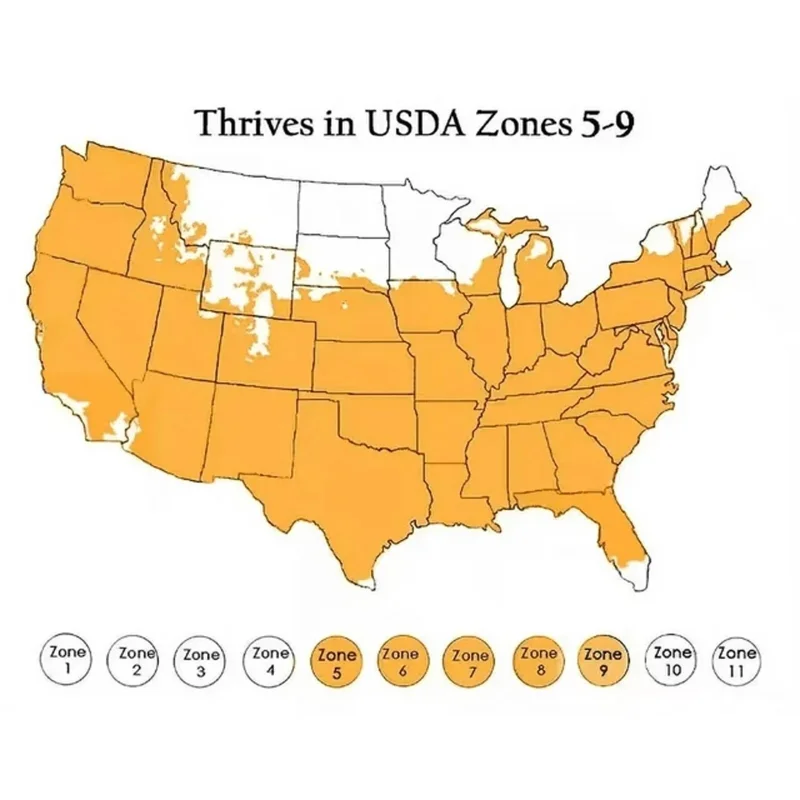
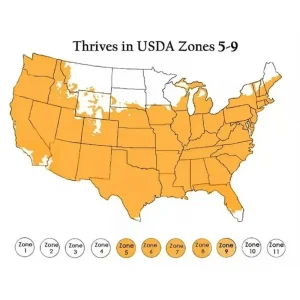
Fertilization for mature plants should be minimal; a diluted, low-nitrogen fertilizer can be applied during the active growing season (spring and summer) every few weeks. This caudex plant seeds variety typically thrives in USDA zones 9-11, making it suitable for outdoor cultivation in warmer climates or as a potted specimen that can be brought indoors during colder months. Protect from frost. Watch for common succulent pests like mealybugs, and ensure good air circulation to prevent fungal issues, especially in humid environments.
Size & Details
This offering includes a pack of 5 Euphorbia Pachypodioides seeds, providing a starter quantity for cultivating these unique succulent plants. Each seed has the potential to grow into a striking caudex plant, with its characteristic swollen base and branching structure. The mature size of Euphorbia pachypodioides can vary depending on growing conditions and age, typically reaching 1 to 3 feet in height and spread over many years, slowly developing its distinctive form. These rare plants are known for their slow to moderate growth rate, rewarding patient gardeners with their sculptural beauty.
The seeds are shipped fresh, harvested for optimal viability and ready for planting upon arrival. While the initial growth from Euphorbia Pachypodioides seeds will be small, the plant gradually develops its impressive caudex and branches, eventually reaching a flowering stage. The plant form is classified as a caudex, signifying its unique water-storing stem. These seeds are perfect for outdoor planting in appropriate climates or for growing as cherished indoor specimens.
Frequently Asked Questions
- Q: How big does a Euphorbia Pachypodioides plant get? A: A mature Euphorbia Pachypodioides typically grows to about 1 to 3 feet in height and spread, though its size is highly dependent on its age and growing conditions. It develops a thick, sculptural caudex over many years.
- Q: Is this an indoor or outdoor plant? A: This plant can be grown both indoors and outdoors. It thrives outdoors in warmer climates (USDA zones 9-11) and can be cultivated as a potted houseplant in cooler regions, provided it receives adequate light.
- Q: How much sunlight do Euphorbia Pachypodioides seeds need to germinate? A: For germination, the seeds require bright, indirect light. Once seedlings emerge, gradually introduce them to more direct light. Mature plants prefer full sun to partial shade.
- Q: Is this plant easy to care for? A: While germinating Euphorbia Pachypodioides seeds requires specific conditions, mature plants are relatively low-maintenance, being drought-tolerant succulents. They are considered medium difficulty for care, suitable for those with some succulent growing experience.
- Q: What condition will the seeds arrive in? A: The product consists of 5 fresh harvest Euphorbia Pachypodioides seeds, carefully packaged to ensure their viability and safe arrival, ready for immediate planting.
- Q: When is the best time to plant Euphorbia Pachypodioides seeds? A: The best time to plant these seeds is in spring to early summer when temperatures are consistently warm, which aids in germination and initial growth. However, with controlled indoor conditions, they can be started year-round.
- Q: What type of soil is best for these rare succulent seeds? A: These rare succulent seeds and the resulting plants thrive in a well-draining, gritty succulent or cactus potting mix. Good drainage is crucial to prevent root rot.
- Q: Will Euphorbia Pachypodioides survive winter in my zone? A: Euphorbia pachypodioides is cold-sensitive and generally hardy in USDA zones 9-11. If you are in a colder zone, it is best to grow them in containers and bring them indoors before the first frost.
- Q: How long does it take for Euphorbia Pachypodioides seeds to germinate? A: Germination time for Euphorbia seeds can vary significantly, ranging from a few weeks to several months, depending on environmental factors like temperature and moisture. Patience is key.
- Q: What is a caudex plant? A: A caudex plant, like the Euphorbia Pachypodioides, is a plant that develops a swollen, woody stem or trunk at its base, which serves as a water and nutrient storage organ, enabling it to survive in harsh, dry environments.
Be the first to review “Euphorbia Pachypodioides Seeds – Rare Succulent Cactus – 5 Seed Pack – Outdoor”
-
USDA Hardiness Zone
USDA zones 9-11 -
Soil Type
Well-draining succulent or cactus mix -
Sunlight Exposure
Full sun to partial shade -
Expected Planting Period
Spring to early summer
People Also Viewd


Sold 128 products
Original price was: $89.99.$64.99Current price is: $64.99.

Sold 128 products
Original price was: $27.00.$24.00Current price is: $24.00.
Sold 127 products
Original price was: $159.99.$139.99Current price is: $139.99.

Sold 126 products
Original price was: $3,536.00.$23.99Current price is: $23.99.

Sold 125 products
Original price was: $86.99.$66.99Current price is: $66.99.
Sold 116 products
Original price was: $27.99.$16.99Current price is: $16.99.

Flower Bulbs
3 Cranesbill Wild Geranium Organic Maculatums Bare Roots | Wildflower for Outdoor Garden
Sold 114 products
Original price was: $21.99.$6.99Current price is: $6.99.

Sold 114 products
Original price was: $28.99.$17.99Current price is: $17.99.RELATED posts
Mastering Esperanza Goldstar: Grow the Ultimate Yellow Bloom
Esperanza Goldstar is more than just a heat-tolerant shrub; for the American gardener battling the [...]
Apr
Yellow Dragon Fruit Plant Care: The Ultimate Guide for Healthy Growth
The yellow dragon fruit plant is a unique and rewarding addition to any home garden, [...]
Apr
How to Identify Bocking 14 Comfrey: 5 Simple Visual Signs
If you’re growing comfrey for mulch, compost, or animal feed, knowing exactly which variety you [...]
Mar
Grand Duke of Tuscany Jasmine: The Ultimate Guide to Growing a Fragrant Masterpiece
Have you ever caught a scent in the air so rich, creamy, and honey-sweet that [...]
Mar
How to Grow Wild Huckleberries: A Guide to “Purple Gold”
Have you ever spent a summer afternoon hiking through the Pacific Northwest or the Rocky [...]
Mar
5 Best Shade-Loving Perennials for a Lush, Vibrant Garden
The world of gardening often shines a spotlight on sun-drenched blossoms, but there is a [...]
Mar

7 Common Curry Leaf Plant Problems: Easy Fixes for a Thriving Plant
Is your curry leaf plant looking a bit sad lately? Maybe you woke up to [...]
Mar
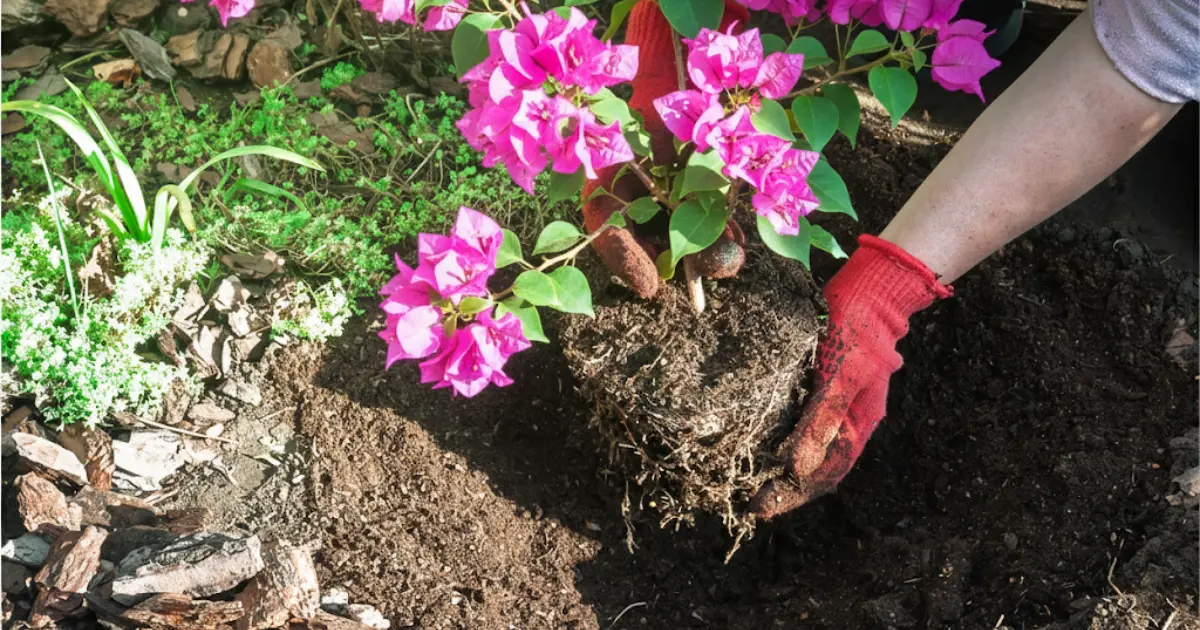
Best Time to Plant Bougainvillea: Timing for Vibrant Blooms
If you’re looking for a hardy tropical vine that delivers a riot of neon color, [...]
Feb

Reviews
There are no reviews yet.