
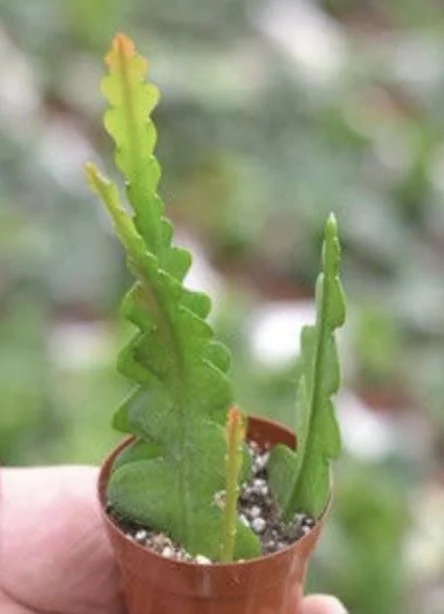
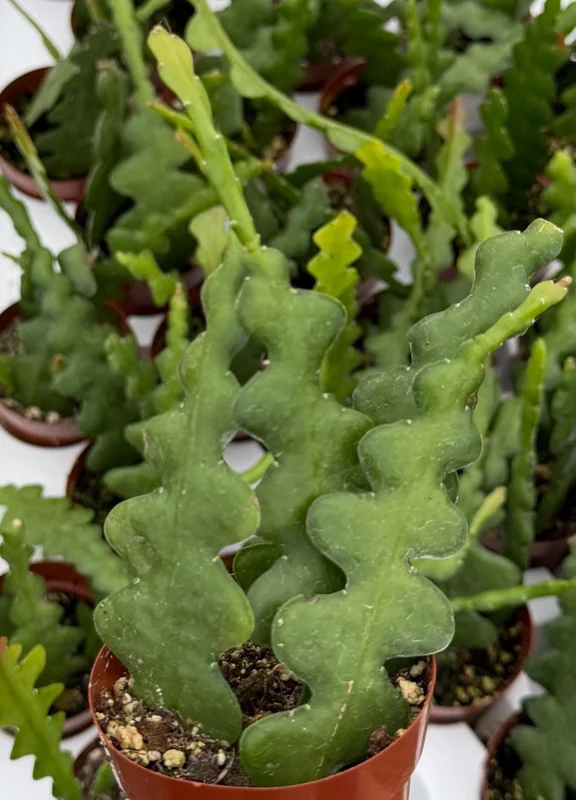
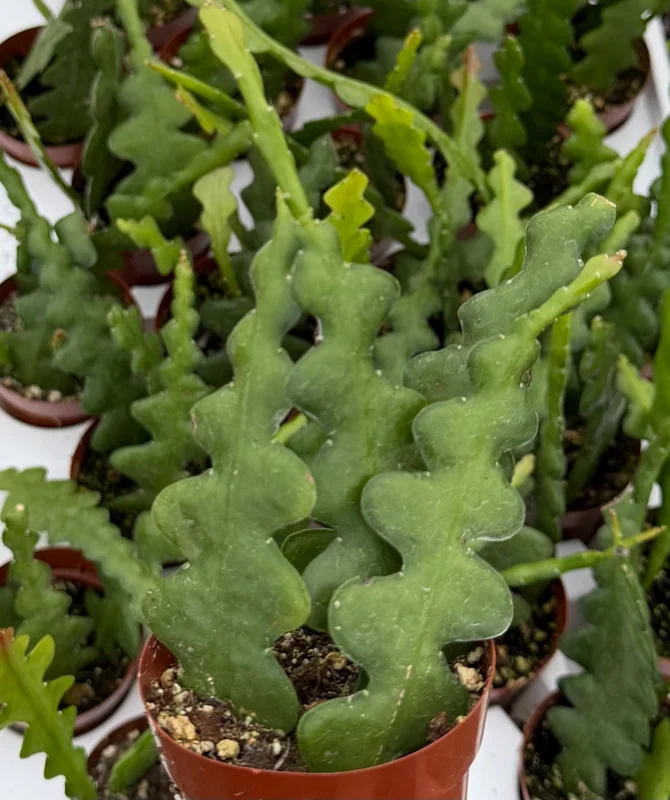
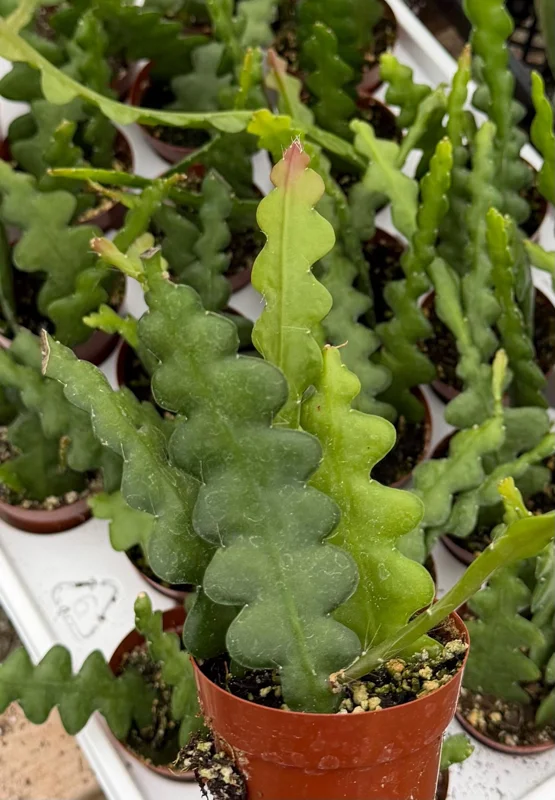
Fishbone Cactus Live Plant – Zig Zag Orchid Cactus – Tropical Houseplant in 2.5 Inch Pot
Original price was: $45.90.$25.90Current price is: $25.90.
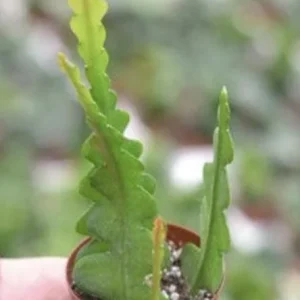
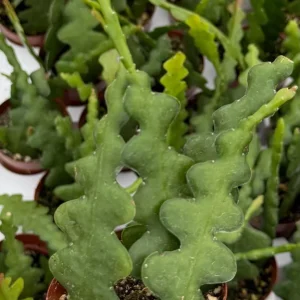
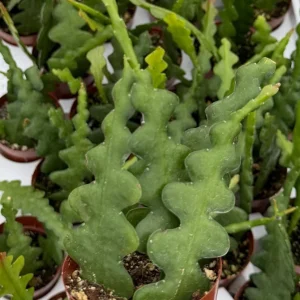
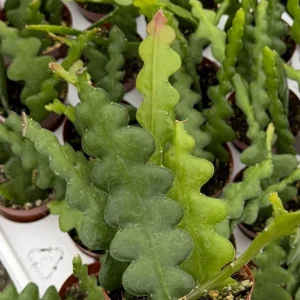
Bring home a unique fishbone cactus live plant (Disocactus anguliger) in a 2.5 inch pot. This striking tropical houseplant, also known as zig zag cactus or orchid cactus indoor, boasts dramatic, wavy foliage and fragrant, night-blooming flowers, making it an ideal choice for adding exotic beauty to any indoor space.
Estimated arrival
Apr 05
Apr 10 - Apr 12
Apr 15 - Apr 19

Reasonable Price
We offer reasonable price

Support 24/7
Contact us 24 hrs a day

100% Money Back
You've 30 days to Return

Payment Secure
100% secure payment
Overview
Introduce an exotic touch to your home with the fascinating fishbone cactus live plant. Also known by its common names, Zig Zag Cactus or Orchid Cactus, this unique epiphytic cactus, scientifically named Disocactus anguliger, is celebrated for its distinctive, deeply lobed, and wavy stems that resemble a fishbone or a zig-zag pattern. Native to the tropical rainforests of Mexico, this plant defies the typical desert cactus stereotype, preferring conditions similar to a lush tropical environment. Unlike its desert cousins, the fishbone cactus live plant naturally grows attached to trees in its native habitat, thriving in bright, filtered light, high humidity, and excellent air circulation. This makes it a perfect candidate for a stunning tropical houseplant care specimen, bringing a piece of the rainforest directly into your living space. Its dramatic foliage is a year-round attraction, and come nightfall, it may surprise you with its large, fragrant, white or pale yellow flowers, adding an extra layer of charm to its already captivating presence.
Key Benefits
The fishbone cactus live plant offers a multitude of benefits that make it a highly desirable addition to any plant collection. Its unique appearance and relatively straightforward care requirements contribute to its popularity among both novice and experienced plant enthusiasts. This plant is not just a visual delight but also a conversation starter.
- Striking Foliage: The most immediate benefit is its incredibly unique, zig-zag patterned stems. These flat, undulating leaves provide an architectural element to any room, offering a distinctive visual appeal unlike most other houseplants. It’s a true statement piece.
- Fragrant Night Blooms: Experience the magic of its large, often white or pale yellow, fragrant flowers that typically unfurl at night. These ephemeral blooms are a spectacular reward for your care, filling your home with a delicate, sweet scent.
- Easy Care Tropical Plant: Despite its exotic looks, the fishbone cactus live plant is surprisingly low-maintenance. It thrives in typical indoor conditions with bright indirect light and consistent watering, making it an excellent choice for busy plant parents.
- Air Purification: Like many houseplants, the fishbone cactus live plant contributes to a healthier indoor environment by helping to filter airborne toxins and improve air quality, promoting a fresher living space.
- Versatile Display: Its trailing growth habit makes it ideal for hanging baskets, elevated shelves, or as a unique centerpiece. Its stems can cascade gracefully, adding dynamic movement and texture to your decor.
- Unique Gift Idea: Due to its unusual appearance and ease of care, a disocactus anguliger plant makes a thoughtful and memorable gift for plant lovers or anyone looking to add an interesting botanical specimen to their home.
- Drought Tolerance: While it enjoys consistent moisture, this epiphytic cactus is more forgiving than many tropical plants if you occasionally forget to water, thanks to its cactus heritage.
Plant Care & Growing Tips
Caring for your fishbone cactus live plant is a rewarding experience, especially when you understand its specific needs as a tropical epiphyte rather than a desert cactus. This plant thrives in conditions that mimic its rainforest origins, requiring a balance of light, humidity, and proper watering to flourish. For optimal growth and to encourage those beautiful blooms, follow these detailed care instructions.
Sunlight Requirements: The zig zag cactus care routine begins with proper lighting. This plant prefers bright, indirect light. Think of its natural habitat where it grows under the canopy of larger trees, receiving dappled sunlight. Avoid direct, harsh sunlight, especially during the intense afternoon hours, as this can scorch its delicate stems. An east or north-facing window is often ideal, or a few feet away from a south or west-facing window. If leaves start to yellow or turn reddish, it might be getting too much sun; if growth is leggy and sparse, it might need more light.
Watering Schedule and Soil Moisture Preferences: Unlike desert cacti, the orchid cactus indoor prefers consistent moisture but absolutely detests sitting in soggy soil. Water thoroughly when the top 1-2 inches of soil feel dry to the touch. Allow excess water to drain completely from the bottom of the pot. During its active growing season (spring and summer), it will require more frequent watering, while in fall and winter, you can reduce the frequency as growth slows. Overwatering is the most common killer, leading to root rot, so always check the soil moisture before watering again. Using a well-draining potting mix is crucial for healthy roots.
Soil Type and Drainage Requirements: A crucial aspect of tropical houseplant care for this species is the right substrate. Use a well-draining but slightly organic soil mix. A good blend would be a standard potting mix amended with perlite, orchid bark, or pumice to enhance drainage and aeration. This mimics the loose, airy substrate it would find growing on trees. The pot must also have drainage holes to prevent waterlogging.
Temperature Range and USDA Hardiness Zone: The disocactus anguliger plant thrives in typical household temperatures, ideally between 60-75°F (15-24°C). It can tolerate slightly cooler temperatures but should be protected from anything below 50°F (10°C), as it is not frost-tolerant. For outdoor growing, it is generally suited for USDA zones 10-11, where temperatures rarely drop below freezing. High humidity is also appreciated; consider misting regularly or placing it near a humidifier, especially in dry indoor environments.
Fertilization Schedule and Type: Feed your fishbone cactus live plant with a balanced liquid fertilizer diluted to half strength every 2-4 weeks during its active growing season (spring and summer). Reduce or cease fertilization in fall and winter when the plant is dormant. A fertilizer formulated for orchids or epiphytic plants can also be beneficial, as it will provide the specific nutrients these plants need.
Common Problems and Solutions: Watch out for common pests like spider mites, mealybugs, or scale, especially in dry conditions. Treat with insecticidal soap or neem oil. Yellowing stems can indicate overwatering or too much direct sun, while shriveled stems might mean underwatering. Adjust your care routine accordingly. Root rot is a risk with overwatering, so ensure excellent drainage.
Size & Details
Each fishbone cactus live plant is carefully cultivated and shipped as a healthy specimen in a 2.5 inch nursery pot, ready to be introduced to its new home. At the time of shipping, plants typically stand approximately 4-6 inches tall, including the pot, with several distinctive zig-zag stems already formed. These plants are relatively fast growers under optimal conditions, with stems that can eventually reach lengths of several feet, creating an impressive trailing display. They are suitable for growing as hanging plants or in containers where their unique foliage can cascade elegantly. The disocactus anguliger plant is known for its moderate growth rate, establishing itself well within the first few months and then putting on more significant growth in subsequent seasons. Expect the first fragrant night blooms to appear once the plant reaches maturity and is well-established, usually within 1-2 years of proper care.
Frequently Asked Questions
- Q: What size pot does the fishbone cactus come in? A: Your fishbone cactus live plant will arrive in a 2.5 inch nursery pot, perfectly sized for its initial growth stage. You may want to consider repotting into a slightly larger pot (e.g., 4-6 inches) after a few months as it grows.
- Q: Is this an indoor or outdoor plant? A: This is primarily an orchid cactus indoor plant in most climates. It thrives indoors where temperatures are consistent. If you live in USDA zones 10-11, it can be grown outdoors in a shaded, protected area.
- Q: How much sunlight does my zig zag cactus need? A: The zig zag cactus care requires bright, indirect light. Avoid direct afternoon sun, which can scorch its leaves. A spot near an east or north-facing window is often ideal for this tropical houseplant care specimen.
- Q: Is this plant easy to care for? A: Yes, the fishbone cactus live plant is considered relatively easy to care for, making it suitable for both beginners and experienced plant enthusiasts. Its needs are straightforward once you understand its preference for tropical conditions over desert ones.
- Q: How often should I water my fishbone cactus? A: Water your disocactus anguliger plant when the top 1-2 inches of soil feel dry to the touch. It prefers consistent moisture but never soggy soil, so ensure good drainage.
- Q: How big does this plant get? A: The stems of a mature fishbone cactus live plant can trail several feet long, making it an excellent choice for hanging baskets. The plant you receive will be a young specimen ready to grow.
- Q: When is the best time for it to bloom? A: The orchid cactus indoor typically blooms in late spring to early summer, with its fragrant flowers opening at night. Consistent care and mature size are key to encouraging blooms.
- Q: What kind of soil is best for a fishbone cactus? A: A well-draining, slightly organic potting mix is best. You can amend standard potting soil with perlite, orchid bark, or pumice to create the ideal environment for your zig zag cactus care.
- Q: Will it survive winter in my zone? A: As a tropical plant, the fishbone cactus live plant is not frost-tolerant. It should be brought indoors or protected if temperatures drop below 50°F (10°C).
- Q: Is the fishbone cactus pet-safe? A: The disocactus anguliger plant is generally considered non-toxic to pets, making it a safe choice for homes with curious animals. However, it’s always best to prevent pets from chewing on any houseplants.
Be the first to review “Fishbone Cactus Live Plant – Zig Zag Orchid Cactus – Tropical Houseplant in 2.5 Inch Pot”
-
USDA Hardiness Zone
USDA zones 10-11 (outdoors), suitable for all zones indoors -
Soil Type
Well-draining, slightly organic potting mix -
Sunlight Exposure
Bright indirect light -
Expected Planting Period
Year-round indoors
People Also Viewd
Sold 128 products
Original price was: $89.99.$64.99Current price is: $64.99.
Sold 128 products
Original price was: $27.00.$24.00Current price is: $24.00.
Sold 127 products
Original price was: $159.99.$139.99Current price is: $139.99.
Sold 126 products
Original price was: $3,536.00.$23.99Current price is: $23.99.

Sold 125 products
Original price was: $86.99.$66.99Current price is: $66.99.
Sold 116 products
Original price was: $27.99.$16.99Current price is: $16.99.
Flower Bulbs
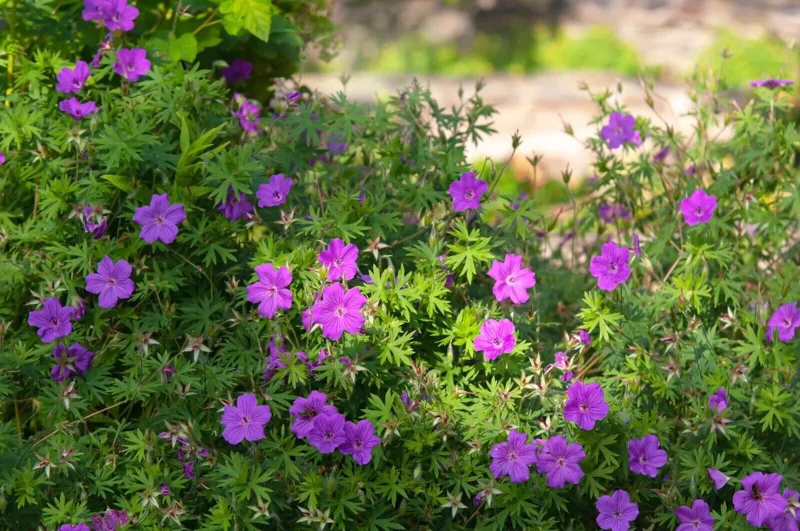
3 Cranesbill Wild Geranium Organic Maculatums Bare Roots | Wildflower for Outdoor Garden
Sold 114 products
Original price was: $21.99.$6.99Current price is: $6.99.
Sold 114 products
Original price was: $28.99.$17.99Current price is: $17.99.RELATED posts
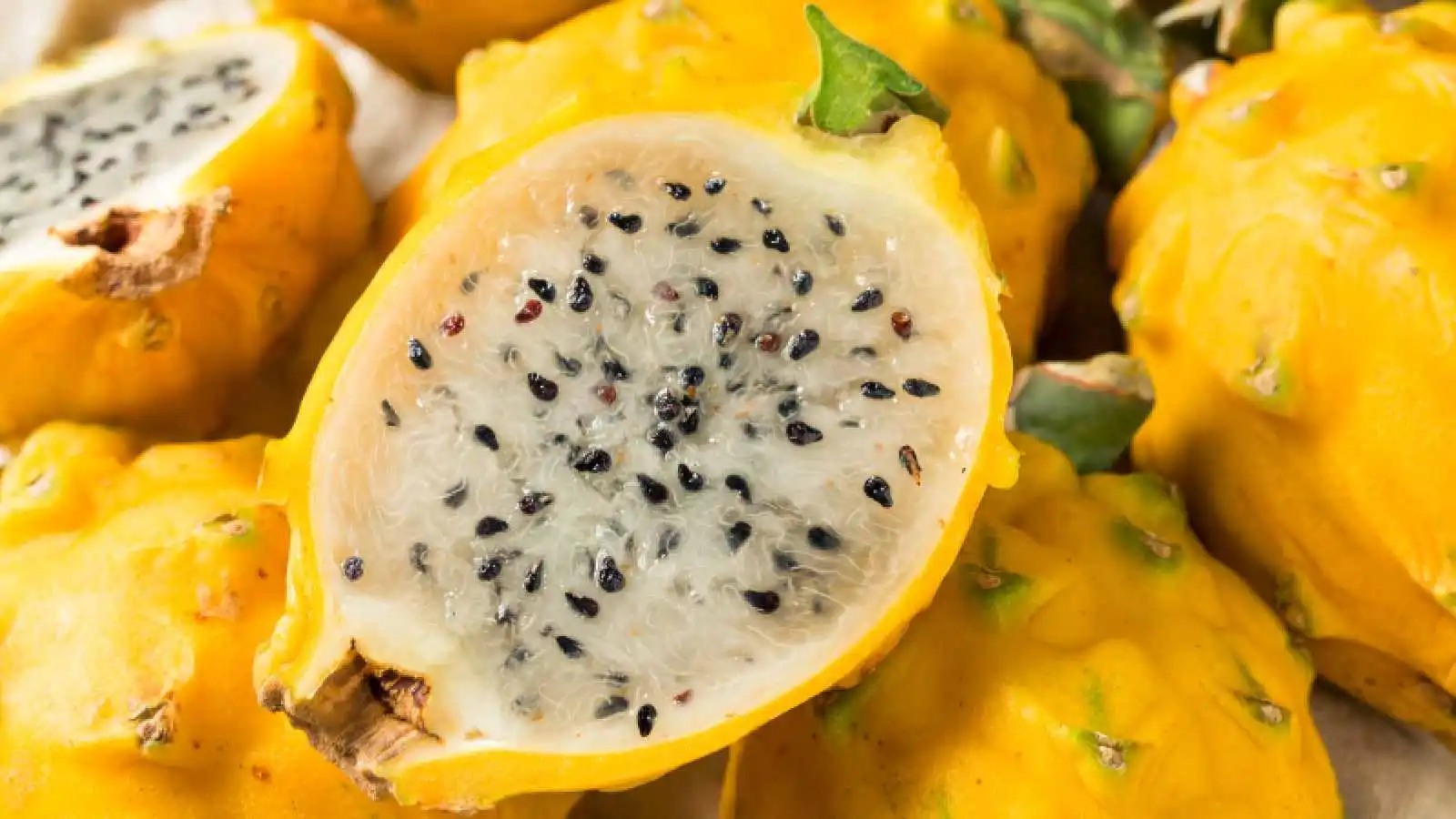
Yellow Dragon Fruit Plant Care: The Ultimate Guide for Healthy Growth
The yellow dragon fruit plant is a unique and rewarding addition to any home garden, [...]
Apr
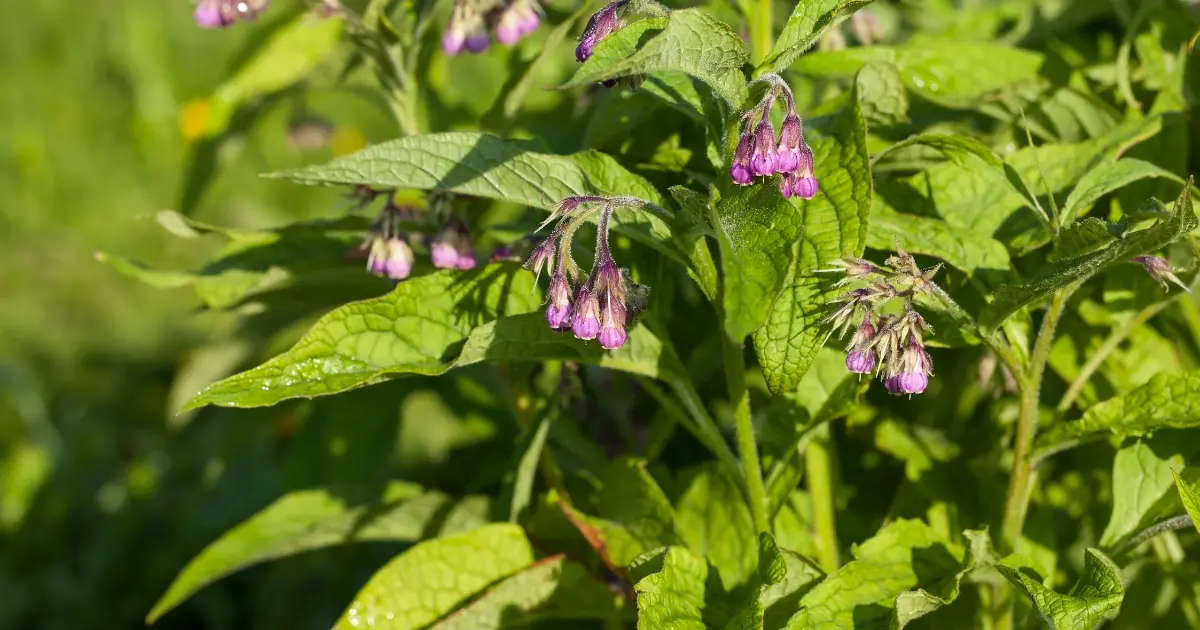
How to Identify Bocking 14 Comfrey: 5 Simple Visual Signs
If you’re growing comfrey for mulch, compost, or animal feed, knowing exactly which variety you [...]
Mar
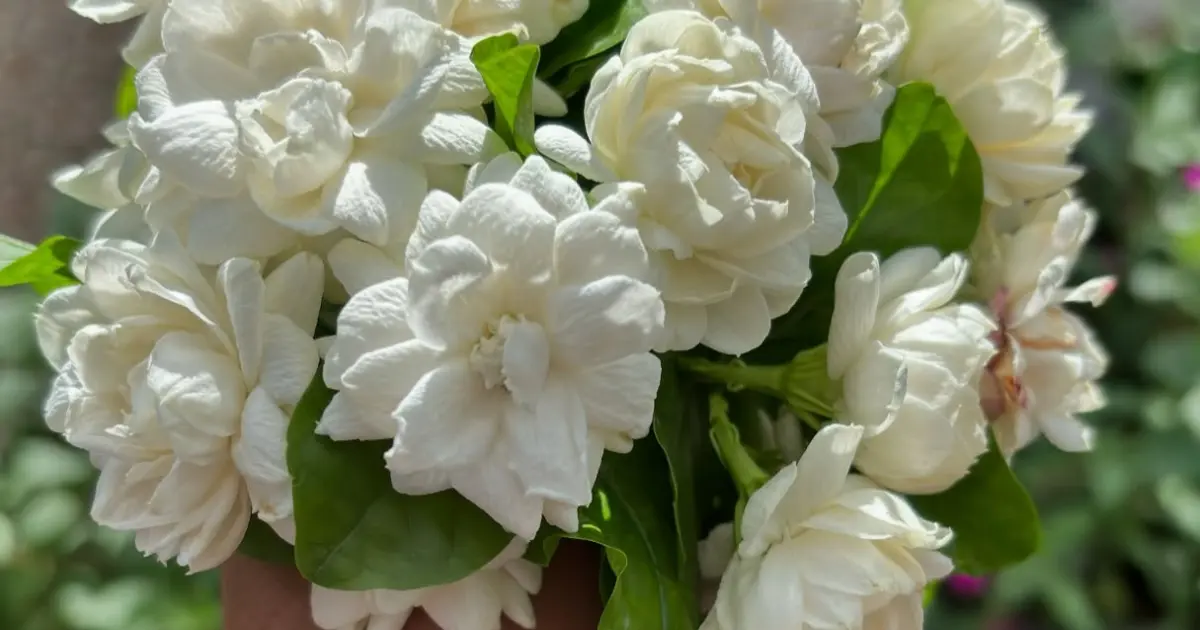
Grand Duke of Tuscany Jasmine: The Ultimate Guide to Growing a Fragrant Masterpiece
Have you ever caught a scent in the air so rich, creamy, and honey-sweet that [...]
Mar
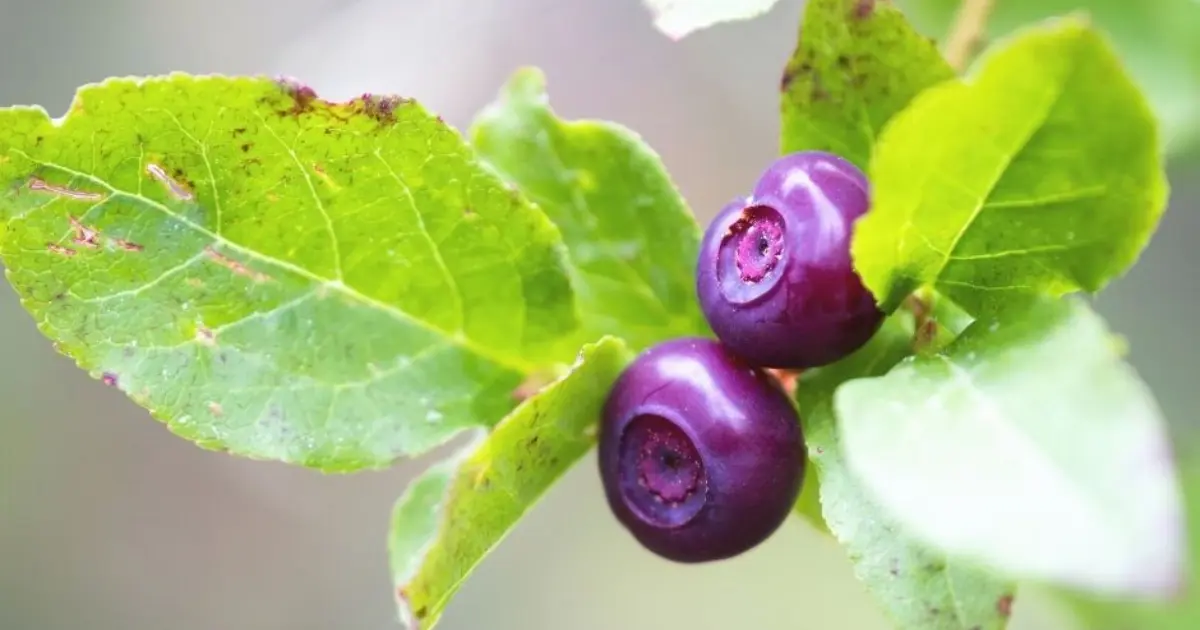
How to Grow Wild Huckleberries: A Guide to “Purple Gold”
Have you ever spent a summer afternoon hiking through the Pacific Northwest or the Rocky [...]
Mar
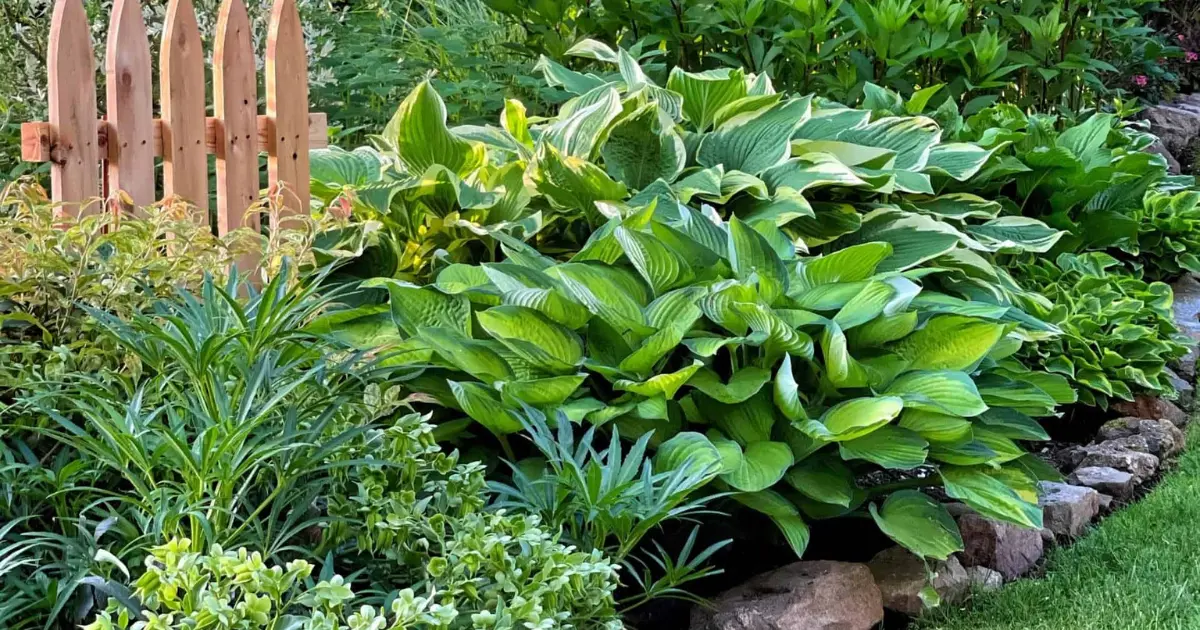
5 Best Shade-Loving Perennials for a Lush, Vibrant Garden
The world of gardening often shines a spotlight on sun-drenched blossoms, but there is a [...]
Mar

7 Common Curry Leaf Plant Problems: Easy Fixes for a Thriving Plant
Is your curry leaf plant looking a bit sad lately? Maybe you woke up to [...]
Mar
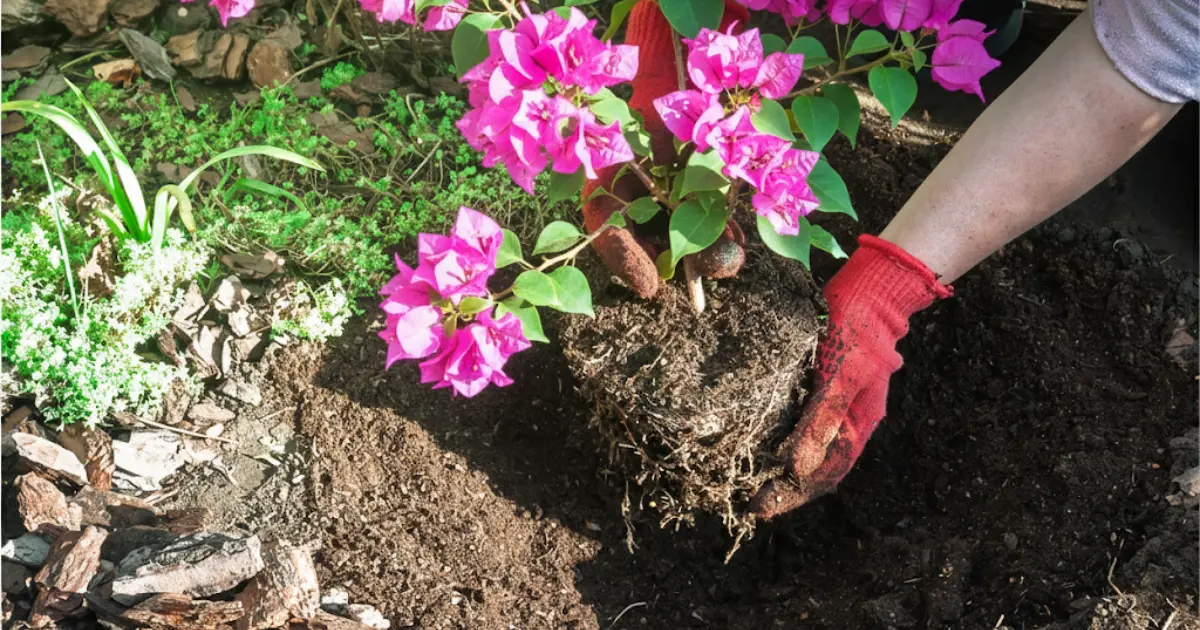
Best Time to Plant Bougainvillea: Timing for Vibrant Blooms
If you’re looking for a hardy tropical vine that delivers a riot of neon color, [...]
Feb
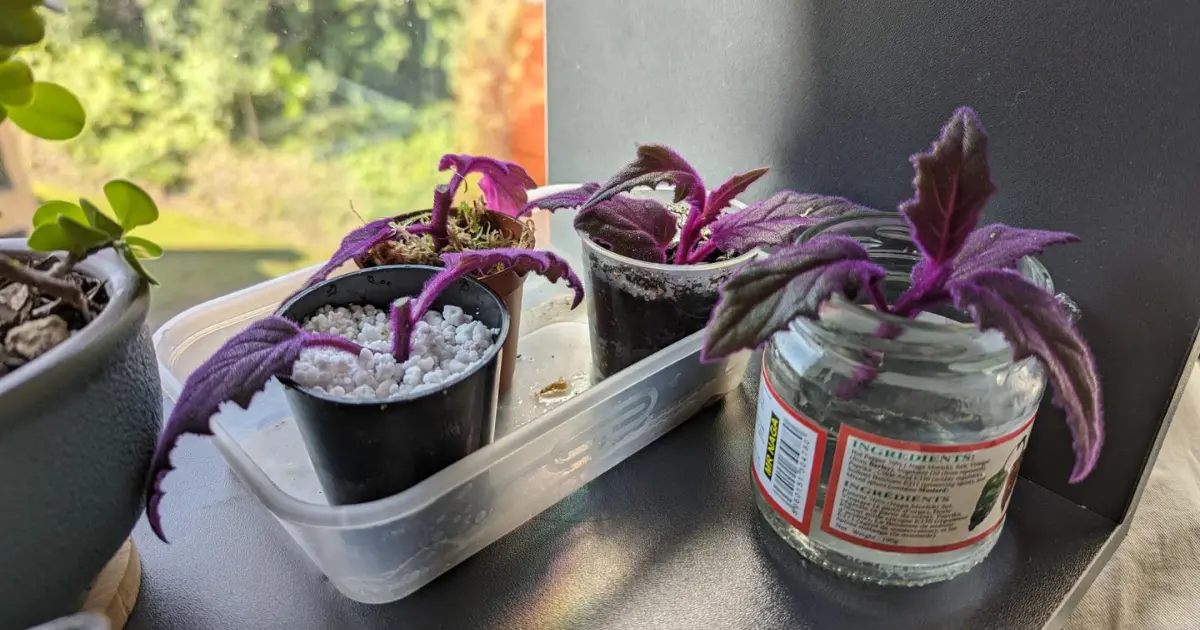
How to Propagate Purple Passion Plants (Gynura aurantiaca)
Have you ever been mesmerized by the neon-purple glow and fuzzy, velvet-like leaves of a [...]
Feb


Reviews
There are no reviews yet.