
Fittonia Ruby Lime Live Plant – 2 inch Pot – Indoor Nerve Plant
Price range: $20.98 through $53.98
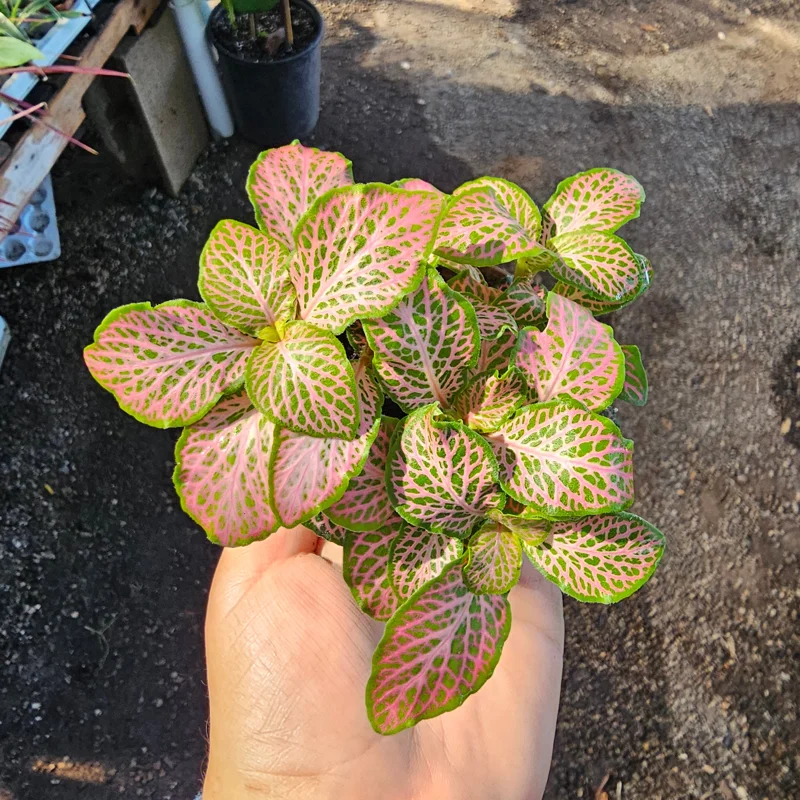
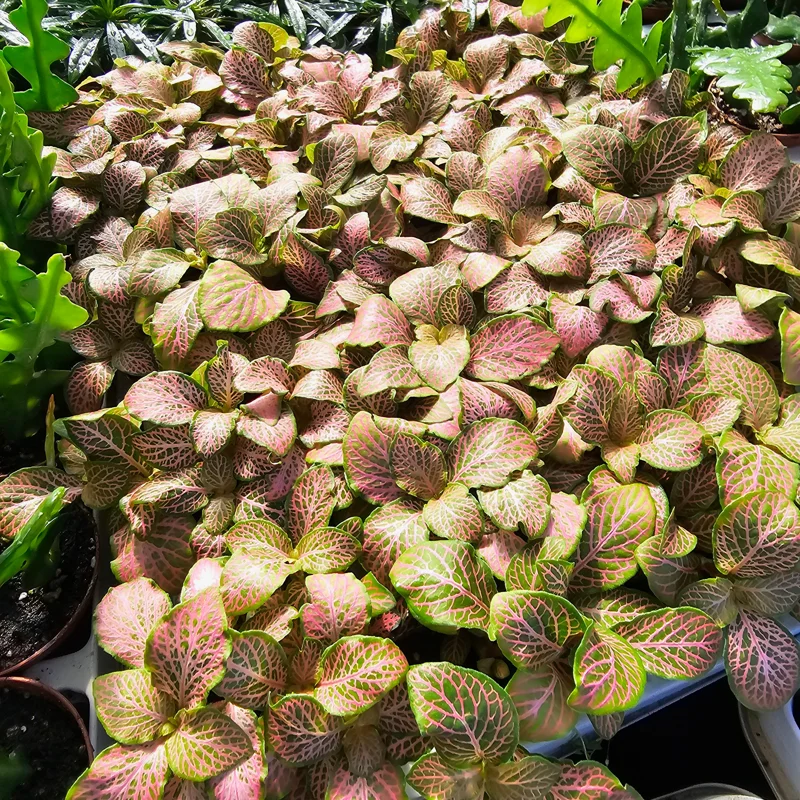
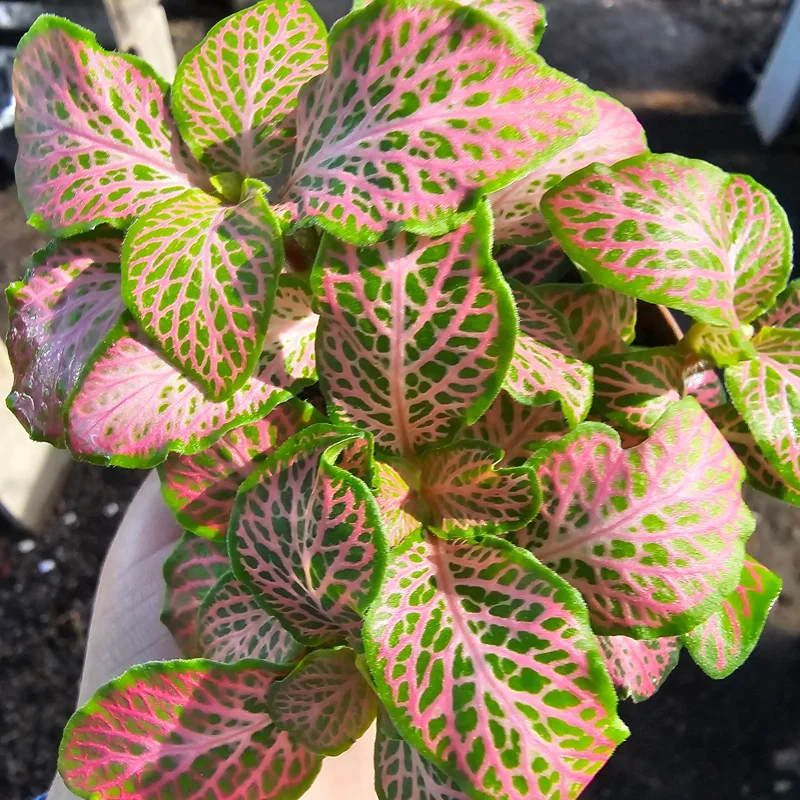
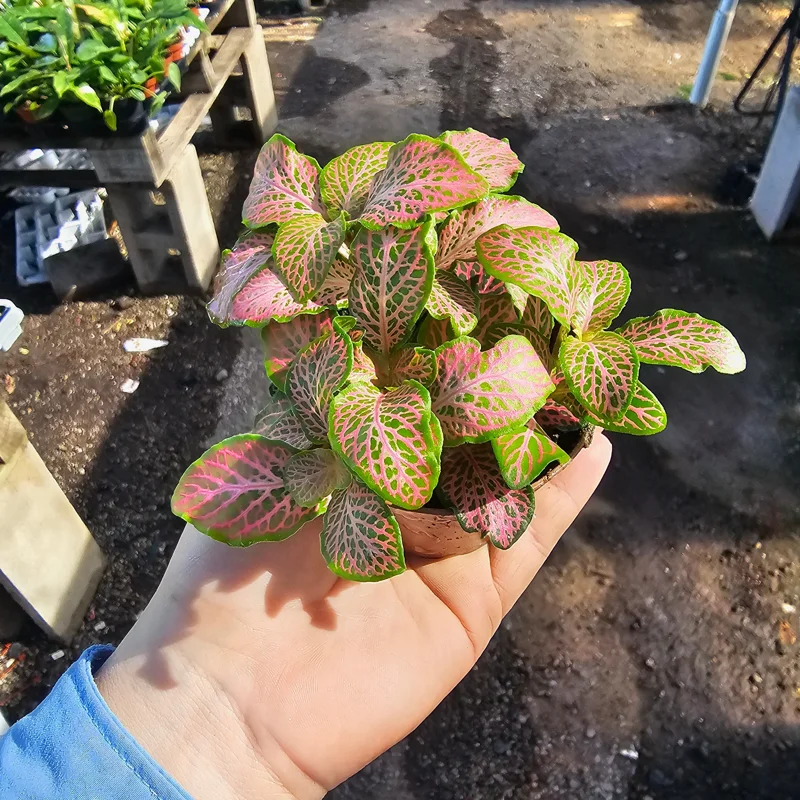
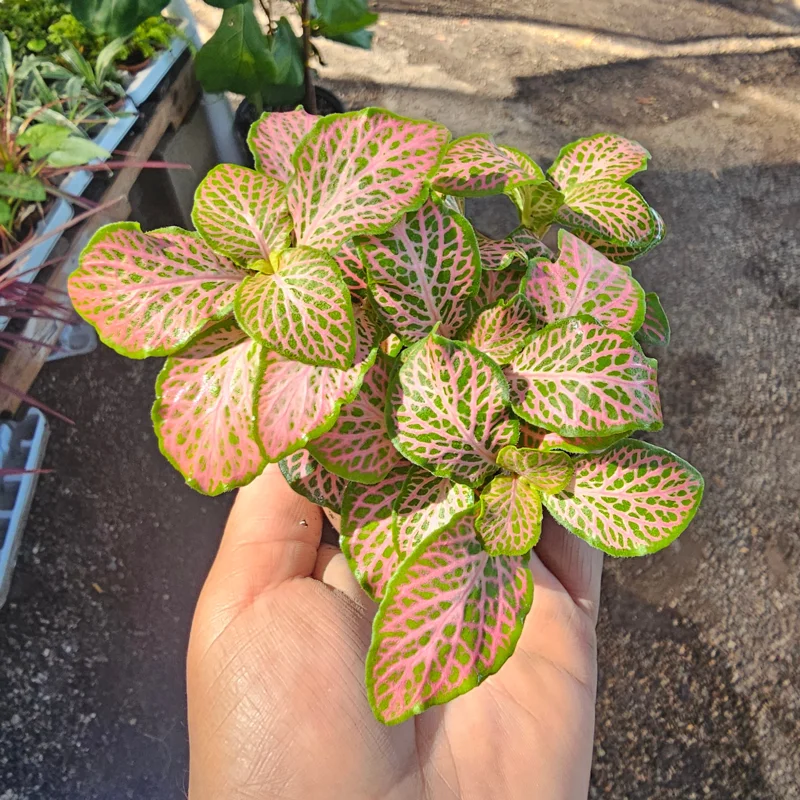
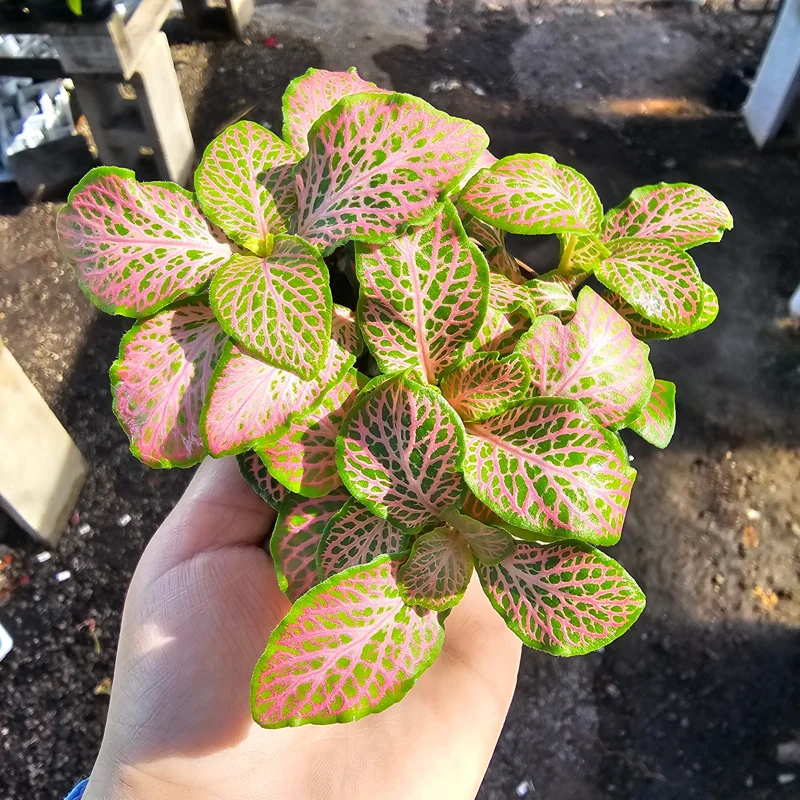
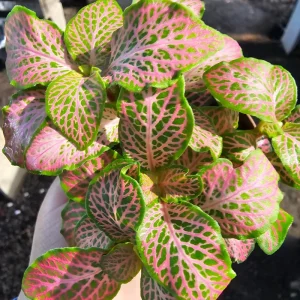
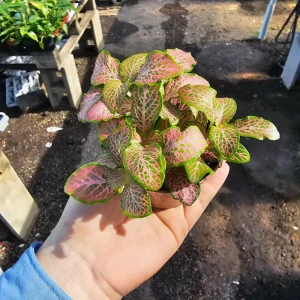
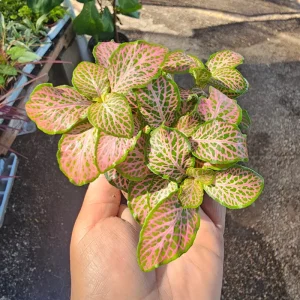
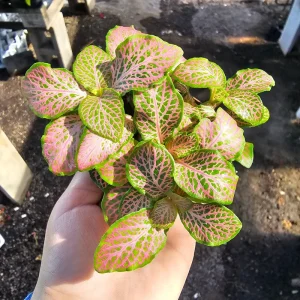
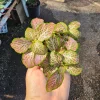
Bring a splash of vibrant color to your home with the Fittonia Ruby Lime live plant. This captivating nerve plant features striking ruby-red and lime-green variegated foliage, making it a perfect accent for desks, shelves, or terrariums. Known for its compact size and beautiful leaf patterns, it thrives in humid indoor environments and is an excellent choice for adding natural elegance to any room.
Estimated arrival
Apr 11
Apr 16 - Apr 18
Apr 21 - Apr 25

Reasonable Price
We offer reasonable price

Support 24/7
Contact us 24 hrs a day

100% Money Back
You've 30 days to Return

Payment Secure
100% secure payment
Overview
Introduce a burst of color and unique texture to your indoor garden with the stunning Fittonia Ruby Lime live plant. Also known as the Nerve Plant or Mosaic Plant, Fittonia verschaffeltii ‘Ruby Lime’ is celebrated for its intricate, vein-like patterns that crisscross its vibrant green leaves, accented with brilliant ruby-red or pink. This particular cultivar offers a dazzling display of deep red and bright lime green, creating a visual masterpiece in a compact form. Originating from the tropical rainforests of South America, Fittonia thrives in conditions that mimic its natural habitat, making it an ideal candidate for terrariums or humid indoor spaces. As a small, bushy houseplant, it remains relatively low-growing, typically not exceeding 6 inches in height, making it perfect for tabletops, shelves, or as part of a mixed plant arrangement. Its distinctive foliage ensures it stands out, offering continuous visual interest without the need for flowers. If you’re looking for a captivating and colorful addition to your collection, the Fittonia Ruby Lime live plant is an excellent choice.
Key Benefits
The Fittonia Ruby Lime live plant offers numerous advantages for both novice and experienced plant enthusiasts. Its striking appearance and relatively straightforward care make it a popular choice for enhancing indoor aesthetics and well-being.
- Vibrant Foliage: Enjoy the captivating ruby-red and lime-green variegation that instantly brightens any room, providing continuous color without relying on blooms.
- Compact Size: Perfect for small spaces, desks, shelves, or terrariums, this plant remains compact, typically reaching 3-6 inches in height.
- Air Purification: Like many houseplants, Fittonia contributes to a healthier indoor environment by helping to filter airborne toxins and improve air quality.
- Boosts Humidity: Its preference for high humidity can subtly contribute to the overall humidity levels in its immediate vicinity, benefiting other nearby plants.
- Easy to Propagate: Fittonia is relatively easy to propagate from stem cuttings, allowing you to expand your collection or share with friends.
- Unique Texture: The distinct veining on its leaves adds a unique textural element to your plant collection, making it a conversation starter.
- Pet-Friendly: Fittonia verschaffeltii is generally considered non-toxic to pets, offering peace of mind for pet owners.
Plant Care & Growing Tips
Caring for your Fittonia Ruby Lime live plant involves understanding its tropical origins and replicating those conditions as best as possible. This involves careful attention to light, water, humidity, and soil. Fittonia is known for being a bit dramatic, often wilting visibly when thirsty, but it usually bounces back quickly once watered.
Sunlight requirements: Fittonia thrives in bright, indirect light. Direct sunlight can scorch its delicate leaves, causing them to fade or burn. An east-facing window is often ideal, providing gentle morning sun, or a few feet away from a south or west-facing window. If the plant isn’t getting enough light, its vibrant colors may become dull, and its growth can become leggy. Adequate light is crucial for maintaining the striking patterns of your Fittonia Ruby Lime live plant.
Watering schedule and soil moisture preferences: This plant prefers consistently moist, but not waterlogged, soil. Water thoroughly when the top inch of soil feels dry to the touch. Avoid letting the soil dry out completely, as Fittonia is prone to wilting. However, also avoid overwatering, which can lead to root rot. Good drainage is essential. If you notice your plant wilting, it’s likely thirsty; a good drink will usually revive it within hours. The frequency of watering will depend on your environment’s humidity and temperature.
Soil type and drainage requirements: Use a well-draining potting mix that retains some moisture. A standard houseplant potting mix amended with perlite or vermiculite for improved drainage works well. The pot should always have drainage holes to prevent water from sitting at the bottom and causing root issues. Good drainage is paramount for healthy nerve plant care.
Temperature range and USDA hardiness zone: Fittonia prefers warm temperatures, ideally between 65-80°F (18-27°C). Avoid temperatures below 55°F (13°C), as this can cause leaf damage and stunted growth. As a tropical plant, it is not cold-hardy and is typically grown as an indoor plant in all USDA zones. It’s not suited for outdoor planting in most of the US. Providing consistent temperatures is a key aspect of proper Fittonia care indoor.
Humidity: High humidity is critical for Fittonia. Aim for 60% relative humidity or higher. You can achieve this by misting daily, placing the pot on a pebble tray with water, using a humidifier, or growing it in a terrarium. Low humidity can cause leaf crisping and browning.
Fertilization schedule and type: Feed your Fittonia with a balanced liquid fertilizer diluted to half strength every 2-4 weeks during the growing season (spring and summer). Reduce feeding in fall and winter when growth slows. Over-fertilization can harm the plant.
Common problems and solutions: Wilting is the most common issue, indicating thirst; water immediately. Brown, crispy leaf edges suggest low humidity. Leggy growth means insufficient light, while faded colors can mean too much direct sun. Keep an eye out for common pests like spider mites or mealybugs, especially in dry conditions; treat with insecticidal soap if necessary.
Size & Details
This offering is for a Fittonia Ruby Lime live plant, typically grown in a 2 inch pot. At this size, the plant is young and compact, making it an excellent starter plant or a perfect fit for smaller decorative arrangements. Fittonia verschaffeltii generally reaches a mature height of 3 to 6 inches, with a similar spread, maintaining its dense, bushy appearance. The growth rate is moderate, allowing you to enjoy its vibrant foliage as it slowly fills its container. It is shipped as a rooted plant in its nursery pot, ready to be placed in your desired location or repotted into a slightly larger decorative container. The compact nature of this small houseplant for terrarium makes it incredibly versatile.
Frequently Asked Questions
- Q: How big does this Fittonia Ruby Lime live plant get? A: This Fittonia Ruby Lime typically grows to a compact size of about 3 to 6 inches in height and spread, making it ideal for small spaces and terrariums.
- Q: What size pot does it come in? A: The Fittonia Ruby Lime plant is currently growing in a 2 inch pot, perfect for easy transplanting into your preferred decorative container or terrarium.
- Q: Is this an indoor or outdoor plant? A: Fittonia is primarily an indoor plant, especially in temperate climates, due to its need for high humidity and consistent warm temperatures. It is not cold-hardy.
- Q: How much sunlight does it need? A: This plant thrives in bright, indirect light. Avoid direct sunlight, which can scorch its leaves, and too little light, which can cause its vibrant colors to fade.
- Q: Is this plant easy to care for? A: Fittonia can be a bit particular about its watering and humidity needs, but once those are met, it is relatively easy to care for. It’s known for dramatically wilting when thirsty, which serves as a clear indicator for watering.
- Q: Is it good for beginners? A: While it has specific humidity needs, its clear communication (wilting) makes it manageable for beginners who are attentive to its care. It’s a great plant to learn about humidity control.
- Q: What condition will it arrive in? A: Your Fittonia Ruby Lime live plant will arrive as a healthy, rooted plant in its original nursery pot, carefully packaged to minimize stress during transit.
- Q: Is it shipped in soil? A: Yes, the plant will be shipped securely in its nursery pot with soil, ensuring it stays hydrated and healthy during its journey to you.
- Q: Is this Fittonia verschaffeltii pet-safe? A: Yes, Fittonia verschaffeltii, including the ‘Ruby Lime’ cultivar, is generally considered non-toxic to cats and dogs according to the ASPCA, offering peace of mind for pet owners.
- Q: Why is my nerve plant care causing it to wilt? A: Wilting is the most common sign that your nerve plant needs water. It’s also known as the ‘fainting plant’ for this reason. Give it a good drink, and it should perk up within a few hours.
- Q: What’s the ideal humidity for Fittonia? A: Fittonia prefers high humidity, ideally 60% or higher. Consider using a humidifier, a pebble tray, or placing it in a terrarium to maintain optimal humidity levels.
| Option | 2In Pot, Bundle Of 3 |
|---|
Be the first to review “Fittonia Ruby Lime Live Plant – 2 inch Pot – Indoor Nerve Plant”
-
USDA Hardiness Zone
Unknown (Indoor Plant) -
Soil Type
Well-draining potting mix -
Sunlight Exposure
Bright indirect light -
Expected Planting Period
Year-round indoors
People Also Viewd
Sold 128 products
Original price was: $89.99.$64.99Current price is: $64.99.
Sold 128 products
Original price was: $159.99.$139.99Current price is: $139.99.
Sold 128 products
Original price was: $27.00.$24.00Current price is: $24.00.
Sold 126 products
Original price was: $3,536.00.$23.99Current price is: $23.99.
Sold 125 products
Original price was: $86.99.$66.99Current price is: $66.99.
Sold 116 products
Original price was: $27.99.$16.99Current price is: $16.99.
Flower Bulbs
3 Cranesbill Wild Geranium Organic Maculatums Bare Roots | Wildflower for Outdoor Garden
Sold 114 products
Original price was: $21.99.$6.99Current price is: $6.99.
Sold 114 products
Original price was: $28.99.$17.99Current price is: $17.99.RELATED posts
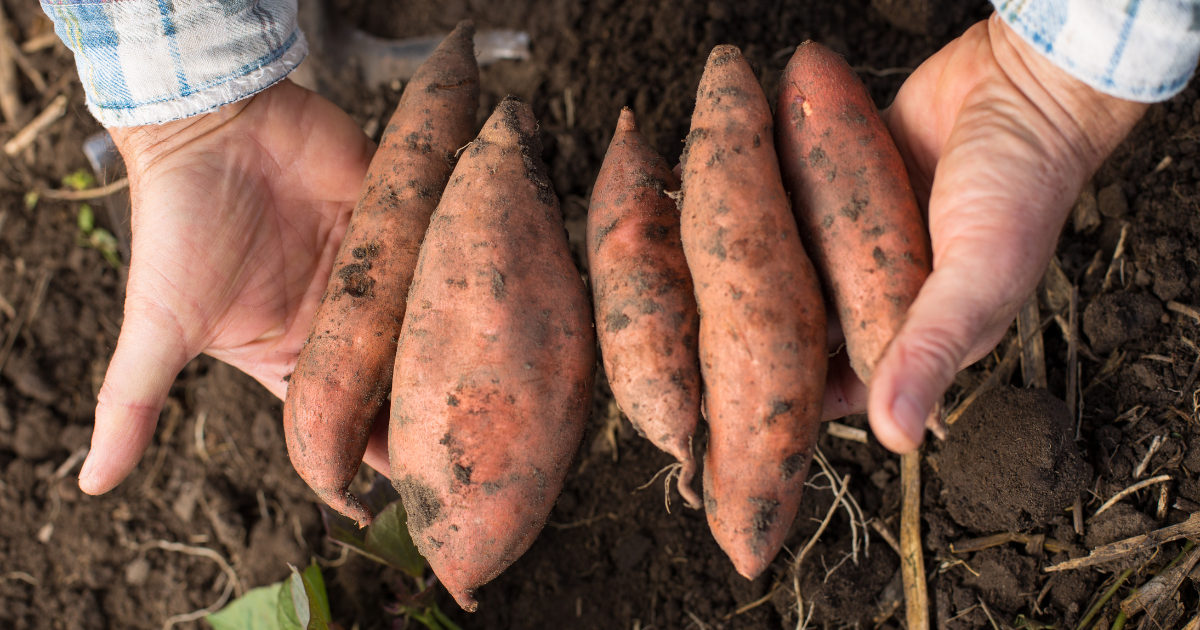
5 Tips for Growing Sweet Potatoes to Get the Biggest Sweet Potato Harvest Ever
If you are a fan of sweet potatoes, then these tips for growing sweet potatoes [...]
Apr
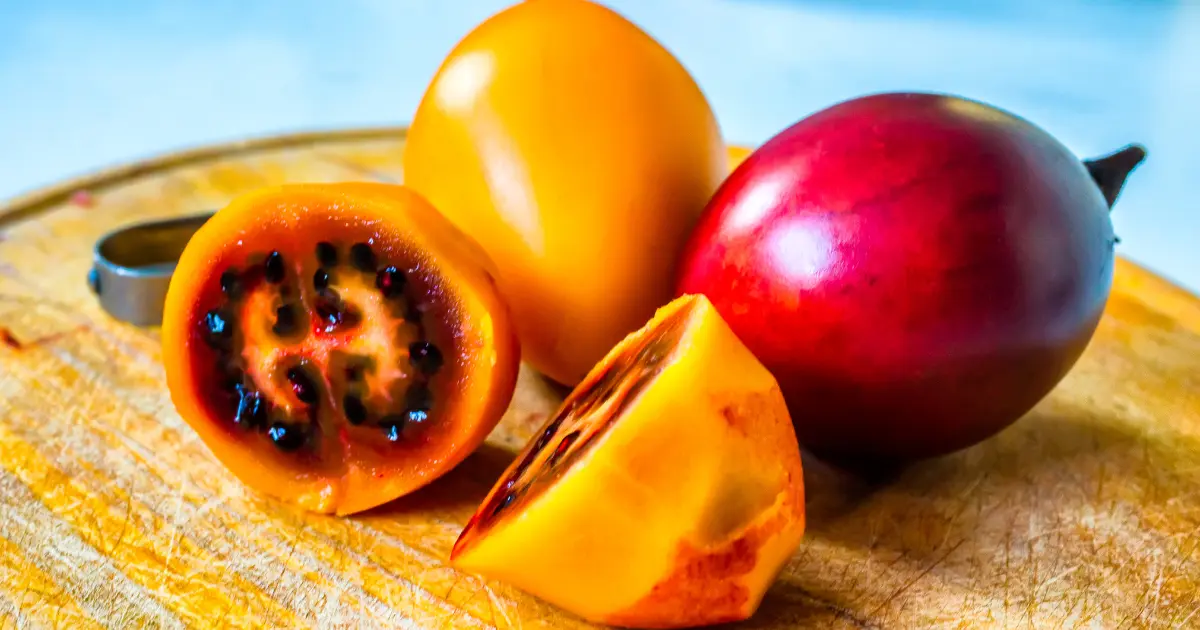
Tamarillo Tree Guide: Flavor, Texture & How to Eat Tree Tomatoes
The humble tomato is a kitchen staple we all know and love, but it rarely [...]
Apr
5 Pro Tips to Grow Esperanza ‘Gold Star’ Indoors: A Golden Glow for Your Home
While most gardeners know this Texas Superstar – Esperanza ‘Gold Star’ as a rugged outdoor [...]
Apr
Mastering Esperanza Goldstar: Grow the Ultimate Yellow Bloom
Esperanza Goldstar is more than just a heat-tolerant shrub; for the American gardener battling the [...]
Apr
Yellow Dragon Fruit Plant Care: The Ultimate Guide for Healthy Growth
The yellow dragon fruit plant is a unique and rewarding addition to any home garden, [...]
Apr
How to Identify Bocking 14 Comfrey: 5 Simple Visual Signs
If you’re growing comfrey for mulch, compost, or animal feed, knowing exactly which variety you [...]
Mar
Grand Duke of Tuscany Jasmine: The Ultimate Guide to Growing a Fragrant Masterpiece
Have you ever caught a scent in the air so rich, creamy, and honey-sweet that [...]
Mar
How to Grow Wild Huckleberries: A Guide to “Purple Gold”
Have you ever spent a summer afternoon hiking through the Pacific Northwest or the Rocky [...]
Mar
Reviews
There are no reviews yet.