

Forsythia Bush Unrooted Cuttings – Set of 12, 6-8 Inches, Outdoor Shrub
Original price was: $33.39.$13.39Current price is: $13.39.
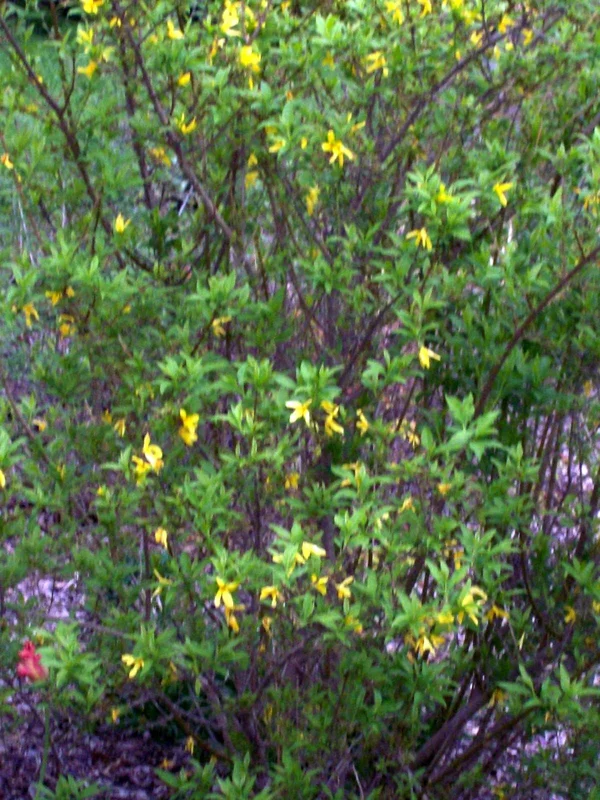
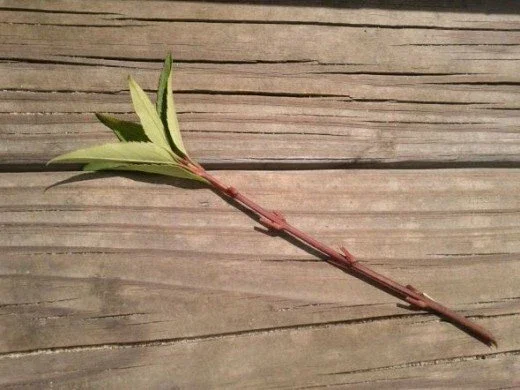
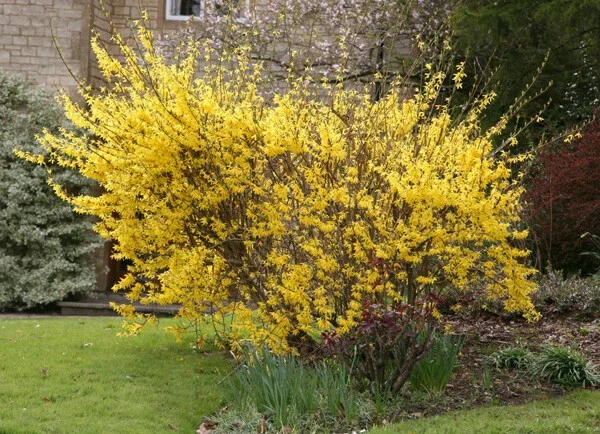
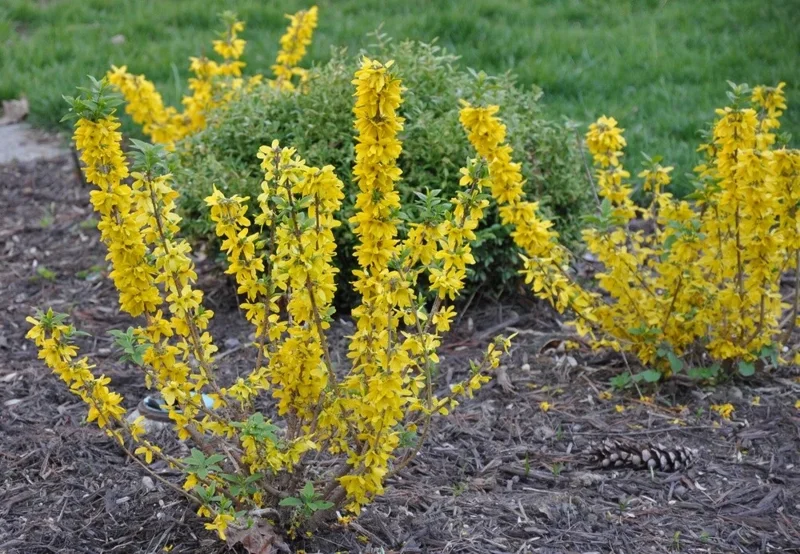
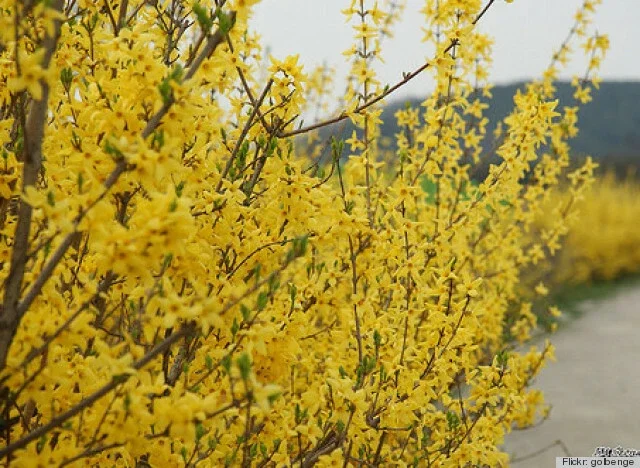
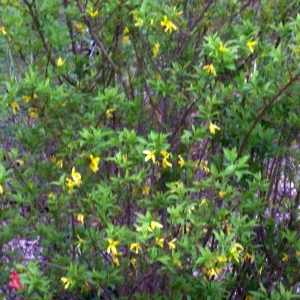
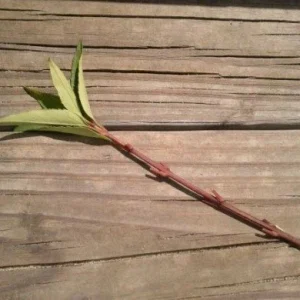
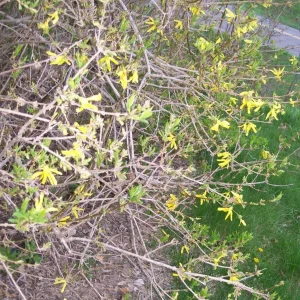
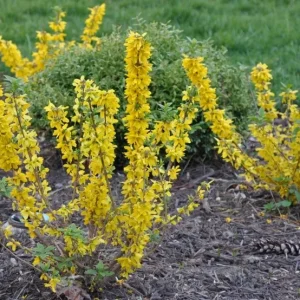
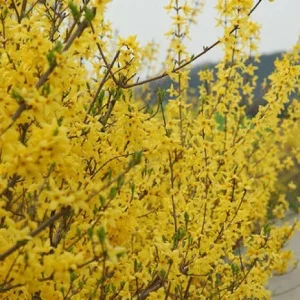
Start your own vibrant display of spring color with this set of forsythia bush cuttings. You’ll receive 12 unrooted forsythia cuttings, each 6 to 8 inches long, ready for propagation. These outdoor shrubs are known for their spectacular yellow blooms and are relatively easy to grow forsythia from cutting, making them ideal for gardeners looking to expand their landscape.
Estimated arrival
Apr 06
Apr 11 - Apr 13
Apr 16 - Apr 20

Reasonable Price
We offer reasonable price

Support 24/7
Contact us 24 hrs a day

100% Money Back
You've 30 days to Return

Payment Secure
100% secure payment
Overview
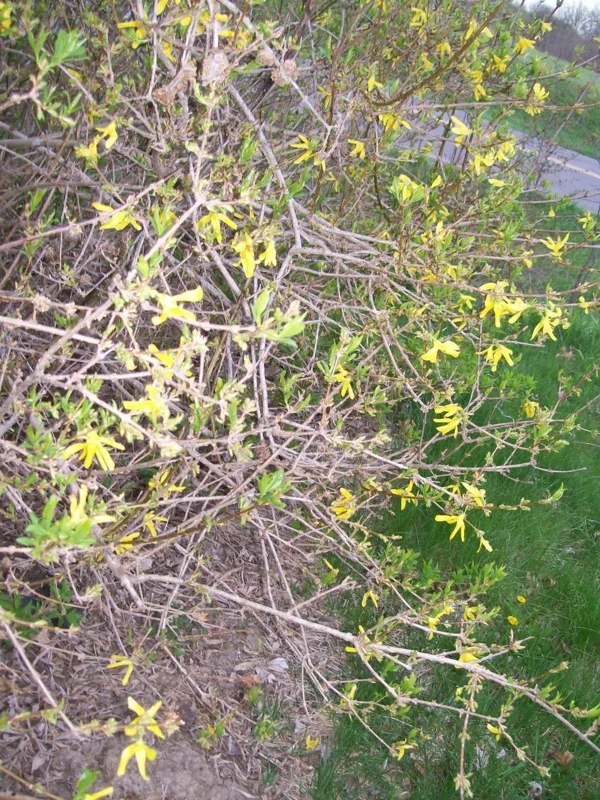
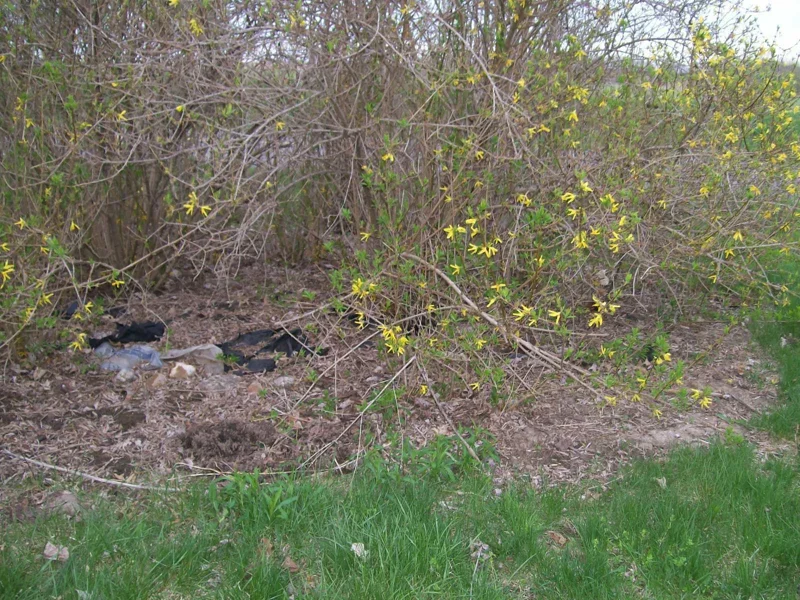
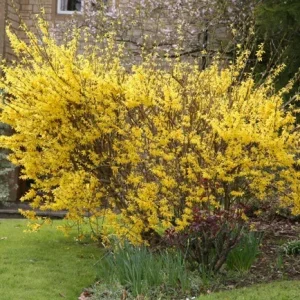
Embark on a rewarding gardening project with our premium set of forsythia bush cuttings. This collection includes 12 fresh, unrooted cuttings, each measuring between 6 to 8 inches, perfectly prepared for successful propagation. Forsythia, scientifically known as Forsythia spp., is a beloved deciduous shrub renowned for its dazzling display of bright yellow flowers that herald the arrival of spring. These unrooted forsythia cuttings offer an economical and satisfying way to cultivate these cheerful bushes in your own garden. Imagine a vibrant hedge or a standalone specimen bursting with golden blooms, transforming your outdoor space into a sanctuary of early spring beauty. Growing these cuttings allows you to actively participate in the lifecycle of this resilient and stunning plant.
Forsythia bushes are a classic choice for gardeners due to their hardiness and low maintenance requirements once established. They are fast-growing and provide excellent seasonal interest, even before other plants begin to awaken from winter dormancy. Our cuttings are carefully selected to ensure viability, providing you with the best possible start for your new plants. Whether you’re an experienced gardener or just beginning your journey, these forsythia bush cuttings are a fantastic opportunity to add significant charm and color to your landscape.
Key Benefits
Cultivating forsythia from cuttings offers numerous advantages for any gardening enthusiast. These shrubs are not only beautiful but also incredibly versatile and beneficial to your landscape.
- Stunning Spring Display: Forsythia is one of the first shrubs to bloom in spring, offering a spectacular show of bright yellow flowers that can brighten any garden after a long winter. These vibrant blooms provide a much-needed pop of color when most other plants are still dormant.
- Easy Propagation: Our unrooted forsythia cuttings are specifically prepared for easy rooting, allowing even novice gardeners to successfully grow new plants. This method is cost-effective and highly rewarding, giving you the satisfaction of nurturing plants from their very beginning.
- Versatile Landscaping: Forsythia bushes are incredibly adaptable and can be used in various landscape designs. They make excellent hedges, border plants, or standalone specimens. Their dense foliage provides privacy and can act as a windbreak.
- Low Maintenance: Once established, forsythia plants require minimal care. They are drought-tolerant and generally resistant to pests and diseases, making them a hassle-free addition to your garden. This allows you more time to enjoy their beauty rather than constantly tending to them.
- Fast Growth: Forsythia is known for its relatively fast growth rate, meaning your small cuttings will quickly develop into substantial bushes, providing significant visual impact in a shorter period compared to many other shrubs. You won’t have to wait long to enjoy the full beauty of your new plants.
- Wildlife Attraction: The early spring blooms of forsythia can attract early pollinators, such as bees, providing a vital food source when other flowers are scarce. This contributes to the biodiversity and health of your garden ecosystem.
- Affordable Garden Expansion: Learning to grow forsythia from cutting is an economical way to expand your garden. Instead of purchasing mature plants, these cuttings allow you to propagate many bushes from a single purchase, perfect for large-scale landscaping projects or sharing with friends.
Plant Care & Growing Tips
Successfully propagating and growing your forsythia bush cuttings is a straightforward process that requires attention to a few key environmental factors. To begin, prepare a well-draining potting mix in small pots or a propagation tray. Dip the cut end of each unrooted forsythia cutting in a rooting hormone (though not strictly necessary, it can significantly improve success rates). Plant the cuttings about 2-3 inches deep, ensuring at least one node is buried, as roots typically emerge from these points. Keep the soil consistently moist but not waterlogged to prevent rot. A humidity dome or plastic bag can help maintain high humidity around the cuttings, which is crucial for rooting.
Forsythia thrives in locations with full sun to partial sun. For optimal flowering, aim for at least 6 hours of direct sunlight per day. While the cuttings are rooting, bright, indirect light is often best to prevent stress. Once rooted and transplanted, full sun will encourage the most abundant yellow flowering. The ideal soil for established forsythia is well-draining, moderately fertile, and has a neutral to slightly acidic pH. For watering, newly planted cuttings and young plants will need regular watering to establish their root systems; ensure the top inch of soil dries out slightly between waterings. Mature plants are more drought-tolerant but benefit from watering during prolonged dry spells. These shrubs are hardy and can tolerate a wide range of temperate climates, typically thriving in USDA zones 5-8. Fertilization is generally not heavily required for established forsythia; a balanced, slow-release fertilizer in early spring can promote vigorous growth and blooming. Pruning is best done immediately after flowering to maintain shape and encourage new growth for the next season’s blooms. Avoid pruning in late summer or fall, as you risk cutting off next year’s flower buds. Understanding proper forsythia plant care will ensure your cuttings grow into robust, beautiful bushes.
Size & Details
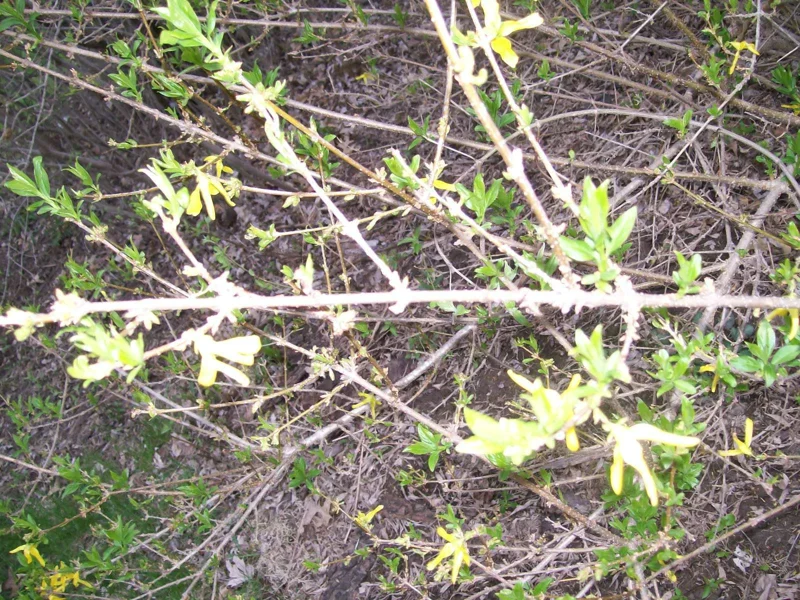
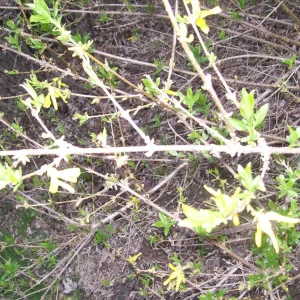
This offering includes a set of 12 individual forsythia bush cuttings, each carefully selected to be between 6 to 8 inches in length. These are unrooted cuttings, meaning they do not yet have an established root system and are intended for propagation by the grower. The cuttings are typically green to slightly woody, indicating their readiness for rooting. While the exact mature size and growth rate will depend on care and environmental conditions, forsythia bushes are known for their vigorous growth, often reaching heights of 6 to 10 feet and spreads of 4 to 8 feet within a few years of successful rooting and planting. They are fast-growing shrubs, providing relatively quick landscape impact. These cuttings are shipped bare, without soil or pots, ready for you to begin the rooting process upon arrival. With proper care, you can expect these cuttings to develop into healthy, flowering shrubs, showcasing their iconic yellow blooms in the spring, typically within one to two growing seasons after successful rooting.
Frequently Asked Questions
- Q: How big do these forsythia bush cuttings get? A: These are unrooted forsythia cuttings, each 6 to 8 inches long. Once rooted and established, forsythia bushes typically grow to a mature height of 6 to 10 feet and a spread of 4 to 8 feet, depending on growing conditions and pruning.
- Q: Is this an indoor or outdoor plant? A: Forsythia is primarily an outdoor shrub. While you can start the rooting process indoors, the established plant thrives outdoors in full sun, making it ideal for garden hedges, borders, or as a standalone specimen.
- Q: How much sunlight does forsythia need? A: For optimal growth and the most abundant yellow blooms, forsythia requires at least 6 hours of direct sunlight per day. It can tolerate partial sun, but flowering may be less prolific.
- Q: Is this plant easy to care for? A: Yes, forsythia is considered a low-maintenance shrub once established. Learning to grow forsythia from cutting is a relatively straightforward process, and the mature plants are quite hardy and forgiving, making them suitable for gardeners of all experience levels.
- Q: What condition will the cuttings arrive in? A: Your forsythia bush cuttings will arrive fresh and unrooted, carefully packaged to ensure their viability for propagation. They will not be in soil or pots, ready for you to begin the rooting process.
- Q: When is the best time to plant these cuttings? A: While you can root cuttings at various times, late spring or early summer is often ideal, as the warmer temperatures support root development. Once rooted, they are typically planted outdoors in the fall or the following spring.
- Q: Will forsythia survive winter in my zone? A: Forsythia is a very hardy shrub, typically thriving in USDA hardiness zones 5 through 8. These temperate plants are well-adapted to cold winters and will return with vibrant blooms each spring.
- Q: What kind of soil is best for rooting these forsythia bush cuttings? A: A well-draining, light potting mix or a specialized propagation medium is best for rooting these unrooted forsythia cuttings. This prevents waterlogging and encourages healthy root development.
- Q: How long does it take for forsythia cuttings to root? A: With proper conditions, forsythia bush cuttings can begin to show signs of rooting within 4-8 weeks. Full root development sufficient for transplanting may take a few months.
- Q: Can I prune my forsythia to control its size? A: Yes, forsythia responds well to pruning. The best time to prune is immediately after the spring flowering period to maintain shape, control size, and encourage new growth that will produce flowers the following year. This is a key aspect of forsythia plant care.
Be the first to review “Forsythia Bush Unrooted Cuttings – Set of 12, 6-8 Inches, Outdoor Shrub”
-
USDA Hardiness Zone
USDA Zones 5-8 -
Soil Type
Well-draining soil -
Sunlight Exposure
Full Sun to Medium Sun -
Expected Planting Period
Spring to Early Summer (for rooting)
People Also Viewd


Sold 128 products
Original price was: $27.00.$24.00Current price is: $24.00.

Sold 128 products
Original price was: $89.99.$64.99Current price is: $64.99.
Sold 127 products
Original price was: $159.99.$139.99Current price is: $139.99.

Sold 126 products
Original price was: $3,536.00.$23.99Current price is: $23.99.

Sold 125 products
Original price was: $86.99.$66.99Current price is: $66.99.
Sold 116 products
Original price was: $27.99.$16.99Current price is: $16.99.

Sold 114 products
Original price was: $28.99.$17.99Current price is: $17.99.

Flower Bulbs
3 Cranesbill Wild Geranium Organic Maculatums Bare Roots | Wildflower for Outdoor Garden
Sold 114 products
Original price was: $21.99.$6.99Current price is: $6.99.RELATED posts
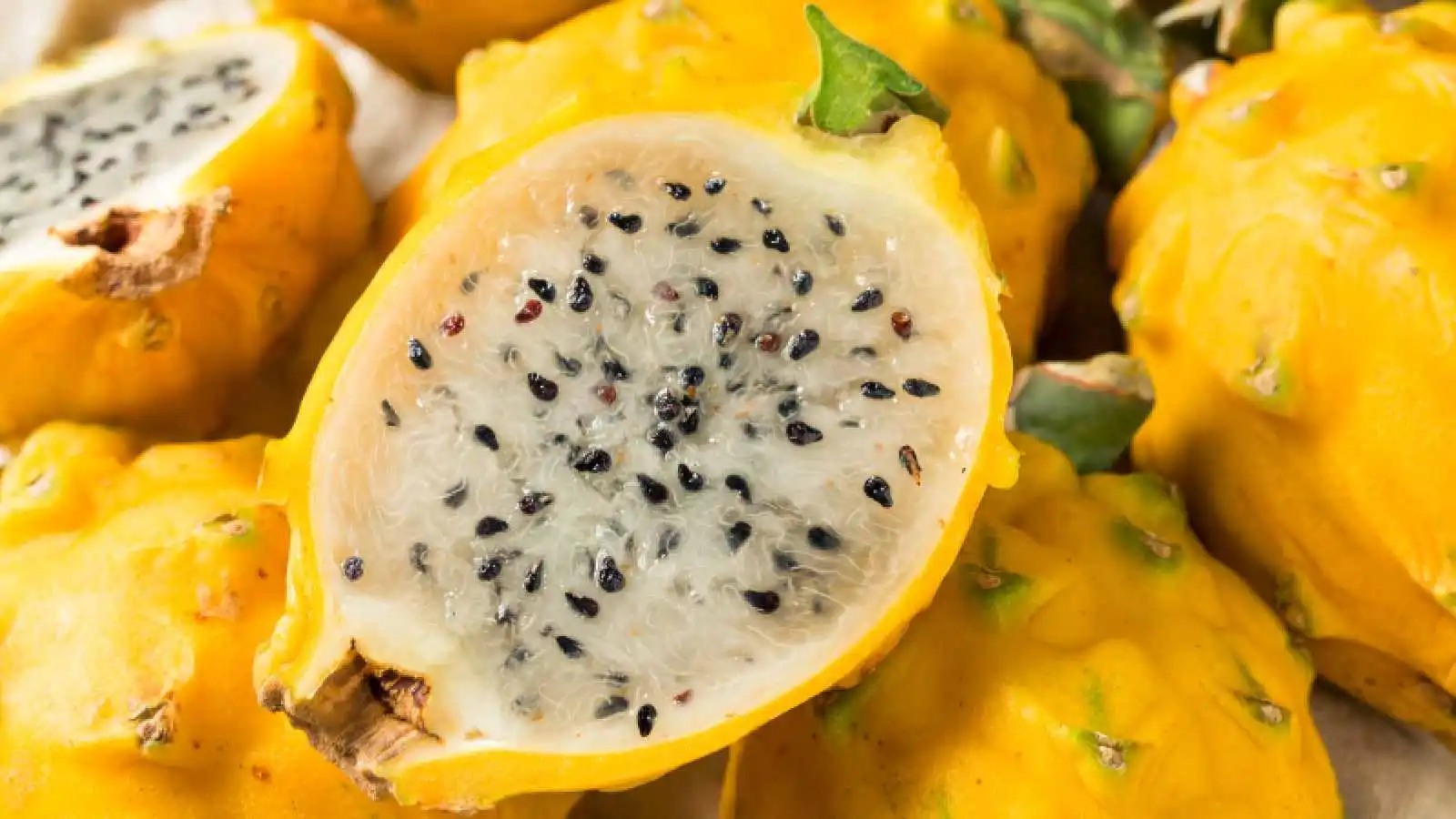
Yellow Dragon Fruit Plant Care: The Ultimate Guide for Healthy Growth
The yellow dragon fruit plant is a unique and rewarding addition to any home garden, [...]
Apr
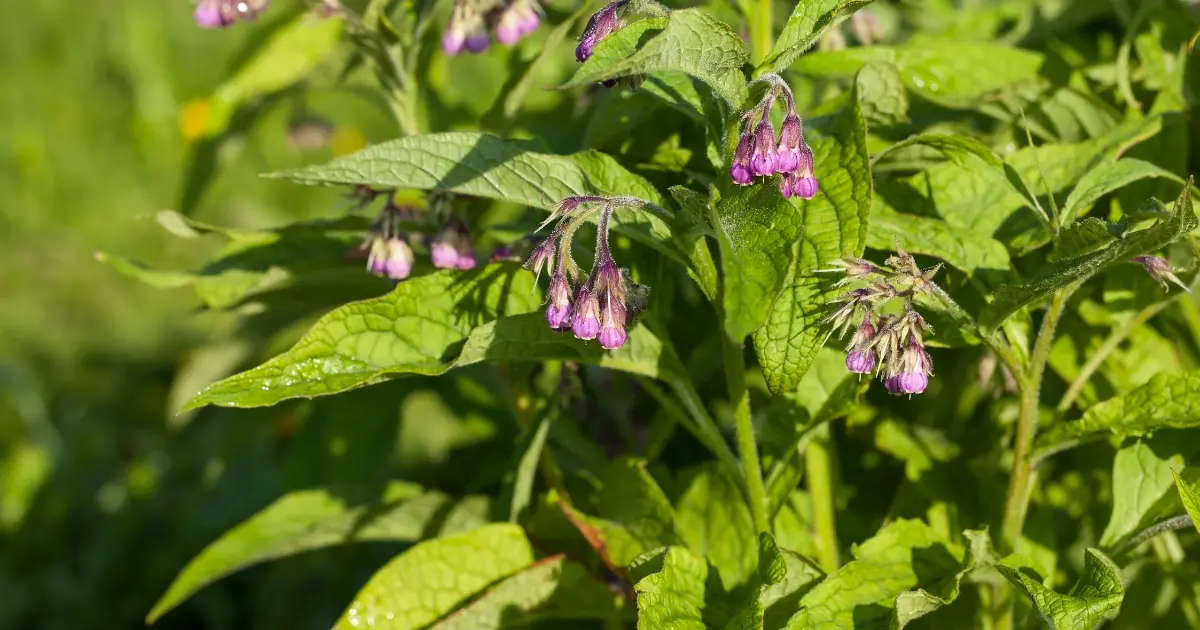
How to Identify Bocking 14 Comfrey: 5 Simple Visual Signs
If you’re growing comfrey for mulch, compost, or animal feed, knowing exactly which variety you [...]
Mar
Grand Duke of Tuscany Jasmine: The Ultimate Guide to Growing a Fragrant Masterpiece
Have you ever caught a scent in the air so rich, creamy, and honey-sweet that [...]
Mar
How to Grow Wild Huckleberries: A Guide to “Purple Gold”
Have you ever spent a summer afternoon hiking through the Pacific Northwest or the Rocky [...]
Mar
5 Best Shade-Loving Perennials for a Lush, Vibrant Garden
The world of gardening often shines a spotlight on sun-drenched blossoms, but there is a [...]
Mar

7 Common Curry Leaf Plant Problems: Easy Fixes for a Thriving Plant
Is your curry leaf plant looking a bit sad lately? Maybe you woke up to [...]
Mar
Best Time to Plant Bougainvillea: Timing for Vibrant Blooms
If you’re looking for a hardy tropical vine that delivers a riot of neon color, [...]
Feb
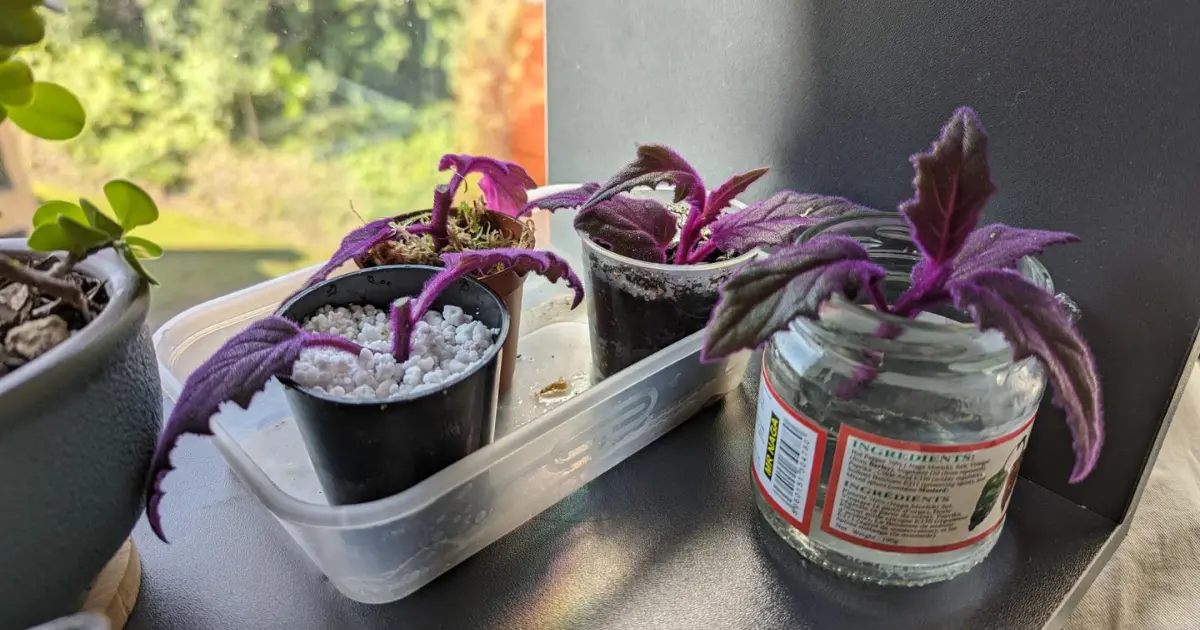
How to Propagate Purple Passion Plants (Gynura aurantiaca)
Have you ever been mesmerized by the neon-purple glow and fuzzy, velvet-like leaves of a [...]
Feb

Reviews
There are no reviews yet.