
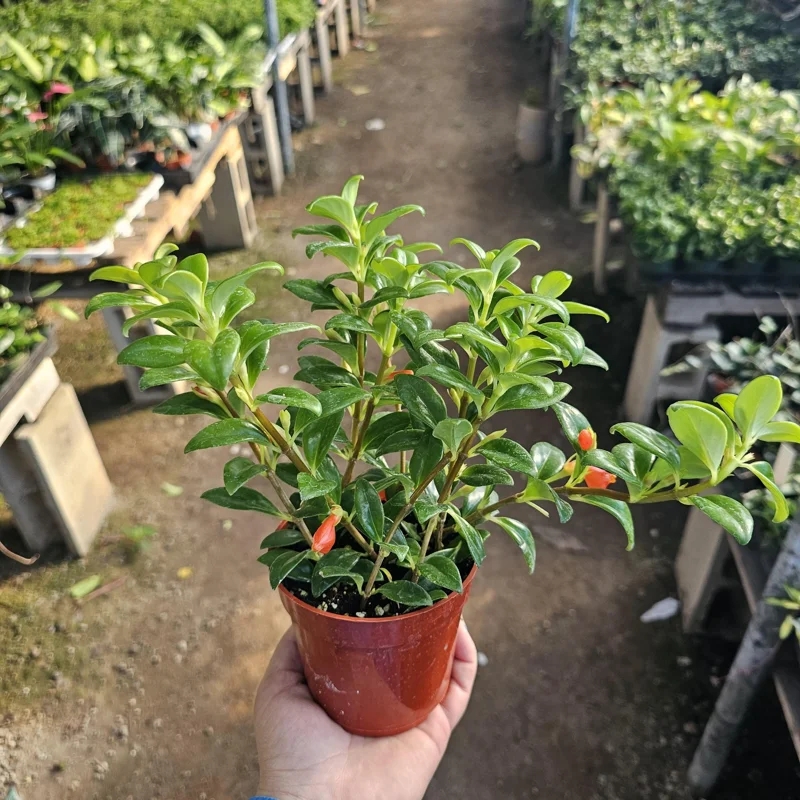
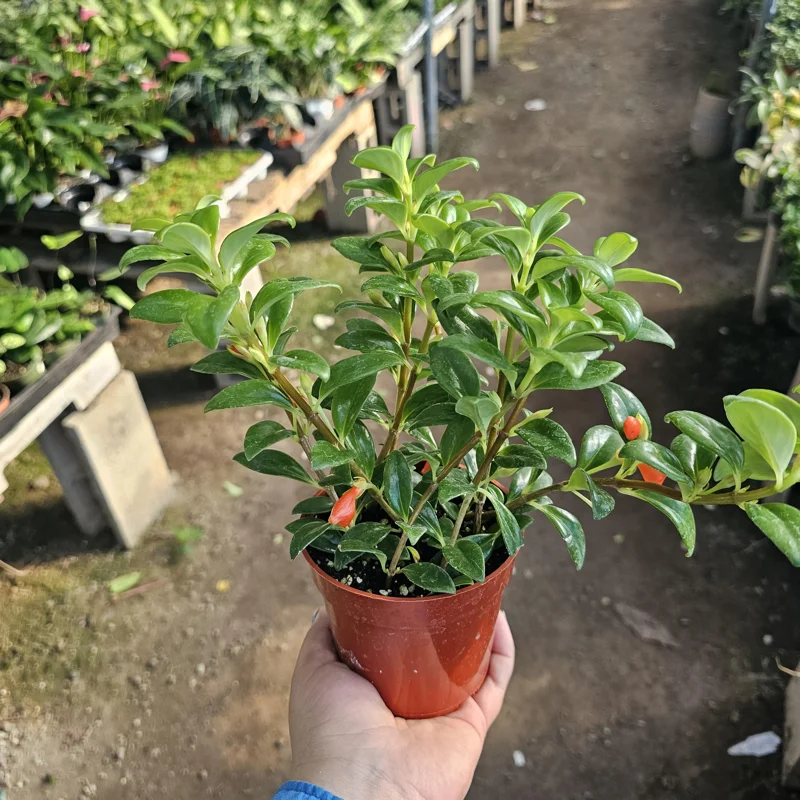
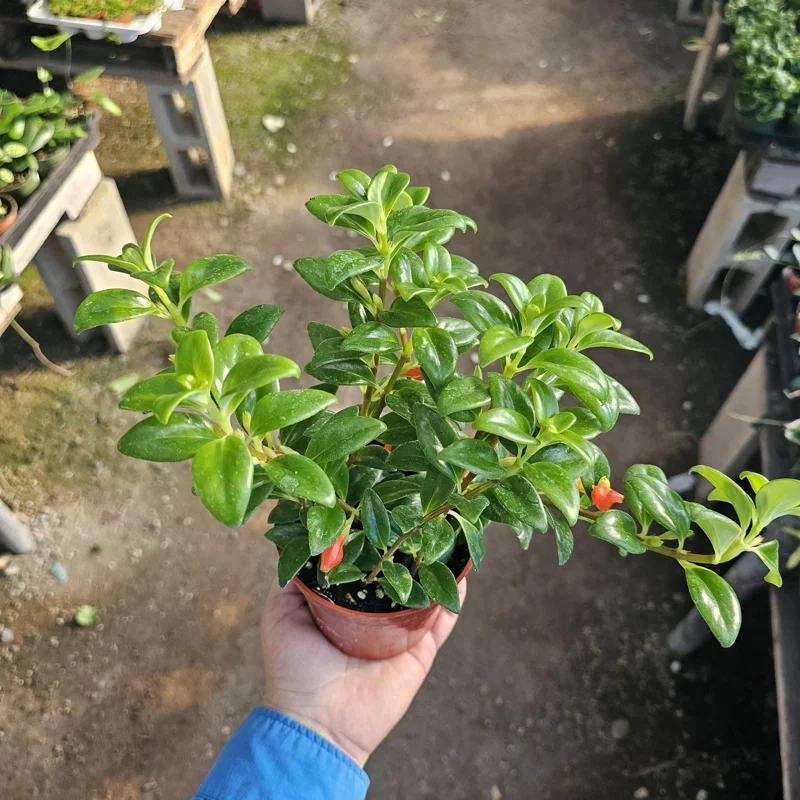
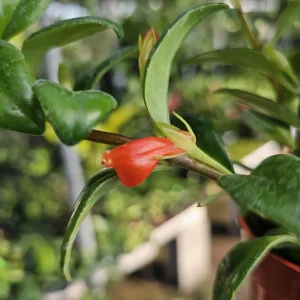
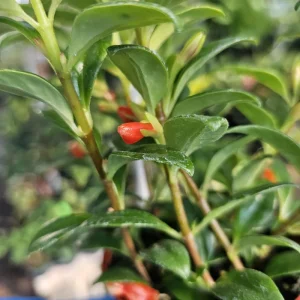
Goldfish Christmas Holly Plant Nematanthus Hybrid Live Plant 2in Pot Indoor
Price range: $16.48 through $28.48
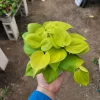
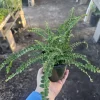
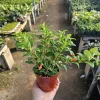
Bring home the unique beauty of the Goldfish Christmas Holly plant, a stunning Nematanthus hybrid care specimen. This live houseplant is known for its distinctive foliage and charming, goldfish-like blooms, making it an ideal choice for adding a splash of color and interest to your indoor garden. Perfect for hanging baskets or shelves, it thrives in bright, indirect light.
Estimated arrival
Apr 11
Apr 16 - Apr 18
Apr 21 - Apr 25

Reasonable Price
We offer reasonable price

Support 24/7
Contact us 24 hrs a day

100% Money Back
You've 30 days to Return

Payment Secure
100% secure payment
Overview
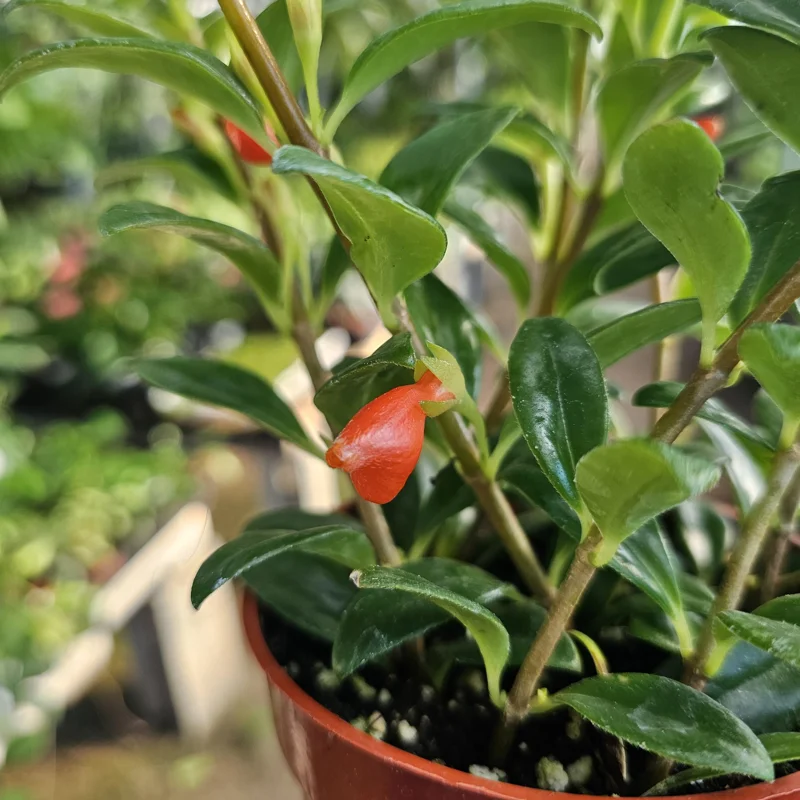
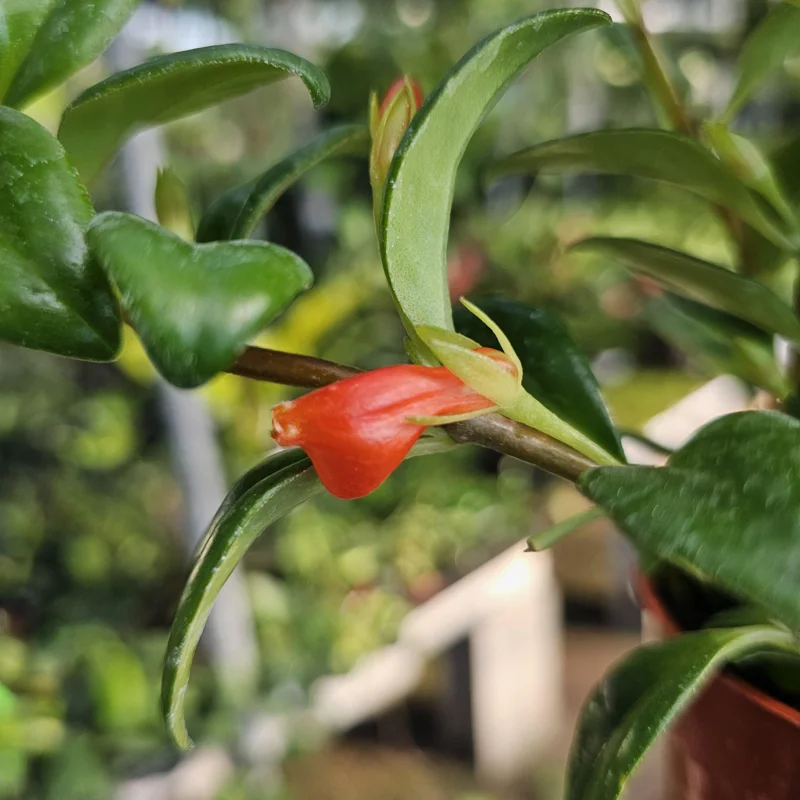
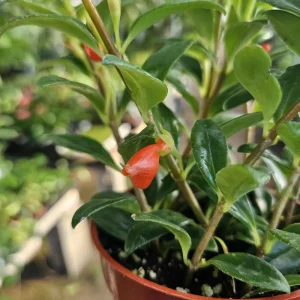
Introduce a touch of whimsical charm to your home with the exquisite Goldfish Christmas Holly plant. This captivating Nematanthus hybrid care is a live plant renowned for its glossy, dark green leaves that often display a reddish tinge, resembling classic holly. What truly sets this plant apart are its unique, pouch-like flowers, which emerge in vibrant shades of orange, red, or yellow, bearing a striking resemblance to tiny goldfish. The Nematanthus genus, native to Central and South America, includes many species prized for their ornamental value, and this hybrid variety combines the best traits for a truly stunning display. Often referred to simply as a Goldfish plant indoor, it’s a fantastic choice for enthusiasts looking for something a little out of the ordinary, providing continuous interest with its unusual blooms and attractive foliage.
The Goldfish Christmas Holly plant is a relatively easy-to-care-for houseplant, making it suitable for both novice and experienced plant parents. Its trailing habit makes it perfect for hanging baskets, allowing its abundant blooms to cascade beautifully. The combination of its festive-looking leaves and bright, cheerful flowers brings a year-round holiday feel to any indoor setting. Whether you’re looking to brighten a living room, add character to a study, or find a unique gift, this Nematanthus hybrid is sure to delight.
Key Benefits
The Goldfish Christmas Holly plant offers a multitude of benefits, making it a highly desirable addition to any indoor plant collection. From its striking appearance to its relatively straightforward care, it’s a plant that provides continuous enjoyment and aesthetic appeal.
- Unique Ornamental Appeal: The primary draw of the Goldfish Christmas Holly plant is its unusual and vibrant flowers. Shaped like tiny goldfish, these orange, red, or yellow blooms emerge from glossy, dark green leaves, creating a stunning visual contrast that is sure to be a conversation starter.
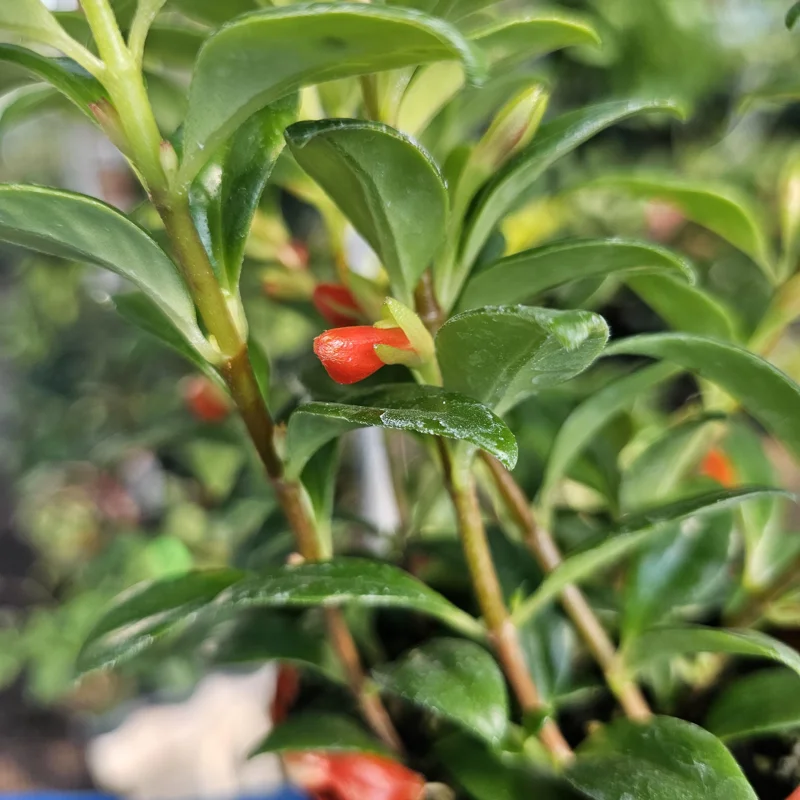
- Attractive Foliage: Beyond its flowers, the Nematanthus hybrid boasts beautiful, succulent-like leaves with a waxy texture. The deep green coloration, often with hints of red, provides a lush backdrop for the bright blooms, maintaining visual interest even when not in flower.
- Compact and Trailing Growth: This live houseplant naturally develops a graceful, trailing habit, making it an excellent choice for hanging baskets, elevated shelves, or as a vibrant accent on a windowsill. Its moderate size ensures it fits well in various indoor spaces without becoming overwhelming.
- Relatively Easy Care: Known for its resilience, the Goldfish Christmas Holly plant is not overly demanding. With proper lighting and watering, it can thrive and produce abundant blooms, making it a rewarding plant for those seeking beautiful results with moderate effort.
- Year-Round Interest: Unlike many seasonal bloomers, Nematanthus hybrids can flower intermittently throughout the year under optimal conditions, providing consistent color and cheer to your home. This makes it a fantastic choice for livening up indoor spaces during any season.
- Air Purification: Like many houseplants, the foliage of the Goldfish Christmas Holly plant contributes to improved indoor air quality by absorbing common household toxins and releasing oxygen, fostering a healthier living environment.
- Versatile Decor: Its striking appearance and adaptable growth make it suitable for a wide range of interior design styles, from modern minimalist to cozy bohemian. It adds a natural, vibrant touch that complements existing decor.
Plant Care & Growing Tips
Caring for your Goldfish Christmas Holly plant, or Nematanthus growing tips, is straightforward and rewarding, leading to a lush plant with abundant, cheerful blooms. Providing the right conditions will ensure your Nematanthus hybrid thrives and becomes a vibrant focal point in your home. Understanding its specific needs for light, water, and soil will set you up for success.
Sunlight Requirements: The Goldfish Christmas Holly plant prefers bright, indirect light. Place it near an east or west-facing window where it can receive gentle morning or late afternoon sun. Direct, harsh midday sun can scorch its leaves, so avoid south-facing windows unless the light is filtered by sheer curtains. If your plant isn’t flowering, it might not be getting enough light; conversely, if leaves appear bleached, it might be receiving too much direct sun. A good rule of thumb for a Goldfish plant indoor is to ensure it has consistent, bright ambient light throughout the day.
Watering Schedule and Soil Moisture Preferences: Water your Nematanthus hybrid thoroughly when the top inch or two of soil feels dry to the touch. Allow excess water to drain completely from the bottom of the pot to prevent root rot. Do not let the plant sit in standing water. During its active growing and flowering periods (spring and summer), it will require more frequent watering. Reduce watering slightly in the cooler, dormant months of fall and winter. Overwatering is a common issue, so always check soil moisture before watering again. The succulent-like leaves store some water, making it a bit more forgiving if you occasionally forget to water.
Soil Type and Drainage Requirements: This plant thrives in a well-draining potting mix. A standard indoor potting mix amended with perlite or orchid bark for extra drainage works well. The goal is a mix that retains some moisture but never becomes waterlogged. Good drainage is crucial for preventing root rot, which is particularly important for Nematanthus growing tips. Ensure the pot has drainage holes.
Temperature Range and USDA Hardiness Zone: The Goldfish Christmas Holly plant prefers average room temperatures, ideally between 65-75°F (18-24°C). Avoid sudden temperature fluctuations and cold drafts, especially during winter. It is not cold-hardy and should be kept indoors in most climates. As an indoor plant, USDA hardiness zones are less relevant, but if grown outdoors in very warm climates, it would be suited for zones 10-11, where temperatures rarely drop below freezing.
Fertilization Schedule and Type: Feed your Goldfish plant indoor every 2-4 weeks during the active growing season (spring and summer) using a balanced liquid fertilizer diluted to half strength. Reduce or stop fertilizing during fall and winter when the plant’s growth naturally slows down. A fertilizer higher in phosphorus can encourage more blooms. Always apply fertilizer to moist soil to prevent root burn.
Common Problems and Solutions: Yellowing leaves often indicate overwatering or nutrient deficiency. Adjust your watering schedule and consider fertilizing. Dropping leaves can be a sign of too little light, sudden temperature changes, or underwatering. Poor flowering usually means insufficient light; move your plant to a brighter location. Pests like spider mites or mealybugs can occasionally affect Nematanthus. Inspect your plant regularly and treat with insecticidal soap or neem oil if pests are detected. Regular pruning can help maintain a bushy shape and encourage more blooms.
Size & Details
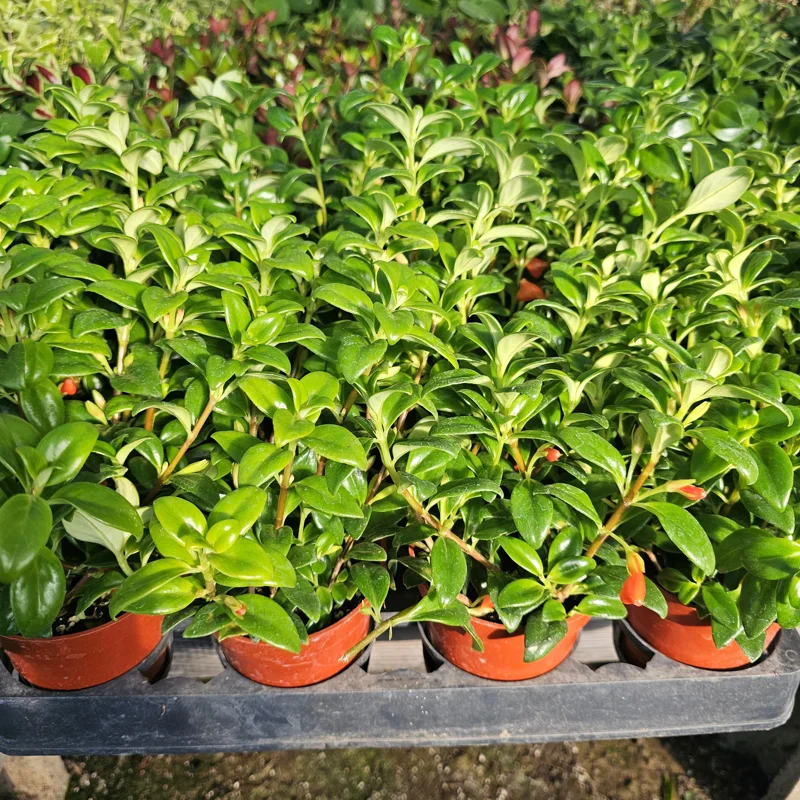
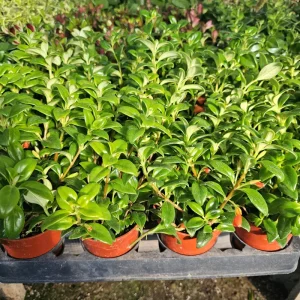
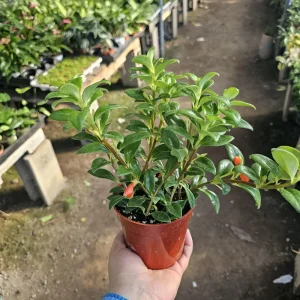
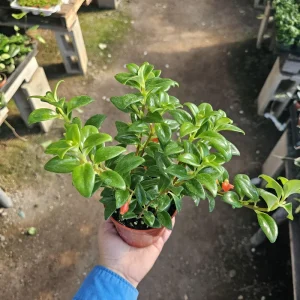
The Goldfish Christmas Holly plant offered is a compact yet robust live houseplant, perfect for beginning or expanding your indoor garden collection. Each plant is carefully cultivated to ensure a healthy start in its new environment. These particular plants are typically shipped in either a 2-inch or 4-inch nursery grow pot, providing a strong root system ready for continued growth.
When mature, a Goldfish Christmas Holly plant can develop trailing stems that reach lengths of 1 to 2 feet, making it an excellent candidate for hanging baskets where its unique blooms can be admired. The growth rate is moderate, and with proper care, you can expect it to fill out its pot and produce its distinctive ‘goldfish’ flowers throughout the year, especially from spring through fall. The plant you receive will be a healthy young specimen, similar in size and vigor to the representative images, though natural variations in growth and fullness are to be expected as it continues to mature in your care.
Frequently Asked Questions
- Q: How big does this plant get? A: The Goldfish Christmas Holly plant typically develops trailing stems that can reach lengths of 1 to 2 feet when mature. Its spread will depend on whether it’s in a hanging basket or a pot.
- Q: What size pot does it come in? A: This live houseplant is available in either a 2-inch or 4-inch nursery grow pot, providing a healthy start for your new plant.
- Q: Is this an indoor or outdoor plant? A: The Goldfish Christmas Holly plant is primarily grown as an indoor houseplant due to its preference for consistent temperatures and bright, indirect light. It is not cold-hardy and should be protected from freezing temperatures.
- Q: How much sunlight does it need? A: It thrives in bright, indirect light. Avoid direct, harsh sunlight which can scorch its leaves. An east or west-facing window is often ideal for optimal growth and flowering of your Goldfish plant indoor.
- Q: Is this plant easy to care for? A: Yes, the Goldfish Christmas Holly plant is considered relatively easy to care for, making it suitable for both beginners and experienced plant enthusiasts. Consistent watering and adequate light are key.
- Q: What condition will it arrive in? A: Your Nematanthus hybrid care plant will arrive carefully packaged to minimize stress during transit. It will be a healthy, young specimen, ready to be acclimated to its new home.
- Q: How long until it blooms? A: Under optimal conditions, the Goldfish Christmas Holly plant can bloom intermittently throughout the year, with peak flowering often occurring in spring and summer. Providing sufficient light is crucial for encouraging blooms.
- Q: What’s the best soil for a Goldfish Christmas Holly plant? A: A well-draining potting mix is essential. You can use a standard indoor potting mix amended with perlite or orchid bark to ensure good drainage and aeration for the roots.
- Q: Is it pet-safe? A: While information on Nematanthus toxicity can vary, it’s generally best practice to keep all houseplants out of reach of curious pets to prevent any potential irritation or adverse reactions.
- Q: How often should I fertilize my Nematanthus? A: Fertilize your Nematanthus growing tips every 2-4 weeks during the spring and summer growing season with a diluted liquid fertilizer. Reduce or stop fertilizing during the dormant fall and winter months.
| Size Option | 2In Pot, 4In Pot |
|---|---|
| Option | 1, Bundle Of 2 |
Be the first to review “Goldfish Christmas Holly Plant Nematanthus Hybrid Live Plant 2in Pot Indoor”
-
USDA Hardiness Zone
unknown (primarily indoor plant) -
Soil Type
well-draining potting mix -
Sunlight Exposure
bright indirect light -
Expected Planting Period
year-round indoors
People Also Viewd
Sold 128 products
Original price was: $27.00.$24.00Current price is: $24.00.
Sold 128 products
Original price was: $89.99.$64.99Current price is: $64.99.
Sold 128 products
Original price was: $159.99.$139.99Current price is: $139.99.
Sold 126 products
Original price was: $3,536.00.$23.99Current price is: $23.99.

Sold 125 products
Original price was: $86.99.$66.99Current price is: $66.99.
Sold 116 products
Original price was: $27.99.$16.99Current price is: $16.99.
Sold 114 products
Original price was: $28.99.$17.99Current price is: $17.99.
Flower Bulbs
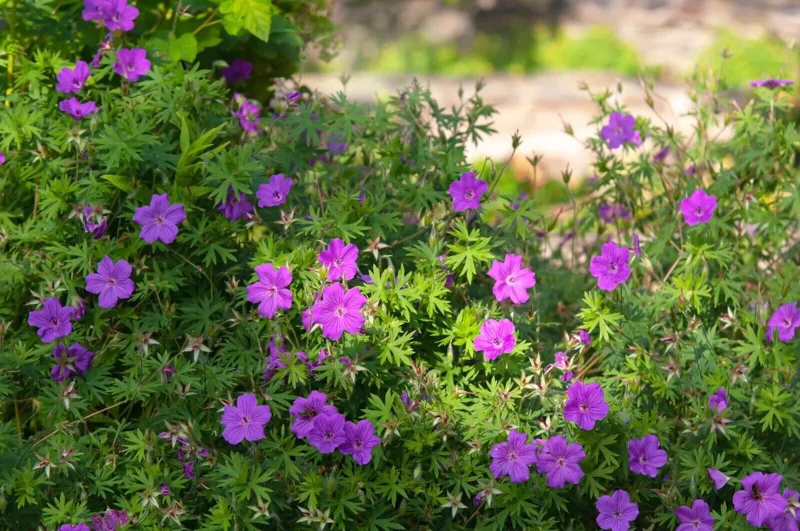
3 Cranesbill Wild Geranium Organic Maculatums Bare Roots | Wildflower for Outdoor Garden
Sold 114 products
Original price was: $21.99.$6.99Current price is: $6.99.RELATED posts
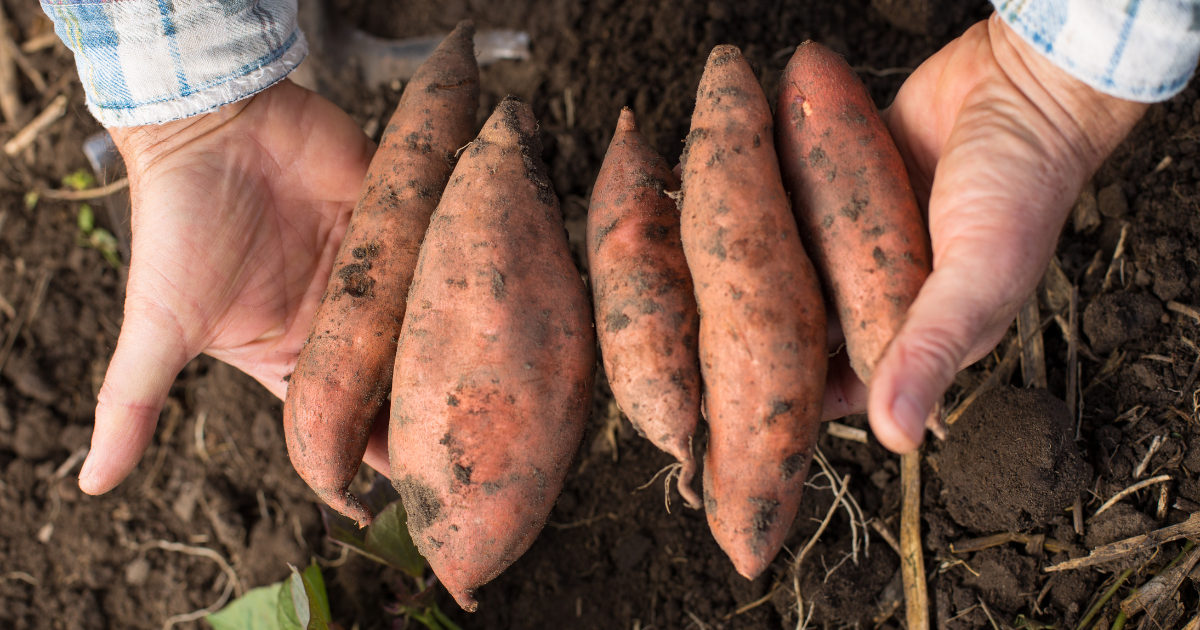
5 Tips for Growing Sweet Potatoes to Get the Biggest Sweet Potato Harvest Ever
If you are a fan of sweet potatoes, then these tips for growing sweet potatoes [...]
Apr
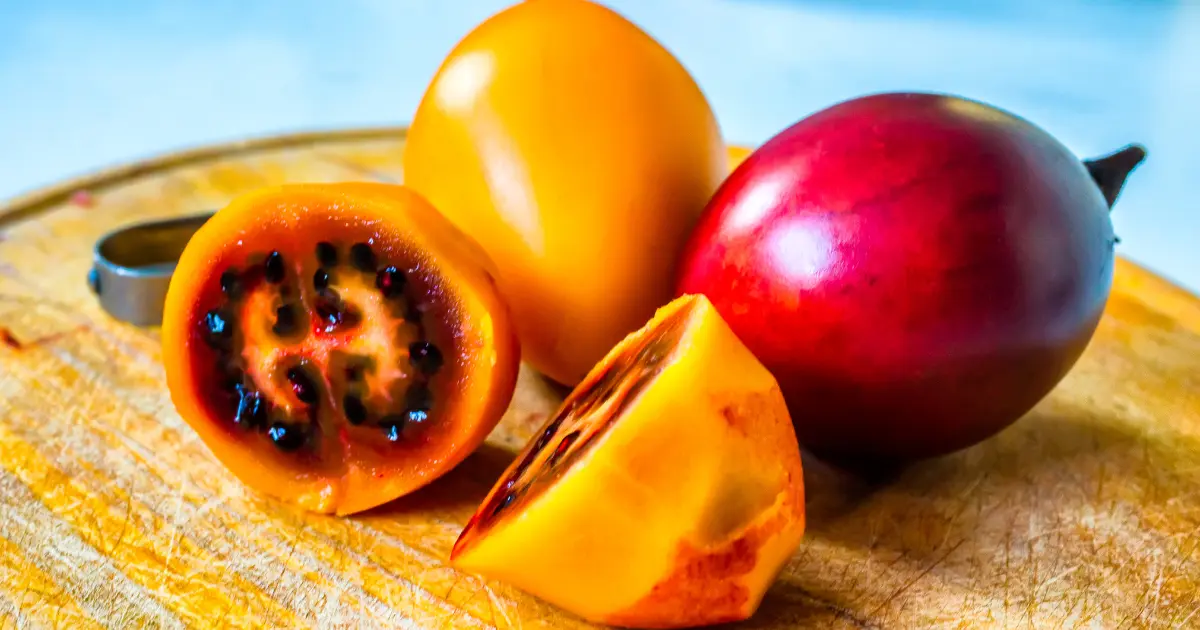
Tamarillo Tree Guide: Flavor, Texture & How to Eat Tree Tomatoes
The humble tomato is a kitchen staple we all know and love, but it rarely [...]
Apr
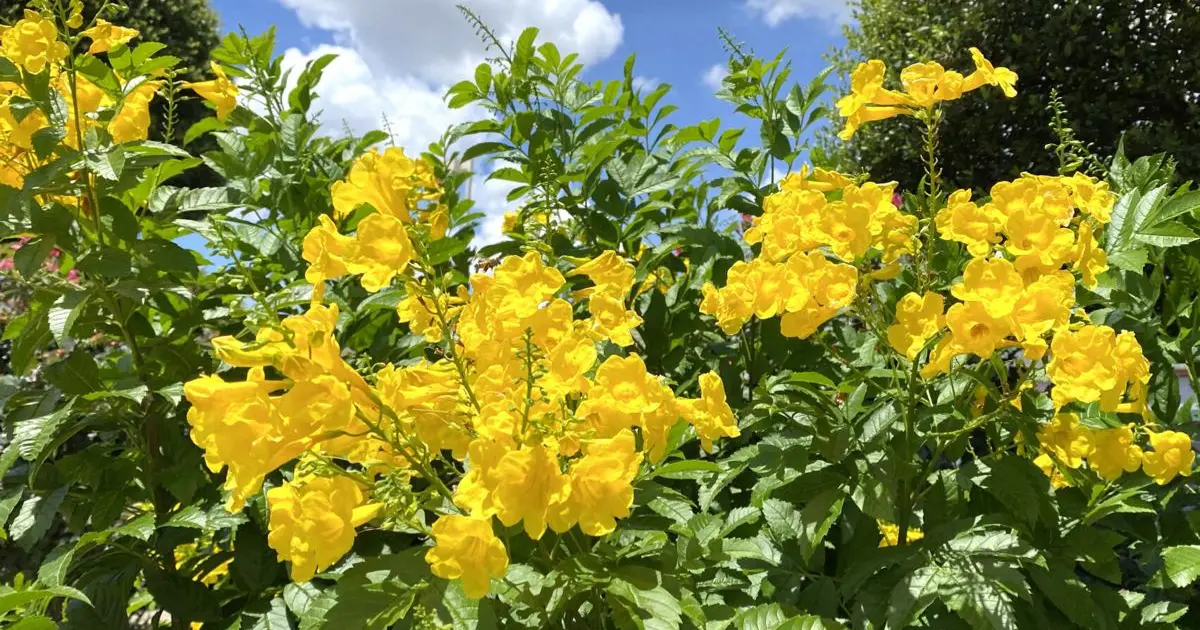
5 Pro Tips to Grow Esperanza ‘Gold Star’ Indoors: A Golden Glow for Your Home
While most gardeners know this Texas Superstar – Esperanza ‘Gold Star’ as a rugged outdoor [...]
Apr
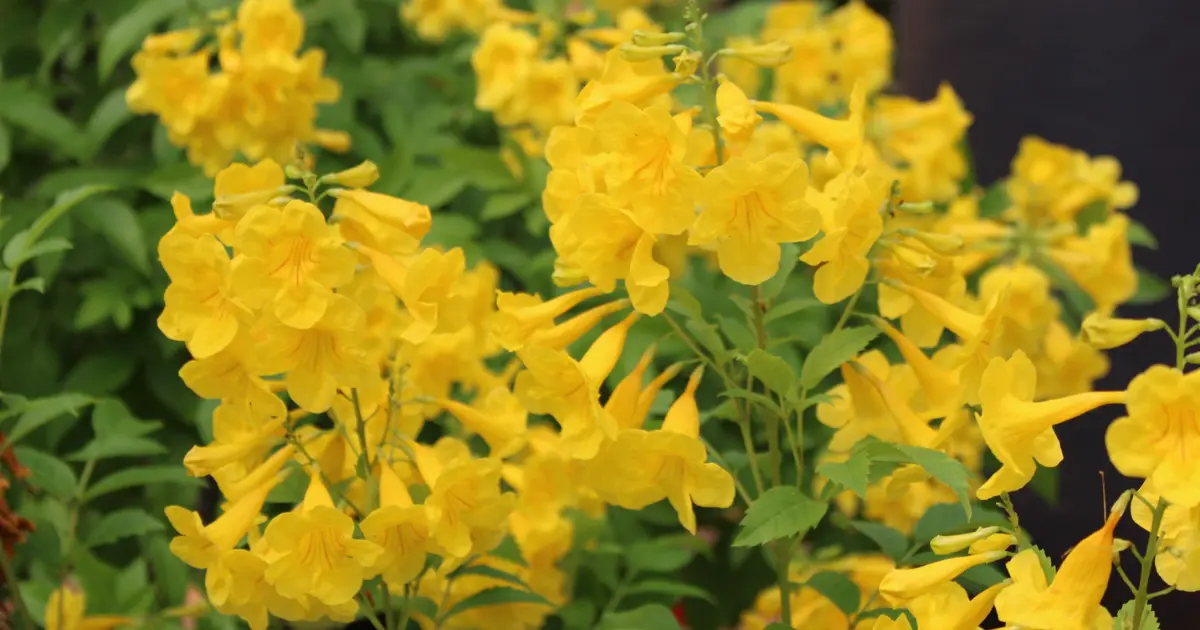
Mastering Esperanza Goldstar: Grow the Ultimate Yellow Bloom
Esperanza Goldstar is more than just a heat-tolerant shrub; for the American gardener battling the [...]
Apr
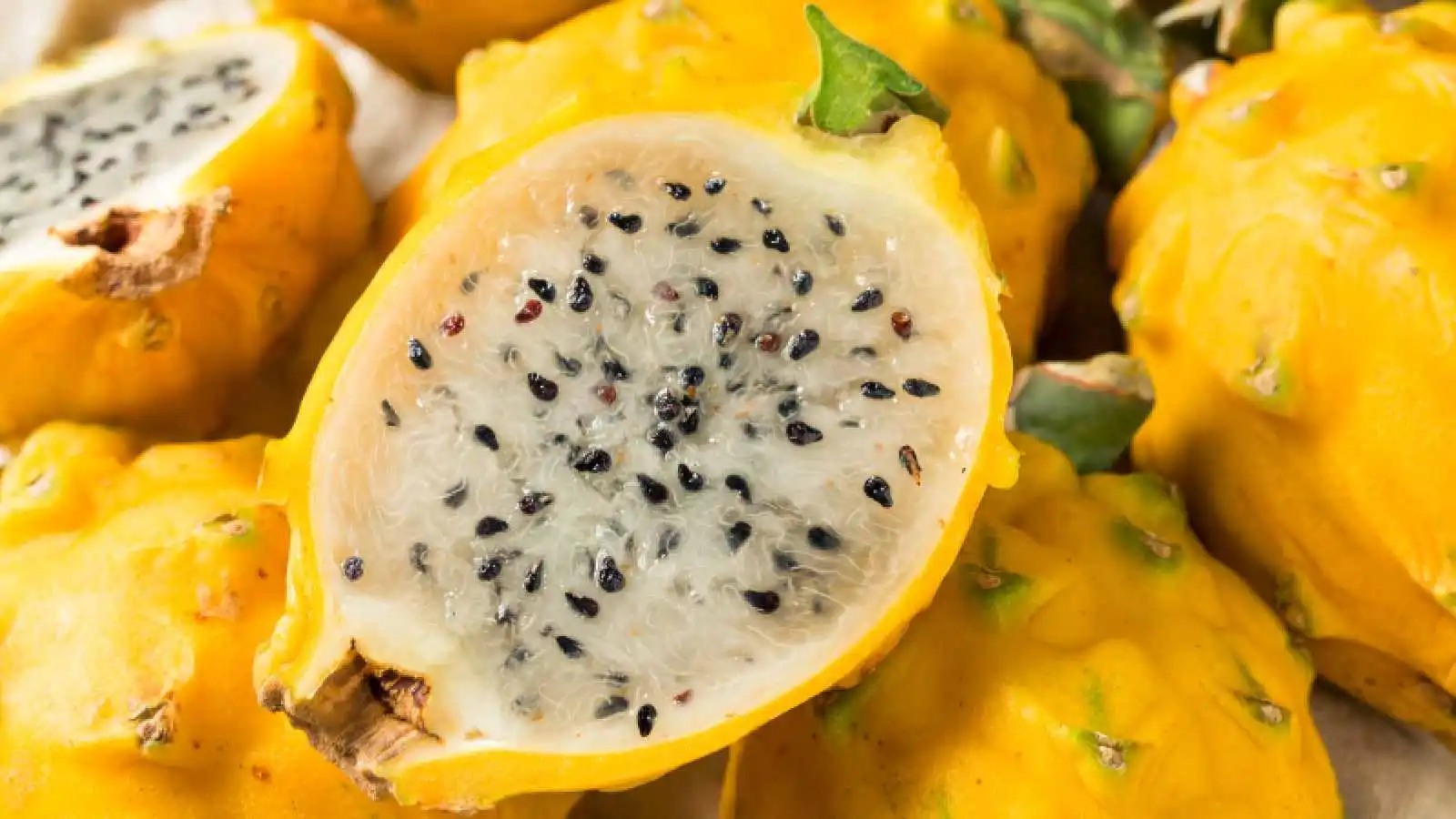
Yellow Dragon Fruit Plant Care: The Ultimate Guide for Healthy Growth
The yellow dragon fruit plant is a unique and rewarding addition to any home garden, [...]
Apr
How to Identify Bocking 14 Comfrey: 5 Simple Visual Signs
If you’re growing comfrey for mulch, compost, or animal feed, knowing exactly which variety you [...]
Mar
Grand Duke of Tuscany Jasmine: The Ultimate Guide to Growing a Fragrant Masterpiece
Have you ever caught a scent in the air so rich, creamy, and honey-sweet that [...]
Mar
How to Grow Wild Huckleberries: A Guide to “Purple Gold”
Have you ever spent a summer afternoon hiking through the Pacific Northwest or the Rocky [...]
Mar
Reviews
There are no reviews yet.