
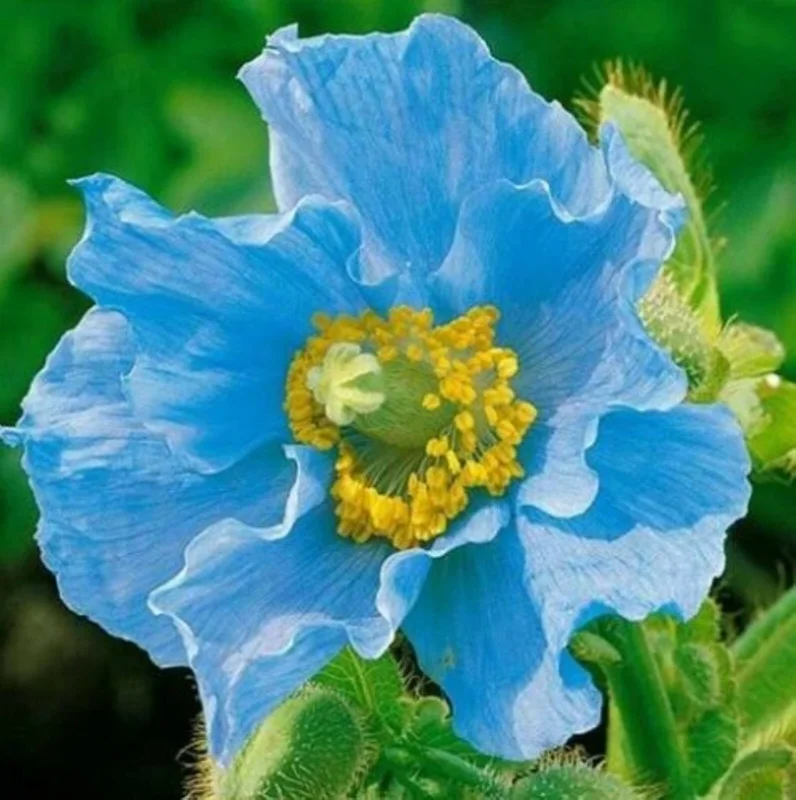
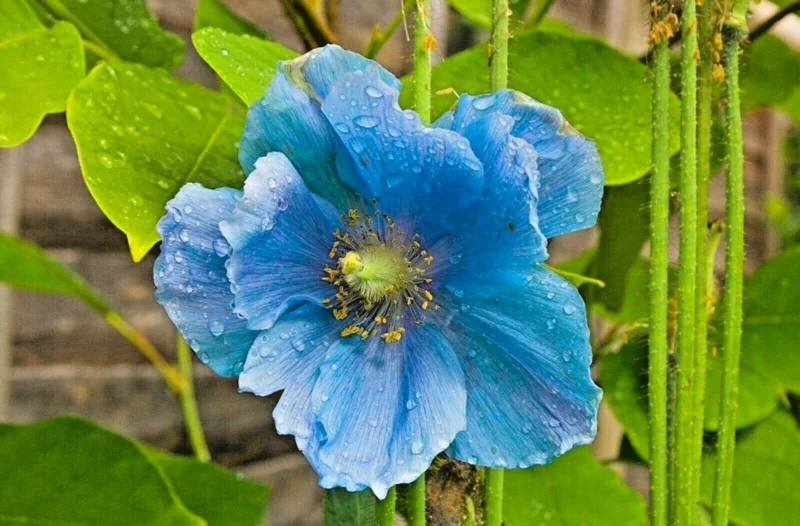
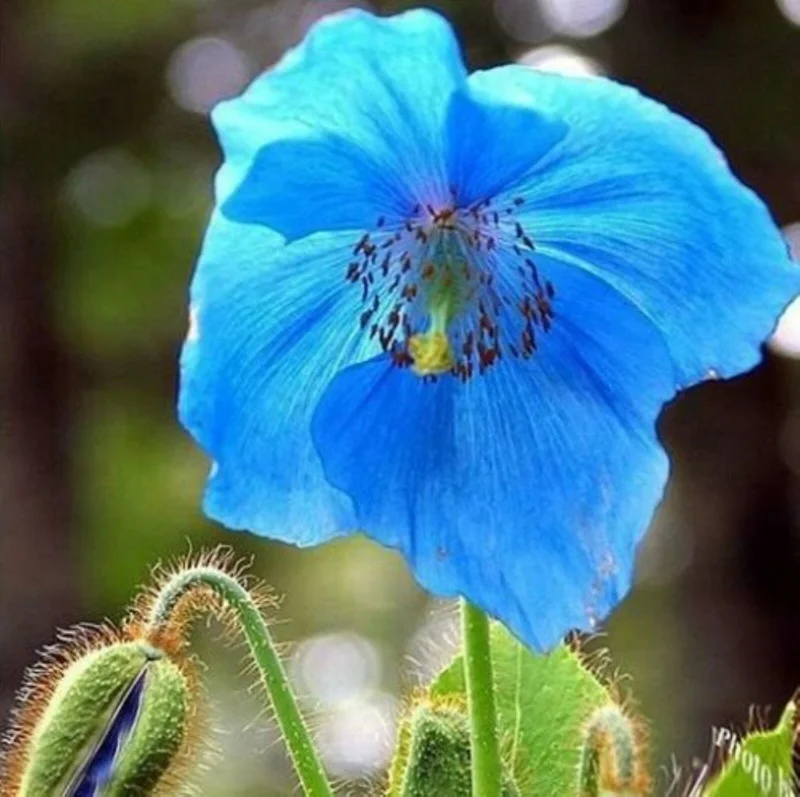
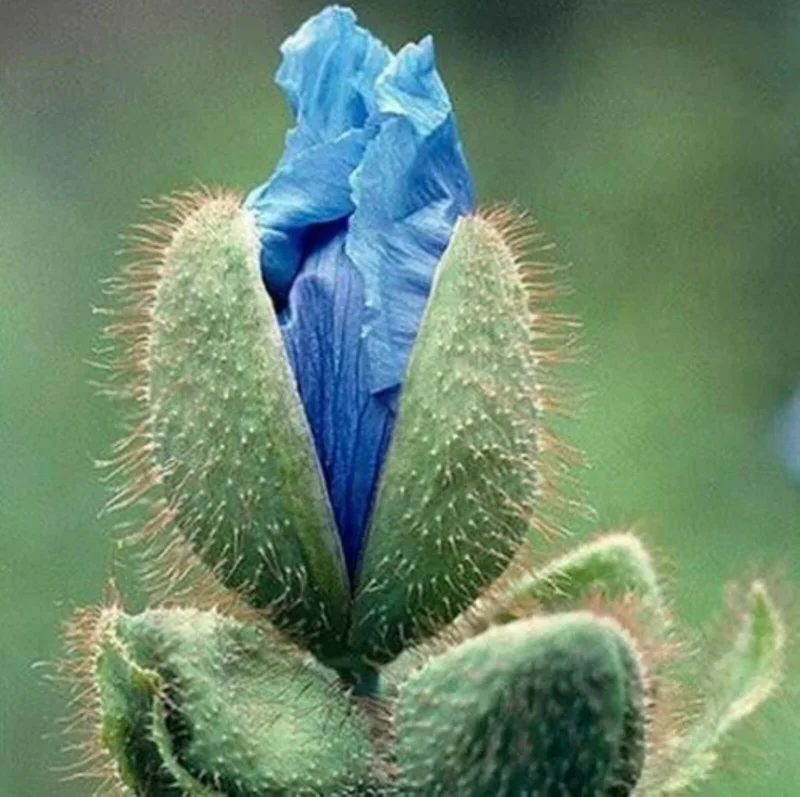
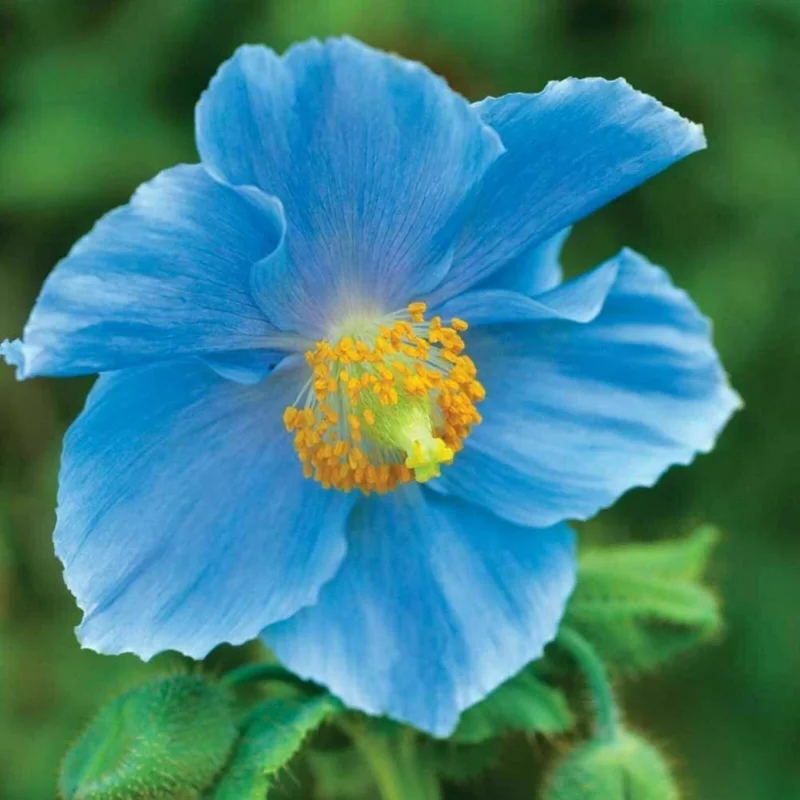

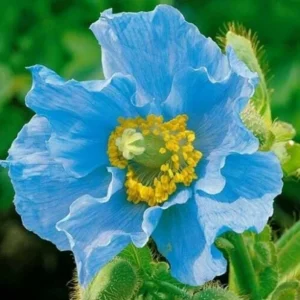
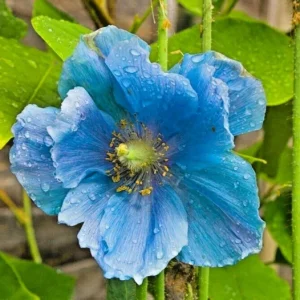
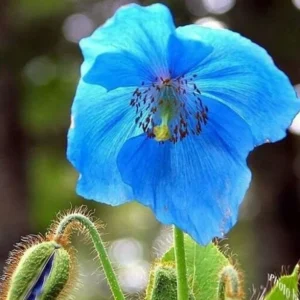

Himalayan Blue Poppy Seeds – Meconopsis Perennial Flowering Seeds – 200 Seeds
Original price was: $25.66.$10.66Current price is: $10.66.
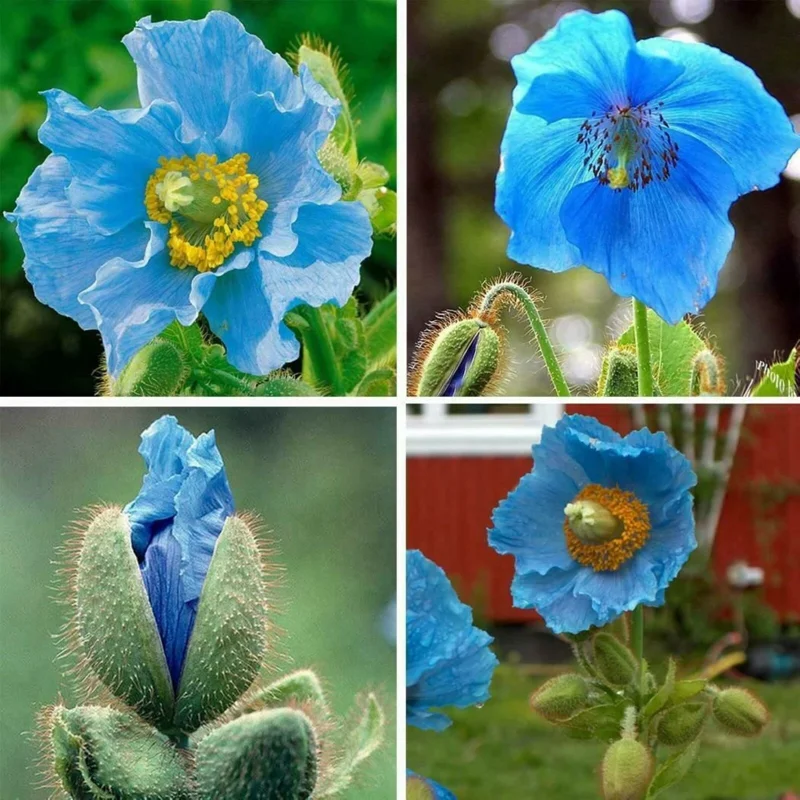
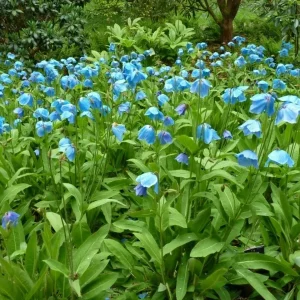
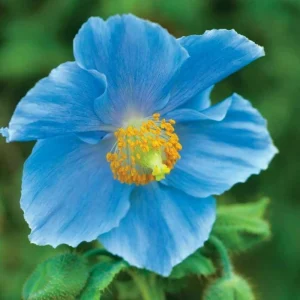
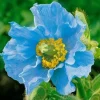
Cultivate the spectacular beauty of the Himalayan Blue Poppy seeds (Meconopsis) in your garden. These Meconopsis seeds promise vibrant blue, perennial flowers that add a touch of rare elegance to any outdoor space. Perfect for gardeners seeking unique and striking blooms.
Estimated arrival
Apr 07
Apr 12 - Apr 14
Apr 17 - Apr 21

Reasonable Price
We offer reasonable price

Support 24/7
Contact us 24 hrs a day

100% Money Back
You've 30 days to Return

Payment Secure
100% secure payment
Overview
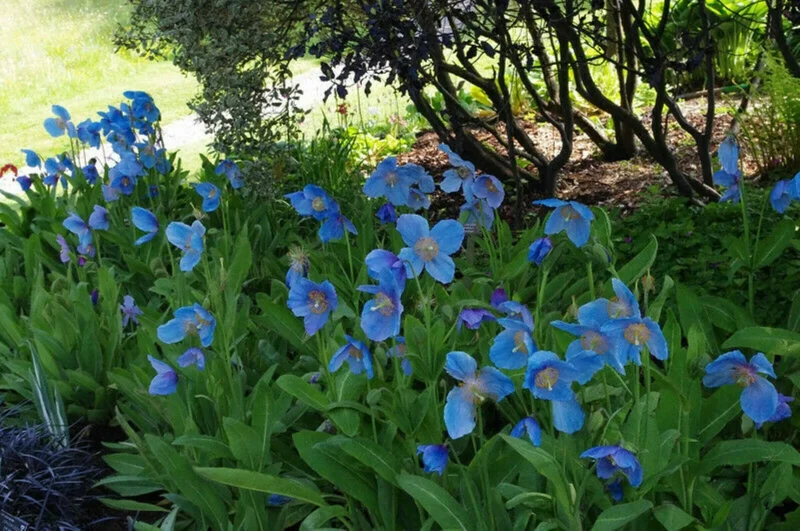
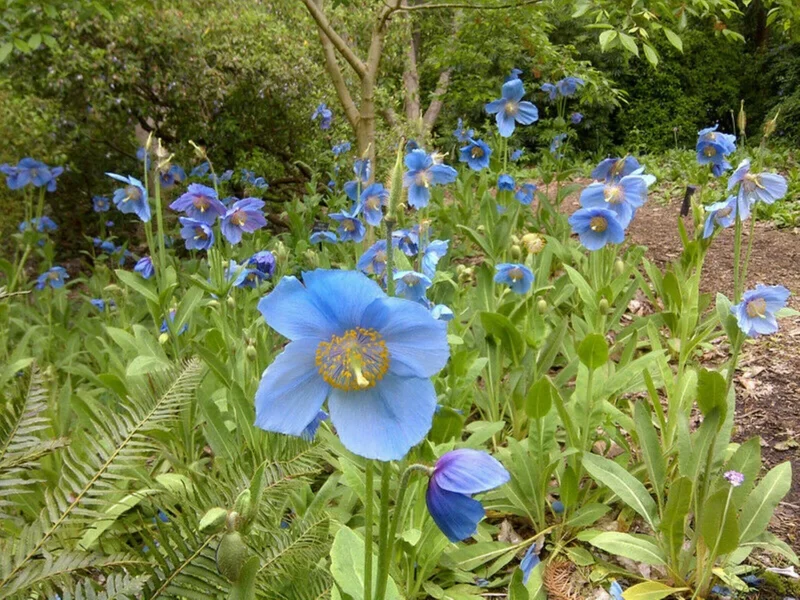
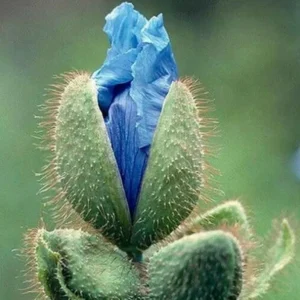
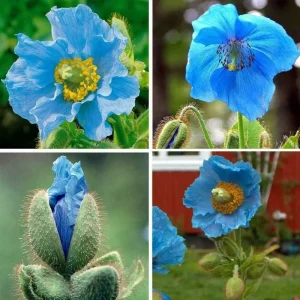
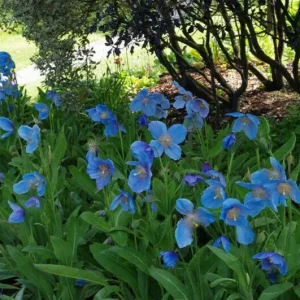
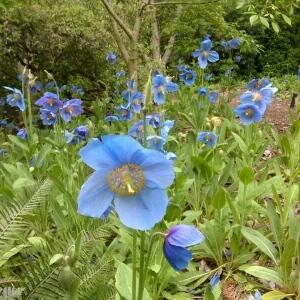
Embark on a captivating gardening journey with these exquisite Himalayan Blue Poppy seeds. Known for their breathtaking true-blue petals, the Meconopsis grandis, often referred to simply as the blue poppy perennial, is a coveted gem among gardeners. Each packet contains 200 high-quality seeds, offering you the opportunity to cultivate these truly magnificent perennial flowering plants. Originating from the elevated regions of the Himalayas, these poppies bring an unparalleled splash of color and elegance to any home garden. Their delicate, cup-shaped blooms create a serene and visually stunning display, making them a focal point in shaded borders or woodland gardens. Growing these Meconopsis seeds allows you to experience the joy of nurturing a truly special plant from its very beginning.
Key Benefits
Adding Himalayan Blue Poppy seeds to your garden offers a multitude of benefits, transforming your outdoor space into a vibrant sanctuary:
- Stunning Visual Appeal: The iconic sky-blue flowers of the blue poppy perennial are unlike any other, providing a rare and captivating color that stands out in any garden setting. These unique blooms draw the eye and create a memorable landscape.
- Perennial Growth: Enjoy these beautiful flowers year after year. As a perennial flowering garden seed, Meconopsis will return each season, offering enduring beauty with proper care and conditions.
- Attracts Pollinators: The vibrant blossoms are known to attract beneficial pollinators like bees, contributing to a healthier and more biodiverse garden ecosystem.
- Unique Garden Addition: Due to their specific growing requirements and stunning appearance, Himalayan Blue Poppy seeds allow you to cultivate a plant that is truly distinctive and often admired.
- Shade Garden Beauty: Unlike many sun-loving flowers, these poppies thrive in partial shade, making them an excellent choice for brightening cooler, less sunny areas of your garden where other plants might struggle.
- Sense of Accomplishment: Successfully growing these somewhat challenging but highly rewarding Meconopsis seeds provides immense satisfaction and a deep connection to nature.
Plant Care & Growing Tips
Cultivating Himalayan Blue Poppy seeds requires attention to detail, but the results are truly rewarding. These plants prefer a moderate climate and thrive in specific conditions. For germination, a cold stratification period of approximately 4 weeks is often beneficial. Sow the seeds on the surface of a suitable medium, as they require light to germinate. Keep the soil consistently moist but never waterlogged.
Sunlight requirements: Blue poppy perennial plants flourish in medium sun to partial shade. They prefer morning sun and protection from intense afternoon heat, especially in warmer climates. An ideal spot would be under deciduous trees or in a north-facing border. Watering schedule: Consistent moisture is crucial for Meconopsis. Water regularly, especially during dry spells, ensuring the soil remains damp but not saturated. Avoid overhead watering to prevent fungal issues. Soil type and drainage: These poppies prefer a rich, well-draining soil that is high in organic matter. Peat-based soil mixes are often recommended to achieve the slightly acidic to neutral pH they prefer. Good drainage is paramount to prevent root rot.
Temperature and Hardiness: Meconopsis are best suited for cooler climates and are typically hardy in USDA zones 5-8, though some varieties can extend to zone 9 with adequate shade and moisture. They do not tolerate extreme heat or humidity well. Fertilization: Feed sparingly with a balanced, slow-release fertilizer in early spring. Over-fertilization can lead to lush foliage but fewer flowers. Common problems: Watch out for slugs and snails, which are attracted to the tender foliage. Good air circulation helps prevent powdery mildew. Ensuring the right moisture and light conditions is key to a healthy rare blue poppy.
Size & Details
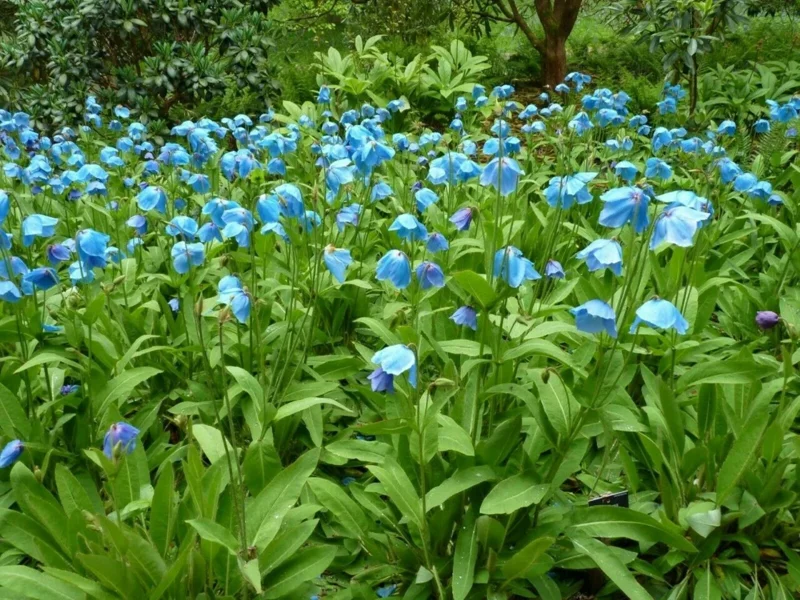
These Himalayan Blue Poppy seeds will grow into robust perennial plants, typically reaching a height of 2 to 3 feet and spreading about 1 to 1.5 feet wide. The growth habit is described as ‘seeding,’ meaning they readily produce seeds for future generations. The plants usually begin flowering in late spring to early summer, offering a spectacular display of blue blooms. Each packet contains 200 seeds, providing ample opportunity for a beautiful planting. The seeds are ideal for starting indoors and then transplanting outdoors once established, or direct sowing in appropriate climates after cold stratification. With proper care, your blue poppy perennial will establish itself and bring joy for many seasons.
Frequently Asked Questions
- Q: How big does this plant get? A: The Himalayan Blue Poppy typically grows to a height of 2 to 3 feet and can spread about 1 to 1.5 feet wide, forming an elegant clump of foliage and flowers.
- Q: What condition will the seeds arrive in? A: The Meconopsis seeds will arrive new, unused, unopened, and undamaged in their original packaging, ready for planting.
- Q: Is this an indoor or outdoor plant? A: While you can start the Himalayan Blue Poppy seeds indoors, these plants are primarily grown outdoors as a perennial garden flower, thriving in garden beds or borders.
- Q: How much sunlight does it need? A: These plants prefer medium sun to partial shade, ideally receiving morning sun and protection from the harsh afternoon heat. This helps maintain the vibrant blue color of the flowers.
- Q: Is this plant easy to care for? A: The blue poppy perennial is considered to have an ‘easy’ cultivating difficulty, but it does require consistent moisture and specific soil conditions to truly thrive.
- Q: How long until it blooms? A: Typically, flowering garden seeds like the Himalayan Blue Poppy will bloom in late spring to early summer, usually in their second year after planting from seed.
- Q: Will it survive winter in my zone? A: Yes, as a perennial flowering garden seed, the Himalayan Blue Poppy is hardy in USDA zones 5-8, meaning it can withstand winter temperatures in these regions and return each spring.
- Q: What type of soil is best for these seeds? A: A rich, well-draining soil with a slightly acidic to neutral pH, often peat-based and high in organic matter, is ideal for growing Meconopsis seeds.
- Q: What is the best time to plant these seeds? A: After a period of cold stratification, the best time to plant these Himalayan Blue Poppy seeds is in early spring, either indoors or directly outdoors after the last frost.
- Q: Can I grow this in a container? A: Yes, you can grow a rare blue poppy in a large container provided it has excellent drainage and you can maintain consistent moisture and light conditions suitable for the plant.
Be the first to review “Himalayan Blue Poppy Seeds – Meconopsis Perennial Flowering Seeds – 200 Seeds”
-
USDA Hardiness Zone
USDA Zones 5-8 -
Soil Type
Rich, well-draining, peat-based soil with high organic matter -
Sunlight Exposure
Medium sun to partial shade -
Expected Planting Period
Spring, after cold stratification
People Also Viewd


Sold 128 products
Original price was: $89.99.$64.99Current price is: $64.99.

Sold 128 products
Original price was: $27.00.$24.00Current price is: $24.00.
Sold 127 products
Original price was: $159.99.$139.99Current price is: $139.99.

Sold 126 products
Original price was: $3,536.00.$23.99Current price is: $23.99.

Sold 125 products
Original price was: $86.99.$66.99Current price is: $66.99.
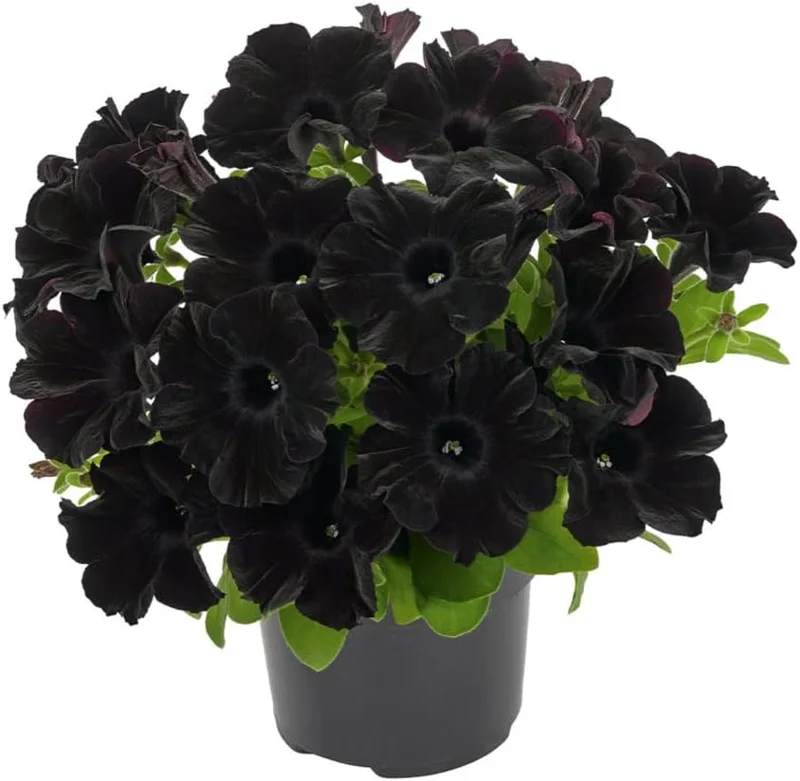
Sold 116 products
Original price was: $27.99.$16.99Current price is: $16.99.

Flower Bulbs
3 Cranesbill Wild Geranium Organic Maculatums Bare Roots | Wildflower for Outdoor Garden
Sold 114 products
Original price was: $21.99.$6.99Current price is: $6.99.

Sold 114 products
Original price was: $28.99.$17.99Current price is: $17.99.RELATED posts
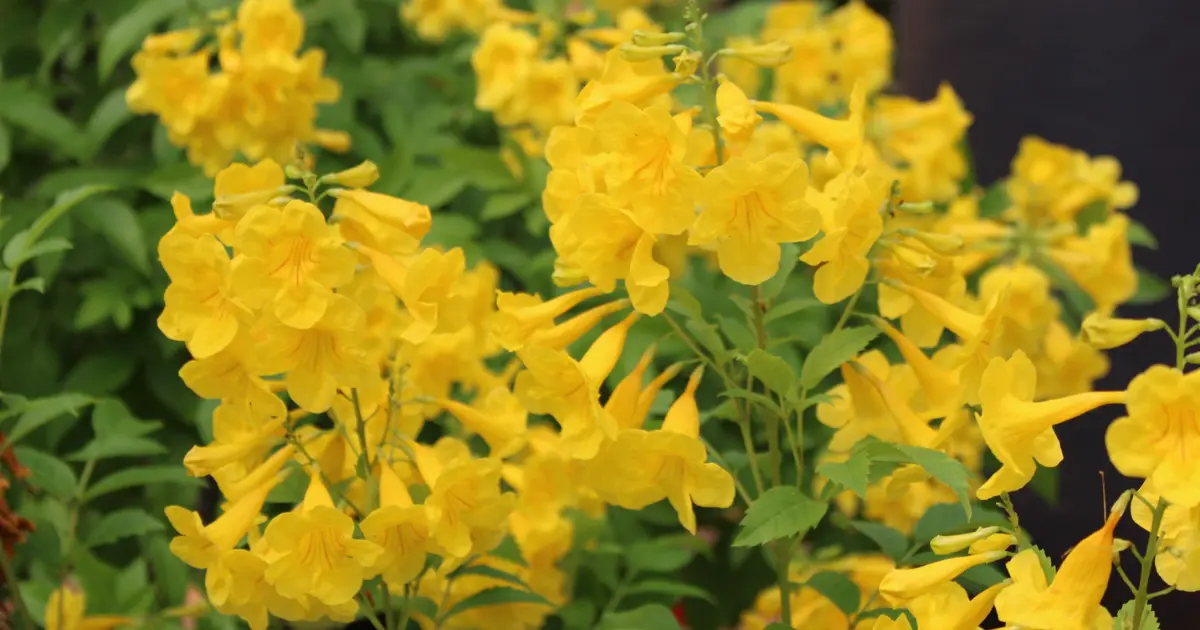
Mastering Esperanza Goldstar: Grow the Ultimate Yellow Bloom
Esperanza Goldstar is more than just a heat-tolerant shrub; for the American gardener battling the [...]
Apr
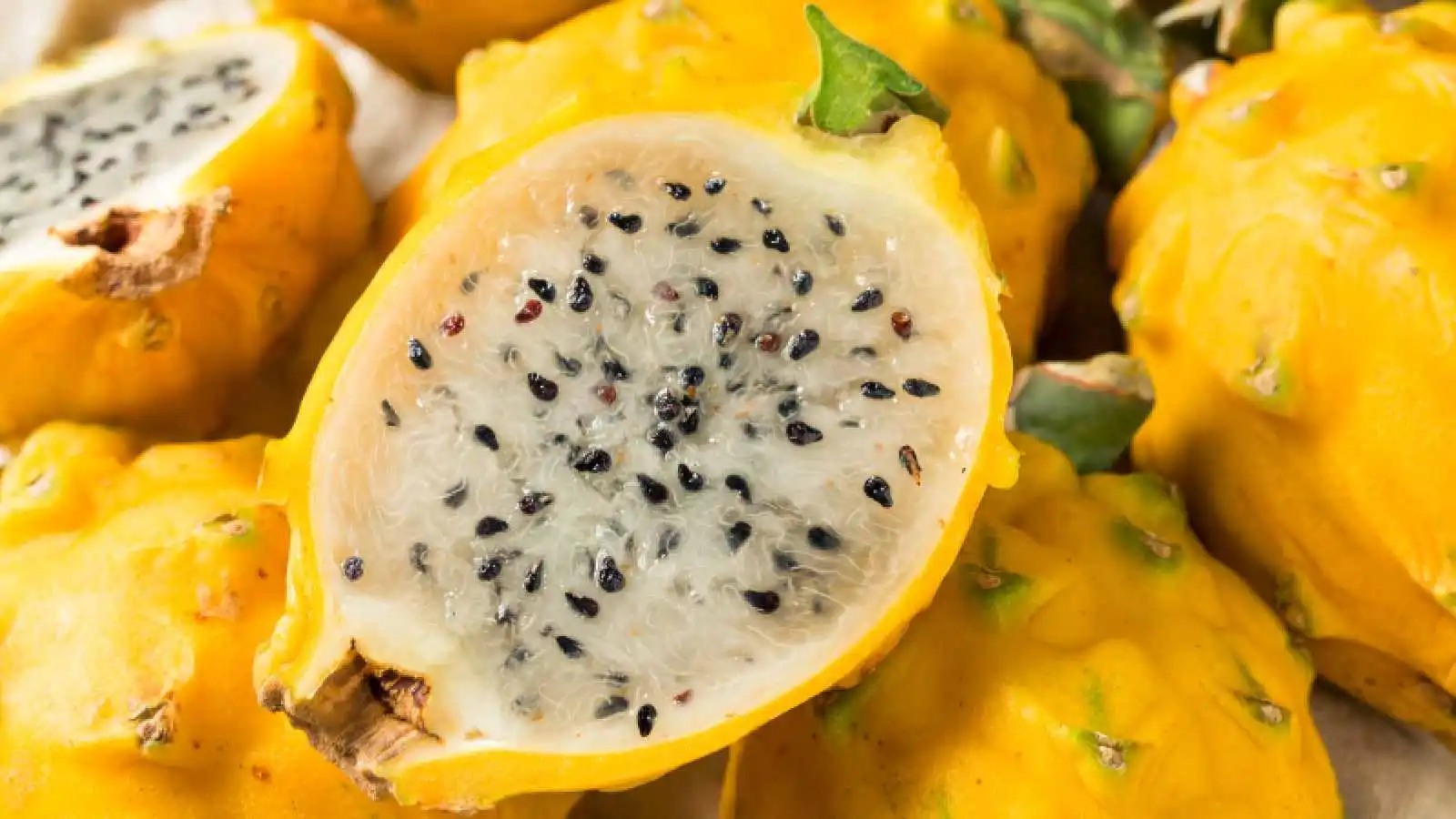
Yellow Dragon Fruit Plant Care: The Ultimate Guide for Healthy Growth
The yellow dragon fruit plant is a unique and rewarding addition to any home garden, [...]
Apr
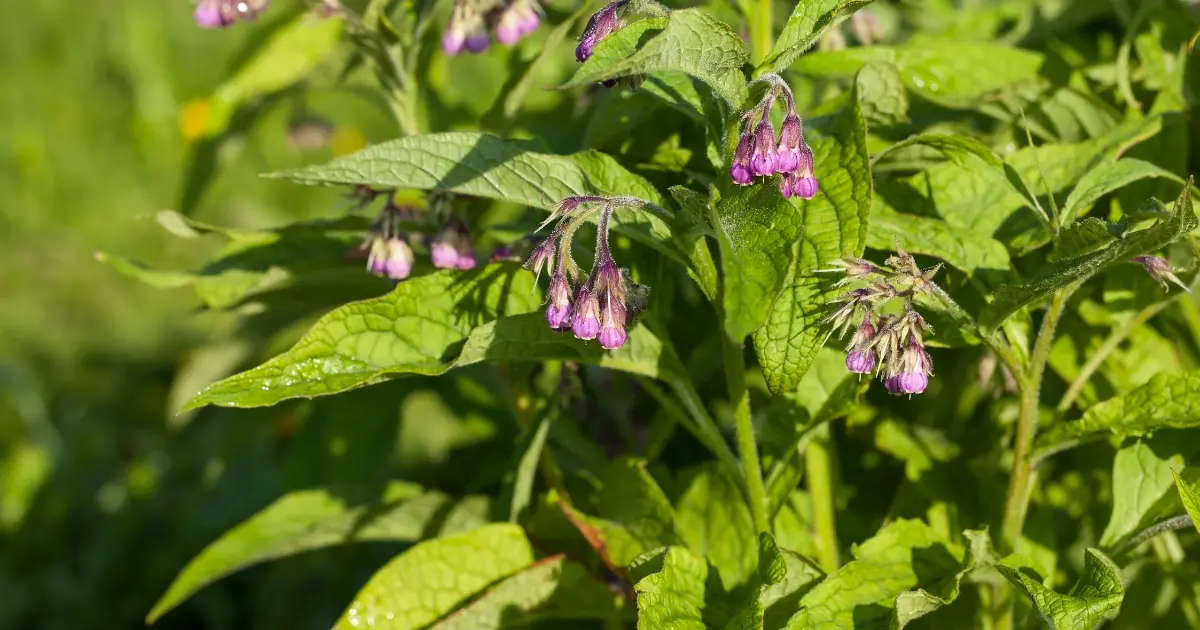
How to Identify Bocking 14 Comfrey: 5 Simple Visual Signs
If you’re growing comfrey for mulch, compost, or animal feed, knowing exactly which variety you [...]
Mar
Grand Duke of Tuscany Jasmine: The Ultimate Guide to Growing a Fragrant Masterpiece
Have you ever caught a scent in the air so rich, creamy, and honey-sweet that [...]
Mar
How to Grow Wild Huckleberries: A Guide to “Purple Gold”
Have you ever spent a summer afternoon hiking through the Pacific Northwest or the Rocky [...]
Mar
5 Best Shade-Loving Perennials for a Lush, Vibrant Garden
The world of gardening often shines a spotlight on sun-drenched blossoms, but there is a [...]
Mar

7 Common Curry Leaf Plant Problems: Easy Fixes for a Thriving Plant
Is your curry leaf plant looking a bit sad lately? Maybe you woke up to [...]
Mar
Best Time to Plant Bougainvillea: Timing for Vibrant Blooms
If you’re looking for a hardy tropical vine that delivers a riot of neon color, [...]
Feb
Reviews
There are no reviews yet.