






Lisianthus Solo Blue Picotee Live Plant Plug Starter 1-3 Inch
Original price was: $25.99.$15.99Current price is: $15.99.
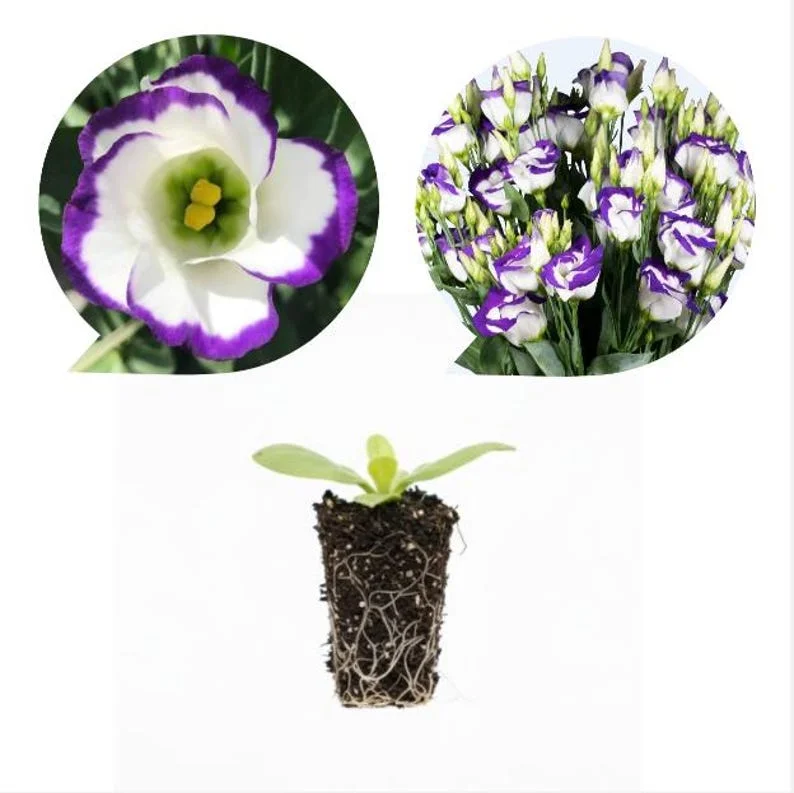
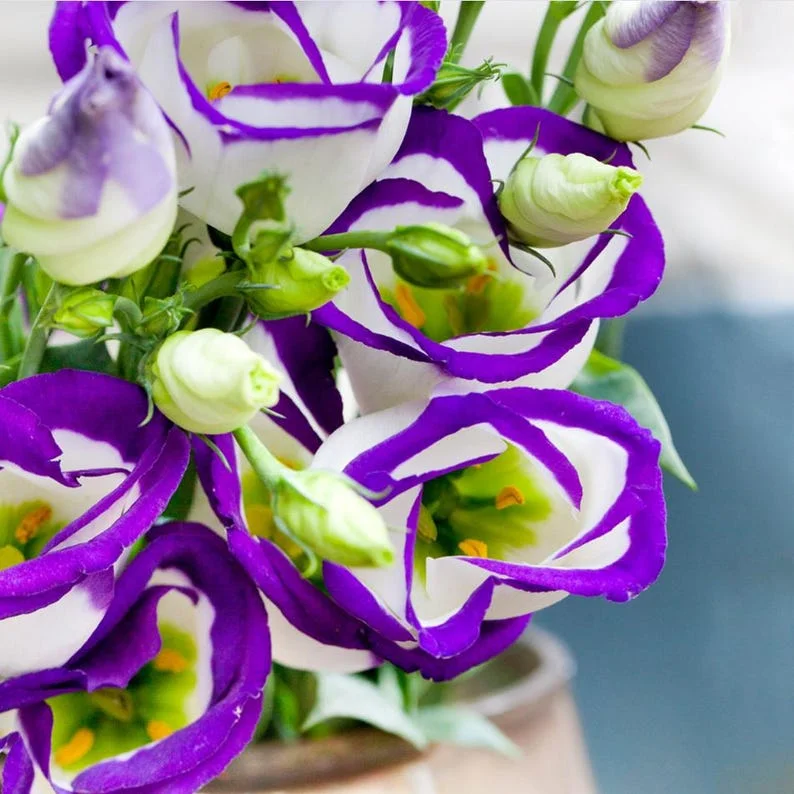
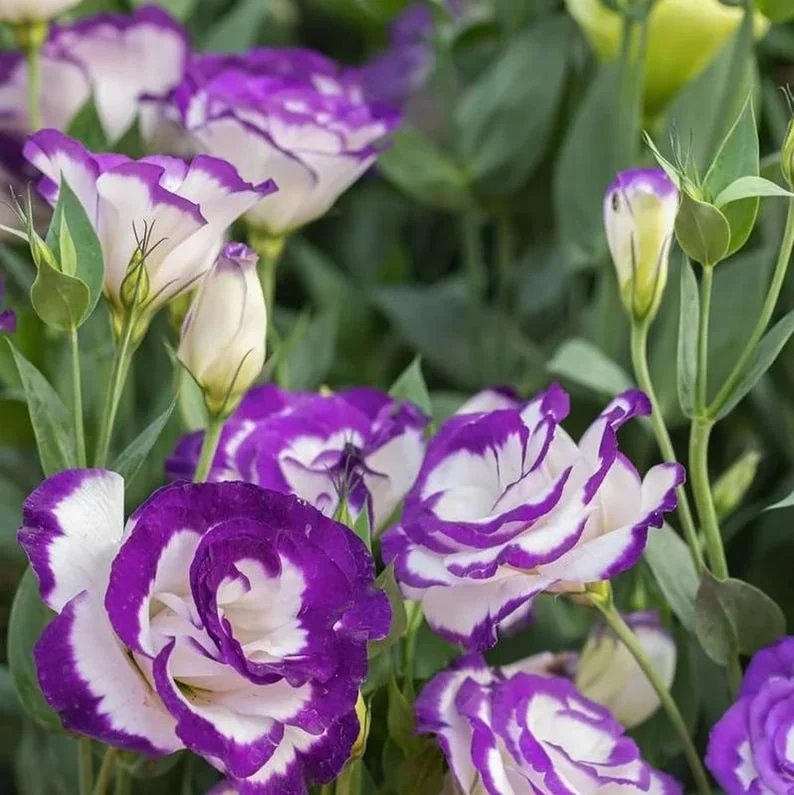
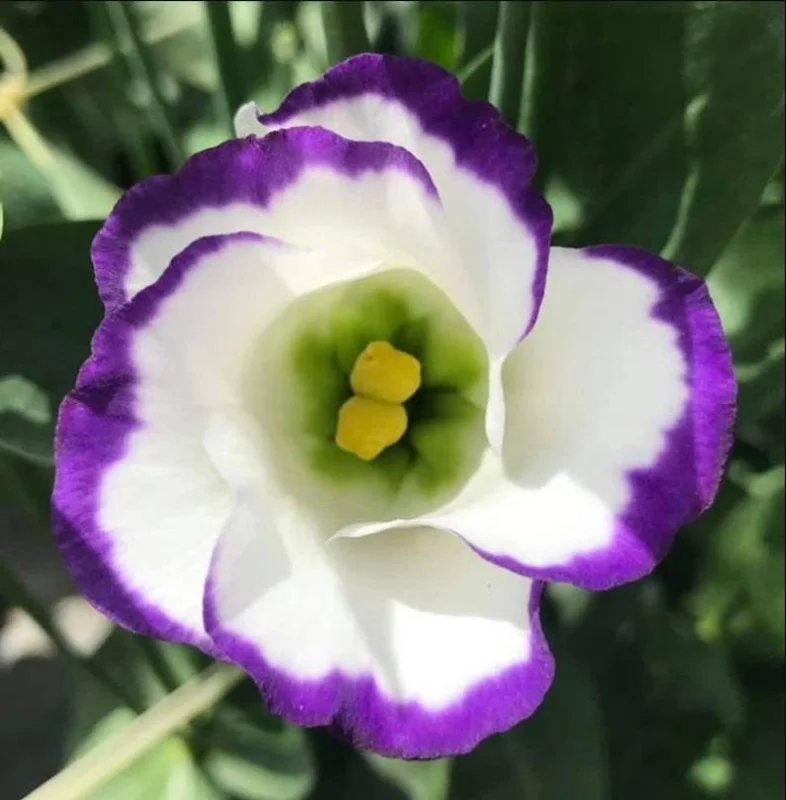
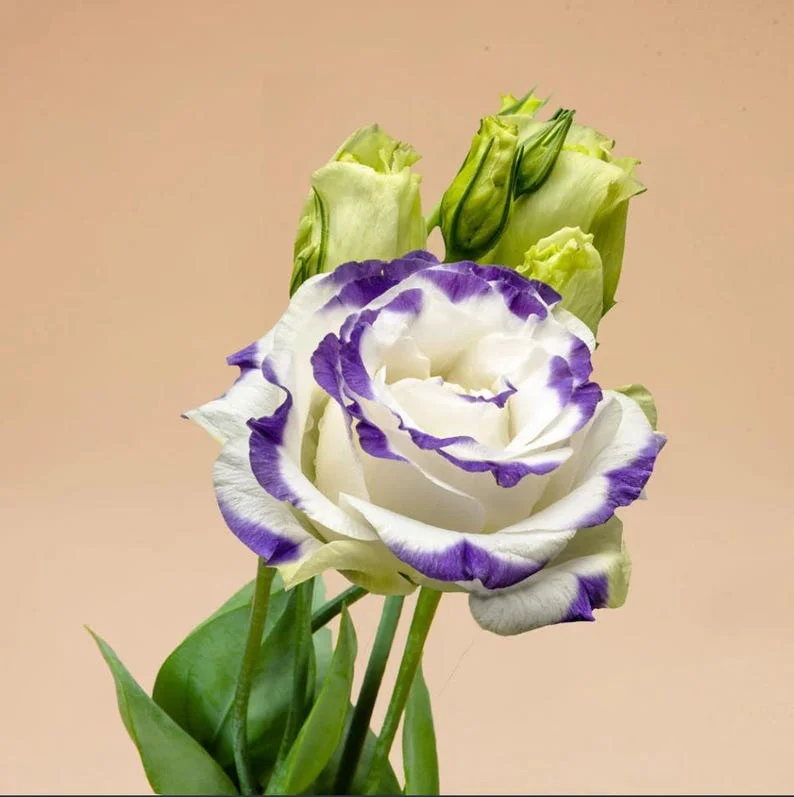
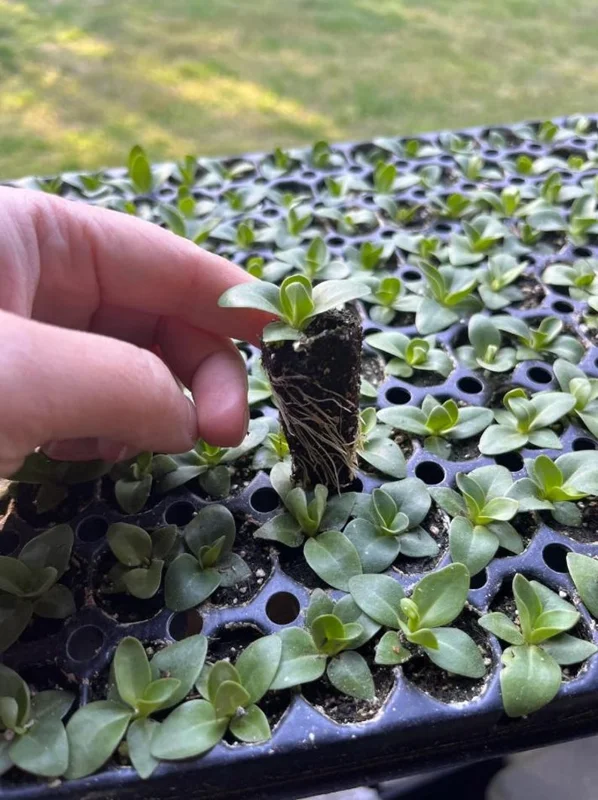
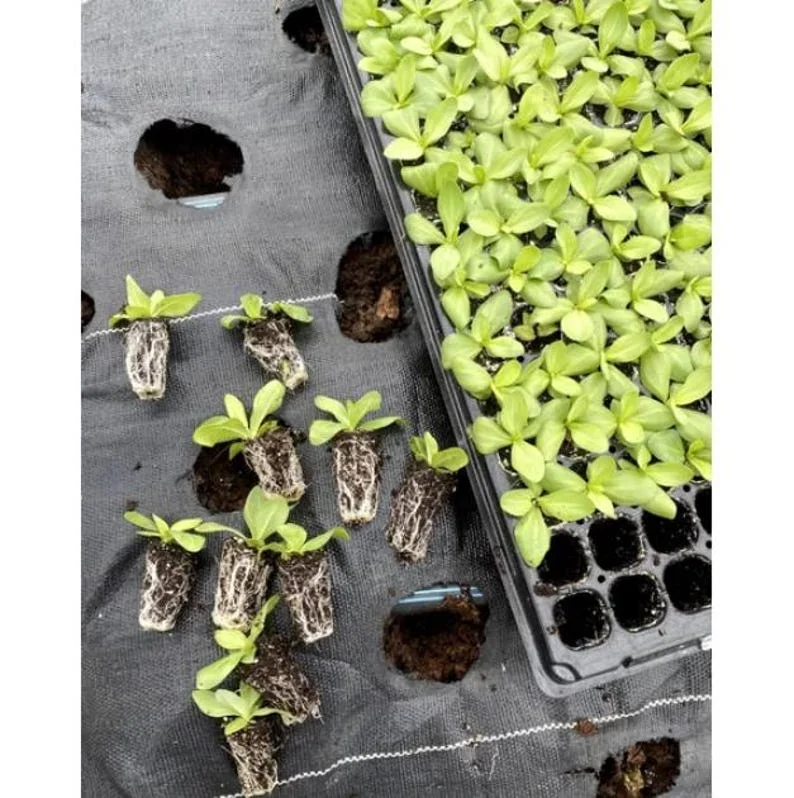
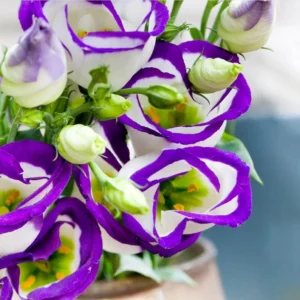
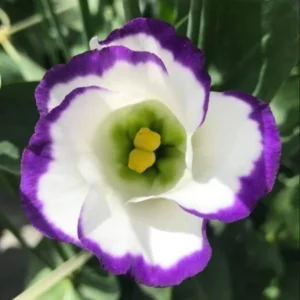
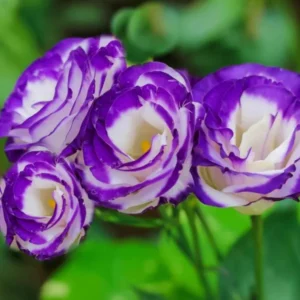
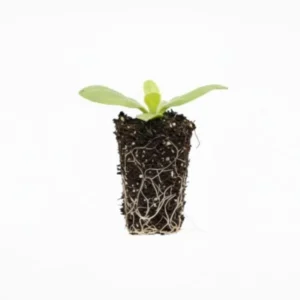
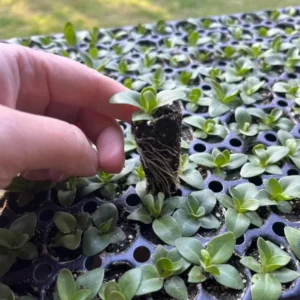
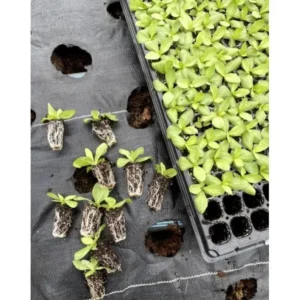
Receive a healthy Lisianthus Solo Blue Picotee plug, well-rooted and nursery-grown. Ready for planting, this starter plant needs full sun and well-drained soil. Photos show mature plants for reference only.
Estimated arrival
Mar 07
Mar 12 - Mar 14
Mar 17 - Mar 21

Reasonable Price
We offer reasonable price

Support 24/7
Contact us 24 hrs a day

100% Money Back
You've 30 days to Return

Payment Secure
100% secure payment
Lisianthus Solo Blue Picotee Plug – Grow Your Own Beauty!
Cultivate the captivating beauty of the Lisianthus Solo Blue Picotee with our healthy live starter plant. This well-rooted plug is ready to thrive in your garden, offering the promise of stunning blooms. The Lisianthus plug is a great way to start your garden.
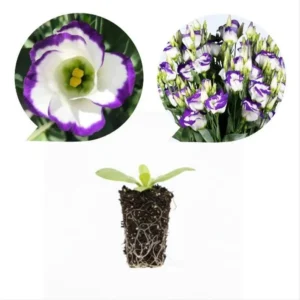
Our Lisianthus plant arrives as a young starter, carefully nurtured in a nursery pot. While the photos showcase the mature plant’s potential, your plug is eager to grow and flourish under your care. This ensures that you get a healthy start for your garden.
Care Tips for Your Lisianthus Plug:
- Light: Full sun to bright light (6+ hours/day). In hot climates, provide morning sun and afternoon shade.
- Water: Keep young plugs consistently moist. Once established, water when the top 1-2 inches of soil are dry, watering at the base to avoid fungal issues.
- Soil: Requires excellent drainage. Use sandy or loamy soil with a pH of 6.5-7.0.
- Temperature & Climate: Prefers temperatures between 18-26°C. Hardy in zones 8-11.
Enjoy the satisfaction of nurturing your own Lisianthus Solo Blue Picotee from a young plug to a vibrant, flowering plant. With proper care, you’ll be rewarded with an abundance of exquisite blooms. This live starter plant is carefully grown. The blue picotee lisianthus is a beautiful addition to any garden.
Frequently Asked Questions About Your Lisianthus Plug
- How big will the plant be when it matures? Mature Lisianthus Solo Blue Picotee plants can reach a height of 18-24 inches and spread 9-12 inches wide.
- What kind of soil do I need for my Lisianthus? Lisianthus thrives in well-draining soil, ideally a sandy or loamy mix with a pH between 6.5 and 7.0.
- How often should I water my new Lisianthus plug? Keep the soil consistently moist but not soggy, especially when the plant is young. Once established, water when the top 1-2 inches of soil feel dry to the touch.
- What is the best location to plant my Lisianthus? Choose a location with full sun to bright light (at least 6 hours per day). In hotter climates, provide some afternoon shade to prevent heat stress.
- How do I prevent fungal problems on my Lisianthus? Water at the base of the plant to avoid wetting the foliage, which can create a breeding ground for fungal diseases.
Be the first to review “Lisianthus Solo Blue Picotee Live Plant Plug Starter 1-3 Inch”
People Also Viewd
Sold 128 products
Original price was: $27.00.$24.00Current price is: $24.00.

Sold 125 products
Original price was: $86.99.$66.99Current price is: $66.99.
Sold 125 products
Original price was: $89.99.$64.99Current price is: $64.99.
Sold 124 products
Original price was: $3,536.00.$23.99Current price is: $23.99.
Sold 116 products
Original price was: $27.99.$16.99Current price is: $16.99.
Flower Bulbs
3 Cranesbill Wild Geranium Organic Maculatums Bare Roots | Wildflower for Outdoor Garden
Sold 114 products
Original price was: $21.99.$6.99Current price is: $6.99.
Sold 114 products
Original price was: $28.99.$17.99Current price is: $17.99.

Sold 109 products
Original price was: $63.99.$28.99Current price is: $28.99.RELATED posts
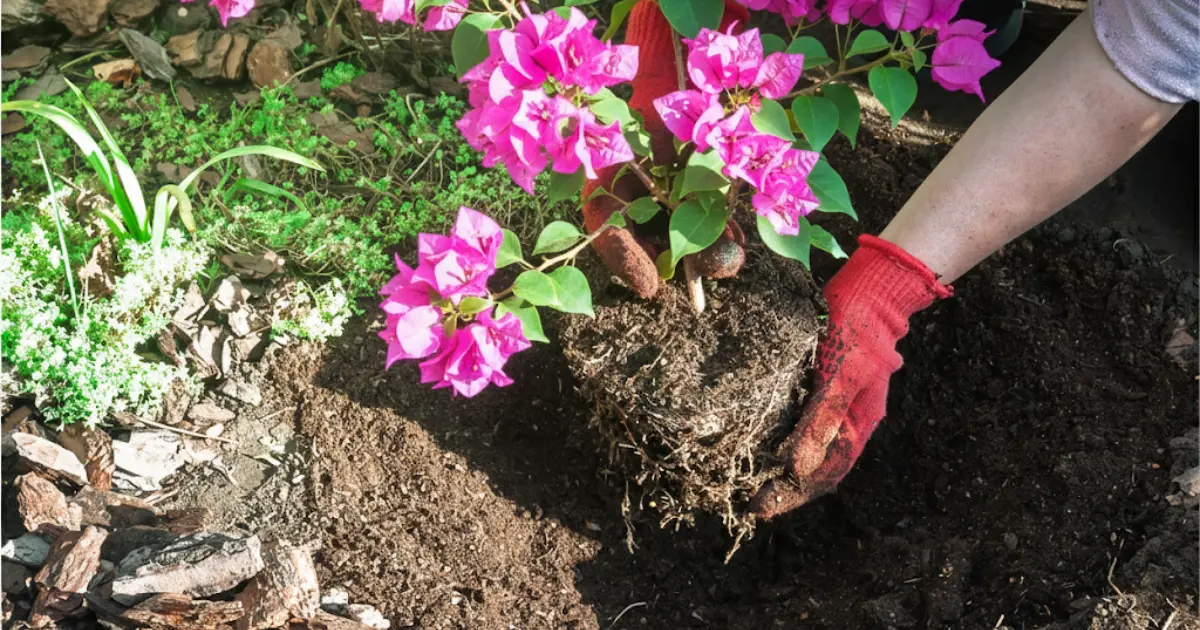
Best Time to Plant Bougainvillea: Timing for Vibrant Blooms
If you’re looking for a hardy tropical vine that delivers a riot of neon color, [...]
Feb
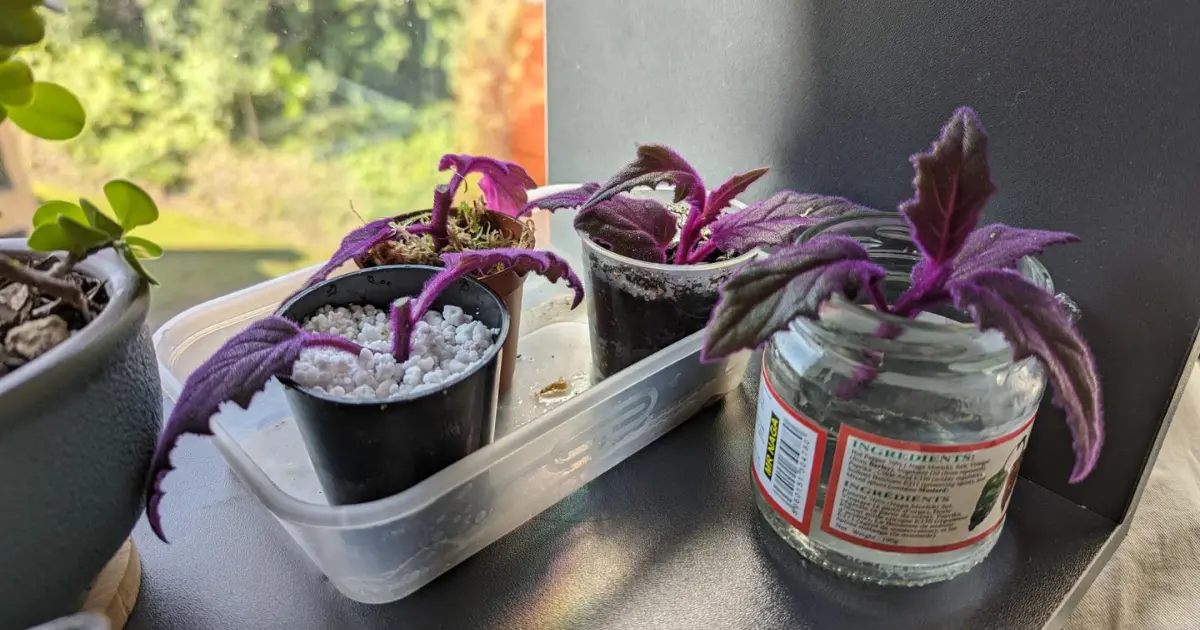
How to Propagate Purple Passion Plants (Gynura aurantiaca)
Have you ever been mesmerized by the neon-purple glow and fuzzy, velvet-like leaves of a [...]
Feb
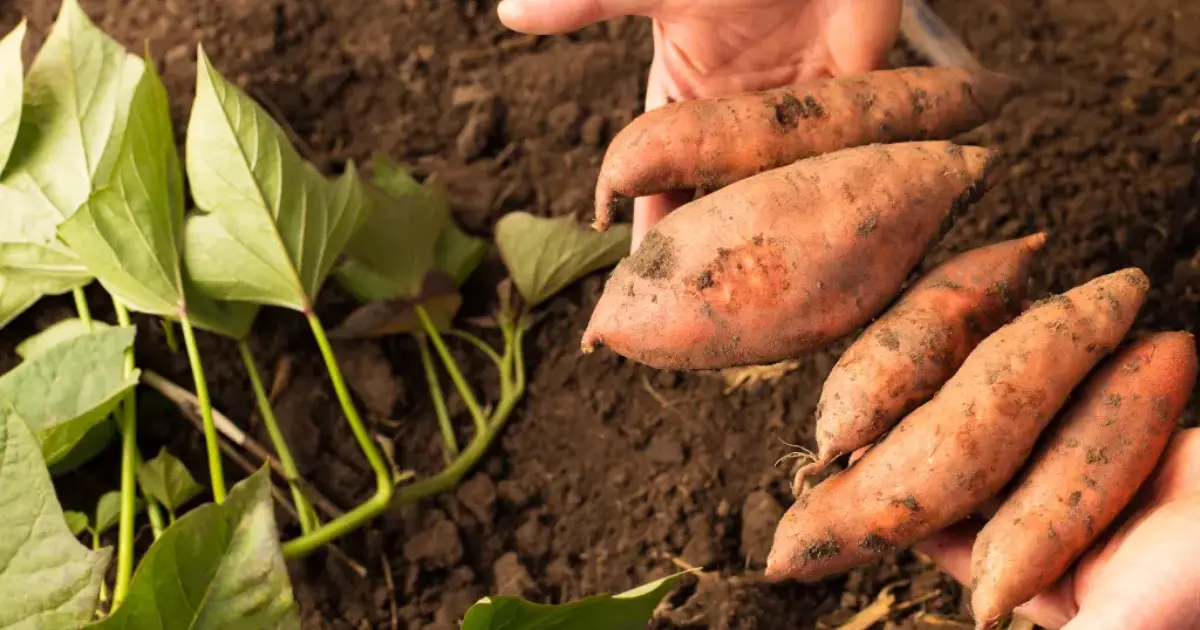
How to Grow Beauregard Sweet Potatoes: From Slips to a Bountiful Harvest
Are you ready to add a classic, heavy-hitting favorite to your vegetable patch? If you’ve [...]
Feb
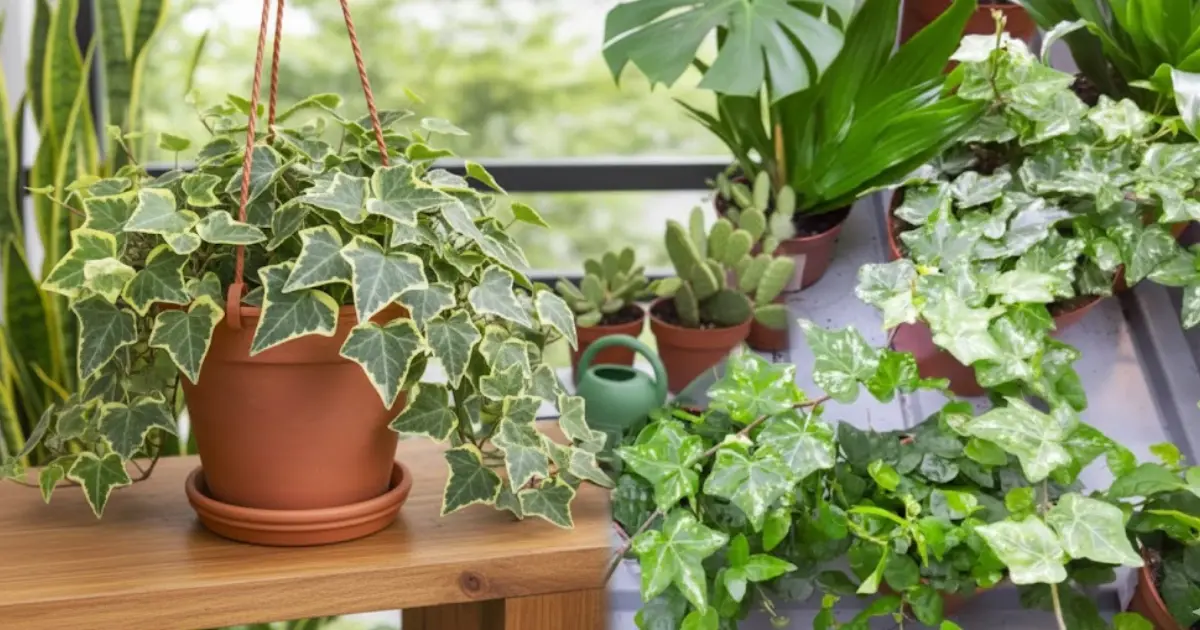
7 Expert Tips to Grow Lush Ivy Indoors: A Beginner’s Guide
Are you tired of seeing the same old Pothos vines in every corner of your [...]
Feb
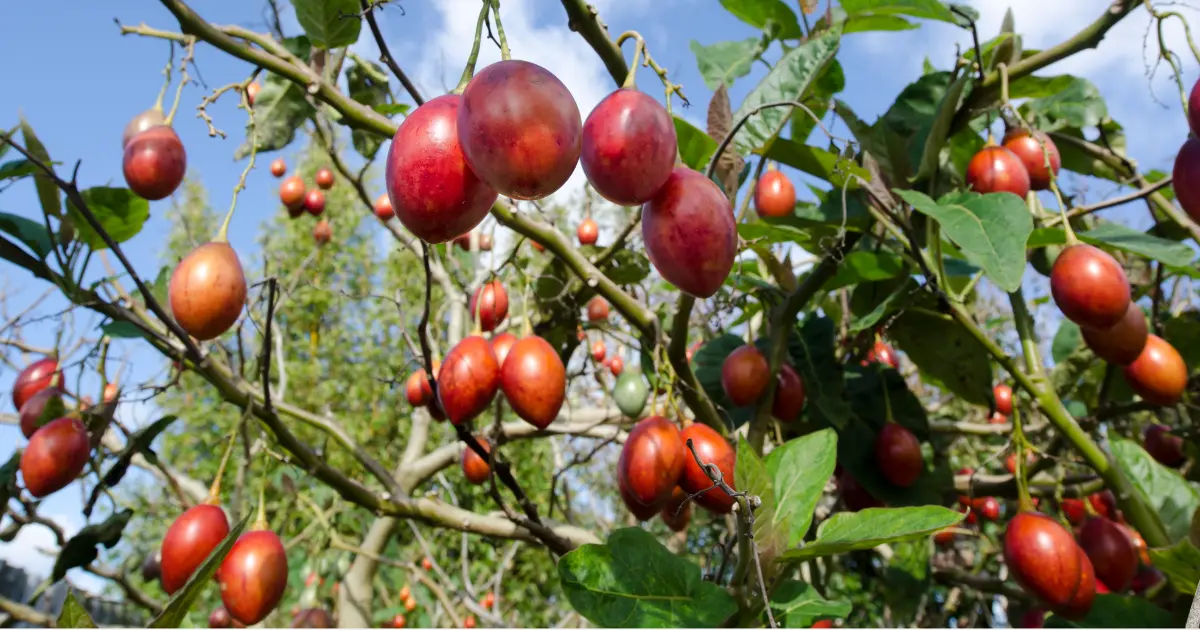
7 Reasons Why Tamarillo Trees Are a Garden Must-Have
Once you start growing a garden, you will keep finding more reasons to add more [...]
Jan
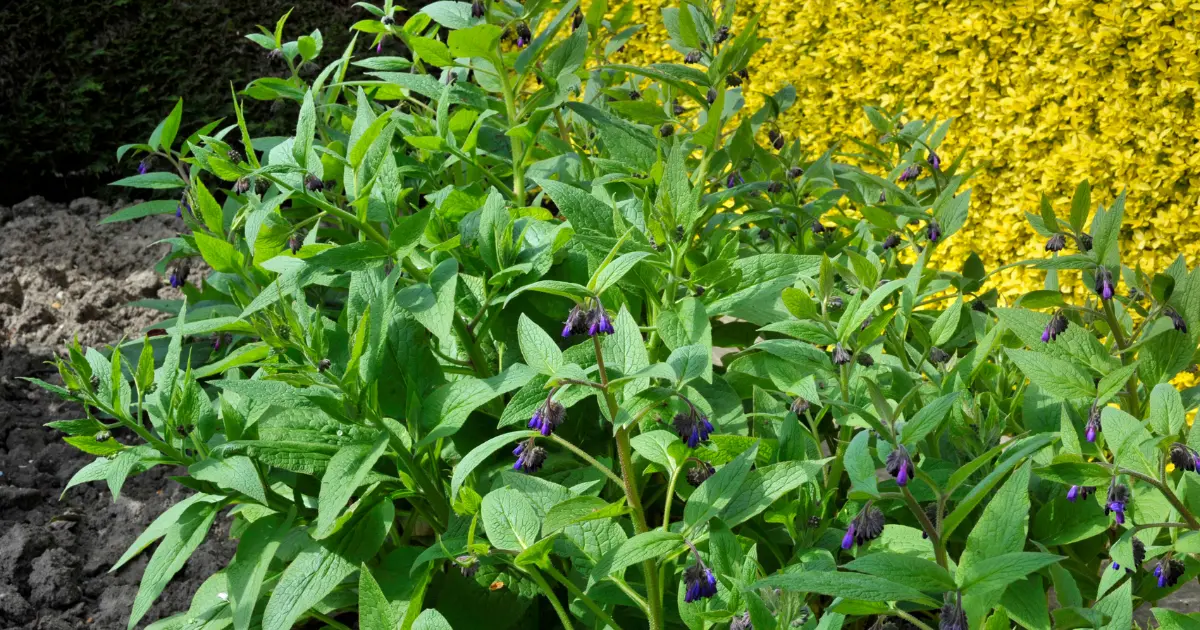
Comfrey Companion Planting: What to Grow Next to Your Comfrey Patch?
Have you ever looked at that lush, fast-growing patch of comfrey in the corner of [...]
Jan
7 Vegetables to Plant in December for a Bountiful Winter Harvest
Winter gardening is a challenge many new gardeners shy away from. But if you’re among [...]
Dec
9 Common Christmas Cactus Problems and How to Fix Them
Have you ever walked past your Christmas cactus and wondered why it suddenly looks sad? [...]
Nov


Reviews
There are no reviews yet.