
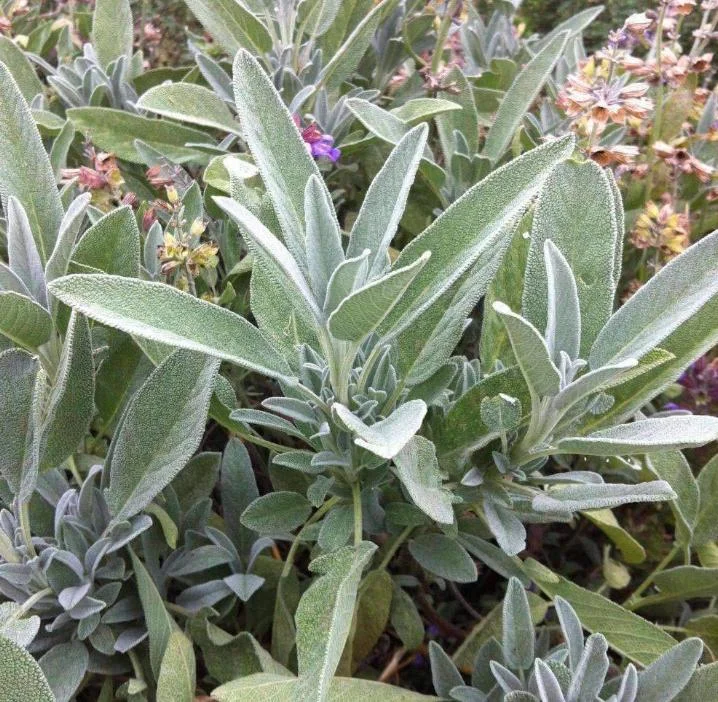
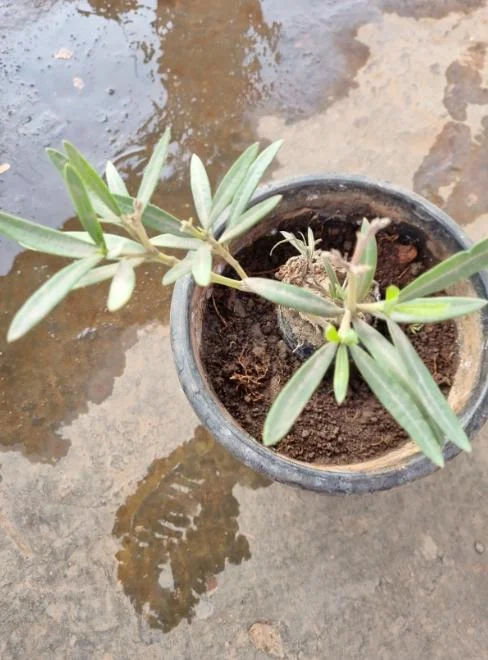
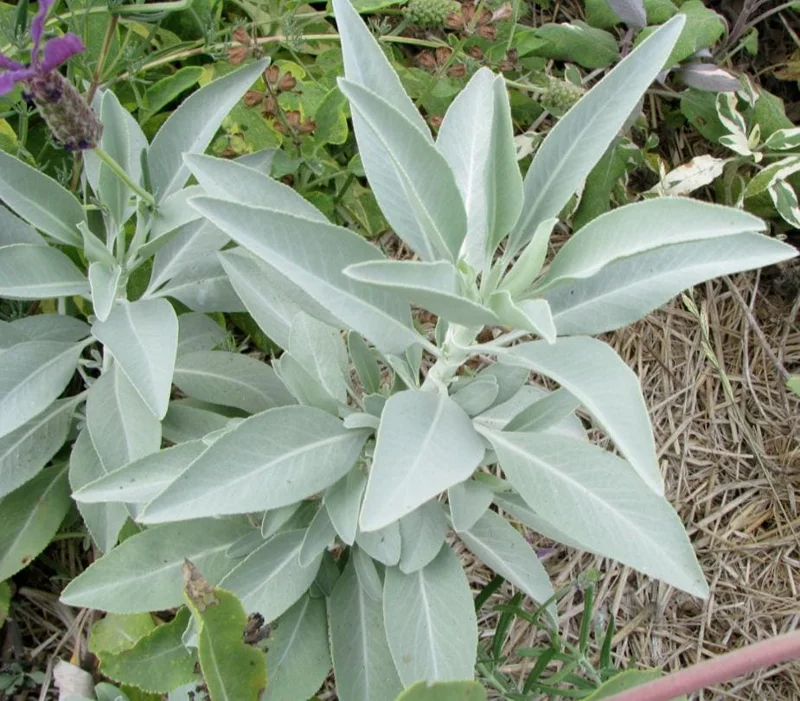
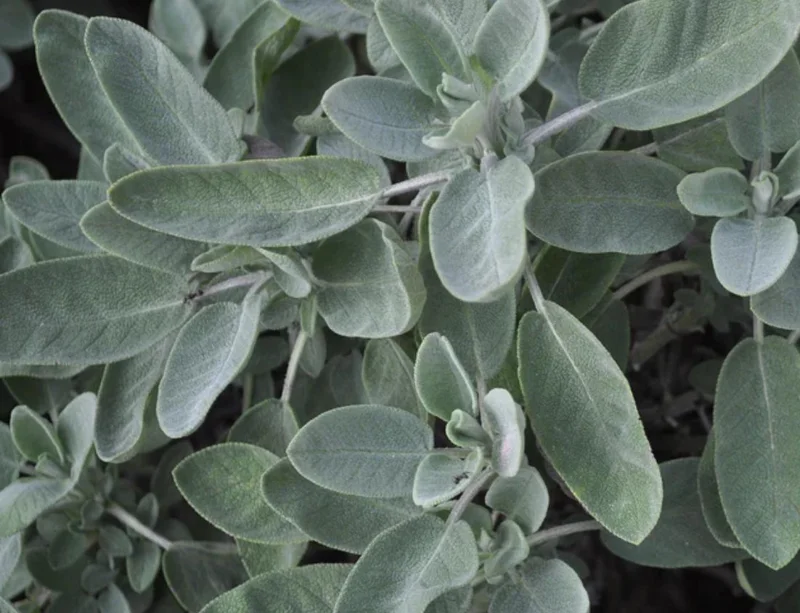
Live Sage Herb Plant – 7-inch Tall, 3.5-inch Pot – Aromatic Culinary Herb
Original price was: $59.98.$22.99Current price is: $22.99.
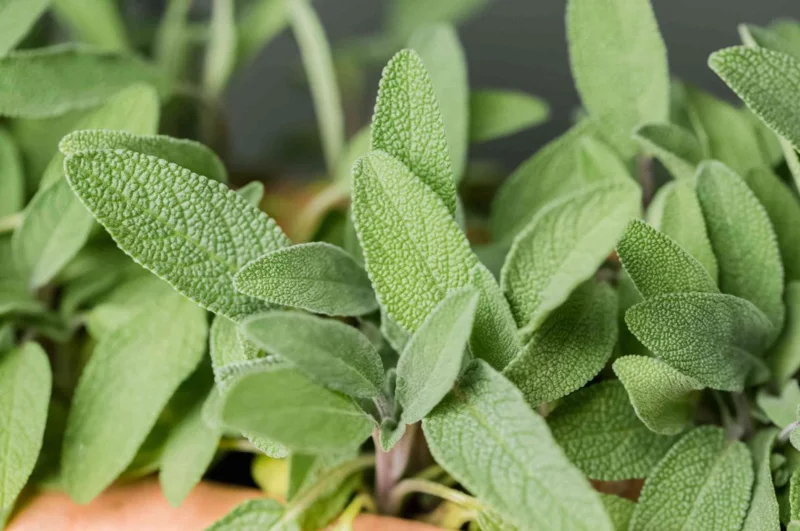
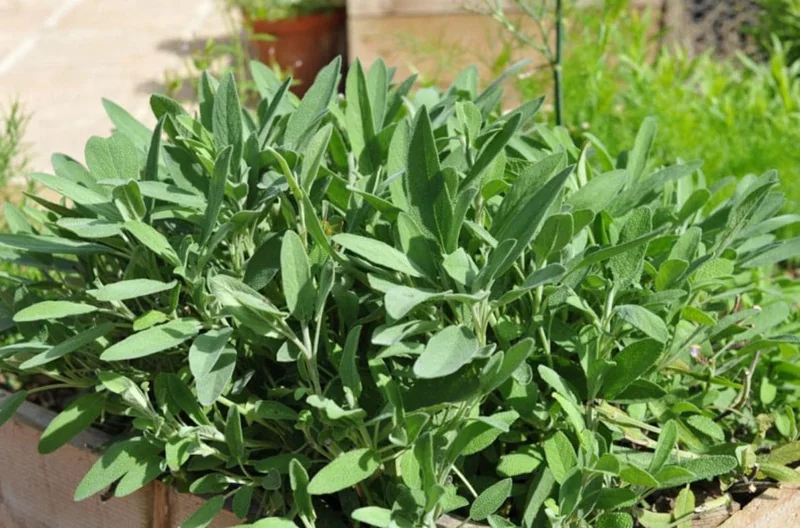
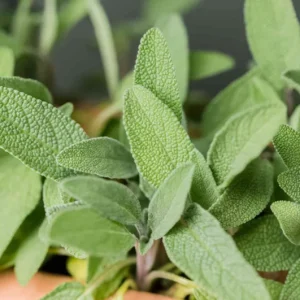
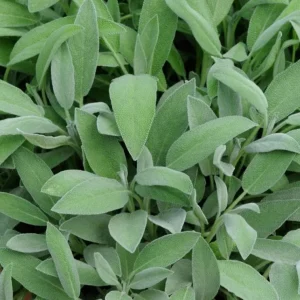
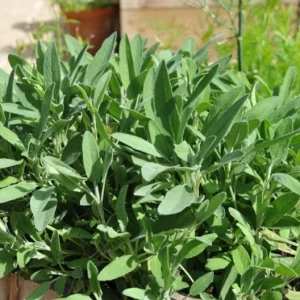
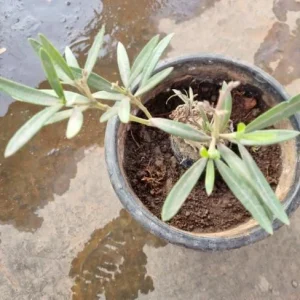
Bring home a live sage herb plant, standing approximately 7 inches tall in a 3.5-inch pot. This aromatic perennial is ideal for home herb gardens, patios, or kitchen spaces, offering fresh leaves for culinary use.
Estimated arrival
Apr 13
Apr 18 - Apr 20
Apr 23 - Apr 27

Reasonable Price
We offer reasonable price

Support 24/7
Contact us 24 hrs a day

100% Money Back
You've 30 days to Return

Payment Secure
100% secure payment
Overview
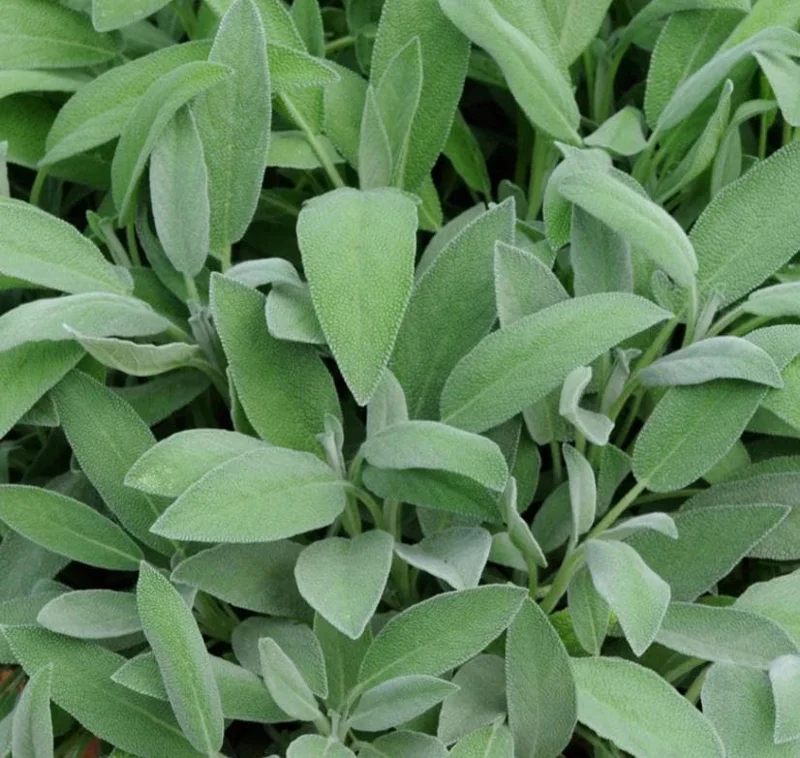
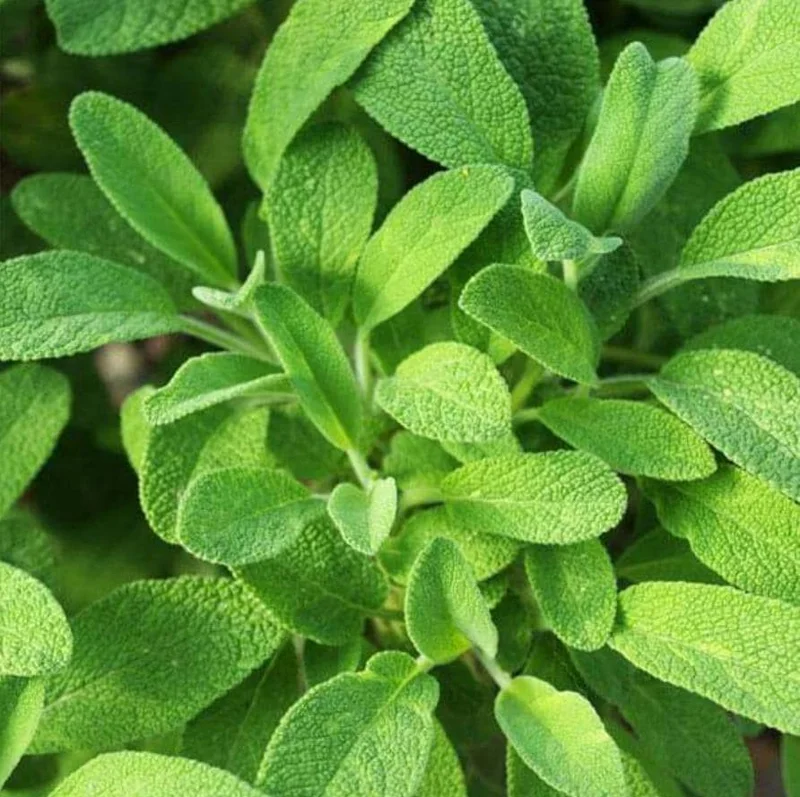
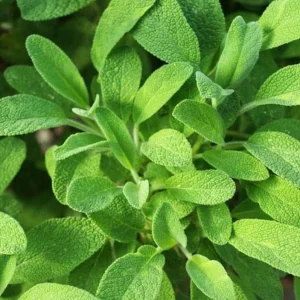
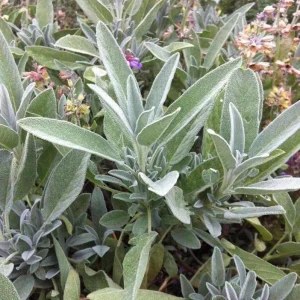
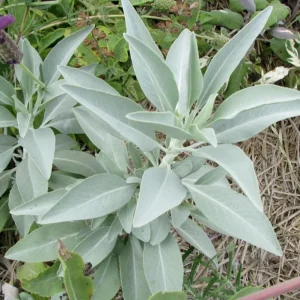
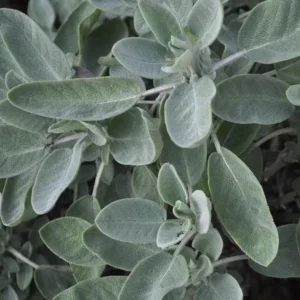
Introduce the delightful fragrance and flavor of a live sage herb plant into your home or garden. This young, vibrant plant, often known by its botanical name Salvia officinalis, is a must-have for any culinary enthusiast or garden lover. Sage is a beloved perennial herb, cherished for its soft, gray-green leaves and distinctive earthy aroma. Perfect for both novice and experienced gardeners, this live sage herb plant is provided in a convenient size, ready to thrive in various settings. Its robust nature and versatile applications make it an excellent addition to your plant collection, promising fresh ingredients for your favorite dishes and a pleasant scent for your outdoor or indoor space.
Cultivating your own sage provides a continuous supply of fresh leaves, far superior in taste and aroma to dried alternatives. This particular live sage herb plant is a compact starter, making it easy to integrate into existing garden beds, container arrangements, or even a sunny kitchen windowsill. Enjoy the simple pleasure of snipping fresh sage for your recipes, knowing it came directly from your own efforts.
Key Benefits
The live sage herb plant offers a multitude of benefits, from its aesthetic appeal to its practical culinary uses, making it a valuable addition to any gardening endeavor. Discover why this aromatic herb is a perennial favorite:
- Culinary Versatility: Sage leaves are a staple in many cuisines, particularly Mediterranean and Italian. They add a rich, earthy flavor to poultry, pork, sausages, stuffings, and vegetable dishes, making your home-cooked meals truly stand out.
- Aromatic Foliage: The soft, slightly fuzzy gray-green leaves release a pleasant, distinctive fragrance, enhancing the sensory experience of your garden or indoor space. It’s a natural air freshener and a joy to brush past.
- Compact Growth Habit: This starter plant is perfect for small spaces, urban gardens, balconies, or window boxes. Its manageable size allows for easy placement and integration into various garden designs.
- Perennial Nature: As a perennial, your live sage herb plant will return year after year, providing a continuous harvest with proper care, saving you the effort of replanting annually.
- Low Maintenance: Sage is known for its resilience and relatively easy care requirements. Once established, it tolerates various conditions and is generally pest-resistant, making it a great choice for busy gardeners.
- Attractive Foliage: Beyond its culinary uses, the soft green to gray-green foliage adds an appealing texture and color contrast to your plant arrangements, complementing other herbs and flowers.
- Pollinator Friendly: While primarily grown for its leaves, sage plants also produce small, attractive flowers that can attract beneficial pollinators to your garden.
Plant Care & Growing Tips
Caring for your live sage herb plant is straightforward, ensuring a bountiful harvest of fragrant leaves. Sage thrives in conditions that mimic its native Mediterranean climate, preferring plenty of sunlight and well-draining soil. For optimal growth, provide full sun to partial sun exposure, ideally at least 6 hours of direct sunlight per day. If growing indoors, place it in your brightest window or under a grow light. The ideal temperature range for sage is between 60-70°F (15-21°C), though mature plants can tolerate cooler temperatures once established. This makes it a great candidate for a perennial herb plant in many regions.
When it comes to watering, sage prefers the soil to dry out between waterings. Overwatering is a common mistake that can lead to root rot. Water approximately 3–5 times per week, or when the top layer of soil becomes dry to the touch. Ensure your pot has drainage holes to prevent waterlogging. A well-draining potting soil is crucial, whether you’re growing in containers or transplanting into a garden bed. While sage is not a heavy feeder, a light application of a balanced liquid fertilizer every 4-6 weeks during the growing season can promote lush foliage. Pruning after flowering helps maintain a compact shape and encourages new growth, ensuring a continuous supply for your kitchen. Learning about proper sage plant care will lead to a thriving herb.
Size & Details
This live sage herb plant arrives as a healthy, young specimen, approximately 7 inches tall from the base of the pot to the top of the foliage. It is comfortably nestled in a 3.5-inch nursery pot, providing a stable environment for its initial growth. This compact size makes it an excellent starter plant, easy to handle and transplant. Sage has a moderate growth rate and can eventually reach a height of 18-30 inches and a similar spread when mature, depending on growing conditions and pruning. Expect this plant to establish quickly with proper care, developing a robust root system and expanding its aromatic foliage.
Your plant will be shipped ready to grow, either in its nursery pot with soil or, if applicable due to specific state regulations (e.g., California), bare-root to comply with agricultural guidelines. Regardless of the shipping method, it is a healthy, developing plant poised for continued growth in your garden or container. The growing sage in pots method is highly recommended for flexibility and ease of management, allowing you to move the plant to optimal sunlight conditions.
Frequently Asked Questions
- Q: How big does this live sage herb plant get? A: This starter plant is approximately 7 inches tall in a 3.5-inch pot. With proper care, a mature sage plant can grow to be 18-30 inches tall and wide, making it a substantial perennial herb plant for your garden.
- Q: Is this an indoor or outdoor plant? A: Sage is a versatile herb that can thrive both indoors and outdoors. It prefers full sun when grown outside and a bright, sunny window if kept indoors.
- Q: How much sunlight does the live sage herb plant need? A: Sage requires at least 6 hours of direct sunlight per day for optimal growth. It can tolerate partial sun, but growth and flavor may be less intense.
- Q: Is this plant easy to care for? A: Yes, sage is generally considered an easy-to-care-for herb. It is drought-tolerant once established and not prone to many pests, making sage plant care relatively simple.
- Q: What condition will it arrive in? A: Your live sage herb plant will arrive as a young, developing plant. It will be carefully packaged to ensure its health during transit, either in its pot with soil or bare-root depending on your location and regulations.
- Q: Can I use culinary sage plant leaves in cooking immediately? A: Yes, you can begin harvesting leaves from your culinary sage plant once it has established itself and shown new growth. It’s best to harvest sparingly at first to allow the plant to mature.
- Q: When is the best time to plant sage? A: Sage can be planted in the spring after the last frost or in the fall in warmer climates. If growing in containers, you can start it any time of year indoors.
- Q: What kind of soil is best for growing sage in pots? A: Sage prefers well-draining soil. A good quality potting mix amended with some sand or perlite will provide the ideal conditions for growing sage in pots.
- Q: What is the USDA hardiness zone for sage? A: Sage is generally hardy in USDA Zones 5-9, but this can vary slightly by variety. It performs best in warmer growing conditions.
- Q: How often should I water my live sage herb plant? A: Water when the top inch or two of soil feels dry. Sage prefers slightly drier conditions, so avoid overwatering. Typically, 3-5 times per week, depending on heat and humidity.
Be the first to review “Live Sage Herb Plant – 7-inch Tall, 3.5-inch Pot – Aromatic Culinary Herb”
-
USDA Hardiness Zone
USDA Zones 5-9 -
Soil Type
Well-draining potting soil or garden soil -
Sunlight Exposure
Full sun to partial sun -
Expected Planting Period
Spring to early summer outdoors, year-round indoors
People Also Viewd
Sold 128 products
Original price was: $89.99.$64.99Current price is: $64.99.
Sold 128 products
Original price was: $159.99.$139.99Current price is: $139.99.
Sold 128 products
Original price was: $27.00.$24.00Current price is: $24.00.
Sold 126 products
Original price was: $3,536.00.$23.99Current price is: $23.99.

Sold 125 products
Original price was: $86.99.$66.99Current price is: $66.99.
Sold 116 products
Original price was: $27.99.$16.99Current price is: $16.99.
Flower Bulbs
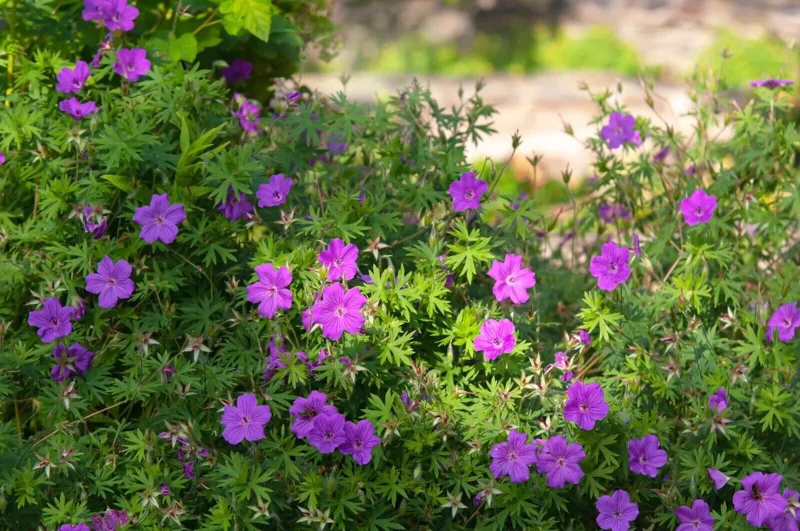
3 Cranesbill Wild Geranium Organic Maculatums Bare Roots | Wildflower for Outdoor Garden
Sold 114 products
Original price was: $21.99.$6.99Current price is: $6.99.
Sold 114 products
Original price was: $28.99.$17.99Current price is: $17.99.RELATED posts
5 Tips for Growing Sweet Potatoes to Get the Biggest Sweet Potato Harvest Ever
If you are a fan of sweet potatoes, then these tips for growing sweet potatoes [...]
Apr
Tamarillo Tree Guide: Flavor, Texture & How to Eat Tree Tomatoes
The humble tomato is a kitchen staple we all know and love, but it rarely [...]
Apr
5 Pro Tips to Grow Esperanza ‘Gold Star’ Indoors: A Golden Glow for Your Home
While most gardeners know this Texas Superstar – Esperanza ‘Gold Star’ as a rugged outdoor [...]
Apr
Mastering Esperanza Goldstar: Grow the Ultimate Yellow Bloom
Esperanza Goldstar is more than just a heat-tolerant shrub; for the American gardener battling the [...]
Apr
Yellow Dragon Fruit Plant Care: The Ultimate Guide for Healthy Growth
The yellow dragon fruit plant is a unique and rewarding addition to any home garden, [...]
Apr
How to Identify Bocking 14 Comfrey: 5 Simple Visual Signs
If you’re growing comfrey for mulch, compost, or animal feed, knowing exactly which variety you [...]
Mar
Grand Duke of Tuscany Jasmine: The Ultimate Guide to Growing a Fragrant Masterpiece
Have you ever caught a scent in the air so rich, creamy, and honey-sweet that [...]
Mar
How to Grow Wild Huckleberries: A Guide to “Purple Gold”
Have you ever spent a summer afternoon hiking through the Pacific Northwest or the Rocky [...]
Mar
Reviews
There are no reviews yet.