
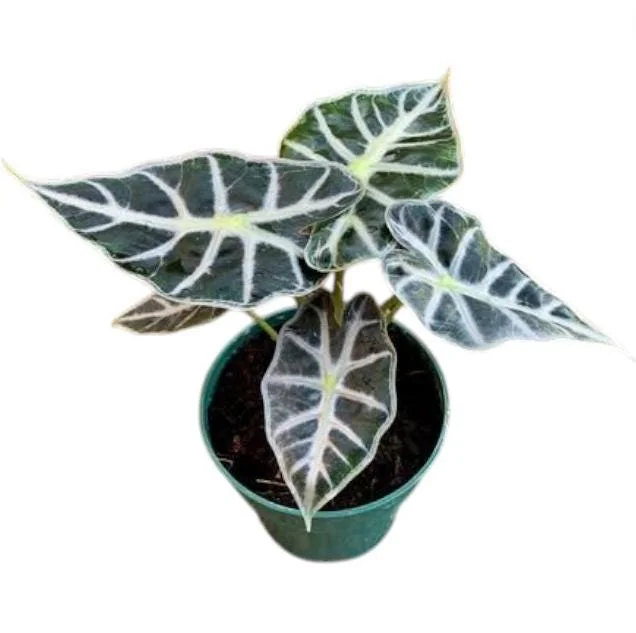
Mandalay Alocasia Live Starter Plant – Rare Elephant Ear Houseplant, 5-9 Inch Tall
Original price was: $27.99.$17.99Current price is: $17.99.
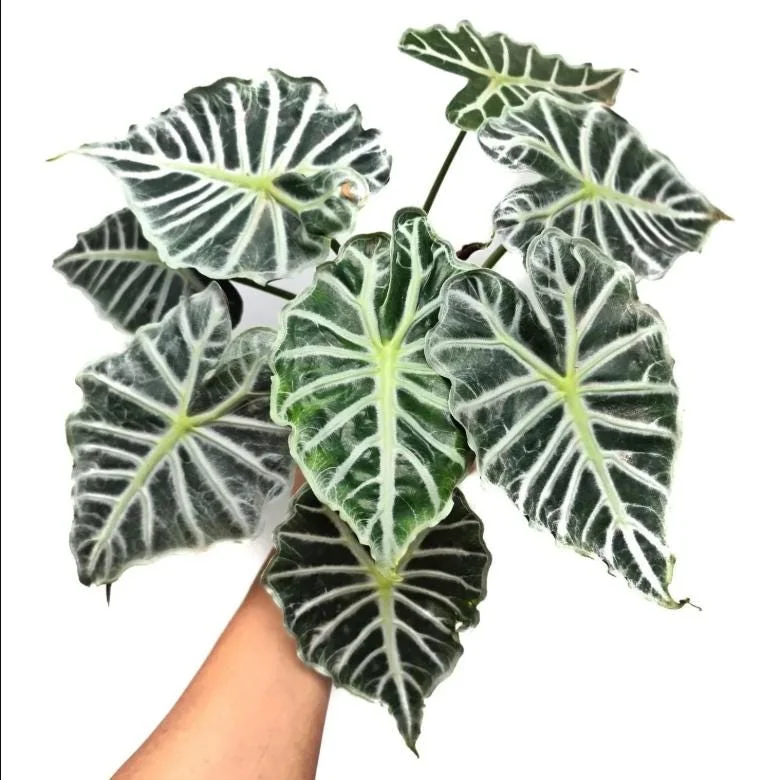
Bring exotic beauty indoors with a Mandalay Alocasia live plant. This stunning rare elephant ear houseplant features unique, textured foliage. Perfect as a compact tropical plant, it’s an ideal choice for adding a touch of the tropics to your home or office. Easy to care for and visually striking.
Estimated arrival
Mar 30
Apr 04 - Apr 06
Apr 09 - Apr 13

Reasonable Price
We offer reasonable price

Support 24/7
Contact us 24 hrs a day

100% Money Back
You've 30 days to Return

Payment Secure
100% secure payment
Overview
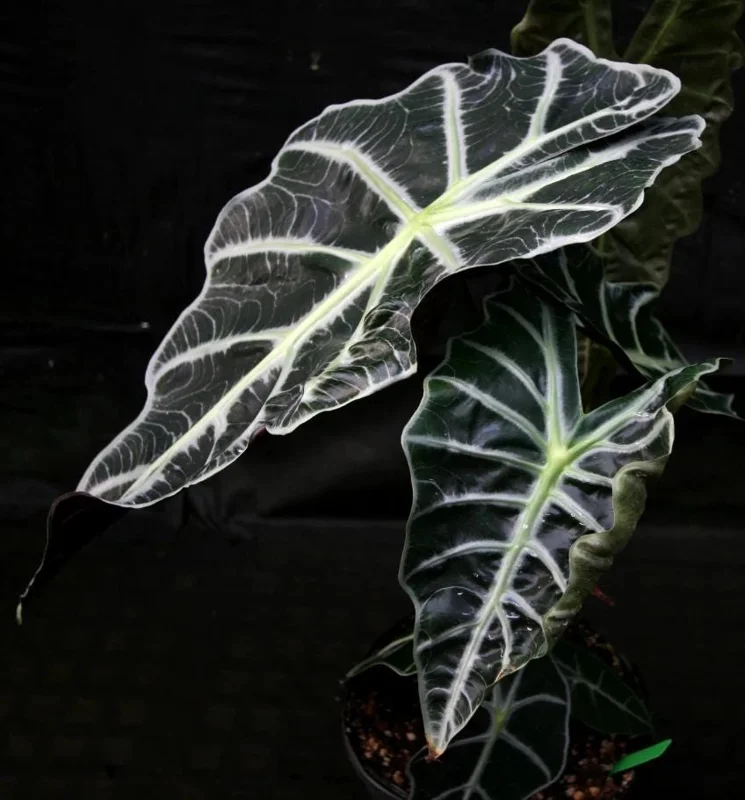
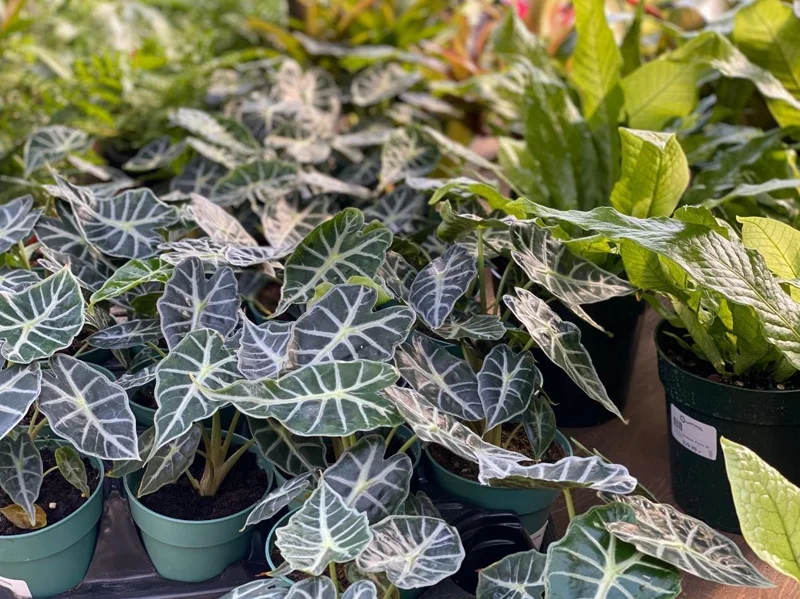
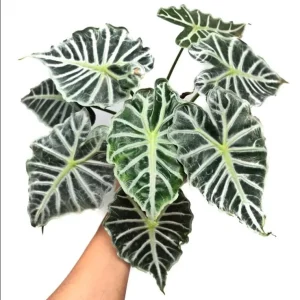
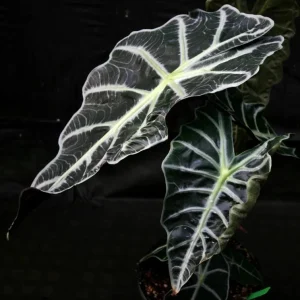
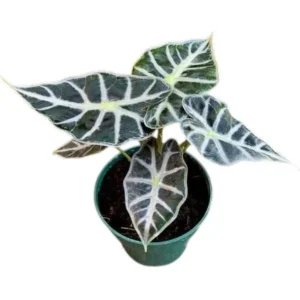
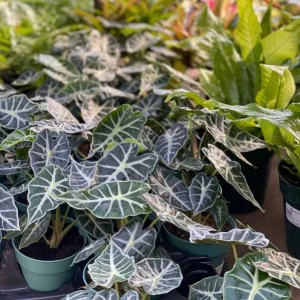
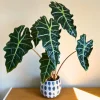
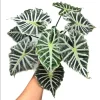
Introduce a touch of the exotic to your indoor plant collection with the magnificent Mandalay Alocasia live plant. Also known as the ‘Elephant Ear’ due to its distinctively shaped leaves, this particular variety, Alocasia ‘Mandalay’, is highly sought after for its striking appearance. Its deeply ridged, glossy green leaves with prominent veins create a captivating display, making it a true centerpiece in any room. As a rare elephant ear houseplant, it offers a dramatic visual appeal that stands out from more common indoor foliage. This compact tropical plant is perfect for enthusiasts looking to add a unique, vibrant specimen to their living space. Each starter plant is carefully cultivated to ensure a healthy root system, ready to thrive in its new home.
The Alocasia ‘Mandalay’ is celebrated not just for its beauty but also for its relatively manageable care requirements, making it suitable for both experienced plant parents and those looking to expand their green thumb. Its lush, upright growth habit ensures it commands attention without overwhelming smaller spaces. This compact tropical plant originates from the tropical and subtropical regions of Asia, bringing a piece of that lush environment directly into your home. Its distinctive foliage pattern and vibrant coloration make the Mandalay Alocasia live plant a truly rewarding addition to any indoor garden.
Key Benefits
The Mandalay Alocasia live plant offers a multitude of benefits, transforming any indoor environment into a more vibrant and inviting space. Its unique characteristics make it a standout choice for plant lovers.
- Stunning Visual Appeal: The deeply textured, glossy leaves with their intricate veining patterns are a visual delight, providing an instant focal point in any room. It’s a plant that truly draws the eye and sparks conversation.
- Air Purification: Like many houseplants, the Alocasia contributes to improved indoor air quality by filtering out common toxins, creating a healthier living environment for you and your family.
- Compact Growth Habit: Despite its ‘Elephant Ear’ nickname, the ‘Mandalay’ variety remains relatively compact, making it an excellent choice for smaller homes, apartments, or office desks where space is at a premium.
- Exotic Ambiance: Its tropical origins bring a lush, exotic feel to your home, helping to create a serene and refreshing atmosphere. It’s a miniature jungle oasis.
- Unique Foliage: Unlike many other houseplants, the rare elephant ear houseplant offers truly distinctive foliage that sets it apart, ensuring your plant collection is diverse and interesting.
- Enhances Decor: The vibrant green and intricate patterns of the Alocasia ‘Mandalay’ complement a wide range of interior design styles, from modern minimalist to bohemian chic, adding a natural element of sophistication.
- Rewarding to Grow: Watching the new leaves unfurl and mature is an incredibly satisfying experience, making the care of this indoor Alocasia a truly enjoyable hobby.
Plant Care & Growing Tips
Caring for your Mandalay Alocasia live plant involves understanding its tropical preferences to ensure optimal growth and health. Providing the right conditions will allow this stunning plant to flourish and display its full beauty. The primary factor for healthy growth is light; this plant thrives in bright, indirect light. Avoid direct sunlight, which can scorch its delicate leaves, leading to discoloration and damage. A spot near an east or north-facing window, or a few feet away from a south or west-facing window, would be ideal. Consistent, filtered light is key to maintaining its vibrant foliage. Remember that proper Alocasia care tips are essential for its longevity.
Watering is another critical aspect of Alocasia care tips. These plants prefer consistently moist, but not waterlogged, soil. Allow the top inch or two of the soil to dry out slightly between waterings, then water thoroughly until water drains from the bottom of the pot. Overwatering can lead to root rot, so ensure your pot has good drainage. The soil itself should be a loose, chunky, and well-draining mix. A blend of potting soil, perlite, and orchid bark or coco coir works well to provide both moisture retention and aeration. For fertilization, feed your Alocasia every 2-4 weeks during the growing season (spring and summer) with a balanced liquid fertilizer diluted to half strength. Reduce feeding in fall and winter. The ideal temperature range for this compact tropical plant is between 65°F and 80°F (18°C–27°C). Avoid sudden temperature drops or cold drafts, as these can stress the plant. High humidity is also beneficial, so consider misting regularly, using a pebble tray, or placing it near a humidifier, especially in drier indoor environments. The USDA hardiness zone for outdoor planting is typically 9-11, but it is primarily grown as an indoor Alocasia in most regions.
Size & Details
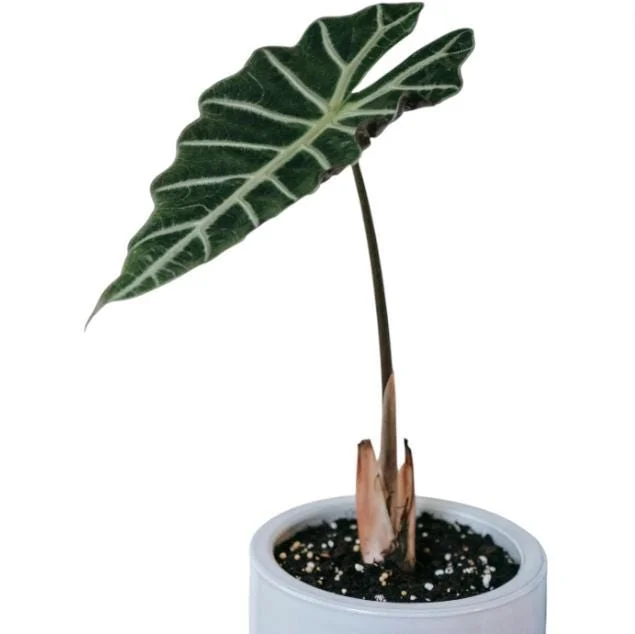
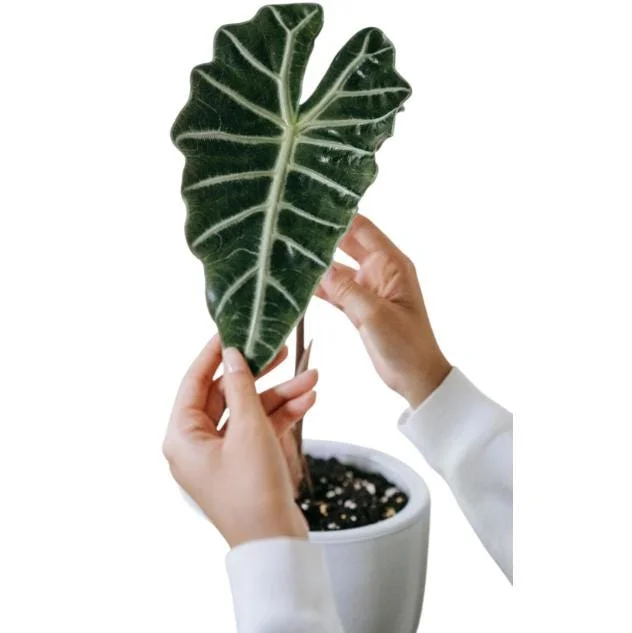
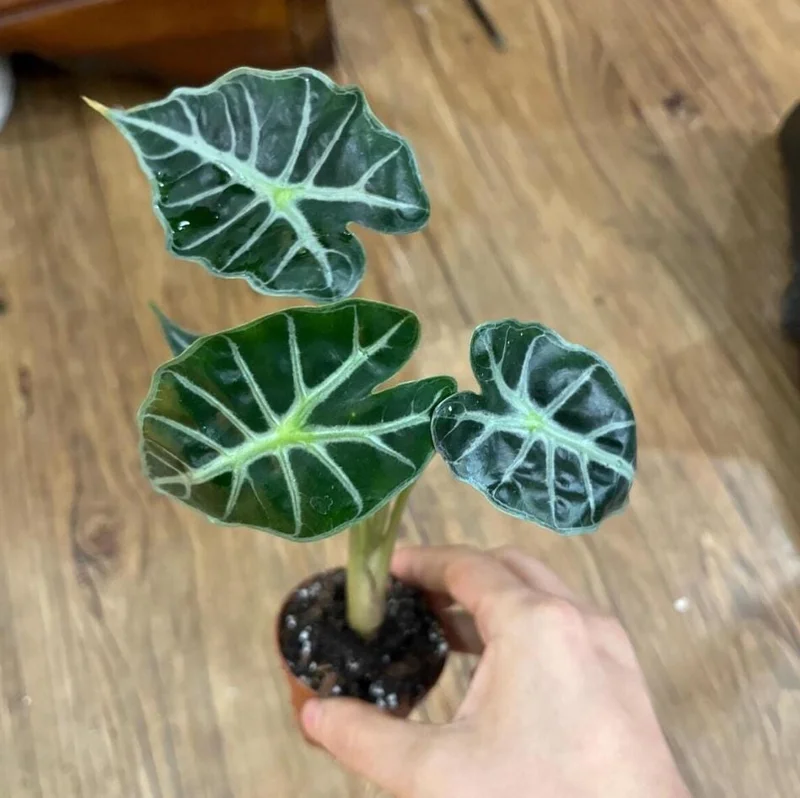
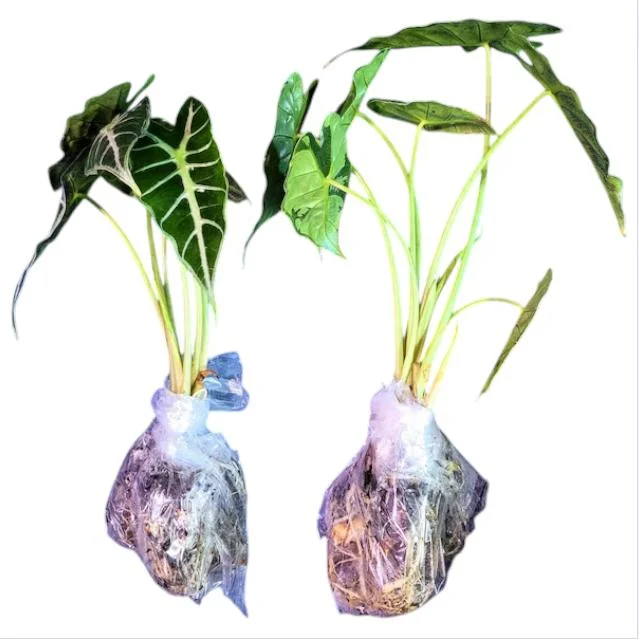
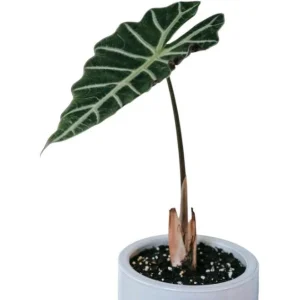
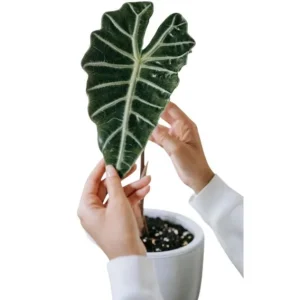
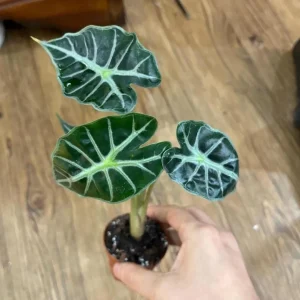
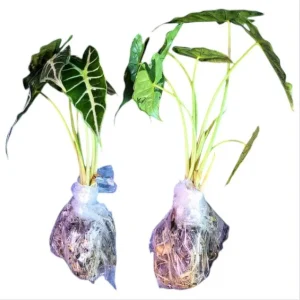
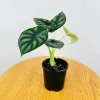
This offering is for one healthy Mandalay Alocasia live plant starter. Each plant is typically 5-9 inches tall from the base of the plant to the tip of its tallest leaf, providing a substantial young plant ready for transplanting into your preferred decorative pot. The plant arrives well-rooted in soil, indicating a robust and established root system, crucial for successful growth. Please note that these are young starter plants; images of mature plants are for reference to show the potential beauty your plant will achieve. The plant is shipped without a decorative pot, allowing you the freedom to choose your own container to match your aesthetic.
As a compact tropical plant, the ‘Mandalay’ variety is known for its moderate growth rate, gradually developing into a stunning specimen. With proper care, it will continue to produce new, intricately patterned leaves, enhancing its exotic appeal. While it arrives as a starter, it has the potential to grow into a striking, medium-sized houseplant over time, making it a rewarding addition to any indoor garden. Expect to see consistent growth during warmer months, with new leaves unfurling regularly, especially with adequate light and humidity.
Frequently Asked Questions
- Q: How big does this plant get? A: Your Mandalay Alocasia live plant starter will arrive 5-9 inches tall. With proper care, it can grow into a medium-sized houseplant, typically reaching heights of 1-2 feet indoors, making it a beautiful compact tropical plant.
- Q: Is this an indoor or outdoor plant? A: While Alocasias can thrive outdoors in tropical climates (USDA zones 9-11), this particular variety is primarily cultivated as an indoor Alocasia in most regions of the US due to its preference for warm, stable temperatures and high humidity.
- Q: How much sunlight does it need? A: The rare elephant ear houseplant prefers bright, indirect light. Avoid direct sun exposure, which can scorch its leaves. A spot near an east or north-facing window, or filtered light from a south or west-facing window, is ideal.
- Q: Is this plant easy to care for? A: Alocasia ‘Mandalay’ is considered moderately easy to care for. It requires consistent attention to watering, humidity, and light conditions. Following the specific Alocasia care tips will ensure its health and vibrant growth.
- Q: What condition will it arrive in? A: You will receive one healthy, well-rooted Mandalay Alocasia live plant starter in soil. It is a young plant, and photos of mature plants are illustrative of its future potential.
- Q: Is it shipped in soil? A: Yes, the plant is shipped with its roots well-established in soil, ensuring it is ready for transplanting into your chosen pot upon arrival. It comes without a decorative pot.
- Q: How often should I water my Alocasia? A: Water your Alocasia when the top 1-2 inches of soil feel dry to the touch. Ensure thorough watering until water drains from the bottom, but avoid letting the plant sit in standing water to prevent root rot.
- Q: What’s the minimum temperature this plant can tolerate? A: This compact tropical plant prefers warm environments, ideally between 65°F and 80°F (18°C–27°C). It is sensitive to cold and should be protected from temperatures below 60°F (15°C) to prevent stress and damage.
- Q: Does this plant have flowers or fruit? A: This rare elephant ear houseplant is primarily grown for its stunning foliage. While Alocasias can produce inconspicuous flowers, they are not the main ornamental feature, and starter plants typically do not have flowers or fruit.
- Q: Why are my Alocasia’s leaves turning yellow? A: Yellowing leaves can be a sign of overwatering or underwatering. Check your soil moisture levels. It can also indicate a lack of humidity or nutrient deficiency. Review the Alocasia care tips for proper watering and environmental conditions.
Be the first to review “Mandalay Alocasia Live Starter Plant – Rare Elephant Ear Houseplant, 5-9 Inch Tall”
-
USDA Hardiness Zone
USDA zones 9-11 (primarily indoor) -
Soil Type
Loose, chunky, well-draining mix -
Sunlight Exposure
Bright, indirect light -
Expected Planting Period
Year-round indoors
People Also Viewd


Sold 128 products
Original price was: $27.00.$24.00Current price is: $24.00.

Sold 127 products
Original price was: $89.99.$64.99Current price is: $64.99.

Sold 125 products
Original price was: $3,536.00.$23.99Current price is: $23.99.

Sold 125 products
Original price was: $86.99.$66.99Current price is: $66.99.
Sold 116 products
Original price was: $27.99.$16.99Current price is: $16.99.

Flower Bulbs
3 Cranesbill Wild Geranium Organic Maculatums Bare Roots | Wildflower for Outdoor Garden
Sold 114 products
Original price was: $21.99.$6.99Current price is: $6.99.

Sold 114 products
Original price was: $28.99.$17.99Current price is: $17.99.
Sold 109 products
Original price was: $63.99.$28.99Current price is: $28.99.RELATED posts
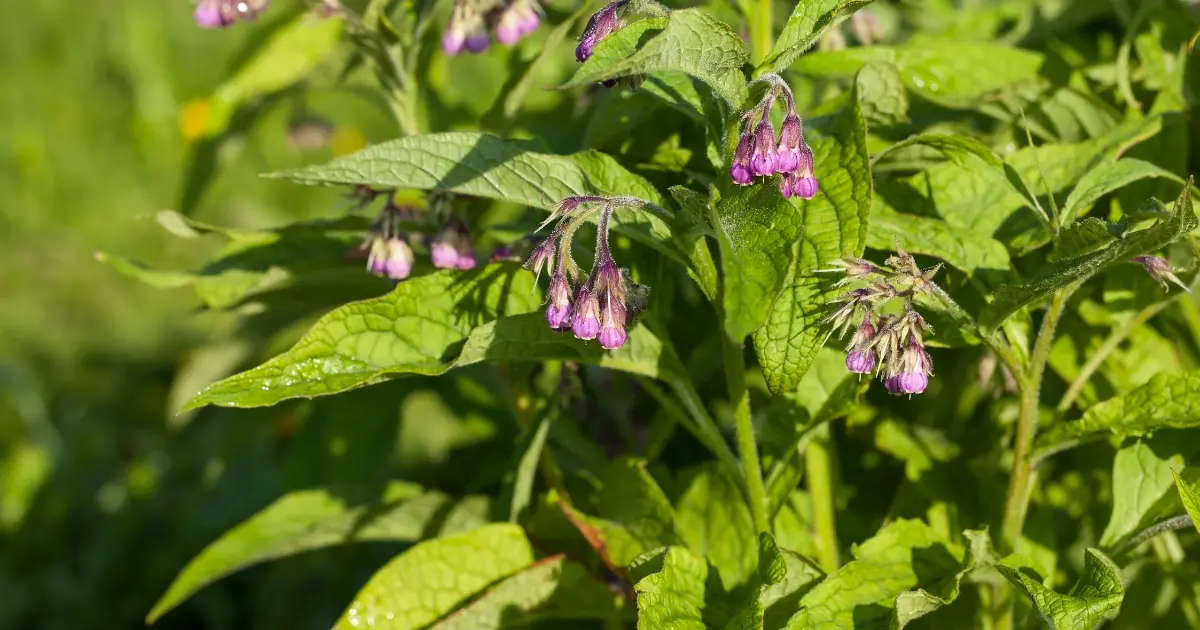
How to Identify Bocking 14 Comfrey: 5 Simple Visual Signs
If you’re growing comfrey for mulch, compost, or animal feed, knowing exactly which variety you [...]
Mar
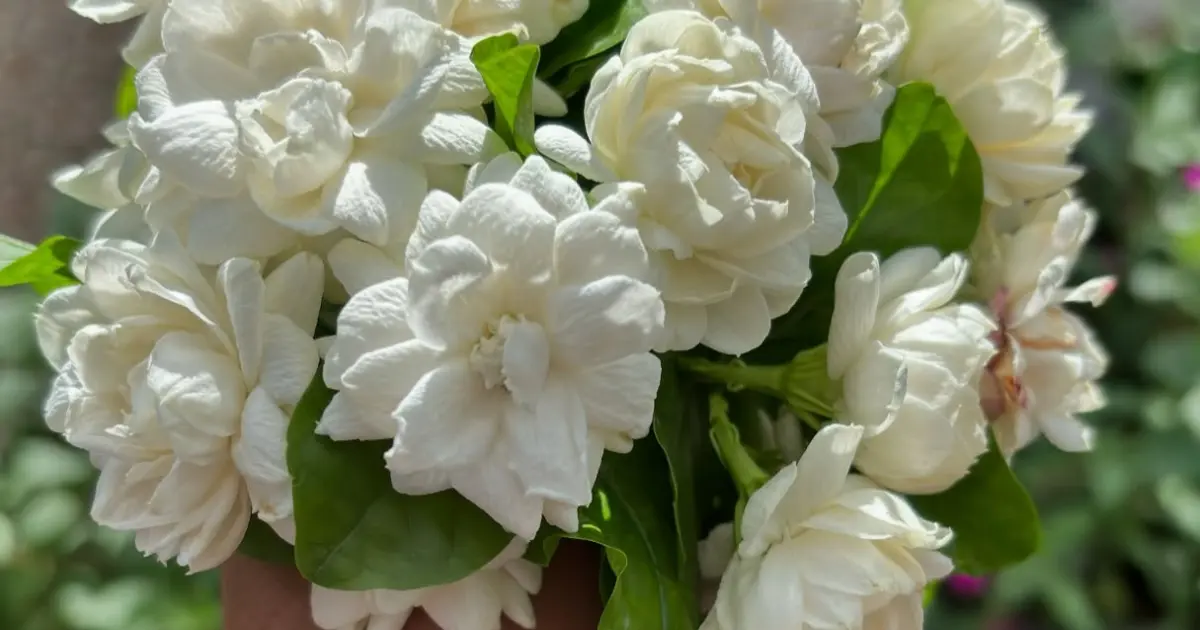
Grand Duke of Tuscany Jasmine: The Ultimate Guide to Growing a Fragrant Masterpiece
Have you ever caught a scent in the air so rich, creamy, and honey-sweet that [...]
Mar
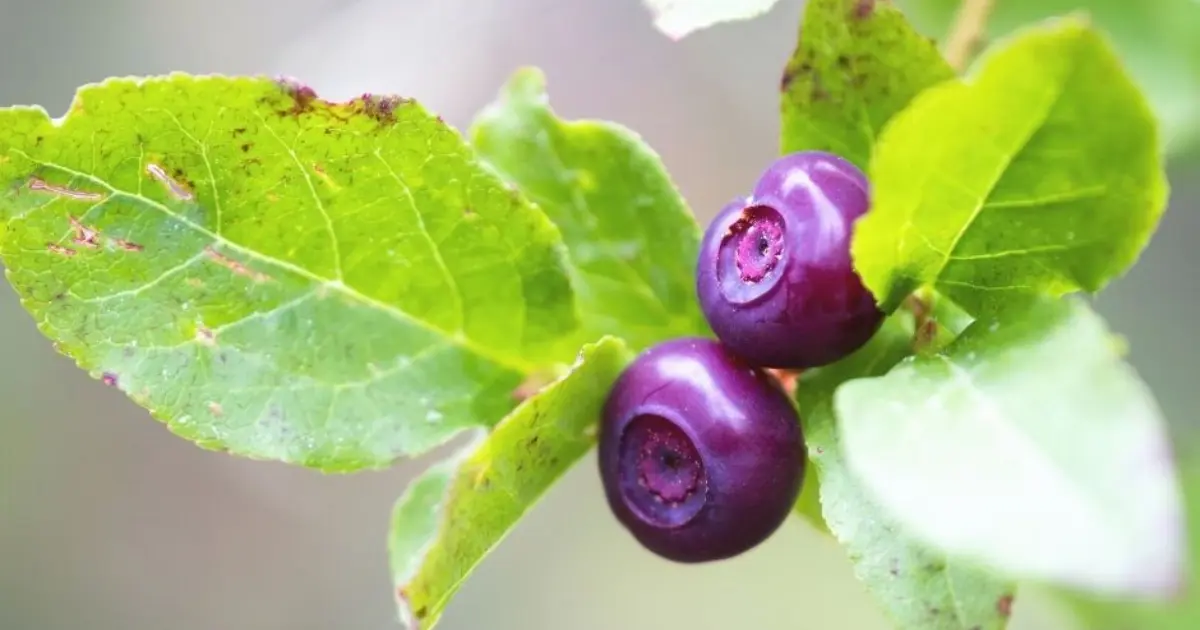
How to Grow Wild Huckleberries: A Guide to “Purple Gold”
Have you ever spent a summer afternoon hiking through the Pacific Northwest or the Rocky [...]
Mar
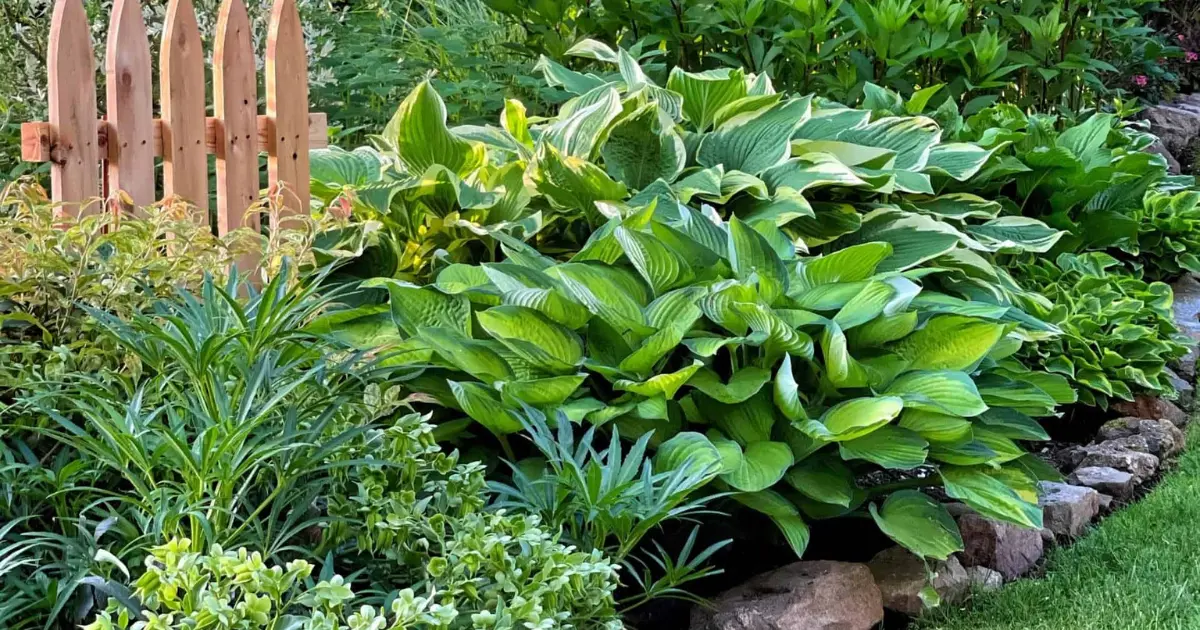
5 Best Shade-Loving Perennials for a Lush, Vibrant Garden
The world of gardening often shines a spotlight on sun-drenched blossoms, but there is a [...]
Mar

7 Common Curry Leaf Plant Problems: Easy Fixes for a Thriving Plant
Is your curry leaf plant looking a bit sad lately? Maybe you woke up to [...]
Mar
Best Time to Plant Bougainvillea: Timing for Vibrant Blooms
If you’re looking for a hardy tropical vine that delivers a riot of neon color, [...]
Feb
How to Propagate Purple Passion Plants (Gynura aurantiaca)
Have you ever been mesmerized by the neon-purple glow and fuzzy, velvet-like leaves of a [...]
Feb
How to Grow Beauregard Sweet Potatoes: From Slips to a Bountiful Harvest
Are you ready to add a classic, heavy-hitting favorite to your vegetable patch? If you’ve [...]
Feb
Reviews
There are no reviews yet.