
Mango Pawpaw Tree Live Plant – Asimina triloba – Up to 3 Ft Tall – Outdoor Fruit Tree
Original price was: $249.98.$124.99Current price is: $124.99.
Bring the taste of the tropics to your garden with this robust mango pawpaw tree live plant. This well-rooted, potted specimen, up to 3 feet tall, offers uniquely flavored, creamy fruit. Known for its resilience and low maintenance, it’s perfect for expanding your edible landscape and enjoying fresh, organic produce.
Estimated arrival
Apr 12
Apr 17 - Apr 19
Apr 22 - Apr 26

Reasonable Price
We offer reasonable price

Support 24/7
Contact us 24 hrs a day

100% Money Back
You've 30 days to Return

Payment Secure
100% secure payment
Overview
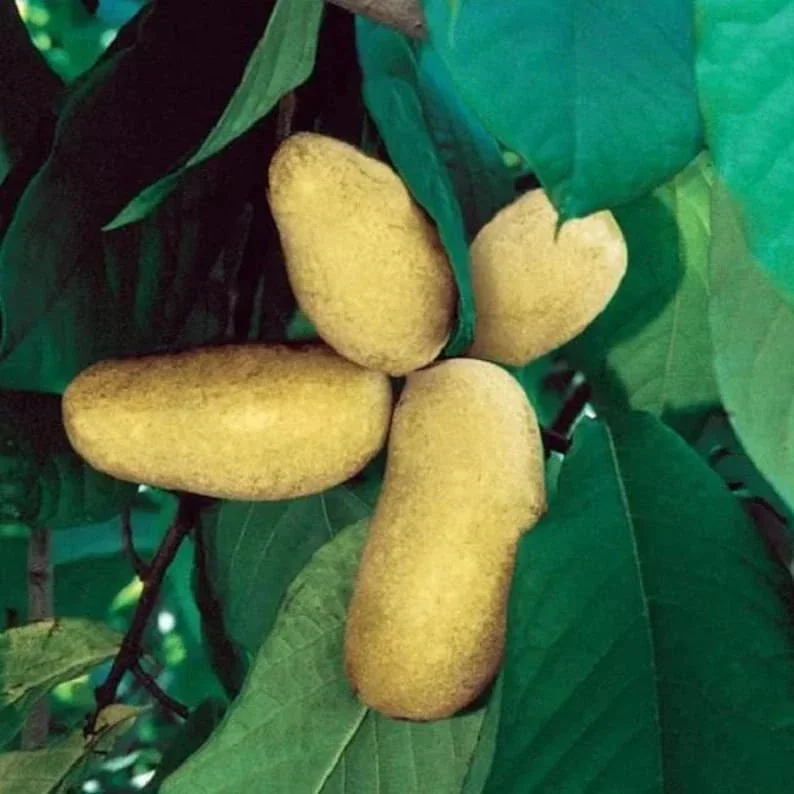
Bring the exotic taste of the American tropics to your garden with this robust mango pawpaw tree live plant. This well-rooted, potted plant offers a unique opportunity to grow delicious, custard-like fruit right at home. The pawpaw tree, Asimina triloba, is a fascinating deciduous tree known for its large, tropical-flavored fruits. Often referred to as the “Indiana Banana” or “Poor Man’s Banana,” the pawpaw is the largest edible fruit indigenous to the United States. This particular specimen is a vibrant, healthy starter plant, meticulously cultivated to reach up to 3 feet in height, making it an excellent addition for both novice and experienced gardeners seeking to expand their edible landscape.
The pawpaw fruit boasts a creamy texture and a complex flavor profile, often described as a blend of mango, banana, and pineapple. Growing pawpaw fruit ensures fresh, organic produce that is rarely found in grocery stores due to its delicate nature and short shelf life. These trees are known for their resilience and ability to adapt to various climates, making them a rewarding choice for many regions. With its attractive foliage and unique fruit, the pawpaw tree adds both aesthetic appeal and a bountiful harvest to your outdoor space. Discover the joy of cultivating your own exotic fruit with this exceptional mango pawpaw tree live plant.
Key Benefits
Adding a mango pawpaw tree live plant to your garden offers numerous advantages, from fresh, delicious fruit to ecological benefits. Discover why this unique fruit tree is a fantastic choice for your home:
- Rare & Delicious Fruit: Enjoy the exotic, sweet, and creamy fruit that tastes like a blend of mango, banana, and pineapple, a flavor rarely accessible in commercial markets. This unique fruit offers a gourmet experience right from your backyard.
- Native Resilience: As a native North American tree, it is well-adapted to various climates and soil types, requiring less intensive care than many non-native fruit trees. This makes growing pawpaw fruit an accessible endeavor for many gardeners, even those new to fruit trees. Its native resilience also contributes to easier pawpaw tree care.
- Ornamental Value: Beyond its fruit, the mango pawpaw tree live plant features attractive, large, dark green leaves that turn vibrant yellow in the fall, providing beautiful seasonal interest for your landscape. It’s a truly versatile addition.
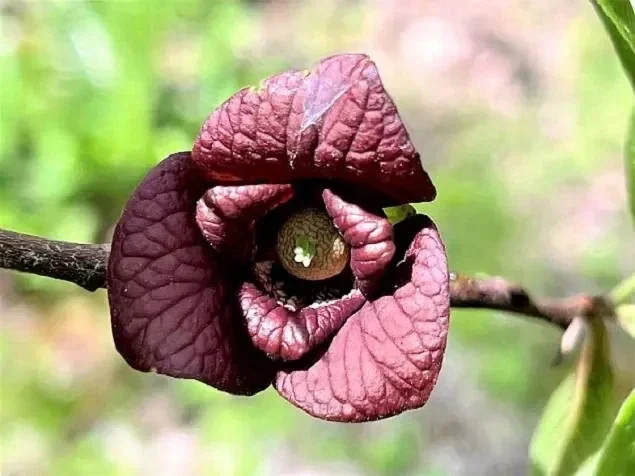
- Pollinator Friendly: Its unique maroon flowers attract native pollinators, contributing to local biodiversity and ecosystem health. Support your local ecosystem with this beneficial tree.
- Low Maintenance: Once established, pawpaw trees are relatively low-maintenance, resistant to many common pests and diseases, simplifying your gardening efforts. This makes pawpaw tree care straightforward and rewarding.
- Organic Harvest: Cultivating your own pawpaw tree allows you to harvest fresh, organic fruit free from pesticides and chemicals, offering a healthier option for your family. Enjoy peace of mind with homegrown produce.
- Shade & Beauty: Its moderate size makes it suitable for various garden layouts, providing pleasant shade while enhancing the natural beauty of your outdoor living space. A perfect blend of function and aesthetics.
Plant Care & Growing Tips
Caring for your mango pawpaw tree live plant is a straightforward process, especially given its hardy nature. Pawpaw trees thrive in specific conditions, and understanding these will ensure a healthy, productive tree. For optimal growth, young pawpaw trees prefer partial shade for their first year or two, protecting their tender leaves from scorching sun. Once established, they can tolerate full sun, which encourages better fruit production. Ensure your tree receives at least 6-8 hours of direct sunlight per day after its initial establishment phase. When considering pawpaw tree care, proper watering is crucial, especially during dry spells and the fruit development stage. Keep the soil consistently moist but never waterlogged. Good drainage is key to preventing root rot.
The ideal soil for a pawpaw tree is deep, fertile, slightly acidic (pH 5.5-7.0), and well-draining. A mix of clay, loam, peat, and sand provides an excellent foundation. Incorporating organic matter, such as compost, can significantly improve soil structure and fertility. Pawpaw trees are cold-hardy and can withstand temperatures down to USDA Zone 5, making them suitable for many regions across the US. Fertilize your mango pawpaw tree live plant annually in early spring with a balanced, slow-release fertilizer designed for fruit trees. Avoid excessive nitrogen, which can promote leafy growth at the expense of fruit. Watch out for common pests like the pawpaw peduncle borer, though pawpaws are generally quite resistant. Regular pruning to remove dead or diseased branches and to maintain an open canopy will promote air circulation and fruit quality, ensuring successful growing pawpaw fruit for years to come. The botanical name, Asimina triloba, signifies its unique place in North American flora.
Size & Details
This mango pawpaw tree live plant arrives as a well-rooted, potted starter plant, meticulously grown to ensure a strong foundation for your garden. Measuring up to 3 feet tall, it’s at an ideal stage for transplanting into your chosen outdoor location. The plant is supplied in a nursery pot, ready for easy transition. While exact dimensions may vary slightly between individual plants, you can expect a healthy specimen with a robust root system. Pawpaw trees typically grow at a fast rate, reaching a mature height of 15-20 feet, though some varieties can grow larger. They are deciduous, shedding their leaves in the fall and re-emerging with fresh foliage and unique flowers in the spring. Expect your tree to begin bearing fruit within 3-5 years after planting, rewarding your patience with delicious, home-grown pawpaws. This hardy fruit tree is designed to thrive outdoors and offers an excellent opportunity for those wondering where to buy pawpaw tree specimens of quality.
Frequently Asked Questions
- Q: How big does this plant get? A: This mango pawpaw tree live plant is currently up to 3 feet tall. At maturity, pawpaw trees typically reach heights of 15-20 feet, with some varieties growing taller. Its growth rate is considered fast, allowing it to establish quickly in your garden.
- Q: Is this an indoor or outdoor plant? A: The pawpaw tree is an outdoor plant, suited for various climates and known for its cold hardiness. It is deciduous and thrives in garden settings where it can receive adequate sunlight and space to grow.
- Q: How much sunlight does it need? A: Young pawpaw trees prefer partial shade for their first 1-2 years to protect tender leaves. Once established, they perform best in full sun, requiring at least 6-8 hours of direct sunlight daily for optimal fruit production and overall health. This is a key aspect of proper pawpaw tree care.
- Q: Is this plant easy to care for? A: Yes, pawpaw trees are considered relatively easy to care for, especially once established. They are known for their resilience and resistance to many pests and diseases, making pawpaw tree care manageable for most gardeners, including beginners.
- Q: What condition will it arrive in? A: Your mango pawpaw tree live plant will arrive as a well-rooted, potted starter plant. It is carefully packaged to ensure its health and vitality during transit, ready for immediate planting upon arrival.
- Q: How long until it blooms and fruits? A: Pawpaw trees typically begin to bear fruit within 3-5 years after planting, depending on growing conditions. They bloom in the spring with unique maroon flowers, followed by fruit development in late summer to early fall. This makes growing pawpaw fruit a rewarding long-term endeavor.
- Q: Will it survive winter in my zone? A: Pawpaw trees are quite cold-hardy, generally thriving in USDA Zones 5-9. They are deciduous and can withstand cold winter temperatures, making them suitable for many temperate climates across the United States.
- Q: What kind of soil does it prefer? A: This tree prefers deep, fertile, and well-draining soil with a slightly acidic to neutral pH (5.5-7.0). It can tolerate various soil types, including clay, loam, peat, sand, and silt, as long as drainage is adequate to prevent root rot.
- Q: Is the fruit edible? A: Yes, the pawpaw fruit is highly edible and prized for its unique, creamy, tropical flavor, often described as a blend of mango, banana, and pineapple. It’s often enjoyed fresh or used in desserts and baked goods.
- Q: Why should I choose this specific pawpaw tree? A: This well-rooted, healthy mango pawpaw tree live plant is an excellent choice for those looking to add a unique, native fruit tree to their garden. Its established roots ensure a strong start, offering delicious fruit and beautiful foliage for years to come. If you’re looking for where to buy pawpaw tree quality, this is an ideal option, bringing the unique Asimina triloba to your home.
Be the first to review “Mango Pawpaw Tree Live Plant – Asimina triloba – Up to 3 Ft Tall – Outdoor Fruit Tree”
-
USDA Hardiness Zone
USDA Zones 5-9 -
Soil Type
Deep, fertile, well-draining, slightly acidic (pH 5.5-7.0) -
Sunlight Exposure
Partial shade for young plants, full sun once established -
Expected Planting Period
Spring
People Also Viewd
Sold 128 products
Original price was: $89.99.$64.99Current price is: $64.99.
Sold 128 products
Original price was: $159.99.$139.99Current price is: $139.99.
Sold 128 products
Original price was: $27.00.$24.00Current price is: $24.00.
Sold 126 products
Original price was: $3,536.00.$23.99Current price is: $23.99.

Sold 125 products
Original price was: $86.99.$66.99Current price is: $66.99.
Sold 116 products
Original price was: $27.99.$16.99Current price is: $16.99.
Sold 114 products
Original price was: $28.99.$17.99Current price is: $17.99.
Flower Bulbs
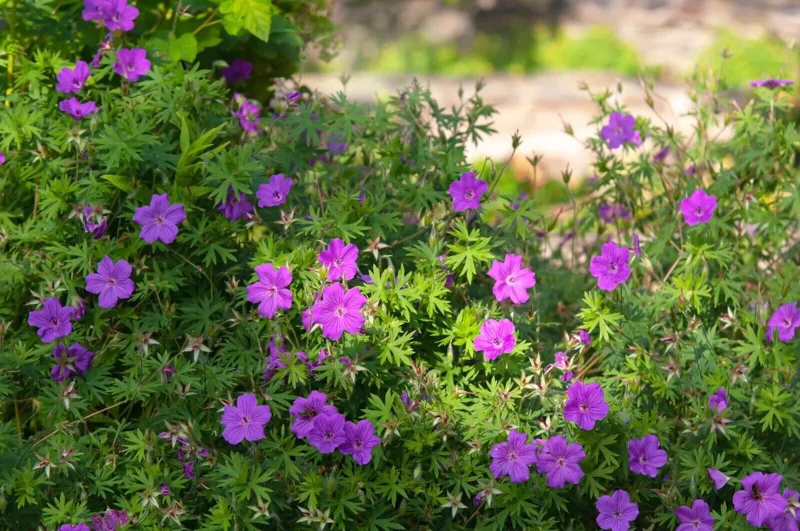
3 Cranesbill Wild Geranium Organic Maculatums Bare Roots | Wildflower for Outdoor Garden
Sold 114 products
Original price was: $21.99.$6.99Current price is: $6.99.RELATED posts
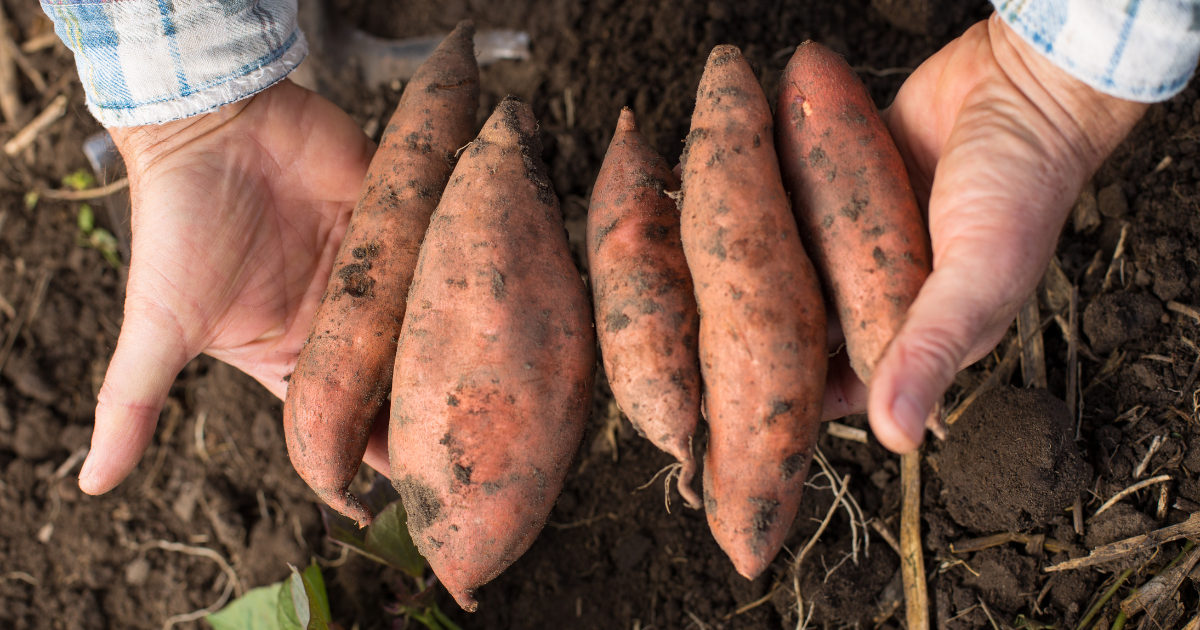
5 Tips for Growing Sweet Potatoes to Get the Biggest Sweet Potato Harvest Ever
If you are a fan of sweet potatoes, then these tips for growing sweet potatoes [...]
Apr
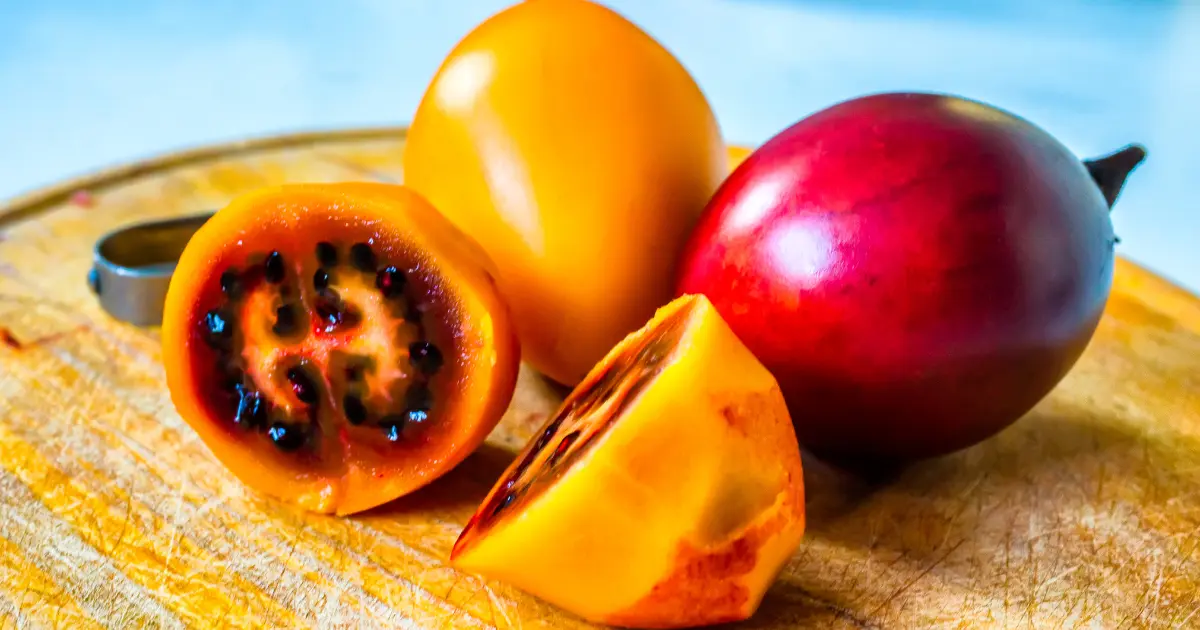
Tamarillo Tree Guide: Flavor, Texture & How to Eat Tree Tomatoes
The humble tomato is a kitchen staple we all know and love, but it rarely [...]
Apr
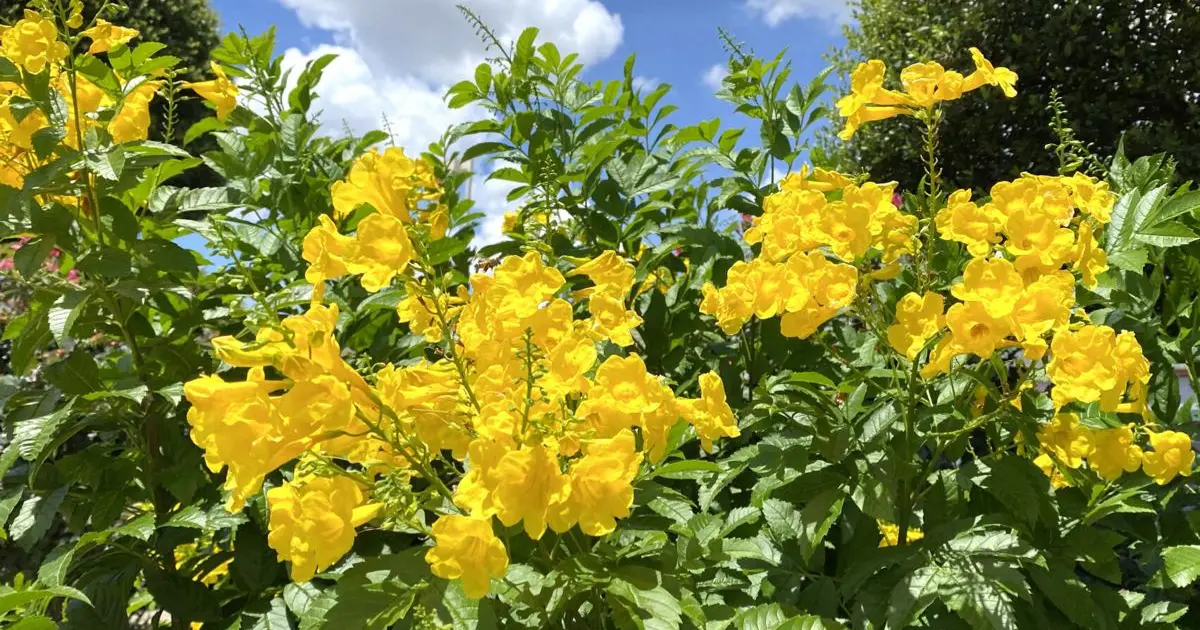
5 Pro Tips to Grow Esperanza ‘Gold Star’ Indoors: A Golden Glow for Your Home
While most gardeners know this Texas Superstar – Esperanza ‘Gold Star’ as a rugged outdoor [...]
Apr
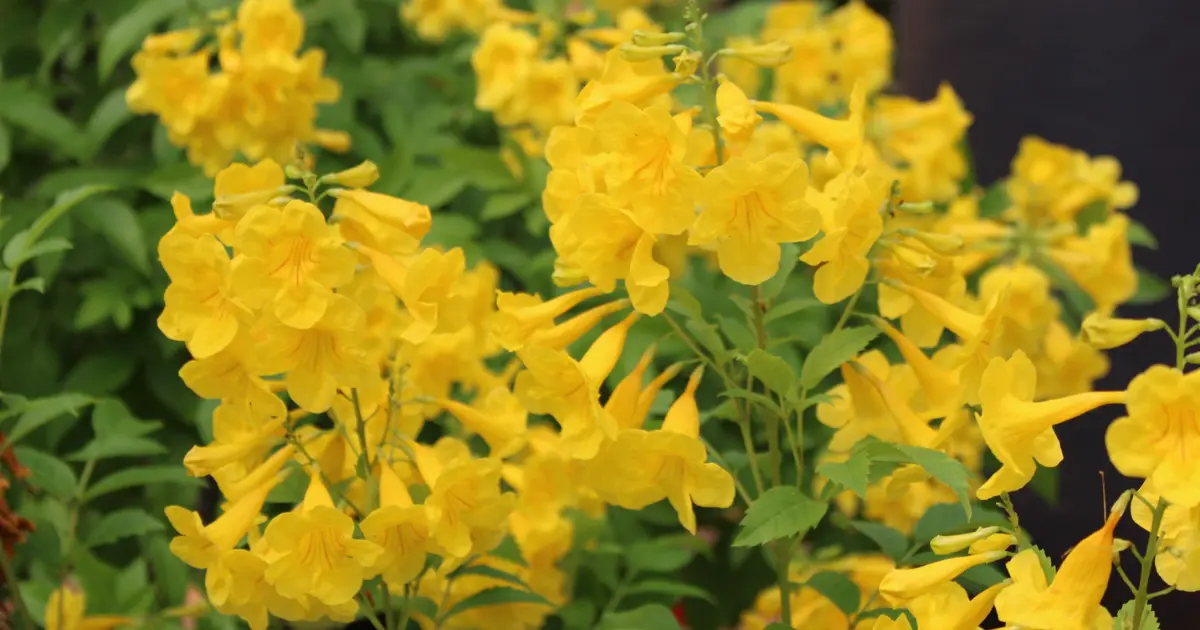
Mastering Esperanza Goldstar: Grow the Ultimate Yellow Bloom
Esperanza Goldstar is more than just a heat-tolerant shrub; for the American gardener battling the [...]
Apr
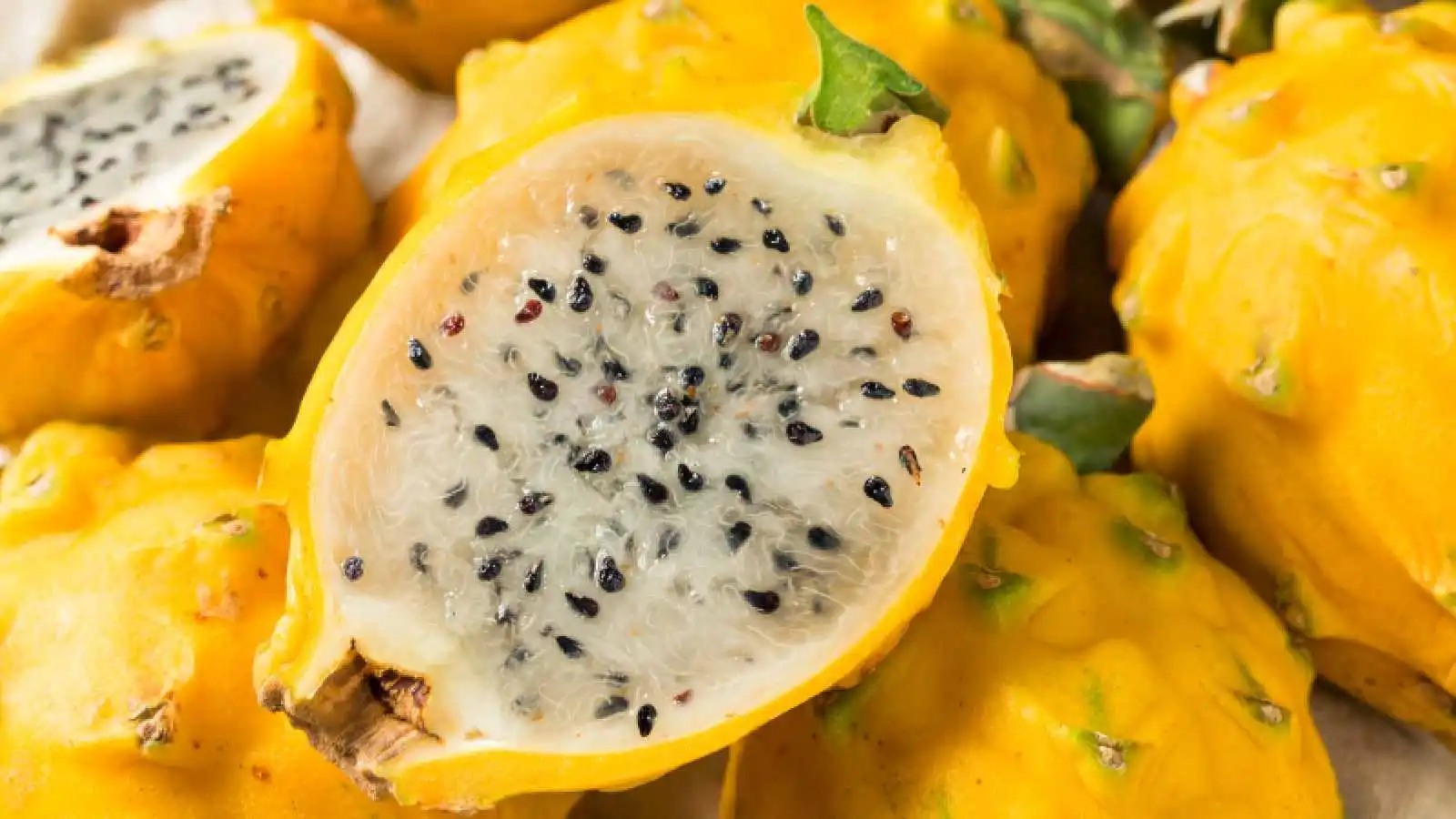
Yellow Dragon Fruit Plant Care: The Ultimate Guide for Healthy Growth
The yellow dragon fruit plant is a unique and rewarding addition to any home garden, [...]
Apr
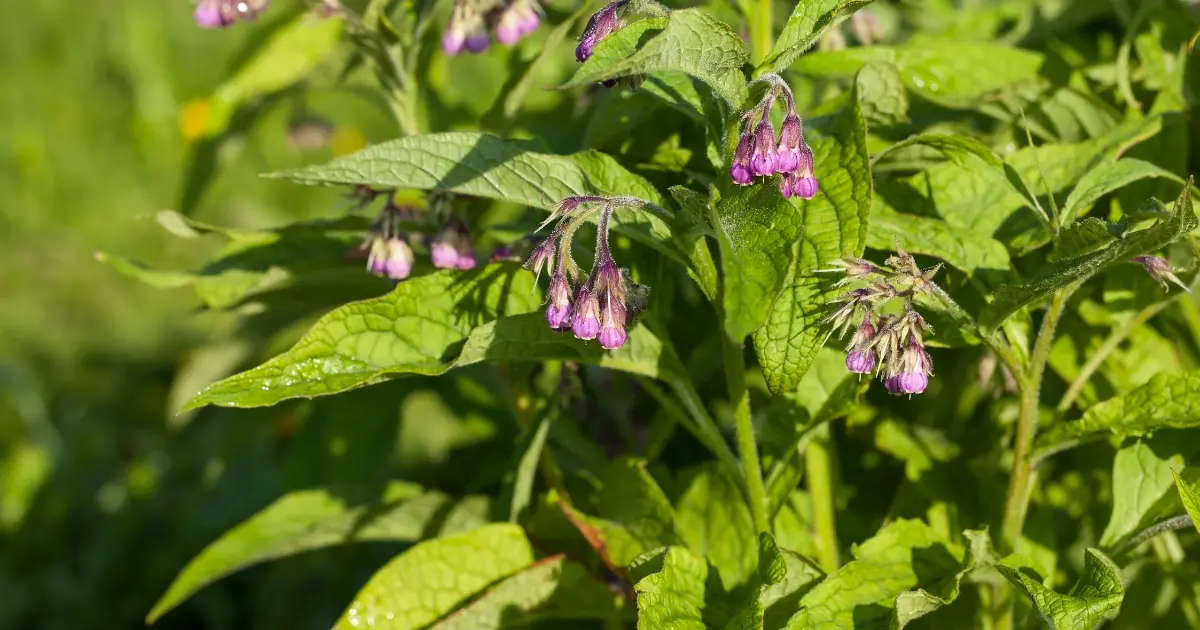
How to Identify Bocking 14 Comfrey: 5 Simple Visual Signs
If you’re growing comfrey for mulch, compost, or animal feed, knowing exactly which variety you [...]
Mar
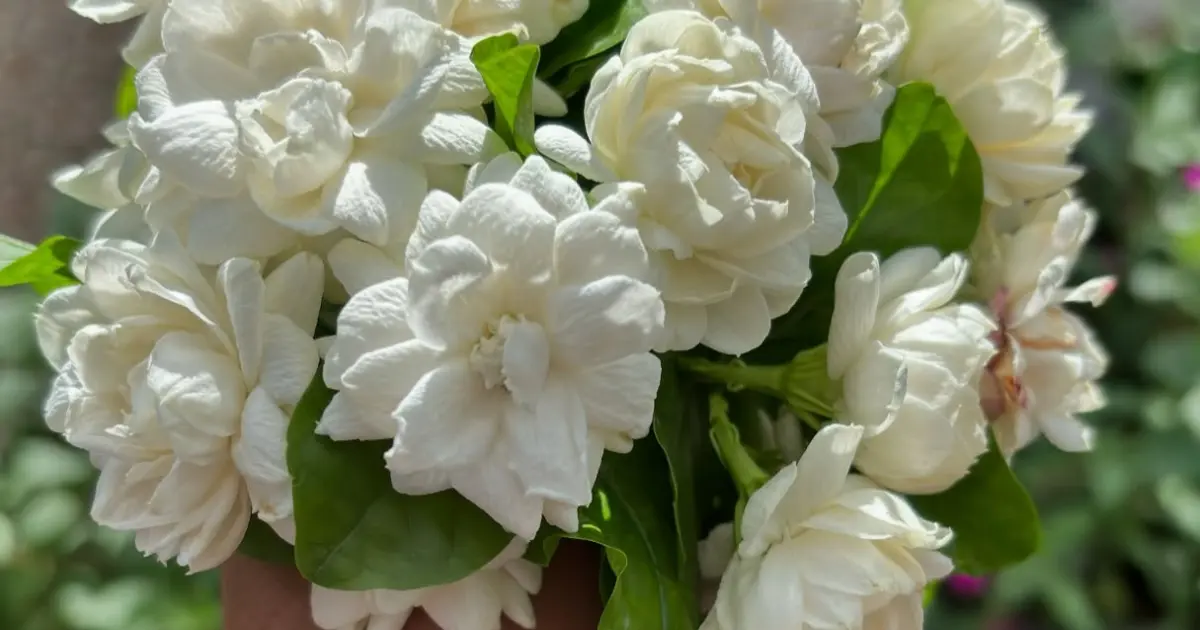
Grand Duke of Tuscany Jasmine: The Ultimate Guide to Growing a Fragrant Masterpiece
Have you ever caught a scent in the air so rich, creamy, and honey-sweet that [...]
Mar
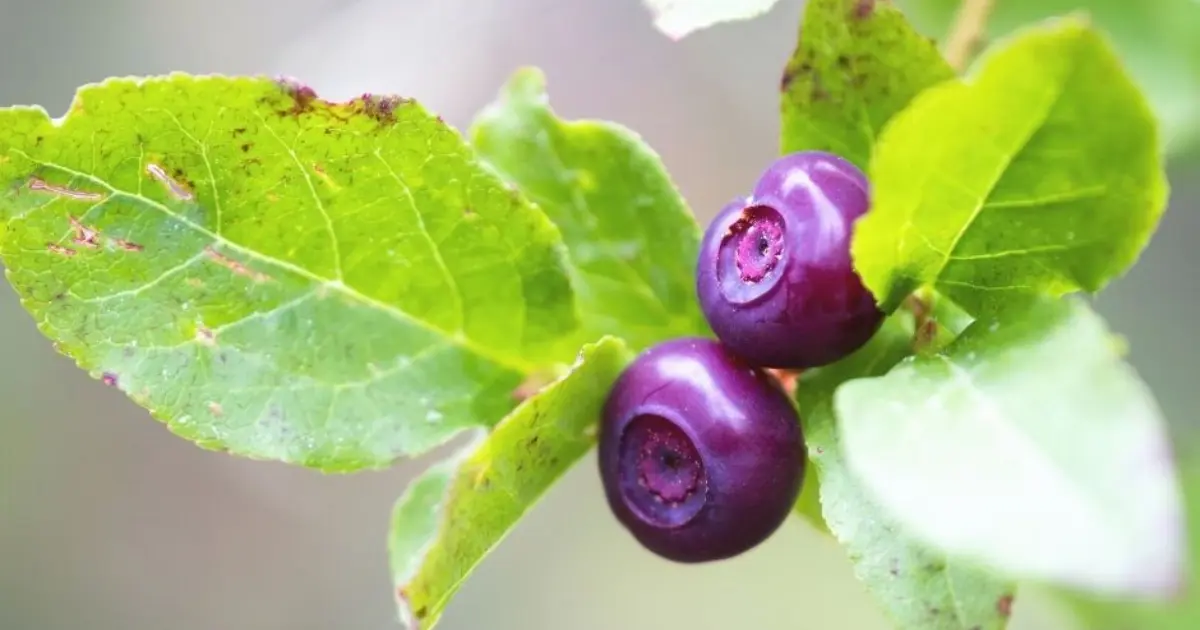
How to Grow Wild Huckleberries: A Guide to “Purple Gold”
Have you ever spent a summer afternoon hiking through the Pacific Northwest or the Rocky [...]
Mar

Reviews
There are no reviews yet.