
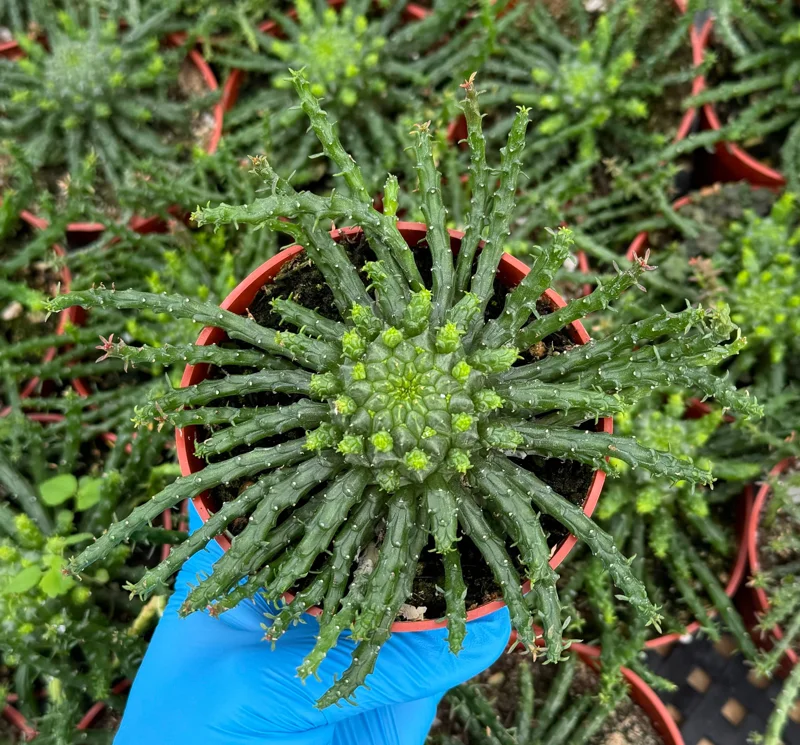
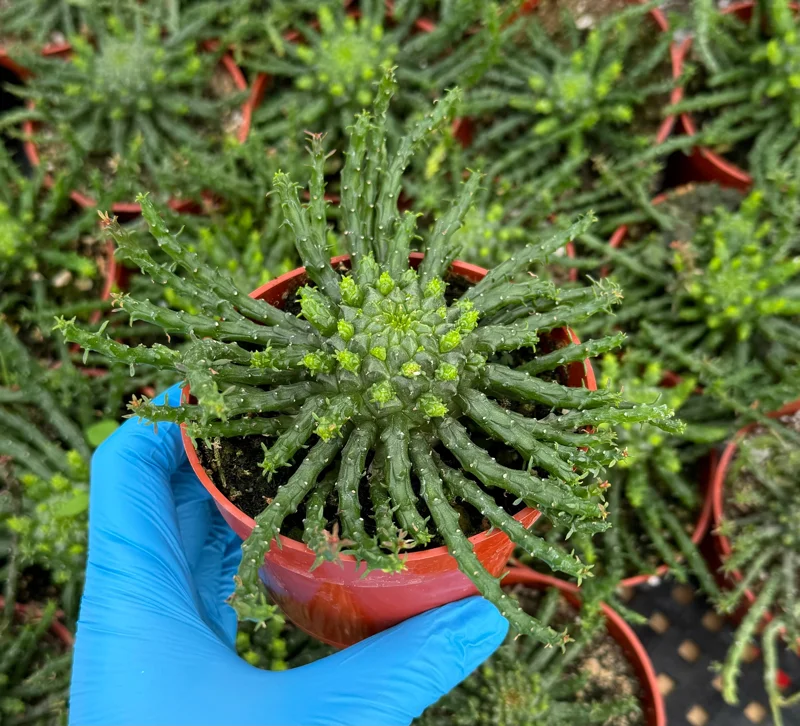
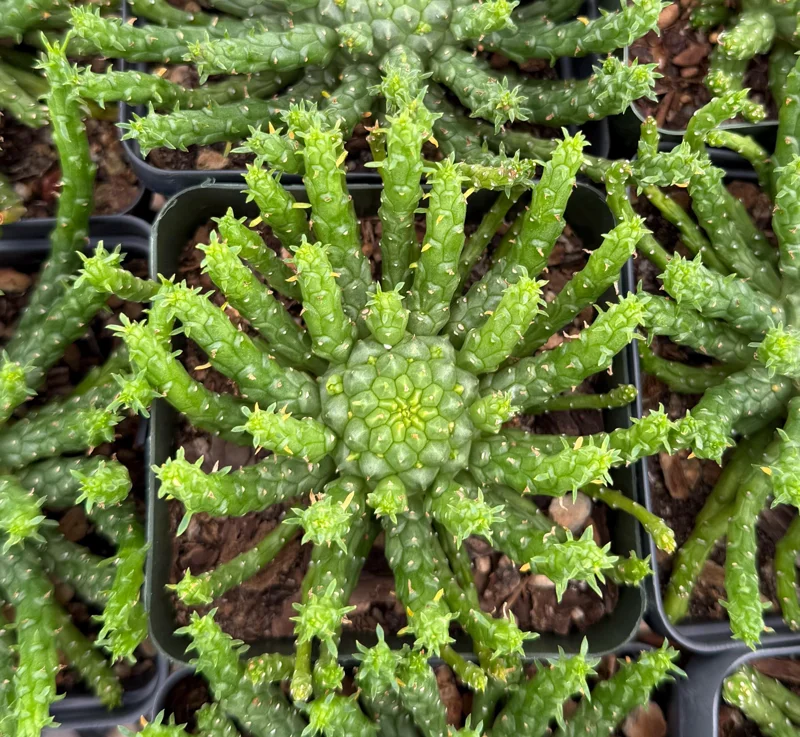
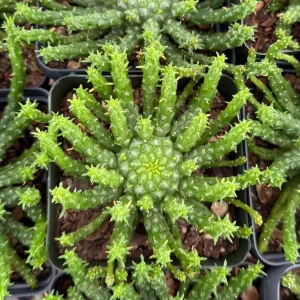
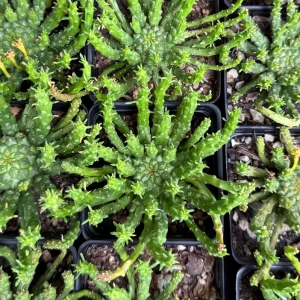
Medusa’s Head Live Plant – Euphorbia Flanaganii Succulent 4 Inch, 6 Inch Pot
Price range: $42.99 through $70.99
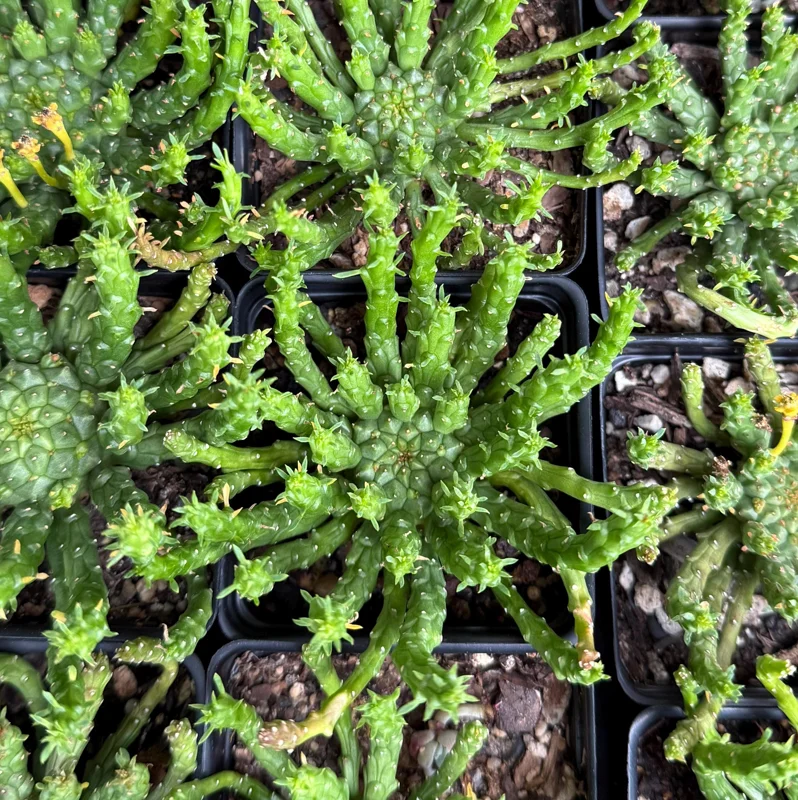
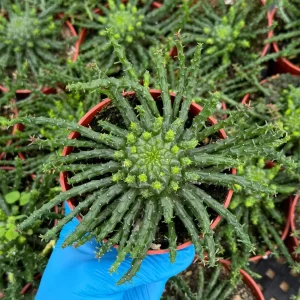
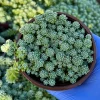
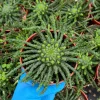
Bring home a captivating Medusa’s Head live plant (Euphorbia flanaganii), known for its unique, serpent-like stems. This drought-tolerant succulent is easy to care for and makes a stunning addition to any collection, available in 4 inch and 6 inch pot sizes.
Estimated arrival
Apr 07
Apr 12 - Apr 14
Apr 17 - Apr 21

Reasonable Price
We offer reasonable price

Support 24/7
Contact us 24 hrs a day

100% Money Back
You've 30 days to Return

Payment Secure
100% secure payment
Overview
Introduce a truly mesmerizing botanical specimen to your home with the Medusa’s Head live plant. Scientifically known as Euphorbia flanaganii, this fascinating succulent hails from the arid landscapes of South Africa. Its common name, ‘Medusa’s Head’, is inspired by the striking appearance of multiple snake-like stems that emerge from a central caudex, creating an otherworldly and captivating display. Also sometimes called ‘African Milk Bar’, this plant is a must-have for succulent enthusiasts and those seeking a unique, low-maintenance houseplant. Its distinctive form makes it a focal point in any indoor garden or collection, offering visual intrigue year-round. This particular offering provides a healthy, thriving specimen ready to enhance your living space.
The Euphorbia flanaganii care is straightforward, making it suitable for both novice and experienced plant parents. Its architectural silhouette and unusual growth habit ensure it stands out among other succulents. Each plant is carefully cultivated to ensure robust health and vigorous growth, promising a long-lasting and rewarding addition to your plant family. Whether you’re starting a new collection or adding to an existing one, the Medusa’s Head plant offers unparalleled charm and a touch of the exotic.
Key Benefits
The Medusa’s Head live plant offers a multitude of benefits beyond its striking appearance, making it an excellent choice for various settings. Its unique characteristics contribute to its popularity and ease of integration into diverse home decors and lifestyles.
- Exotic Visual Appeal: The most prominent benefit is its highly unusual and attractive form, reminiscent of Medusa’s mythical hair. This makes the Medusa’s Head live plant a conversation starter and a unique decorative element that adds character to any room or office.
- Low Maintenance: As a succulent, Euphorbia flanaganii care requirements are minimal. It thrives on neglect, making it perfect for busy individuals or those new to plant ownership. It requires infrequent watering and tolerates a range of indoor conditions.
- Drought Tolerance: Native to South Africa, this plant is naturally adapted to dry conditions. It stores water in its thick stems, allowing it to withstand periods without watering, reducing the risk of overwatering, which is a common plant killer.
- Versatile Decor: Its compact size and distinctive shape allow it to fit seamlessly into various decor styles, from modern minimalist to bohemian. It looks fantastic in decorative pots on windowsills, desks, or shelves.
- Collector’s Item: For succulent collectors, the Medusa’s Head succulent is often considered a prized possession due to its unique growth habit and relatively easy care, making it a valuable addition to a diverse collection.
- Air Purification: Like many houseplants, it contributes to a healthier indoor environment by absorbing certain airborne toxins and releasing oxygen, albeit in smaller quantities compared to larger foliage plants.
- Resilience: This plant is generally pest-resistant and quite hardy, bouncing back from minor stressors with ease, ensuring a long and vibrant life with proper care. It’s a robust and reliable choice for plant enthusiasts seeking an African Milk Bar plant.
Plant Care & Growing Tips
Caring for your Medusa’s Head live plant is relatively simple, given its succulent nature. Understanding its basic needs will ensure it thrives and continues to display its unique beauty. The key to successful Euphorbia flanaganii care lies in providing adequate light, appropriate watering, and well-draining soil.
Sunlight: This succulent requires plenty of bright light to flourish. Ideally, place your Medusa’s Head in a location where it receives at least 4-6 hours of direct sunlight per day, such as a south-facing window. If direct sun is too intense or causes scorching, bright indirect light is also acceptable, but too little light will lead to leggy growth and diminished vigor. For outdoor placement, ensure it’s in a spot with morning sun and some afternoon shade in hotter climates.
Watering: Overwatering is the most common cause of problems for succulents, including the Medusa’s Head succulent. Allow the soil to dry out completely between waterings. In warmer months, this might mean watering every 2-4 weeks, while in cooler months, you might only need to water once a month or even less. When you do water, water thoroughly until it drains from the bottom of the pot. Never let the plant sit in standing water. The ‘soak and dry’ method is ideal for this African Milk Bar plant.
Soil and Potting: A well-draining soil mix is crucial. Use a specialized succulent or cactus mix, or create your own by mixing potting soil with perlite, pumice, or coarse sand to improve drainage. The pot should also have drainage holes to prevent waterlogging. Repotting is generally needed only every 2-3 years, or when the plant outgrows its container.
Temperature and Humidity: Euphorbia flanaganii prefers warm temperatures, ideally between 65-80°F (18-27°C). It can tolerate cooler temperatures but should be protected from frost, as it is not cold-hardy. It does not require high humidity and thrives in average household humidity levels. USDA Hardiness Zones 9-11 are generally suitable for outdoor growth.
Fertilization: Fertilize sparingly during the growing season (spring and summer) with a balanced, diluted liquid fertilizer formulated for succulents or cacti. Avoid fertilizing in fall and winter when the plant is dormant. Over-fertilization can harm the plant.
Common Problems: Watch out for signs of overwatering, such as mushy stems or rot. If this occurs, reduce watering and ensure good drainage. Pests are rare, but mealybugs can occasionally be an issue. Treat with insecticidal soap or neem oil if necessary. Providing proper unique succulent for sale conditions will keep your plant healthy.
Size & Details
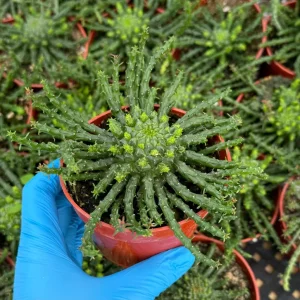
The Medusa’s Head live plant you receive will be a healthy, established specimen, ready to thrive in its new home. It is offered in both 4 inch and 6 inch nursery pots, providing options for immediate display or for those who prefer to repot into a decorative container. The plant’s stems are thick, fleshy, and cylindrical, typically growing up to 12 inches (30 cm) tall, though individual stems may vary. The overall spread can be quite impressive as it matures, with multiple ‘snake-like’ arms radiating from the central caudex.
Each plant is shipped in its nursery pot with soil to minimize transplant shock and ensure a smooth transition. The growth rate of this succulent is moderate, allowing you to enjoy its evolving form over time. While flowers are small and inconspicuous (typically greenish-yellow), the main attraction is the unique structure of its stems and leaves. Expect your Euphorbia flanaganii care to yield a robust and visually engaging plant that continues to grow and develop its distinctive shape.
Frequently Asked Questions
- Q: How big does this plant get? A: The central caudex can grow quite large over time, and the individual stems of the Medusa’s Head live plant can reach up to 12 inches (30 cm) in length, creating a spread that can be wider than its height. Its overall size depends on growing conditions and pot size.
- Q: What size pot does it come in? A: This Medusa’s Head live plant is available in either a 4 inch or a 6 inch nursery pot, providing a good foundation for growth. You can choose to keep it in its nursery pot or transplant it into a decorative pot upon arrival.
- Q: Is this an indoor or outdoor plant? A: While it can be grown outdoors in USDA Zones 9-11, it is primarily enjoyed as an indoor houseplant in most climates. If grown outdoors, ensure it is protected from frost and extreme cold.
- Q: How much sunlight does it need? A: The Medusa’s Head succulent thrives in bright light, ideally receiving 4-6 hours of direct sunlight daily. If direct sun is too intense, bright indirect light is also suitable, but avoid low-light conditions.
- Q: Is this plant easy to care for? A: Yes, the African Milk Bar plant is considered easy to care for, making it an excellent choice for beginners and busy plant enthusiasts. Its drought-tolerant nature and minimal needs contribute to its low-maintenance appeal.
- Q: What condition will it arrive in? A: Your unique succulent for sale will arrive healthy and carefully packaged in its nursery pot, ready for you to unbox and place in its new home. We take great care to ensure safe transit.
- Q: Is it shipped in soil? A: Yes, the Euphorbia flanaganii care begins with us; it is shipped securely in its nursery pot with its established soil, minimizing stress during transit and allowing for an easy transition.
- Q: How often should I water my Medusa’s Head plant? A: Water only when the soil has completely dried out. This could be every 2-4 weeks in warm periods and much less frequently in cooler months. Always err on the side of underwatering rather than overwatering.
- Q: What type of soil is best for this plant? A: A well-draining succulent or cactus potting mix is essential for the Medusa’s Head live plant to prevent root rot. You can also amend regular potting soil with perlite or coarse sand to improve drainage.
- Q: Will it produce flowers? A: Yes, the Medusa’s Head succulent does produce small, inconspicuous greenish-yellow flowers, typically in the spring or summer. However, its primary ornamental value comes from its unique stem structure.
| Size | 4", 6" |
|---|
Be the first to review “Medusa’s Head Live Plant – Euphorbia Flanaganii Succulent 4 Inch, 6 Inch Pot”
-
USDA Hardiness Zone
USDA zones 9-11 (outdoors), year-round indoors -
Soil Type
Well-draining succulent or cactus mix -
Sunlight Exposure
Bright direct to bright indirect light -
Expected Planting Period
Year-round indoors
People Also Viewd


Sold 128 products
Original price was: $89.99.$64.99Current price is: $64.99.

Sold 128 products
Original price was: $27.00.$24.00Current price is: $24.00.
Sold 127 products
Original price was: $159.99.$139.99Current price is: $139.99.

Sold 126 products
Original price was: $3,536.00.$23.99Current price is: $23.99.

Sold 125 products
Original price was: $86.99.$66.99Current price is: $66.99.
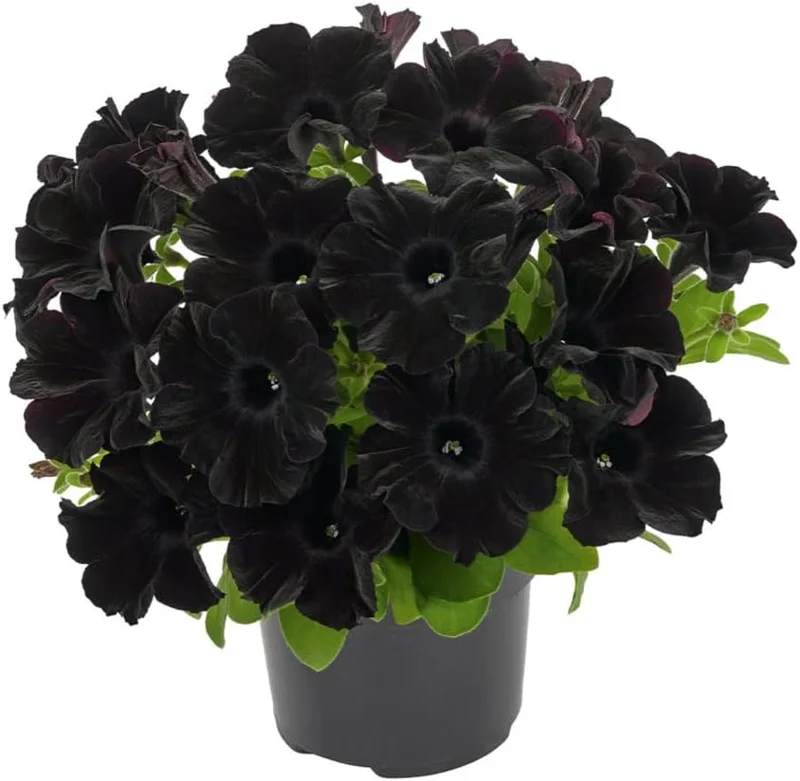
Sold 116 products
Original price was: $27.99.$16.99Current price is: $16.99.

Flower Bulbs
3 Cranesbill Wild Geranium Organic Maculatums Bare Roots | Wildflower for Outdoor Garden
Sold 114 products
Original price was: $21.99.$6.99Current price is: $6.99.

Sold 114 products
Original price was: $28.99.$17.99Current price is: $17.99.RELATED posts
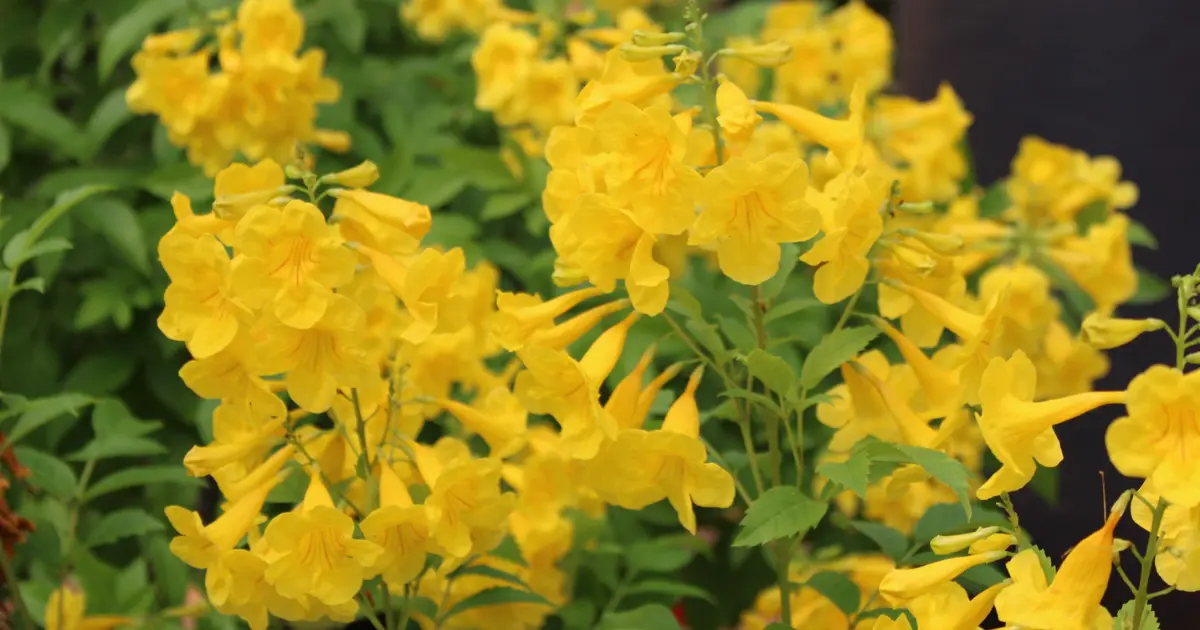
Mastering Esperanza Goldstar: Grow the Ultimate Yellow Bloom
Esperanza Goldstar is more than just a heat-tolerant shrub; for the American gardener battling the [...]
Apr
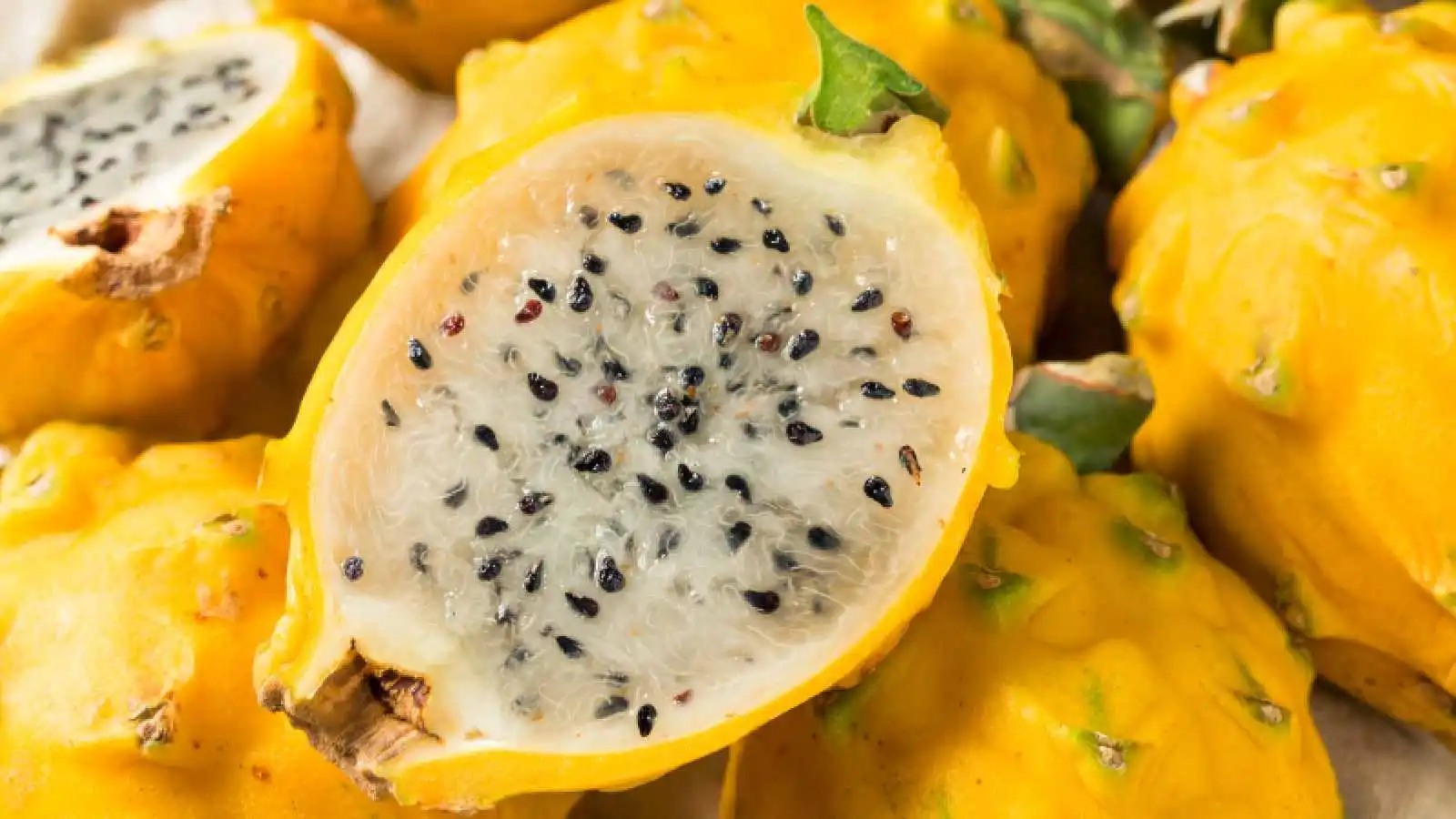
Yellow Dragon Fruit Plant Care: The Ultimate Guide for Healthy Growth
The yellow dragon fruit plant is a unique and rewarding addition to any home garden, [...]
Apr
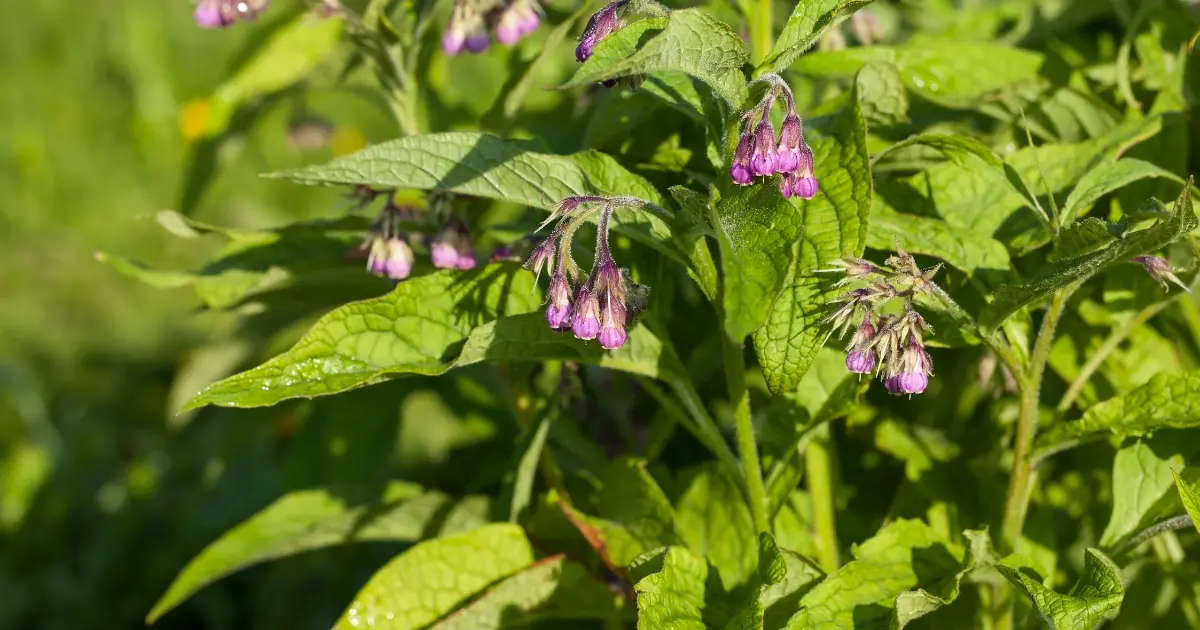
How to Identify Bocking 14 Comfrey: 5 Simple Visual Signs
If you’re growing comfrey for mulch, compost, or animal feed, knowing exactly which variety you [...]
Mar
Grand Duke of Tuscany Jasmine: The Ultimate Guide to Growing a Fragrant Masterpiece
Have you ever caught a scent in the air so rich, creamy, and honey-sweet that [...]
Mar
How to Grow Wild Huckleberries: A Guide to “Purple Gold”
Have you ever spent a summer afternoon hiking through the Pacific Northwest or the Rocky [...]
Mar
5 Best Shade-Loving Perennials for a Lush, Vibrant Garden
The world of gardening often shines a spotlight on sun-drenched blossoms, but there is a [...]
Mar

7 Common Curry Leaf Plant Problems: Easy Fixes for a Thriving Plant
Is your curry leaf plant looking a bit sad lately? Maybe you woke up to [...]
Mar
Best Time to Plant Bougainvillea: Timing for Vibrant Blooms
If you’re looking for a hardy tropical vine that delivers a riot of neon color, [...]
Feb
Reviews
There are no reviews yet.