
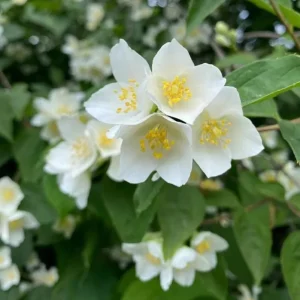
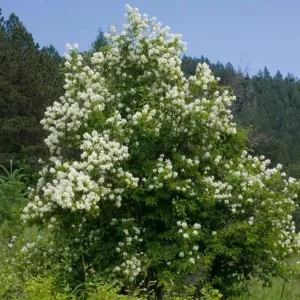
Mock Orange Bare Root Plant – 2 Count, 1-2ft Tall, Fragrant White Flowers
Original price was: $34.92.$19.92Current price is: $19.92.
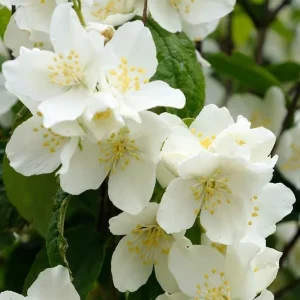
Cultivate a classic garden with this mock orange bare root plant. Enjoy fragrant, white, four-petaled flowers resembling orange blossoms. These 1-2ft tall deciduous shrubs are ideal for borders and hedges, bringing delightful scent and beauty to your outdoor space. Perfect for gardeners seeking an elegant, easy-to-grow flowering shrub.
Estimated arrival
Apr 04
Apr 09 - Apr 11
Apr 14 - Apr 18

Reasonable Price
We offer reasonable price

Support 24/7
Contact us 24 hrs a day

100% Money Back
You've 30 days to Return

Payment Secure
100% secure payment
Overview
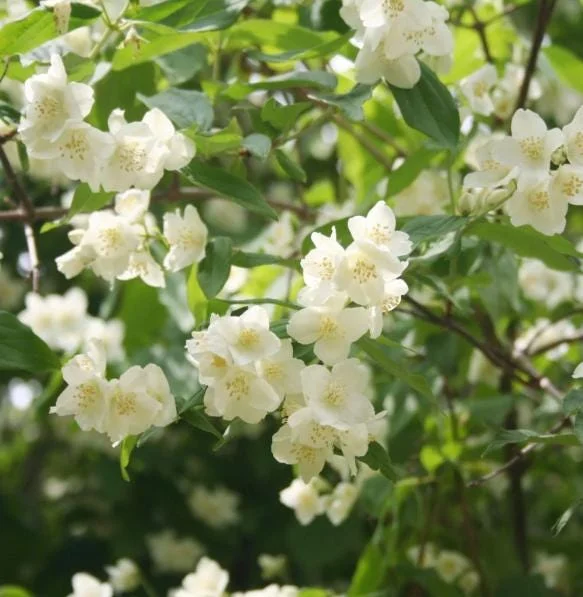
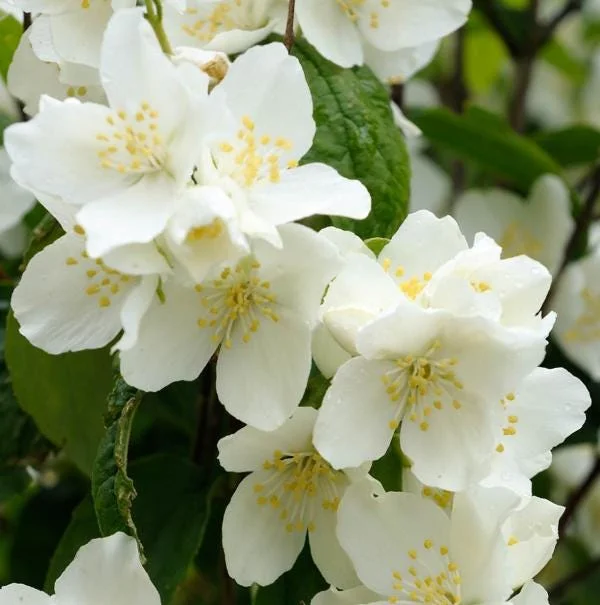
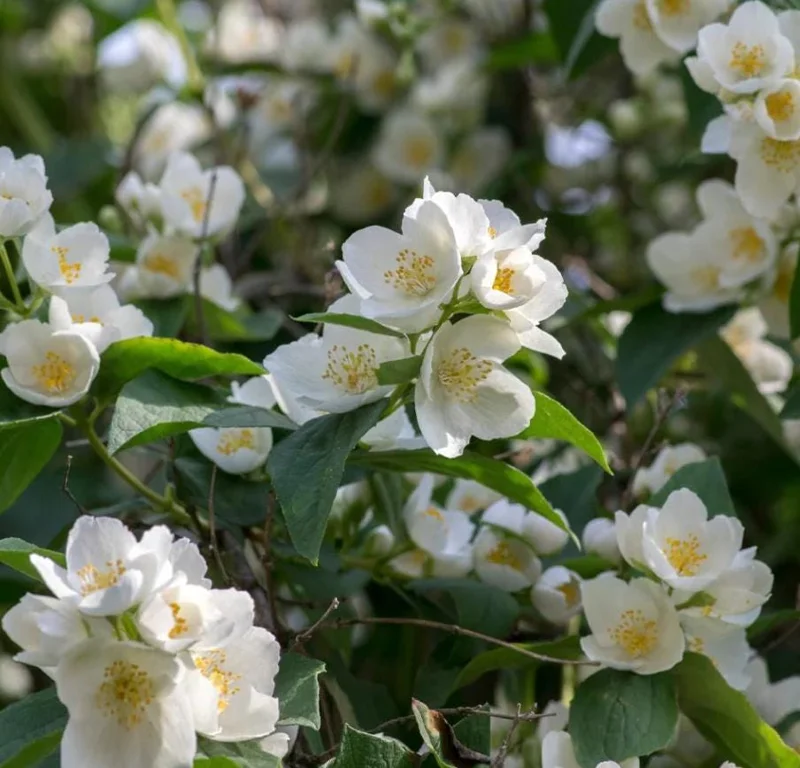
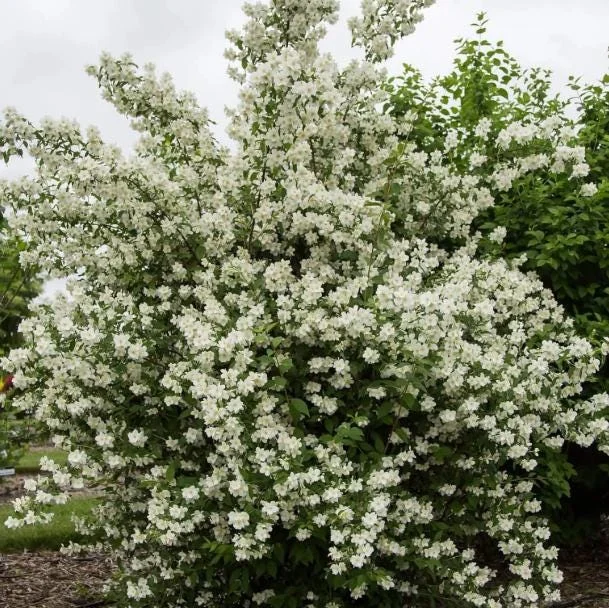
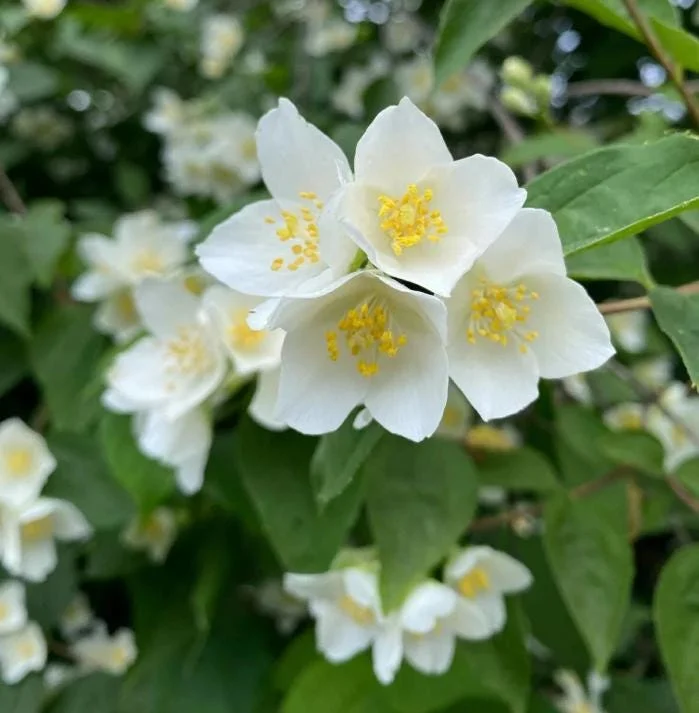
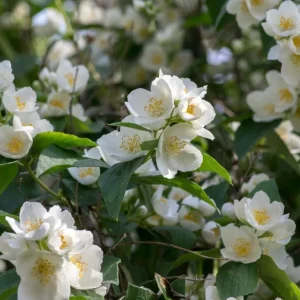
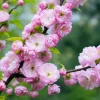
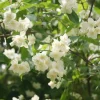
Introduce timeless elegance and enchanting fragrance to your garden with the mock orange bare root plant. This offering includes two dormant, 1 to 2-foot tall bare root specimens, ready for planting. The Mock Orange (Philadelphus) is a classic deciduous shrub, cherished for its profusion of stunning white, four-petaled flowers that fill the air with a sweet, citrus-like scent, reminiscent of orange blossoms. Its dark green, ovate leaves provide a beautiful backdrop for the showy blooms, creating a lush, rounded growth habit. Ideal for ornamental gardens, hedges, or as a striking specimen plant, the mock orange bare root plant promises a spectacular display from spring to summer, transforming any landscape into a fragrant sanctuary. Even in its dormant, leafless state, these bare roots are robust and prepared to establish quickly, offering years of beauty.
Philadelphus, as it’s botanically known, is a hardy and adaptable shrub that brings a touch of old-world charm to modern gardens. These bare roots are an economical and effective way to establish this beautiful shrub, allowing for robust root development once planted. Perfect for creating a perfumed garden path or a living screen, the mock orange bare root plant is a fantastic choice for both novice and experienced gardeners looking to enhance their outdoor living spaces with minimal effort and maximum reward.
Key Benefits
The mock orange bare root plant offers a multitude of advantages for any garden, combining aesthetic appeal with ease of care. Its striking features and robust nature make it a highly desirable addition to various landscape designs.
- Exquisite Fragrance: Enjoy the delightful, sweet, citrus-like perfume emitted by the abundant white flowers. This natural aroma can transform your garden into a sensory paradise, especially when planted near patios or walkways.
- Stunning Floral Display: Each spring to summer, the shrub is covered in beautiful, four-petaled white blossoms that create a dazzling visual impact, making it a focal point in any garden setting.
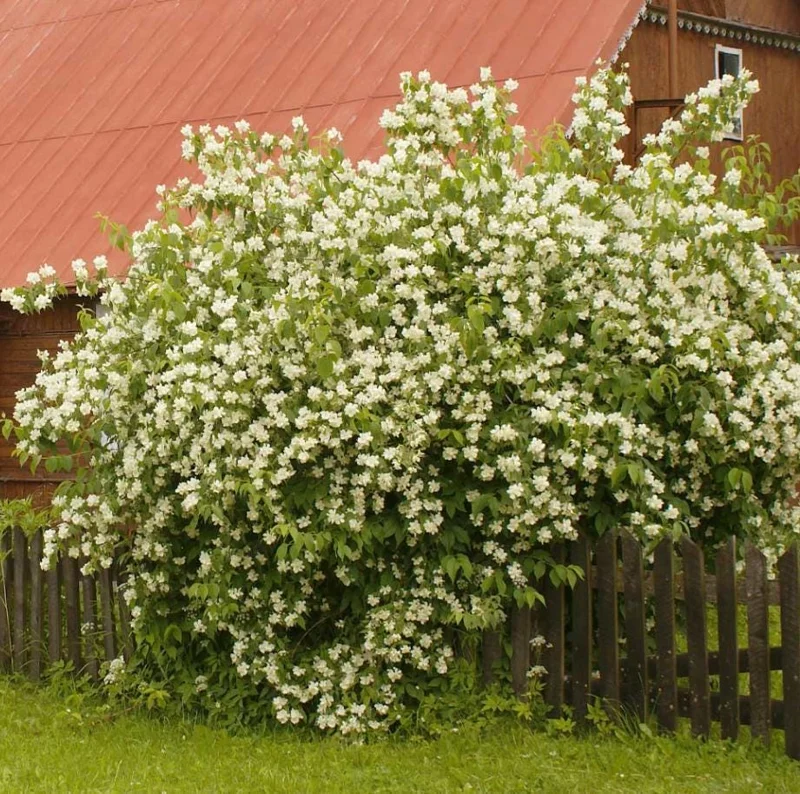
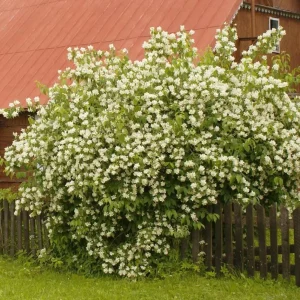
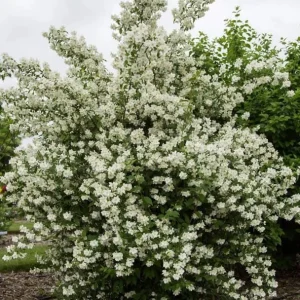
- Versatile Landscaping: Its rounded growth habit and attractive foliage make it suitable for various uses, including informal hedges, mixed borders, foundation plantings, or as a standalone specimen.
- Hardy & Adaptable: This robust shrub thrives in a wide range of climates, tolerating USDA Zones 4 to 8, and is adaptable to different soil types, making it a resilient choice for many gardeners.
- Low Maintenance: Once established, the mock orange bare root plant requires minimal care, making it an excellent option for those seeking high impact with low effort.
- Attracts Pollinators: The fragrant flowers are a magnet for bees and other beneficial pollinators, contributing to the biodiversity and health of your garden ecosystem.
- Winter Interest (Structure): While dormant and leafless in winter, the plant’s structural form still adds interest to the winter landscape, awaiting its spring revival.
Plant Care & Growing Tips
Proper care ensures your mock orange bare root plant establishes well and flourishes, providing years of beautiful blooms and fragrance. These plants are known for their resilience, but a good start is key. Upon arrival, if you’re not planting immediately, keep the bare roots cool and slightly moist. When ready to plant, dig a hole wide enough to spread the roots comfortably and deep enough so the crown (where roots meet stem) is at soil level. Backfill with soil, gently firming it around the roots to remove air pockets, then water thoroughly.
Mock Orange thrives in full sun to partial shade. For the most abundant blooms, aim for at least 6 hours of direct sunlight daily. While it tolerates partial shade, flowering may be reduced in shadier conditions. It prefers well-drained, fertile soil but is quite adaptable and can tolerate clay, loam, and sandy soils. Good drainage is crucial to prevent root rot. During its first few years, regular watering is essential, especially during dry spells, to help the plant establish a strong root system. Once mature, it becomes more drought-tolerant. This guide provides comprehensive tips for mock orange shrub care to ensure your plant’s success.
The philadelphus plant is hardy in USDA Zones 4 to 8, capable of withstanding temperatures from -30°F to 95°F. Fertilize in early spring with a balanced slow-release fertilizer to encourage vigorous growth and flowering. Pruning should be done after flowering to maintain shape, remove spent blooms, and encourage new growth. Remove any dead or damaged branches, and thin out older stems to promote air circulation. Common problems are few, but watch for aphids or powdery mildew, which can usually be managed with horticultural oil or fungicides. Understanding these aspects of growing mock orange will set you up for success.
Size & Details
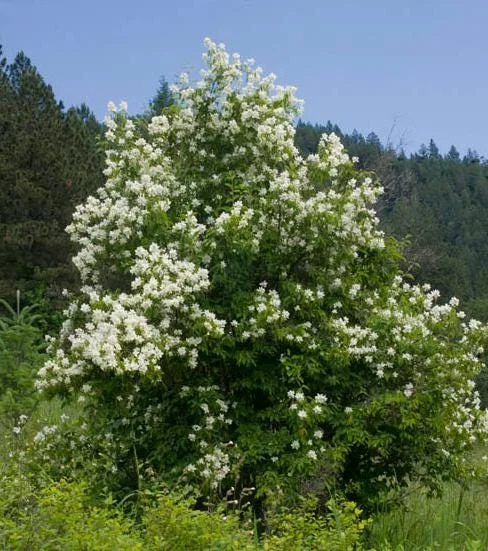
This offering includes two mock orange bare root plant specimens, each measuring approximately 1 to 2 feet in height when dormant. As bare roots, they are shipped without soil or leaves, which is typical for dormant plants and ideal for transplanting. Upon planting and with proper care, these shrubs will develop into robust, deciduous plants. Mock Orange typically grows to a mature height of 5 to 8 feet and spreads 4 to 6 feet wide, creating a dense, rounded form. The growth rate is moderate, meaning it will establish and reach a significant size within a few years. Expect fragrant white blossoms to appear from spring to summer, with the plant remaining leafless during the winter months, characteristic of its deciduous nature. These plants are ready to be planted directly into your garden beds or larger containers.
Frequently Asked Questions
- Q: How big does this mock orange bare root plant get? A: A: When mature, the Mock Orange typically reaches a height of 5 to 8 feet and a spread of 4 to 6 feet, forming a dense, rounded shrub. The bare roots provided are 1 to 2 feet tall, ready for establishment.
- Q: Is this an indoor or outdoor plant? A: The Mock Orange is an outdoor deciduous shrub. It requires outdoor conditions to thrive and complete its natural growth cycle, including dormancy during winter.
- Q: How much sunlight does it need? A: For the best flowering display, the Mock Orange prefers full sun, meaning at least 6 hours of direct sunlight per day. It can tolerate partial shade, but blooming may be less prolific.
- Q: What condition will the bare roots arrive in? A: The plants will arrive as bare roots, which means they will be dormant, without soil or leaves. This is the optimal state for transplanting and ensures a healthy start for your new shrub.
- Q: When is the best time to plant a philadelphus plant? A: The best time to plant bare root Mock Orange is in early spring, after the danger of hard frost has passed, or in late fall after the leaves have dropped. This allows the roots to establish before extreme weather.
- Q: Is this plant easy to care for? A: Yes, the Mock Orange is considered relatively easy to care for, making it suitable for gardeners of all experience levels. It’s quite hardy and adaptable once established, requiring minimal maintenance. This makes mock orange shrub care quite manageable.
- Q: Will it survive winter in my zone? A: Yes, the Mock Orange is very hardy and will survive winter in USDA Zones 4 to 8. It is a deciduous plant, so it will lose its leaves and enter dormancy during the colder months, which is a natural part of its life cycle.
- Q: What kind of soil does growing mock orange require? A: The Mock Orange prefers well-drained, fertile soil. It is quite tolerant of various soil types, including clay, loam, and sandy soils, as long as they are not waterlogged.
- Q: How long until it blooms? A: While the bare roots will focus on establishing their root system in the first year, you can typically expect your Mock Orange to begin producing its fragrant white flowers in the spring or summer of the second year after planting.
- Q: What is the benefit of a fragrant mock orange? A: The primary benefit of a fragrant mock orange is its delightful, sweet scent that can perfume a significant area of your garden. This makes it ideal for planting near seating areas or windows where the aroma can be enjoyed.
Be the first to review “Mock Orange Bare Root Plant – 2 Count, 1-2ft Tall, Fragrant White Flowers”
-
USDA Hardiness Zone
USDA Zones 4 to 8 -
Soil Type
Well-drained, fertile soil; tolerates clay, loam, sandy soils -
Sunlight Exposure
Full sun to partial shade -
Expected Planting Period
Spring to summer
People Also Viewd


Sold 128 products
Original price was: $89.99.$64.99Current price is: $64.99.

Sold 128 products
Original price was: $27.00.$24.00Current price is: $24.00.

Sold 126 products
Original price was: $3,536.00.$23.99Current price is: $23.99.

Sold 125 products
Original price was: $86.99.$66.99Current price is: $66.99.
Sold 116 products
Original price was: $27.99.$16.99Current price is: $16.99.

Flower Bulbs
3 Cranesbill Wild Geranium Organic Maculatums Bare Roots | Wildflower for Outdoor Garden
Sold 114 products
Original price was: $21.99.$6.99Current price is: $6.99.

Sold 114 products
Original price was: $28.99.$17.99Current price is: $17.99.

Sold 109 products
Original price was: $63.99.$28.99Current price is: $28.99.RELATED posts
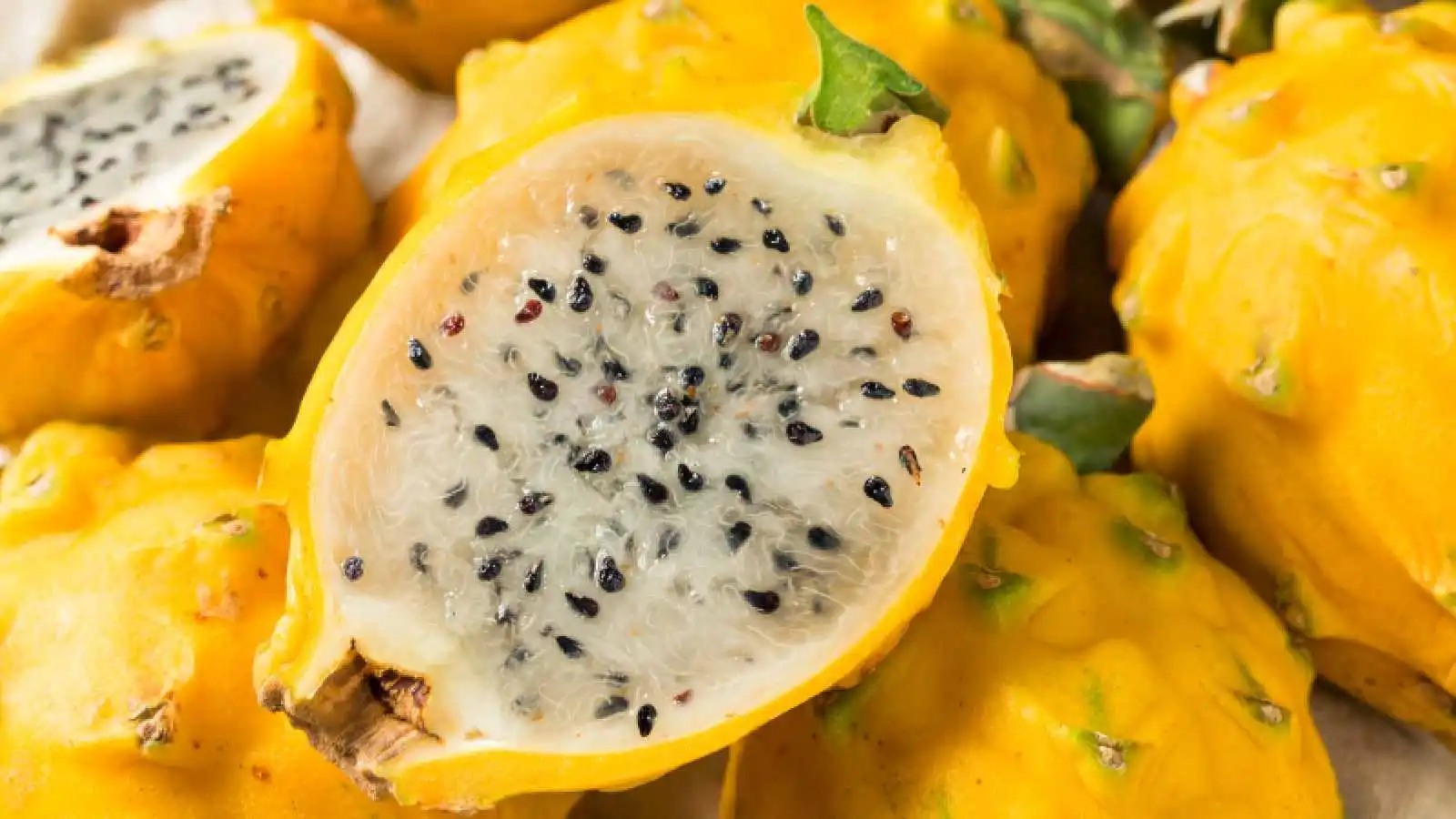
Yellow Dragon Fruit Plant Care: The Ultimate Guide for Healthy Growth
The yellow dragon fruit plant is a unique and rewarding addition to any home garden, [...]
Apr
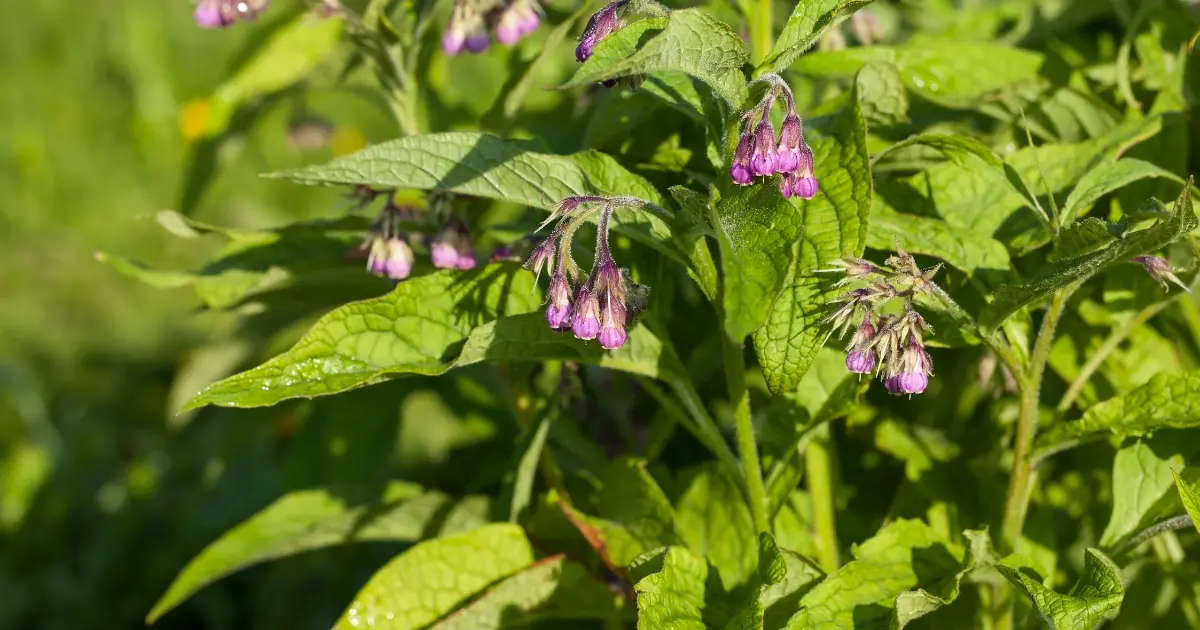
How to Identify Bocking 14 Comfrey: 5 Simple Visual Signs
If you’re growing comfrey for mulch, compost, or animal feed, knowing exactly which variety you [...]
Mar
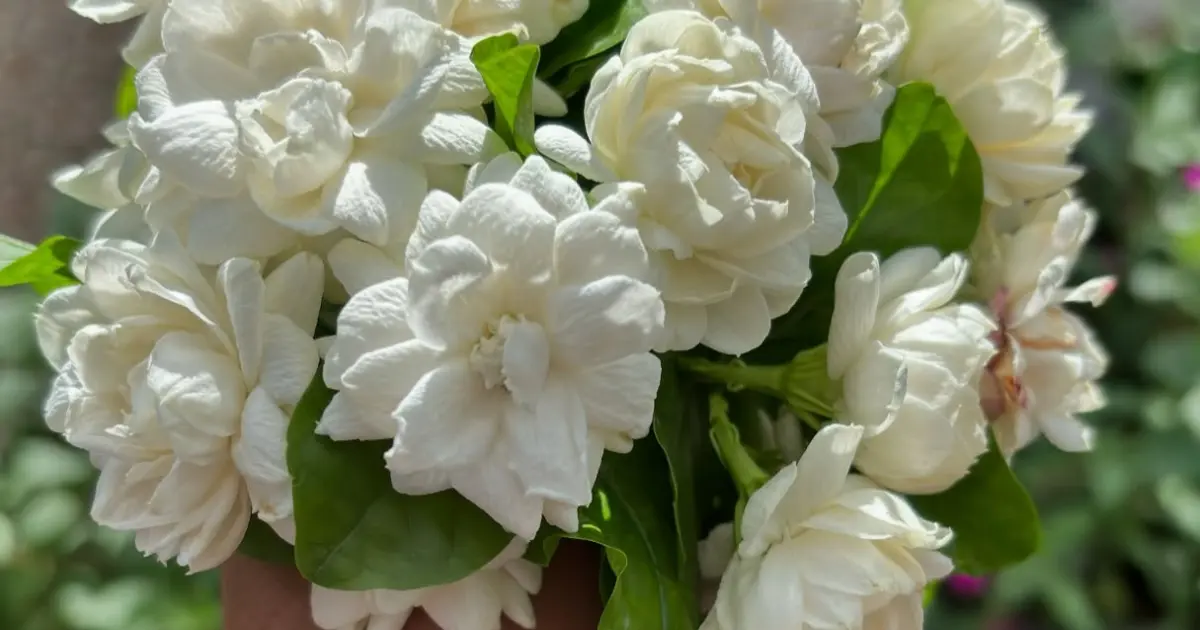
Grand Duke of Tuscany Jasmine: The Ultimate Guide to Growing a Fragrant Masterpiece
Have you ever caught a scent in the air so rich, creamy, and honey-sweet that [...]
Mar
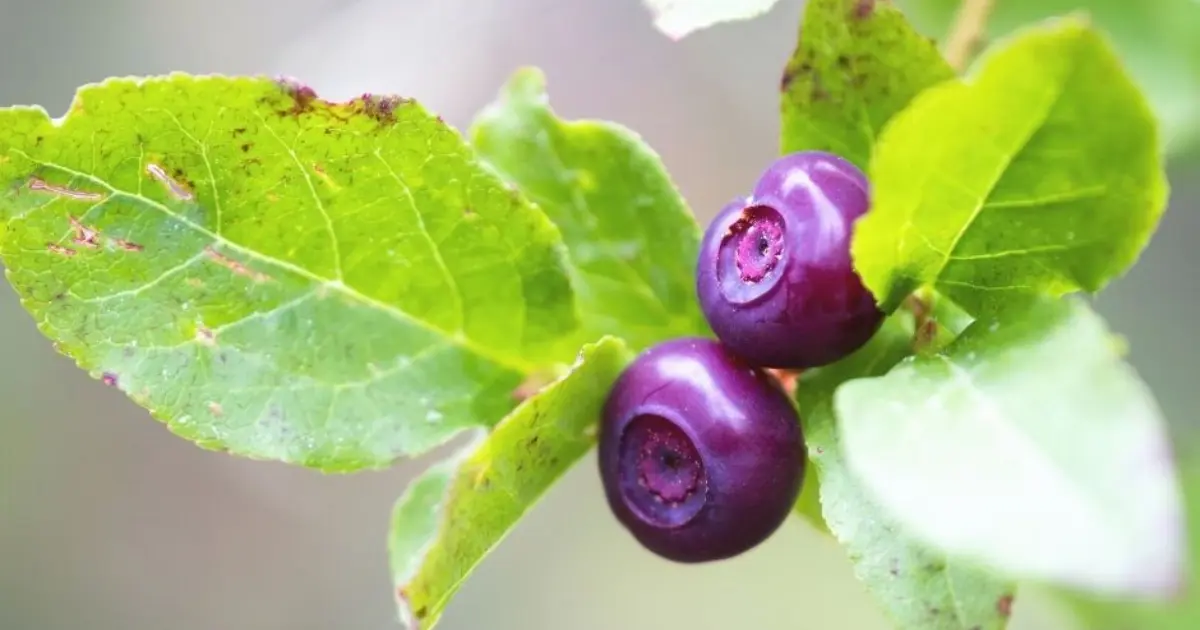
How to Grow Wild Huckleberries: A Guide to “Purple Gold”
Have you ever spent a summer afternoon hiking through the Pacific Northwest or the Rocky [...]
Mar
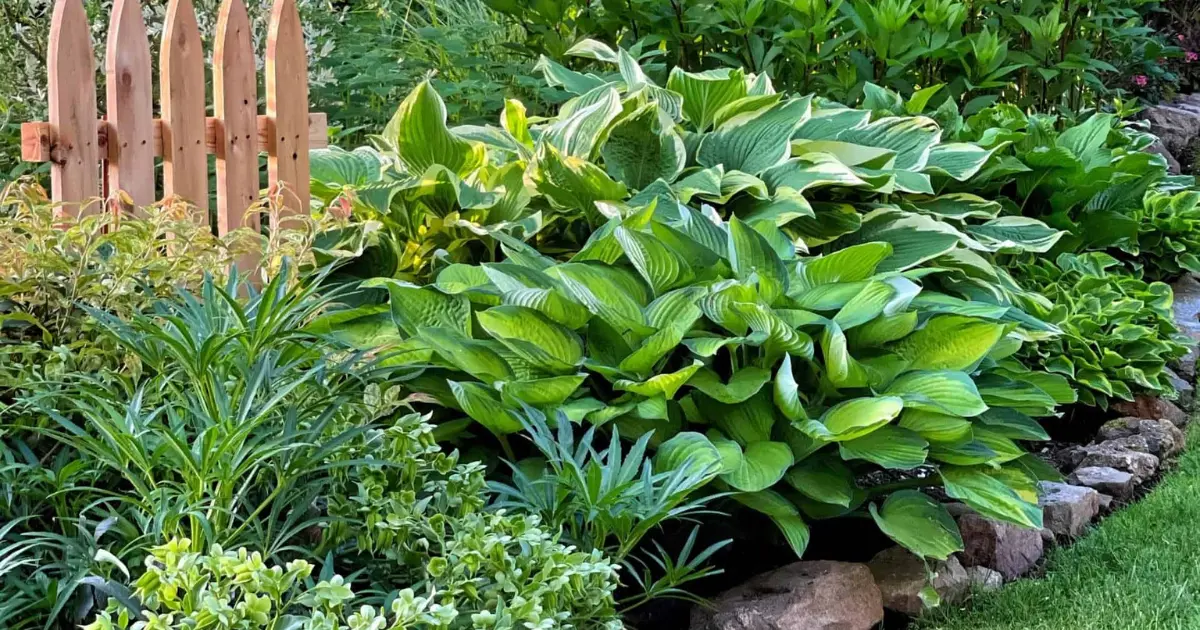
5 Best Shade-Loving Perennials for a Lush, Vibrant Garden
The world of gardening often shines a spotlight on sun-drenched blossoms, but there is a [...]
Mar

7 Common Curry Leaf Plant Problems: Easy Fixes for a Thriving Plant
Is your curry leaf plant looking a bit sad lately? Maybe you woke up to [...]
Mar
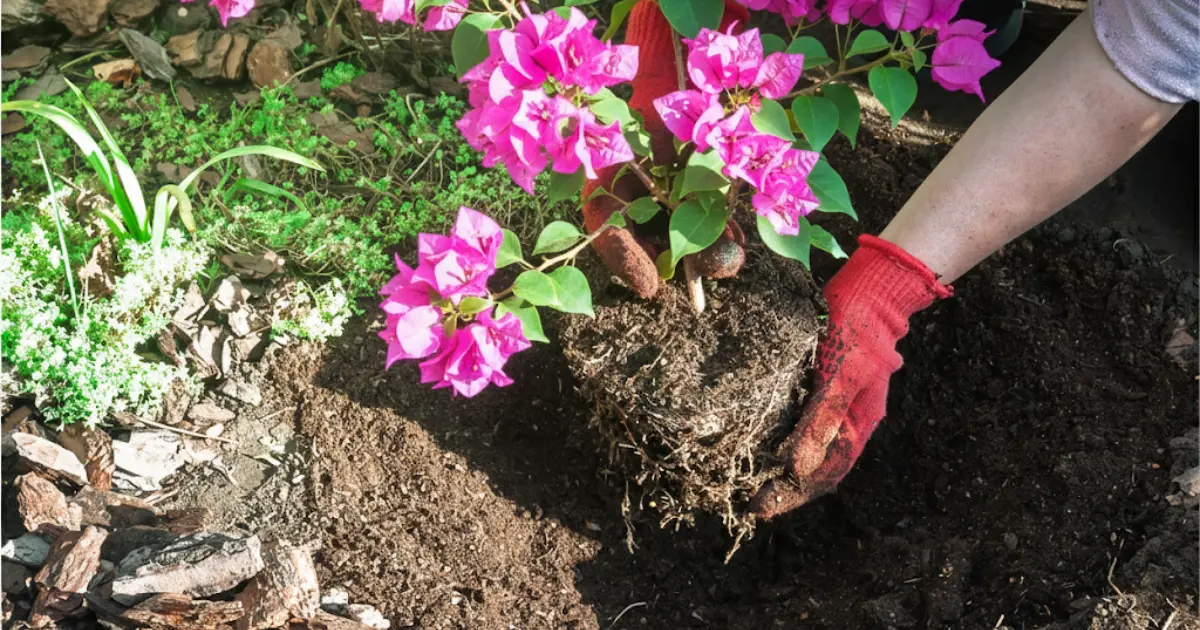
Best Time to Plant Bougainvillea: Timing for Vibrant Blooms
If you’re looking for a hardy tropical vine that delivers a riot of neon color, [...]
Feb
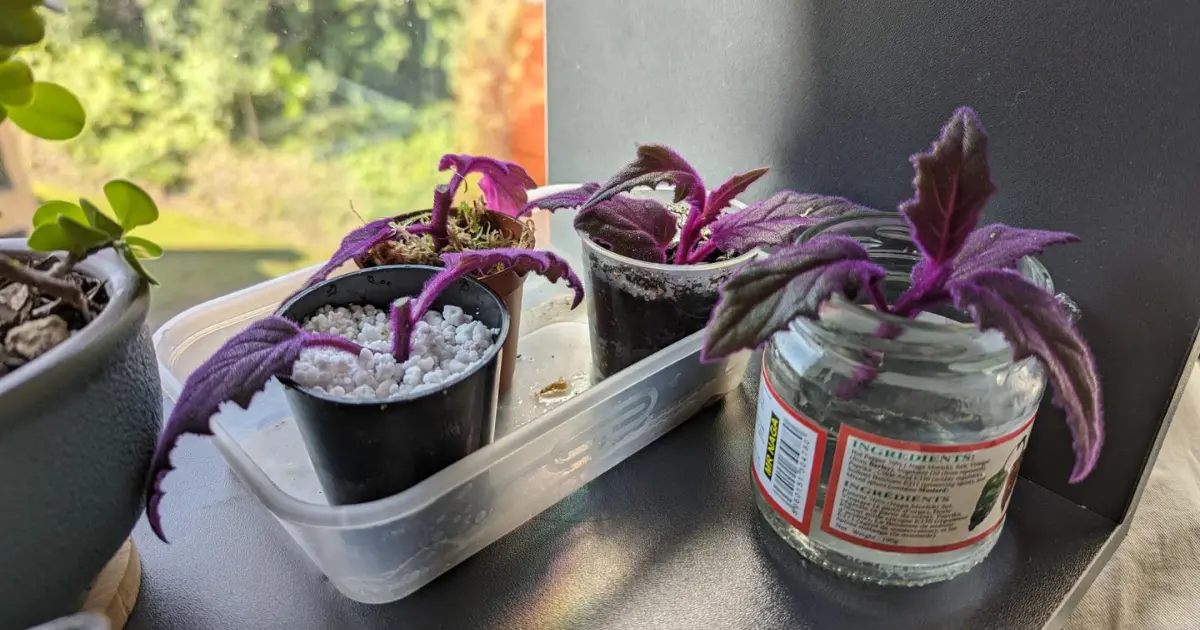
How to Propagate Purple Passion Plants (Gynura aurantiaca)
Have you ever been mesmerized by the neon-purple glow and fuzzy, velvet-like leaves of a [...]
Feb
Reviews
There are no reviews yet.