
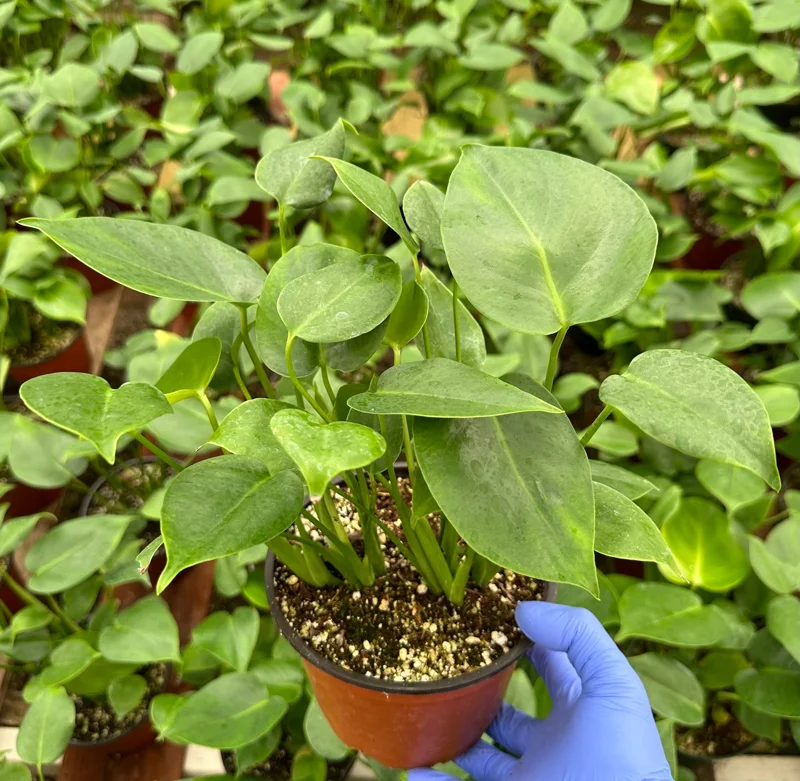
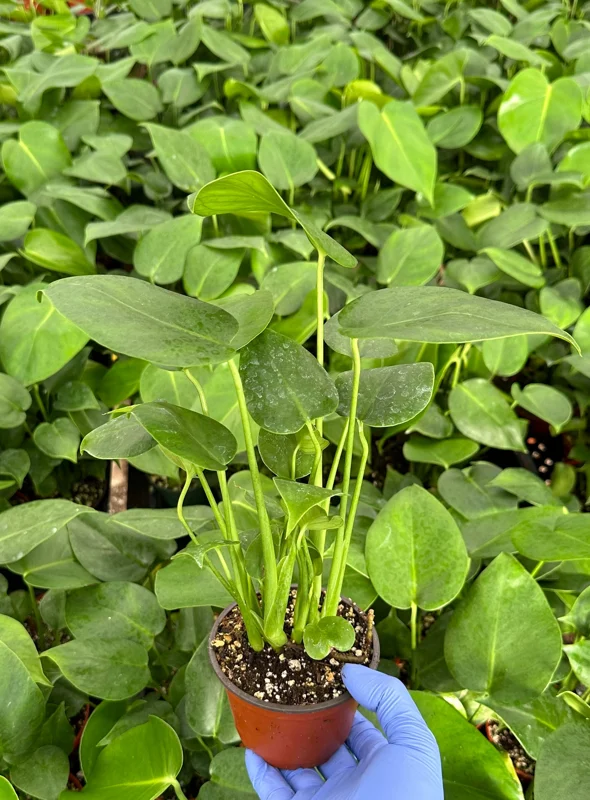
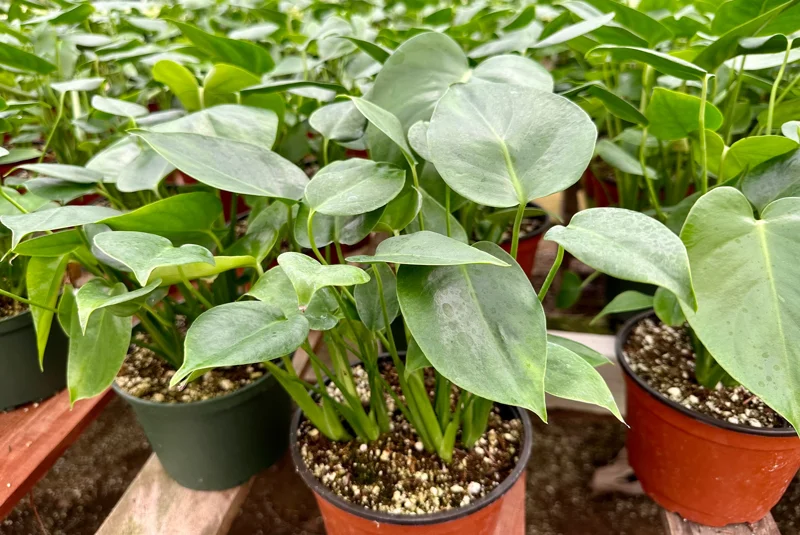
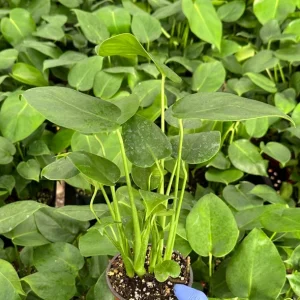
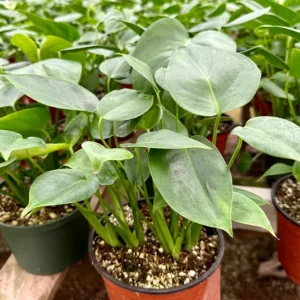
Monstera Deliciosa Live Plant – 4 Inch Pot, Tropical Houseplant, Easy Care
Original price was: $47.37.$27.37Current price is: $27.37.
Bring tropical elegance to your home with this Monstera Deliciosa live plant in a 4-inch nursery pot. Known for its distinctive split leaves, this split leaf philodendron indoor plant is a striking decorative addition and surprisingly easy to maintain, making it ideal for both new and experienced plant parents.
Estimated arrival
Apr 04
Apr 09 - Apr 11
Apr 14 - Apr 18

Reasonable Price
We offer reasonable price

Support 24/7
Contact us 24 hrs a day

100% Money Back
You've 30 days to Return

Payment Secure
100% secure payment
Overview
Introduce a touch of the rainforest into your living space with the magnificent Monstera Deliciosa live plant. This captivating tropical vine, native to the lush environments of Central America, is celebrated for its dramatic, deeply lobed, and fenestrated foliage. Often referred to as the Swiss Cheese Plant due to the unique holes and splits that develop in its large, glossy leaves, or as split leaf philodendron indoor, the Monstera Deliciosa is a true statement piece. This tropical houseplant easy care specimen arrives ready to thrive, bringing an exotic and vibrant atmosphere to any room. Its robust growth and distinctive appearance have made it a favorite among interior decorators and plant enthusiasts alike, promising to transform your home or office into a verdant oasis.
The botanical name, Monstera deliciosa, aptly describes its appeal, with ‘deliciosa’ referring to its edible fruit produced in its natural habitat. While fruit production is rare indoors, the plant’s stunning foliage more than compensates. As a young plant, the leaves are heart-shaped and solid, but as it matures, the iconic splits and holes begin to emerge, creating an artful, airy look. This particular offering is a healthy monstera deliciosa live plant, perfect for starting your indoor jungle collection.
Key Benefits
The Monstera Deliciosa live plant offers a multitude of benefits beyond its stunning aesthetics, making it a highly desirable addition to any indoor environment:
- Striking Decorative Appeal: The large, glossy leaves with their unique fenestrations (splits and holes) provide an instant focal point and add a sophisticated, tropical flair to any room. It’s an excellent choice for creating a lush, vibrant atmosphere.
- Air Purification: Like many houseplants, the Monstera Deliciosa live plant contributes to healthier indoor air by absorbing toxins and releasing oxygen, promoting a fresher and more invigorating environment.
- Relatively Easy Care: Despite its exotic appearance, this plant is remarkably forgiving and relatively low-maintenance, making it an ideal choice for both beginners and seasoned plant enthusiasts seeking a rewarding growing experience. Understanding swiss cheese plant care is straightforward.
- Natural Climber: In its natural habitat, the Monstera Deliciosa is a vigorous climber. Indoors, it can be trained with a moss pole or trellis, encouraging larger leaves and a more upright, impressive growth habit.
- Rapid Growth: With proper care, the monstera deliciosa live plant grows fairly quickly, allowing you to enjoy its evolving beauty and watch new, fenestrated leaves unfurl regularly.
- Adaptable to Various Light Conditions: While it thrives in bright, indirect light, it can tolerate lower light conditions, making it versatile for different spots in your home.
- Timeless Elegance: This plant has been a popular choice for decades and continues to be a staple in modern interior design, offering enduring style and natural beauty. For those looking for a monstera deliciosa for sale, this plant delivers lasting charm.
Plant Care & Growing Tips
Caring for your Monstera Deliciosa live plant is a rewarding experience, and with a few key considerations, it will flourish beautifully. For optimal growth, provide bright, indirect light. Direct sunlight can scorch its leaves, so an east or north-facing window is often ideal, or a spot a few feet back from a south or west-facing window. Rotate the plant periodically to ensure even growth. When it comes to watering, allow the top 2-3 inches of soil to dry out completely between waterings. Overwatering is a common issue that can lead to root rot, so it’s better to underwater slightly than overwater. Well-draining soil is crucial; a mix formulated for houseplants, often containing peat, perlite, and pine bark, will provide the necessary aeration and drainage. Understanding swiss cheese plant care is key to its health.
The Monstera Deliciosa live plant thrives in warm, humid conditions, mimicking its tropical origins. Maintain indoor temperatures between 65-80°F (18-27°C) and avoid sudden drops below 60°F (15°C). While it can tolerate average household humidity, it will appreciate occasional misting or placement near a humidifier. Fertilize every 2-4 weeks during the growing season (spring and summer) with a balanced liquid fertilizer diluted to half strength. Reduce feeding in fall and winter. Common issues include yellowing leaves (often due to overwatering or nutrient deficiency) and brown crispy edges (underwatering or low humidity). Regularly inspect for pests like spider mites or mealybugs and address them promptly with insecticidal soap. Providing a moss pole will encourage aerial root attachment and larger leaf development for your split leaf philodendron indoor.
Size & Details
This offering is for a vibrant Monstera Deliciosa live plant, shipped in a 4-inch nursery pot. At this stage, the plant typically features several healthy leaves, some of which may already show the initial signs of fenestration, indicative of its future iconic split-leaf appearance. Young plants usually stand approximately 6-10 inches tall from the base of the pot. Monstera Deliciosa is a moderate to fast grower, and with optimal conditions, it can grow several feet tall and wide indoors, becoming a magnificent floor plant. It is shipped as a rooted plant, ready to be placed in its new home or repotted into a slightly larger decorative container upon arrival. The plant’s growth rate means you will quickly see new foliage unfurl, developing more intricate patterns over time. This makes it a great choice for those searching for a healthy monstera deliciosa for sale.
Frequently Asked Questions
- Q: How big does this Monstera Deliciosa live plant get? A: While this plant arrives in a 4-inch pot, a mature indoor Monstera Deliciosa can grow quite large, often reaching 6-8 feet in height and several feet wide with proper support and care. Its size can be managed with pruning.
- Q: Is this an indoor or outdoor plant? A: The Monstera Deliciosa live plant is primarily grown as an indoor houseplant in most climates. It can be moved outdoors in warm, humid conditions during summer but must be brought inside before temperatures drop below 60°F (15°C).
- Q: How much sunlight does my split leaf philodendron indoor need? A: This plant thrives in bright, indirect light. Avoid direct, harsh sunlight, which can scorch its leaves. A spot near an east or north-facing window is ideal, or a shaded location on a porch during summer.
- Q: Is this plant easy to care for, suitable for beginners? A: Yes, the Monstera Deliciosa live plant is considered relatively easy to care for, making it a great choice for beginners. Its main requirements are consistent watering, bright indirect light, and moderate humidity.
- Q: What condition will the plant arrive in? A: Your Monstera Deliciosa live plant will arrive as a healthy, rooted plant in its nursery pot, carefully packaged to ensure its safe journey. It will be ready to be placed in your home or repotted.
- Q: How often should I water my swiss cheese plant care? A: Water when the top 2-3 inches of soil feel dry to the touch. This usually means watering once every 1-2 weeks, depending on humidity, light, and pot size. Always ensure good drainage to prevent root rot.
- Q: Is the Monstera Deliciosa pet-safe? A: No, the Monstera Deliciosa is toxic to pets if ingested due to calcium oxalate crystals. It’s best to keep it out of reach of curious pets and children.
- Q: How can I encourage my Monstera to develop splits in its leaves? A: Providing ample bright, indirect light, consistent humidity, and allowing the plant to mature are key. Older, larger leaves are more likely to develop the characteristic fenestrations. A moss pole can also encourage maturity.
- Q: What kind of soil is best for a tropical houseplant easy care like this? A: A well-draining, aerated potting mix is best. Look for mixes designed for aroids or create your own with components like peat moss, perlite, and orchid bark.
- Q: When is the best time to repot my monstera deliciosa for sale? A: Repot your Monstera Deliciosa every 1-2 years, or when it becomes root-bound, typically in spring or early summer. Choose a pot that is only 1-2 inches larger in diameter.
Be the first to review “Monstera Deliciosa Live Plant – 4 Inch Pot, Tropical Houseplant, Easy Care”
-
USDA Hardiness Zone
USDA zones 10-12 (for outdoor, otherwise indoors) -
Soil Type
Well-draining potting mix with perlite and peat -
Sunlight Exposure
Bright, indirect light -
Expected Planting Period
Year-round indoors
People Also Viewd
Sold 128 products
Original price was: $89.99.$64.99Current price is: $64.99.
Sold 128 products
Original price was: $27.00.$24.00Current price is: $24.00.
Sold 126 products
Original price was: $159.99.$139.99Current price is: $139.99.
Sold 126 products
Original price was: $3,536.00.$23.99Current price is: $23.99.

Sold 125 products
Original price was: $86.99.$66.99Current price is: $66.99.
Sold 116 products
Original price was: $27.99.$16.99Current price is: $16.99.
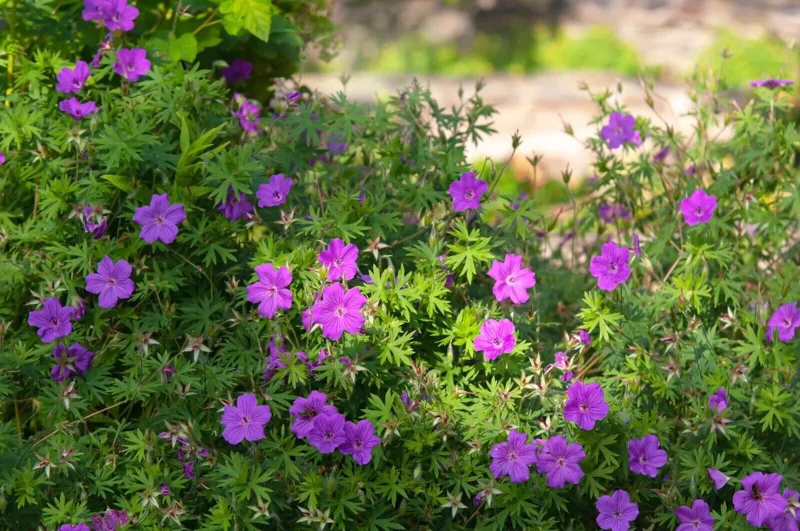
Flower Bulbs
3 Cranesbill Wild Geranium Organic Maculatums Bare Roots | Wildflower for Outdoor Garden
Sold 114 products
Original price was: $21.99.$6.99Current price is: $6.99.
Sold 114 products
Original price was: $28.99.$17.99Current price is: $17.99.RELATED posts
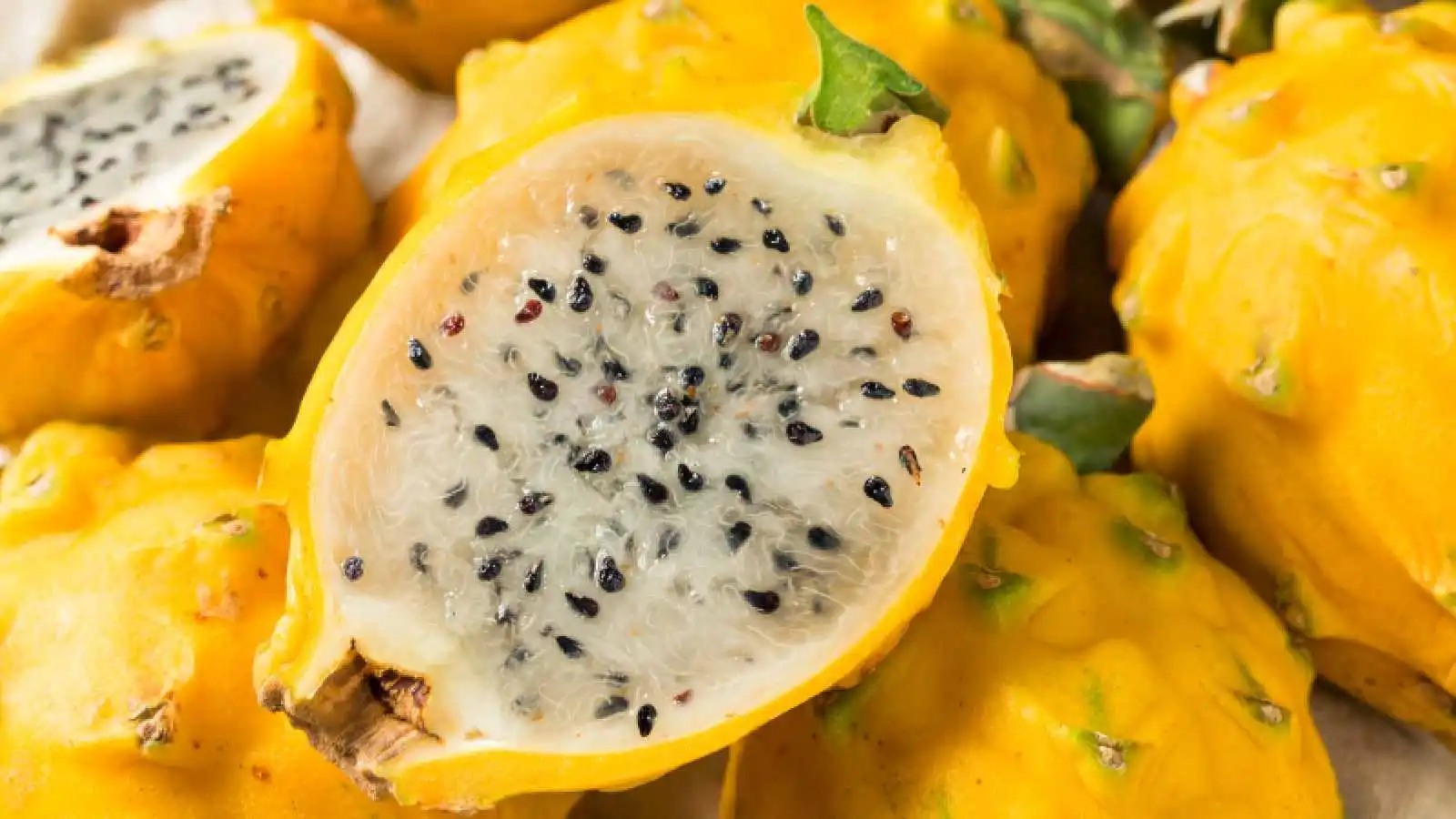
Yellow Dragon Fruit Plant Care: The Ultimate Guide for Healthy Growth
The yellow dragon fruit plant is a unique and rewarding addition to any home garden, [...]
Apr
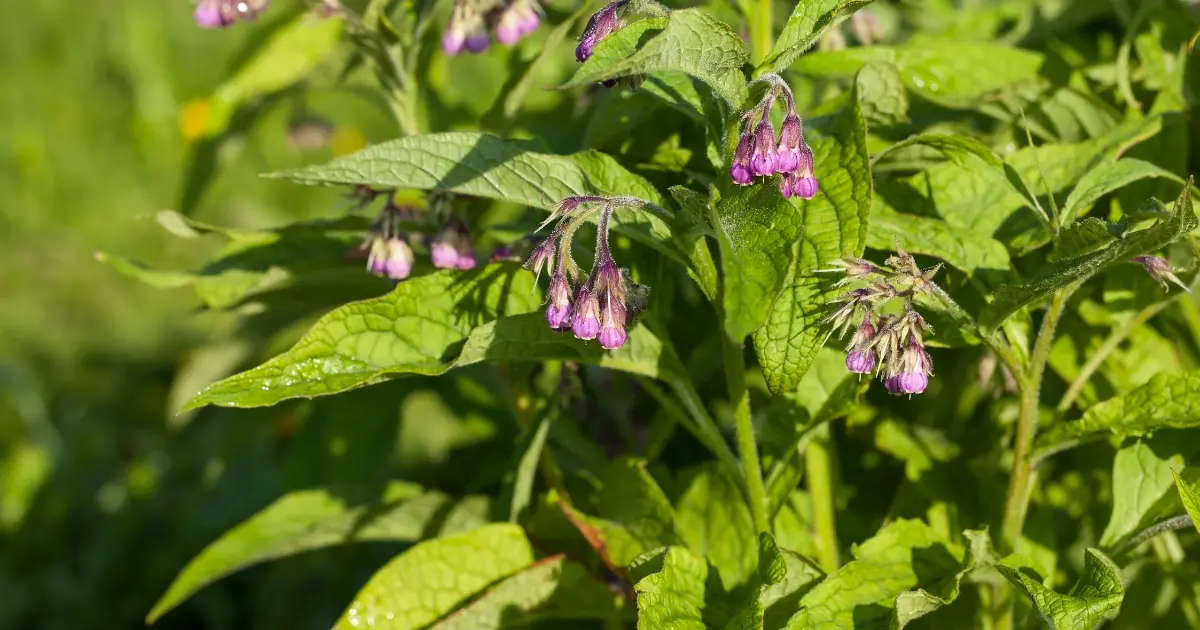
How to Identify Bocking 14 Comfrey: 5 Simple Visual Signs
If you’re growing comfrey for mulch, compost, or animal feed, knowing exactly which variety you [...]
Mar
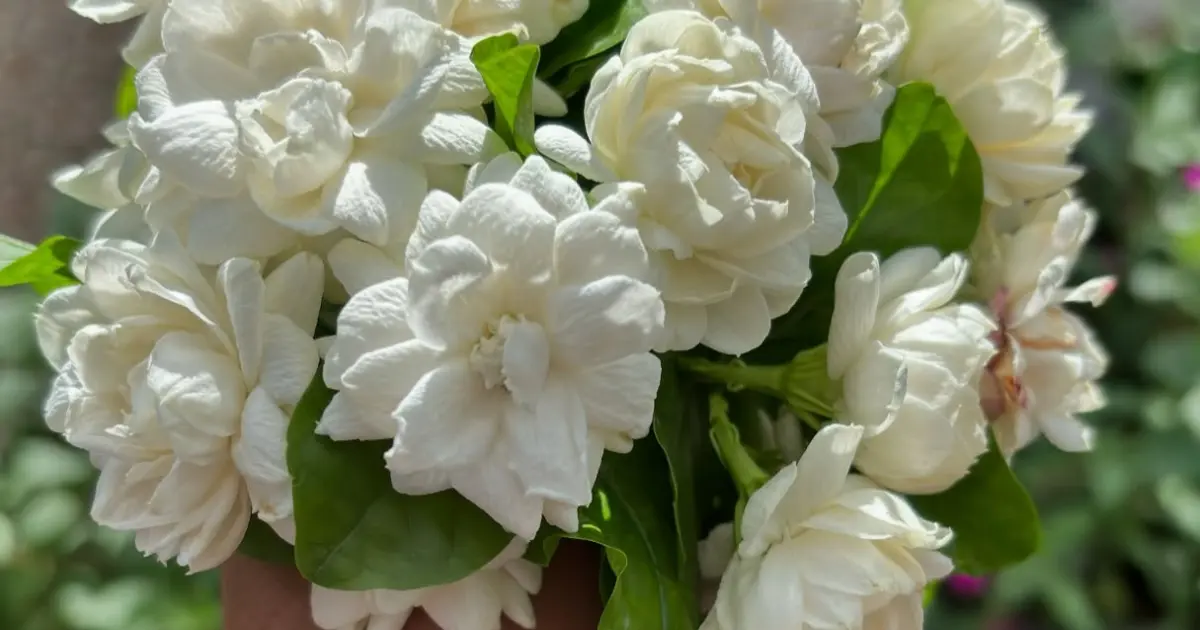
Grand Duke of Tuscany Jasmine: The Ultimate Guide to Growing a Fragrant Masterpiece
Have you ever caught a scent in the air so rich, creamy, and honey-sweet that [...]
Mar
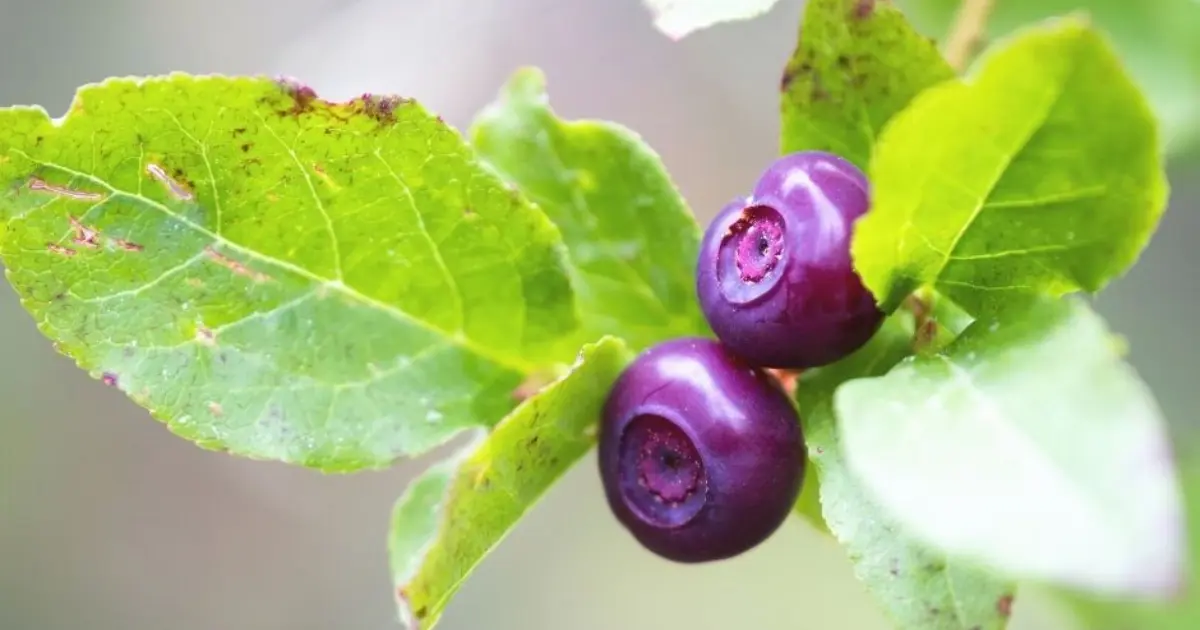
How to Grow Wild Huckleberries: A Guide to “Purple Gold”
Have you ever spent a summer afternoon hiking through the Pacific Northwest or the Rocky [...]
Mar
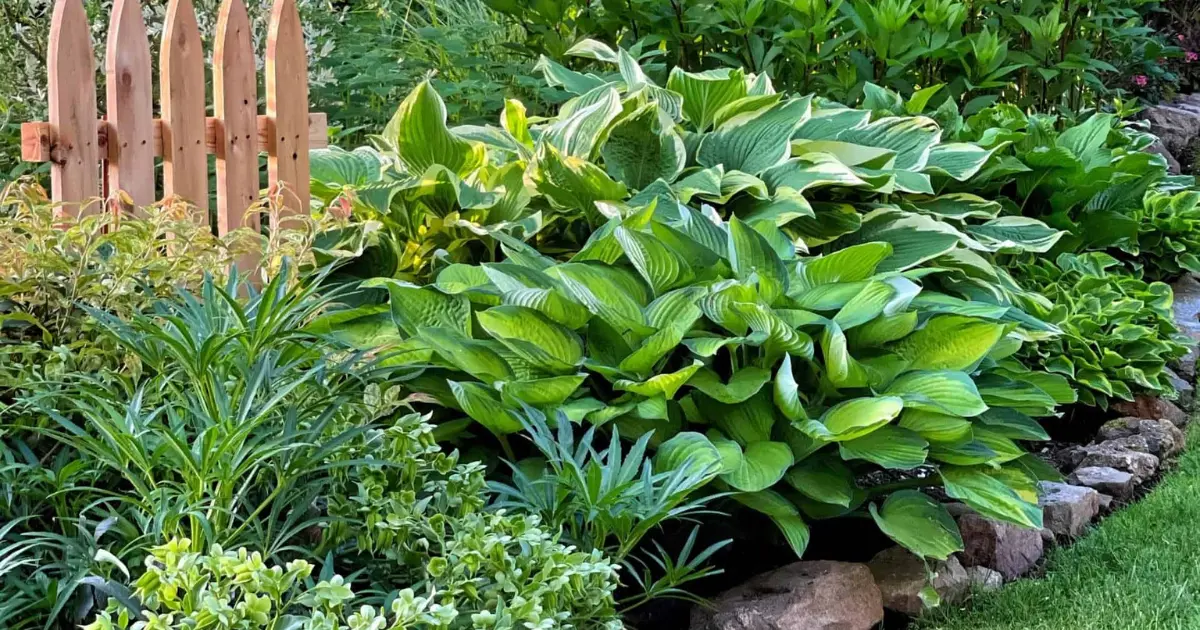
5 Best Shade-Loving Perennials for a Lush, Vibrant Garden
The world of gardening often shines a spotlight on sun-drenched blossoms, but there is a [...]
Mar

7 Common Curry Leaf Plant Problems: Easy Fixes for a Thriving Plant
Is your curry leaf plant looking a bit sad lately? Maybe you woke up to [...]
Mar
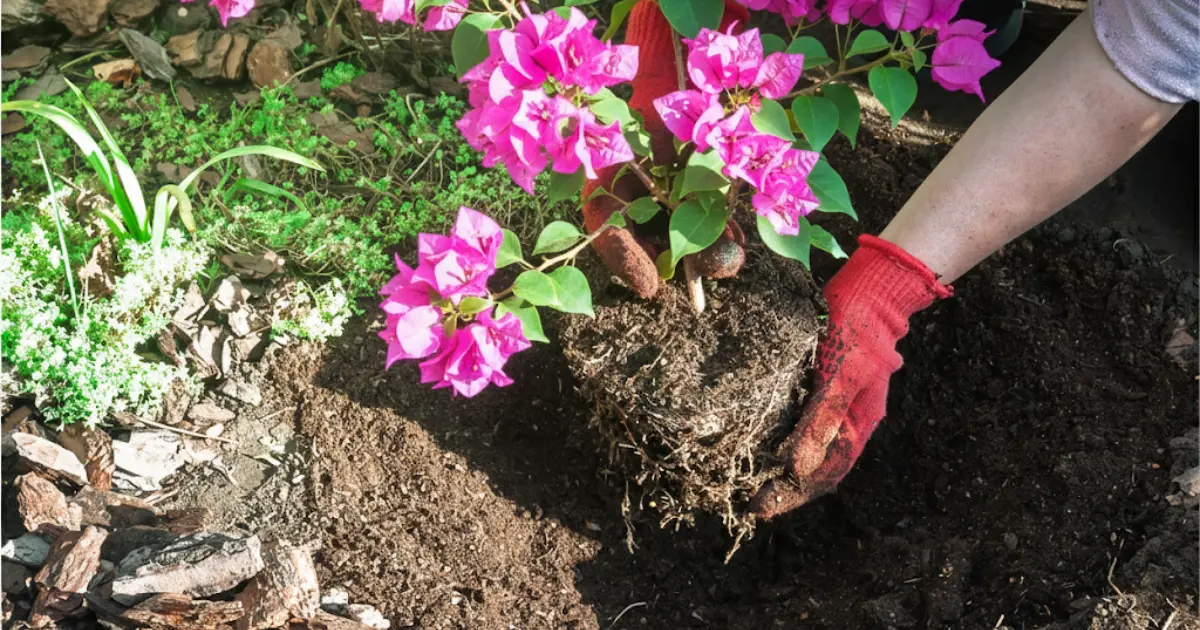
Best Time to Plant Bougainvillea: Timing for Vibrant Blooms
If you’re looking for a hardy tropical vine that delivers a riot of neon color, [...]
Feb
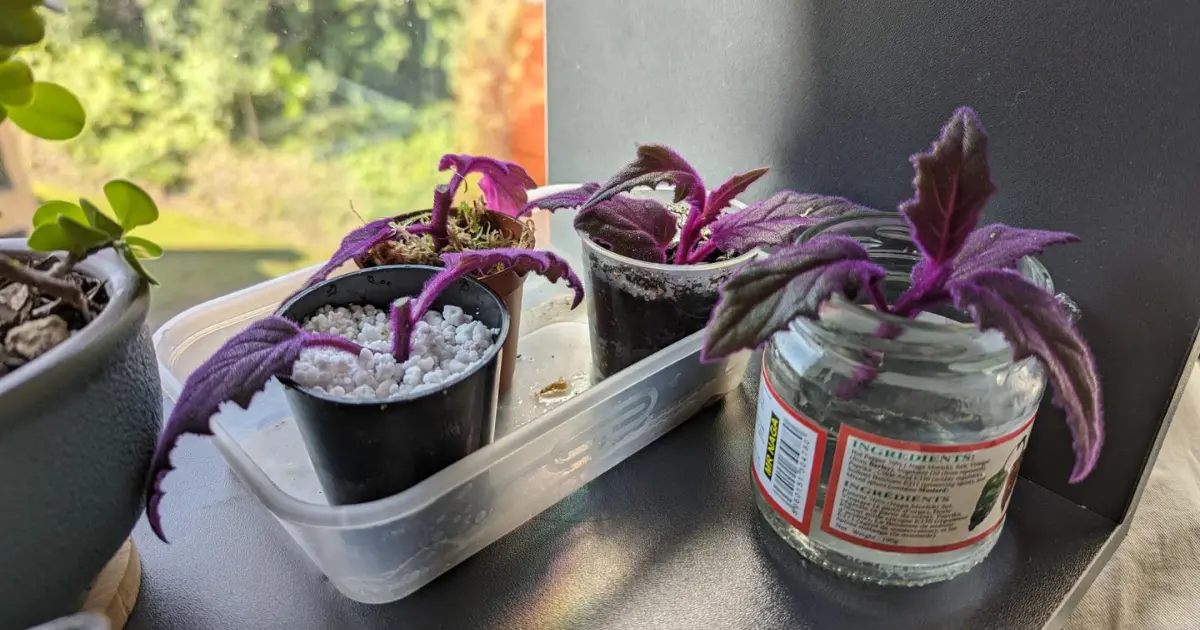
How to Propagate Purple Passion Plants (Gynura aurantiaca)
Have you ever been mesmerized by the neon-purple glow and fuzzy, velvet-like leaves of a [...]
Feb

Reviews
There are no reviews yet.