
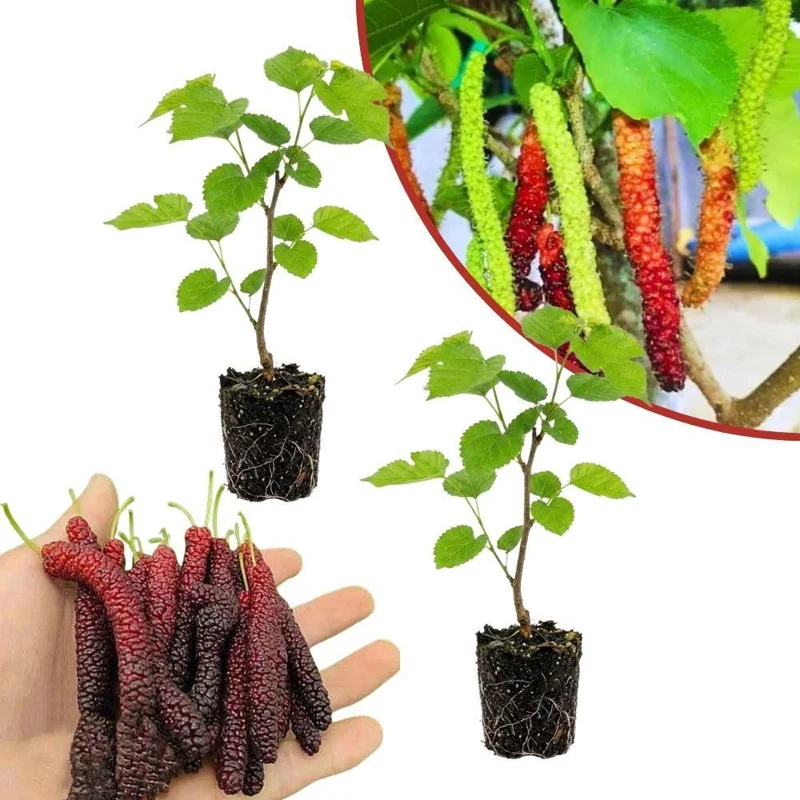
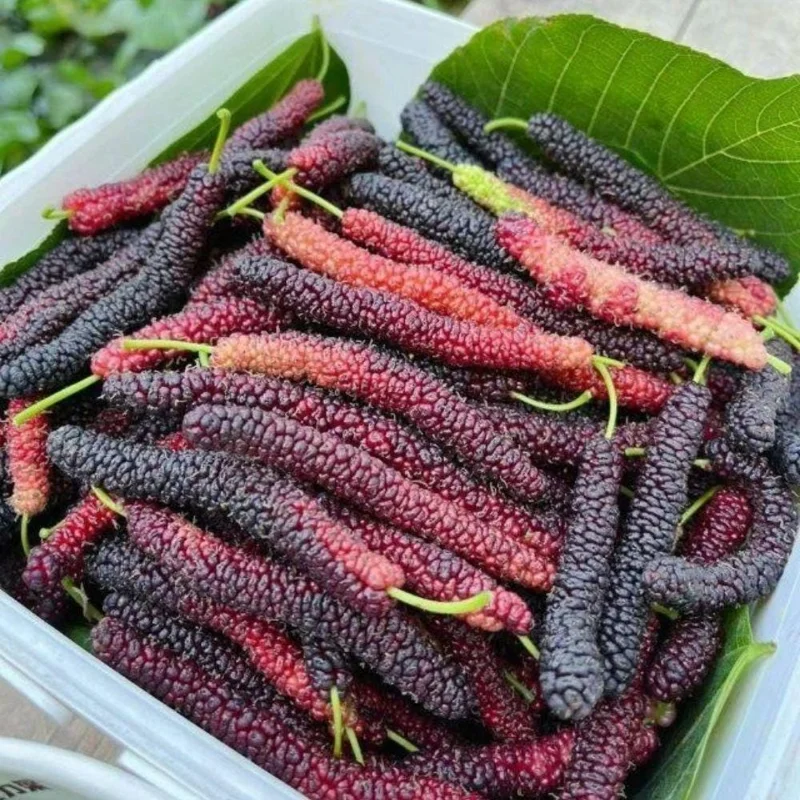
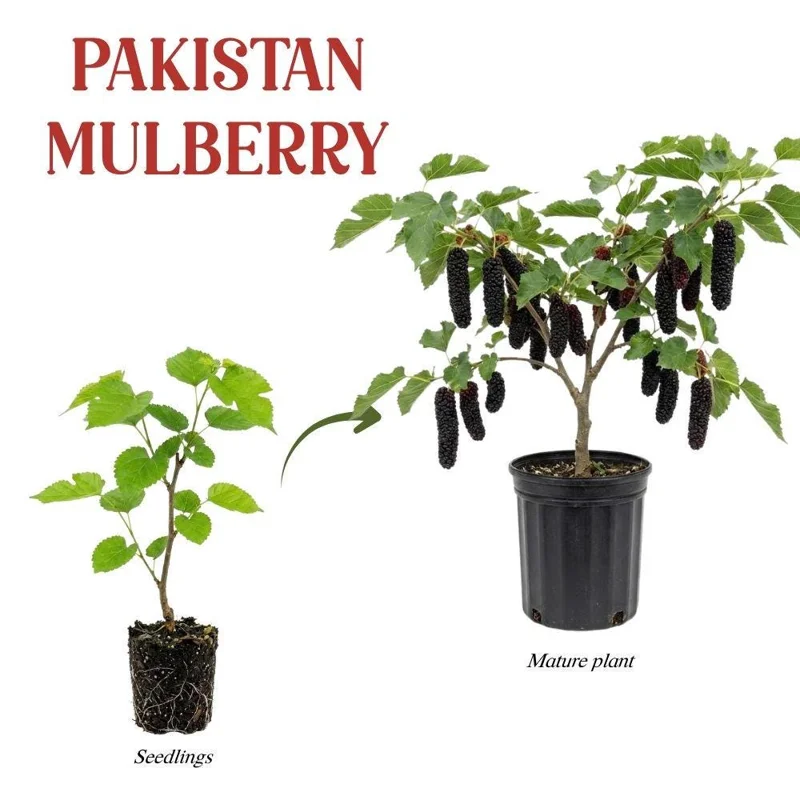
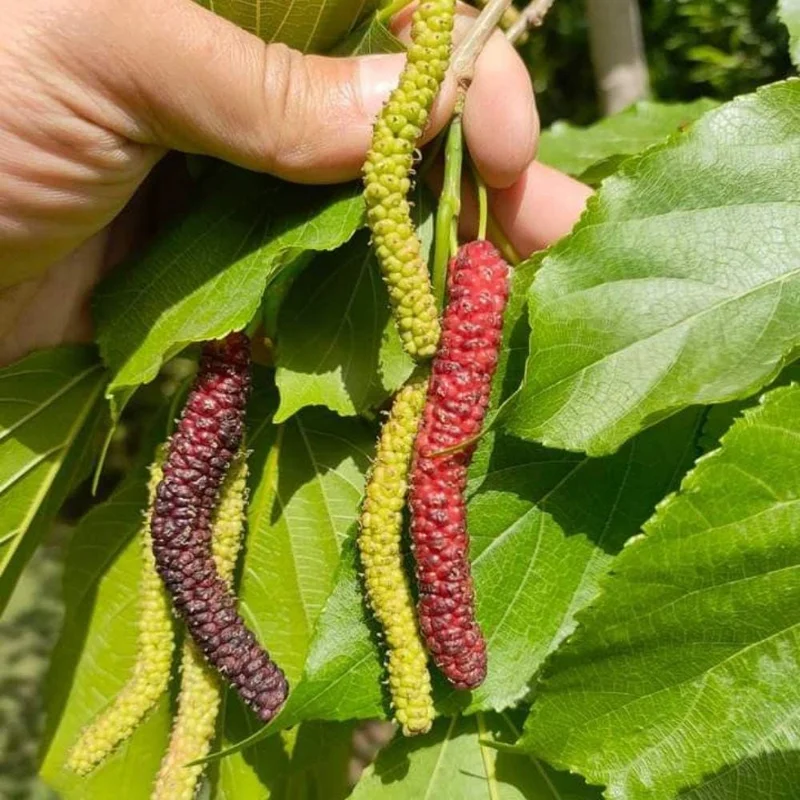
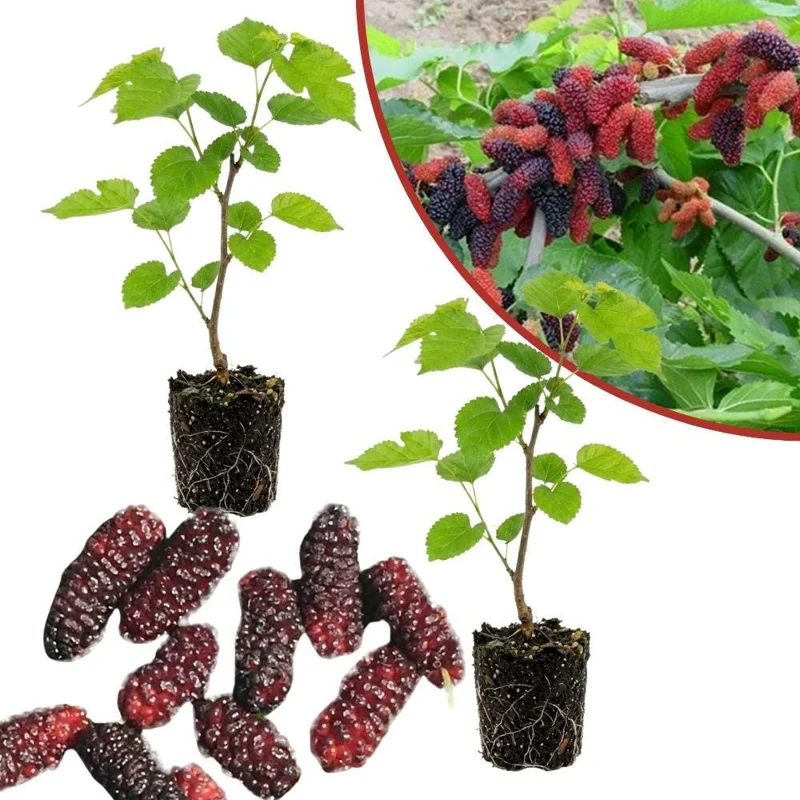
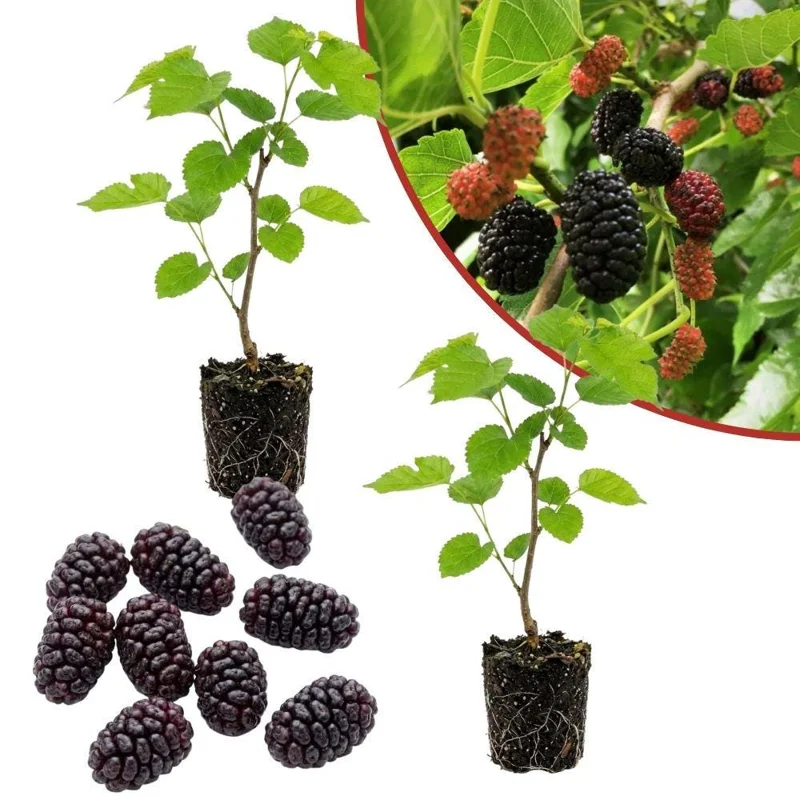

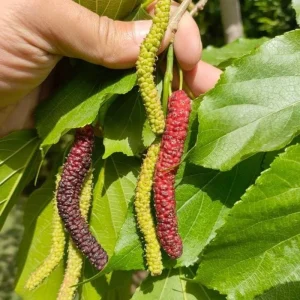
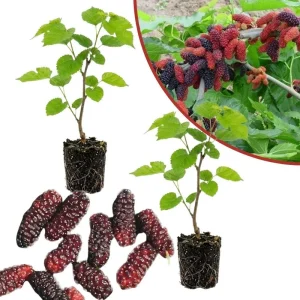
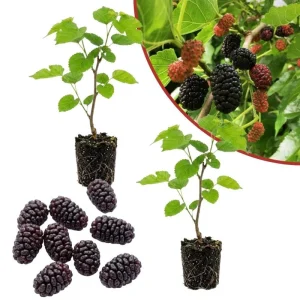
Mulberry Live Fruit Plant – Set of 2, 6-8 Inches Tall, Sweet Berries, Outdoor
Original price was: $63.99.$38.99Current price is: $38.99.
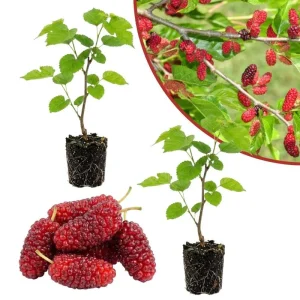
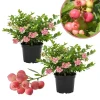
Cultivate your own delicious fruit with this mulberry live plant set. Each of the sweet mulberry tree saplings stands 6-8 inches tall, ready for planting mulberry tree in your outdoor garden or orchard. Enjoy fresh berries for years to come.
Estimated arrival
Apr 11
Apr 16 - Apr 18
Apr 21 - Apr 25

Reasonable Price
We offer reasonable price

Support 24/7
Contact us 24 hrs a day

100% Money Back
You've 30 days to Return

Payment Secure
100% secure payment
Overview
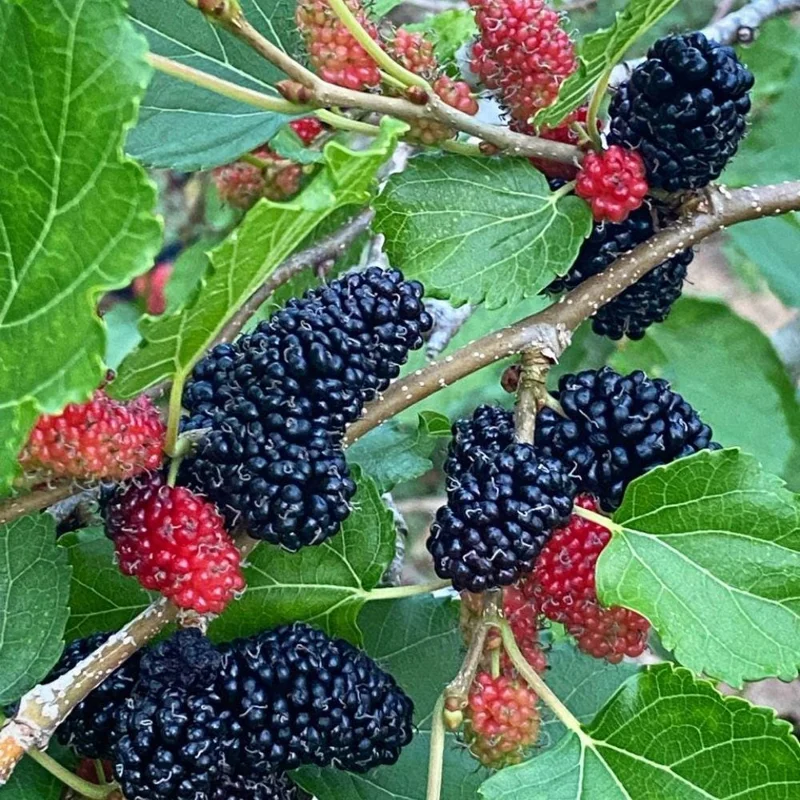
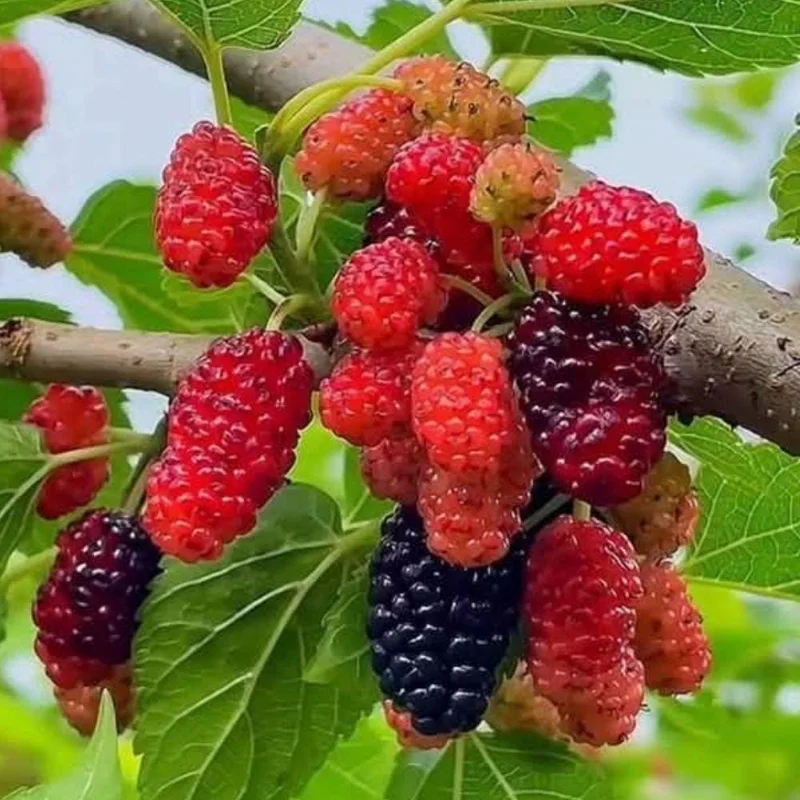
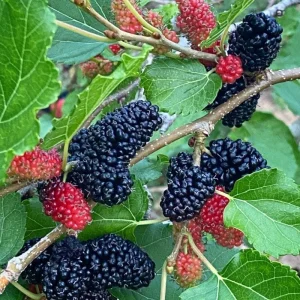
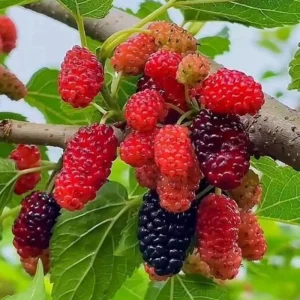
Bring the joy of home-grown fruit to your garden with this set of two mulberry live plant saplings. Known for their lush foliage and abundant, dark, sweet berries, mulberries are a fantastic addition to any outdoor space. These deciduous fruit trees provide both aesthetic beauty with their dense green leaves and a bountiful harvest of delicious fruit. Perfect for creating shade, enhancing landscapes, or starting an orchard, these young mulberry plants are an excellent choice for gardeners looking to cultivate their own produce. Each plant measures 6-8 inches tall, offering a great starting point for establishing a productive and beautiful sweet mulberry tree that will thrive in sunny environments.
Mulberry trees are celebrated for their adaptability and the versatility of their fruit, which can be enjoyed fresh, baked into pies, or processed into jams and jellies. Beyond their culinary appeal, they contribute significantly to the local ecosystem, attracting birds and beneficial insects. Whether you’re an experienced horticulturist or just beginning your journey with fruit trees, these mulberry live plant specimens offer a rewarding growing experience, culminating in a seasonal yield of succulent berries.
Key Benefits
These mulberry live plant saplings offer numerous advantages for your garden and culinary endeavors, making them a superb investment for any home:
-
Abundant Fruit Production: Enjoy a generous harvest of dark, juicy berries during the growing season. The fruit of the sweet mulberry tree is perfect for fresh eating, baking, and making preserves, providing a sustainable source of delicious produce.
-
Enhanced Landscape Appeal: With their dense green foliage, mulberry trees add significant visual interest and structure to any garden or outdoor landscape. They provide natural shade, creating cooler, more comfortable areas during warmer months.
-
Versatile Culinary Uses: The berries can be used in a wide array of culinary preparations, from fresh snacks and smoothies to pies, tarts, jams, and jellies. This versatility makes the mulberry a highly desirable fruit tree for any home chef.
-
Easy to Grow and Adaptable: Mulberry trees are known for their resilience and ability to adapt to various sunny environments and soil conditions. This makes the planting mulberry tree project straightforward for gardeners of all skill levels, ensuring a higher chance of success.
-
Supports Local Wildlife: The fruit-bearing nature of the mulberry tree attracts various birds and other beneficial wildlife, contributing to the biodiversity and ecological health of your garden space.
-
Long-Term Investment: Once established, a mulberry tree can provide fruit for many years, becoming a lasting and valuable addition to your property. Proper mulberry plant care ensures a healthy, productive tree for decades.
Plant Care & Growing Tips
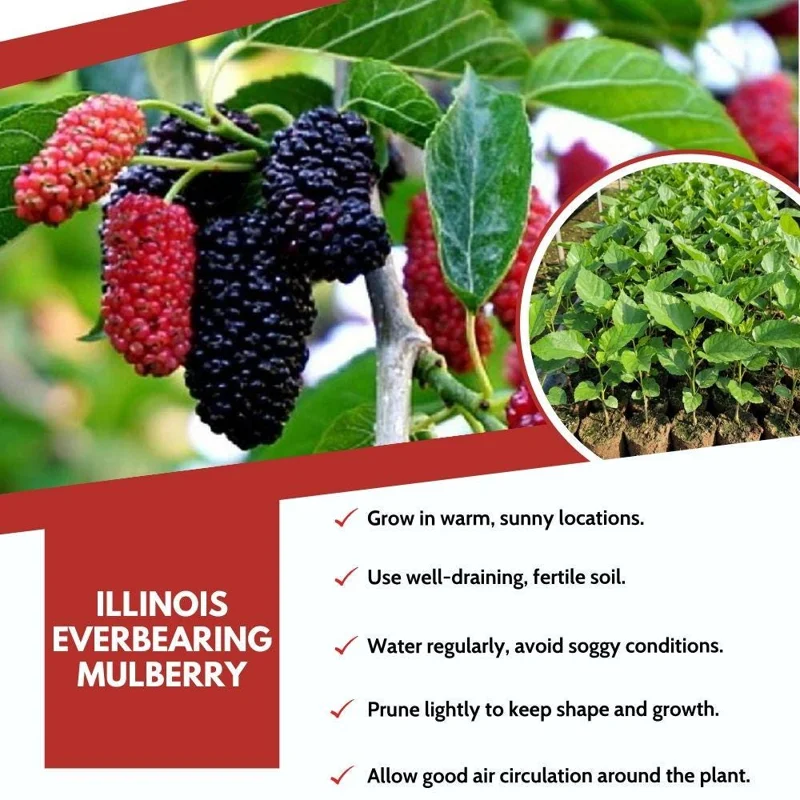
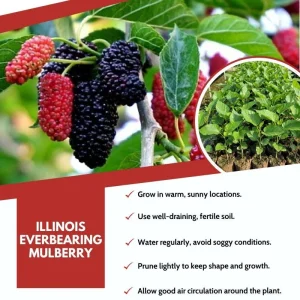
Caring for your mulberry live plant is relatively straightforward, ensuring a healthy and productive tree for years to come. Mulberries thrive in full sun, requiring at least 6-8 hours of direct sunlight daily for optimal fruit production. When it comes to watering, young plants need consistent moisture, especially during dry spells. Once established, they become more drought-tolerant but will benefit from regular watering during fruiting periods. Good drainage is crucial; mulberries prefer well-drained soil, so avoid waterlogged conditions that can lead to root rot. A slightly acidic to neutral soil pH (6.0-7.0) is ideal.
For successful planting mulberry tree, prepare your soil by amending it with compost to improve fertility and drainage. Dig a hole twice as wide as the root ball and just as deep. Place the plant in the hole, ensuring the top of the root ball is level with the ground, then backfill and water thoroughly. Fertilize in early spring with a balanced slow-release fertilizer designed for fruit trees to support vigorous growth and fruit development. Pruning should be done in late winter or early spring to remove dead or diseased branches, thin out crowded areas, and shape the tree. Keep an eye out for common pests like aphids or scale insects and treat them with organic pest control methods if necessary. With proper mulberry plant care, your tree will flourish.
Mulberries are generally hardy and disease-resistant, making them a low-maintenance choice for many gardeners. They can tolerate a range of temperatures, but protection from harsh winter winds may be beneficial for younger plants in colder climates. Understanding the specific needs for outdoor fruit tree cultivation will ensure your mulberry provides a bountiful harvest. Mulching around the base of the tree can help retain soil moisture, suppress weeds, and regulate soil temperature, further aiding in the healthy development of your mulberry live plant.
Size & Details
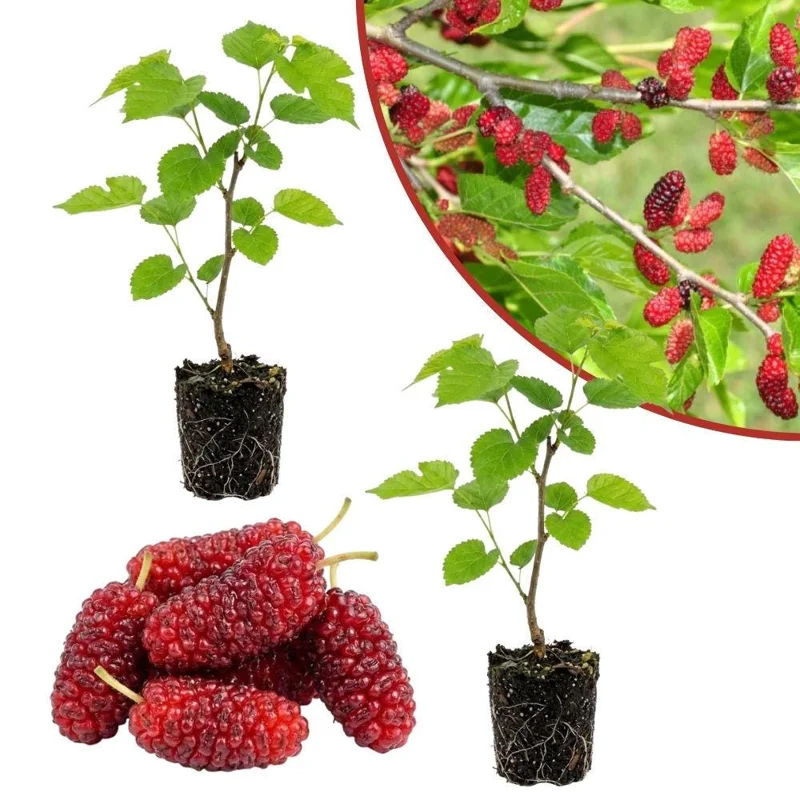
This offering includes a set of two mulberry live plant saplings, each standing approximately 6-8 inches tall from the base of the root system to the tip of the foliage. These young plants are typically shipped in nursery pots, ensuring their root systems are protected and ready for planting upon arrival. Mulberries are known for their moderate to fast growth rate, and with proper care, these saplings will quickly establish themselves and begin to mature into productive fruit-bearing trees. Expect the plants to start producing fruit within 2-3 years, with yields increasing as the tree grows larger and more established.
Mulberry trees can eventually reach heights of 20-30 feet, with a similar spread, though they can be pruned to maintain a smaller, more manageable size for backyard gardens. They are typically deciduous, losing their leaves in the fall and regrowing them in the spring, signaling the start of a new growing season. These plants are ideal for outdoor fruit tree cultivation and are perfect for those starting an orchard or simply wishing to add a productive and ornamental tree to their landscape. The robust nature of these young plants makes them an excellent choice for a long-term addition to your garden.
Frequently Asked Questions
-
Q: How big will the mulberry live plant grow? A: With proper care, a mulberry live plant can grow to be 20-30 feet tall and equally wide. However, it can be pruned to maintain a smaller, more manageable size suitable for most home gardens, making it a versatile outdoor fruit tree.
-
Q: How much sunlight does a sweet mulberry tree need? A: For optimal growth and fruit production, a sweet mulberry tree requires full sun, meaning at least 6-8 hours of direct sunlight per day. This ensures the best development of its delicious fruit.
-
Q: When is the best time for planting mulberry tree saplings? A: The best time for planting mulberry tree saplings is typically in early spring or late fall when the weather is cooler and the plant is dormant or just beginning to emerge from dormancy. This allows the roots to establish before extreme temperatures.
-
Q: Is mulberry plant care difficult for beginners? A: No, mulberry plant care is generally considered easy, even for beginners. They are quite resilient, adapt well to various conditions, and are less prone to serious pest or disease issues compared to some other fruit trees.
-
Q: What condition will the mulberry live plant arrive in? A: Your mulberry live plant saplings will arrive carefully packaged in nursery pots, with their root systems protected. They will be 6-8 inches tall and ready for immediate planting in your garden.
-
Q: Can I grow this mulberry live plant in a container? A: While mulberries prefer to be planted in the ground for maximum growth, they can be grown in large containers, especially dwarf varieties or if regularly pruned. Ensure the container has excellent drainage and is sufficiently large to accommodate root growth.
-
Q: How long until the mulberry live plant produces fruit? A: Typically, a young mulberry live plant will begin to produce fruit within 2-3 years after planting. Fruit production will increase as the tree matures and establishes itself in your garden.
-
Q: What are the best uses for the fruit from a sweet mulberry tree? A: The fruit from a sweet mulberry tree is incredibly versatile. It’s excellent for fresh eating, smoothies, pies, tarts, jams, jellies, and even wine. Its sweet and slightly tart flavor makes it a delightful addition to many recipes.
-
Q: What USDA hardiness zones are suitable for mulberry trees? A: Most mulberry varieties are hardy in USDA Zones 5-9. This allows them to thrive in a wide range of climates, tolerating both colder winters and warmer summers, making them a great choice for an outdoor fruit tree.
-
Q: Does this mulberry live plant require cross-pollination? A: Many mulberry varieties are self-fertile, meaning a single tree can produce fruit without the need for another mulberry tree for cross-pollination. This makes them convenient for smaller gardens or single plantings.
| Style | Dwarf Mulberry, Illinois Mulberry, Pakistan Mulberry, Red Mulberry |
|---|
Be the first to review “Mulberry Live Fruit Plant – Set of 2, 6-8 Inches Tall, Sweet Berries, Outdoor”
-
USDA Hardiness Zone
USDA Zones 5-9 -
Soil Type
Well-draining soil -
Sunlight Exposure
Full sun -
Expected Planting Period
Early spring to late fall
People Also Viewd
Sold 128 products
Original price was: $89.99.$64.99Current price is: $64.99.
Sold 128 products
Original price was: $159.99.$139.99Current price is: $139.99.
Sold 128 products
Original price was: $27.00.$24.00Current price is: $24.00.
Sold 126 products
Original price was: $3,536.00.$23.99Current price is: $23.99.

Sold 125 products
Original price was: $86.99.$66.99Current price is: $66.99.
Sold 116 products
Original price was: $27.99.$16.99Current price is: $16.99.
Flower Bulbs
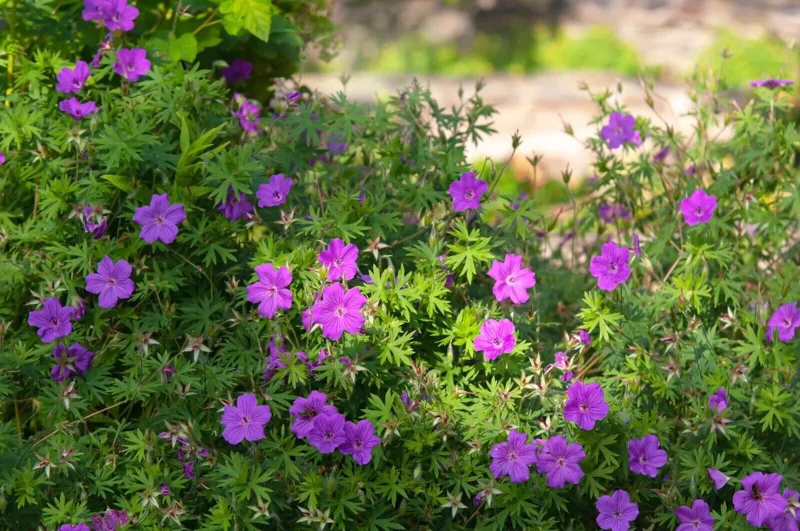
3 Cranesbill Wild Geranium Organic Maculatums Bare Roots | Wildflower for Outdoor Garden
Sold 114 products
Original price was: $21.99.$6.99Current price is: $6.99.
Sold 114 products
Original price was: $28.99.$17.99Current price is: $17.99.RELATED posts
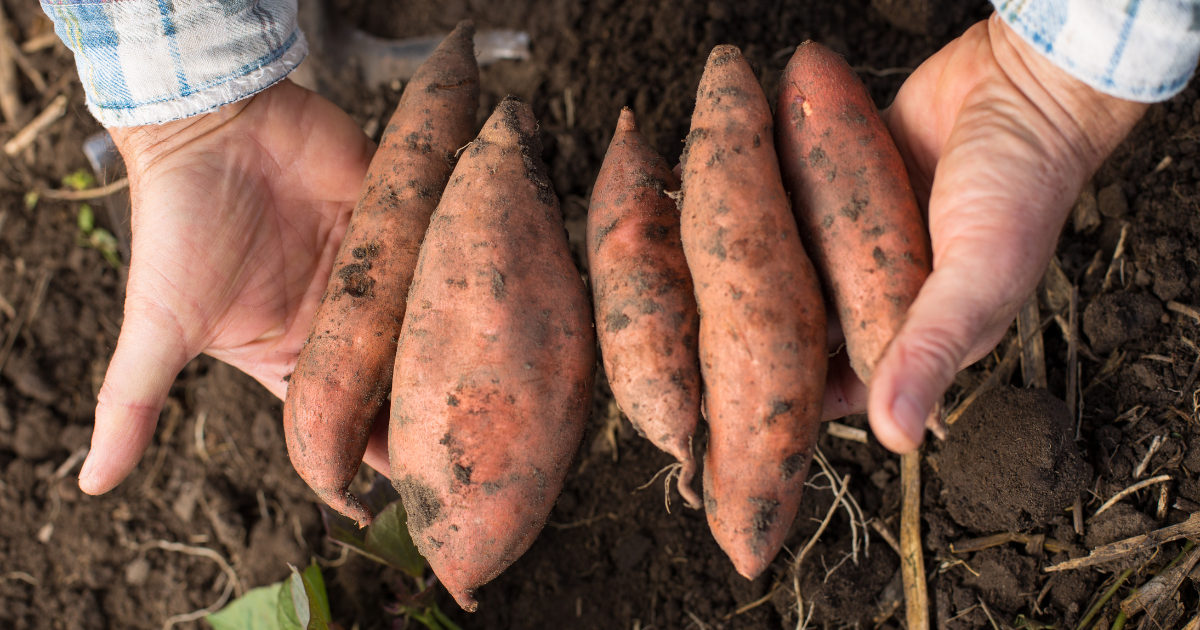
5 Tips for Growing Sweet Potatoes to Get the Biggest Sweet Potato Harvest Ever
If you are a fan of sweet potatoes, then these tips for growing sweet potatoes [...]
Apr
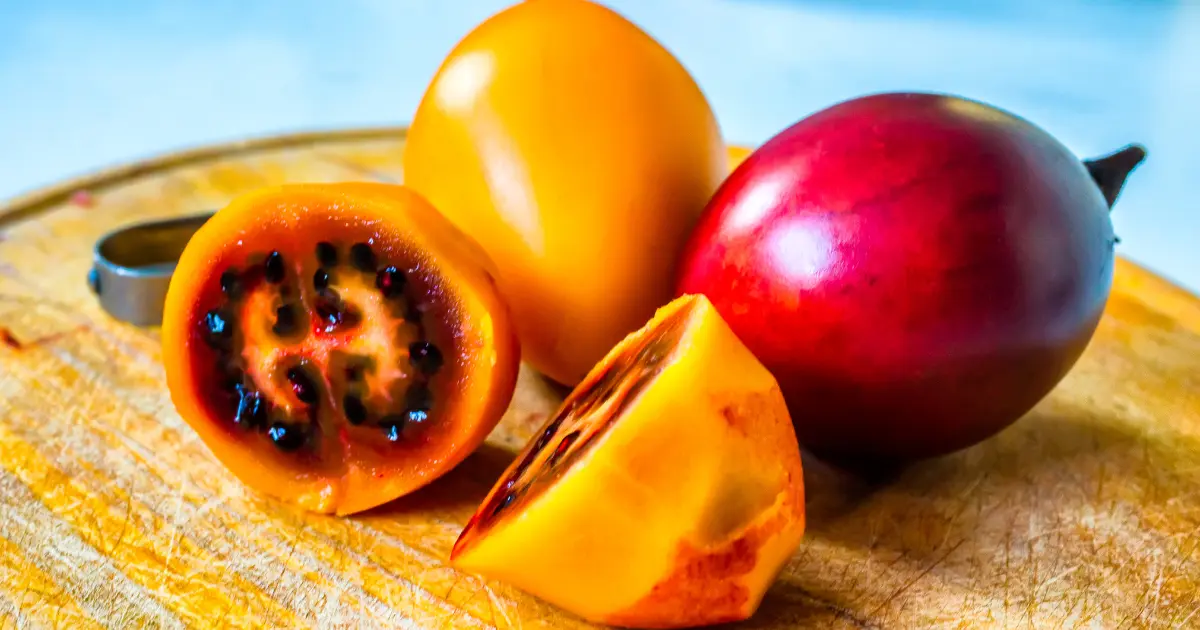
Tamarillo Tree Guide: Flavor, Texture & How to Eat Tree Tomatoes
The humble tomato is a kitchen staple we all know and love, but it rarely [...]
Apr
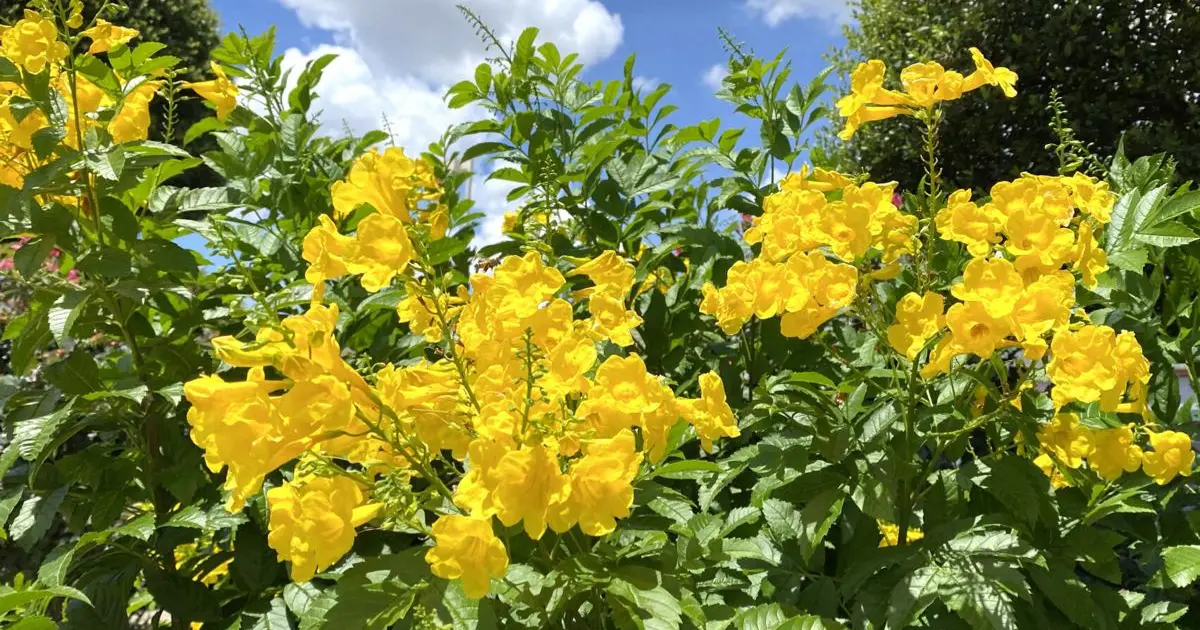
5 Pro Tips to Grow Esperanza ‘Gold Star’ Indoors: A Golden Glow for Your Home
While most gardeners know this Texas Superstar – Esperanza ‘Gold Star’ as a rugged outdoor [...]
Apr
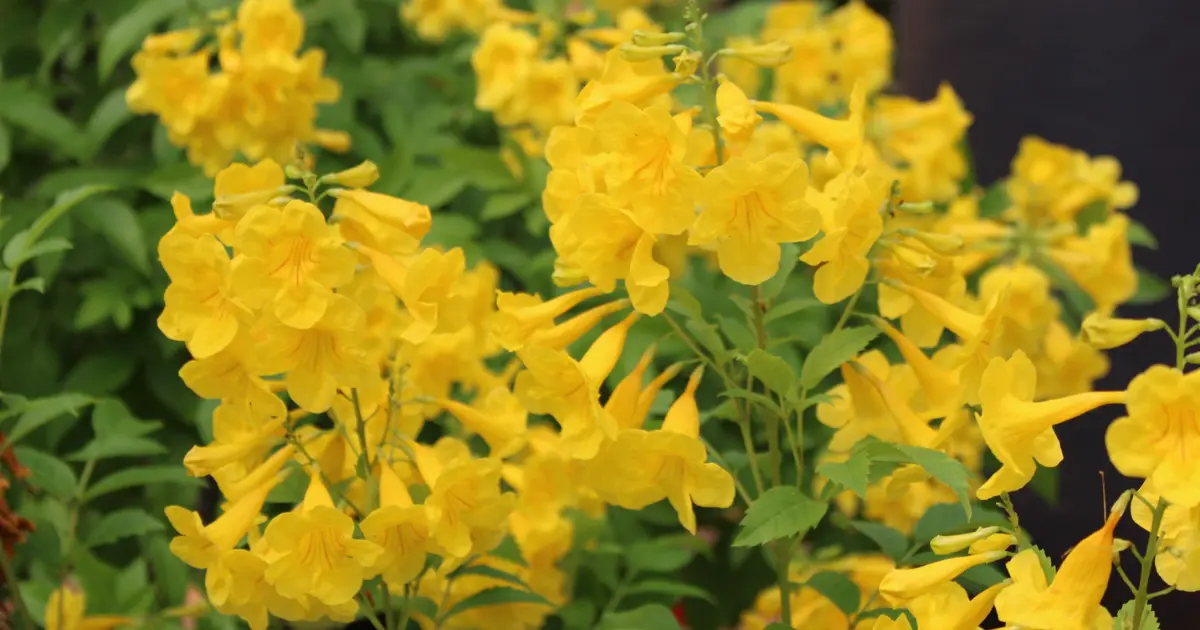
Mastering Esperanza Goldstar: Grow the Ultimate Yellow Bloom
Esperanza Goldstar is more than just a heat-tolerant shrub; for the American gardener battling the [...]
Apr
Yellow Dragon Fruit Plant Care: The Ultimate Guide for Healthy Growth
The yellow dragon fruit plant is a unique and rewarding addition to any home garden, [...]
Apr
How to Identify Bocking 14 Comfrey: 5 Simple Visual Signs
If you’re growing comfrey for mulch, compost, or animal feed, knowing exactly which variety you [...]
Mar
Grand Duke of Tuscany Jasmine: The Ultimate Guide to Growing a Fragrant Masterpiece
Have you ever caught a scent in the air so rich, creamy, and honey-sweet that [...]
Mar
How to Grow Wild Huckleberries: A Guide to “Purple Gold”
Have you ever spent a summer afternoon hiking through the Pacific Northwest or the Rocky [...]
Mar
Reviews
There are no reviews yet.