
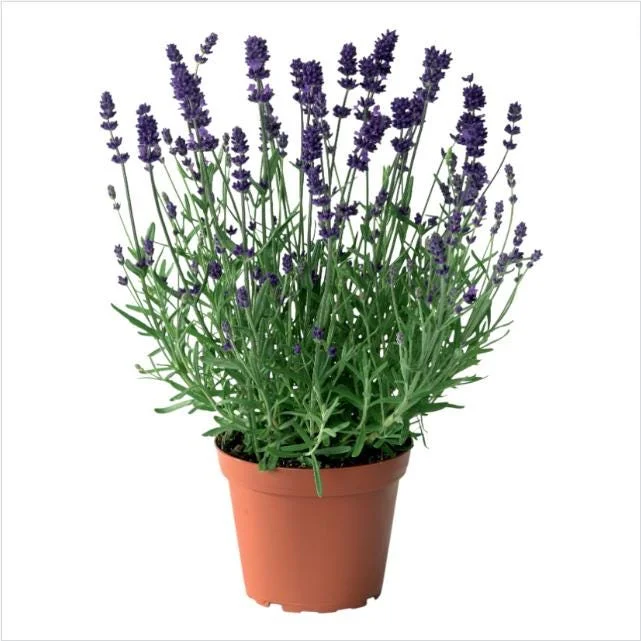
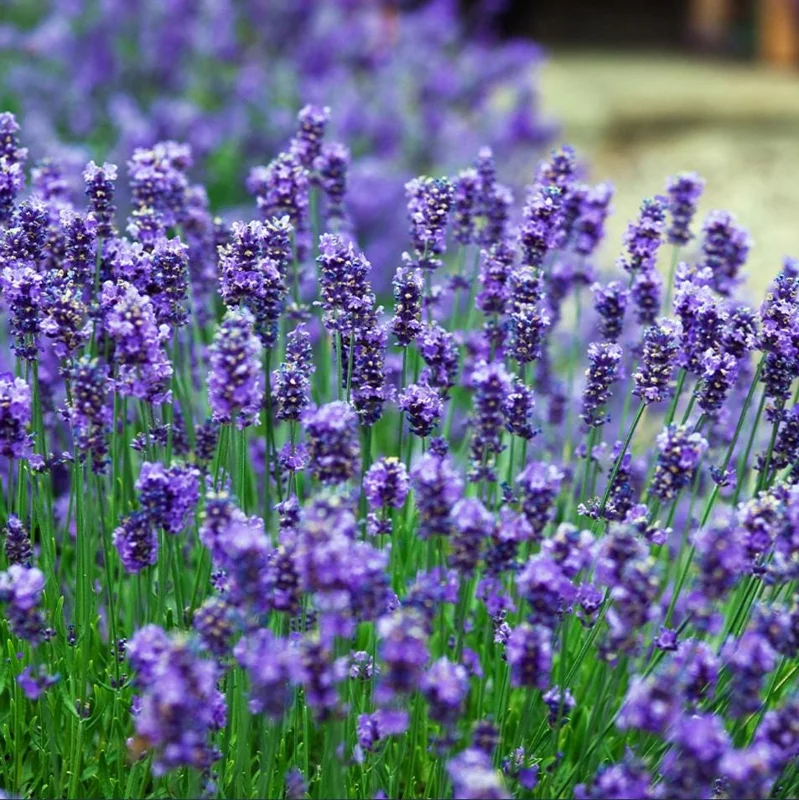
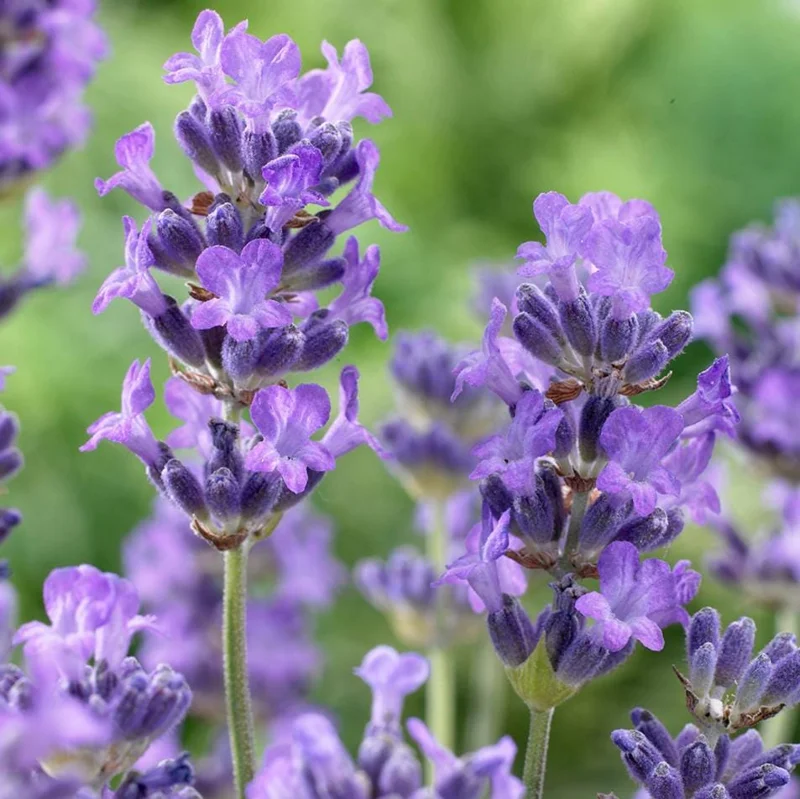
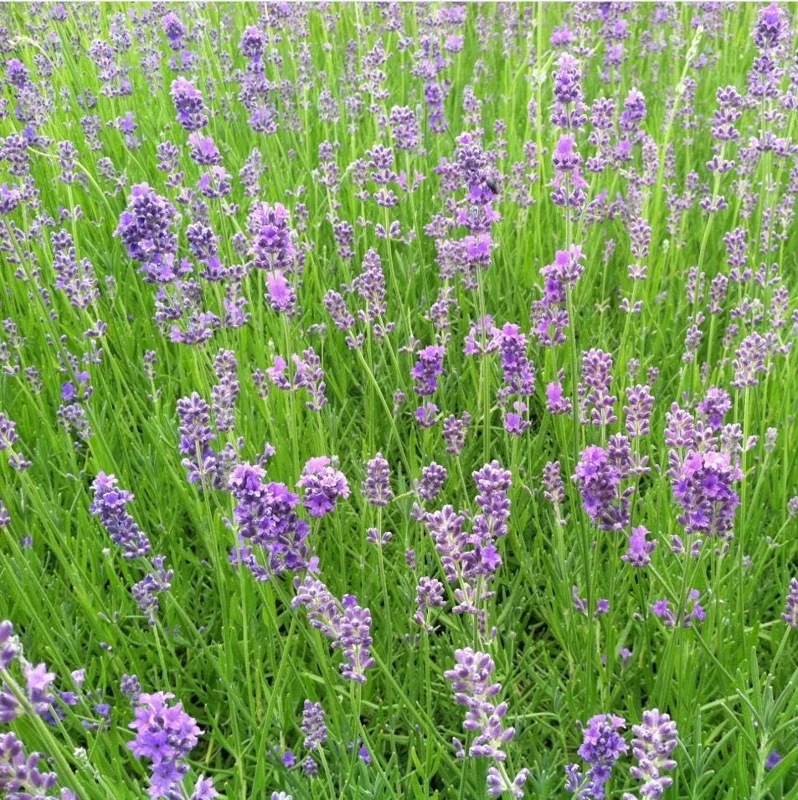
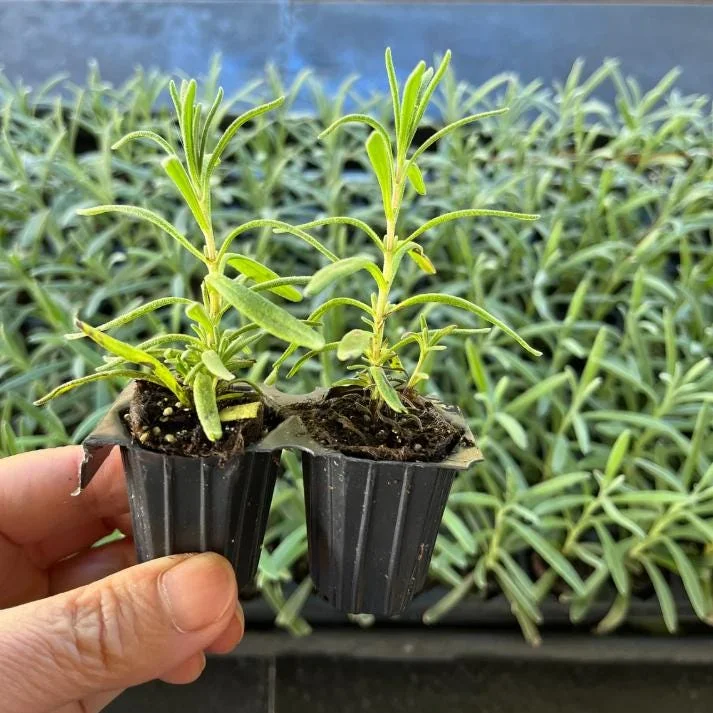
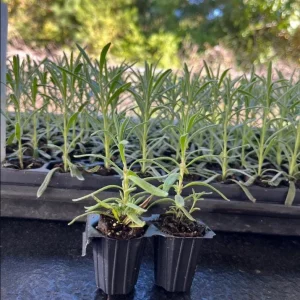
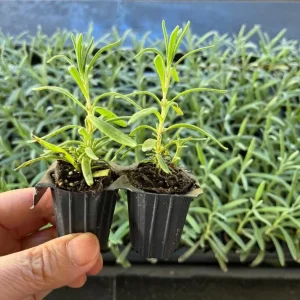
Munstead English Lavender Angustifolia Live Starter Plant Plug – 1-3 Inch Tall
Original price was: $31.99.$11.99Current price is: $11.99.
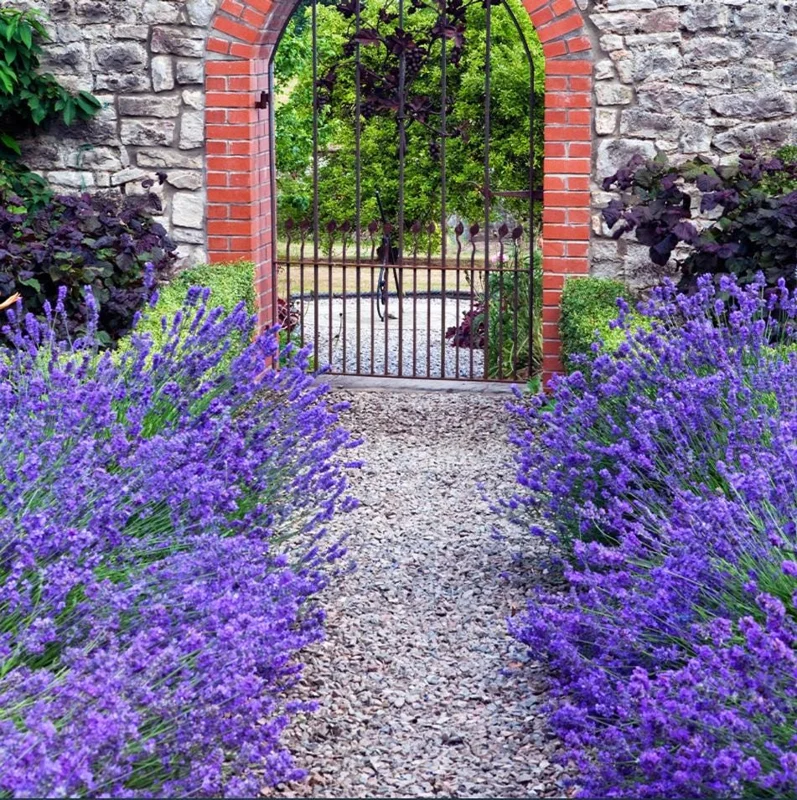
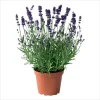
Cultivate the classic beauty of Munstead English Lavender with this healthy, well-rooted starter plant plug. Ideal for fragrant gardens, borders, and containers, this drought-tolerant perennial thrives in full sun, bringing a touch of English charm to your landscape.
Estimated arrival
Mar 20
Mar 25 - Mar 27
Mar 30 - Apr 03

Reasonable Price
We offer reasonable price

Support 24/7
Contact us 24 hrs a day

100% Money Back
You've 30 days to Return

Payment Secure
100% secure payment
Overview
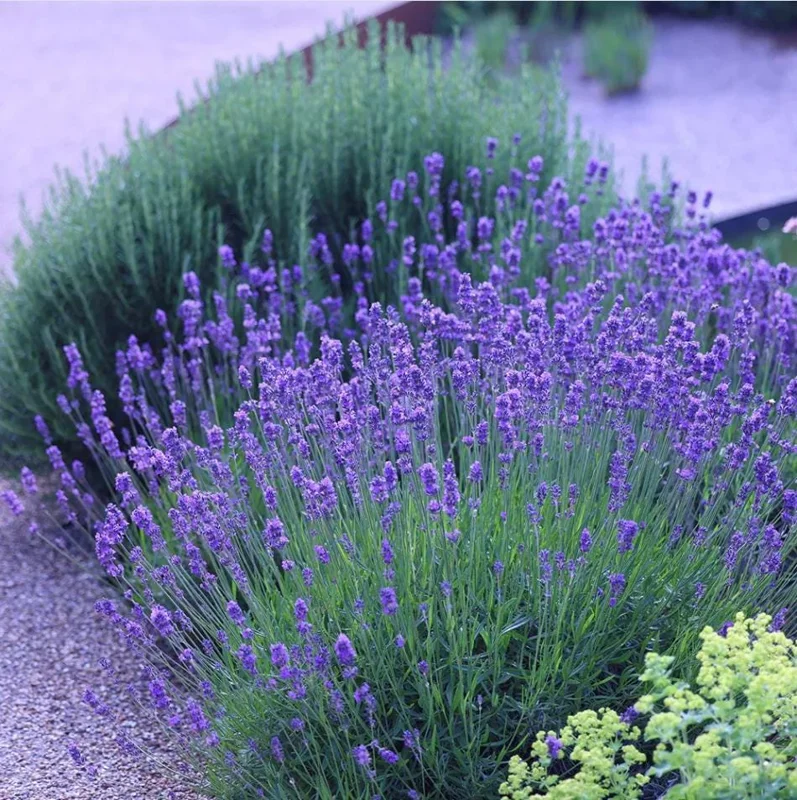
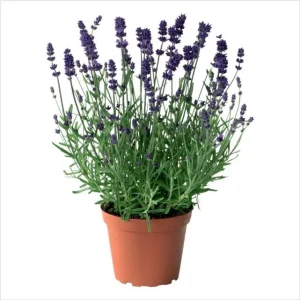
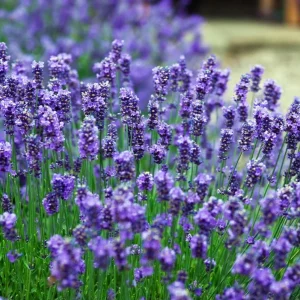
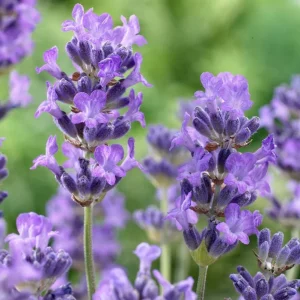
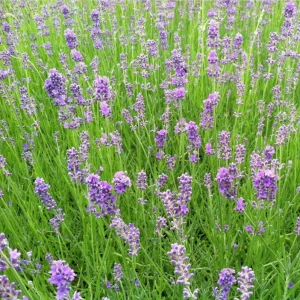
Introduce the timeless elegance and delightful fragrance of Munstead English Lavender (Lavandula angustifolia ‘Munstead’) to your garden. This offering is for one healthy, well-rooted live starter plant plug, ready for planting. Renowned for its compact growth habit and abundant, deep purple flower spikes, ‘Munstead’ is a classic choice for gardeners seeking a hardy and aromatic perennial. Originating from England, this variety is celebrated for its strong, sweet scent, making it perfect for culinary uses, aromatherapy, and attracting pollinators like bees and butterflies. Our starter plant provides a robust foundation for establishing a thriving lavender patch, promising years of beauty and fragrance.
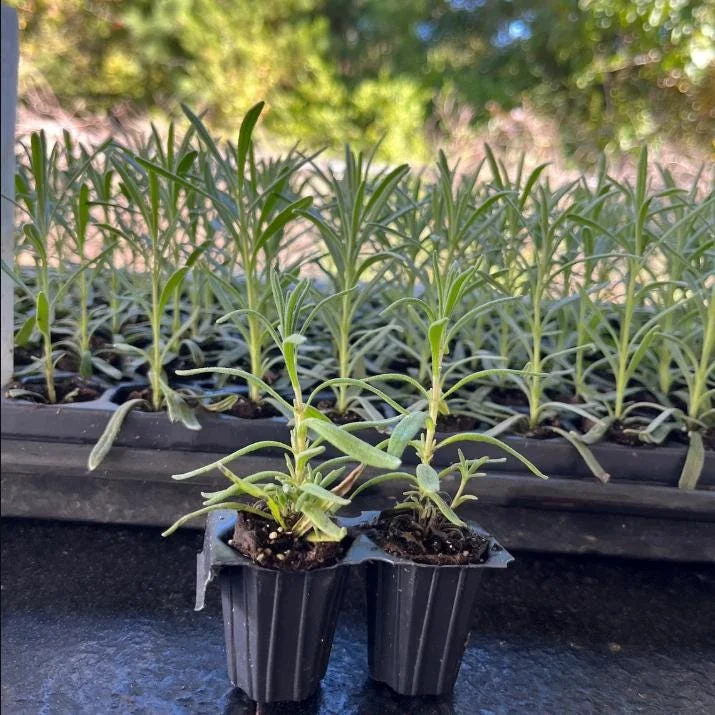
The Munstead English Lavender plug arrives with a strong root system, ensuring it can quickly adapt to its new environment. While it is a young starter plant and will not have flowers upon arrival, it is poised to grow into a mature, floriferous specimen with proper care. This particular cultivar, Lavender Angustifolia Munstead, is highly valued for its cold hardiness and ability to perform well across a wide range of climates, making it a reliable addition to many garden designs. Experience the joy of growing your own fragrant lavender, adding both visual appeal and a soothing aroma to your outdoor space.
Key Benefits
Adding a Munstead English Lavender plant to your garden offers a wealth of advantages beyond its undeniable beauty. This versatile plant is a favorite among gardeners for many reasons:
- Classic Fragrance: Enjoy the iconic, soothing scent of true English lavender, perfect for creating a relaxing atmosphere or for use in potpourri and sachets. The aroma of Munstead English Lavender is known for its calming properties.
- Drought Tolerance: Once established, these plants are highly resilient to dry conditions, requiring minimal watering and making them an excellent choice for water-wise gardening.
- Attracts Pollinators: The vibrant purple blooms are a magnet for bees, butterflies, and other beneficial insects, enhancing your garden’s biodiversity and supporting local ecosystems.
- Culinary & Medicinal Uses: The flowers and leaves of Lavender Angustifolia Munstead are safe for culinary applications, adding a unique flavor to desserts, drinks, and savory dishes. It also has traditional uses in herbal remedies.
- Low Maintenance: This hardy plant thrives with minimal fuss, making it suitable for both experienced and novice gardeners. Its robust nature simplifies garden care.
- Compact Growth Habit: ‘Munstead’ lavender maintains a tidy, mounding form, making it ideal for borders, rock gardens, containers, or mass plantings without becoming leggy.
- Deer & Rabbit Resistant: The strong aromatic oils that make lavender so appealing to humans tend to deter common garden pests like deer and rabbits, protecting your landscape.
Plant Care & Growing Tips
To successfully grow Munstead Lavender and ensure your Munstead English Lavender plant thrives, understanding its specific care requirements is crucial. These plants are generally low-maintenance but flourish under certain conditions. For optimal growth and abundant blooms, provide at least 6-8 hours of direct sunlight per day. Full sun exposure is key to promoting compact growth and maximizing flower production. Avoid planting in shady areas, as this will lead to leggy growth and fewer, weaker blooms. If growing indoors, place it in the brightest south-facing window possible or supplement with a grow light.
When it comes to watering, less is often more for English Lavender care. Water lightly and sparingly, especially when the plant is establishing. Once mature, lavender is remarkably drought-tolerant. The most common mistake is overwatering, which can quickly lead to root rot. Always allow the soil to dry out completely between waterings. You can check the soil moisture by sticking your finger about an inch or two deep; if it feels dry, it’s time to water. Ensure good drainage to prevent waterlogging.
The right soil composition is vital for Lavender Angustifolia Munstead. Lavender prefers well-draining, sandy or loamy soil with a slightly alkaline to neutral pH (6.5-7.5). Heavy clay or poorly drained soils should be amended with sand, gravel, or compost to improve aeration and drainage. Good air circulation around the plant is also beneficial. This variety is hardy in USDA zones 5 through 9, meaning it can tolerate winter temperatures down to -20°F (-29°C) once established. In colder regions, providing winter protection with mulch can be beneficial. Fertilization is rarely needed; an annual light feeding with a balanced, slow-release fertilizer in spring is usually sufficient if your soil is poor.
Size & Details
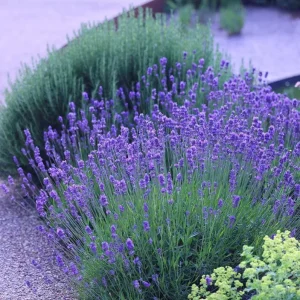
This offering includes one healthy Munstead English Lavender live starter plant plug. Each plug is well-rooted and typically measures 1 to 3 inches tall, providing a strong foundation for future growth. The plant will arrive in a small nursery plug with its root ball intact, ready for transplanting into a larger pot or directly into your garden. While the plant is young and will not be in bloom upon arrival, it will establish quickly and begin producing its characteristic fragrant purple flowers, usually within the first growing season. Mature Munstead English Lavender plants typically grow to a compact size of 12-18 inches tall and wide, forming a beautiful, mounding bush.
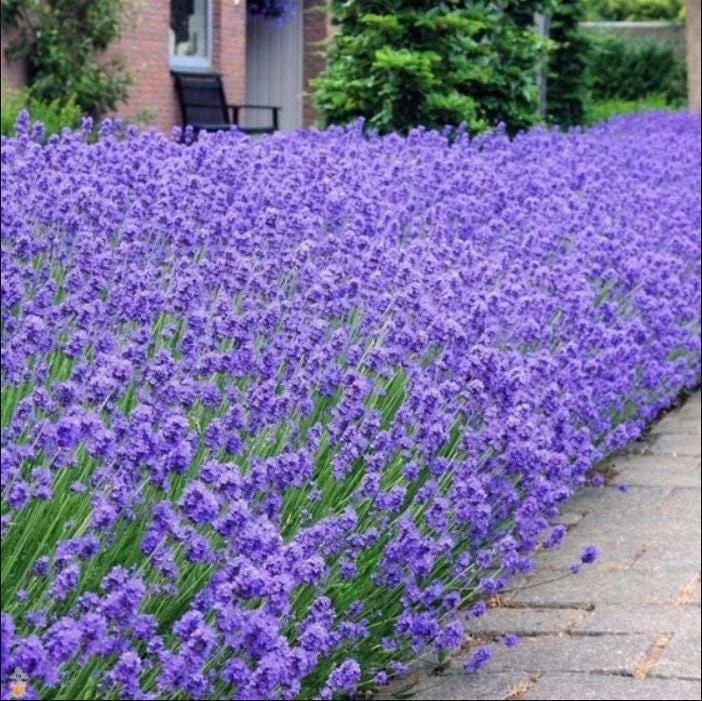
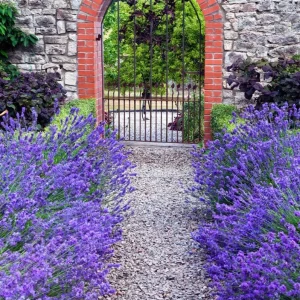
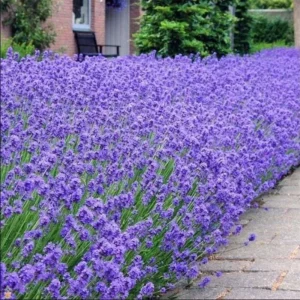
Expect your Munstead English Lavender to reach its full size and flowering potential within one to two years with proper care. It is an excellent choice for creating low hedges, fragrant borders, or adding a touch of classic beauty to container gardens. This plant is shipped carefully to ensure it arrives in optimal condition, ready for you to begin your gardening journey. Its robust nature makes it an enduring addition to any garden, providing both aesthetic appeal and a delightful sensory experience.
Frequently Asked Questions
- Q: How big does this Munstead English Lavender plant get? A: This starter plant will grow into a compact bush, typically reaching 12-18 inches in height and spread at maturity. Its tidy growth habit makes it suitable for various garden applications.
- Q: Is this an indoor or outdoor plant? A: While it can be started indoors, Munstead English Lavender is primarily an outdoor plant. It thrives in full sun and is hardy in USDA zones 5-9, making it ideal for garden beds, borders, and outdoor containers.
- Q: How much sunlight does Munstead English Lavender need? A: For optimal growth and flowering, this lavender variety requires at least 6-8 hours of direct full sun daily. Insufficient light can lead to leggy growth and reduced blooms.
- Q: Is this plant easy to care for? A: Yes, English Lavender care is considered relatively easy. Once established, it is drought-tolerant and requires minimal attention, making it a great choice for beginners and busy gardeners alike.
- Q: What condition will the plant arrive in? A: You will receive one healthy, well-rooted starter plant plug, carefully packaged to ensure it arrives in excellent condition. It will be a young plant, typically 1-3 inches tall, without flowers.
- Q: When is the best time to plant Munstead English Lavender? A: The best time to plant is in spring after the last frost, or in early fall in warmer climates. This allows the plant to establish its root system before extreme temperatures.
- Q: Will it survive winter in my zone? A: Lavender Angustifolia Munstead is hardy in USDA zones 5-9. If you are within these zones, it should reliably overwinter outdoors. In zone 5, some winter protection like mulch can be beneficial.
- Q: Can I use Munstead English Lavender in cooking? A: Absolutely! The ‘Munstead’ variety is excellent for culinary uses, adding a distinctive floral note to baked goods, teas, and savory dishes. Ensure it’s grown without pesticides if intended for consumption.
- Q: What type of soil does Munstead English Lavender prefer? A: It thrives in well-draining, sandy or loamy soil. Good drainage is critical to prevent root rot. Slightly alkaline to neutral soil pH is ideal for grow Munstead Lavender.
- Q: How often should I water this plant? A: Water sparingly. Allow the soil to dry out completely between waterings. Overwatering is the biggest threat to lavender plants, so err on the side of caution.
Be the first to review “Munstead English Lavender Angustifolia Live Starter Plant Plug – 1-3 Inch Tall”
-
USDA Hardiness Zone
USDA zones 5-9 -
Soil Type
Well-draining, sandy or loamy soil -
Sunlight Exposure
Full sun -
Expected Planting Period
Spring to early summer
People Also Viewd
Sold 128 products
Original price was: $27.00.$24.00Current price is: $24.00.
Sold 126 products
Original price was: $89.99.$64.99Current price is: $64.99.

Sold 125 products
Original price was: $86.99.$66.99Current price is: $66.99.
Sold 124 products
Original price was: $3,536.00.$23.99Current price is: $23.99.
Sold 116 products
Original price was: $27.99.$16.99Current price is: $16.99.
Flower Bulbs
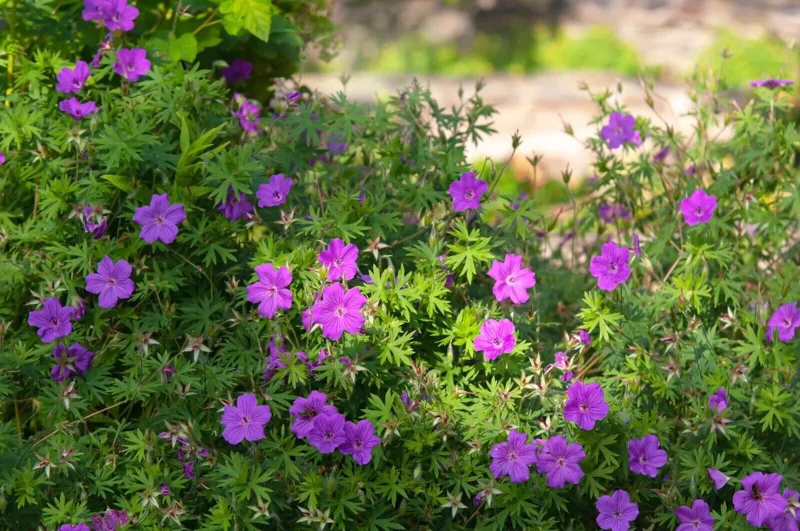
3 Cranesbill Wild Geranium Organic Maculatums Bare Roots | Wildflower for Outdoor Garden
Sold 114 products
Original price was: $21.99.$6.99Current price is: $6.99.
Sold 114 products
Original price was: $28.99.$17.99Current price is: $17.99.
Sold 109 products
Original price was: $63.99.$28.99Current price is: $28.99.RELATED posts
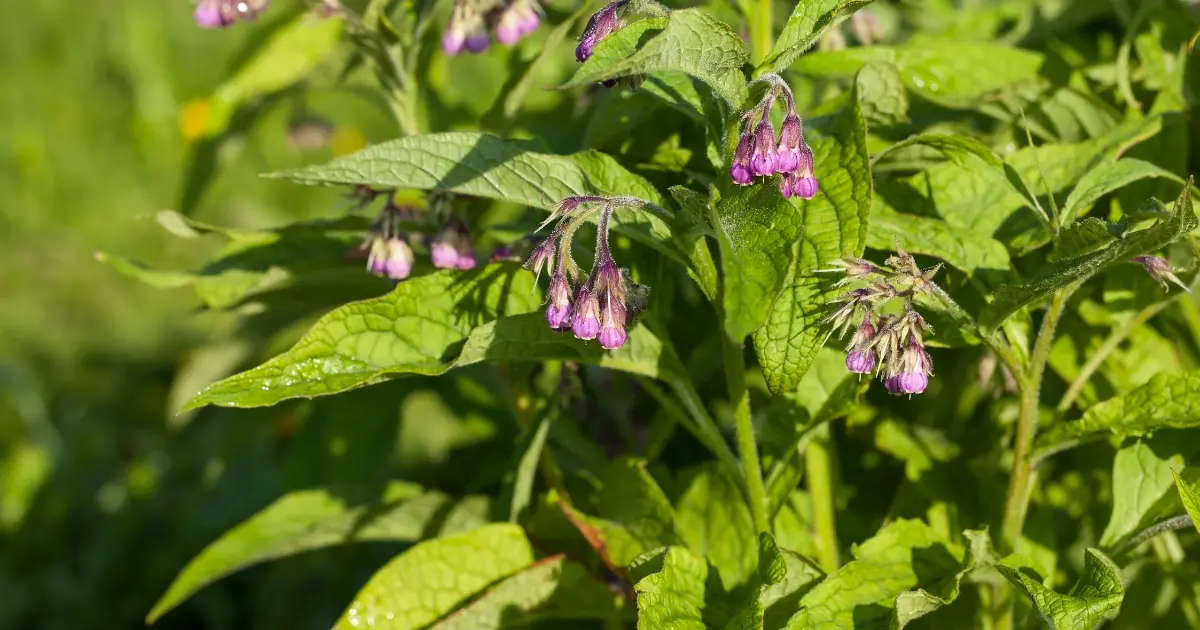
How to Identify Bocking 14 Comfrey: 5 Simple Visual Signs
If you’re growing comfrey for mulch, compost, or animal feed, knowing exactly which variety you [...]
Mar
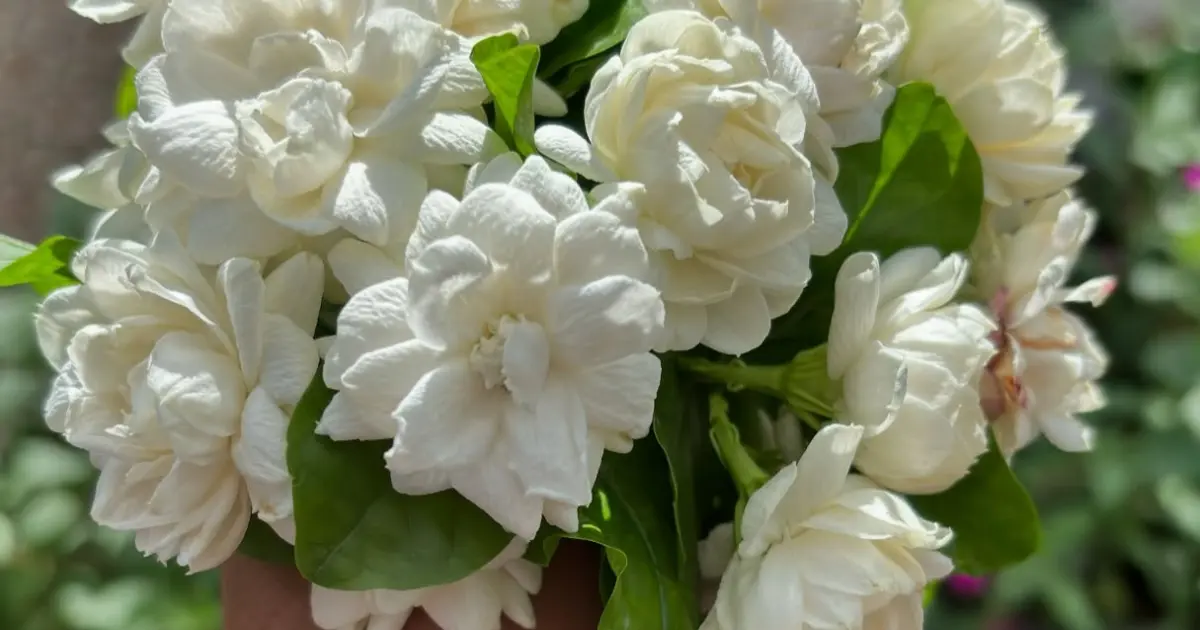
Grand Duke of Tuscany Jasmine: The Ultimate Guide to Growing a Fragrant Masterpiece
Have you ever caught a scent in the air so rich, creamy, and honey-sweet that [...]
Mar
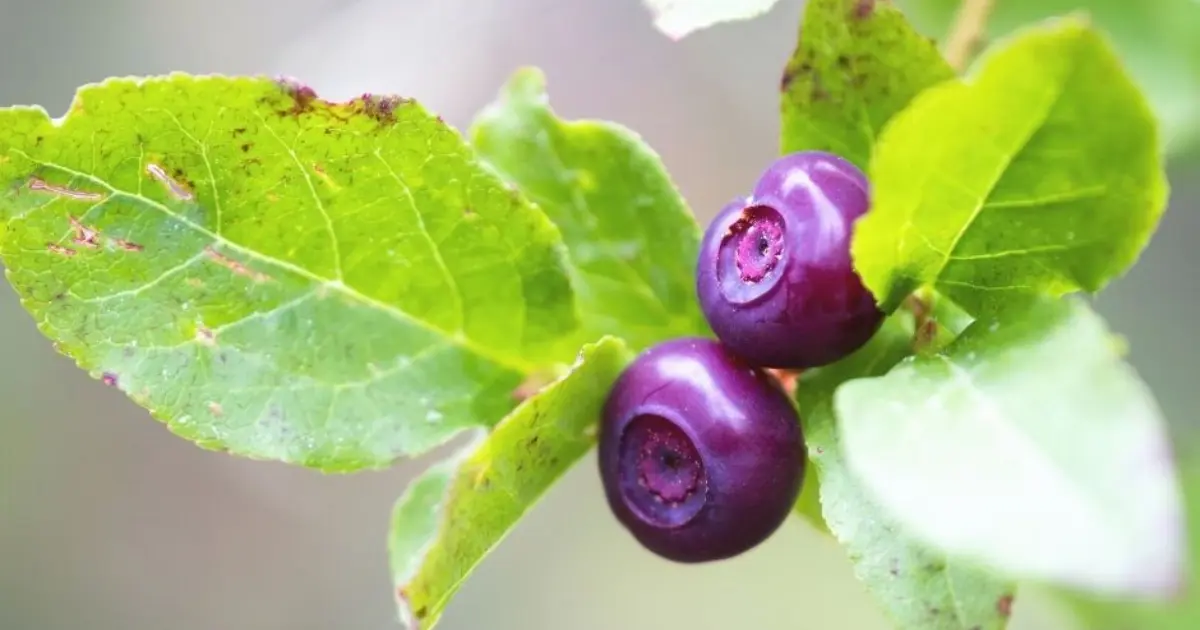
How to Grow Wild Huckleberries: A Guide to “Purple Gold”
Have you ever spent a summer afternoon hiking through the Pacific Northwest or the Rocky [...]
Mar
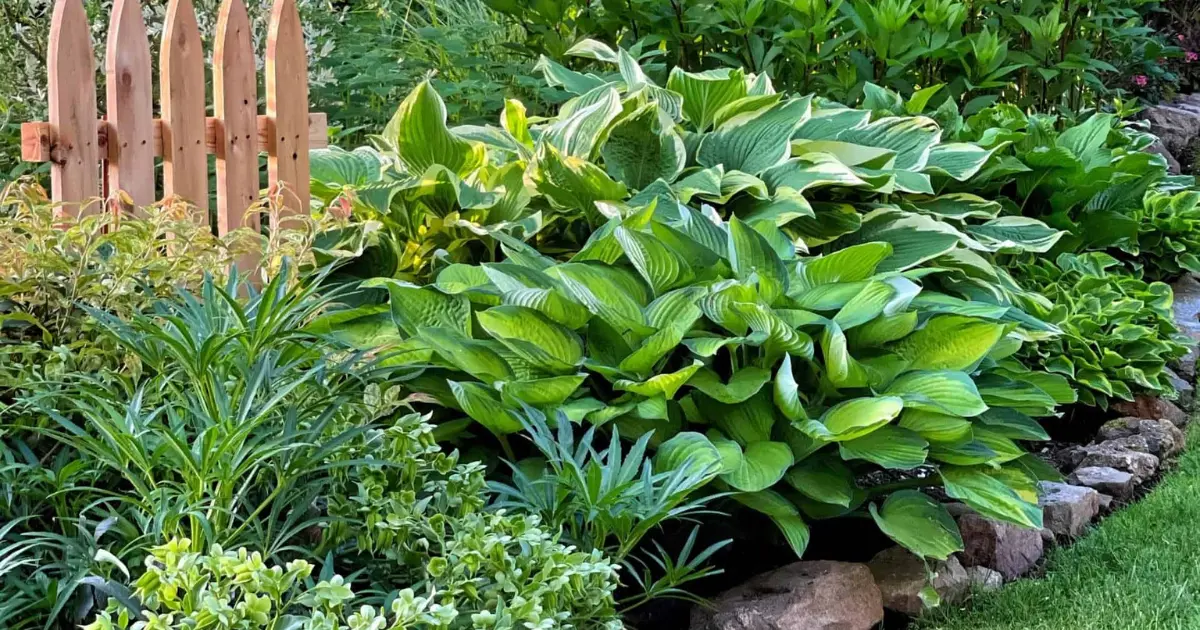
5 Best Shade-Loving Perennials for a Lush, Vibrant Garden
The world of gardening often shines a spotlight on sun-drenched blossoms, but there is a [...]
Mar

7 Common Curry Leaf Plant Problems: Easy Fixes for a Thriving Plant
Is your curry leaf plant looking a bit sad lately? Maybe you woke up to [...]
Mar
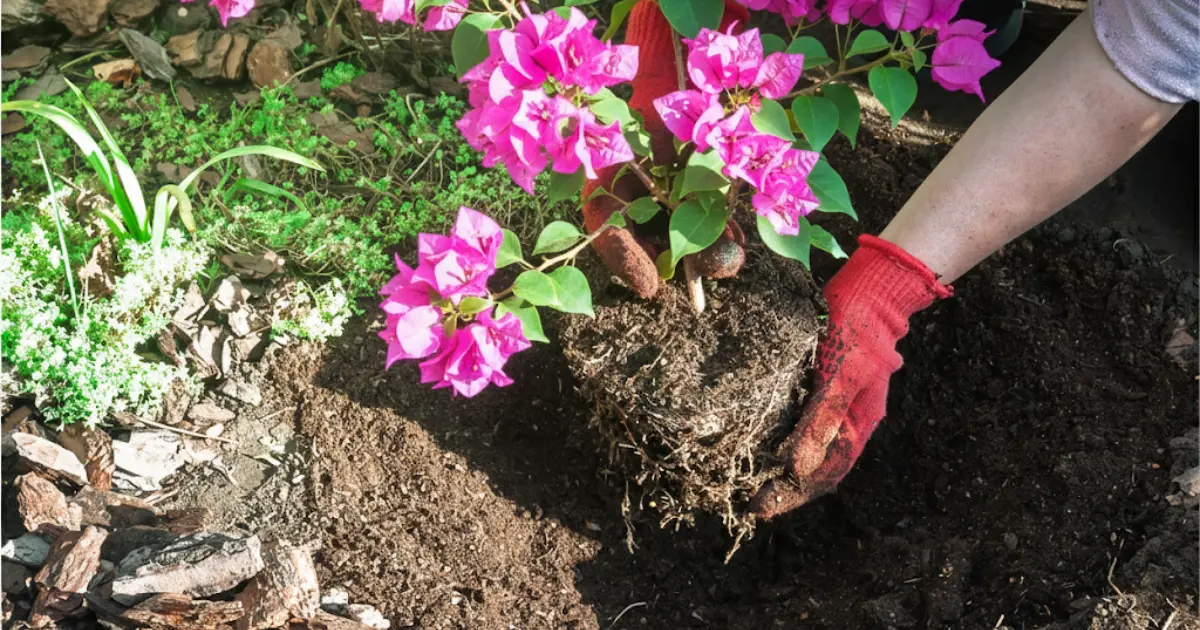
Best Time to Plant Bougainvillea: Timing for Vibrant Blooms
If you’re looking for a hardy tropical vine that delivers a riot of neon color, [...]
Feb
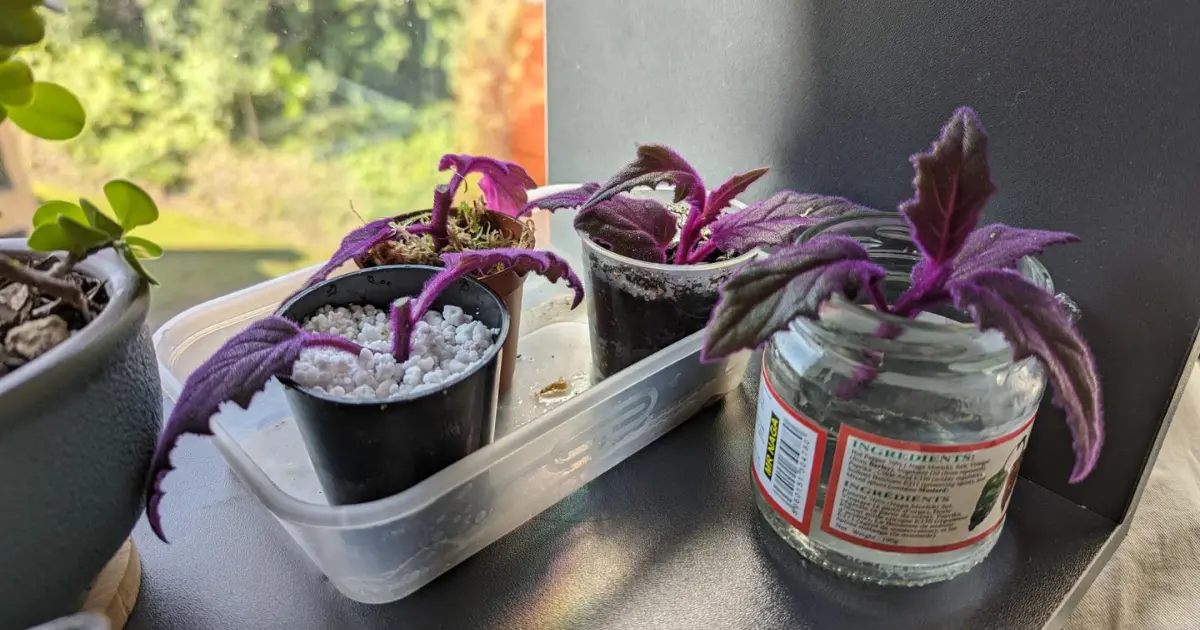
How to Propagate Purple Passion Plants (Gynura aurantiaca)
Have you ever been mesmerized by the neon-purple glow and fuzzy, velvet-like leaves of a [...]
Feb

How to Grow Beauregard Sweet Potatoes: From Slips to a Bountiful Harvest
Are you ready to add a classic, heavy-hitting favorite to your vegetable patch? If you’ve [...]
Feb
Reviews
There are no reviews yet.