
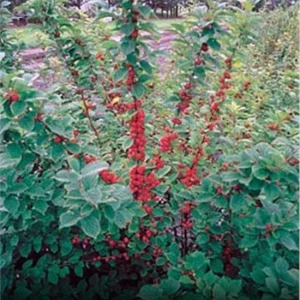
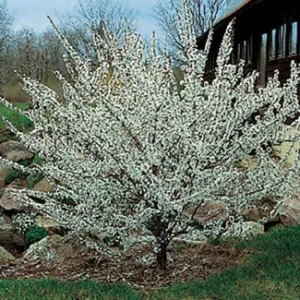
Nanking Bush Cherry Live Plant – Prunus tomentosa ‘Nanking’ Edible 24+ Inches Outdoor
Original price was: $104.79.$84.79Current price is: $84.79.
Cultivate your own fruit with this Nanking Bush Cherry live plant, Prunus tomentosa ‘Nanking’, standing over 24 inches tall. This hardy, edible shrub is perfect for outdoor gardens, offering beautiful spring blossoms and delicious summer cherries. Shipped as a bare root Nanking cherry, it’s ready for planting.
Estimated arrival
Apr 06
Apr 11 - Apr 13
Apr 16 - Apr 20

Reasonable Price
We offer reasonable price

Support 24/7
Contact us 24 hrs a day

100% Money Back
You've 30 days to Return

Payment Secure
100% secure payment
Overview
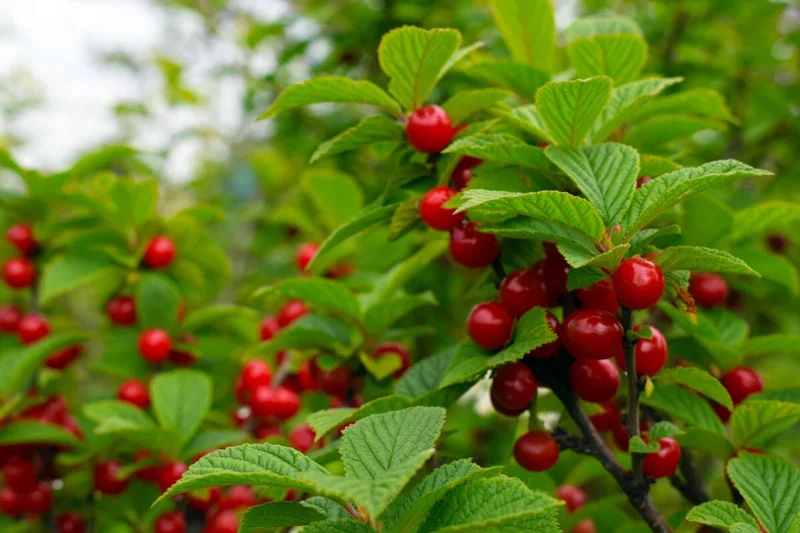
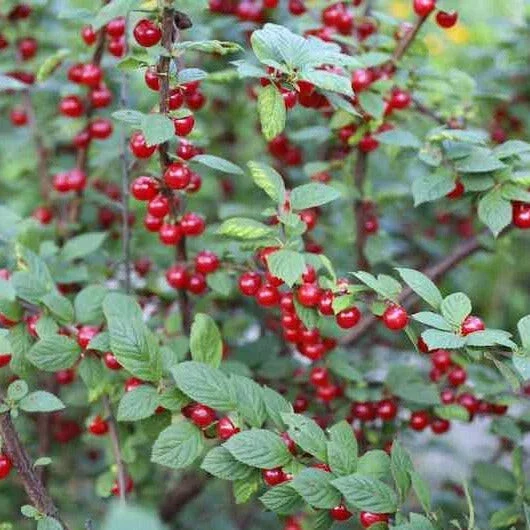
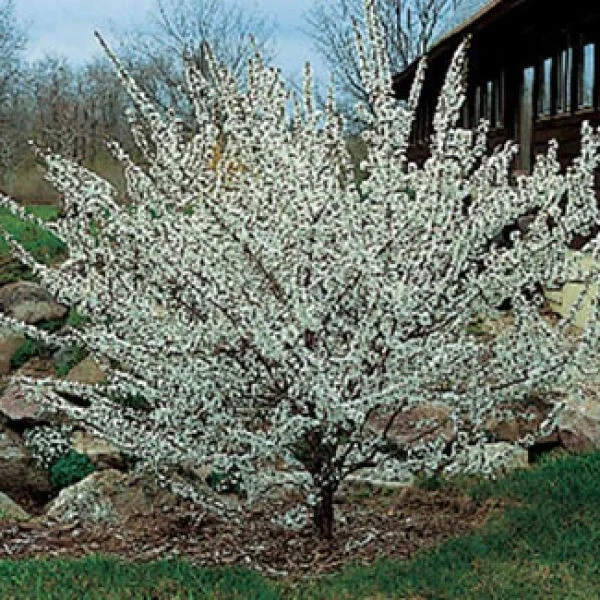
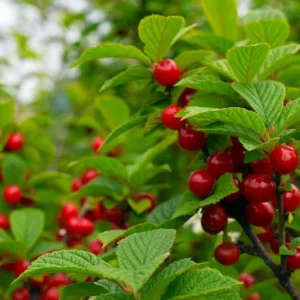
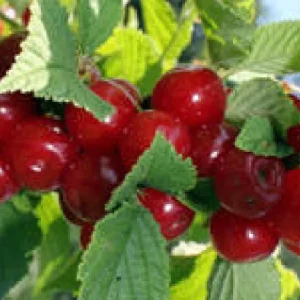
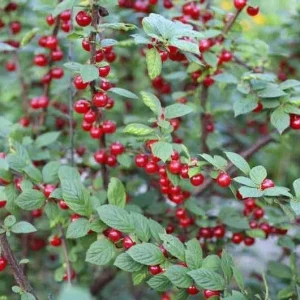
Bring the joy of fresh, homegrown fruit to your landscape with the Nanking Bush Cherry live plant. Scientifically known as Prunus tomentosa ‘Nanking’, this resilient and attractive shrub is a fantastic addition to any garden or edible landscape. Originating from Asia, the Nanking Cherry is celebrated for its early spring bloom of delicate white or pinkish flowers, followed by an abundant harvest of small, bright red, edible cherries in early summer. These cherries are not only delicious for fresh eating but also excellent for jams, jellies, and pies. Our Prunus tomentosa Nanking specimen arrives as a robust bare root plant, measuring over 24 inches in height, ready to establish quickly in your outdoor space. This vigorous shrub is known for its hardiness and adaptability, making it a favorite among gardeners seeking both ornamental beauty and practical fruit production.
The Nanking Bush Cherry live plant is a versatile shrub that provides year-round interest. In spring, it’s covered in fragrant blooms that attract pollinators. As summer approaches, the branches become laden with tart-sweet fruit, a delightful treat for both humans and local wildlife. Its dense growth habit also makes it an excellent choice for hedgerows or as a privacy screen. This particular variety, ‘Nanking’, is well-regarded for its reliable fruiting and disease resistance, ensuring a rewarding growing experience for gardeners of all skill levels. When you choose a bare root Nanking cherry, you’re investing in a plant with a strong root system, poised for vigorous growth once planted.
Key Benefits
The Nanking Bush Cherry live plant offers a multitude of benefits for your garden and culinary endeavors, making it a truly exceptional choice. Its vibrant seasonal changes and productive nature are just a few reasons why it’s so popular.
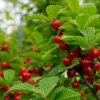
- Abundant Edible Fruit: Enjoy a generous harvest of small, bright red cherries, perfect for fresh eating, baking, jams, jellies, and preserves. These tart-sweet fruits are a healthy and delicious addition to your diet.
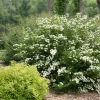
- Ornamental Appeal: Beyond its fruit, the Nanking Cherry boasts beautiful white to pinkish blooms in early spring, followed by attractive green foliage that turns to lovely shades of red and orange in the fall, providing multi-season interest.
- Attracts Pollinators: The early spring flowers are a vital food source for bees and other beneficial pollinators, contributing to the biodiversity and health of your garden ecosystem.
- Hardy and Adaptable: This robust shrub is known for its resilience, tolerating a wide range of soil conditions and climates, making Nanking Cherry care relatively easy for most gardeners.
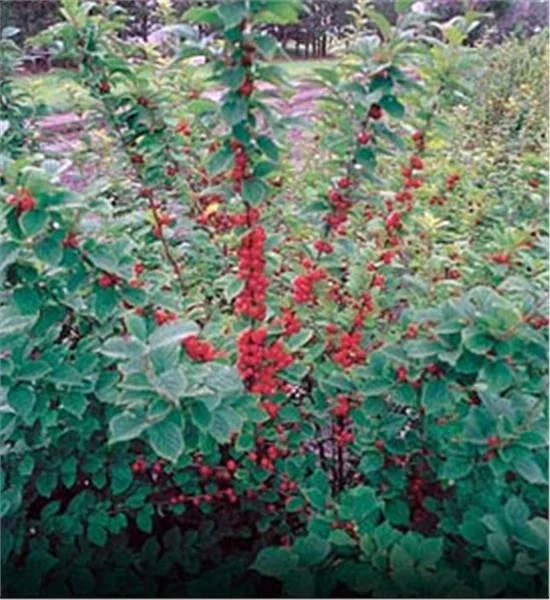
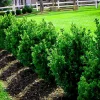
- Versatile Landscaping Use: Ideal for creating edible hedges, privacy screens, windbreaks, or as a stand-alone specimen plant. Its dense growth provides excellent cover and structure.
- Low Maintenance: Once established, the Prunus tomentosa Nanking requires minimal attention, making it a great option for busy gardeners or those new to fruit growing.
- Fast Growing: As a bare root plant, the bare root Nanking cherry will establish quickly and show noticeable growth in its first season, leading to quicker fruit production.
Plant Care & Growing Tips
Proper Nanking Cherry care is crucial for a healthy, productive plant. The Nanking Bush Cherry is generally low-maintenance, but understanding its specific needs will ensure a bountiful harvest and robust growth. This plant thrives in full sun, meaning it needs at least 6-8 hours of direct sunlight per day. While it can tolerate some partial shade, ample sunlight will result in the best fruit production and overall plant vigor. Ensure your chosen planting site provides this essential light exposure.
When it comes to watering, the Nanking Bush Cherry live plant prefers consistently moist, but not waterlogged, soil, especially during establishment and fruiting periods. Water deeply once or twice a week, depending on rainfall and soil type. Reduce watering during dormant periods. The ideal soil type is well-draining loam, but it can adapt to various soil conditions, including sandy or clay soils, as long as drainage is adequate. Good drainage is critical to prevent root rot. The Nanking Cherry is incredibly cold-hardy, typically thriving in USDA zones 2-7. It requires a period of winter chill to produce fruit effectively. Fertilize in early spring with a balanced slow-release fertilizer or compost to support growth and fruit development. Pruning should be done in late winter or early spring to remove dead or diseased branches, shape the plant, and encourage new growth and better air circulation. Watch out for common pests like aphids and diseases like powdery mildew, treating them promptly with organic or appropriate chemical controls. Understanding these aspects of Nanking Cherry care will lead to a thriving shrub.
Size & Details
This offering is for one Nanking Bush Cherry live plant, Prunus tomentosa ‘Nanking’, which will arrive as a healthy bare root specimen. The plant measures over 24 inches in height upon arrival, providing a significant head start for rapid establishment in your garden. As a bare root plant, it means it is shipped without soil around its roots, which is a common and effective method for dormant deciduous plants like this bare root Nanking cherry. Once planted, these shrubs typically grow to a mature height of 6-10 feet tall and wide, forming a dense, rounded bush. The growth rate is moderate to fast, allowing you to enjoy its benefits relatively quickly. Expect the plant to begin producing fruit within 2-3 years after planting, with full production achieved in 5-7 years. The mature size makes it suitable for various landscape applications, from hedges to specimen plantings. This particular variety, Prunus tomentosa Nanking, is renowned for its reliability and consistent performance, ensuring a rewarding addition to your edible landscape.
Frequently Asked Questions
- Q: How big does this plant get? A: The Nanking Bush Cherry live plant typically grows to a mature height and width of 6-10 feet, forming a dense, rounded shrub. Its size makes it versatile for hedges or as a standalone feature.
- Q: What condition will the plant arrive in? A: This plant is shipped as a healthy bare root specimen, meaning it will arrive dormant without soil around its roots. This is a standard and safe method for shipping deciduous plants like the bare root Nanking cherry, ensuring it establishes well after planting.
- Q: Is this an indoor or outdoor plant? A: The Nanking Bush Cherry live plant is strictly an outdoor plant. It requires a period of winter dormancy and specific growing conditions that cannot be replicated indoors to thrive and produce fruit.
- Q: How much sunlight does it need? A: For optimal growth and fruit production, the Nanking Bush Cherry requires full sun, meaning at least 6-8 hours of direct sunlight per day. Partial shade can be tolerated but may reduce fruit yield.
- Q: Is this plant easy to care for? A: Yes, Nanking Cherry care is considered relatively easy. Once established, it is quite hardy and drought-tolerant, making it suitable for both experienced and novice gardeners.
- Q: When is the best time to plant this bare root Nanking cherry? A: Bare root Nanking Cherries are best planted in early spring, as soon as the soil can be worked and before new growth fully emerges. This allows the roots to establish before the heat of summer.
- Q: Will it survive winter in my zone? A: The Prunus tomentosa Nanking is exceptionally cold-hardy, thriving in USDA Zones 2-7. It requires a significant cold period during winter to properly set fruit for the following season.
- Q: Can I eat the cherries directly from the bush? A: Yes, the cherries produced by the Nanking Bush Cherry live plant are indeed edible and delicious. They have a tart-sweet flavor profile, making them great for fresh eating or various culinary uses.
- Q: How long until it starts producing fruit? A: You can typically expect your Nanking Bush Cherry live plant to begin producing fruit within 2-3 years after planting, with full production usually achieved in 5-7 years.
- Q: What kind of soil does it prefer? A: This plant thrives in well-draining, loamy soil but is adaptable to a range of soil types, including sandy or clay soils, as long as drainage is good. Avoid heavy, waterlogged conditions.
Be the first to review “Nanking Bush Cherry Live Plant – Prunus tomentosa ‘Nanking’ Edible 24+ Inches Outdoor”
-
USDA Hardiness Zone
USDA Zones 2-7 -
Soil Type
Well-draining loam soil -
Sunlight Exposure
Full sun -
Expected Planting Period
Early spring
People Also Viewd


Sold 128 products
Original price was: $89.99.$64.99Current price is: $64.99.

Sold 128 products
Original price was: $27.00.$24.00Current price is: $24.00.
Sold 127 products
Original price was: $159.99.$139.99Current price is: $139.99.

Sold 126 products
Original price was: $3,536.00.$23.99Current price is: $23.99.

Sold 125 products
Original price was: $86.99.$66.99Current price is: $66.99.
Sold 116 products
Original price was: $27.99.$16.99Current price is: $16.99.

Flower Bulbs
3 Cranesbill Wild Geranium Organic Maculatums Bare Roots | Wildflower for Outdoor Garden
Sold 114 products
Original price was: $21.99.$6.99Current price is: $6.99.

Sold 114 products
Original price was: $28.99.$17.99Current price is: $17.99.RELATED posts
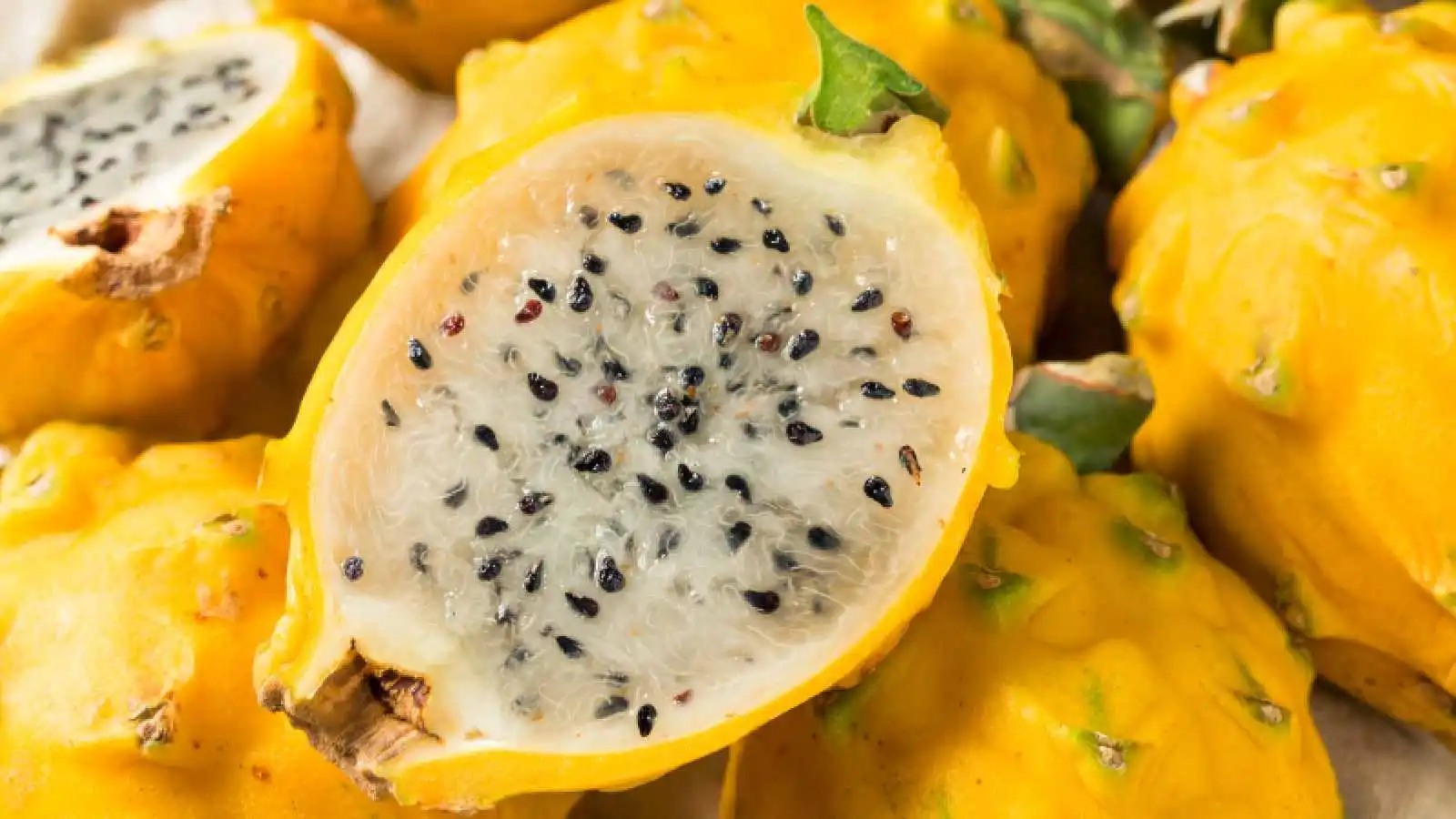
Yellow Dragon Fruit Plant Care: The Ultimate Guide for Healthy Growth
The yellow dragon fruit plant is a unique and rewarding addition to any home garden, [...]
Apr
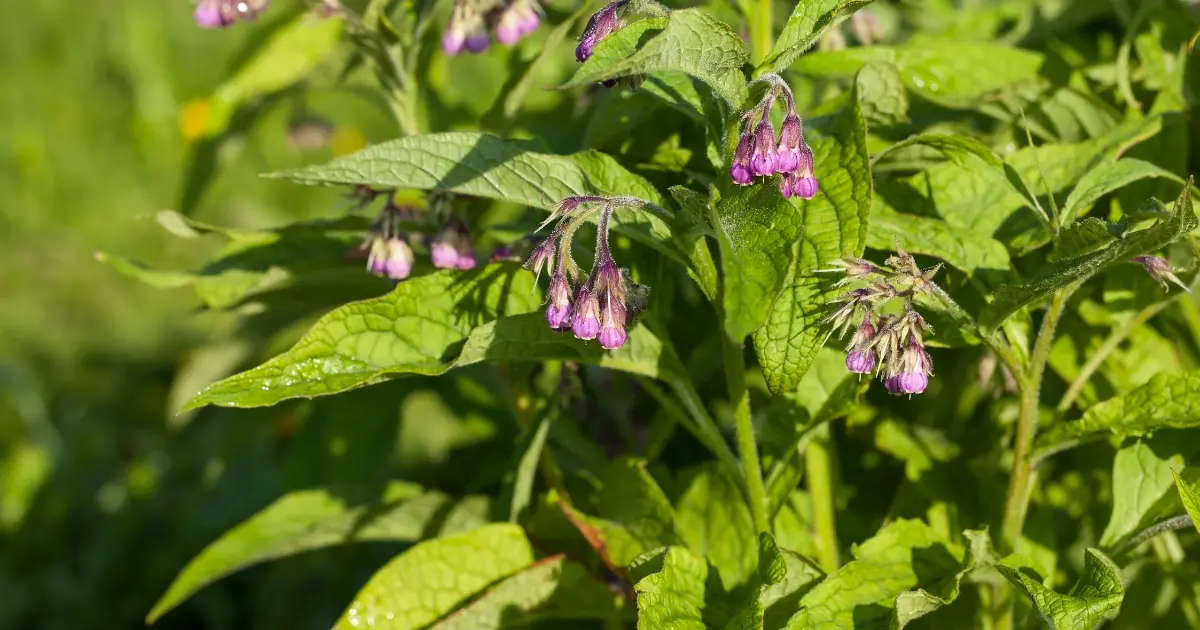
How to Identify Bocking 14 Comfrey: 5 Simple Visual Signs
If you’re growing comfrey for mulch, compost, or animal feed, knowing exactly which variety you [...]
Mar
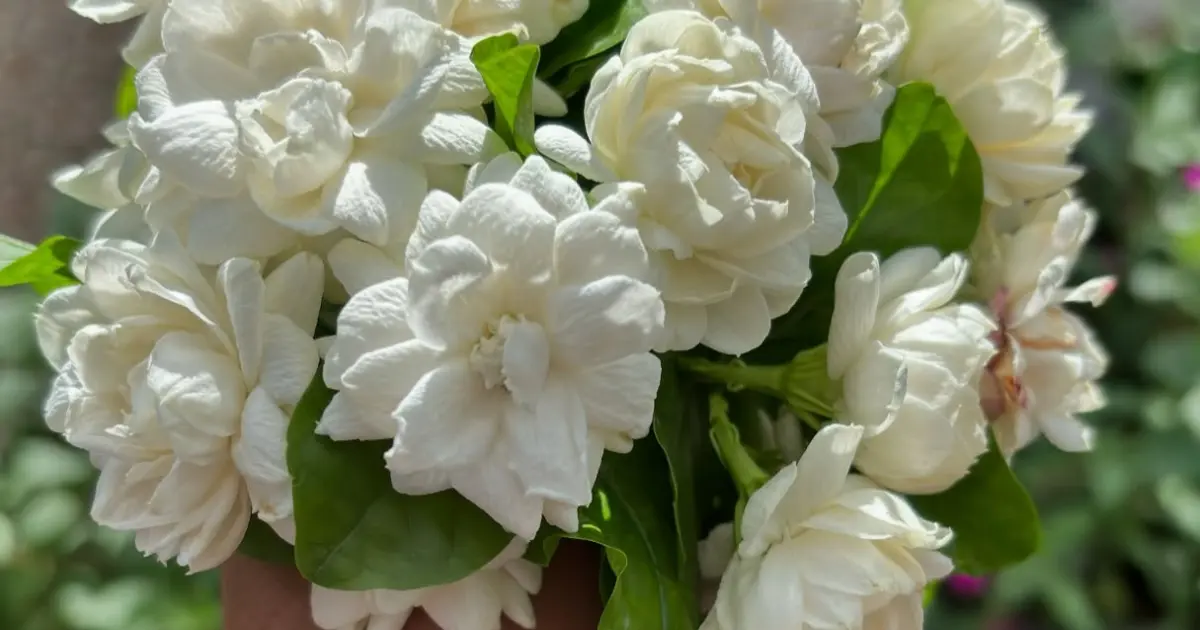
Grand Duke of Tuscany Jasmine: The Ultimate Guide to Growing a Fragrant Masterpiece
Have you ever caught a scent in the air so rich, creamy, and honey-sweet that [...]
Mar
How to Grow Wild Huckleberries: A Guide to “Purple Gold”
Have you ever spent a summer afternoon hiking through the Pacific Northwest or the Rocky [...]
Mar
5 Best Shade-Loving Perennials for a Lush, Vibrant Garden
The world of gardening often shines a spotlight on sun-drenched blossoms, but there is a [...]
Mar

7 Common Curry Leaf Plant Problems: Easy Fixes for a Thriving Plant
Is your curry leaf plant looking a bit sad lately? Maybe you woke up to [...]
Mar
Best Time to Plant Bougainvillea: Timing for Vibrant Blooms
If you’re looking for a hardy tropical vine that delivers a riot of neon color, [...]
Feb
How to Propagate Purple Passion Plants (Gynura aurantiaca)
Have you ever been mesmerized by the neon-purple glow and fuzzy, velvet-like leaves of a [...]
Feb
Reviews
There are no reviews yet.