
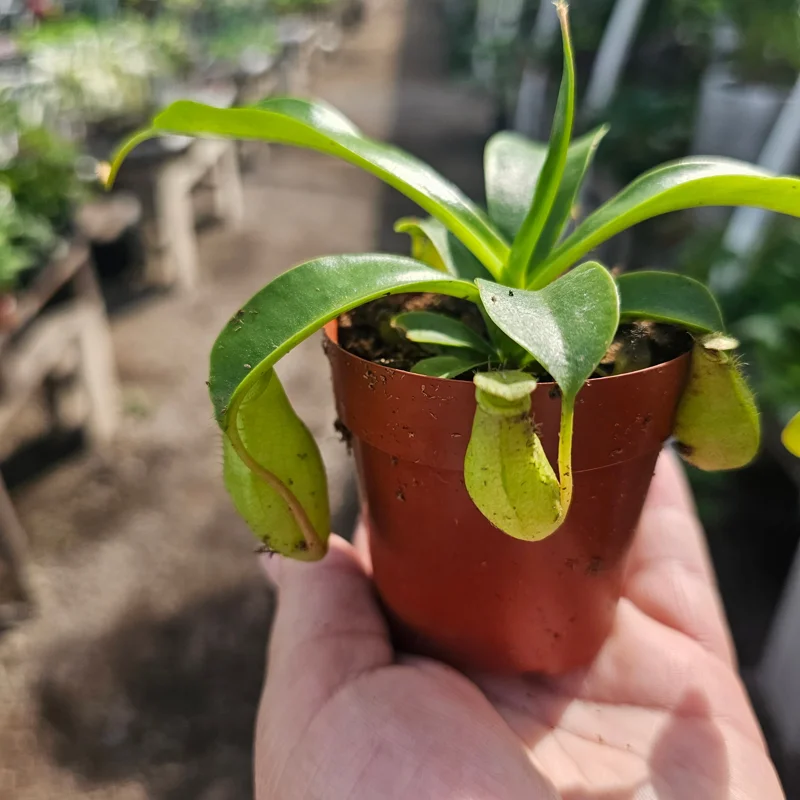
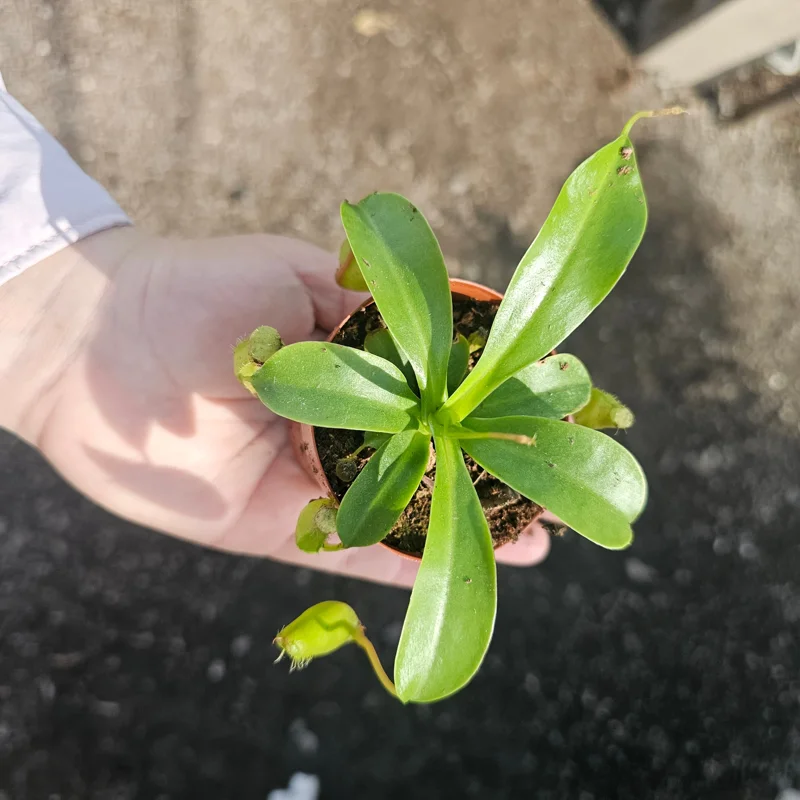
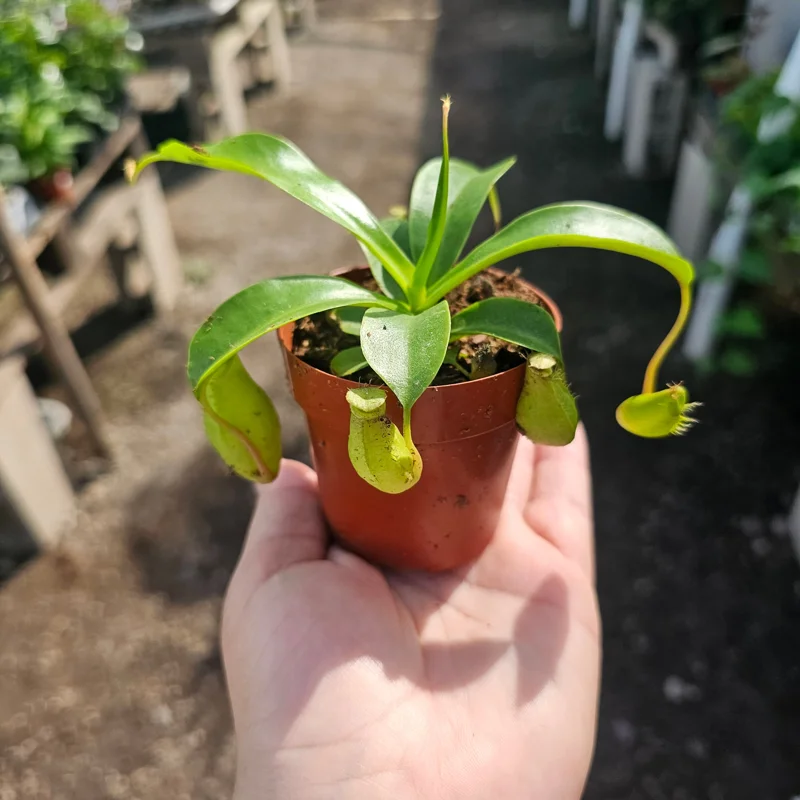
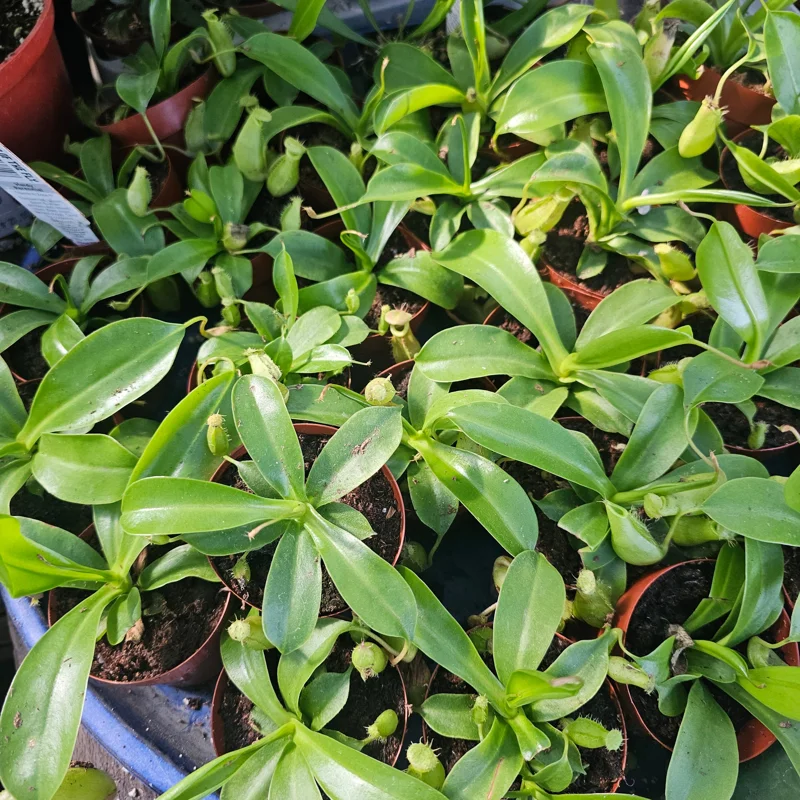
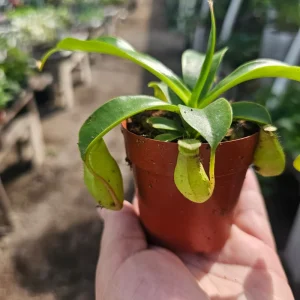
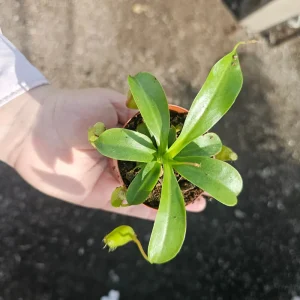
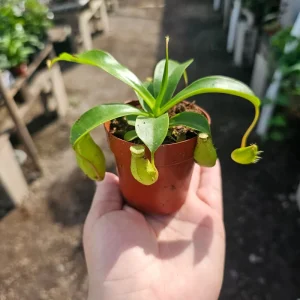
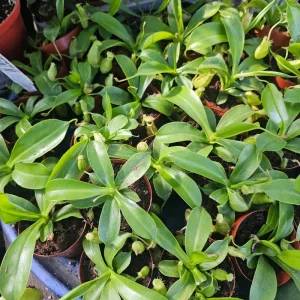
Nepenthes Hanging Pitcher Plant Live – Carnivorous Monkey Cups – 3in Pot
Original price was: $53.48.$28.48Current price is: $28.48.
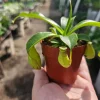
Bring home a fascinating Nepenthes live plant, also known as carnivorous pitcher plant or monkey cups plant. This exotic specimen is perfect for adding a unique touch to your indoor garden and naturally managing small insects. Arrives in a 3in pot, ready to thrive.
Estimated arrival
Apr 12
Apr 17 - Apr 19
Apr 22 - Apr 26

Reasonable Price
We offer reasonable price

Support 24/7
Contact us 24 hrs a day

100% Money Back
You've 30 days to Return

Payment Secure
100% secure payment
Overview
Introduce an extraordinary botanical specimen into your collection with this captivating Nepenthes live plant. Commonly known as the Hanging Pitcher Plant or Monkey Cups, this unique carnivorous species is renowned for its striking, pitcher-shaped leaves that act as natural insect traps. Originating from tropical regions, Nepenthes are epiphytic or terrestrial plants that thrive in warm, humid environments, making them an excellent choice for a terrarium or as a distinctive houseplant. Each pitcher develops a vibrant color and intricate patterns, adding an exotic flair to any indoor space. This particular plant comes in a convenient 3in pot, ready to be displayed and admired.
The allure of the carnivorous pitcher plant extends beyond its aesthetic appeal; it’s a living marvel of adaptation. These plants attract insects with nectar and pigment, then trap them in their slippery, enzyme-filled pitchers. This natural pest control makes the Nepenthes not only a decorative piece but also a functional addition to your home or office. Its intriguing growth habit and low-maintenance needs, relative to its exotic nature, make it a rewarding plant for both novice and experienced plant enthusiasts. Embrace the wonder of nature with this remarkable botanical treasure.
Key Benefits
The Nepenthes live plant offers a multitude of benefits, from its unique visual appeal to its practical applications, making it a truly exceptional choice for plant lovers.
- Natural Insect Control: This carnivorous pitcher plant effectively captures and digests small insects like flies, ants, and mosquitoes, providing a natural and chemical-free method of pest management in your home.
- Exotic Visual Appeal: With its distinctive pitcher-shaped leaves and often vibrant coloration, the monkey cups plant serves as a stunning focal point, adding an exotic and tropical touch to any interior decor.
- Educational Value: A fascinating example of plant adaptation, the Nepenthes offers an excellent opportunity to learn about carnivorous plants and their unique survival strategies, perfect for curious minds.
- Low Maintenance for a Carnivore: While exotic, Nepenthes are surprisingly manageable with the right conditions, requiring consistent humidity and specific watering, but generally less demanding than some other carnivorous species.
- Air Purification: Like other houseplants, the Nepenthes contributes to improved indoor air quality by absorbing carbon dioxide and releasing oxygen, promoting a healthier living environment.
- Unique Conversation Starter: Its unusual appearance and carnivorous nature make the indoor bog plant a guaranteed conversation starter, captivating guests and sparking interest in the natural world.
- Versatile Display Options: Ideal for hanging baskets where its pitchers can dangle elegantly, or as part of a terrarium or humid plant display, showcasing its unique form.
Plant Care & Growing Tips
Caring for your Nepenthes live plant involves understanding its tropical origins to replicate an ideal environment. These plants thrive in high humidity and consistent moisture. For sunlight, provide bright, indirect light; a north- or east-facing window is often ideal, or a spot where it receives dappled sunlight. Avoid direct, intense sun, which can scorch the delicate pitchers and leaves. A grow light can also supplement light during darker months.
Watering is crucial for this carnivorous pitcher plant. Use distilled water, rainwater, or reverse osmosis water, as tap water often contains minerals that can harm the plant over time. Keep the potting medium consistently moist but not waterlogged. Allow the top layer to dry slightly between waterings. High humidity is paramount; aim for 60-80%. This can be achieved through regular misting, using a pebble tray, or placing the plant in a terrarium or near a humidifier. The ideal temperature range is between 65-85°F (18-29°C) during the day, with a slight drop at night. Nepenthes generally don’t require much fertilizer; if you choose to fertilize, use a very diluted orchid or carnivorous plant specific fertilizer sparingly, or allow the plant to catch its own insects. When considering a monkey cups plant, remember that consistently high humidity is key to successful pitcher development.
Size & Details
This Nepenthes live plant is supplied in a 3in pot, making it a perfect starter size for your collection. At this stage, the plant typically features several active pitchers, with new growth continually emerging. The exact height and spread will vary slightly depending on the individual plant, but it generally arrives as a compact, healthy specimen ready to establish itself in your home. Nepenthes have a moderate growth rate, and with proper care, they can grow to produce impressive pitchers that can reach several inches in length, creating a stunning hanging display. This plant is shipped as a live, potted specimen, ensuring minimal transplant shock and immediate enjoyment. Expect the plant to continue developing new pitchers as it acclimates to its new environment and receives consistent care. The unique structure and function of this indoor bog plant will be a continuous source of fascination.
Frequently Asked Questions
- Q: How big does this Nepenthes plant get? A: While this plant arrives in a 3in pot, Nepenthes can grow quite large over time, with their vines extending several feet and pitchers reaching various sizes depending on the species and care provided.
- Q: What size pot does it come in? A: This particular Nepenthes live plant is delivered in a 3in pot, which is a great size for starting your carnivorous plant collection.
- Q: Is this an indoor or outdoor plant? A: Nepenthes are primarily grown as indoor plants in most climates in the US due to their need for high humidity and consistent warm temperatures. They can be placed outdoors in very humid, tropical environments.
- Q: How much sunlight does it need? A: Your carnivorous pitcher plant prefers bright, indirect light. Avoid direct, harsh sunlight which can burn its leaves and pitchers. A spot near an east-facing window or with filtered light is ideal.
- Q: Is this plant easy to care for? A: While Nepenthes have specific care requirements, particularly regarding humidity and water quality, they are considered moderately easy to care for by carnivorous plant enthusiasts and are a good choice for those wanting to try an exotic houseplant.
- Q: What condition will it arrive in? A: Your Nepenthes will arrive as a healthy, live potted plant, carefully packaged to ensure its safety during transit. It will be ready to be placed in its new home.
- Q: Is it shipped in soil? A: Yes, the monkey cups plant is shipped rooted in its nursery pot with an appropriate carnivorous plant potting mix, ensuring it’s stable and hydrated upon arrival.
- Q: How often should I water my Nepenthes? A: Water your Nepenthes with distilled, rainwater, or reverse osmosis water to keep the potting medium consistently moist. Do not let it dry out completely, but also avoid waterlogging.
- Q: Can I feed insects to my Nepenthes? A: While the plant will catch its own insects, you can occasionally drop small, live insects into the pitchers if you wish, especially if grown indoors where insect availability is low.
- Q: What’s the minimum temperature this plant can tolerate? A: Nepenthes are tropical plants and prefer temperatures above 60°F (15°C). Prolonged exposure to temperatures below this can stress or harm the plant.
Be the first to review “Nepenthes Hanging Pitcher Plant Live – Carnivorous Monkey Cups – 3in Pot”
-
USDA Hardiness Zone
USDA zones 10-11 (for outdoor, otherwise indoor) -
Soil Type
Sphagnum moss and perlite mix -
Sunlight Exposure
Bright indirect light -
Expected Planting Period
Year-round indoors
People Also Viewd


Sold 128 products
Original price was: $89.99.$64.99Current price is: $64.99.
Sold 128 products
Original price was: $159.99.$139.99Current price is: $139.99.

Sold 128 products
Original price was: $27.00.$24.00Current price is: $24.00.

Sold 126 products
Original price was: $3,536.00.$23.99Current price is: $23.99.

Sold 125 products
Original price was: $86.99.$66.99Current price is: $66.99.
Sold 116 products
Original price was: $27.99.$16.99Current price is: $16.99.

Sold 114 products
Original price was: $28.99.$17.99Current price is: $17.99.

Flower Bulbs
3 Cranesbill Wild Geranium Organic Maculatums Bare Roots | Wildflower for Outdoor Garden
Sold 114 products
Original price was: $21.99.$6.99Current price is: $6.99.RELATED posts
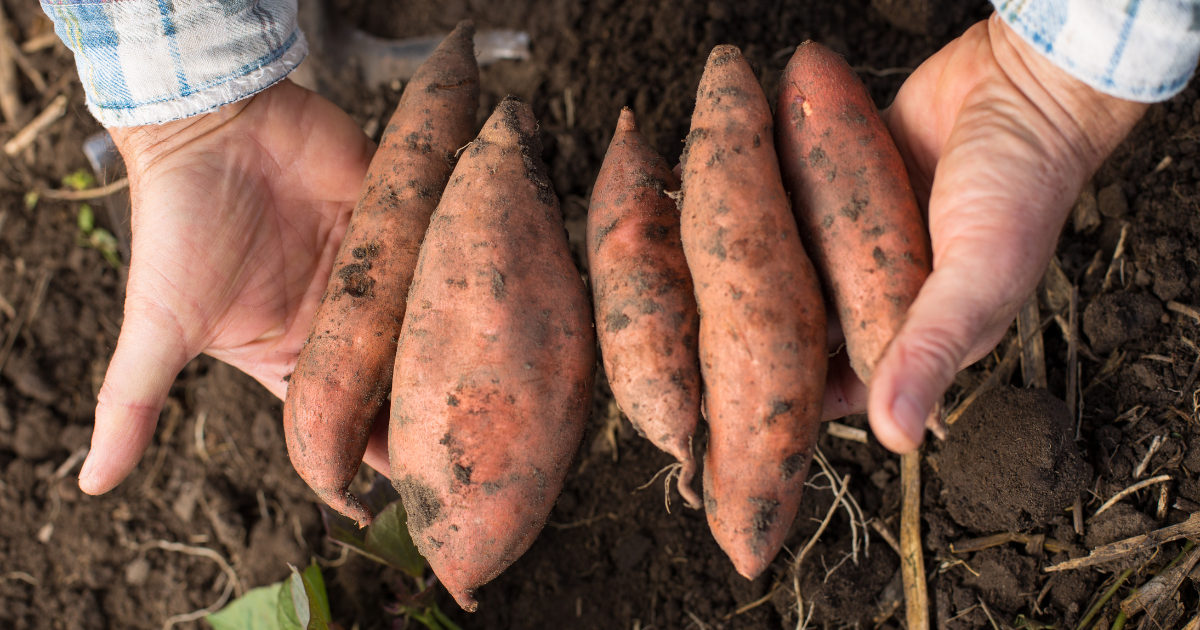
5 Tips for Growing Sweet Potatoes to Get the Biggest Sweet Potato Harvest Ever
If you are a fan of sweet potatoes, then these tips for growing sweet potatoes [...]
Apr
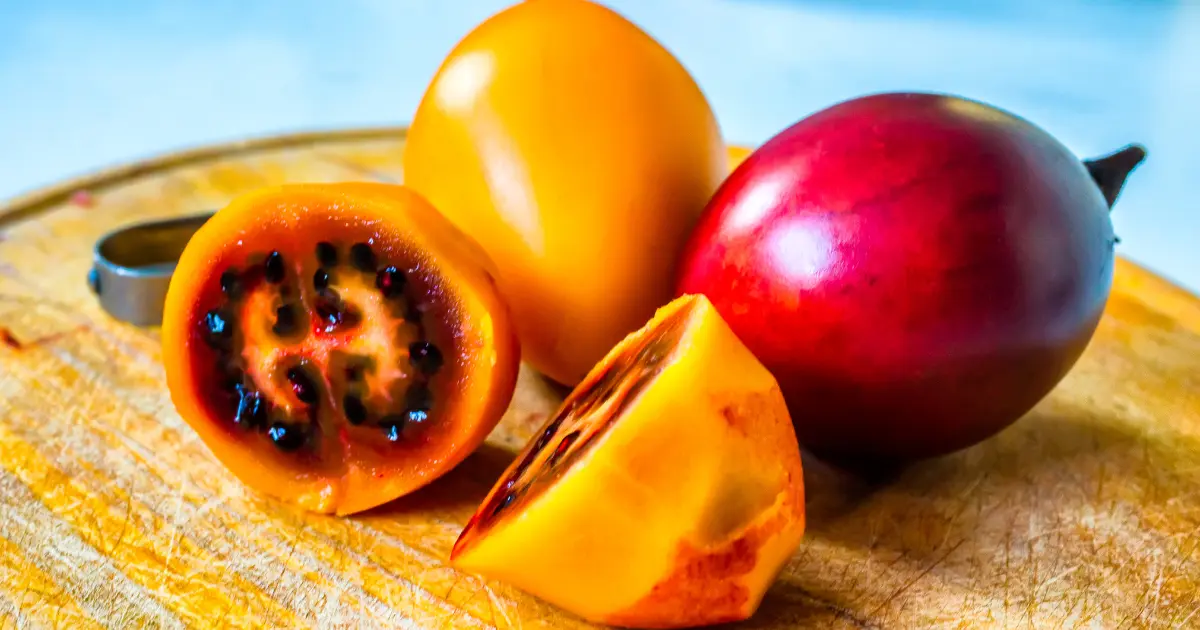
Tamarillo Tree Guide: Flavor, Texture & How to Eat Tree Tomatoes
The humble tomato is a kitchen staple we all know and love, but it rarely [...]
Apr
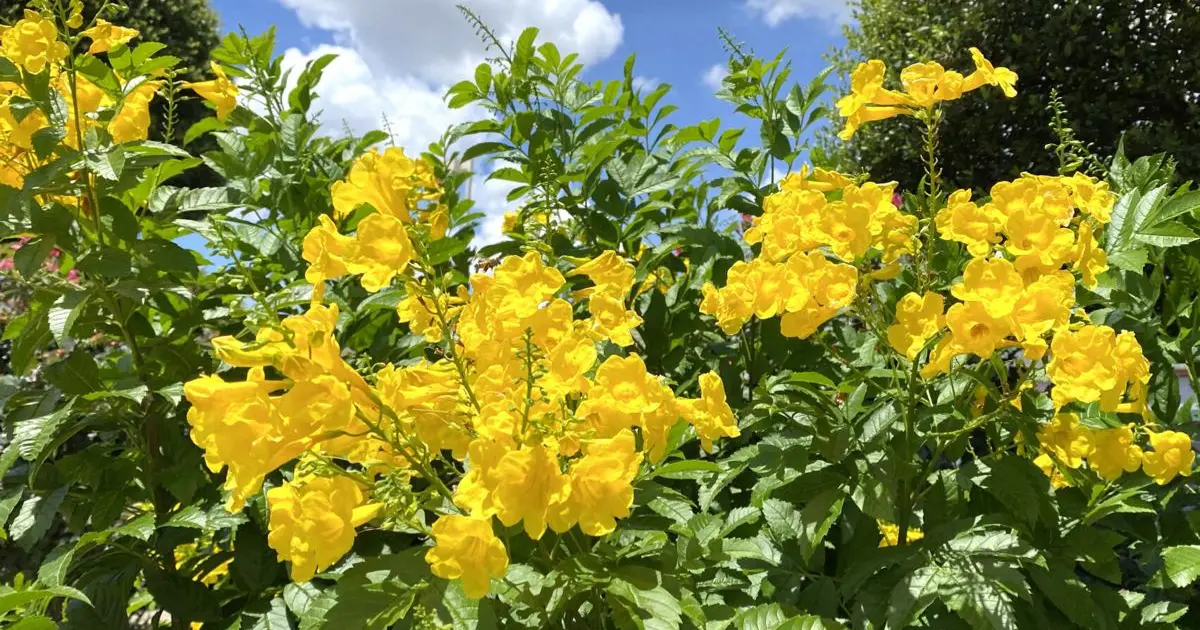
5 Pro Tips to Grow Esperanza ‘Gold Star’ Indoors: A Golden Glow for Your Home
While most gardeners know this Texas Superstar – Esperanza ‘Gold Star’ as a rugged outdoor [...]
Apr
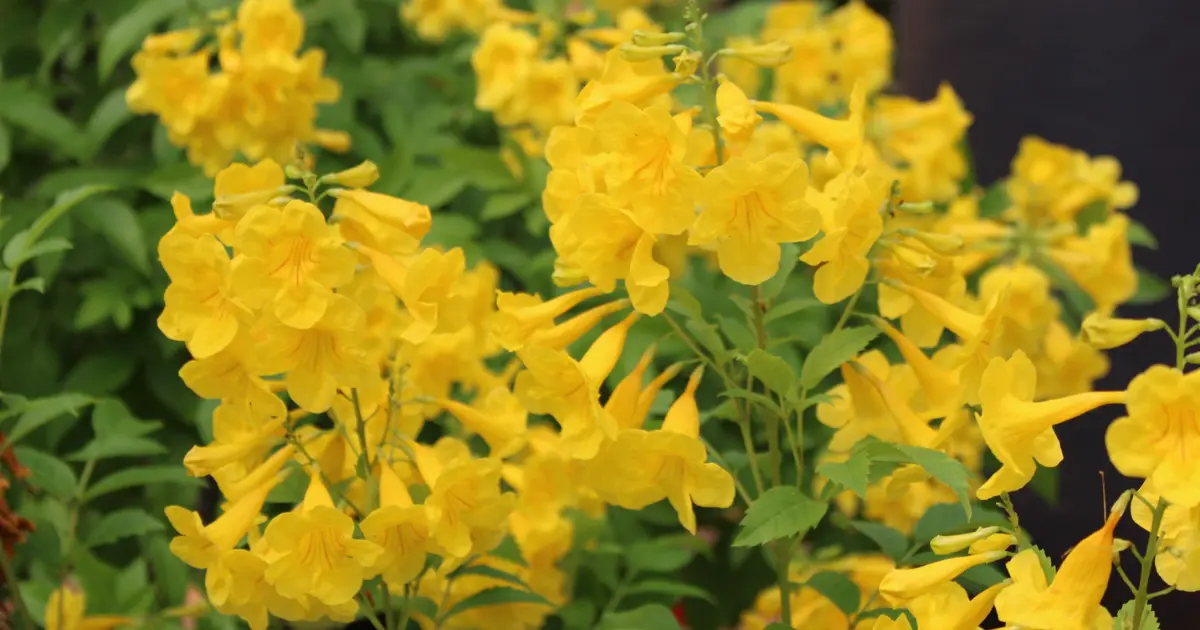
Mastering Esperanza Goldstar: Grow the Ultimate Yellow Bloom
Esperanza Goldstar is more than just a heat-tolerant shrub; for the American gardener battling the [...]
Apr
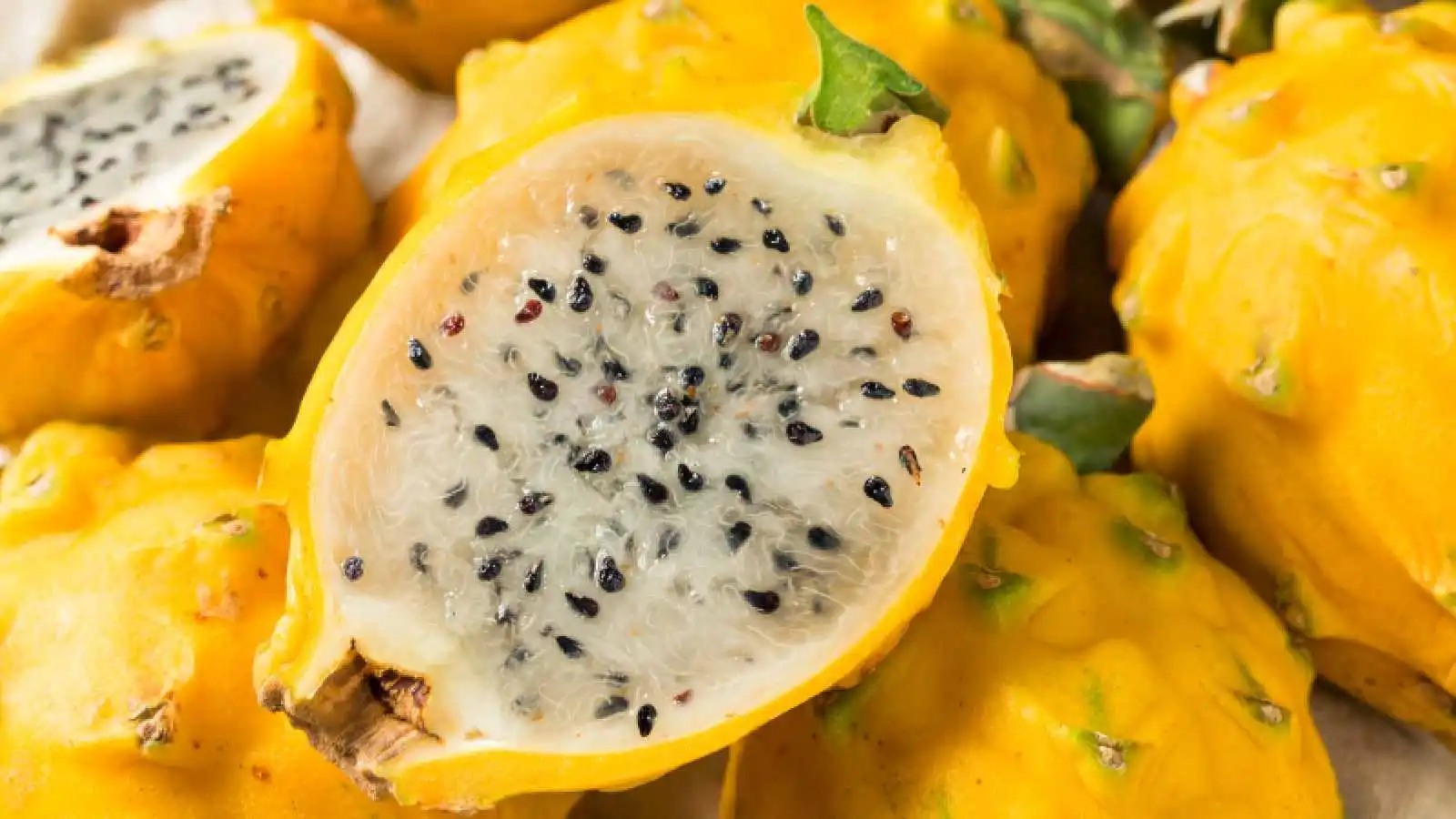
Yellow Dragon Fruit Plant Care: The Ultimate Guide for Healthy Growth
The yellow dragon fruit plant is a unique and rewarding addition to any home garden, [...]
Apr
How to Identify Bocking 14 Comfrey: 5 Simple Visual Signs
If you’re growing comfrey for mulch, compost, or animal feed, knowing exactly which variety you [...]
Mar
Grand Duke of Tuscany Jasmine: The Ultimate Guide to Growing a Fragrant Masterpiece
Have you ever caught a scent in the air so rich, creamy, and honey-sweet that [...]
Mar
How to Grow Wild Huckleberries: A Guide to “Purple Gold”
Have you ever spent a summer afternoon hiking through the Pacific Northwest or the Rocky [...]
Mar
Reviews
There are no reviews yet.