
Orange Cape Honeysuckle Live Plants – Set of 3 – Hardy Shrubs for Pollinators
Original price was: $91.99.$61.99Current price is: $61.99.
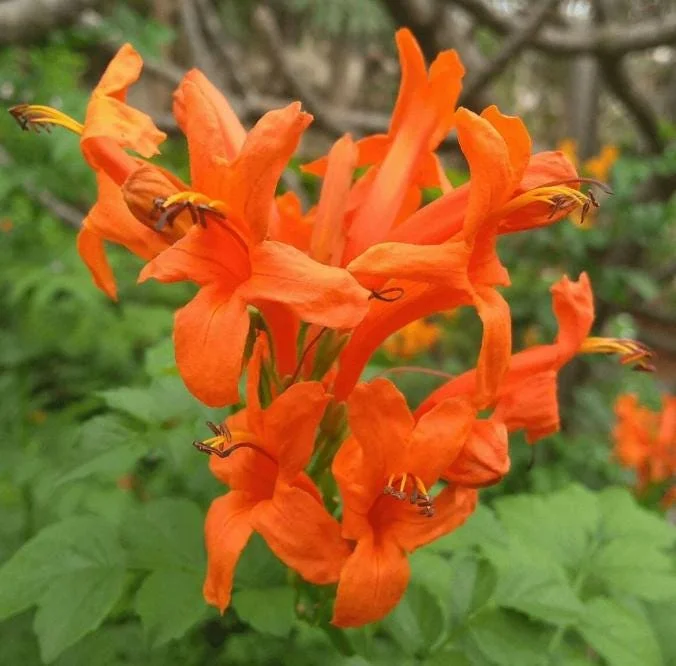
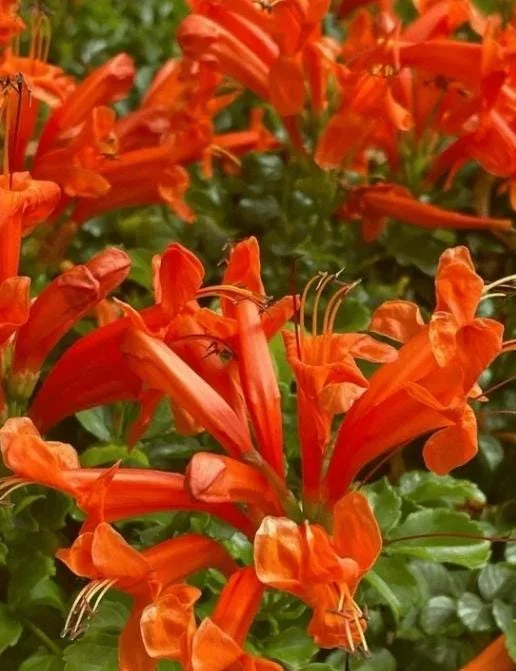
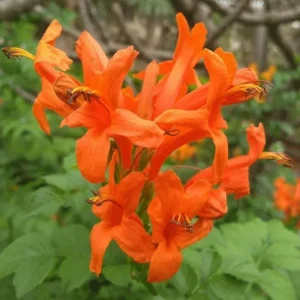
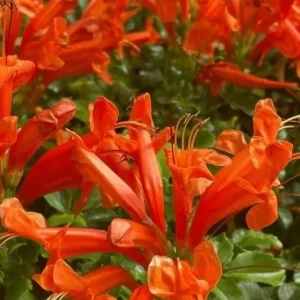
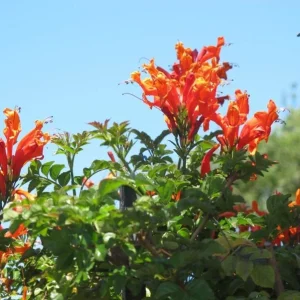
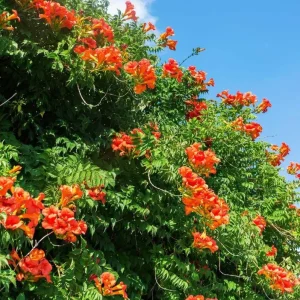
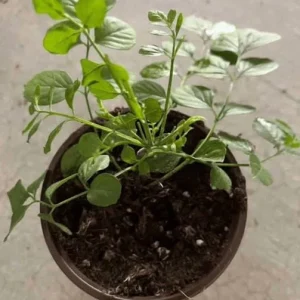
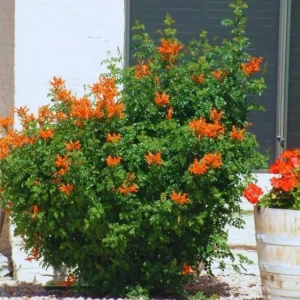
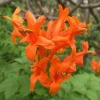
Add a burst of tropical color to your landscape with this set of 3 orange cape honeysuckle live plant starters. These fast-growing, drought-tolerant shrubs provide vibrant orange blooms and attract beneficial pollinators like hummingbirds and butterflies.
Estimated arrival
Apr 07
Apr 12 - Apr 14
Apr 17 - Apr 21

Reasonable Price
We offer reasonable price

Support 24/7
Contact us 24 hrs a day

100% Money Back
You've 30 days to Return

Payment Secure
100% secure payment
Overview
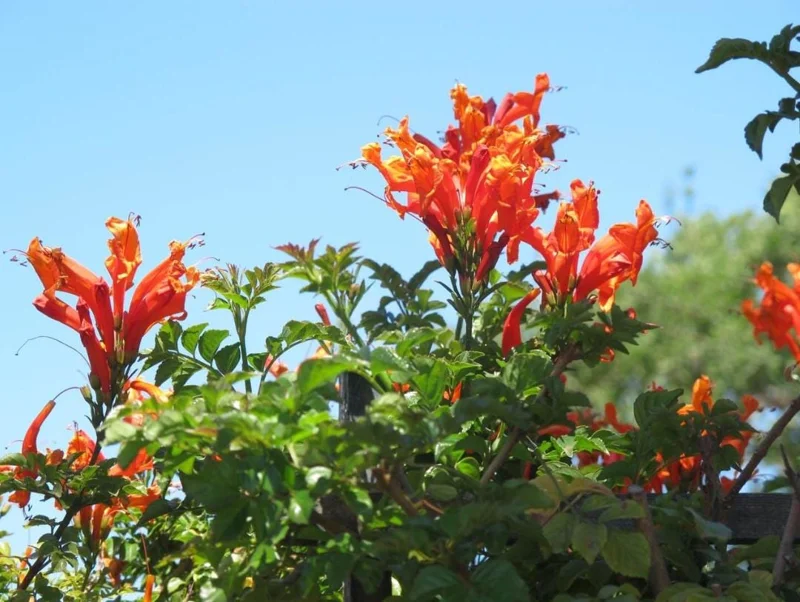
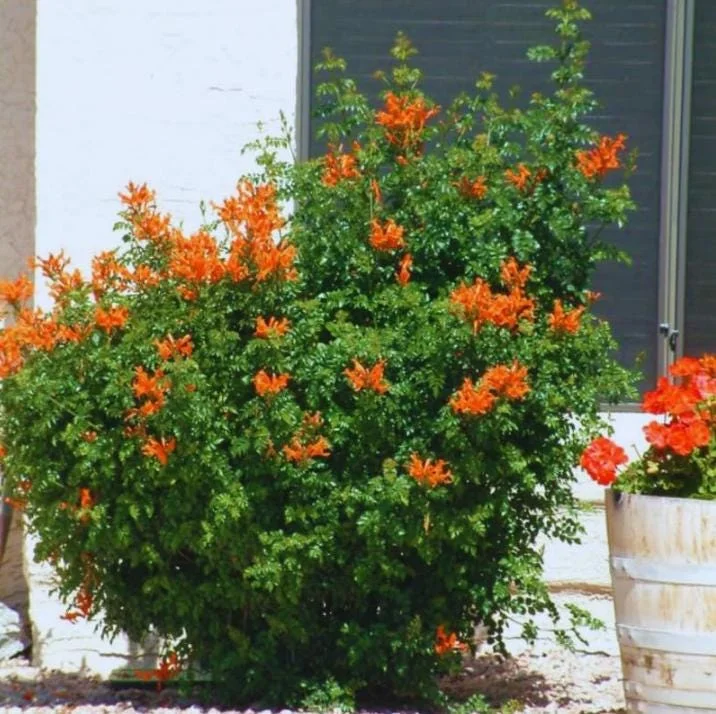
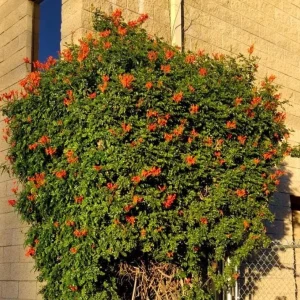
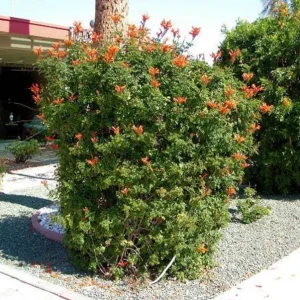
Introduce stunning tropical beauty to your garden with this set of 3 orange cape honeysuckle live plant starters. Known scientifically as Tecoma capensis, this vigorous and versatile shrub is celebrated for its brilliant, tubular orange flowers that bloom profusely, creating a captivating display. Native to South Africa, cape honeysuckle plant care is relatively straightforward, making it an excellent choice for both experienced gardeners and those new to cultivating flowering shrubs. These young plants will mature into robust, spreading shrubs, perfect for adding structure, color, and life to various outdoor settings. Transform your garden into a vibrant oasis, attracting an array of pollinators with these resilient and eye-catching plants.
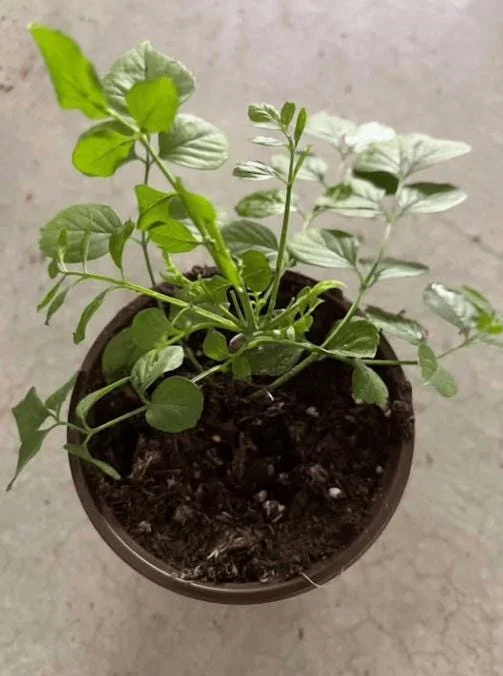
Each starter plant is carefully cultivated to ensure a healthy beginning in your landscape. While they arrive as young plants without blooms, they possess the inherent vigor to quickly establish and flourish with proper care. The orange cape honeysuckle live plant is a fantastic option for creating natural privacy screens, colorful borders, or even as a focal point in large containers. Its adaptability to various conditions and its striking floral display make it a must-have for anyone looking to infuse their outdoor space with exotic charm and ecological benefits.
Key Benefits
The orange cape honeysuckle live plant offers a multitude of advantages, making it a highly desirable addition to any garden. Its impressive resilience and aesthetic appeal contribute to a thriving and beautiful outdoor environment.
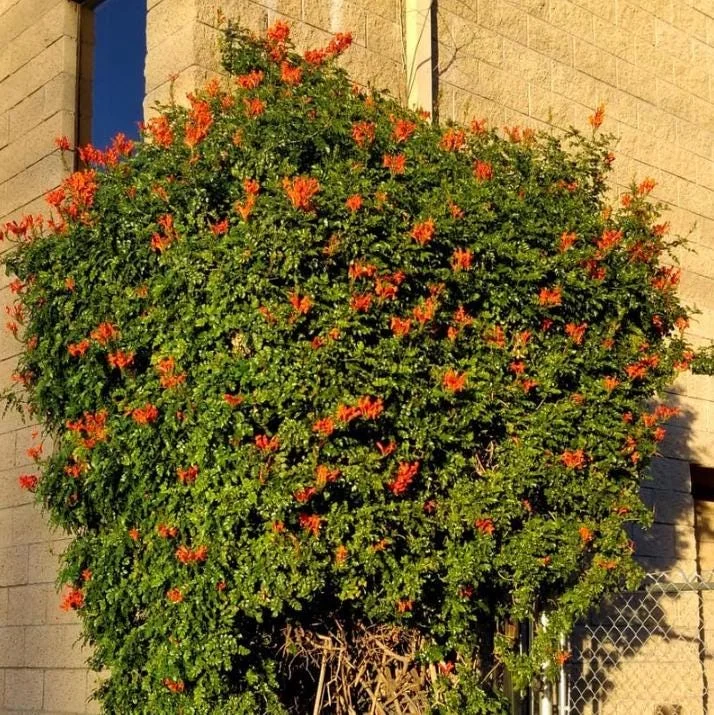
- Vibrant, Long-Lasting Blooms: Enjoy a continuous display of fiery orange, trumpet-shaped flowers that provide a spectacular tropical accent to your garden for an extended period, often from summer through fall and even into winter in warmer climates.
- Attracts Pollinators: These plants are a magnet for local wildlife, particularly hummingbirds and butterflies, which are drawn to their nectar-rich flowers. This fosters a healthy ecosystem in your garden and provides endless enjoyment watching these creatures.
- Hardy and Drought-Tolerant: Once established, the tecoma capensis shrub is remarkably resilient to dry conditions, requiring less frequent watering compared to many other flowering plants. This makes it an excellent choice for xeriscaping or gardens in arid regions.
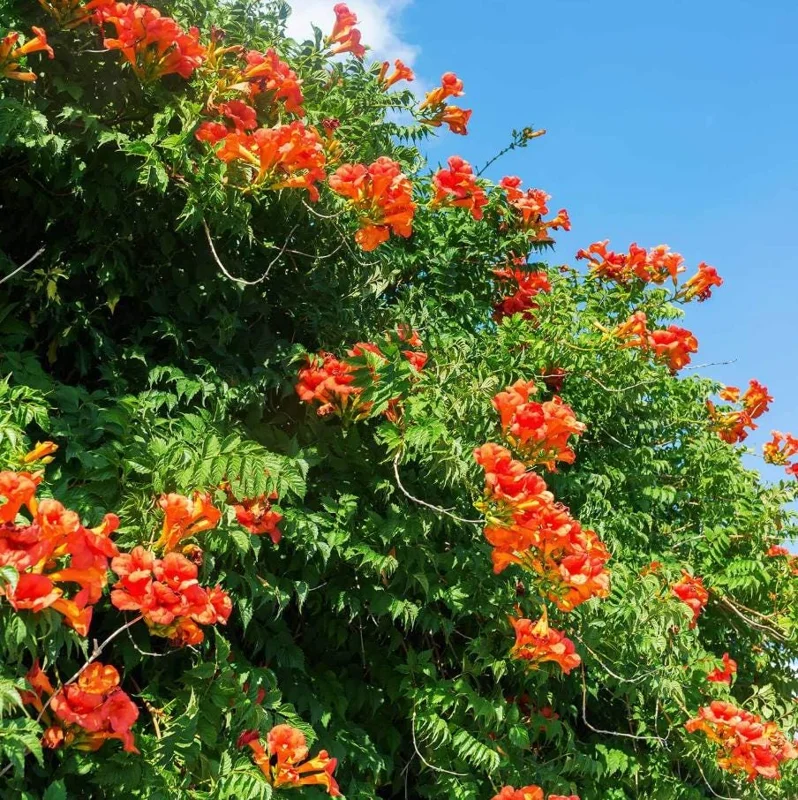
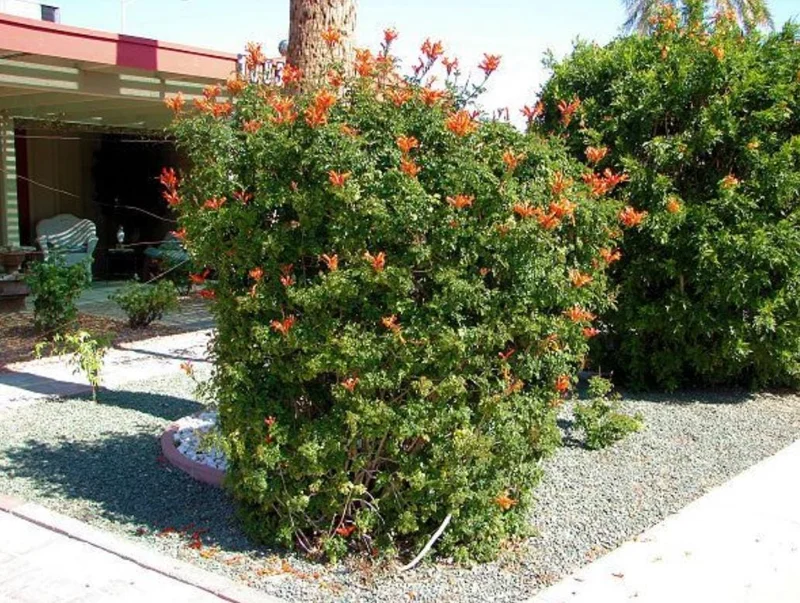
- Versatile Landscaping Use: Whether you need a colorful hedge, a screening plant, a groundcover on slopes, an espaliered specimen against a wall, or a vibrant addition to a large container, these shrubs adapt beautifully to various garden roles.
- Fast Growing: Cape Honeysuckle grows quickly, allowing you to achieve a mature, flowering landscape faster than many other shrub varieties. This rapid growth makes it ideal for filling spaces or establishing privacy quickly.
- Low Maintenance: Beyond initial establishment, cape honeysuckle plant care is minimal. It generally requires only occasional pruning to maintain shape and size, and it’s not prone to many pests or diseases.
- Erosion Control: Its vigorous, spreading growth habit makes it an effective plant for stabilizing slopes and preventing soil erosion, adding a practical benefit to its ornamental value.
Plant Care & Growing Tips
Caring for your orange cape honeysuckle live plant is relatively easy, ensuring it thrives and produces abundant blooms. Understanding its basic needs for light, water, and soil will set it up for success in your garden. This hardy shrub is quite forgiving, but optimal conditions will lead to the most spectacular growth and flowering.
For sunlight, Tecoma capensis shrub thrives in full sun to partial shade. Ideally, it should receive at least 6 hours of direct sunlight per day to encourage the most prolific flowering. In hotter climates, some afternoon shade can be beneficial to prevent leaf scorch. When it comes to watering, consistent moisture is crucial during the establishment phase. Once established, the pollinator friendly plant becomes quite drought-tolerant, so allow the soil to dry out slightly between waterings. Overwatering can lead to root rot, so ensure good drainage. The preferred soil type is well-draining, but Cape Honeysuckle is adaptable to various soil compositions, including sandy, loamy, or clay soils, as long as they are not waterlogged. A slightly acidic to neutral pH is generally ideal.
Regarding climate, the hardy orange flower performs best in USDA Zones 9–11. In colder regions, it can be grown as an annual or brought indoors during winter. Protect young plants from frost, as they are more susceptible to damage. Fertilization is not strictly necessary in rich soils, but a balanced, slow-release fertilizer in spring can encourage vigorous growth and more blooms. Pruning is essential to maintain shape, control size, and promote bushier growth and more flowers. Prune after the main flowering flush to remove spent blooms and shape the plant. Common problems are few, but watch for occasional aphids or spider mites, which can typically be managed with organic pest control methods or a strong spray of water. With these simple tips, your orange cape honeysuckle live plant will flourish.
Size & Details
This offering includes a set of 3 live Orange Cape Honeysuckle starter plants. Each plant is a young, healthy specimen, ready to be transplanted into your garden or a larger container. While they arrive as starter plants, they possess a fast growth rate and will quickly develop into mature shrubs with proper care. Expect these plants to reach a mature height of 6 to 10 feet and a spread of 6 to 8 feet when grown in ideal conditions as a shrub. If trained as a vine, they can climb much higher. The plants typically do not have flowers at the time of delivery, as their energy is focused on root and foliage development. Flowering usually commences once the plant is established and has reached a certain level of maturity, typically within one to two growing seasons.
These plants are suitable for various landscape applications, including garden beds, hedges, and container growing. They are shipped in a nursery pot designed to protect the roots during transit and ensure a smooth transition to their new home. The exact size of the starter plants may vary slightly due to natural growth patterns, but all will be robust and ready for planting. With patience and good horticultural practices, these tecoma capensis shrub specimens will provide years of vibrant color and ecological benefit to your outdoor spaces, becoming a striking pollinator friendly plant in your landscape.
Frequently Asked Questions
- Q: How big does this plant get? A: A mature orange cape honeysuckle live plant typically grows 6 to 10 feet tall and spreads 6 to 8 feet wide as a shrub. If trained as a vine, it can climb much higher, potentially over 20 feet.
- Q: What size pot does it come in? A: You will receive 3 young starter plants, each in an individual nursery pot suitable for safe transit and initial growth. The exact pot size is designed to protect the roots during shipping.
- Q: Is this an indoor or outdoor plant? A: The orange cape honeysuckle live plant is primarily an outdoor plant, best suited for garden beds, hedges, or large outdoor containers. In colder climates (below USDA Zone 9), it can be grown as an annual or overwintered indoors.
- Q: How much sunlight does it need? A: This plant thrives in full sun to partial shade, ideally receiving at least 6 hours of direct sunlight daily for optimal flowering.
- Q: Is this plant easy to care for? A: Yes, cape honeysuckle plant care is considered relatively easy. It’s a hardy and drought-tolerant shrub once established, requiring minimal maintenance beyond occasional pruning and watering.
- Q: What condition will it arrive in? A: You will receive 3 healthy, young starter plants. They will be carefully packaged to ensure their safe arrival, but they will not have flowers at the time of delivery.
- Q: How long until it blooms? A: These starter plants typically begin to flower once they are established and have reached maturity, which usually occurs within one to two growing seasons after planting.
- Q: When is the best time to plant? A: The best time to plant Tecoma capensis shrub is in spring or early summer after the last frost, allowing it ample time to establish before cooler weather.
- Q: Will it survive winter in my zone? A: This hardy orange flower is best suited for USDA Zones 9–11. In zones colder than 9, it may not survive winter outdoors unless protected from frost or brought indoors.
- Q: Is it good for beginners? A: Absolutely! Its resilience, fast growth, and relatively low maintenance requirements make it an excellent choice for beginner gardeners looking for a striking and rewarding plant.
Be the first to review “Orange Cape Honeysuckle Live Plants – Set of 3 – Hardy Shrubs for Pollinators”
-
USDA Hardiness Zone
USDA Zones 9–11 -
Soil Type
Well-draining soil; adaptable to various soil types -
Sunlight Exposure
Full sun to partial shade -
Expected Planting Period
Spring to early summer
People Also Viewd


Sold 128 products
Original price was: $89.99.$64.99Current price is: $64.99.

Sold 128 products
Original price was: $27.00.$24.00Current price is: $24.00.
Sold 127 products
Original price was: $159.99.$139.99Current price is: $139.99.

Sold 126 products
Original price was: $3,536.00.$23.99Current price is: $23.99.

Sold 125 products
Original price was: $86.99.$66.99Current price is: $66.99.
Sold 116 products
Original price was: $27.99.$16.99Current price is: $16.99.

Flower Bulbs
3 Cranesbill Wild Geranium Organic Maculatums Bare Roots | Wildflower for Outdoor Garden
Sold 114 products
Original price was: $21.99.$6.99Current price is: $6.99.

Sold 114 products
Original price was: $28.99.$17.99Current price is: $17.99.RELATED posts
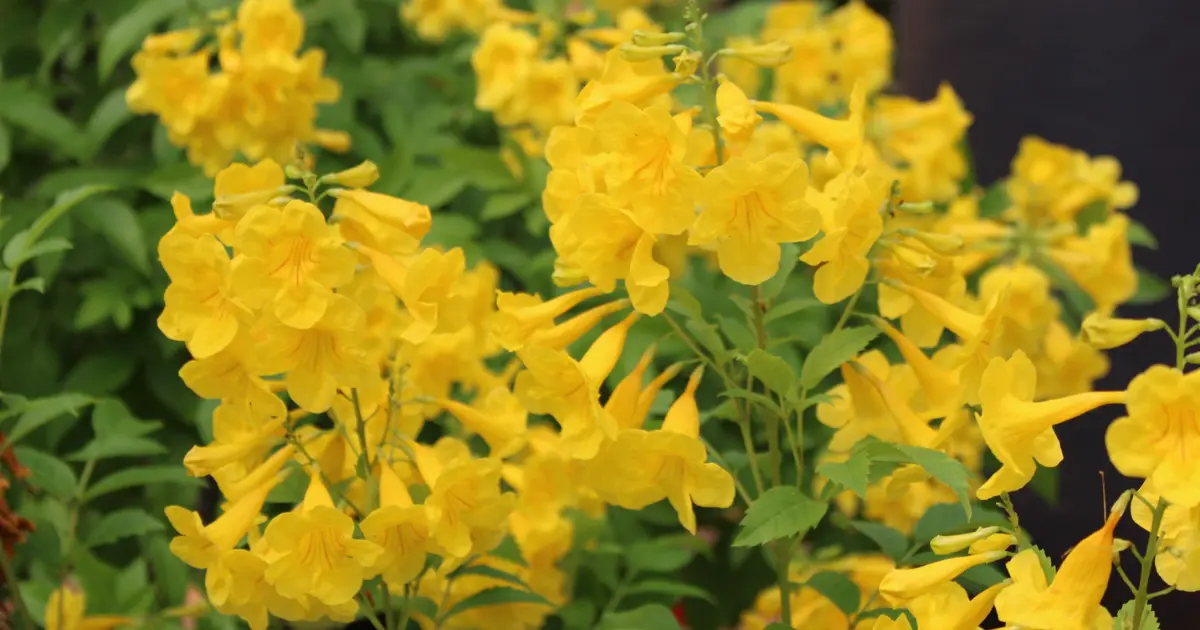
Mastering Esperanza Goldstar: Grow the Ultimate Yellow Bloom
Esperanza Goldstar is more than just a heat-tolerant shrub; for the American gardener battling the [...]
Apr
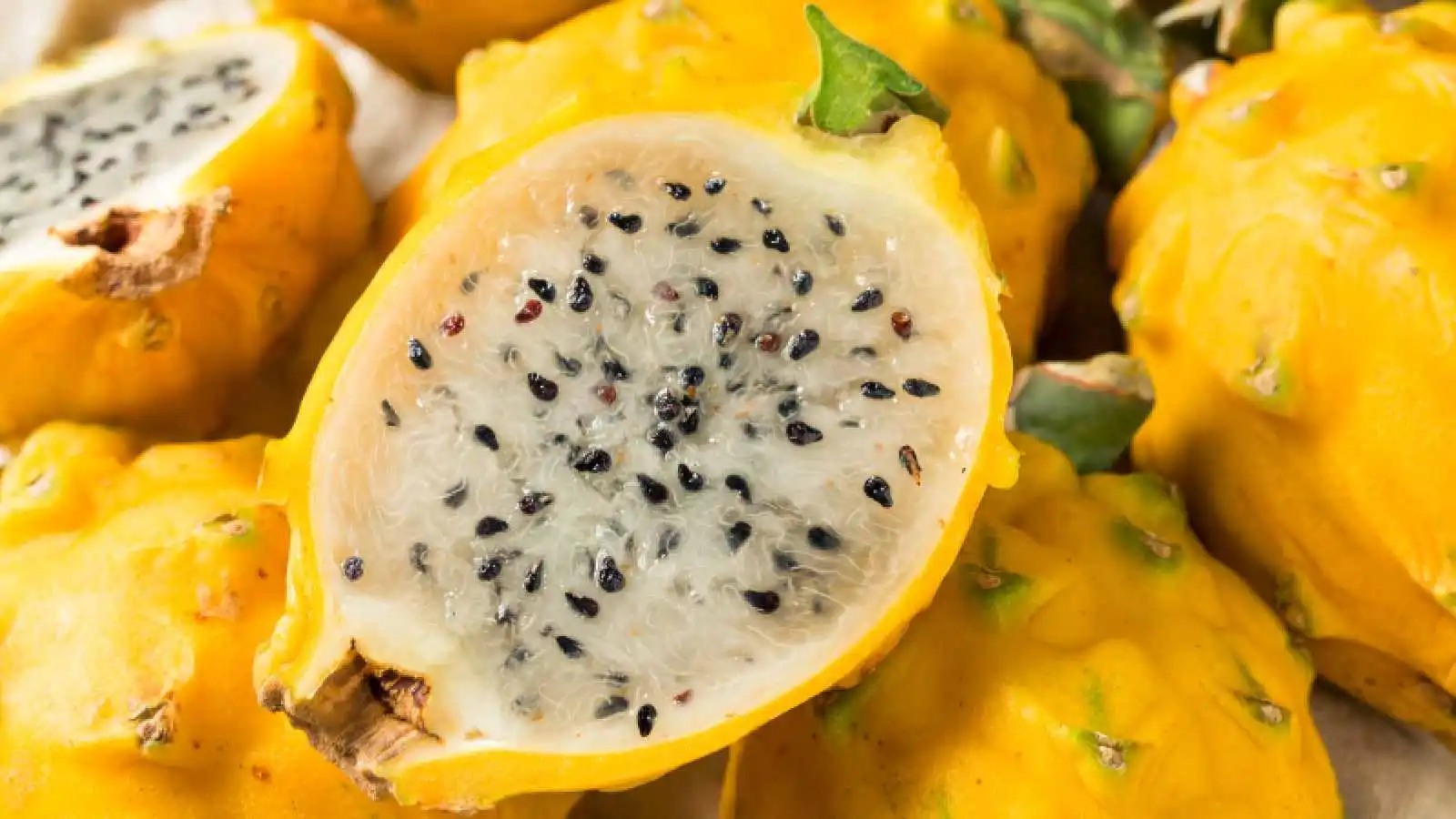
Yellow Dragon Fruit Plant Care: The Ultimate Guide for Healthy Growth
The yellow dragon fruit plant is a unique and rewarding addition to any home garden, [...]
Apr
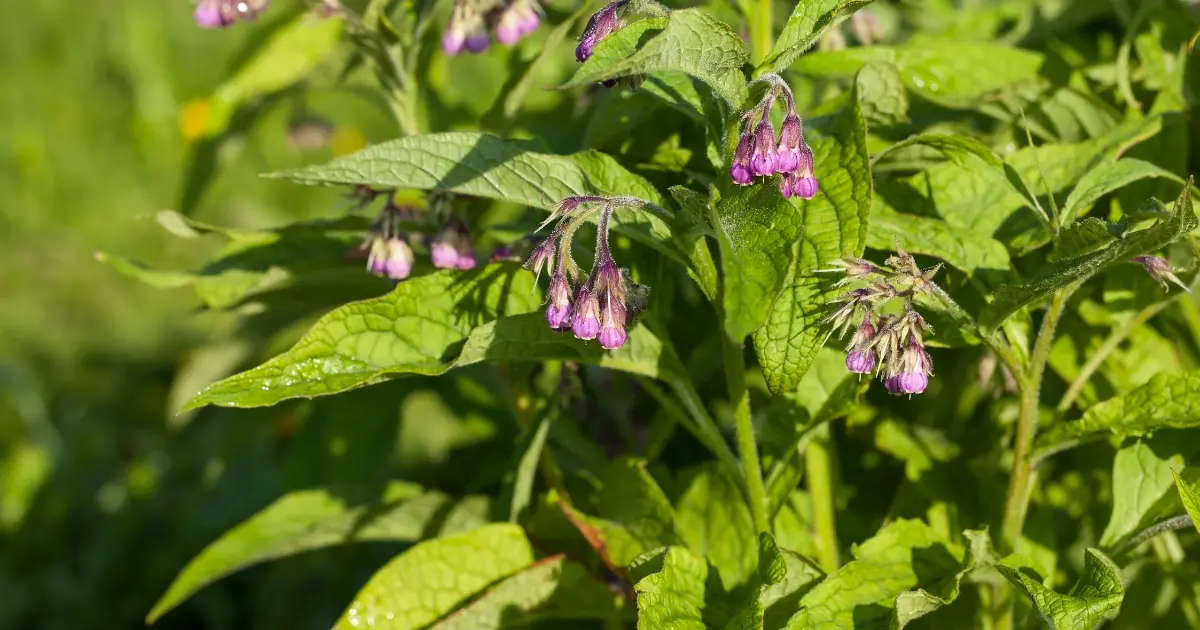
How to Identify Bocking 14 Comfrey: 5 Simple Visual Signs
If you’re growing comfrey for mulch, compost, or animal feed, knowing exactly which variety you [...]
Mar
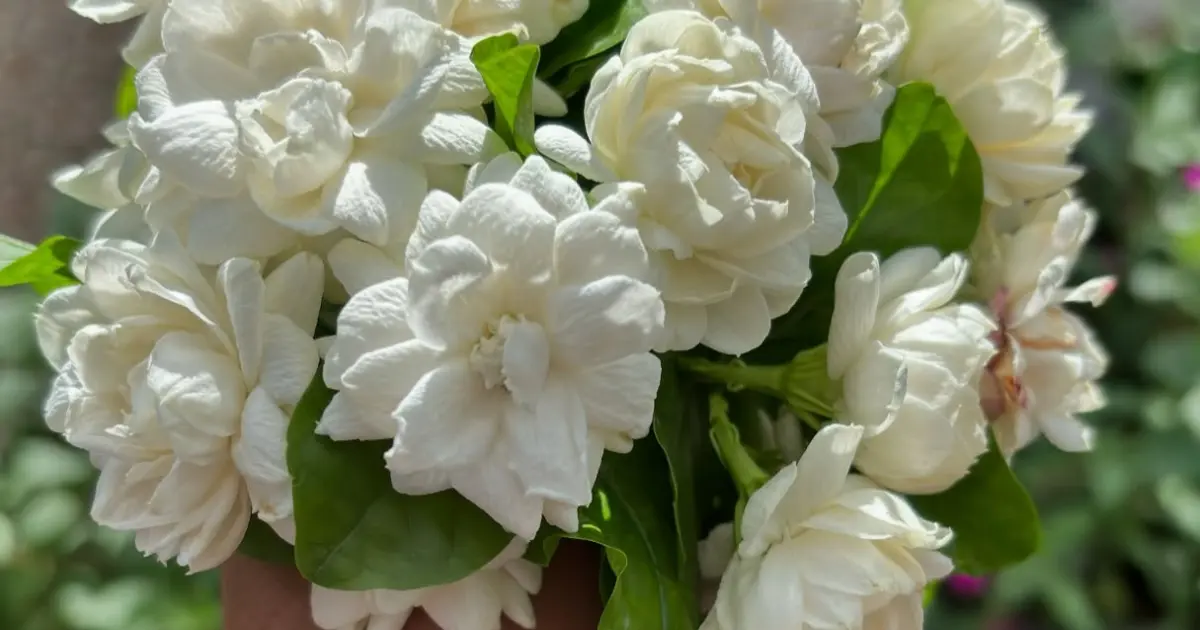
Grand Duke of Tuscany Jasmine: The Ultimate Guide to Growing a Fragrant Masterpiece
Have you ever caught a scent in the air so rich, creamy, and honey-sweet that [...]
Mar
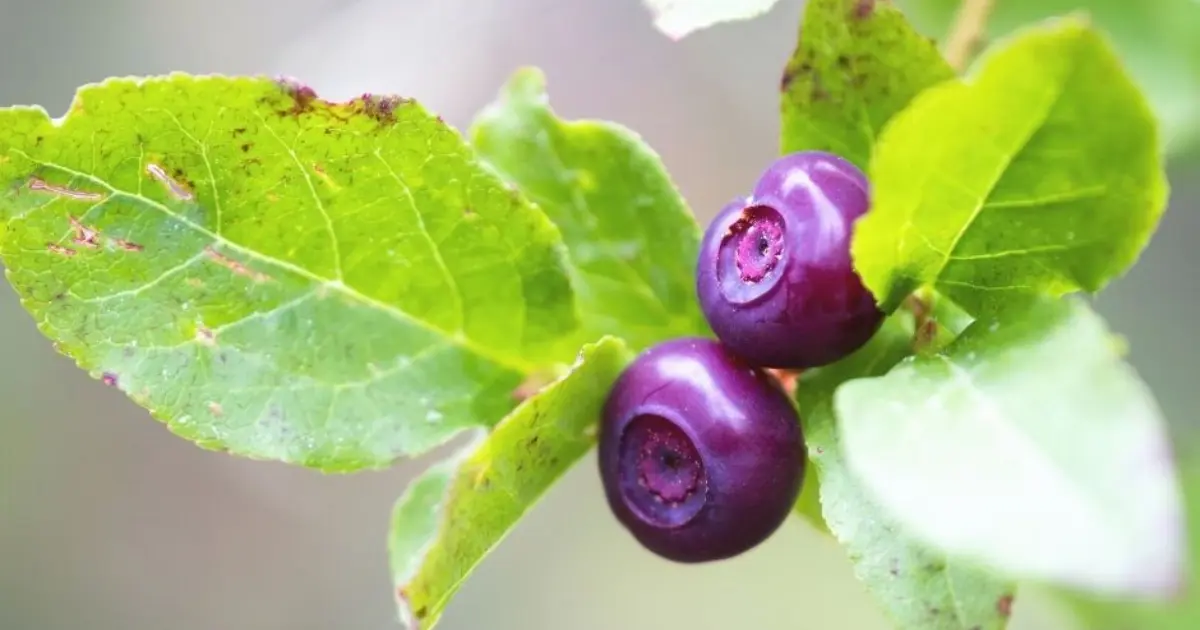
How to Grow Wild Huckleberries: A Guide to “Purple Gold”
Have you ever spent a summer afternoon hiking through the Pacific Northwest or the Rocky [...]
Mar
5 Best Shade-Loving Perennials for a Lush, Vibrant Garden
The world of gardening often shines a spotlight on sun-drenched blossoms, but there is a [...]
Mar

7 Common Curry Leaf Plant Problems: Easy Fixes for a Thriving Plant
Is your curry leaf plant looking a bit sad lately? Maybe you woke up to [...]
Mar
Best Time to Plant Bougainvillea: Timing for Vibrant Blooms
If you’re looking for a hardy tropical vine that delivers a riot of neon color, [...]
Feb
Reviews
There are no reviews yet.