
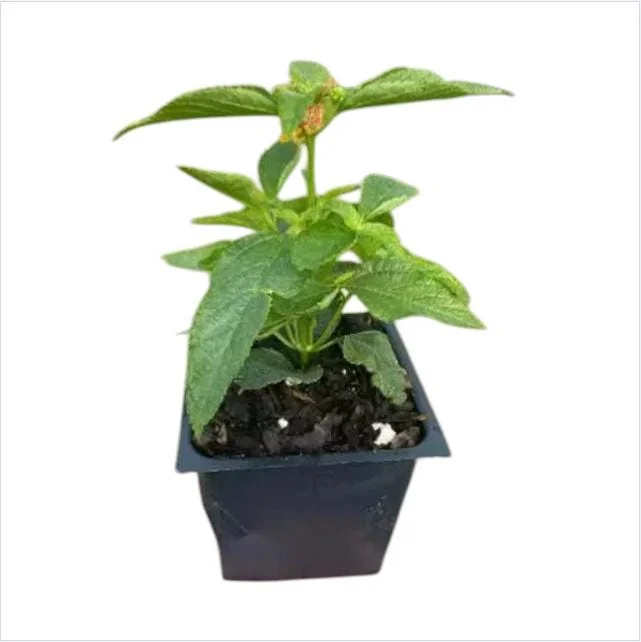
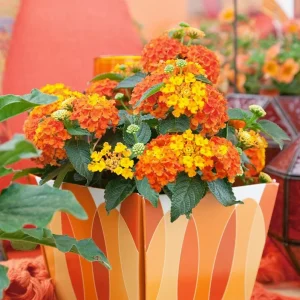
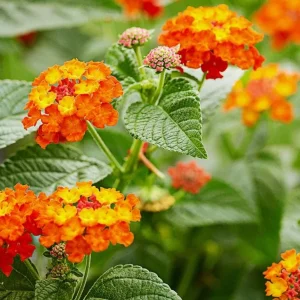
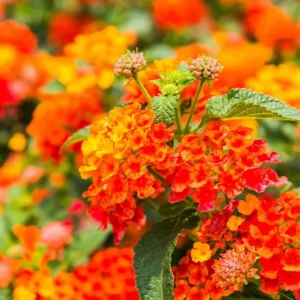
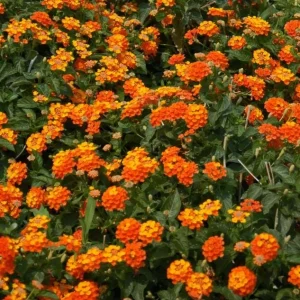
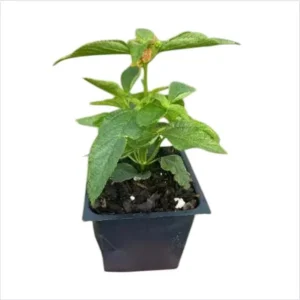
Orange Lantana Live Plant – Perennial Flowering Starter, 4-6 Inch Tall, Outdoor
Original price was: $27.09.$17.09Current price is: $17.09.
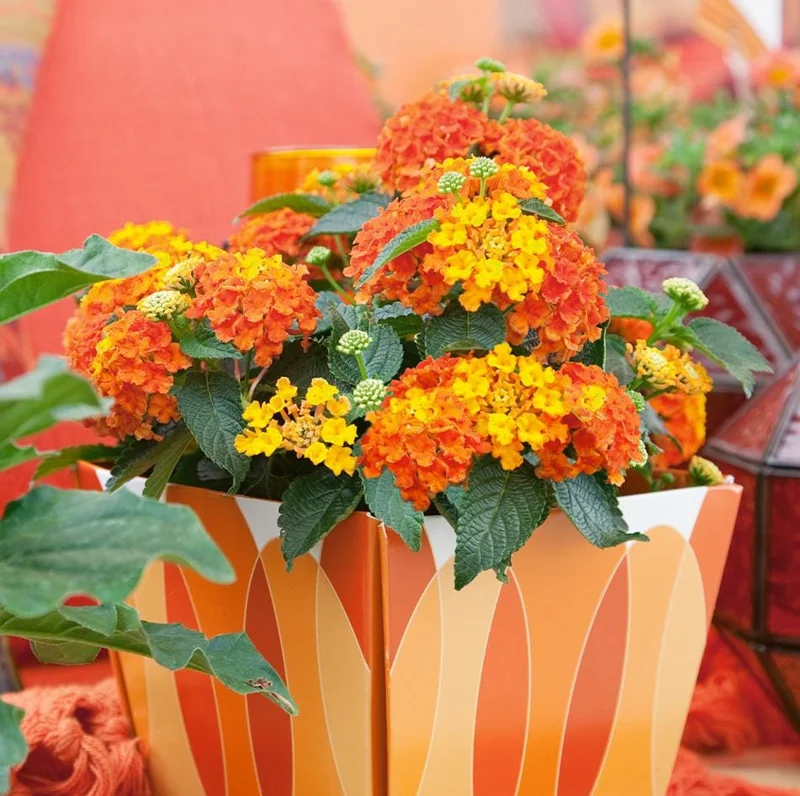
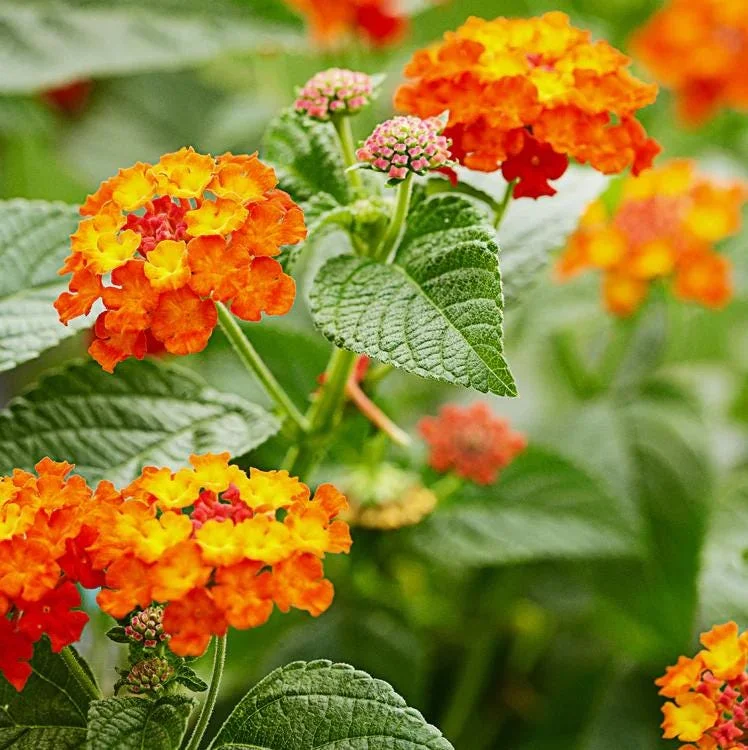
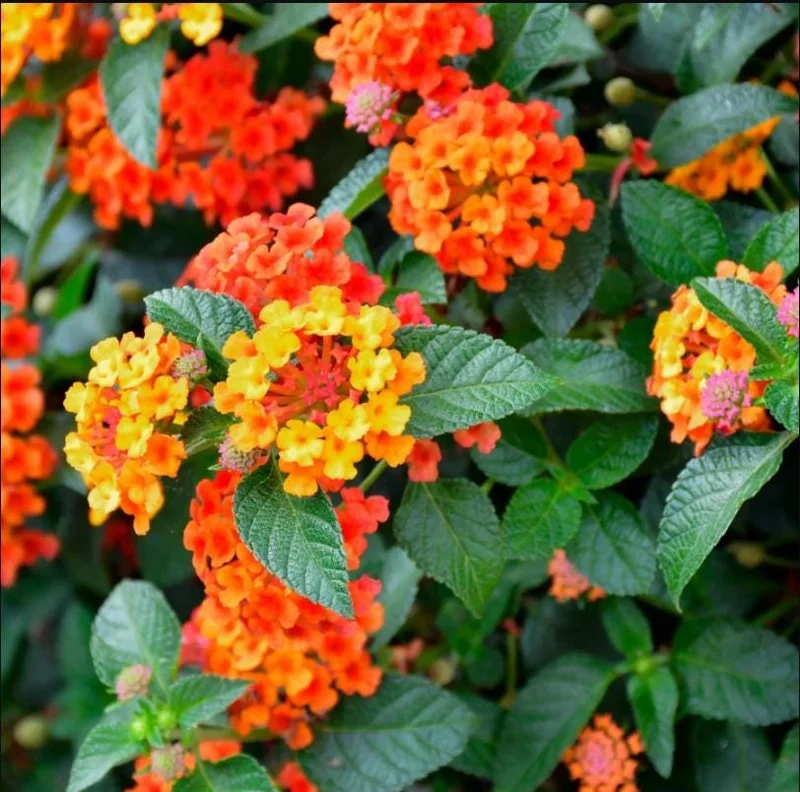
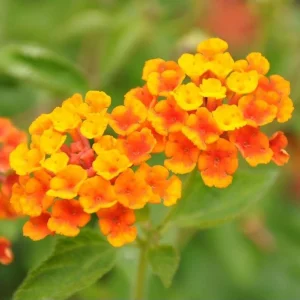
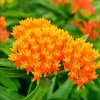
Add a splash of vibrant color to your garden with this orange lantana live plant. This well-rooted perennial starter is perfect for outdoor growing, offering beautiful blooms and attracting pollinators.
Estimated arrival
Mar 30
Apr 04 - Apr 06
Apr 09 - Apr 13

Reasonable Price
We offer reasonable price

Support 24/7
Contact us 24 hrs a day

100% Money Back
You've 30 days to Return

Payment Secure
100% secure payment
Overview
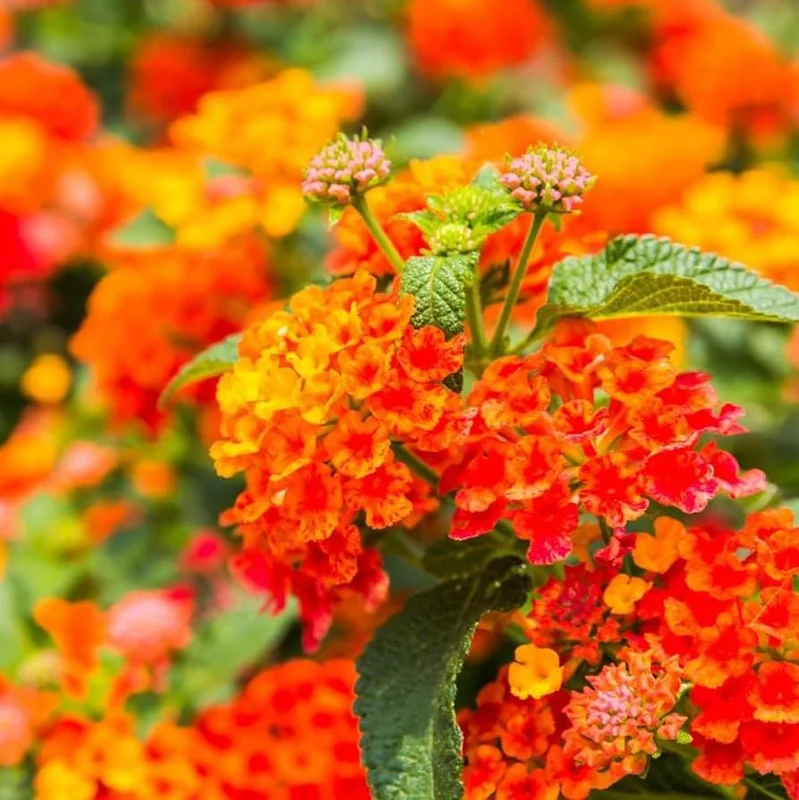
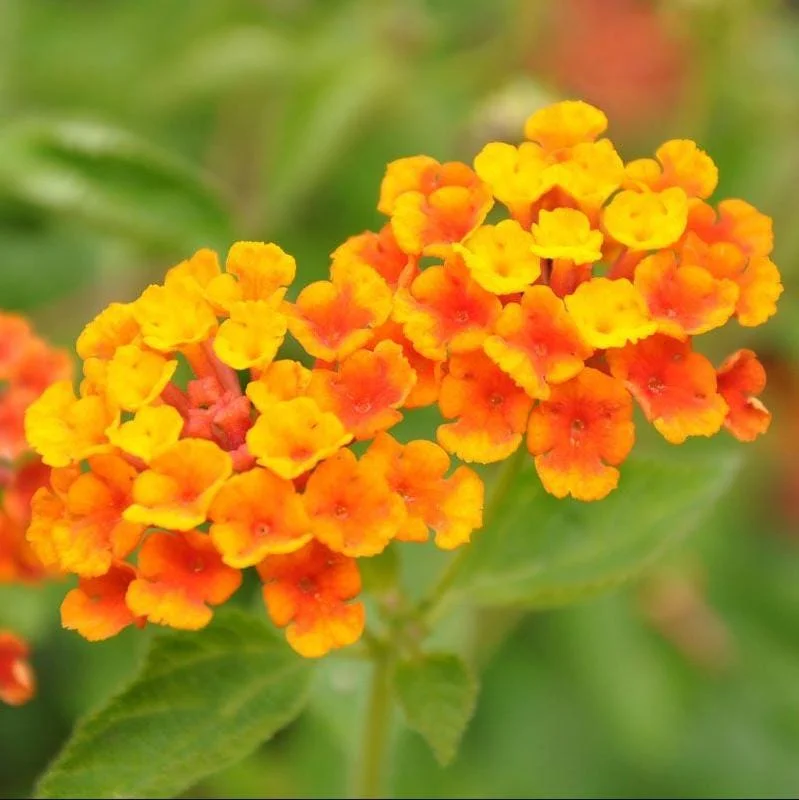
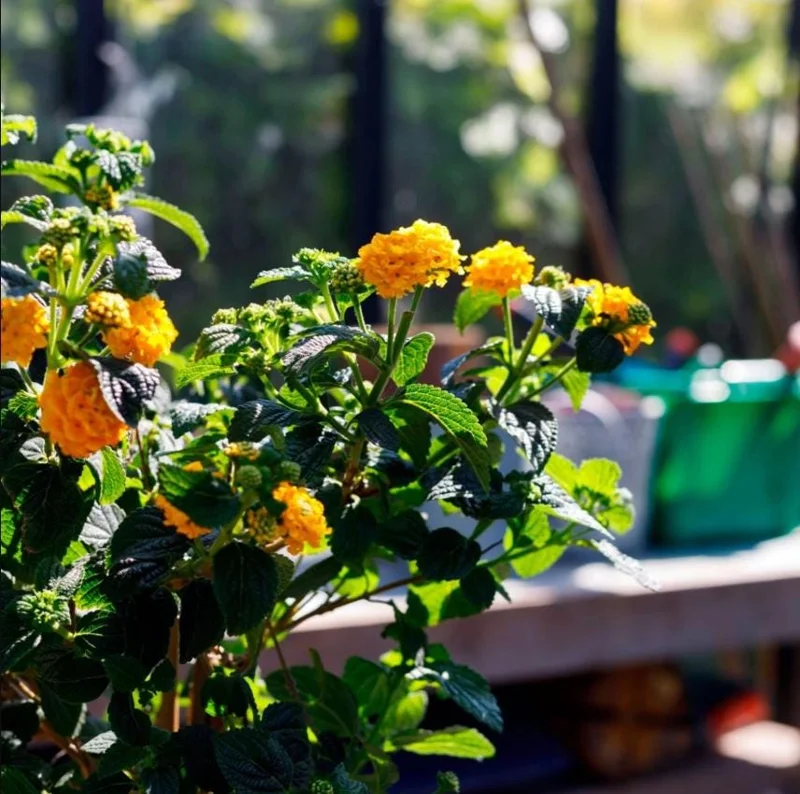
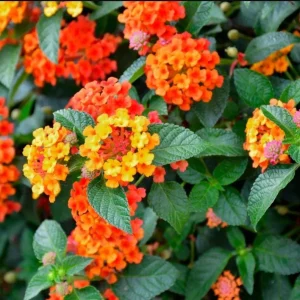
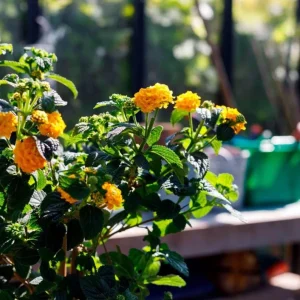
Bring the beauty of continuous blooms to your outdoor spaces with a healthy orange lantana live plant. This vibrant perennial is a favorite among gardeners for its stunning clusters of orange flowers that attract butterflies and hummingbirds. Our starter plants are well-rooted and ready for planting, offering an excellent foundation for a thriving, colorful display. Lantana camara, commonly known as Lantana, is celebrated for its hardiness and ability to flourish in various conditions, making it an ideal choice for both novice and experienced gardeners seeking a low-maintenance yet spectacular flowering shrub. As a young starter, your plant will grow into a robust specimen, providing season-long color and texture to your landscape.
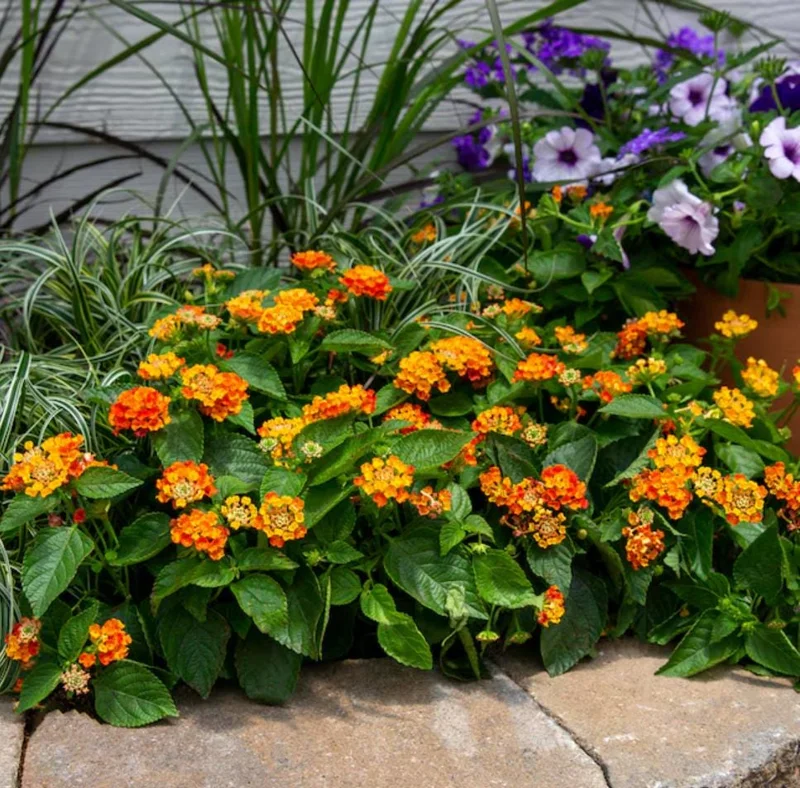
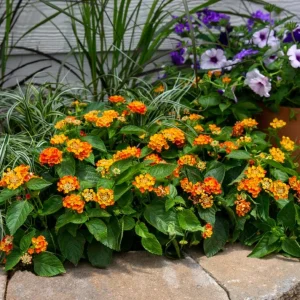
The orange lantana live plant is a versatile addition to garden beds, borders, containers, or hanging baskets. Its cheerful disposition and bright hues can instantly uplift any garden design. This particular variety showcases brilliant orange tones that truly pop against its green foliage. Known for its vigorous growth and abundant flowering, this perennial will become a focal point in your outdoor sanctuary, inviting nature’s delicate creatures to your yard. Prepare to enjoy the dynamic beauty and effortless charm that this resilient plant brings to your home.
Key Benefits
Choosing an orange lantana live plant offers numerous advantages for your garden and lifestyle. This resilient perennial brings continuous joy and vibrant color with minimal effort, making it a rewarding choice for any gardener. Discover the many reasons why Lantana is a garden favorite:
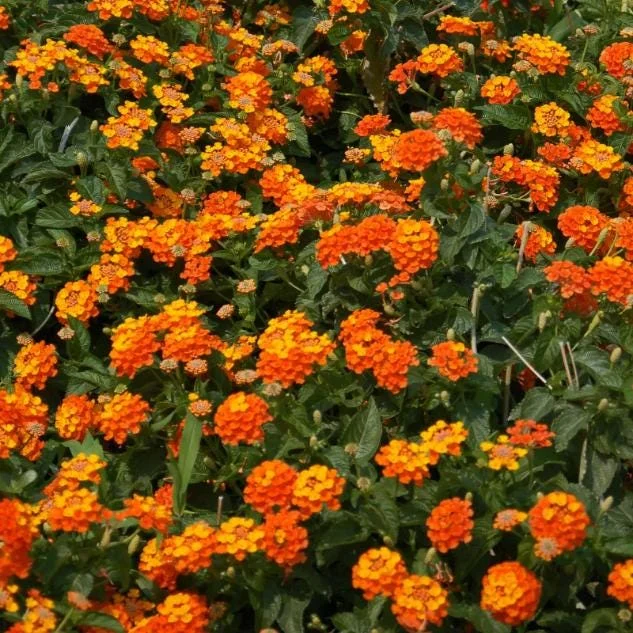
- Continuous Blooms: Enjoy a long flowering season from spring until frost, providing consistent color and visual interest in your garden. The prolific orange blossoms ensure your outdoor space remains lively and attractive throughout the warmer months.
- Attracts Pollinators: The vibrant flowers are a magnet for butterflies, bees, and hummingbirds, contributing to a healthy ecosystem and bringing delightful activity to your garden. This makes it an excellent choice for a pollinator garden.
- Drought-Tolerant: Once established, Lantana is remarkably tolerant of dry conditions, making it an excellent choice for water-wise gardening and regions with limited rainfall. This characteristic makes it a strong candidate for a drought tolerant plant.
- Low Maintenance: This hardy plant requires minimal care, thriving with basic watering and occasional feeding, allowing you more time to enjoy your garden rather than tending to it. It’s an easy-care option for busy gardeners.
- Versatile Landscaping: Perfect for garden beds, borders, containers, and hanging baskets, its adaptable nature allows it to fit into various garden designs and spaces. Its spreading habit can also make it a great groundcover in some climates.
- Deer Resistant: Lantana is generally disliked by deer, offering a natural defense against common garden pests in areas where deer are prevalent.
- Vibrant Color: The striking orange flowers provide a bold and cheerful splash of color, enhancing the aesthetic appeal of any outdoor setting and creating a lively atmosphere.
Plant Care & Growing Tips
Proper care for your orange lantana live plant will ensure it thrives and provides a spectacular display of color throughout the growing season. Lantana is known for being quite forgiving, but a few key practices will help it reach its full potential. For optimal blooming performance, this plant absolutely thrives in full sun, requiring at least 6–8 hours of direct sunlight daily. In areas with intense summer heat, a little afternoon shade can be beneficial, but generally, the more sun it gets, the more flowers it will produce. This makes understanding growing lantana outdoors crucial for success.
When it comes to soil, Lantana is highly adaptable but absolutely requires well-draining soil. It can tolerate various soil types, including sandy or rocky soils, as long as water does not sit around its roots. A slightly acidic to neutral pH is ideal. Once established, this plant is quite drought-tolerant, meaning it doesn’t need constant watering. Water regularly during dry spells, especially when the plant is young and establishing its root system. However, be cautious of overwatering, as this can lead to root rot, which is one of the few common problems this hardy plant faces. Fertilize sparingly; an all-purpose granular fertilizer in spring is usually sufficient. Pruning can be done in early spring to shape the plant and encourage bushier growth and more blooms. In colder climates, treat it as an annual or bring containers indoors before the first frost. This guidance ensures your perennial lantana care routine is effective.
Size & Details
This offering is for one healthy orange lantana live plant starter, typically measuring 4 to 6 inches in height. These young plants are well-rooted in soil, ensuring a strong start in your garden. Please note that as starter plants, they are shipped without a pot and may not have flowers or fruit upon arrival, as they are focused on establishing their root system. The size range of 4 to 6 inches refers to the plant’s height from the soil line to the top of the foliage, providing a good foundation for robust growth once planted in your garden. Lantana is known for its relatively fast growth rate, and with proper care, these starters will quickly develop into mature plants, producing their signature vibrant orange blooms. Expect to see significant growth and flowering within their first season in your garden.
While mature plants can reach heights and spreads of 2 to 6 feet depending on the variety and growing conditions, these starters are ready to embark on that journey. They are ideal for planting from spring through early summer, allowing them ample time to settle in and establish before the peak growing season. The plant’s root system is carefully preserved for shipping, ensuring it arrives in optimal condition for successful transplanting. This compact size makes them easy to handle and integrate into various garden designs, whether you’re creating a new flower bed or adding to existing container arrangements.
Frequently Asked Questions
- Q: How big does this orange lantana live plant get? A: A mature orange lantana live plant can typically grow between 2 to 6 feet tall and wide, depending on the specific variety, growing conditions, and climate. Our starter plants are 4-6 inches tall and will grow into larger specimens.
- Q: Is this an indoor or outdoor plant? A: This is primarily an outdoor plant. While it can be overwintered indoors in colder climates, it thrives and blooms best when grown outdoors in full sun. It is ideal for growing lantana outdoors in garden beds or containers.
- Q: How much sunlight does this perennial lantana need? A: For the best blooming performance, your perennial lantana care requires at least 6–8 hours of direct sunlight daily. It loves full sun and will produce the most vibrant flowers in bright conditions.
- Q: What condition will the plant arrive in? A: You will receive one healthy, well-rooted live starter plant, typically 4-6 inches tall. It will be shipped without a pot to ensure safe transit and may not have flowers or fruit yet, as it is a young plant focused on root development.
- Q: Is this plant easy to care for? A: Yes, Lantana is considered a very low-maintenance plant, especially once established. It is known for its hardiness and drought tolerance, making it a great choice for beginners or busy gardeners looking for a drought tolerant plant.
- Q: How long until it blooms? A: Since you are receiving a young starter plant, it will need some time to establish and grow. With proper care and sufficient sunlight, you can expect it to start producing its vibrant orange blooms within the first growing season after planting.
- Q: What is the best time to plant this orange lantana? A: The ideal time to plant your orange lantana live plant is in the spring after the last frost, or in early summer. This gives the plant ample time to establish its root system before the peak heat of summer and ensures a full season of growth and flowering.
- Q: Will this plant attract butterflies? A: Absolutely! The vibrant orange flowers of the Lantana are highly attractive to butterflies, bees, and hummingbirds, making it an excellent addition to any pollinator garden.
- Q: What kind of soil does it prefer? A: Lantana prefers well-draining soil. It is adaptable to various soil types, but good drainage is crucial to prevent root rot. A slightly acidic to neutral pH is generally best.
- Q: Is this plant pet-safe? A: While many parts of the Lantana plant are considered toxic if ingested, especially the unripe berries, it’s generally safe to have in a garden where pets are not prone to chewing on plants. We always recommend consulting with a veterinarian if you have concerns about specific plants and your pets.
Be the first to review “Orange Lantana Live Plant – Perennial Flowering Starter, 4-6 Inch Tall, Outdoor”
-
USDA Hardiness Zone
USDA zones 9-11 (as a perennial, otherwise annual) -
Soil Type
Well-draining soil -
Sunlight Exposure
Full sun (6-8 hours daily) -
Expected Planting Period
Spring to early summer
People Also Viewd
Sold 128 products
Original price was: $27.00.$24.00Current price is: $24.00.
Sold 127 products
Original price was: $89.99.$64.99Current price is: $64.99.
Sold 125 products
Original price was: $3,536.00.$23.99Current price is: $23.99.

Sold 125 products
Original price was: $86.99.$66.99Current price is: $66.99.
Sold 116 products
Original price was: $27.99.$16.99Current price is: $16.99.
Flower Bulbs
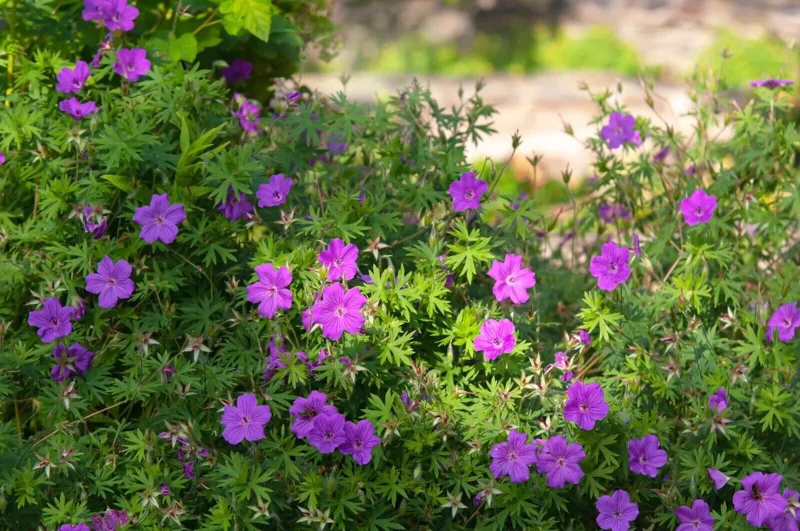
3 Cranesbill Wild Geranium Organic Maculatums Bare Roots | Wildflower for Outdoor Garden
Sold 114 products
Original price was: $21.99.$6.99Current price is: $6.99.
Sold 114 products
Original price was: $28.99.$17.99Current price is: $17.99.
Sold 109 products
Original price was: $63.99.$28.99Current price is: $28.99.RELATED posts
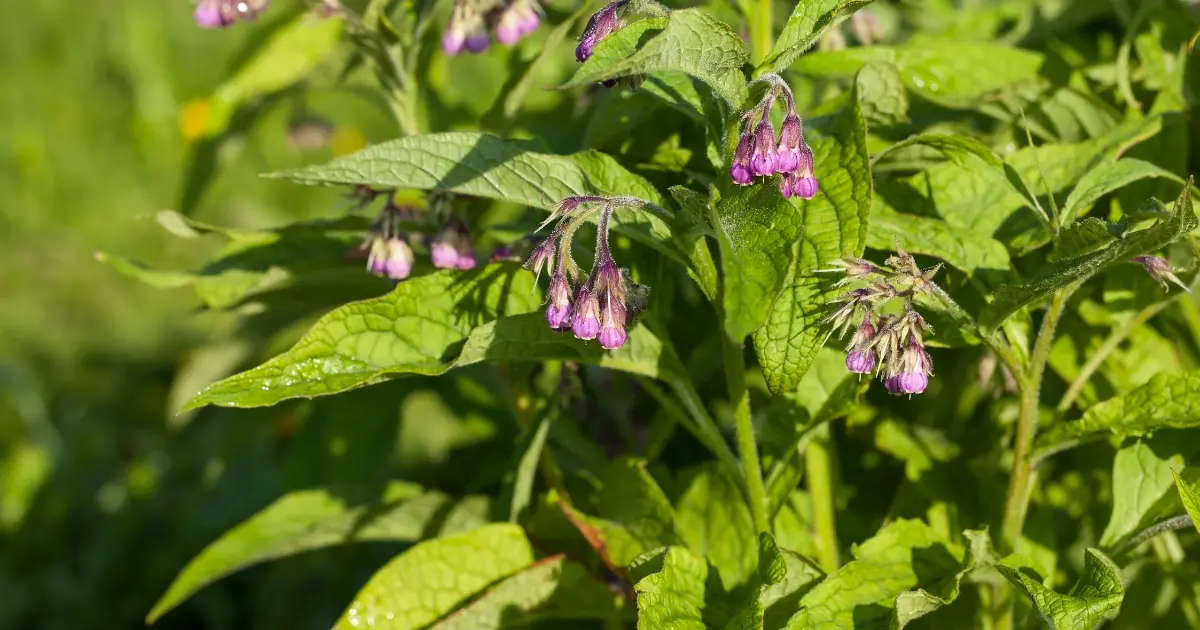
How to Identify Bocking 14 Comfrey: 5 Simple Visual Signs
If you’re growing comfrey for mulch, compost, or animal feed, knowing exactly which variety you [...]
Mar
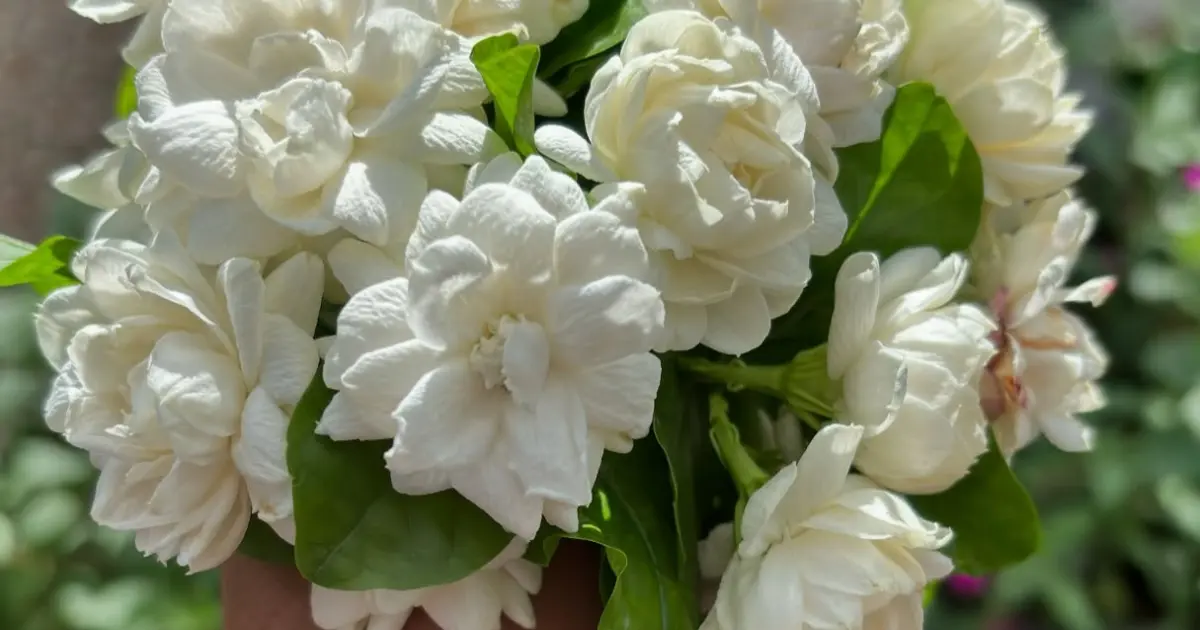
Grand Duke of Tuscany Jasmine: The Ultimate Guide to Growing a Fragrant Masterpiece
Have you ever caught a scent in the air so rich, creamy, and honey-sweet that [...]
Mar
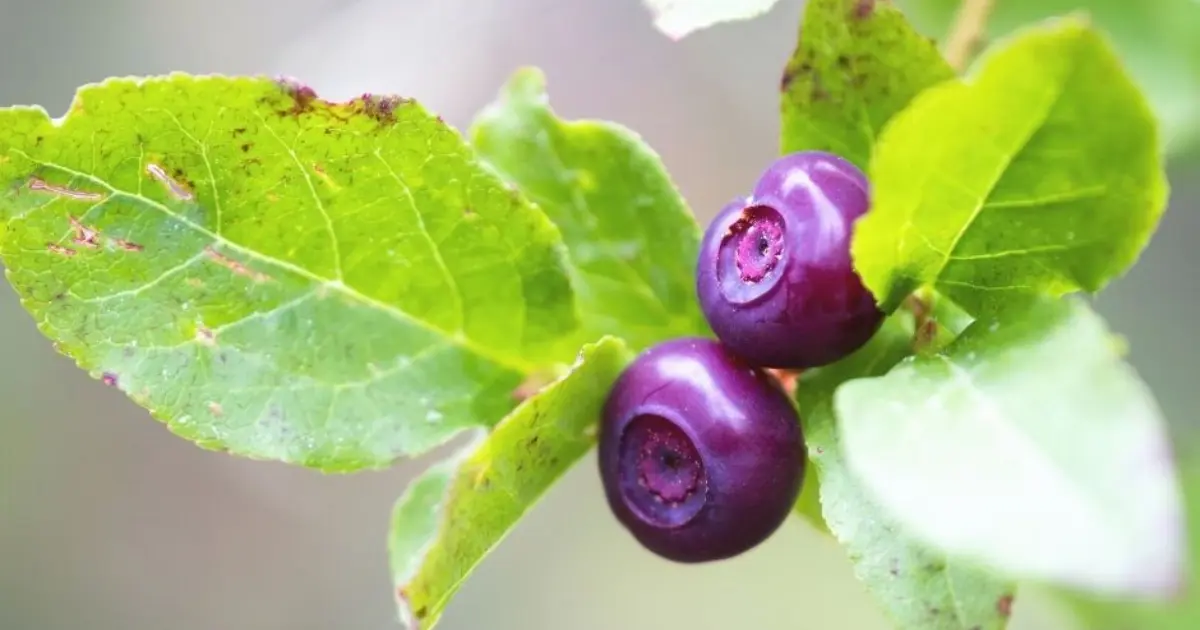
How to Grow Wild Huckleberries: A Guide to “Purple Gold”
Have you ever spent a summer afternoon hiking through the Pacific Northwest or the Rocky [...]
Mar
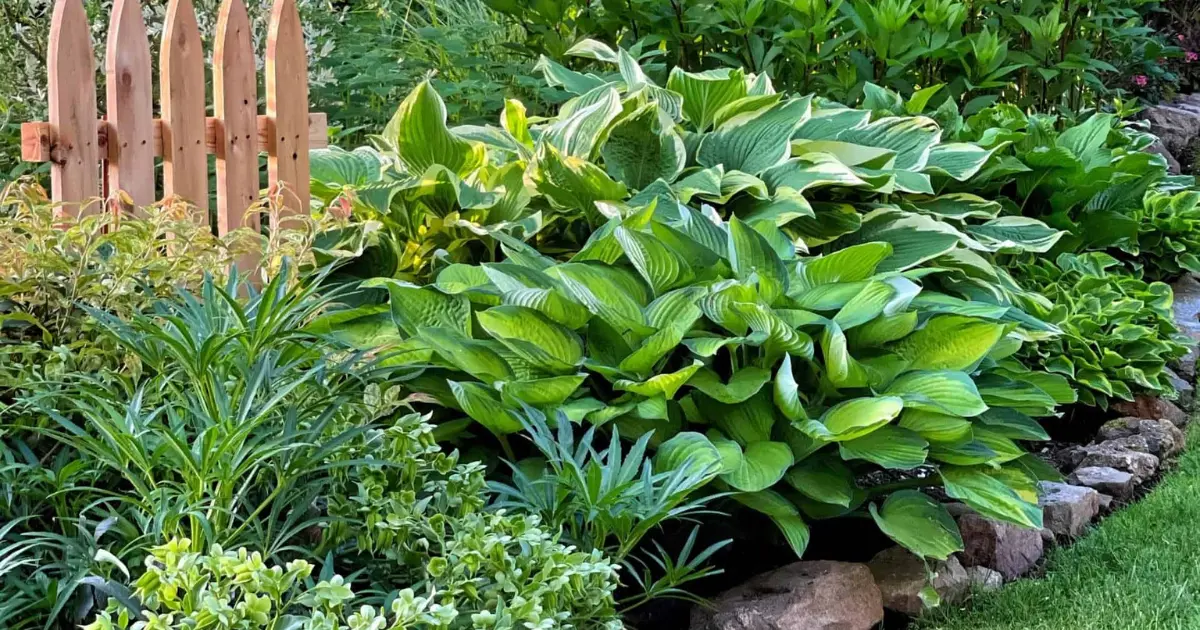
5 Best Shade-Loving Perennials for a Lush, Vibrant Garden
The world of gardening often shines a spotlight on sun-drenched blossoms, but there is a [...]
Mar

7 Common Curry Leaf Plant Problems: Easy Fixes for a Thriving Plant
Is your curry leaf plant looking a bit sad lately? Maybe you woke up to [...]
Mar
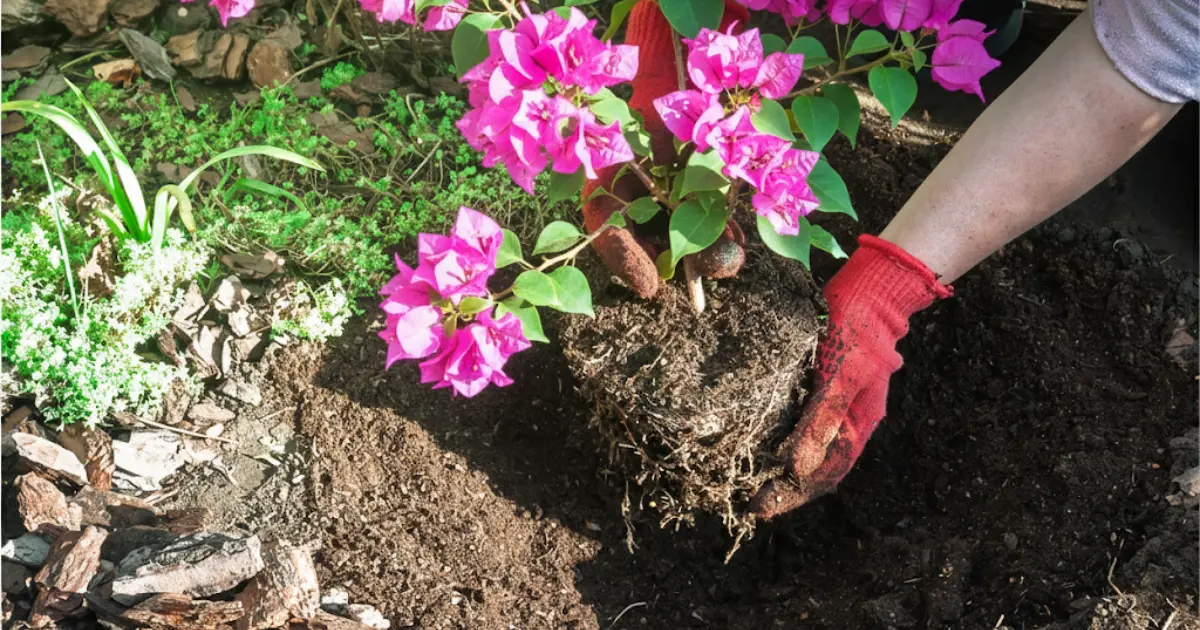
Best Time to Plant Bougainvillea: Timing for Vibrant Blooms
If you’re looking for a hardy tropical vine that delivers a riot of neon color, [...]
Feb
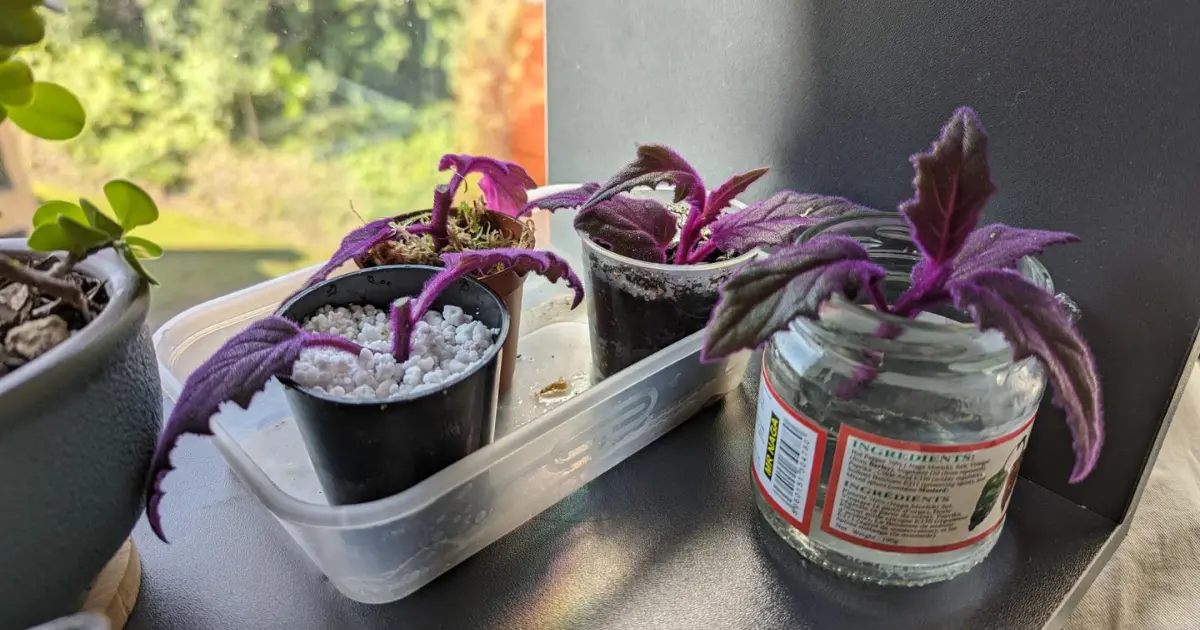
How to Propagate Purple Passion Plants (Gynura aurantiaca)
Have you ever been mesmerized by the neon-purple glow and fuzzy, velvet-like leaves of a [...]
Feb
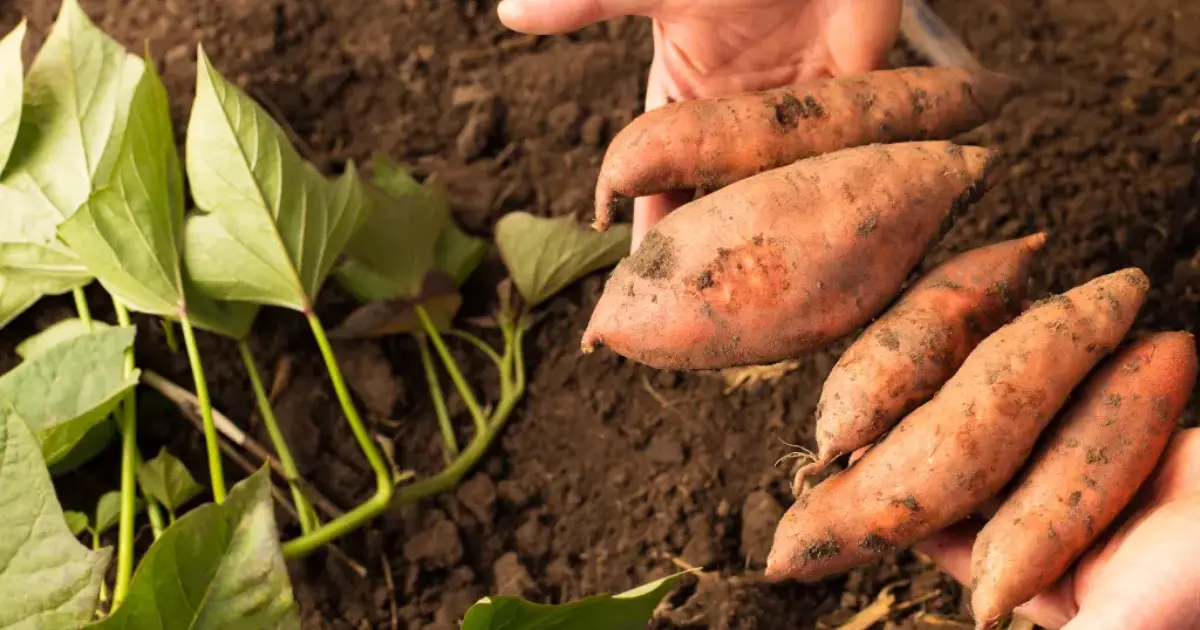
How to Grow Beauregard Sweet Potatoes: From Slips to a Bountiful Harvest
Are you ready to add a classic, heavy-hitting favorite to your vegetable patch? If you’ve [...]
Feb

Reviews
There are no reviews yet.