
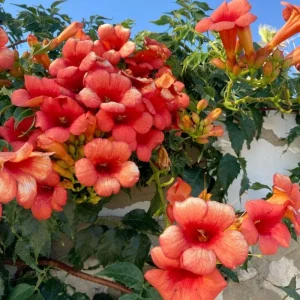
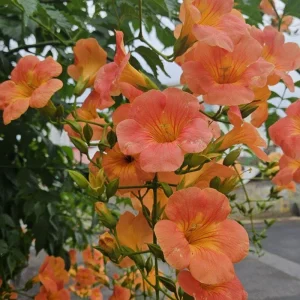
Orange Trumpet Plant 5-7 Inch Live Plant – Hardy Flowering Vine Outdoor
Original price was: $56.99.$31.99Current price is: $31.99.
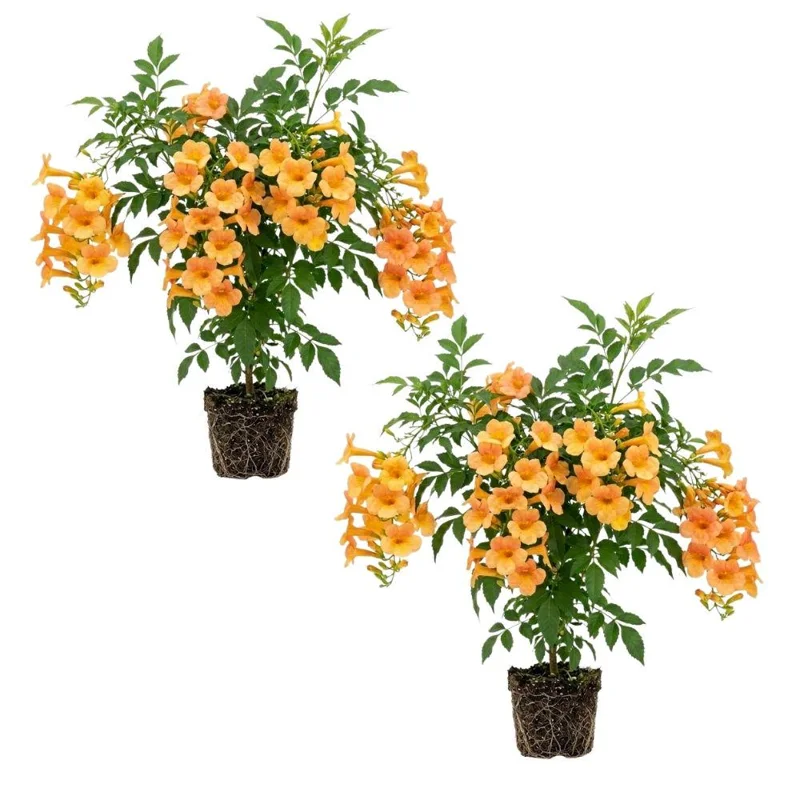
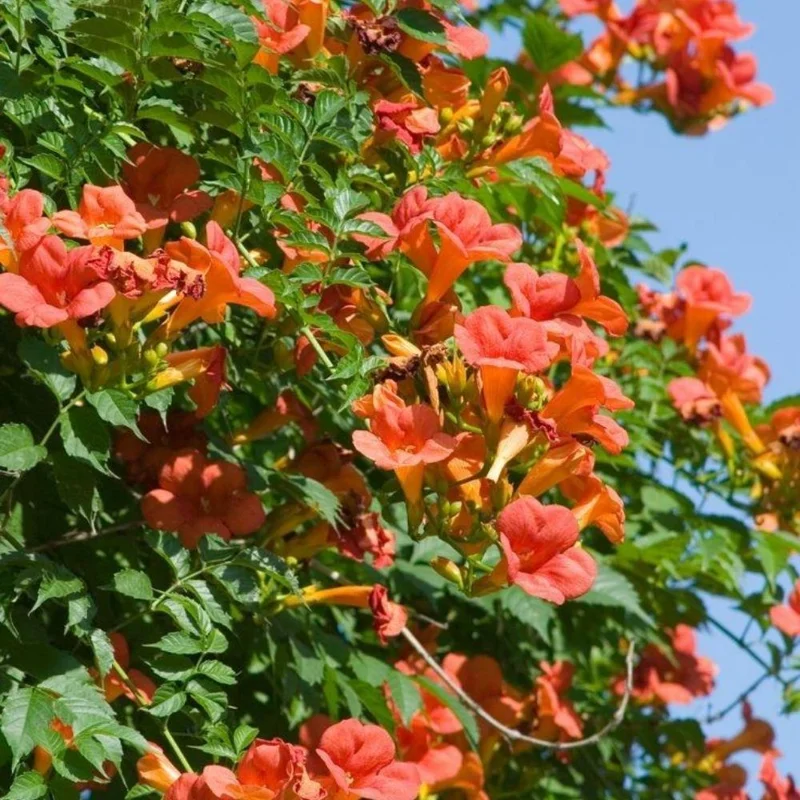
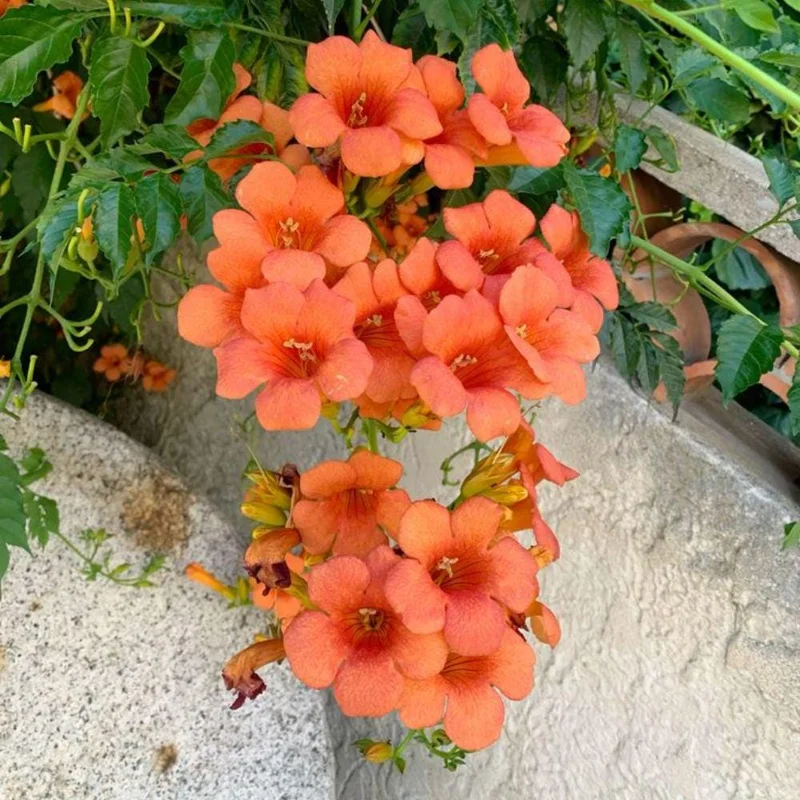
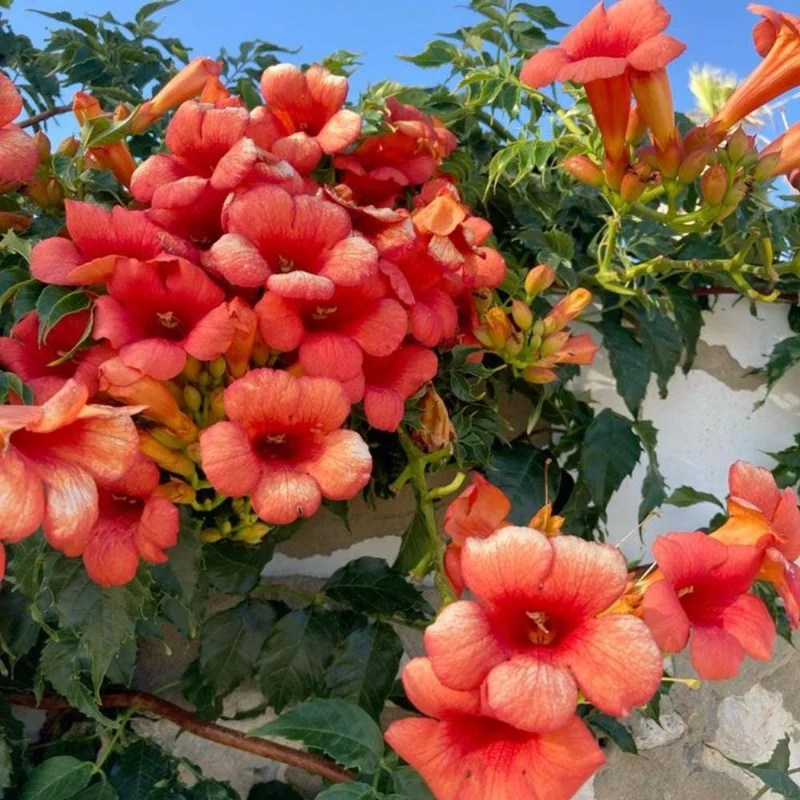
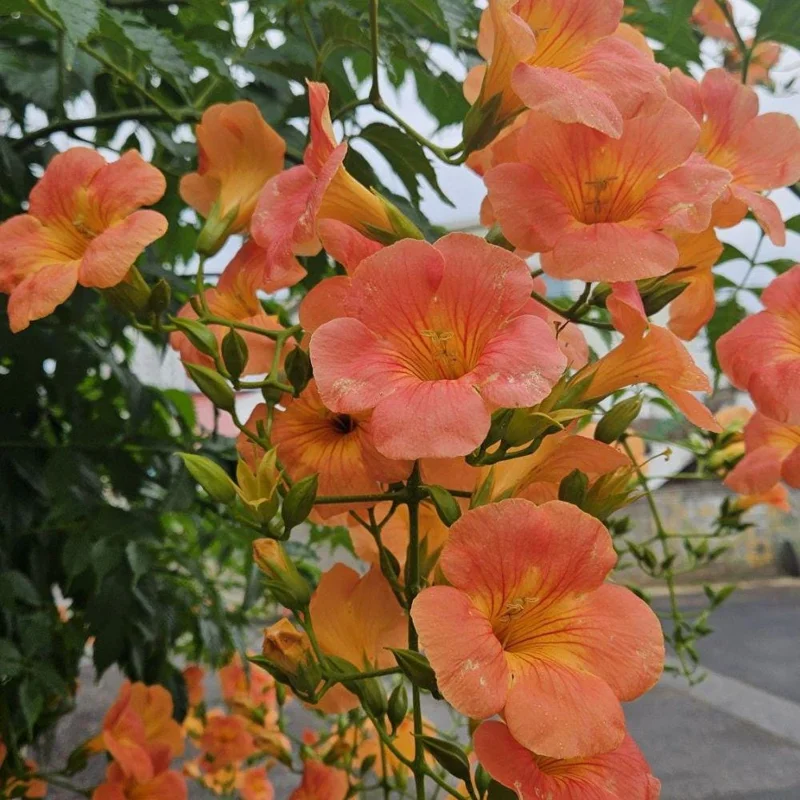
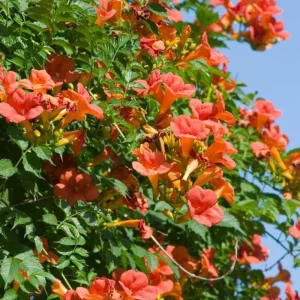
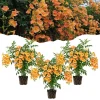
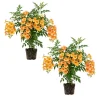
Add a burst of vibrant color to your outdoor space with this orange trumpet plant. This 5-7 inch live plant is a hardy trumpet flower, perfect as a climbing flowering vine for trellises, fences, and garden walls. Its striking orange blooms create a bold display and attract pollinators.
Estimated arrival
Apr 12
Apr 17 - Apr 19
Apr 22 - Apr 26

Reasonable Price
We offer reasonable price

Support 24/7
Contact us 24 hrs a day

100% Money Back
You've 30 days to Return

Payment Secure
100% secure payment
Overview
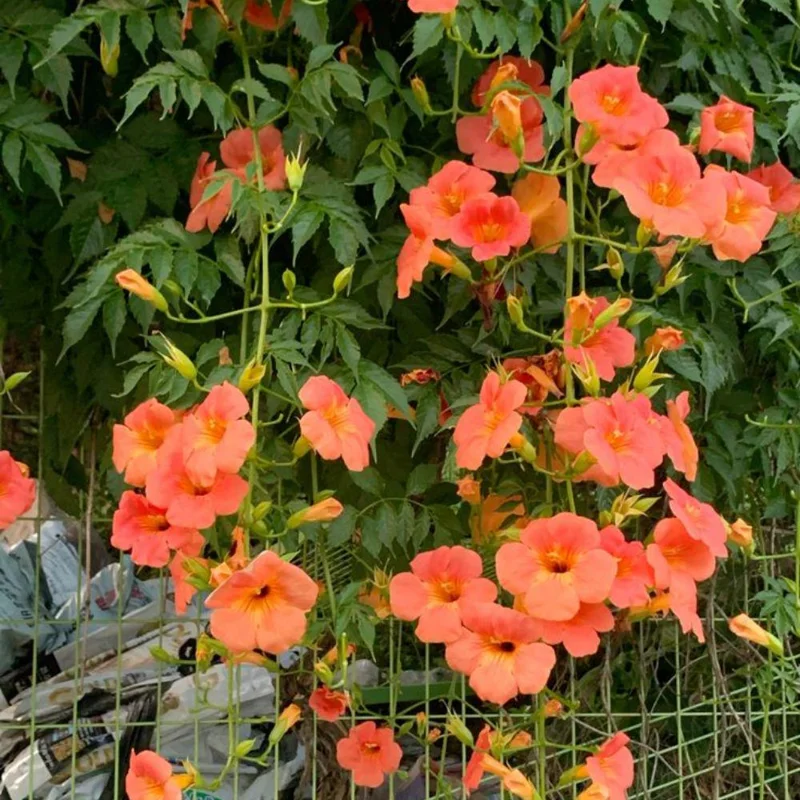
Transform your garden into a vibrant oasis with the stunning orange trumpet plant. This robust and hardy live plant, also known as Trumpet Vine (Campsis radicans), is celebrated for its vigorous climbing habit and spectacular trumpet-shaped orange flowers. Measuring 5-7 inches, this young plant is ready to establish itself and bring dramatic vertical interest to your landscape. Ideal for those seeking a low-maintenance yet high-impact flowering solution, the orange trumpet plant offers a brilliant display throughout the growing season. Its rapid growth and eye-catching blooms make it a favorite for covering unsightly structures or adding a touch of wild beauty to any outdoor setting.
The Trumpet Vine is native to the southeastern United States, making it exceptionally well-suited for a variety of climates and soil conditions. Its resilience and adaptability contribute to its popularity among gardeners. With minimal care, this plant will reward you with an abundance of vivid orange blossoms that not only enhance aesthetic appeal but also serve as a magnet for hummingbirds and other beneficial pollinators. Whether you’re an experienced horticulturist or a beginner, cultivating this magnificent hardy trumpet flower is a rewarding experience that promises lasting beauty and ecological benefits to your garden.
Key Benefits
The orange trumpet plant offers a multitude of advantages for any garden enthusiast, combining visual appeal with ecological benefits and ease of care. Its unique characteristics make it an excellent choice for various landscaping needs.
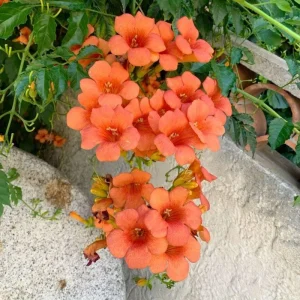
- Vibrant Floral Display: Produces abundant, trumpet-shaped orange flowers that create a bold and dramatic visual statement, adding intense color to garden spaces from summer through fall.
- Attracts Pollinators: The bright, nectar-rich blooms are a favorite of hummingbirds, bees, and butterflies, making it an excellent plant for supporting local ecosystems and encouraging biodiversity.
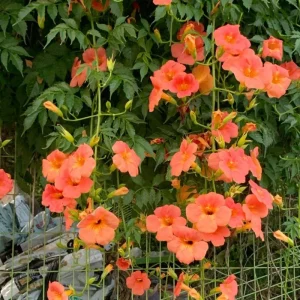
- Versatile Vertical Coverage: As a vigorous climbing flowering vine, it is perfectly suited for trellises, arbors, fences, pergolas, and garden walls, providing quick and effective vertical coverage and aesthetic enhancement.
- Hardy and Resilient: Known for its exceptional hardiness and adaptability, this plant thrives in a wide range of conditions, tolerating heat, drought, and various soil types once established. This makes it a truly hardy trumpet flower.
- Low Maintenance: Requires minimal care once established, making it an ideal choice for gardeners who desire a beautiful garden without extensive effort. Regular pruning can help manage its growth and encourage more blooms.
- Erosion Control: Its strong, spreading root system can help stabilize slopes and prevent soil erosion, offering practical benefits beyond its ornamental value.
- Architectural Interest: The climbing habit adds significant structural interest and depth to landscapes, defining spaces and creating natural focal points.
Plant Care & Growing Tips
Caring for your orange trumpet plant is relatively straightforward, thanks to its robust nature. To ensure optimal growth and a profusion of blooms, understanding its basic needs is crucial. This plant thrives in full sun, meaning it requires at least six hours of direct sunlight daily. While it can tolerate partial shade, too little sun will result in fewer flowers and a less vigorous growth habit. When planting, choose a location with well-draining soil. It is not particularly fussy about soil type, but good drainage is essential to prevent root rot. Incorporating some organic matter into heavy clay soils can improve drainage and provide nutrients for your orange trumpet plant.
Watering should be consistent during the plant’s establishment period, typically the first year after planting. Once established, the climbing flowering vine is quite drought-tolerant and will only need supplemental watering during prolonged dry spells. Overwatering can be more detrimental than underwatering. Fertilization is generally not heavily required; an annual application of a balanced, slow-release fertilizer in early spring can support healthy growth and flowering. Pruning is important for managing its aggressive growth and encouraging more blooms. The best time to prune is in late winter or early spring before new growth begins. Remove any dead or damaged wood, and thin out overcrowded stems. You can also cut back stems to control the plant’s size and shape. Keep an eye out for common pests like aphids, though serious infestations are rare. This orange trumpet vine care guide will help you achieve a beautiful, thriving plant. Knowing how to properly care for a hardy trumpet flower ensures a long-lasting display.
Size & Details
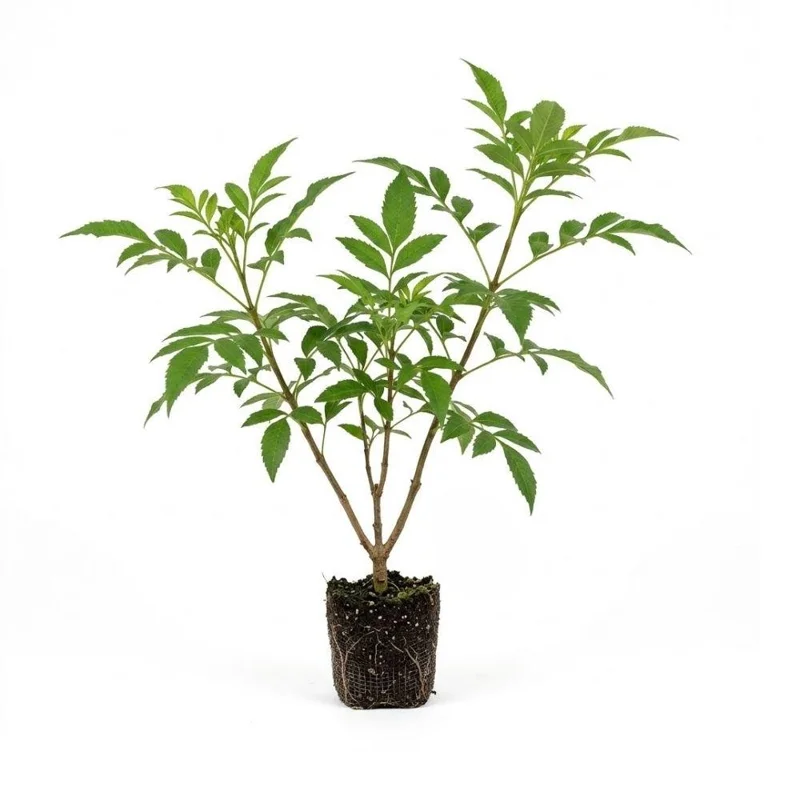
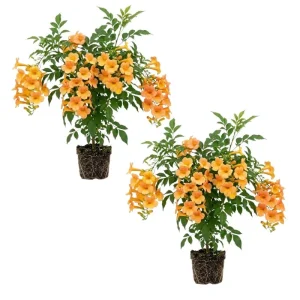
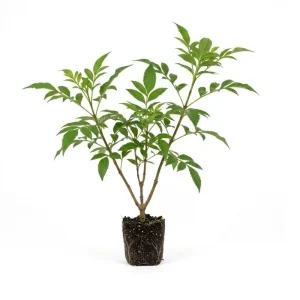
This offering includes a set of two orange trumpet plant specimens, each measuring approximately 5-7 inches in height. These are live plants, shipped without a pot, allowing you to plant them directly into your garden or preferred container upon arrival. The vibrant orange blooms are a standout feature, typically appearing from summer through early fall. As a vigorous climbing flowering vine, this plant has a fast growth rate and can reach considerable lengths, often 20-40 feet or more, depending on the support structure and growing conditions. Its spread can also be significant, creating a dense and lush display. Expect these young plants to establish quickly and begin their vertical ascent, providing stunning coverage and color within their first few seasons. The mature plant forms woody stems and develops an extensive root system.
Frequently Asked Questions
- Q: How big does this orange trumpet plant get? A: The orange trumpet plant is a vigorous climber that can reach heights of 20-40 feet or more, depending on the support structure, climate, and growing conditions. It establishes quickly and grows rapidly once settled.
- Q: Is this an indoor or outdoor plant? A: The hardy trumpet flower is primarily an outdoor plant. It thrives in full sun and is best suited for garden landscapes, trellises, fences, and walls where it can climb and spread.
- Q: How much sunlight does the orange trumpet vine need? A: This plant requires full sun to produce the most abundant blooms, meaning at least 6 hours of direct sunlight per day. It can tolerate partial shade, but flowering may be reduced.
- Q: Is this plant easy to care for? A: Yes, the orange trumpet plant is known for being quite easy to care for. Once established, it is drought-tolerant and requires minimal maintenance, making it suitable for both beginner and experienced gardeners.
- Q: What condition will it arrive in? A: Your orange trumpet plant will arrive as a 5-7 inch live plant, typically shipped bare root or with minimal soil, ready for immediate planting in your garden. It will not include a pot.
- Q: How long until it blooms? A: While the exact time can vary, young climbing flowering vine plants often begin to bloom within their first few seasons after planting, especially with good care and adequate sunlight.
- Q: Will it survive winter in my zone? A: The hardy trumpet flower (Campsis radicans) is generally hardy in USDA Zones 4-9. It is quite tolerant of cold temperatures, and its woody stems can survive winter, returning with new growth in spring.
- Q: What kind of soil does this orange trumpet plant like? A: The orange trumpet plant is adaptable to various soil types but prefers well-draining soil. It can tolerate sandy, loamy, or clay soils as long as they don’t remain waterlogged.
- Q: Is this plant invasive? A: The climbing flowering vine can be quite aggressive in its growth habit and can spread through self-seeding and underground runners. Regular pruning and root barriers can help manage its spread.
- Q: What is the scientific name for this plant? A: The scientific name for the orange trumpet plant is Campsis radicans. It is also commonly known as Trumpet Vine or Trumpet Creeper.
Be the first to review “Orange Trumpet Plant 5-7 Inch Live Plant – Hardy Flowering Vine Outdoor”
-
USDA Hardiness Zone
USDA zones 4-9 -
Soil Type
Well-draining soil -
Sunlight Exposure
Full sun -
Expected Planting Period
Spring to early summer
People Also Viewd


Sold 128 products
Original price was: $89.99.$64.99Current price is: $64.99.
Sold 128 products
Original price was: $159.99.$139.99Current price is: $139.99.

Sold 128 products
Original price was: $27.00.$24.00Current price is: $24.00.

Sold 126 products
Original price was: $3,536.00.$23.99Current price is: $23.99.

Sold 125 products
Original price was: $86.99.$66.99Current price is: $66.99.
Sold 116 products
Original price was: $27.99.$16.99Current price is: $16.99.

Sold 114 products
Original price was: $28.99.$17.99Current price is: $17.99.

Flower Bulbs
3 Cranesbill Wild Geranium Organic Maculatums Bare Roots | Wildflower for Outdoor Garden
Sold 114 products
Original price was: $21.99.$6.99Current price is: $6.99.RELATED posts

5 Tips for Growing Sweet Potatoes to Get the Biggest Sweet Potato Harvest Ever
If you are a fan of sweet potatoes, then these tips for growing sweet potatoes [...]
Apr
Tamarillo Tree Guide: Flavor, Texture & How to Eat Tree Tomatoes
The humble tomato is a kitchen staple we all know and love, but it rarely [...]
Apr
5 Pro Tips to Grow Esperanza ‘Gold Star’ Indoors: A Golden Glow for Your Home
While most gardeners know this Texas Superstar – Esperanza ‘Gold Star’ as a rugged outdoor [...]
Apr
Mastering Esperanza Goldstar: Grow the Ultimate Yellow Bloom
Esperanza Goldstar is more than just a heat-tolerant shrub; for the American gardener battling the [...]
Apr
Yellow Dragon Fruit Plant Care: The Ultimate Guide for Healthy Growth
The yellow dragon fruit plant is a unique and rewarding addition to any home garden, [...]
Apr
How to Identify Bocking 14 Comfrey: 5 Simple Visual Signs
If you’re growing comfrey for mulch, compost, or animal feed, knowing exactly which variety you [...]
Mar
Grand Duke of Tuscany Jasmine: The Ultimate Guide to Growing a Fragrant Masterpiece
Have you ever caught a scent in the air so rich, creamy, and honey-sweet that [...]
Mar
How to Grow Wild Huckleberries: A Guide to “Purple Gold”
Have you ever spent a summer afternoon hiking through the Pacific Northwest or the Rocky [...]
Mar
Reviews
There are no reviews yet.