
Orleans Sambac Jasmine Live Plant – White Jasmine Flower Tree, 4-6 Inch Tall
Original price was: $32.49.$22.49Current price is: $22.49.
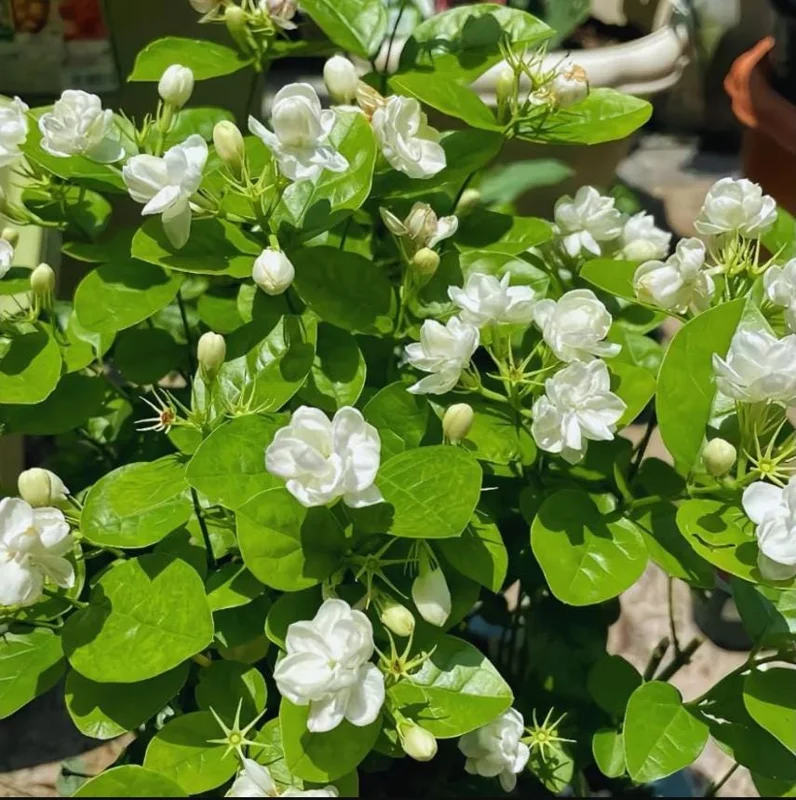
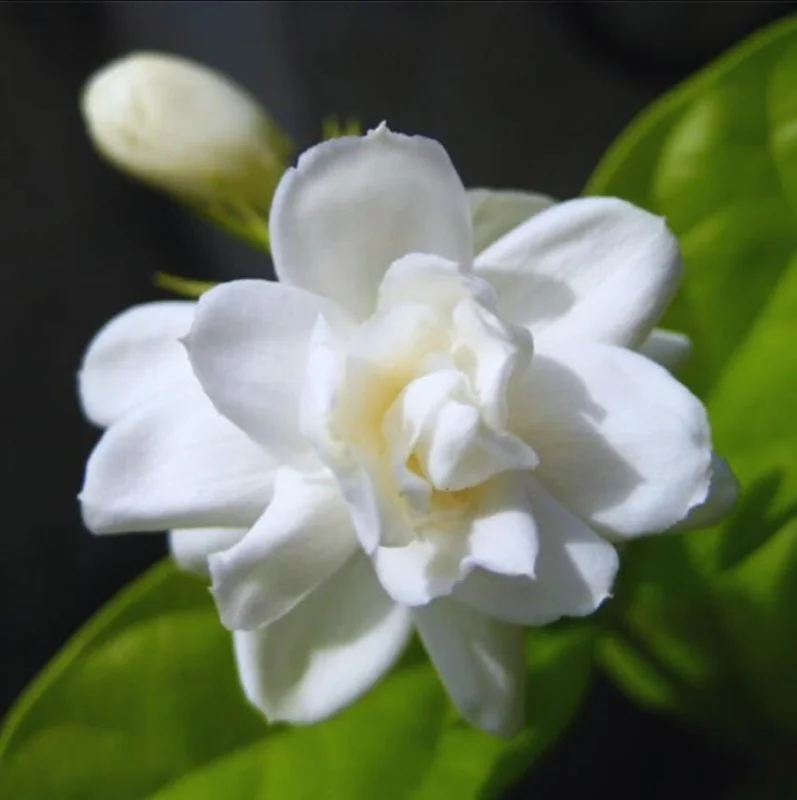
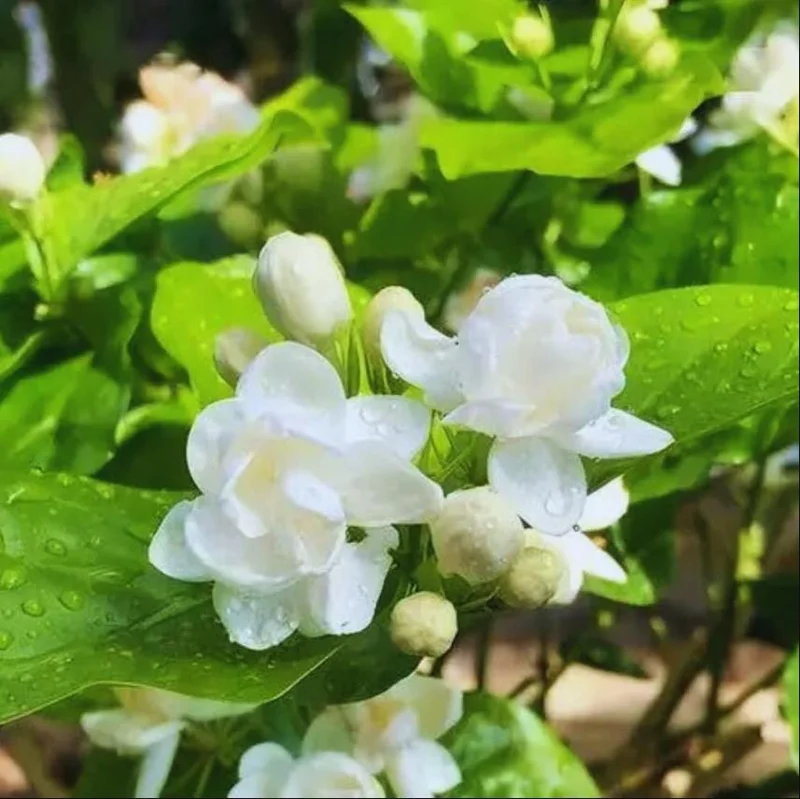
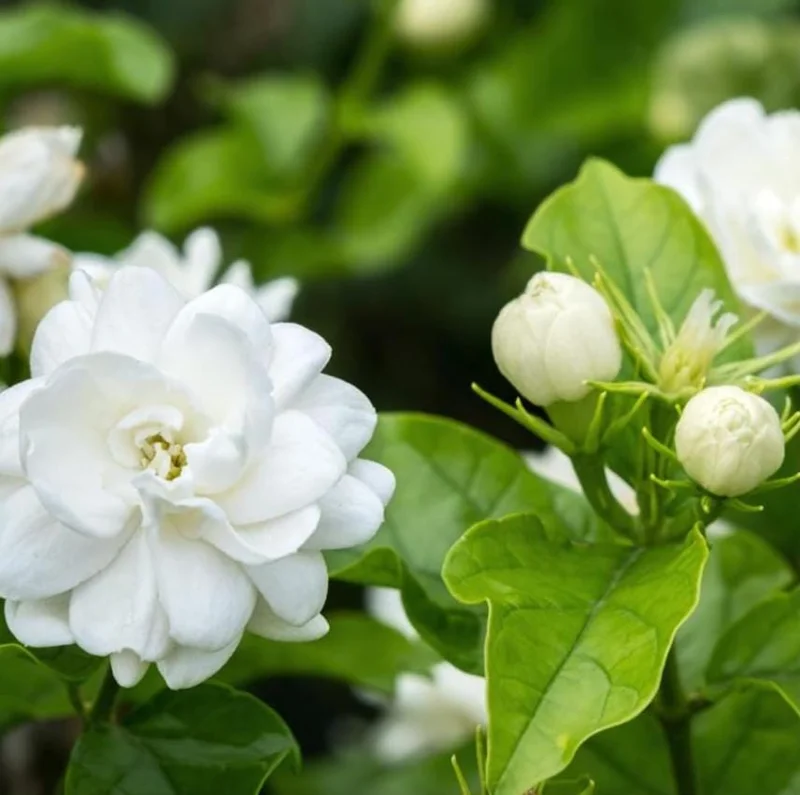
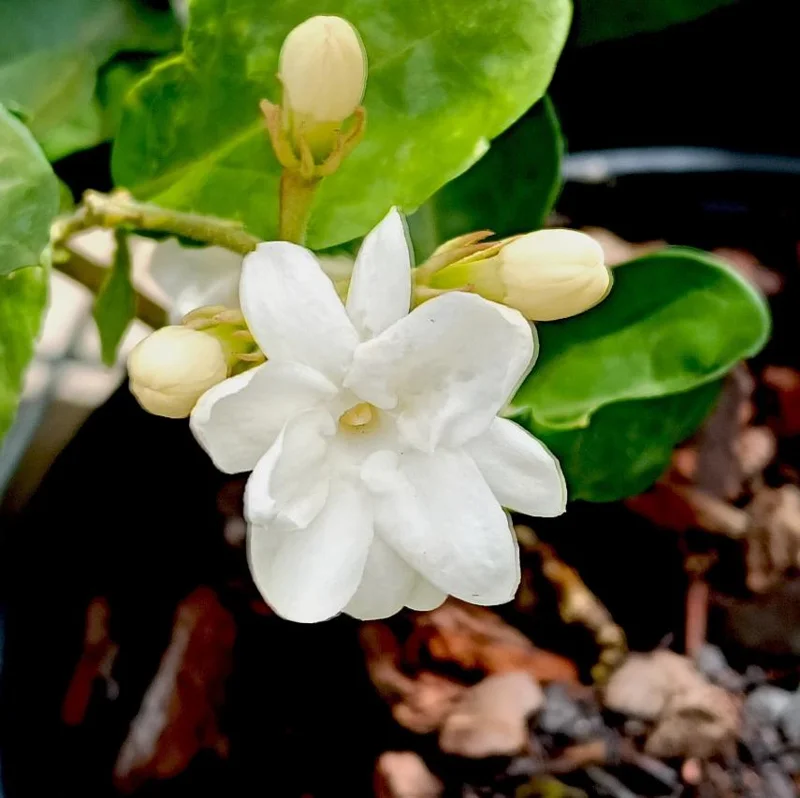
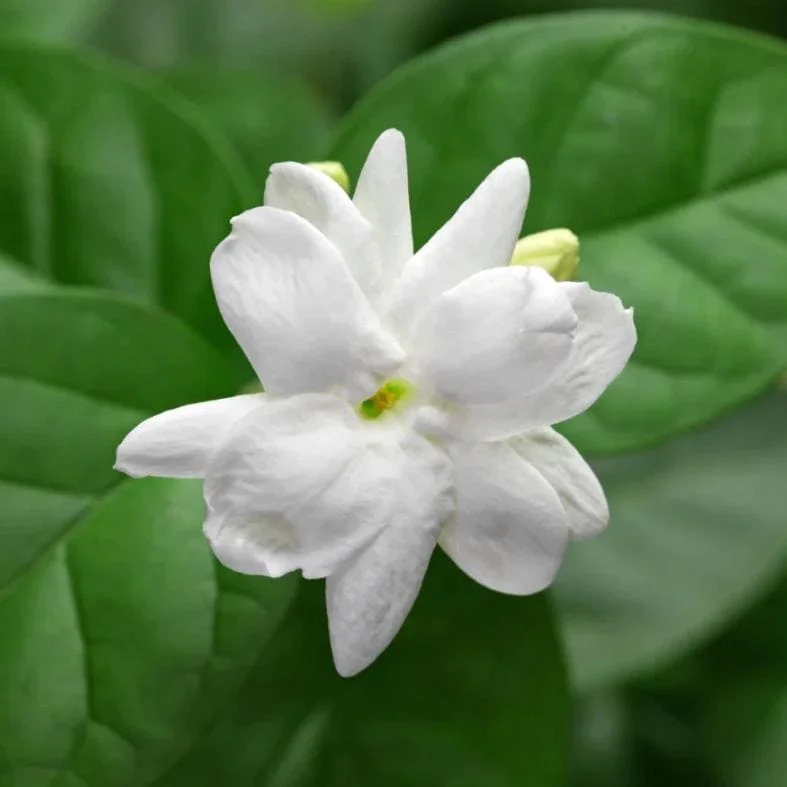
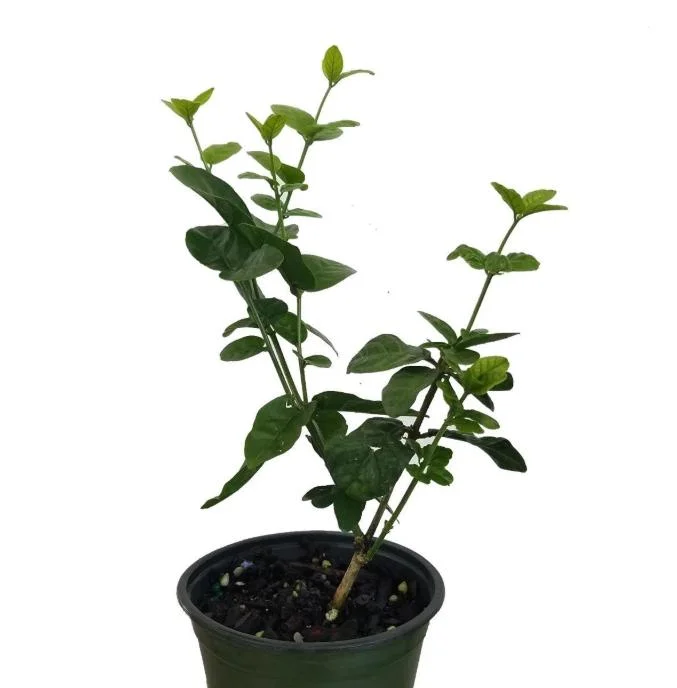
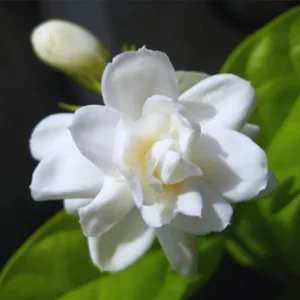
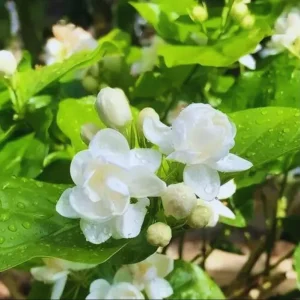
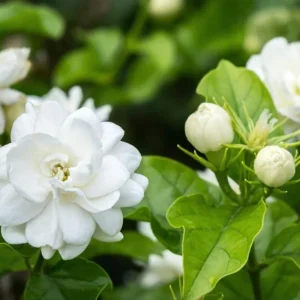
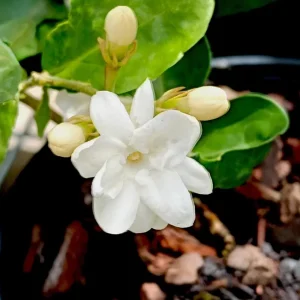
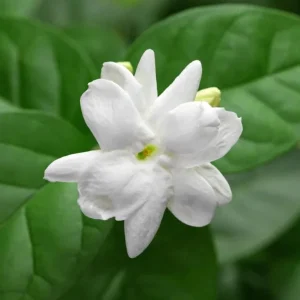
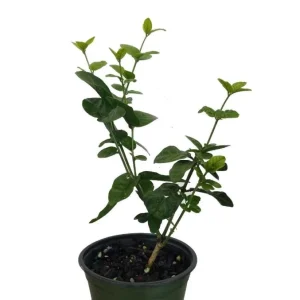
Bring home a beautiful sambac jasmine live plant, also known as the white jasmine flower tree. This well-rooted starter plant, 4 to 6 inches tall, offers fragrant blooms and lush foliage, perfect for enhancing any indoor or outdoor space. Known for its strong, sweet scent, it’s an ideal choice for gardeners seeking an enchanting addition.
Estimated arrival
Mar 30
Apr 04 - Apr 06
Apr 09 - Apr 13

Reasonable Price
We offer reasonable price

Support 24/7
Contact us 24 hrs a day

100% Money Back
You've 30 days to Return

Payment Secure
100% secure payment
Overview
Experience the enchanting beauty and intoxicating fragrance of the sambac jasmine live plant. This exquisite variety, often referred to as the orleans jasmine plant or white jasmine flower tree, is a beloved choice for its stunning white blossoms and strong, sweet perfume. Originating from tropical regions, this jasmine is well-suited for a variety of growing conditions, making it a versatile addition to your home or garden. You will receive one healthy, well-rooted starter plant, typically 4 to 6 inches tall, carefully prepared for its journey to your living space. While your young plant may not be flowering upon arrival, with proper care, it will soon produce its iconic, highly aromatic blooms, transforming your environment with its delightful scent.
The Sambac Jasmine is esteemed not only for its beauty but also for its cultural significance in many parts of the world. It is a symbol of love, purity, and devotion, often used in perfumes, teas, and traditional ceremonies. This particular variety is known for its robust nature and relatively easy care, making it an excellent choice for both novice and experienced gardeners. Whether you envision it gracing a sunny windowsill indoors or flourishing in a warm outdoor garden, this fragrant jasmine plant promises to be a rewarding and sensory-rich experience.
Key Benefits
Adding a sambac jasmine live plant to your collection offers a multitude of advantages beyond its aesthetic appeal. Its presence can significantly enhance the ambiance of any space, providing continuous delight with minimal effort.
- Exquisite Fragrance: The most notable benefit is its powerful, sweet, and captivating scent. The white blossoms release their perfume most intensely in the evening, creating a serene and luxurious atmosphere in your home or garden.
- Beautiful Blooms: Adorn your space with delicate, pure white flowers that bloom repeatedly throughout the warmer months. These elegant blossoms are a visual treat and a testament to the plant’s vitality.
- Versatile Growth: This orleans jasmine plant thrives in various settings. It can be grown as a charming potted houseplant on a sunny windowsill, trained as a small shrub, or even, in warmer climates, used as a fragrant ground cover.
- Air Purifying Qualities: Like many houseplants, the Sambac Jasmine contributes to a healthier indoor environment by naturally filtering and freshening the air, though its primary benefit is its aroma.
- Relatively Easy Care: Despite its exotic appearance, this jasmine is surprisingly resilient and forgiving, making it manageable for gardeners of all skill levels. With consistent light and water, it flourishes readily.
- Year-Round Enjoyment (Indoors): When grown indoors, the sambac jasmine live plant can provide a touch of tropical beauty and fragrance even during colder months, bringing life and warmth to your indoor spaces.
- Symbolic Value: Beyond its sensory delights, the jasmine holds deep cultural and symbolic meaning, adding an extra layer of richness to your gardening experience.
Plant Care & Growing Tips
Caring for your sambac jasmine live plant is a rewarding experience that ensures its vibrant growth and abundant blooms. This tropical beauty thrives with consistent attention to its environmental needs. For optimal growth, provide plenty of bright light. It prefers full sun to partial shade, ideally receiving at least 6 hours of direct sunlight daily for the best flowering. If grown indoors, a south-facing window is often ideal. While it is one of the more shade-tolerant sambac varieties, more light generally means more flowers. Ensure good air circulation, especially indoors, to prevent fungal issues.
Watering is crucial for this orleans jasmine plant. It prefers evenly moist, well-draining soil but is sensitive to overwatering, which can lead to root rot. Allow the top inch of soil to dry out before watering again. During active growth periods (spring through summer), it may require more frequent watering. Reduce watering in cooler months. For soil, a rich, well-draining potting mix is best. You can amend regular potting soil with perlite or sand to improve drainage. This plant is a tropical variety, suited for USDA Zones 9–11. It is frost-tender and must be protected or moved indoors when temperatures drop below 50°F (10°C). If you’re wondering about indoor jasmine plant care, remember that consistent humidity and avoiding cold drafts are key.
Fertilize your jasmine every 2-4 weeks during its growing season (spring and summer) with a balanced liquid fertilizer diluted to half strength. Reduce or stop fertilizing in fall and winter. Pruning can be done after a flush of blooms to encourage bushier growth and more flowers. Look out for common pests like spider mites or aphids, which can be treated with insecticidal soap. Providing the right conditions for your fragrant jasmine plant will ensure it remains healthy and produces its delightful flowers for years to come.
Size & Details
Your sambac jasmine live plant will arrive as a healthy, well-rooted starter, typically measuring between 4 to 6 inches in height from the top of the soil. It is shipped without a pot to ensure the safest transit and is ready for immediate planting into your chosen container or garden bed. While young, these plants are robust and designed to establish quickly. The specific growth rate can vary depending on environmental conditions, but with proper care, this variety is known for its moderate growth, quickly filling out to become a beautiful specimen.
When mature, the white jasmine flower tree can reach a height of 2 to 4 feet when grown in a container, and potentially larger if planted directly in the ground in suitable climates. It typically grows as a compact shrub or can be trained to climb. Expect your plant to begin flowering within its first year, with more abundant blooms as it matures. The well-rooted nature of these starters ensures a strong foundation for future growth and a successful transition to your home. This starter plant offers an excellent opportunity to cultivate a stunning and aromatic plant from its early stages.
Frequently Asked Questions
- Q: How big does this sambac jasmine live plant get? A: When grown in a container, this jasmine typically reaches 2 to 4 feet tall. If planted in the ground in suitable climates, it can grow larger, forming a beautiful, fragrant shrub.
- Q: What size pot does it come in? A: The plant is shipped without a pot, as a well-rooted starter, ready for you to plant directly into your preferred container or garden spot upon arrival.
- Q: Is this an indoor or outdoor plant? A: The orleans jasmine plant is versatile. It can be grown outdoors in USDA Zones 9-11. In cooler climates, it thrives as a beautiful indoor jasmine plant care is essential for its well-being.
- Q: How much sunlight does it need? A: It prefers full sun to partial shade, ideally receiving at least 6 hours of direct sunlight daily for the best flowering. It is one of the more shade-tolerant sambac varieties.
- Q: Is this plant easy to care for? A: Yes, despite its exotic appearance, the Sambac Jasmine is relatively easy to care for, making it suitable for both beginner and experienced gardeners. Consistent light and watering are key.
- Q: What condition will it arrive in? A: You will receive one healthy, well-rooted starter plant, carefully packaged to ensure its safe arrival. It will be a young plant, typically without flowers or fruit initially.
- Q: Is it shipped in soil? A: Yes, the plant is shipped with its roots well-established in soil, ensuring it stays healthy during transit and is ready for planting upon arrival.
- Q: How long until it blooms? A: With proper care, your young fragrant jasmine plant should begin to produce its beautiful white flowers within its first year, with more abundant blooms in subsequent years.
- Q: Can I use this jasmine for tea? A: Sambac Jasmine flowers are widely used in traditional jasmine tea. However, it’s important to ensure your plant is grown organically without pesticides if you intend to consume its flowers.
- Q: Will it survive winter in my zone? A: This tropical plant is suitable for USDA Zones 9-11. If you are in a colder zone, it must be protected or moved indoors when temperatures drop below 50°F (10°C) to survive winter.
Be the first to review “Orleans Sambac Jasmine Live Plant – White Jasmine Flower Tree, 4-6 Inch Tall”
-
USDA Hardiness Zone
USDA Zones 9–11 -
Soil Type
Well-draining potting mix -
Sunlight Exposure
Full sun to partial shade -
Expected Planting Period
Year-round indoors, spring to early summer outdoors
People Also Viewd


Sold 128 products
Original price was: $27.00.$24.00Current price is: $24.00.

Sold 127 products
Original price was: $89.99.$64.99Current price is: $64.99.

Sold 125 products
Original price was: $3,536.00.$23.99Current price is: $23.99.

Sold 125 products
Original price was: $86.99.$66.99Current price is: $66.99.
Sold 116 products
Original price was: $27.99.$16.99Current price is: $16.99.

Flower Bulbs
3 Cranesbill Wild Geranium Organic Maculatums Bare Roots | Wildflower for Outdoor Garden
Sold 114 products
Original price was: $21.99.$6.99Current price is: $6.99.

Sold 114 products
Original price was: $28.99.$17.99Current price is: $17.99.
Sold 109 products
Original price was: $63.99.$28.99Current price is: $28.99.RELATED posts
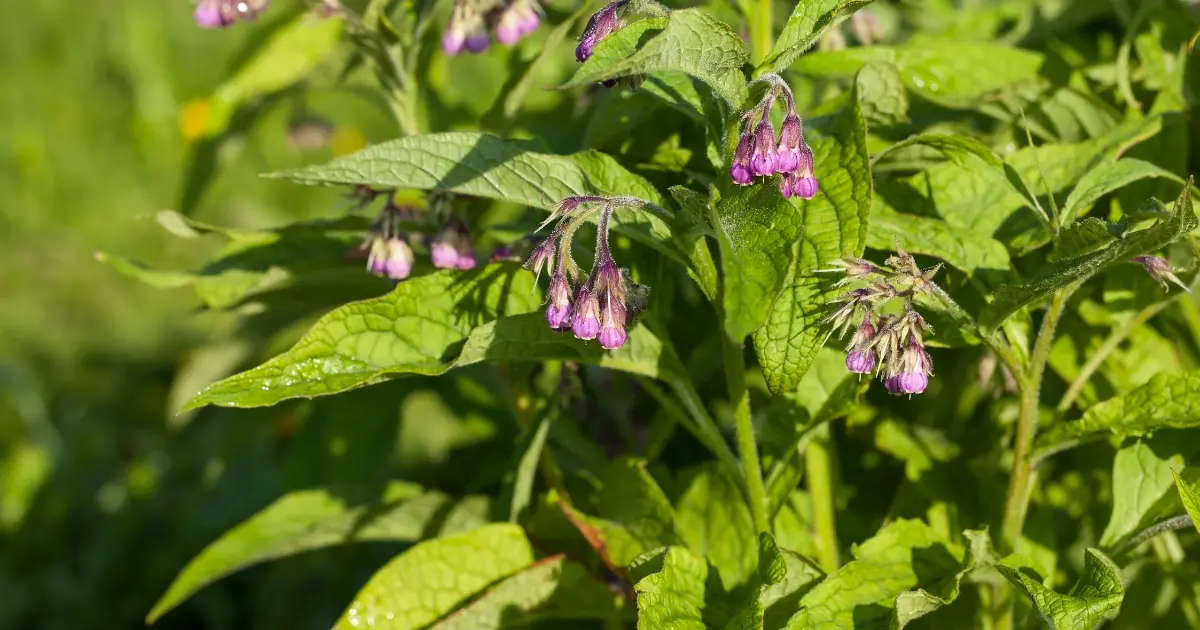
How to Identify Bocking 14 Comfrey: 5 Simple Visual Signs
If you’re growing comfrey for mulch, compost, or animal feed, knowing exactly which variety you [...]
Mar
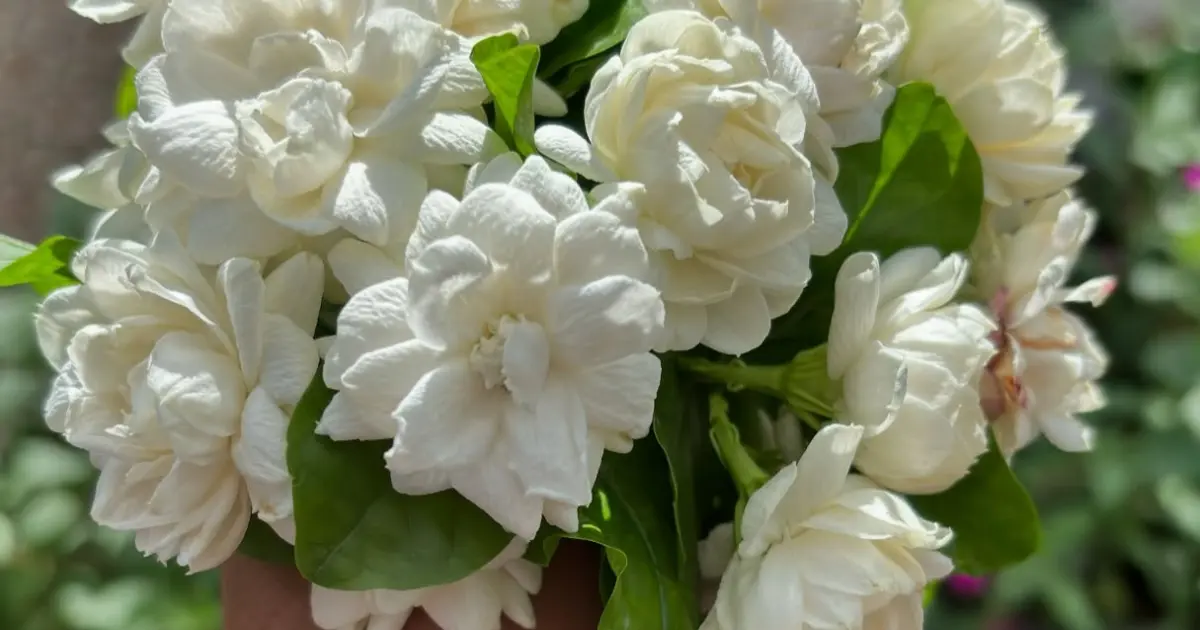
Grand Duke of Tuscany Jasmine: The Ultimate Guide to Growing a Fragrant Masterpiece
Have you ever caught a scent in the air so rich, creamy, and honey-sweet that [...]
Mar
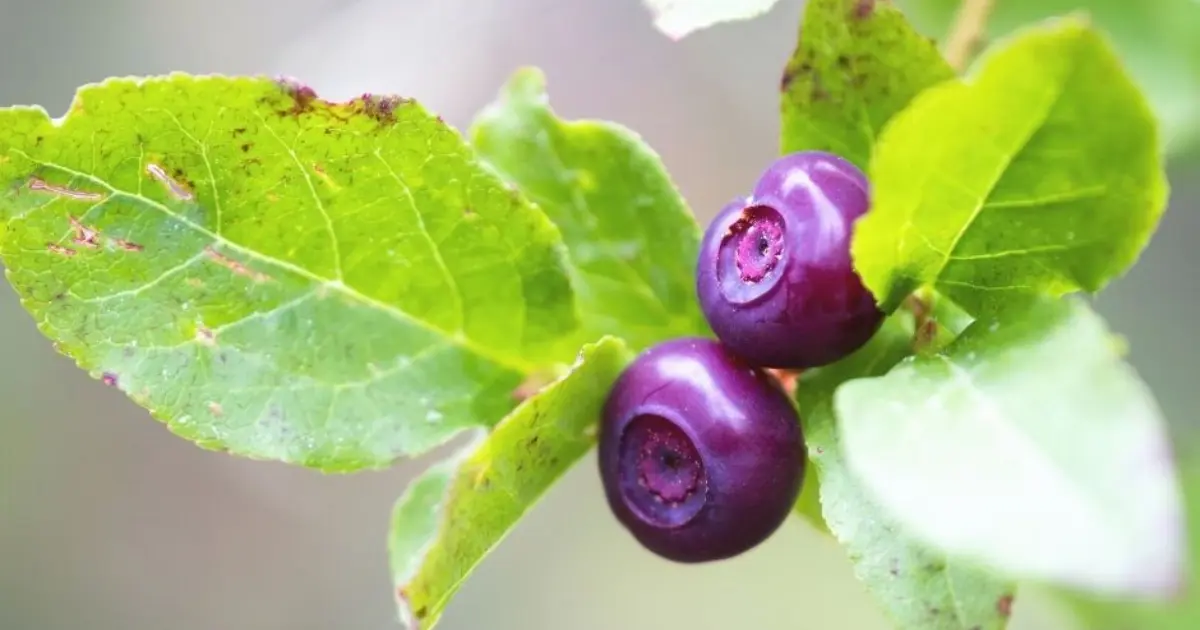
How to Grow Wild Huckleberries: A Guide to “Purple Gold”
Have you ever spent a summer afternoon hiking through the Pacific Northwest or the Rocky [...]
Mar
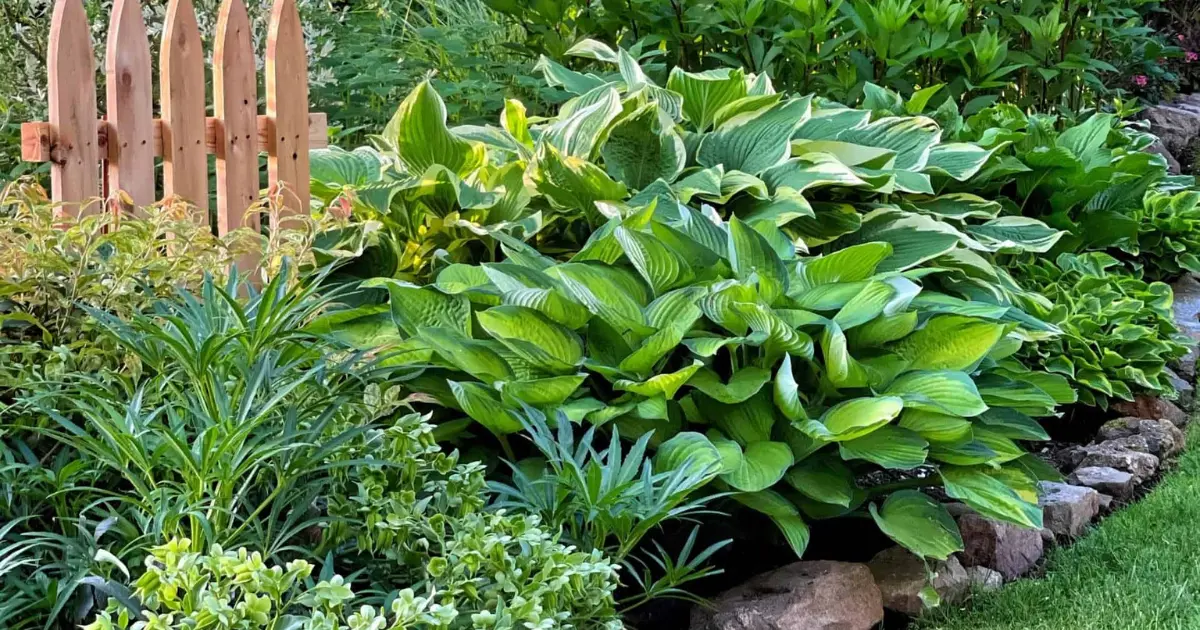
5 Best Shade-Loving Perennials for a Lush, Vibrant Garden
The world of gardening often shines a spotlight on sun-drenched blossoms, but there is a [...]
Mar

7 Common Curry Leaf Plant Problems: Easy Fixes for a Thriving Plant
Is your curry leaf plant looking a bit sad lately? Maybe you woke up to [...]
Mar
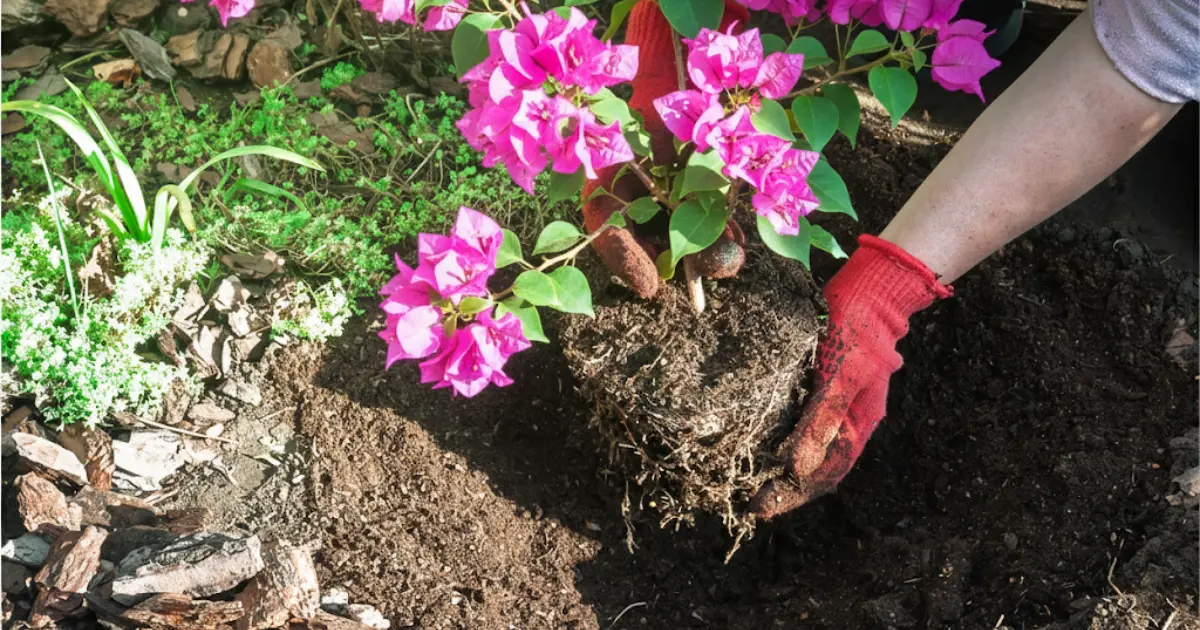
Best Time to Plant Bougainvillea: Timing for Vibrant Blooms
If you’re looking for a hardy tropical vine that delivers a riot of neon color, [...]
Feb
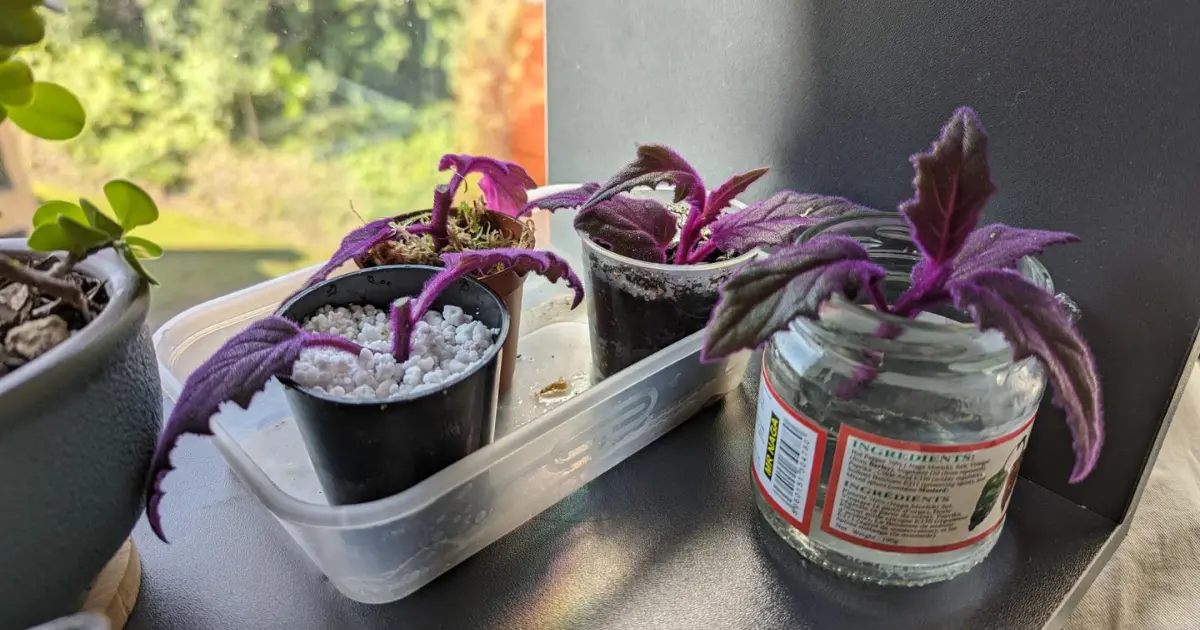
How to Propagate Purple Passion Plants (Gynura aurantiaca)
Have you ever been mesmerized by the neon-purple glow and fuzzy, velvet-like leaves of a [...]
Feb
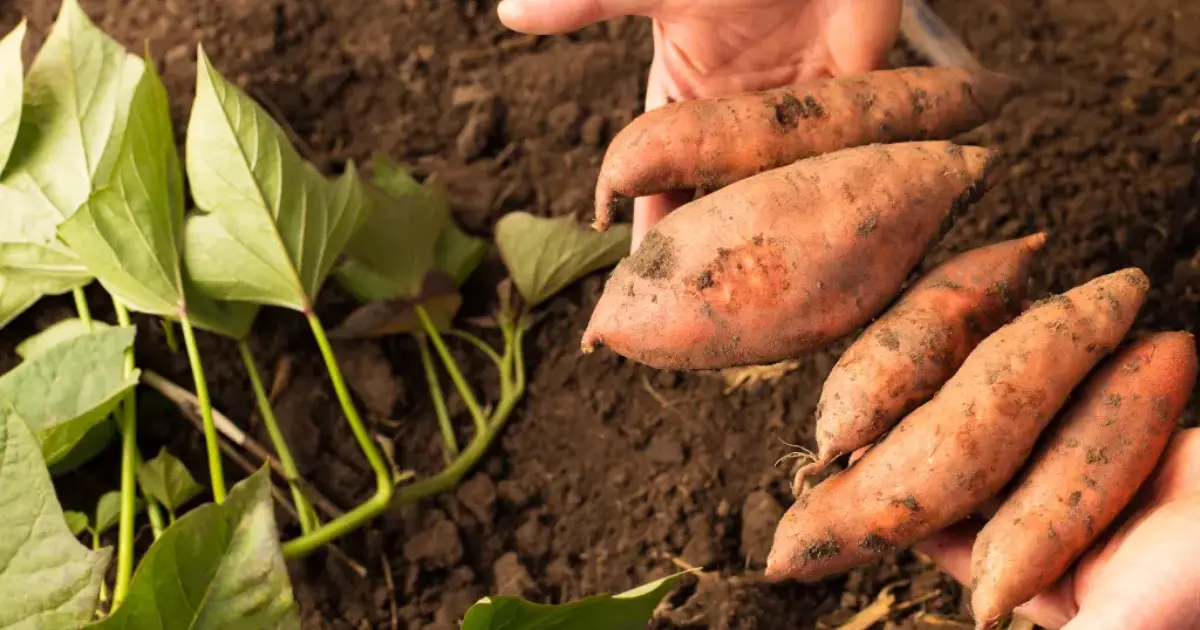
How to Grow Beauregard Sweet Potatoes: From Slips to a Bountiful Harvest
Are you ready to add a classic, heavy-hitting favorite to your vegetable patch? If you’ve [...]
Feb
Reviews
There are no reviews yet.