
Osage Blackberry Live Plants – 2 Pack, Sweet Thornless Berry Bush Starter, 4-8 Inch Tall
Original price was: $31.59.$21.59Current price is: $21.59.
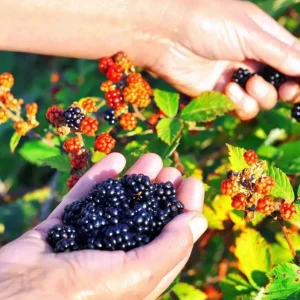
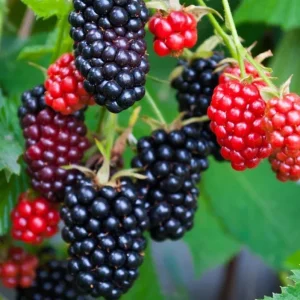
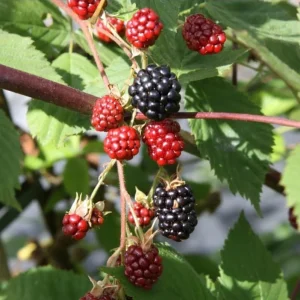
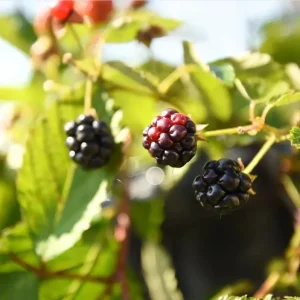
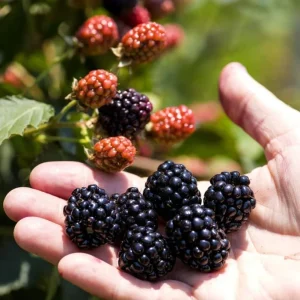
Cultivate delicious, thornless berries with this Osage blackberry live plant 2-pack. These 4-8 inch tall starter plants are ideal for home gardeners seeking a sweet, easy-to-manage thornless blackberry bush for their yard. Enjoy fresh fruit directly from your garden.
Estimated arrival
Mar 30
Apr 04 - Apr 06
Apr 09 - Apr 13

Reasonable Price
We offer reasonable price

Support 24/7
Contact us 24 hrs a day

100% Money Back
You've 30 days to Return

Payment Secure
100% secure payment
Overview
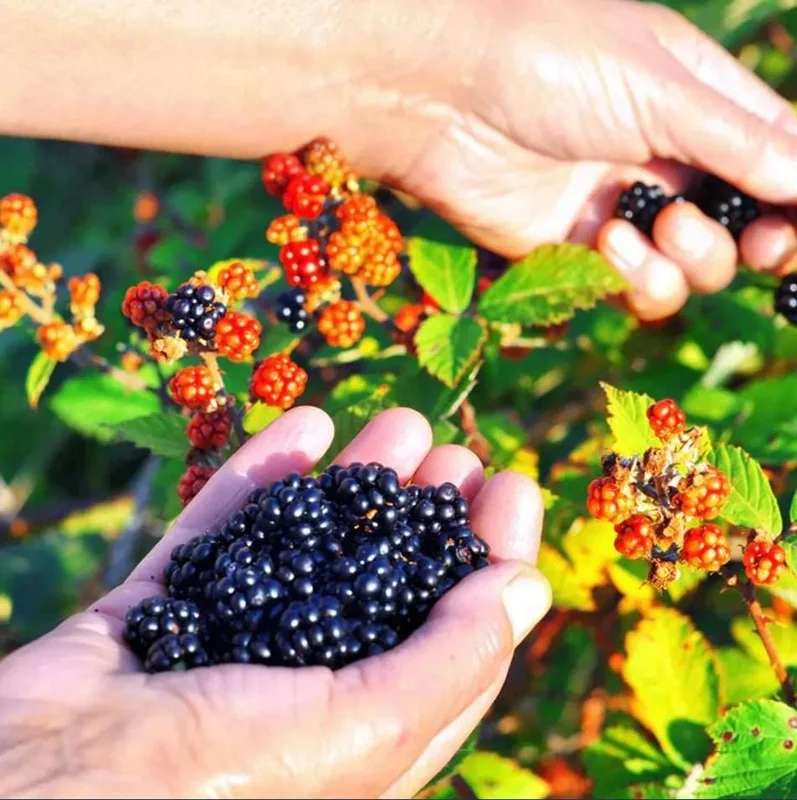
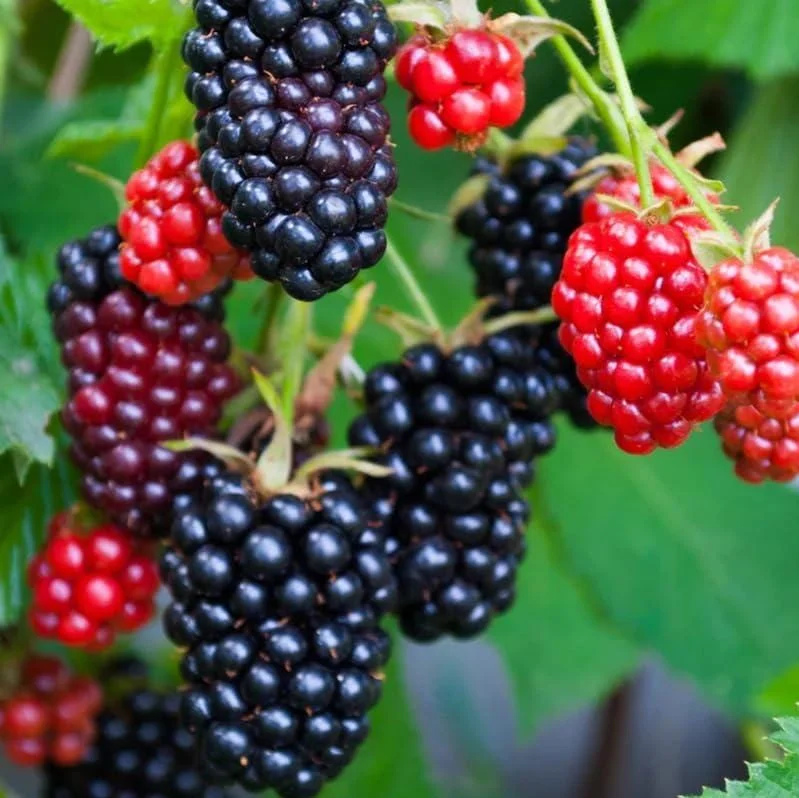
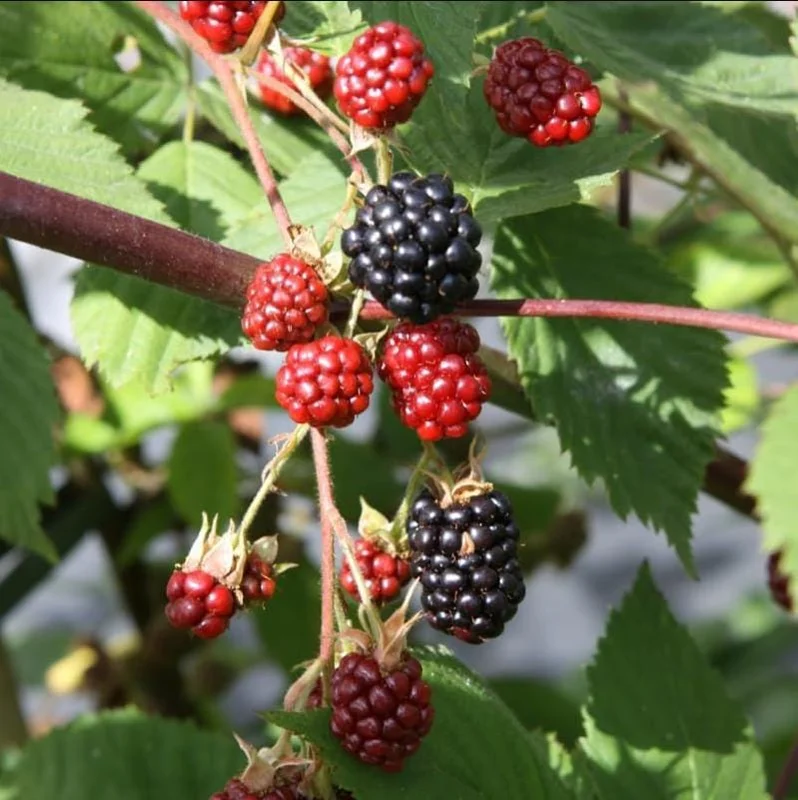
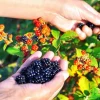
Bring the joy of fresh, homegrown berries to your garden with this Osage blackberry live plant. You will receive a pack of two well-rooted starter plants, each measuring 4-8 inches tall, ready to thrive in your outdoor space. The Osage blackberry is renowned for its exceptionally sweet flavor and, most notably, its thornless canes, making harvesting a pleasure rather than a prickly chore. These vibrant berry bushes are perfect for both seasoned gardeners and beginners, offering a rewarding experience with abundant, delicious fruit. Grow your own supply of these delectable berries for snacking, desserts, jams, and more. This variety is celebrated for its robust growth and generous yields, ensuring a bountiful harvest year after year.
The Osage blackberry live plant is a fantastic addition to any edible landscape. It’s a modern cultivar developed for superior fruit quality and ease of cultivation. Unlike many traditional blackberry varieties, the absence of thorns simplifies pruning and picking, encouraging more frequent enjoyment of its sweet harvest. These starter plants provide a convenient way to establish a productive berry patch, quickly growing into mature, fruit-bearing bushes. Prepare to enjoy the delightful taste of fresh blackberries straight from your garden.
Key Benefits
Embrace the many advantages of adding an Osage blackberry live plant to your garden. This exceptional berry bush offers both practical benefits and delicious rewards:
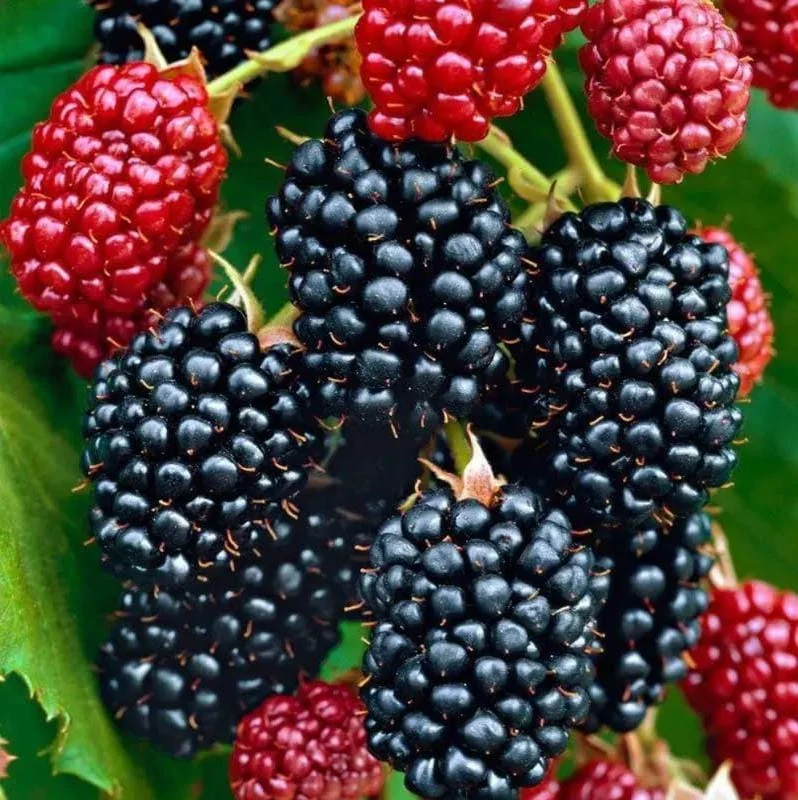
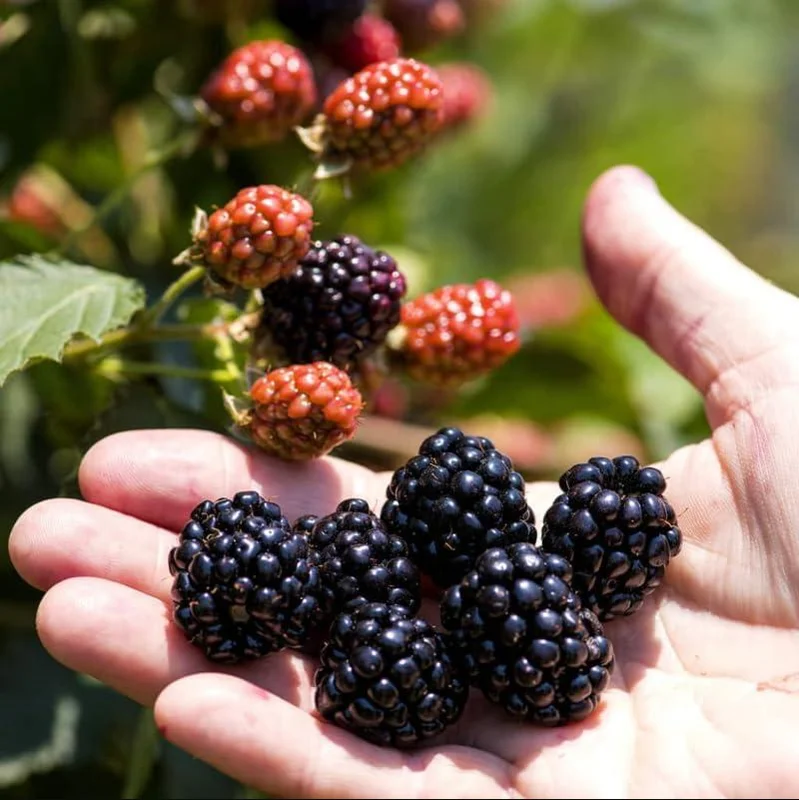
- Exceptional Sweetness: The Osage blackberry is celebrated for its incredibly sweet and rich flavor, making it a favorite for fresh eating, baking, and preserves. Enjoy a superior taste compared to store-bought varieties.
- Thornless Canes: One of the most significant benefits is the lack of thorns, which makes harvesting significantly easier and more enjoyable. No more painful scratches while picking your delicious berries.
- High Yield Potential: These bushes are known for their prolific fruiting, providing a generous harvest of berries from mid-summer onwards. You’ll have plenty for your family and perhaps even some to share.
- Adaptable & Resilient: The thornless blackberry bush is remarkably adaptable to various soil types and climates, showing good disease resistance and hardiness, especially in recommended USDA zones.
- Easy to Grow: Suitable for gardeners of all experience levels, these starter plants require minimal specialized care once established, making growing Osage blackberries a straightforward endeavor.
- Versatile Culinary Use: Beyond fresh eating, the sweet berries are perfect for pies, tarts, smoothies, jams, jellies, and sauces, adding a burst of flavor to any dish.
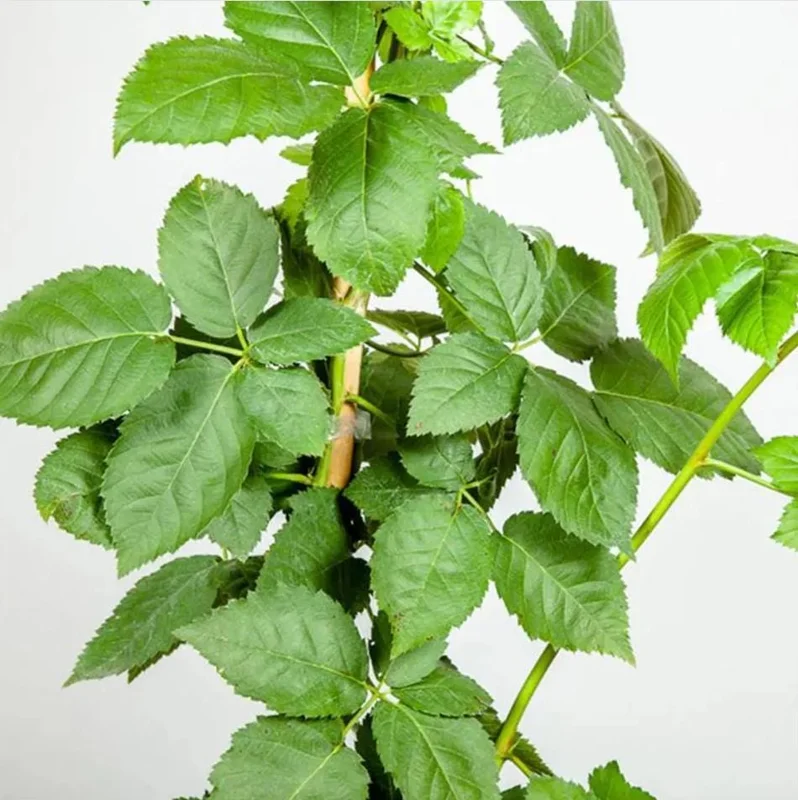
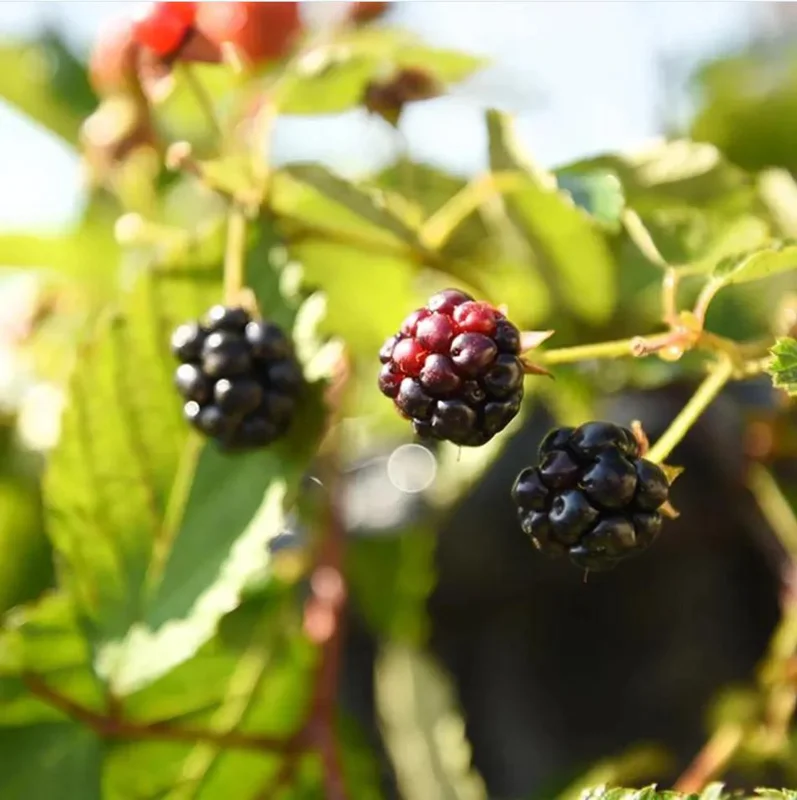
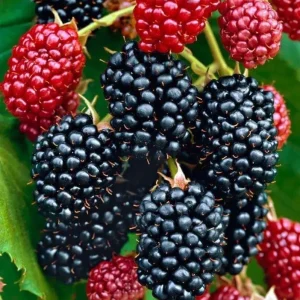
- Attractive Garden Addition: With their lush green foliage and eventually, dark, glossy fruit, these bushes also add an attractive, productive element to your garden landscape.
Plant Care & Growing Tips
To ensure your Osage blackberry live plant thrives and produces a bountiful harvest, follow these essential care and growing tips. These plants are relatively low-maintenance but benefit from proper attention to sunlight, soil, and watering. The Osage variety is known for its vigor, making growing Osage blackberries a rewarding experience.
Blackberry bushes require abundant sunlight to maximize fruit production and sweetness. Plant your Osage blackberry in a location that receives at least 6-8 hours of direct full sun daily. Insufficient sunlight can lead to reduced yields and less sweet fruit. When it comes to soil, this sweet blackberry plant is quite adaptable. However, it performs best in well-drained, fertile soil with a slightly acidic to neutral pH, ideally between 6.0 and 6.8. While it can tolerate clay soil, amending heavy clay with organic matter like compost will improve drainage and aeration, promoting healthier root development. Ensure the planting site doesn’t retain standing water, as this can lead to root rot.
Consistent watering is crucial, especially during the establishment phase and when the plant is fruiting. Keep the soil consistently moist but not waterlogged. Deep watering is preferred over shallow, frequent watering, encouraging roots to grow deeper. Once established, the bushes are moderately drought-tolerant but will produce better with regular moisture. Fertilize in early spring with a balanced slow-release fertilizer or an organic compost application. Pruning is essential for maintaining plant health and productivity. Since Osage blackberries fruit on primocanes (first-year canes), prune spent floricanes (second-year canes that have fruited) after harvest. Remove any weak, diseased, or overcrowded canes to improve air circulation and light penetration. This care routine will help your berry bush starter mature into a strong, productive plant.
Size & Details
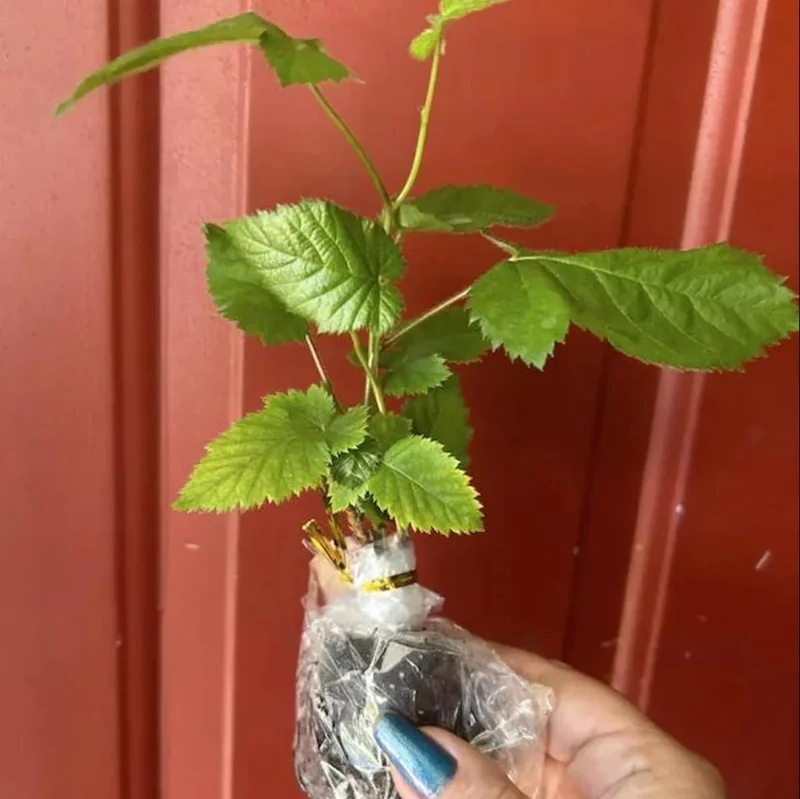
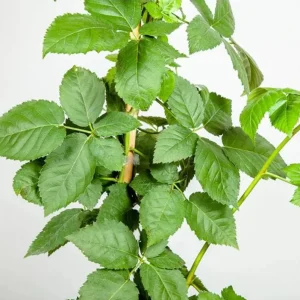
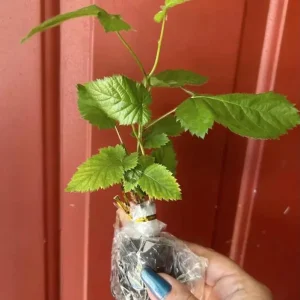
You will receive a pack of two Osage blackberry live plant starters, each carefully selected for health and vigor. These young plants typically measure between 4 to 8 inches in height upon arrival, providing a robust foundation for your future berry patch. They are shipped well-rooted in soil, ready for immediate planting in your garden or a larger container. The Osage variety is a medium-sized blackberry bush, typically reaching 4-6 feet in height and spread when mature, making it manageable for most home gardens. Its growth rate is moderate, and you can expect to see significant development in its first growing season, with fruit production often beginning in the second year after planting.
This thornless blackberry bush is an excellent choice for those looking for a productive yet easy-to-handle berry plant. The plants are designed to establish quickly, and with proper care, they will rapidly grow into mature, fruit-bearing specimens. The thornless nature of the canes makes them particularly suitable for planting along pathways or in areas where children might be present. Expect a generous harvest of sweet, juicy berries from mid-summer through late summer, depending on your local climate. These starter plants are a fantastic way to begin your journey of growing Osage blackberries at home.
Frequently Asked Questions
- Q: How big does this plant get? A: The Osage blackberry live plant typically grows to a mature size of 4-6 feet in height and spread, forming a manageable and productive bush in your home garden. Its growth habit allows for easy harvesting and maintenance.
- Q: Is this an indoor or outdoor plant? A: The Osage blackberry is an outdoor plant, performing best when planted directly in the ground where it can receive ample sunlight and space to grow. It is not suitable for long-term indoor cultivation.
- Q: How much sunlight does it need? A: For optimal growth and fruit production, your thornless blackberry bush requires at least 6-8 hours of direct full sun daily. Ensure it’s placed in a sunny location in your garden.
- Q: Is this plant easy to care for? A: Yes, the Osage blackberry is considered relatively easy to care for. Its thornless nature simplifies pruning and harvesting, making it a great choice for both experienced and novice gardeners interested in growing Osage blackberries.
- Q: What condition will it arrive in? A: Your plants will arrive as 4-8 inch tall, well-rooted starter plants, carefully packaged to ensure their health during transit. They will be ready for planting upon arrival.
- Q: When is the best time to plant? A: The best time to plant your sweet blackberry plant starters is in spring after the last frost, or in early fall in milder climates. This allows the plants to establish their root system before extreme weather.
- Q: Will it survive winter in my zone? A: The Osage blackberry is hardy in USDA Zones 6-10, tolerating temperatures down to -10°F. Some growers in Zone 5 report success with winter protection, but it’s primarily suited for Zones 6 and above.
- Q: How long until it blooms and fruits? A: While your plants are young starters, you can typically expect your berry bush starter to begin blooming and producing fruit in its second year after planting, with increasing yields in subsequent years.
- Q: Do I need more than one plant for fruit? A: Osage blackberries are self-fertile, meaning a single plant can produce fruit. However, planting multiple bushes can often lead to a larger and more consistent harvest.
- Q: What kind of soil does it prefer? A: This plant thrives in well-drained, fertile soil with a pH between 6.0 and 6.8. It can tolerate clay soil if amended with organic matter to improve drainage.
Be the first to review “Osage Blackberry Live Plants – 2 Pack, Sweet Thornless Berry Bush Starter, 4-8 Inch Tall”
-
USDA Hardiness Zone
USDA Zones 6-10 -
Soil Type
Well-drained, fertile soil with pH 6.0-6.8 -
Sunlight Exposure
Full sun (6-8+ hours daily) -
Expected Planting Period
Spring to early summer
People Also Viewd


Sold 128 products
Original price was: $27.00.$24.00Current price is: $24.00.

Sold 127 products
Original price was: $89.99.$64.99Current price is: $64.99.

Sold 125 products
Original price was: $3,536.00.$23.99Current price is: $23.99.

Sold 125 products
Original price was: $86.99.$66.99Current price is: $66.99.
Sold 116 products
Original price was: $27.99.$16.99Current price is: $16.99.

Flower Bulbs
3 Cranesbill Wild Geranium Organic Maculatums Bare Roots | Wildflower for Outdoor Garden
Sold 114 products
Original price was: $21.99.$6.99Current price is: $6.99.

Sold 114 products
Original price was: $28.99.$17.99Current price is: $17.99.

Sold 109 products
Original price was: $63.99.$28.99Current price is: $28.99.RELATED posts
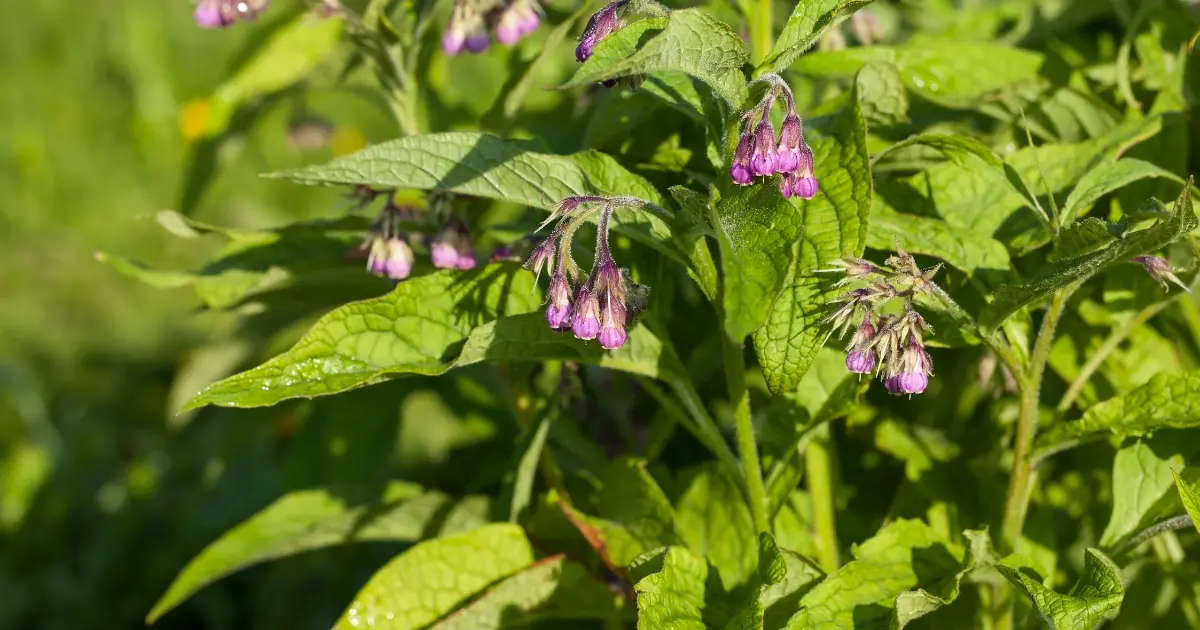
How to Identify Bocking 14 Comfrey: 5 Simple Visual Signs
If you’re growing comfrey for mulch, compost, or animal feed, knowing exactly which variety you [...]
Mar
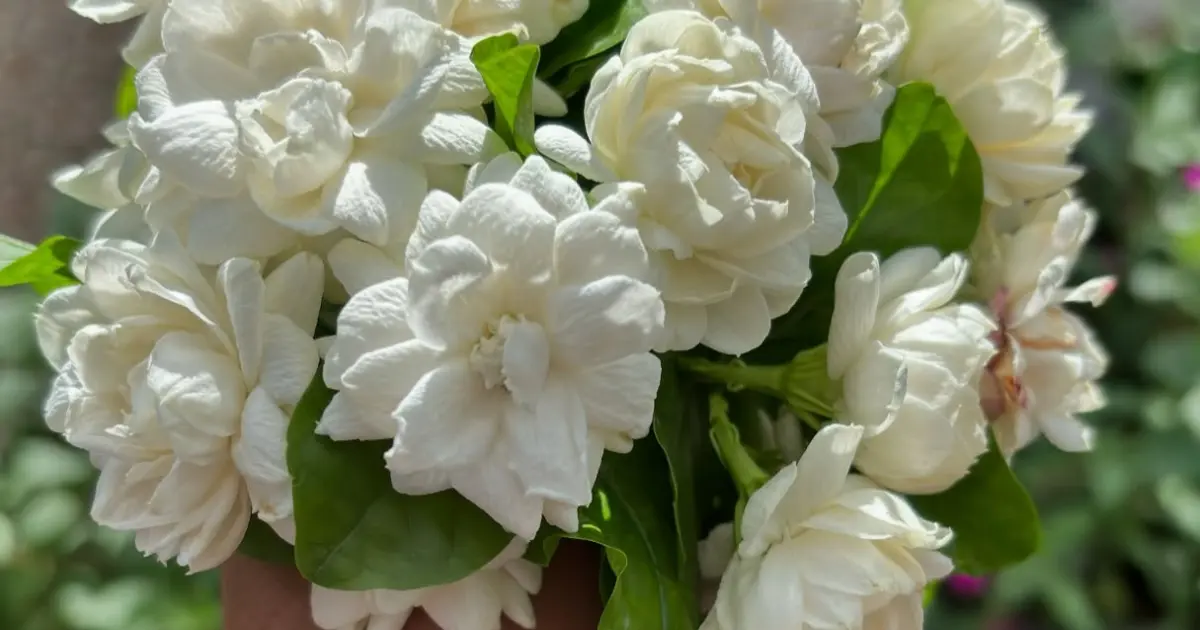
Grand Duke of Tuscany Jasmine: The Ultimate Guide to Growing a Fragrant Masterpiece
Have you ever caught a scent in the air so rich, creamy, and honey-sweet that [...]
Mar
How to Grow Wild Huckleberries: A Guide to “Purple Gold”
Have you ever spent a summer afternoon hiking through the Pacific Northwest or the Rocky [...]
Mar
5 Best Shade-Loving Perennials for a Lush, Vibrant Garden
The world of gardening often shines a spotlight on sun-drenched blossoms, but there is a [...]
Mar
7 Common Curry Leaf Plant Problems: Easy Fixes for a Thriving Plant
Is your curry leaf plant looking a bit sad lately? Maybe you woke up to [...]
Mar
Best Time to Plant Bougainvillea: Timing for Vibrant Blooms
If you’re looking for a hardy tropical vine that delivers a riot of neon color, [...]
Feb
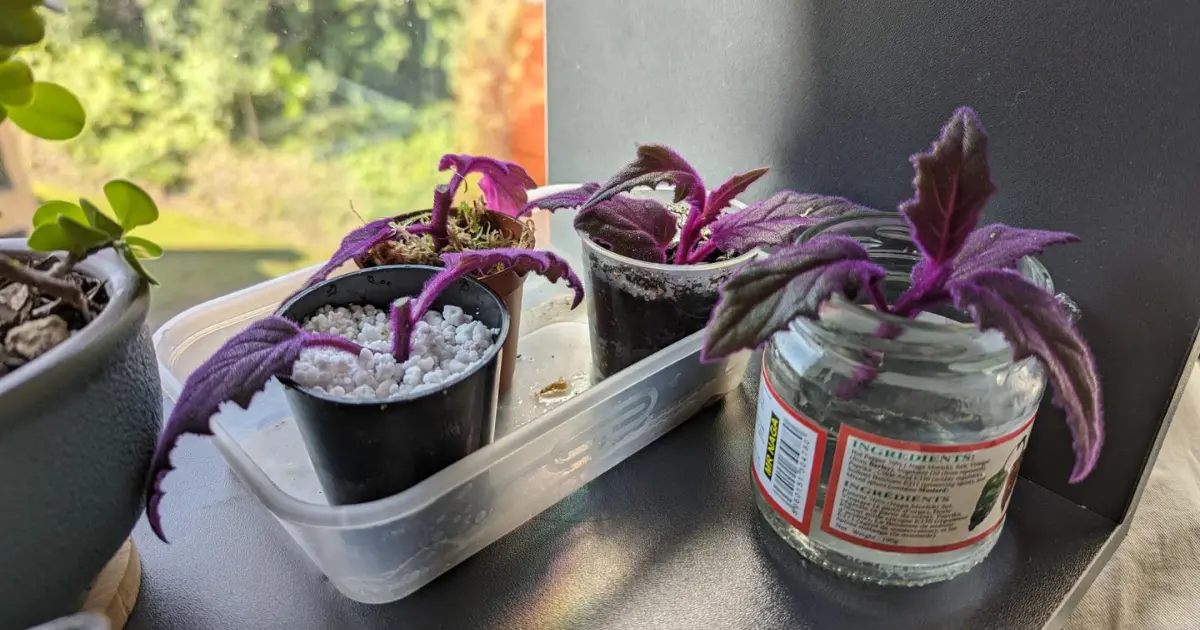
How to Propagate Purple Passion Plants (Gynura aurantiaca)
Have you ever been mesmerized by the neon-purple glow and fuzzy, velvet-like leaves of a [...]
Feb
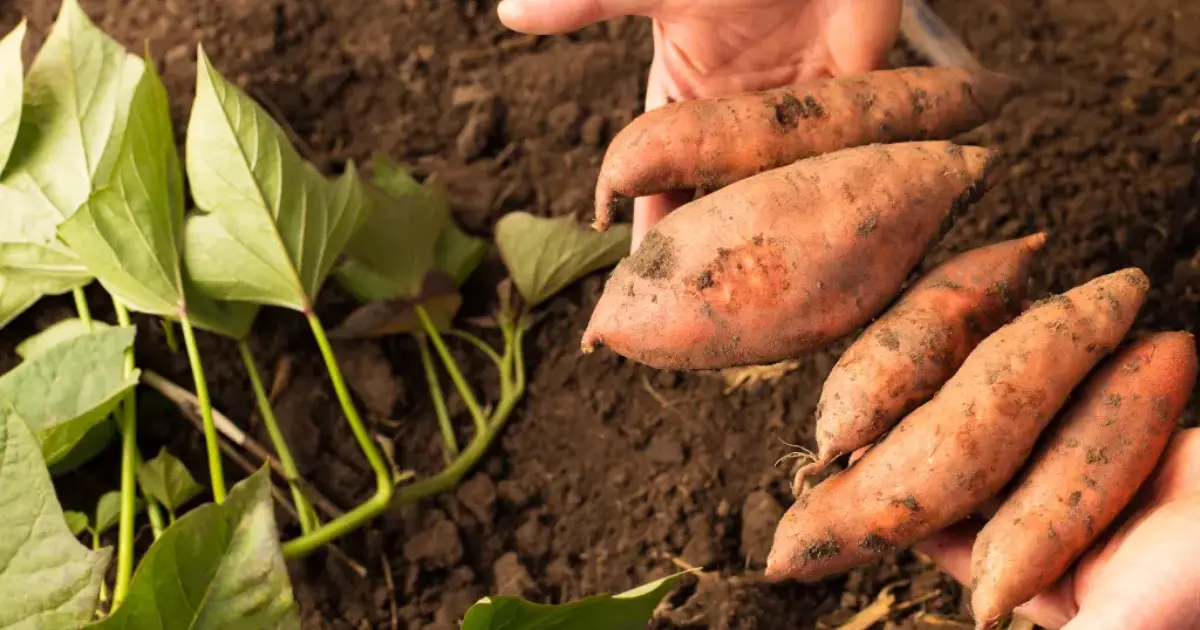
How to Grow Beauregard Sweet Potatoes: From Slips to a Bountiful Harvest
Are you ready to add a classic, heavy-hitting favorite to your vegetable patch? If you’ve [...]
Feb
Reviews
There are no reviews yet.