
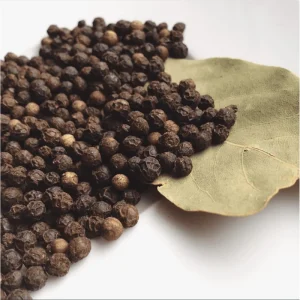
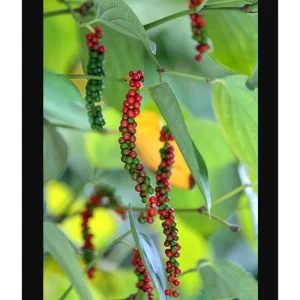
Pack of 2 Black Pepper Live Plants – Piper Nigrum Starter Plants, 4-8 Inch Tall
Original price was: $64.98.$54.98Current price is: $54.98.
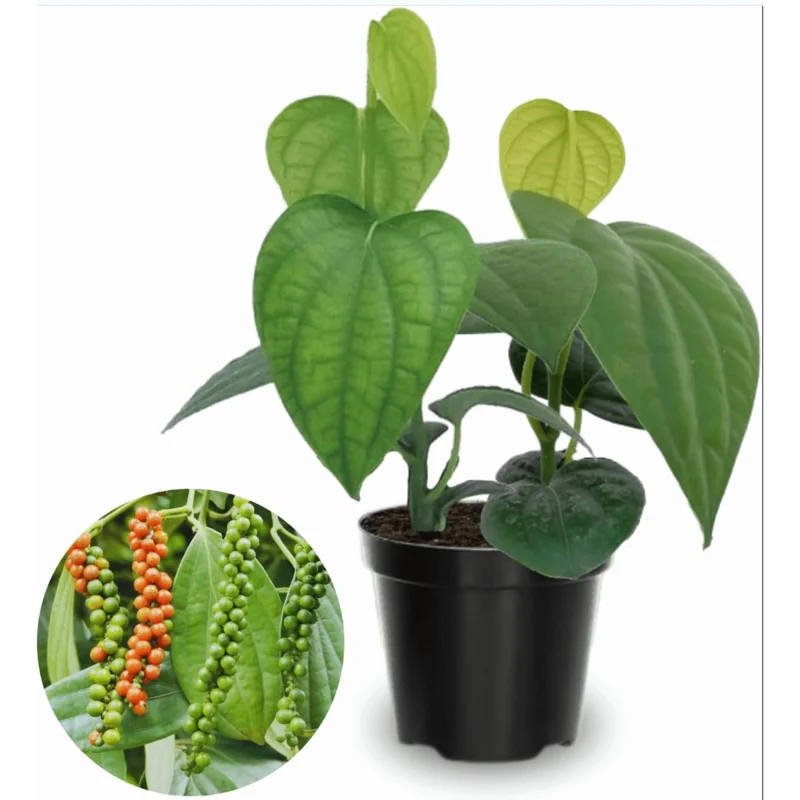
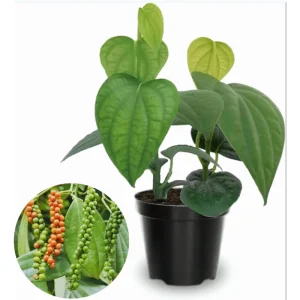
Cultivate your own spice with this pack of 2 black pepper live plant (Piper nigrum) starter plants. These 4-8 inch tall tropical vines are perfect for enthusiasts looking to grow fresh peppercorns at home. Enjoy the unique satisfaction of harvesting your own spice.
Estimated arrival
Apr 02
Apr 07 - Apr 09
Apr 12 - Apr 16

Reasonable Price
We offer reasonable price

Support 24/7
Contact us 24 hrs a day

100% Money Back
You've 30 days to Return

Payment Secure
100% secure payment
Overview
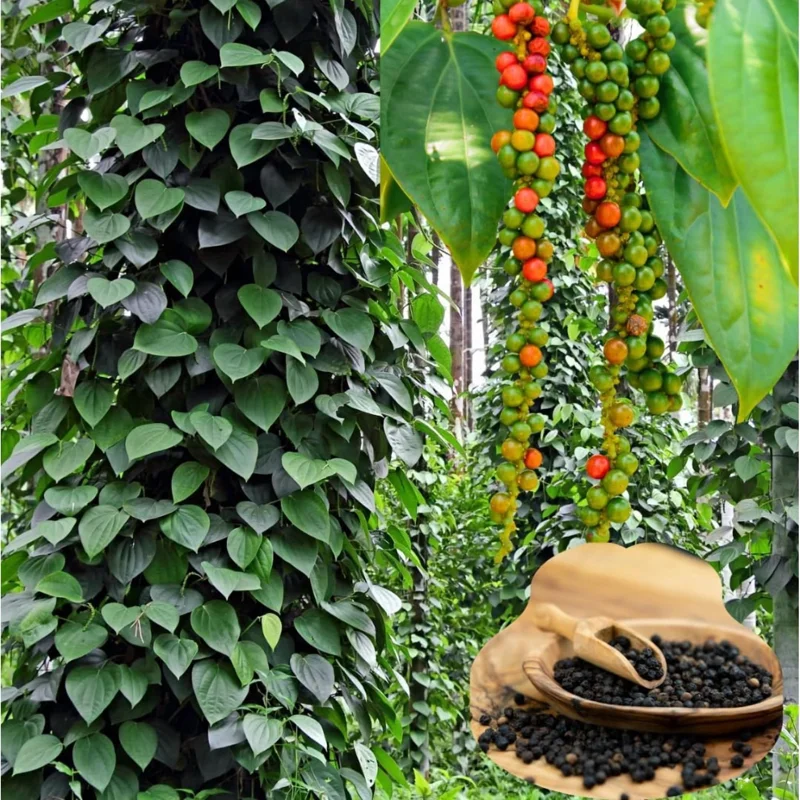
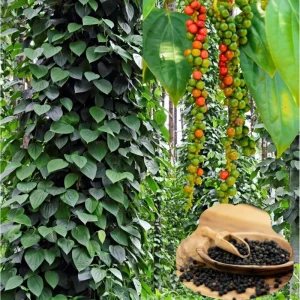
Embark on a unique gardening journey with our black pepper live plant (Piper nigrum) starter plants. This offering includes a pack of two vigorous young vines, each standing 4-8 inches tall, ready to bring the exotic world of fresh peppercorns into your home or garden. The piper nigrum plant is a tropical, perennial climbing vine, celebrated globally for its pungent fruits that become the beloved black pepper spice. Originating from India, these plants thrive in warm, humid conditions and require support to climb, making them an excellent choice for a trellis, arbor, or even as an intriguing indoor specimen. Growing your own pepper allows you to experience the full lifecycle of this incredible spice, from vibrant green berries to the dried, aromatic peppercorns. It’s a rewarding project for any gardener seeking to add a touch of the exotic and practical to their botanical collection.
Key Benefits
Cultivating your own black pepper live plant offers a multitude of benefits, from the aesthetic appeal of its lush foliage to the unparalleled satisfaction of harvesting your own spice. These plants are more than just a source of seasoning; they are a conversation starter and a living testament to the wonders of tropical agriculture.
- Fresh Spice Production: Enjoy the freshest, most aromatic peppercorns directly from your garden. The flavor of homegrown black pepper is incomparable to store-bought varieties, offering a richer, more complex profile.
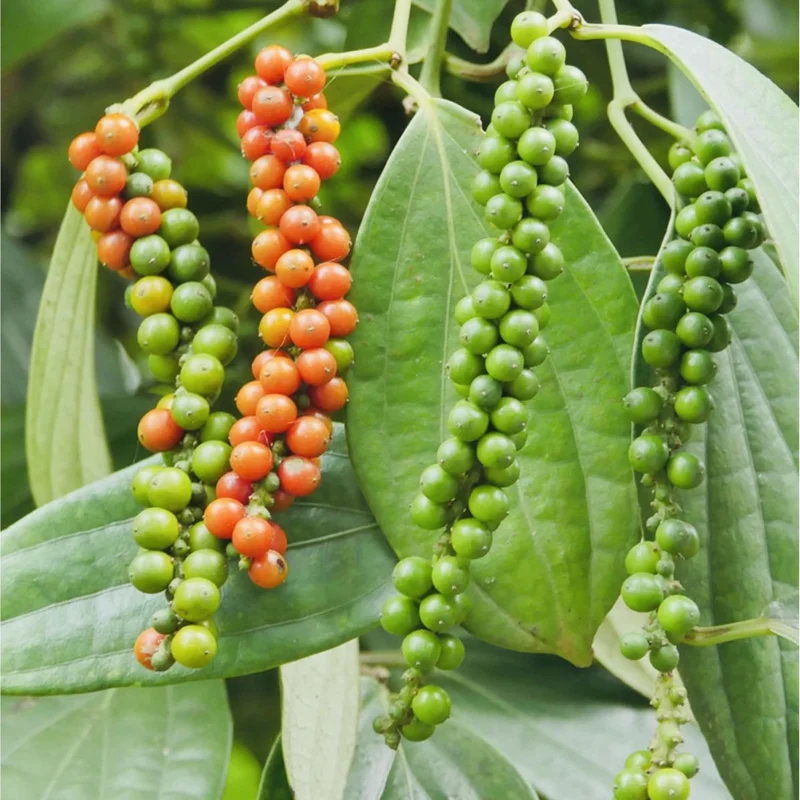
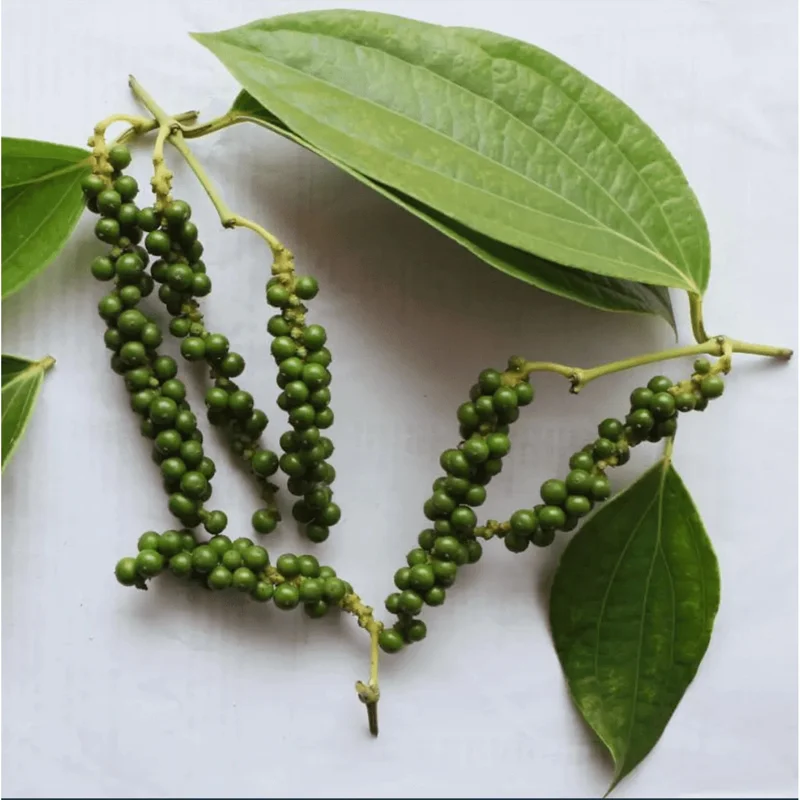
- Unique Ornamental Value: The climbing habit and attractive foliage of the piper nigrum plant make it a beautiful addition to any greenhouse, sunny room, or tropical garden. Its long, green spikes of developing fruits add an interesting visual element.
- Educational Experience: Growing a spice plant like the black peppercorn plant provides a fascinating educational experience for all ages, demonstrating where common kitchen ingredients truly come from.
- Air Purification: Like many living plants, the black pepper vine contributes to a healthier indoor environment by naturally filtering air and increasing humidity.
- Tropical Appeal: Bring a touch of the tropics to your space. The lush, vibrant leaves evoke warmth and exotic beauty, creating a serene and inviting atmosphere.
- Sustainable Living: Reduce your reliance on commercially processed spices by growing your own, contributing to a more sustainable and self-sufficient lifestyle.
- Rewarding Hobby: The process of nurturing a black pepper vine from a small starter plant to a fruit-bearing specimen is incredibly gratifying, offering a unique gardening challenge.
Plant Care & Growing Tips
To successfully nurture your black pepper live plant, understanding its specific needs is crucial. These tropical vines require consistent care to thrive and produce their prized peppercorns. Providing the right environment will ensure a healthy and productive plant.
Sunlight Requirements: The piper nigrum plant prefers bright, indirect light or partial shade. Aim for 6-8 hours of filtered sunlight daily. Avoid direct, harsh afternoon sun, especially in warmer climates, as this can scorch the leaves. If growing indoors, a south- or east-facing window with a sheer curtain is ideal. Outdoor plants should be placed where they receive morning sun and afternoon shade.
Watering Schedule and Soil Moisture: Black pepper plants need consistently moist, but not waterlogged, soil. Water thoroughly when the top inch of soil feels dry to the touch. During warmer months, this might be every 2-3 days, while in cooler periods, less frequent watering is needed. Ensure excellent drainage to prevent root rot. Humidity is also vital for this tropical plant; consider misting regularly, placing the pot on a pebble tray with water, or using a humidifier, especially indoors.
Soil Type and Drainage: A deep, humus-rich, well-drained loam or sandy loam with a pH between 5.5-7.0 is ideal. A good quality potting mix amended with compost or well-rotted manure will provide the necessary nutrients and drainage. Good drainage is paramount as the plant is susceptible to root rot in soggy conditions. Ensure your pot has drainage holes.
Temperature Range and USDA Hardiness Zone: These plants are tropical and require warmth. They thrive in temperatures between 65–85°F (18–29°C) and cannot tolerate cold below 55°F (13°C). They are suitable for USDA Zones 10-12 for outdoor cultivation. In colder zones, they must be grown indoors or in a greenhouse. Protect them from drafts and sudden temperature fluctuations.
Fertilization: During the growing season (spring through fall), feed your black peppercorn plant every 2-4 weeks with a balanced liquid fertilizer diluted to half strength. Reduce feeding in winter when growth slows. Organic fertilizers or compost tea can also be beneficial.
Support and Pruning: As a climbing vine, your pepper plant will need support. Provide a sturdy trellis, stake, or moss pole for it to climb. Prune as needed to maintain shape, size, and encourage bushier growth. Regular pruning can also help improve air circulation and fruit production. Learning how to grow black pepper successfully involves understanding these fundamental care practices.
Size & Details
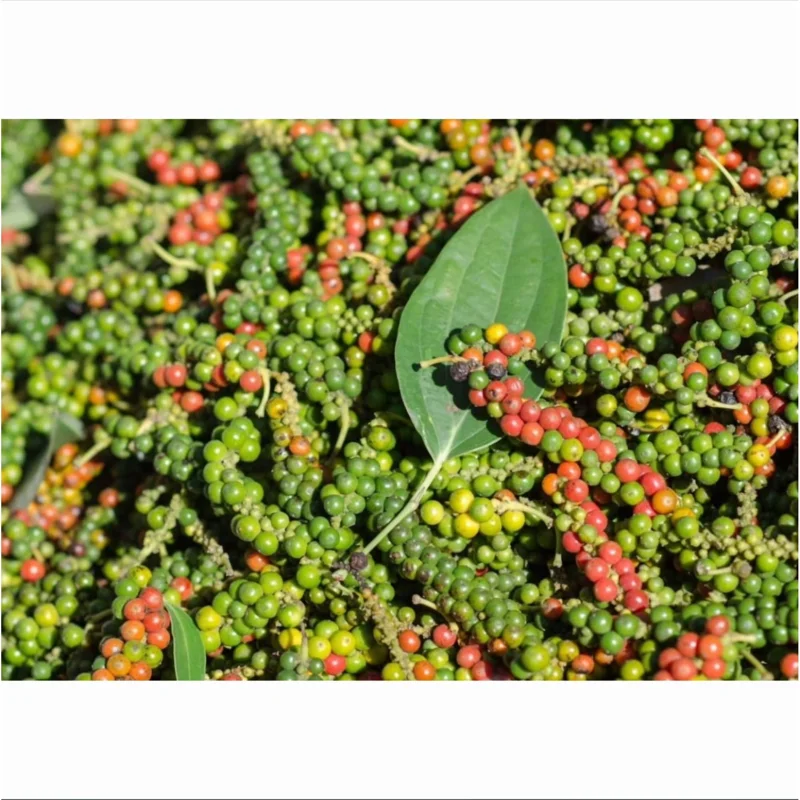
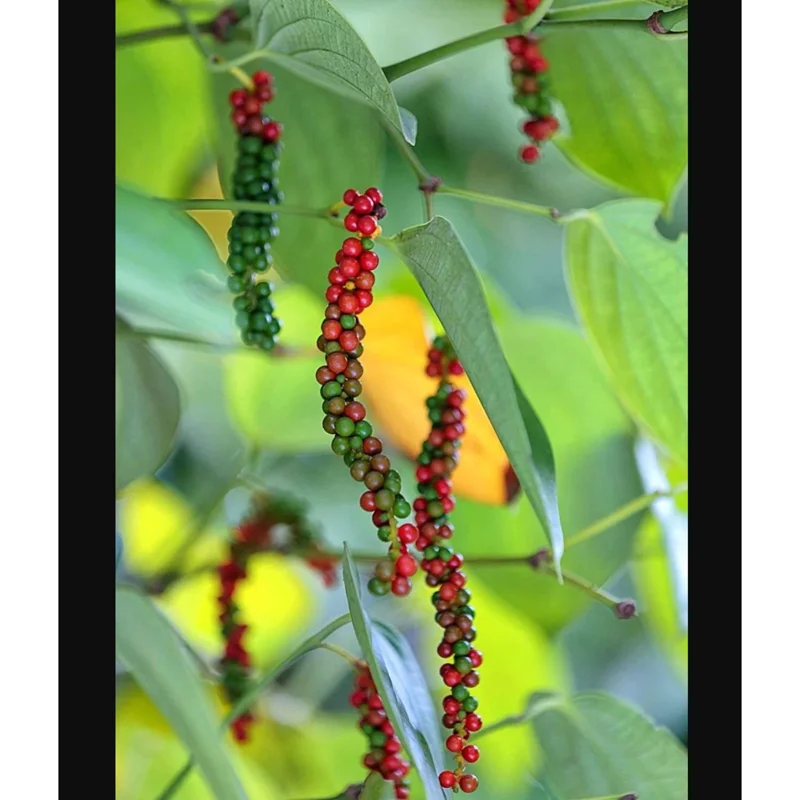
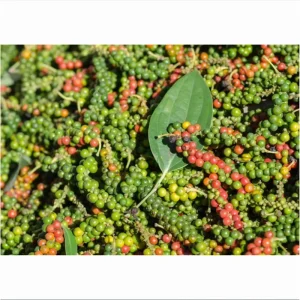
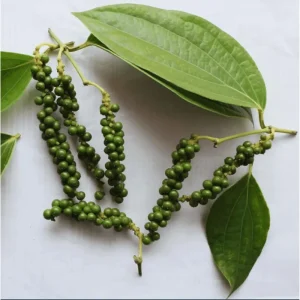
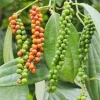
This offering includes a pack of 2 black pepper live plant starter plants, each measuring approximately 4-8 inches in height. These young vines are carefully selected to ensure vigorous growth upon arrival. The plants are shipped without a pot to ensure safe transit and minimize shipping costs, allowing you to plant them directly into your preferred container or garden bed. Black pepper vines are moderate to fast growers under ideal conditions, typically reaching lengths of 10-20 feet or more when mature and given proper support. They begin producing fruit within 3-4 years from planting, with peak production occurring after 7-8 years. The small fruits, or peppercorns, develop in green spikes and turn red when ripe, though for black pepper, they are harvested while still green and unripe.
Frequently Asked Questions
- Q: How big does this black pepper live plant get? A: A mature piper nigrum plant can grow into a vine 10-20 feet long or more when provided with adequate support. Indoors, its size can be managed with pruning, often remaining more compact.
- Q: What size pot does it come in? A: These black pepper live plant starter plants are shipped without a pot. You will need to plant them into a suitable container or directly into the ground upon arrival. We recommend starting with a 6-8 inch pot for these young plants.
- Q: Is this an indoor or outdoor plant? A: The black pepper plant is a tropical vine suitable for outdoor cultivation in USDA Zones 10-12. In colder climates, it thrives as an indoor plant or in a greenhouse, provided it receives sufficient warmth and humidity.
- Q: How much sunlight does it need? A: Your black peppercorn plant prefers bright, indirect light or partial shade, requiring 6-8 hours of filtered sunlight daily. Avoid direct, intense afternoon sun.
- Q: Is this plant easy to care for? A: While not extremely difficult, the black pepper live plant does require specific tropical conditions, including warmth, humidity, and consistent moisture, making it a moderately challenging but rewarding plant for experienced gardeners or dedicated beginners.
- Q: What condition will it arrive in? A: Your plants will arrive as healthy, 4-8 inch tall starter vines, carefully packaged to ensure their well-being during transit. They are ready for immediate planting.
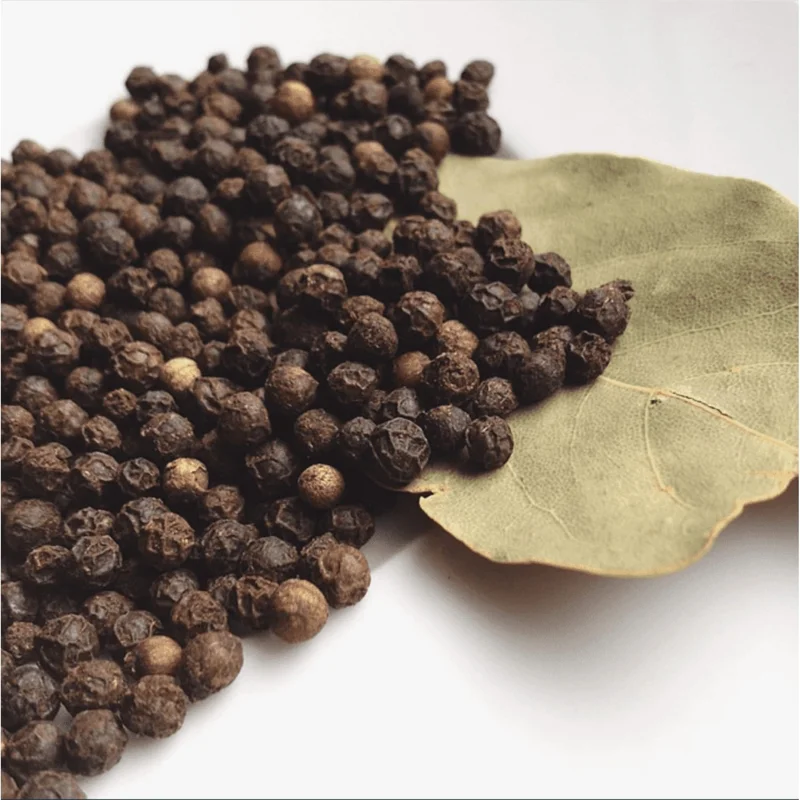
- Q: Can I use the peppercorns from this plant in cooking? A: Absolutely! The primary purpose of growing a black pepper live plant is to harvest its fruit. You can pick the green berries, dry them, and grind them for fresh black pepper.
- Q: When is the best time to plant? A: If growing outdoors in suitable zones, spring is an ideal time. For indoor cultivation, these plants can be potted year-round, as long as optimal growing conditions are maintained.
- Q: Will it survive winter in my zone? A: If you are outside USDA Zones 10-12, your piper nigrum plant will not survive winter outdoors. It must be brought indoors to a warm, humid environment before temperatures drop below 55°F (13°C).
- Q: What’s the minimum temperature this plant can tolerate? A: The black pepper plant is sensitive to cold and will suffer damage or die if exposed to temperatures below 55°F (13°C) for extended periods.
Be the first to review “Pack of 2 Black Pepper Live Plants – Piper Nigrum Starter Plants, 4-8 Inch Tall”
-
USDA Hardiness Zone
USDA Zones 10-12 (outdoors), suitable for indoor cultivation in all zones -
Soil Type
Deep, humus-rich, well-drained loam or sandy loam (pH 5.5-7.0) -
Sunlight Exposure
Bright, indirect light or partial shade (6-8 hours filtered light) -
Expected Planting Period
Year-round indoors, spring to early summer outdoors in tropical zones
People Also Viewd
Sold 128 products
Original price was: $89.99.$64.99Current price is: $64.99.
Sold 128 products
Original price was: $27.00.$24.00Current price is: $24.00.
Sold 126 products
Original price was: $3,536.00.$23.99Current price is: $23.99.

Sold 125 products
Original price was: $86.99.$66.99Current price is: $66.99.
Sold 116 products
Original price was: $27.99.$16.99Current price is: $16.99.
Flower Bulbs
3 Cranesbill Wild Geranium Organic Maculatums Bare Roots | Wildflower for Outdoor Garden
Sold 114 products
Original price was: $21.99.$6.99Current price is: $6.99.
Sold 114 products
Original price was: $28.99.$17.99Current price is: $17.99.
Sold 109 products
Original price was: $63.99.$28.99Current price is: $28.99.RELATED posts
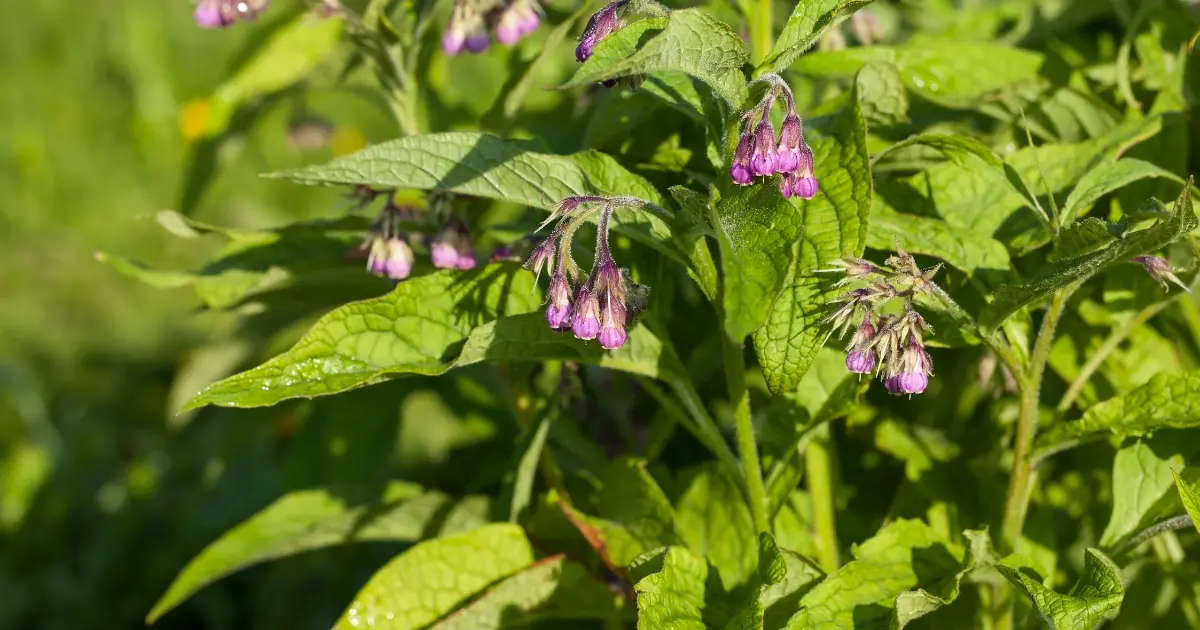
How to Identify Bocking 14 Comfrey: 5 Simple Visual Signs
If you’re growing comfrey for mulch, compost, or animal feed, knowing exactly which variety you [...]
Mar
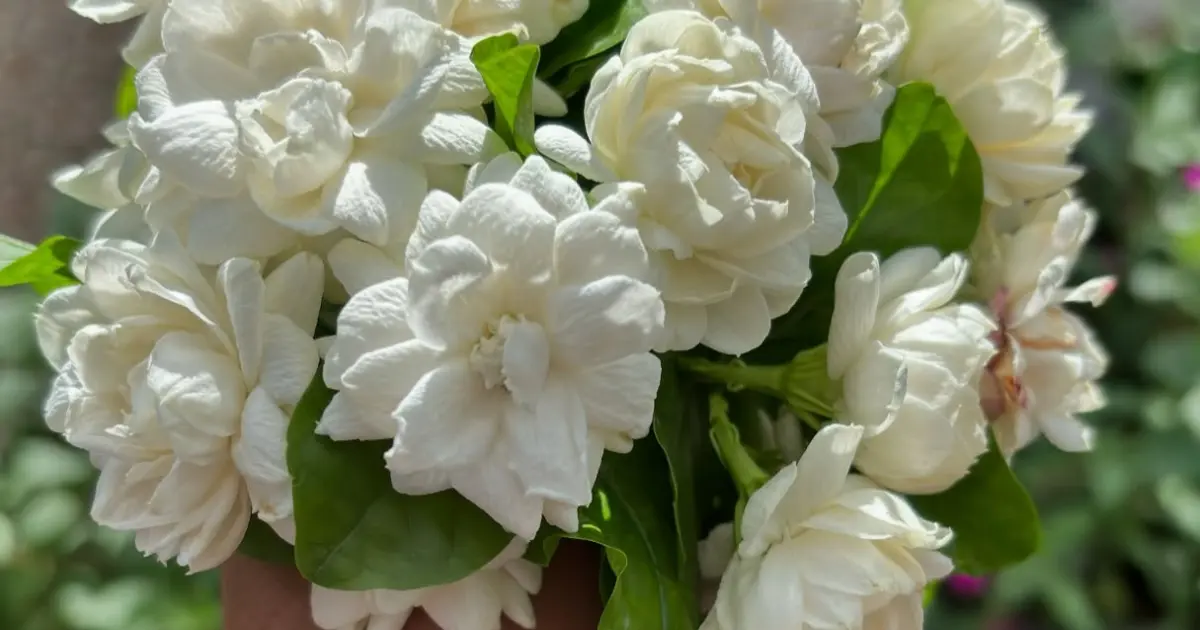
Grand Duke of Tuscany Jasmine: The Ultimate Guide to Growing a Fragrant Masterpiece
Have you ever caught a scent in the air so rich, creamy, and honey-sweet that [...]
Mar
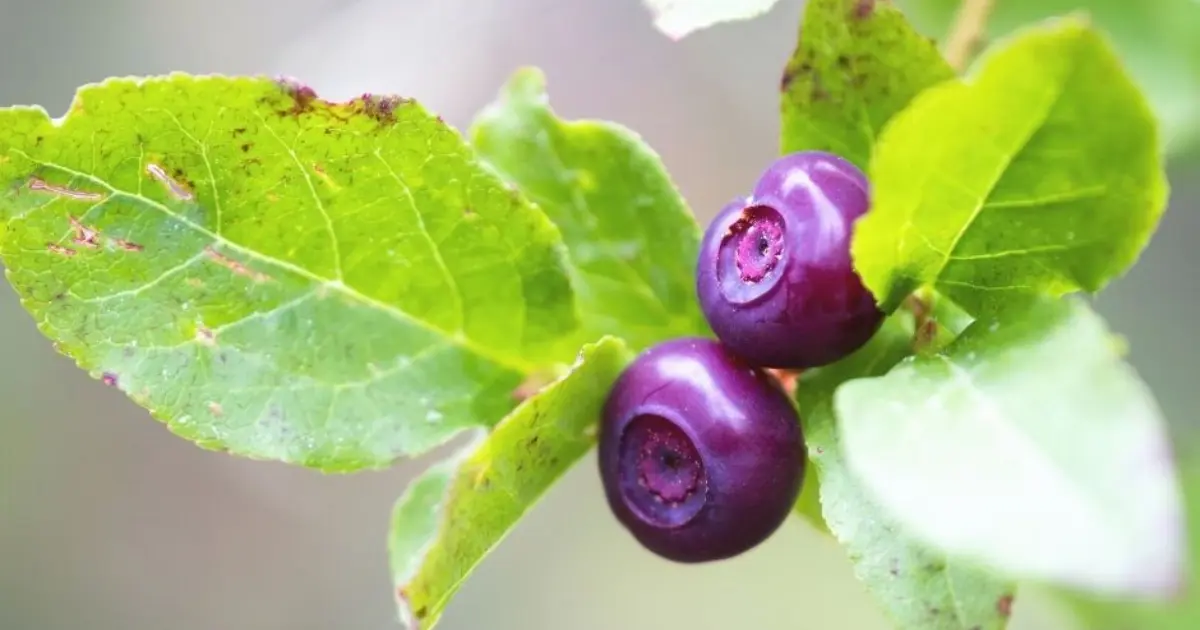
How to Grow Wild Huckleberries: A Guide to “Purple Gold”
Have you ever spent a summer afternoon hiking through the Pacific Northwest or the Rocky [...]
Mar
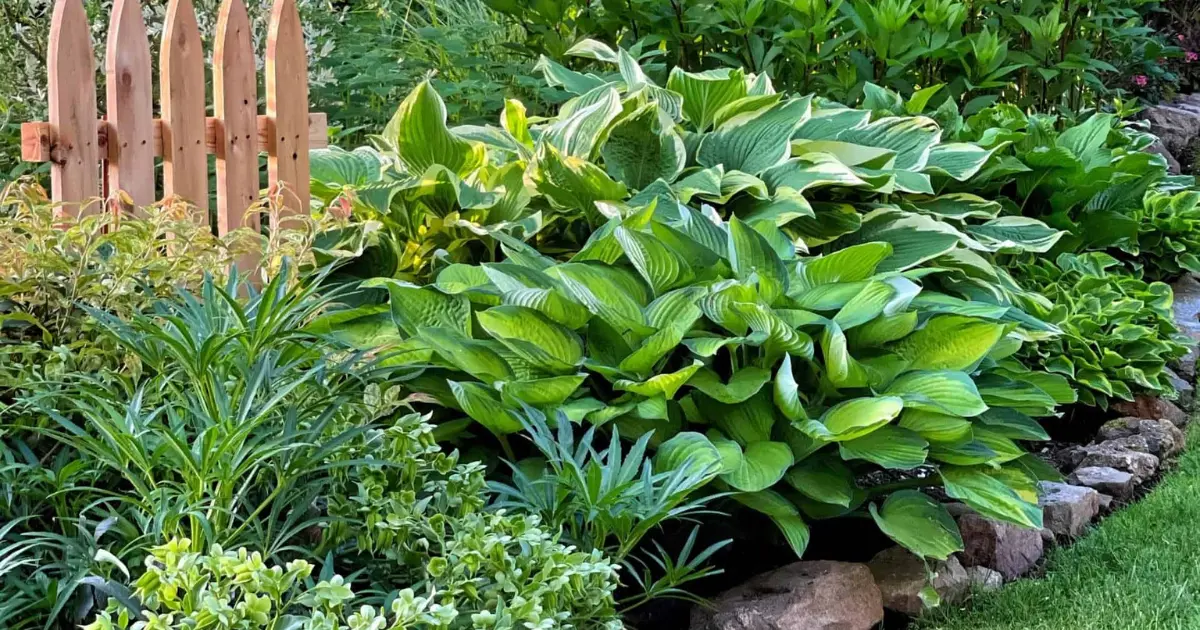
5 Best Shade-Loving Perennials for a Lush, Vibrant Garden
The world of gardening often shines a spotlight on sun-drenched blossoms, but there is a [...]
Mar
7 Common Curry Leaf Plant Problems: Easy Fixes for a Thriving Plant
Is your curry leaf plant looking a bit sad lately? Maybe you woke up to [...]
Mar
Best Time to Plant Bougainvillea: Timing for Vibrant Blooms
If you’re looking for a hardy tropical vine that delivers a riot of neon color, [...]
Feb
How to Propagate Purple Passion Plants (Gynura aurantiaca)
Have you ever been mesmerized by the neon-purple glow and fuzzy, velvet-like leaves of a [...]
Feb
How to Grow Beauregard Sweet Potatoes: From Slips to a Bountiful Harvest
Are you ready to add a classic, heavy-hitting favorite to your vegetable patch? If you’ve [...]
Feb
Reviews
There are no reviews yet.