
Pack of 2 White Milkweed Live Starter Plants, 4-9 Inch Tall, Host for Monarch Butterflies
Original price was: $40.99.$30.99Current price is: $30.99.
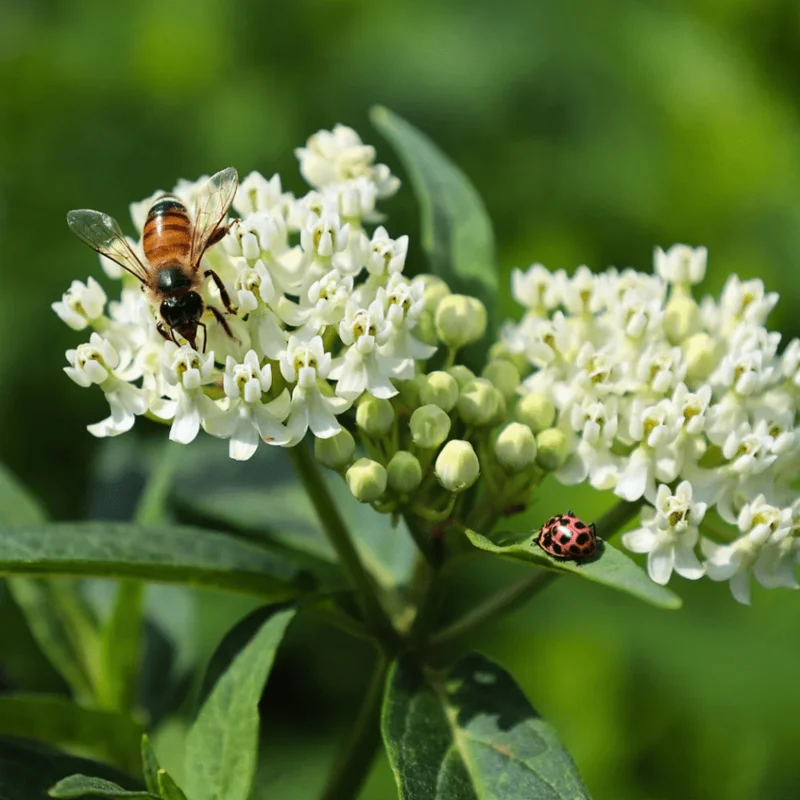
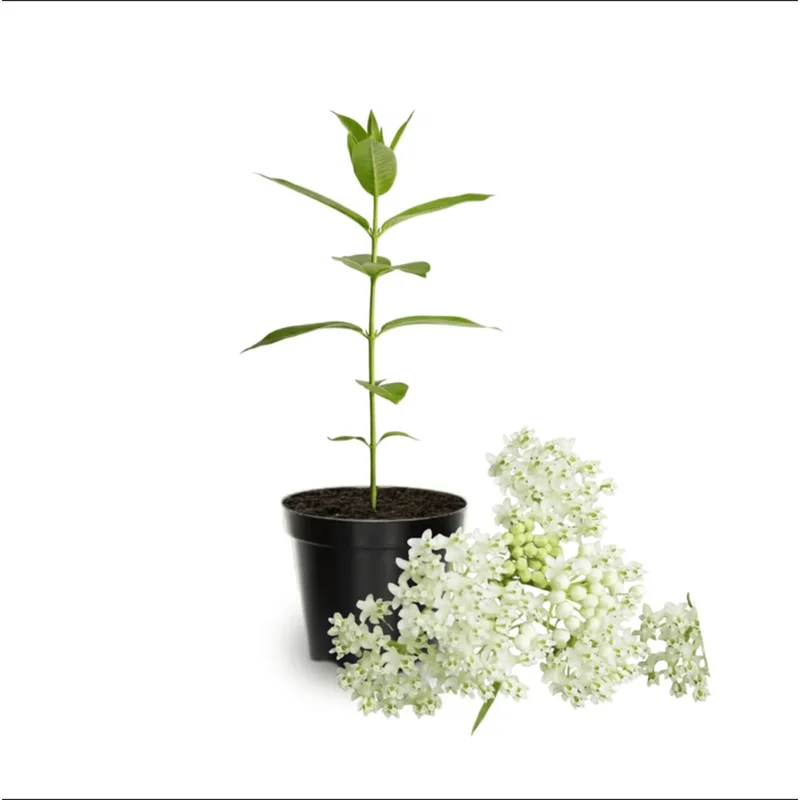
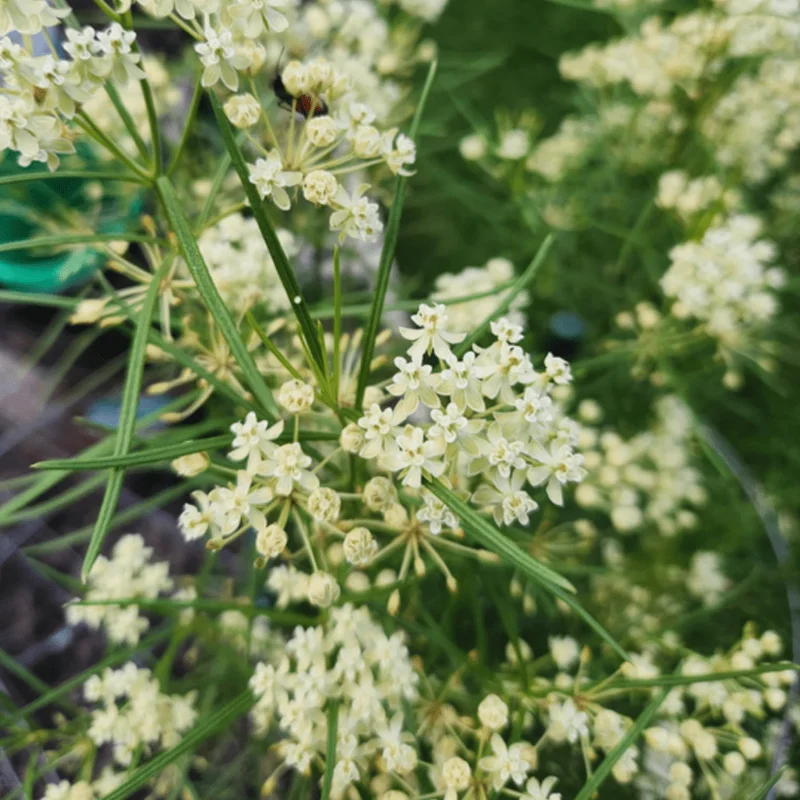
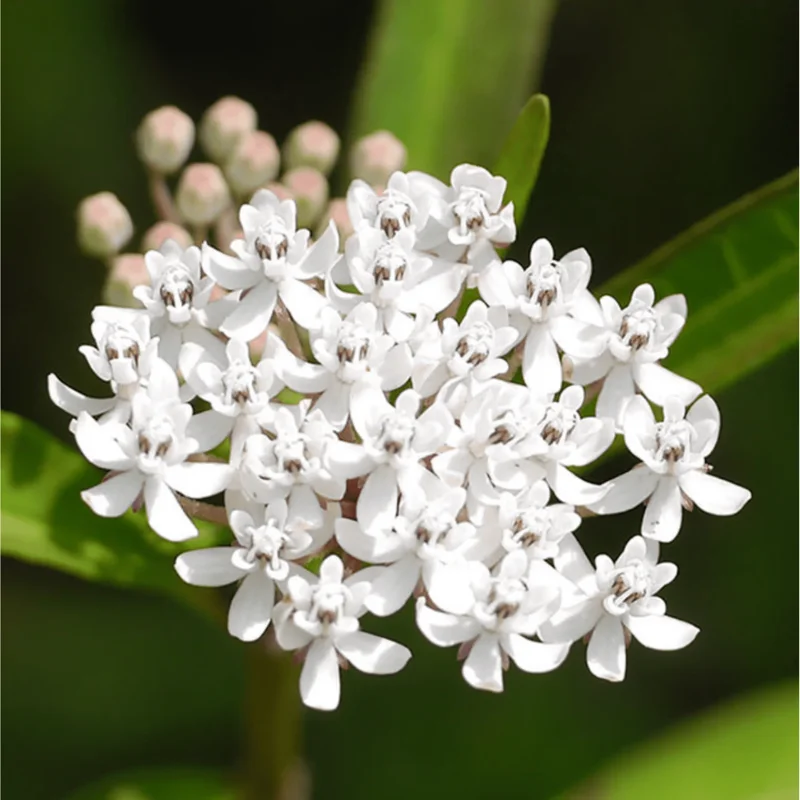
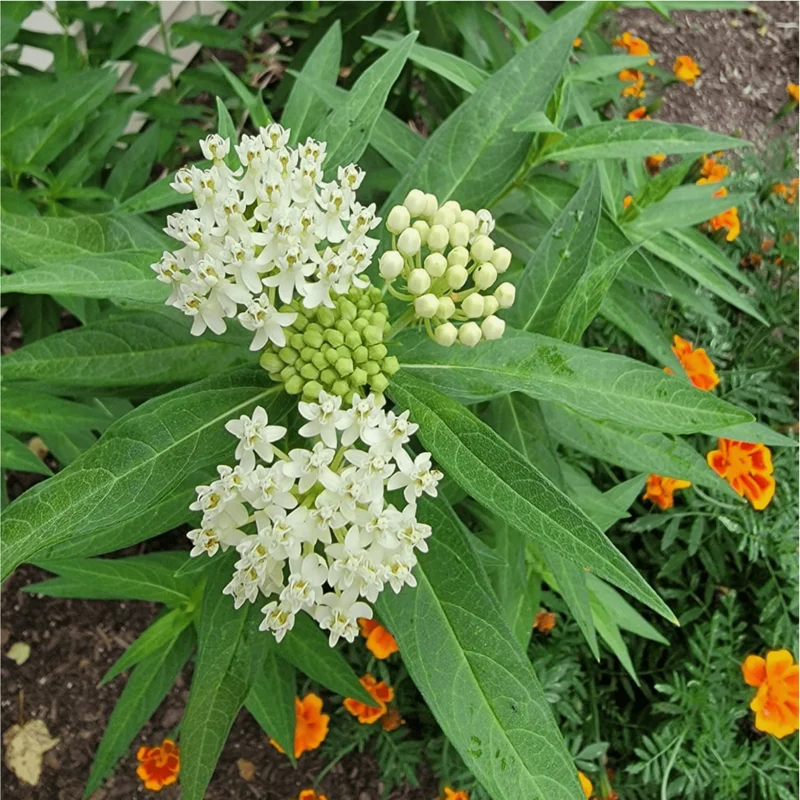
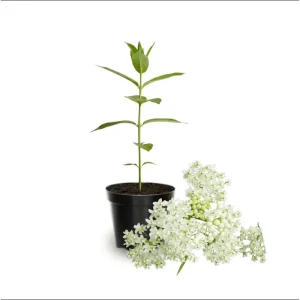
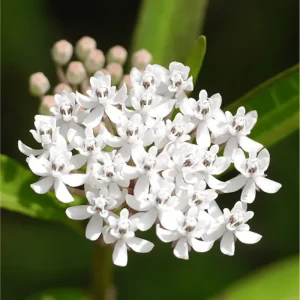
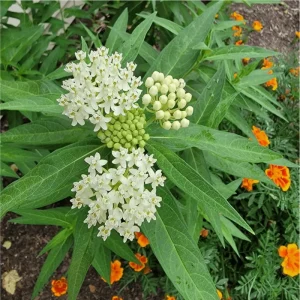
Attract beautiful Monarch butterflies with this white milkweed live plant pack. You’ll receive 2 healthy starter plants, 4-9 inches tall, ready for planting. These native plants are vital host plants for Monarch larvae, supporting their life cycle and contributing to a thriving ecosystem. Easy to grow in full sun to partial shade.
Estimated arrival
Apr 02
Apr 07 - Apr 09
Apr 12 - Apr 16

Reasonable Price
We offer reasonable price

Support 24/7
Contact us 24 hrs a day

100% Money Back
You've 30 days to Return

Payment Secure
100% secure payment
Overview
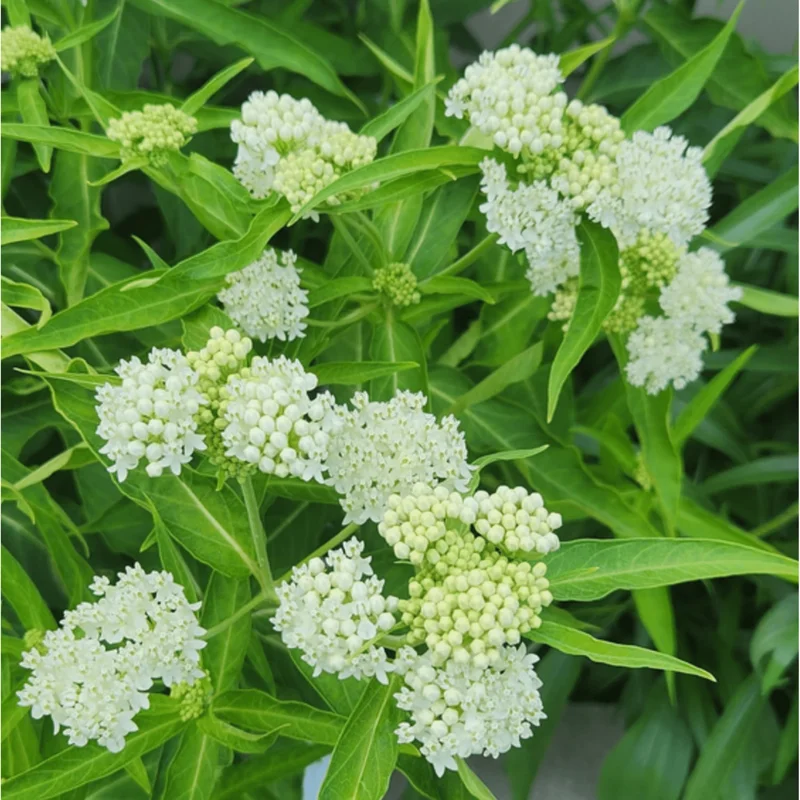
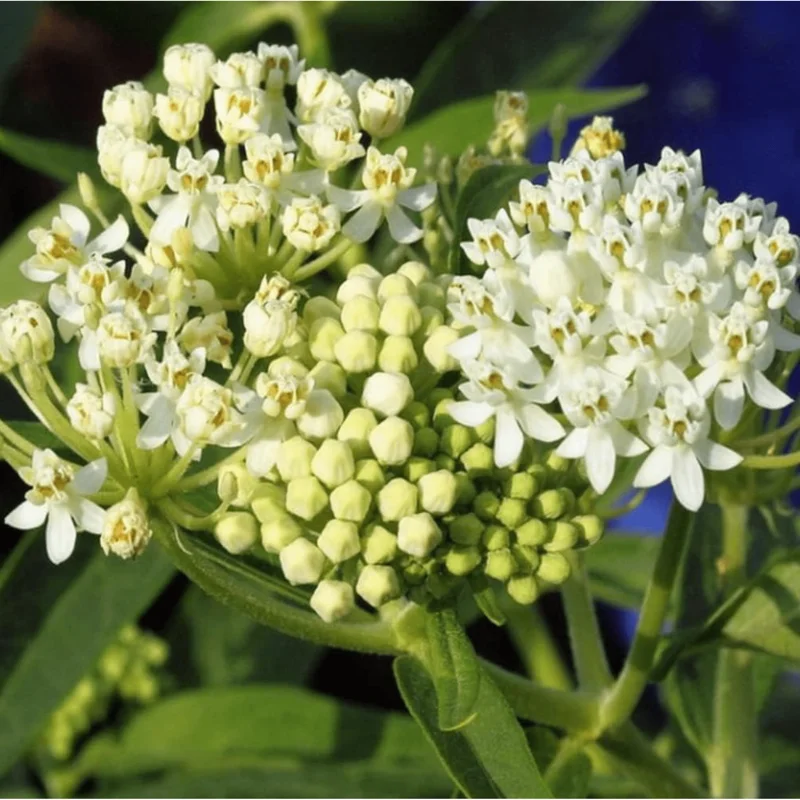
Welcome a vital piece of the ecosystem into your garden with this white milkweed live plant pack. Often referring to species like Redring Milkweed (Asclepias variegata) or Aquatic Milkweed (Asclepias perennis), these North American native plants are indispensable for supporting Monarch butterfly populations. Each pack contains 2 healthy starter plants, measuring 4-9 inches tall, ready to be transplanted into your garden. The presence of milkweed is critical for Monarch butterflies, as it is the sole food source for their larvae, making these plants a must-have for any pollinator-friendly garden. By planting white milkweed for monarchs, you are directly contributing to the conservation efforts of these iconic insects, providing them with the necessary habitat to thrive and complete their life cycle. These robust plants are an excellent choice for gardeners looking to make a meaningful environmental impact while enjoying the beauty of nature.
Key Benefits
Cultivating white milkweed live plant offers a multitude of benefits, not only for your garden’s aesthetic but also for its ecological health. These plants are cornerstone species for biodiversity, providing essential resources for various pollinators. Here are some of the key advantages:
- Monarch Butterfly Host Plant: White Milkweed is the exclusive food source for Monarch butterfly caterpillars, making it critical for their survival and metamorphosis into adult butterflies. Planting it directly supports the Monarch population.
- Pollinator Attraction: Beyond Monarchs, the unique flowers of the white milkweed live plant attract a wide array of other beneficial pollinators, including bees, wasps, and other butterfly species, enhancing the overall health of your garden.
- Native & Adaptable: As a North American native, these milkweed varieties are well-adapted to local climates and require less maintenance once established. They contribute to the ecological integrity of your region.
- Drought-Tolerant: Once established, many white milkweed for monarchs varieties exhibit impressive drought tolerance, making them a sustainable choice for water-wise gardening.
- Low Maintenance: These plants are generally easy to care for, thriving in various conditions and resisting many common pests and diseases, allowing you more time to enjoy your garden.
- Educational Value: Observing the life cycle of the Monarch butterfly on your own asclepias variegata plant provides an incredible educational opportunity for children and adults alike, fostering a deeper connection to nature.
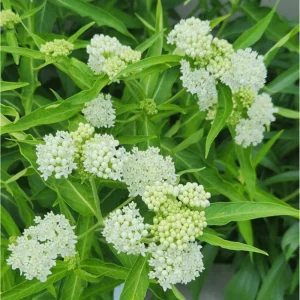
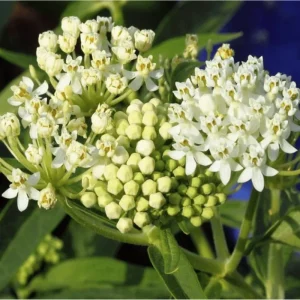
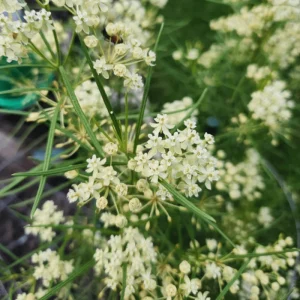
- Beautiful Blooms: While primarily known for their ecological role, white milkweed species produce charming white or pale-colored flowers that add a delicate beauty to garden landscapes.
Plant Care & Growing Tips
Ensuring the health and vitality of your white milkweed live plant is straightforward with the right care. These resilient native plants are generally low-maintenance, but understanding their specific needs will help them flourish and maximize their benefit to Monarch butterflies. For optimal growth, milkweed typically prefers a location with full sun, meaning at least 6 hours of direct sunlight per day. However, it can also tolerate partial shade, especially in hotter climates where some afternoon shade can be beneficial. The ideal soil for species like asclepias variegata plant is well-drained, which can range from dry clay to loam or rocky soil. Aquatic Milkweed (Asclepias perennis) prefers moist to wet conditions and can even tolerate temporary standing water, so understanding which specific variety you have is important for precise watering. Once established, most white milkweed varieties are drought-tolerant, requiring less frequent watering. However, during prolonged dry spells or in the first year after planting, ensure consistent moisture. Fertilization is generally not necessary for native milkweed species, as they are adapted to thrive in nutrient-poor soils. If your soil is particularly depleted, a light application of a balanced, slow-release fertilizer in spring can be beneficial, but avoid over-fertilizing. Monitor your plants for common pests, though milkweed is generally robust. Aphids can sometimes be an issue; a strong spray of water or insecticidal soap can manage them. The USDA hardiness zone for these plants typically ranges from 3-9, depending on the specific species, indicating their ability to withstand varying winter temperatures. Learning how to buy white milkweed and care for it properly contributes significantly to pollinator health.
Size & Details
This offering includes a pack of 2 white milkweed live plant starter plants, each standing approximately 4-9 inches tall. These plants are shipped without a pot, often as bare-root or with a small amount of soil wrapped around the roots to facilitate safe transit and reduce waste. This size is ideal for transplanting directly into your garden beds or larger containers. White milkweed species typically grow to a mature height of 2-4 feet, with a similar spread, forming a bushy, upright habit. The growth rate is moderate, and you can expect them to establish well in their first year, providing valuable resources for Monarchs by the following season. Depending on the species, flowering usually occurs from late spring through summer, providing a continuous nectar source for adult butterflies and host material for larvae. These plants are perfect for creating a dedicated pollinator garden or integrating into existing perennial beds, offering both ecological value and visual appeal. When you buy white milkweed, you’re investing in a future of thriving Monarchs.
Frequently Asked Questions
- Q: How big do these white milkweed plants get? A: Your white milkweed live plant starter plants are 4-9 inches tall upon arrival. Once mature, most white milkweed species typically grow to an average height of 2-4 feet with a similar spread, depending on growing conditions and specific variety.
- Q: Is this an indoor or outdoor plant? A: These white milkweed for monarchs plants are primarily intended for outdoor cultivation. They thrive in garden beds, pollinator gardens, and naturalized areas where they can receive ample sunlight and provide a host for Monarch butterflies.
- Q: How much sunlight does a white milkweed live plant need? A: White milkweed generally prefers full sun, meaning at least 6 hours of direct sunlight daily. It can tolerate partial shade, especially in warmer climates, but flowering and overall vigor may be reduced.
- Q: Is this plant easy to care for? A: Yes, asclepias variegata plant and other white milkweed varieties are considered relatively easy to care for, especially once established. They are native plants, making them well-adapted to many North American environments and requiring minimal intervention.
- Q: What condition will the plants arrive in? A: Your order will contain 2 healthy white milkweed live plant starter plants, 4-9 inches tall, typically shipped without a pot to ensure safe and efficient delivery. They will be carefully packaged to protect the roots during transit.
- Q: When is the best time to plant white milkweed? A: The best time to plant white milkweed is in the spring after the last frost, or in early fall in milder climates. This allows the plants sufficient time to establish their root systems before extreme temperatures.
- Q: Will white milkweed survive winter in my zone? A: Most white milkweed species are perennial and are hardy in USDA zones 3-9. They will die back to the ground in winter and re-emerge in spring, providing sustained support for Monarchs year after year.
- Q: Can I grow white milkweed in a container? A: Yes, you can grow buy white milkweed in large containers (at least 12-18 inches in diameter) with good drainage. Ensure the container provides enough space for root development and that the plant receives adequate sunlight.
- Q: Why is white milkweed important for Monarchs? A: White milkweed is crucial because it is the only plant species on which Monarch butterflies lay their eggs, and its leaves are the exclusive food source for Monarch caterpillars. Without milkweed, Monarchs cannot complete their life cycle.
- Q: What kind of soil does white milkweed prefer? A: Most white milkweed varieties prefer well-drained soil, including dry clay, loam, or rocky soil. However, some species, like Aquatic Milkweed, thrive in moist to wet conditions, so knowing your specific variety helps with soil selection.
Be the first to review “Pack of 2 White Milkweed Live Starter Plants, 4-9 Inch Tall, Host for Monarch Butterflies”
-
USDA Hardiness Zone
USDA zones 3-9 -
Soil Type
Well-drained; dry clay, loam, or rocky soil. Some varieties prefer moist to wet soil. -
Sunlight Exposure
Full sun to partial shade -
Expected Planting Period
Spring to early summer
People Also Viewd
Sold 128 products
Original price was: $89.99.$64.99Current price is: $64.99.
Sold 128 products
Original price was: $27.00.$24.00Current price is: $24.00.
Sold 126 products
Original price was: $3,536.00.$23.99Current price is: $23.99.

Sold 125 products
Original price was: $86.99.$66.99Current price is: $66.99.
Sold 116 products
Original price was: $27.99.$16.99Current price is: $16.99.
Flower Bulbs
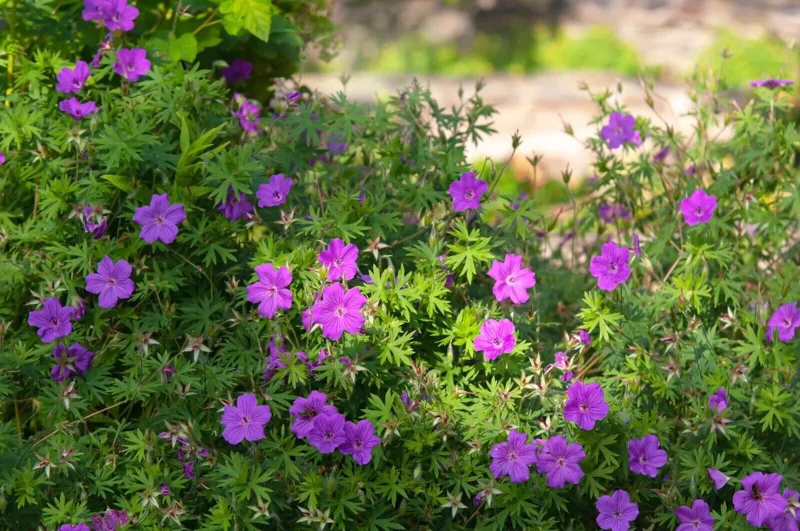
3 Cranesbill Wild Geranium Organic Maculatums Bare Roots | Wildflower for Outdoor Garden
Sold 114 products
Original price was: $21.99.$6.99Current price is: $6.99.
Sold 114 products
Original price was: $28.99.$17.99Current price is: $17.99.
Sold 109 products
Original price was: $63.99.$28.99Current price is: $28.99.RELATED posts
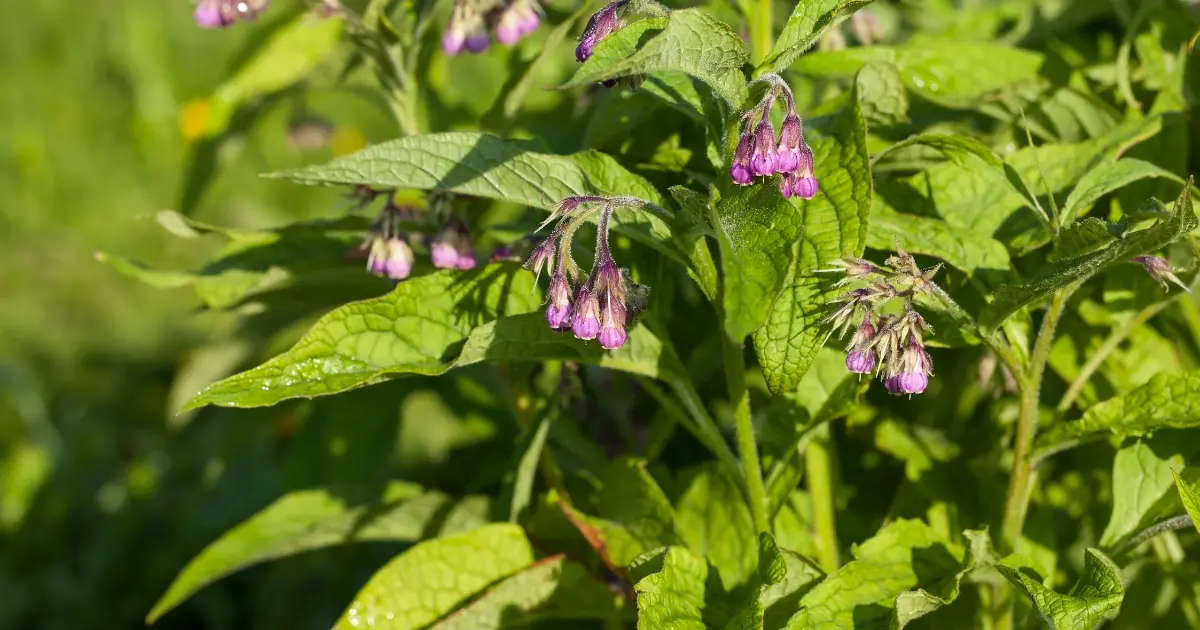
How to Identify Bocking 14 Comfrey: 5 Simple Visual Signs
If you’re growing comfrey for mulch, compost, or animal feed, knowing exactly which variety you [...]
Mar
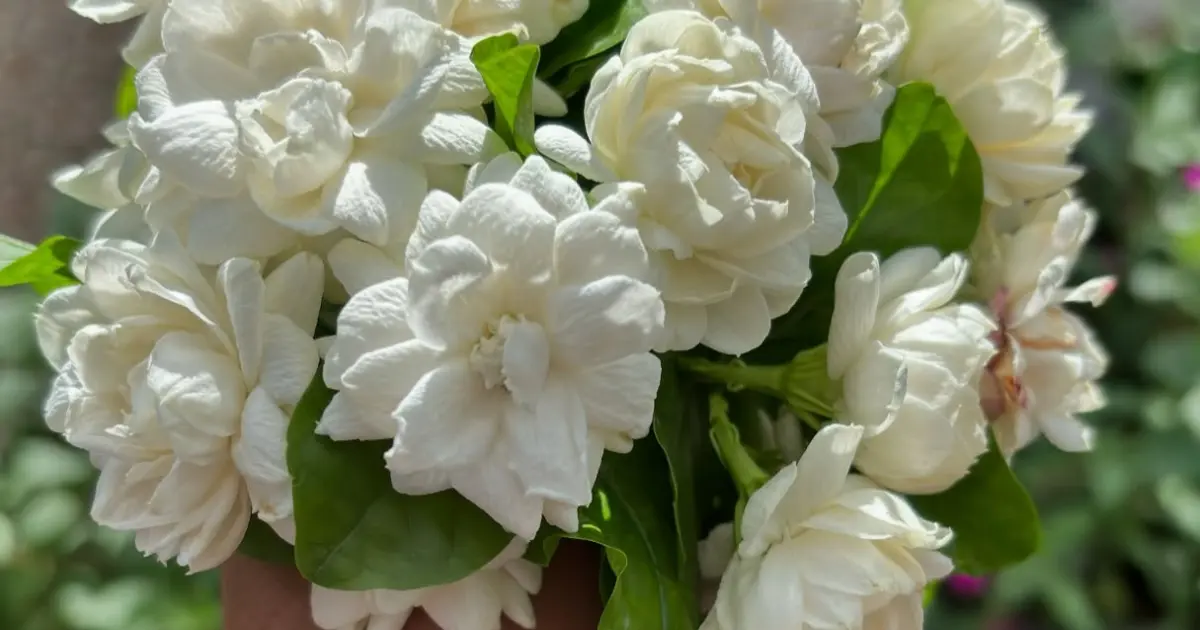
Grand Duke of Tuscany Jasmine: The Ultimate Guide to Growing a Fragrant Masterpiece
Have you ever caught a scent in the air so rich, creamy, and honey-sweet that [...]
Mar

How to Grow Wild Huckleberries: A Guide to “Purple Gold”
Have you ever spent a summer afternoon hiking through the Pacific Northwest or the Rocky [...]
Mar
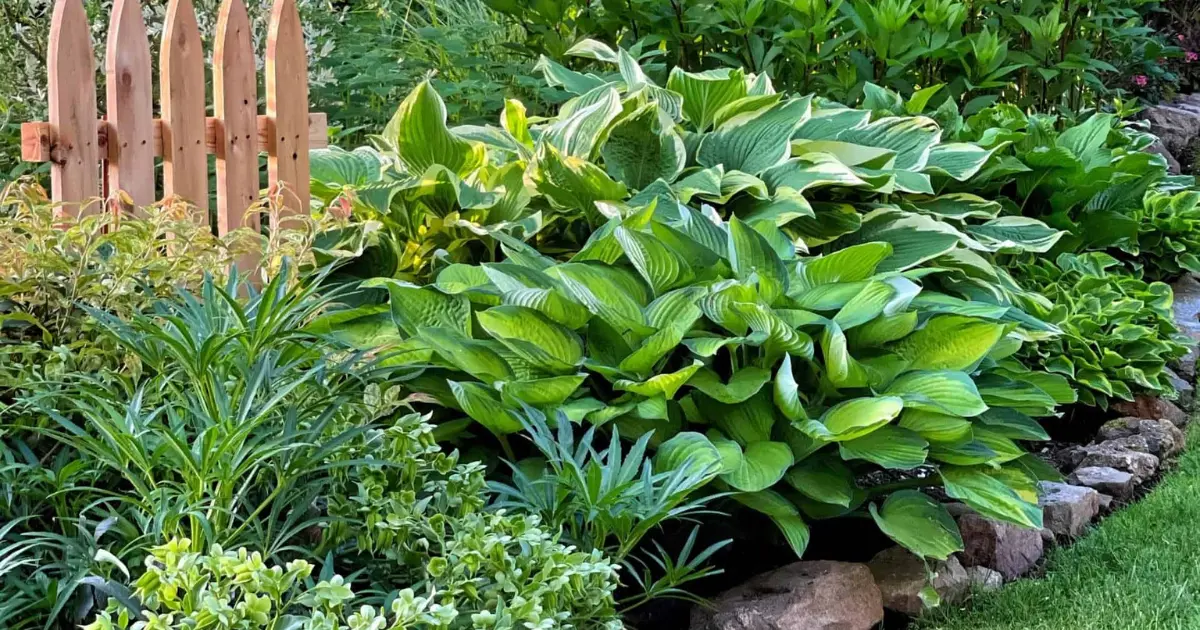
5 Best Shade-Loving Perennials for a Lush, Vibrant Garden
The world of gardening often shines a spotlight on sun-drenched blossoms, but there is a [...]
Mar

7 Common Curry Leaf Plant Problems: Easy Fixes for a Thriving Plant
Is your curry leaf plant looking a bit sad lately? Maybe you woke up to [...]
Mar
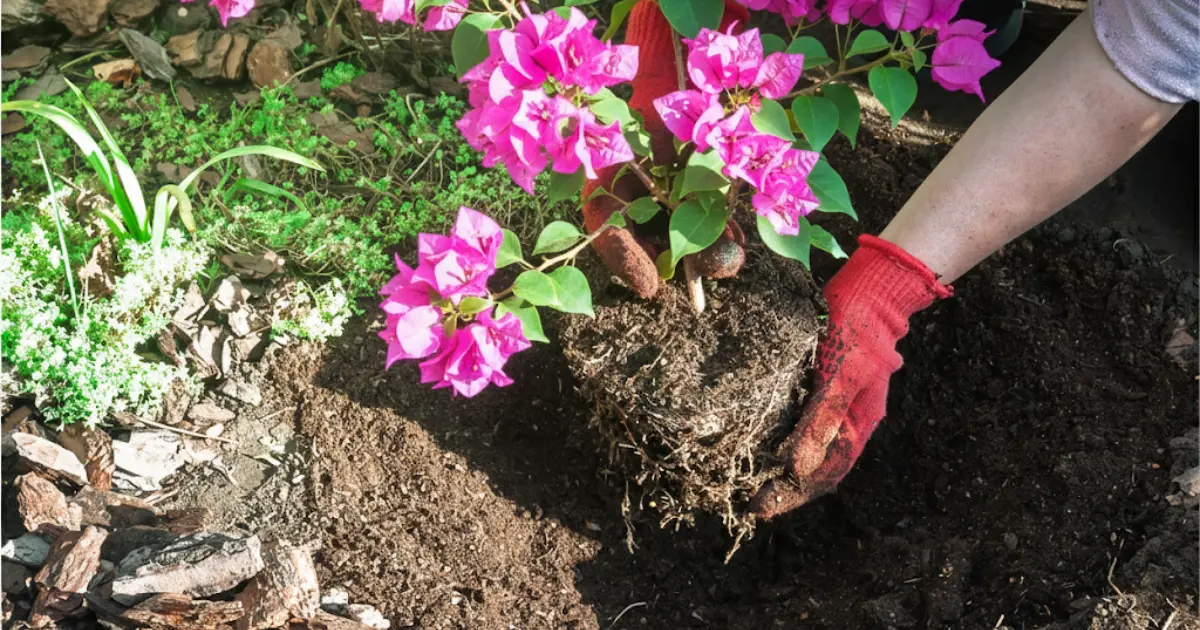
Best Time to Plant Bougainvillea: Timing for Vibrant Blooms
If you’re looking for a hardy tropical vine that delivers a riot of neon color, [...]
Feb
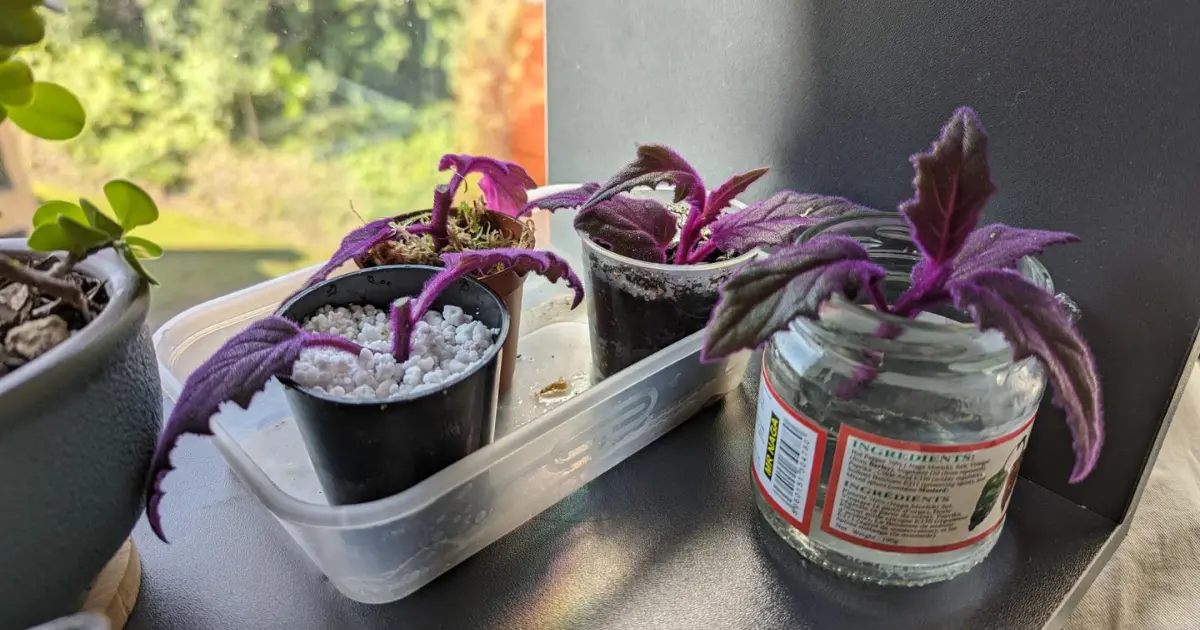
How to Propagate Purple Passion Plants (Gynura aurantiaca)
Have you ever been mesmerized by the neon-purple glow and fuzzy, velvet-like leaves of a [...]
Feb

How to Grow Beauregard Sweet Potatoes: From Slips to a Bountiful Harvest
Are you ready to add a classic, heavy-hitting favorite to your vegetable patch? If you’ve [...]
Feb



Reviews
There are no reviews yet.