
Passiflora Blue Live Starter Plant – Passion Flower Vine 4-6 Inch Tall
Original price was: $30.69.$20.69Current price is: $20.69.
Cultivate an exotic garden with a Passiflora Blue live plant. This healthy passion flower vine starter, 4 to 6 inches tall, is ready for planting outdoors and will bring stunning blue blooms to your landscape.
Estimated arrival
Mar 30
Apr 04 - Apr 06
Apr 09 - Apr 13

Reasonable Price
We offer reasonable price

Support 24/7
Contact us 24 hrs a day

100% Money Back
You've 30 days to Return

Payment Secure
100% secure payment
Overview
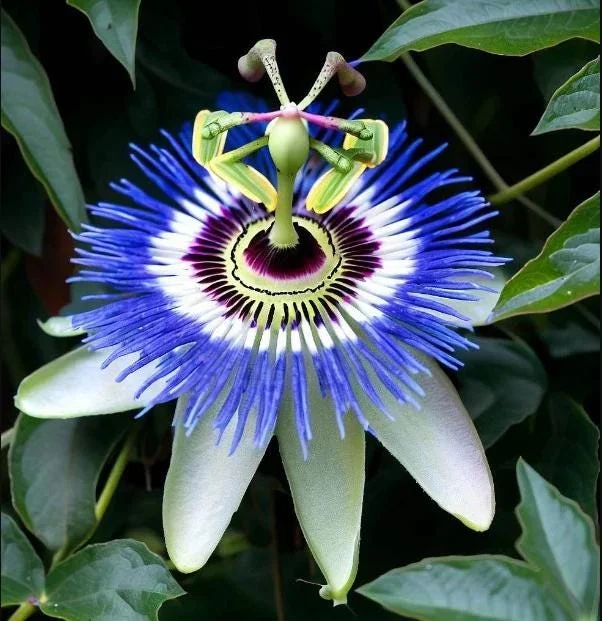
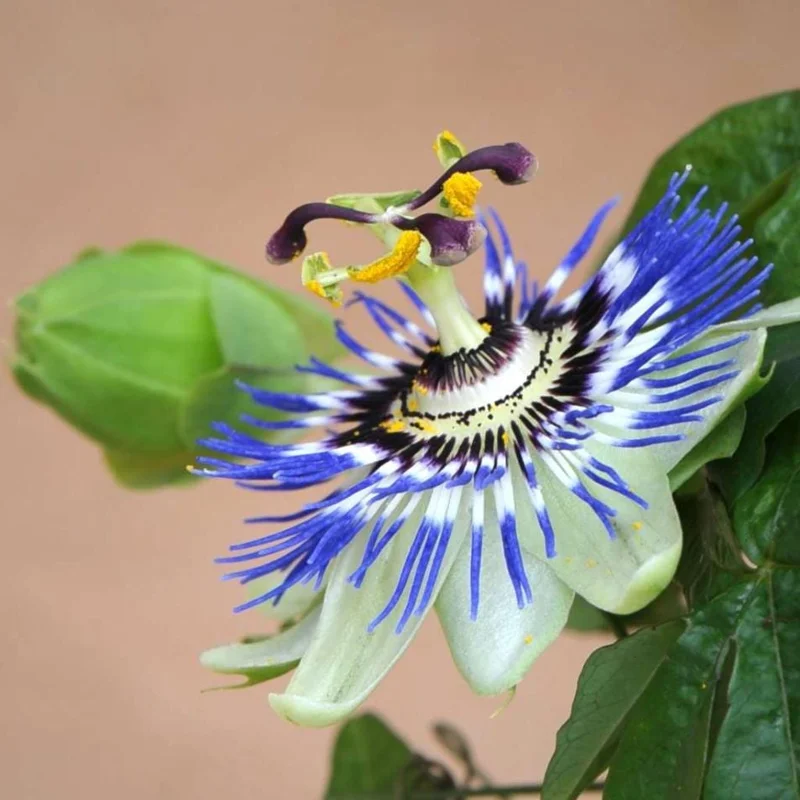
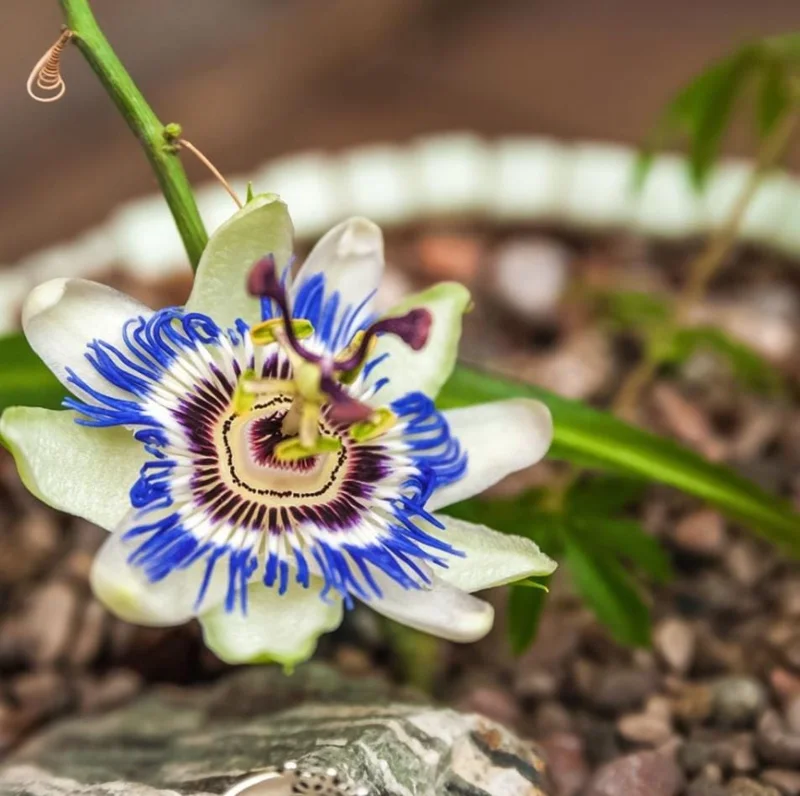
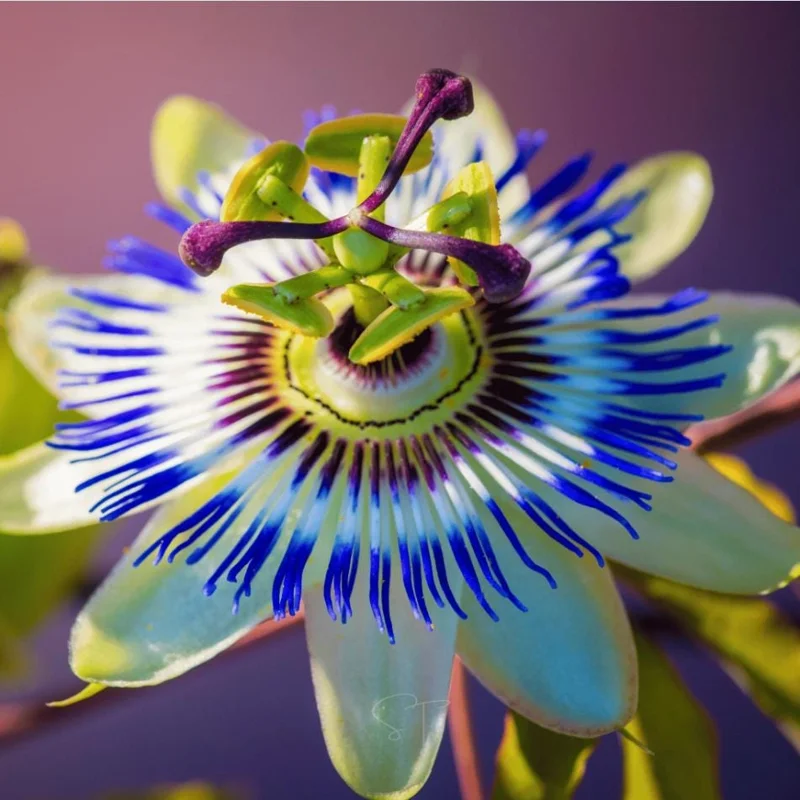
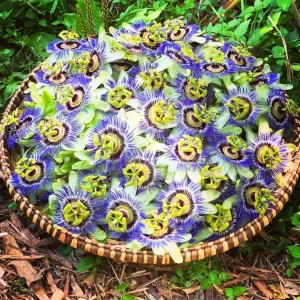
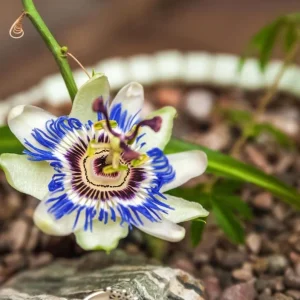
Transform your garden into a vibrant oasis with a healthy Passiflora Blue live plant. This captivating passion flower vine, also known as Blue Passion Flower (Passiflora caerulea), is celebrated for its intricate and striking blue-purple blooms. Originating from South America, this fast-growing climber adds an exotic touch to trellises, arbors, and fences, creating a breathtaking display throughout the warmer months. Our starter plant provides a strong foundation for vigorous growth, allowing you to enjoy its unique beauty relatively quickly. While your young plant arrives as a starter without flowers or fruit, it is well-rooted and ready to establish itself in your outdoor garden, promising a spectacular floral show in due time.
The Passiflora Blue live plant is an excellent choice for gardeners looking to add dramatic flair and a touch of the tropics to their landscape. Its vigorous climbing habit makes it ideal for covering unsightly walls or creating a natural privacy screen. Beyond its ornamental appeal, the passion flower is known for attracting pollinators like bees and butterflies, contributing to a healthier garden ecosystem. With proper care, this resilient vine will thrive, rewarding you with an abundance of its iconic, complex flowers that are a true marvel of nature.
Key Benefits
The Passiflora Blue live plant offers numerous advantages for both seasoned gardeners and beginners. Its unique characteristics make it a standout addition to any outdoor space.
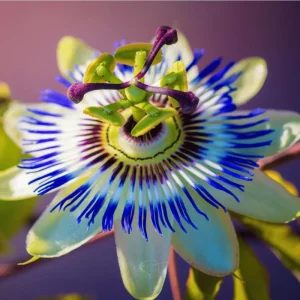
- Stunning Ornamental Value: The primary benefit of the blue passion flower is its extraordinarily beautiful and intricate blooms. Each flower is a work of art, featuring a unique structure with vibrant blue and white filaments that create a truly exotic appearance, making it a focal point in any garden.
- Vigorous Climbing Growth: As a robust passion flower vine, it quickly covers structures like pergolas, fences, and trellises. This rapid growth provides excellent coverage and can transform plain surfaces into lush, flowering displays, offering natural shade and beauty.
- Attracts Pollinators: The vibrant flowers are a magnet for local wildlife. Bees, butterflies, and other beneficial pollinators are drawn to its nectar, helping to support biodiversity in your garden and enhance the pollination of other plants.
- Relatively Low Maintenance: Once established, the Passiflora starter plant is surprisingly easy to care for. It tolerates a range of conditions and requires minimal intervention beyond regular watering and occasional pruning to maintain its shape and encourage more blooms.
- Exotic Garden Appeal: Infuse your outdoor space with a tropical feel. The distinctive look of the passion flower adds an exotic and luxurious ambiance, creating a unique and inviting atmosphere that stands out from typical garden flora.
- Potential for Edible Fruit: While primarily grown for its flowers, Passiflora caerulea can produce small, orange, edible passion fruits (though often less flavorful than other Passiflora varieties). This offers an additional, albeit minor, benefit for the adventurous gardener.
- Adaptable to Various Settings: This outdoor climbing plant is versatile and can be grown in the ground or in large containers, making it suitable for various garden sizes and designs, from expansive landscapes to smaller patios.
Plant Care & Growing Tips
Caring for your Passiflora Blue live plant is straightforward, ensuring a bountiful display of its unique flowers. This plant thrives with attention to its basic needs, primarily focusing on sunlight, soil, and watering.
Sunlight: Your passion flower vine requires full sun to partial shade. For the most prolific blooming and vigorous growth, aim for at least 6 hours of direct sunlight per day. In very hot climates, some afternoon shade can be beneficial to prevent leaf scorch. Ensure it has ample light if grown in a container or near other plants that might cast shadows.
Watering: Keep the soil consistently moist, especially during its active growing season and when establishing. Water deeply when the top inch of soil feels dry to the touch. During cooler months or dormancy, reduce watering frequency, allowing the soil to dry out a bit more between waterings. Avoid waterlogging, as this can lead to root rot. A good indicator is to check the soil moisture regularly, particularly if planted in containers, which tend to dry out faster.
Soil & Fertilization: The Passiflora starter plant thrives in well-drained, fertile soil. It is adaptable to various soil types but prefers a neutral to slightly acidic pH (6.1 to 7.5). Avoid heavy clay that retains too much water. Amend heavy soils with organic matter like compost or perlite to improve drainage. Fertilize monthly during the growing season (spring through summer) with a balanced liquid fertilizer, or one slightly higher in phosphorus to encourage blooming. Reduce or stop fertilizing in fall and winter.
Temperature & Hardiness: Passiflora caerulea is generally hardy in USDA Zones 6-9, though it can be grown as an annual in colder climates or overwintered indoors. It prefers warm temperatures and can tolerate light frosts, but prolonged freezing temperatures may damage or kill the top growth. In colder zones, mulch heavily around the base in winter to protect the roots, or consider growing it in a container that can be moved indoors. This outdoor climbing plant appreciates good air circulation to prevent fungal issues.
Size & Details
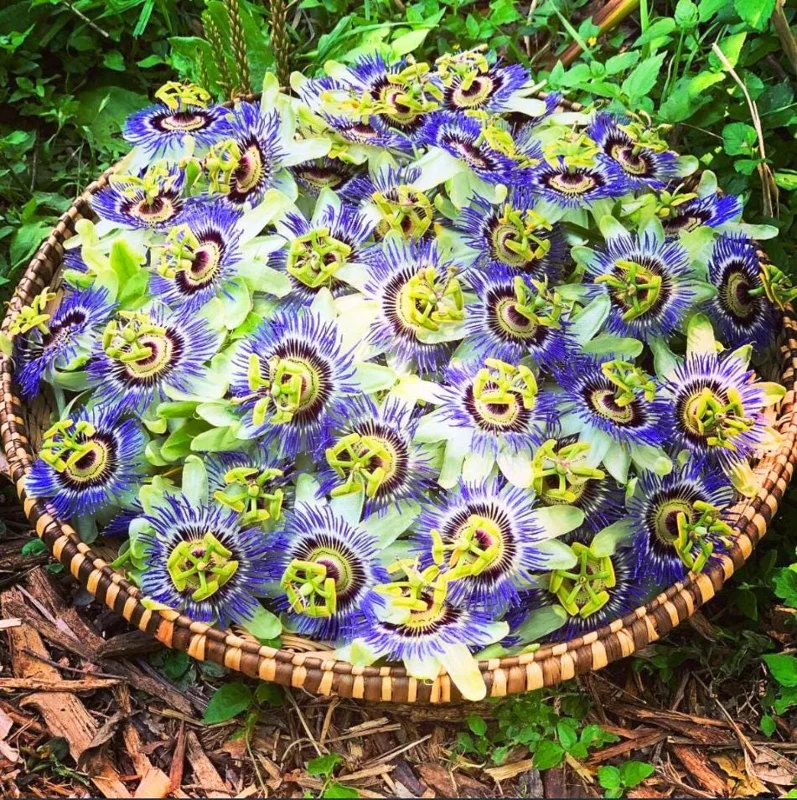
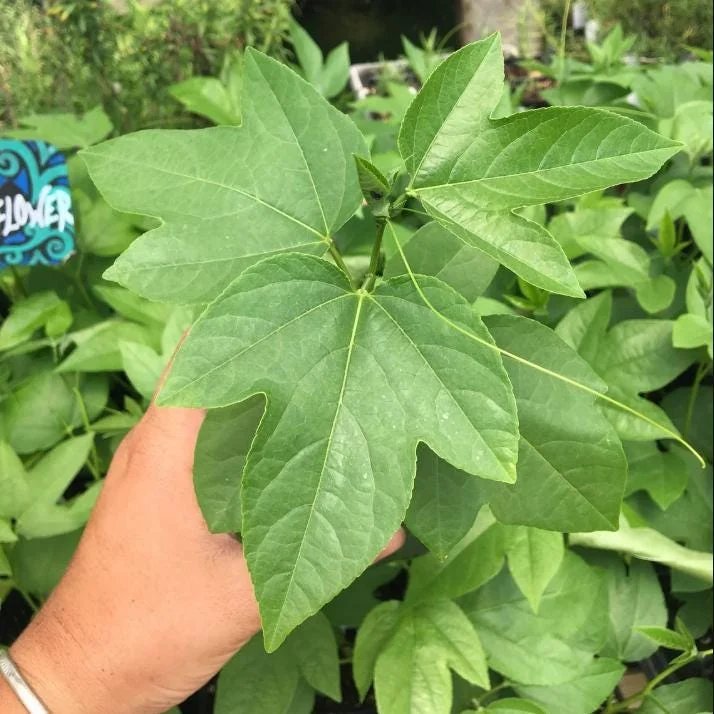
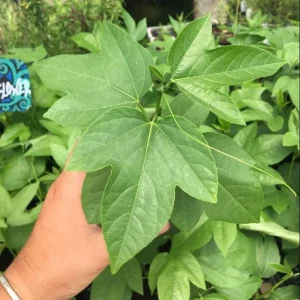
This offering is for one healthy Passiflora Blue live plant, a young starter specifically selected for successful establishment in your garden. Each plant measures approximately 4 to 6 inches tall from the base of the soil to the top of the foliage. It ships well-rooted in soil, ready for immediate planting upon arrival. While photos may depict mature plants with flowers and fruits, your starter plant is young and will develop these features as it grows and matures in your care. Expect a moderate to fast growth rate once established, with flowering typically beginning in late spring to early summer of its second year, or sometimes even in its first year under optimal conditions. This passion flower vine is typically grown as a deciduous perennial, losing its leaves in colder climates but returning vigorously in spring.
Frequently Asked Questions
- Q: How big does this Passiflora Blue live plant get? A: This particular offering is for a starter plant, approximately 4 to 6 inches tall. Once established in your garden, the passion flower vine can grow quite large, reaching lengths of 15 to 30 feet or more, depending on growing conditions and support.
- Q: Is this an indoor or outdoor plant? A: The Passiflora Blue live plant is primarily an outdoor climbing plant. It thrives in full sun conditions outdoors. In colder climates (below USDA Zone 6), it can be grown in a container and brought indoors during winter.
- Q: How much sunlight does the blue passion flower need? A: For optimal growth and blooming, the blue passion flower requires at least 6 hours of direct sunlight daily. It can tolerate partial shade, but flowering may be less abundant.
- Q: Is this plant easy to care for? Is it good for beginners? A: Yes, once established, the Passiflora starter plant is relatively easy to care for and is a good choice for beginners. Its main requirements are ample sunlight, consistent watering, and well-draining soil.
- Q: What condition will it arrive in? Is it shipped in soil? A: Your Passiflora Blue live plant will arrive as a healthy, well-rooted starter plant. It is shipped with its roots intact in soil, ensuring it is ready for planting upon arrival.
- Q: How long until this passion flower vine blooms? A: While your starter plant won’t have flowers upon arrival, it typically begins to bloom in late spring or early summer of its first or second year after planting, once it has established a strong root system and sufficient foliage.
- Q: What’s the best time to plant the Passiflora Blue live plant? A: The best time to plant your Passiflora Blue live plant outdoors is in late spring or early summer, after all danger of frost has passed and the soil has warmed up. This allows the young plant ample time to establish before cooler weather.
- Q: Can I grow this outdoor climbing plant in a pot? A: Yes, you can successfully grow the Passiflora Blue live plant in a large container. Ensure the pot has good drainage and provide a sturdy trellis or support for the vine to climb. Container-grown plants may need more frequent watering and feeding.
Be the first to review “Passiflora Blue Live Starter Plant – Passion Flower Vine 4-6 Inch Tall”
-
USDA Hardiness Zone
USDA zones 6-9 -
Soil Type
Well-drained, fertile soil (pH 6.1-7.5) -
Sunlight Exposure
Full sun to partial shade -
Expected Planting Period
Late spring to early summer
People Also Viewd


Sold 128 products
Original price was: $27.00.$24.00Current price is: $24.00.

Sold 127 products
Original price was: $89.99.$64.99Current price is: $64.99.

Sold 125 products
Original price was: $3,536.00.$23.99Current price is: $23.99.

Sold 125 products
Original price was: $86.99.$66.99Current price is: $66.99.
Sold 116 products
Original price was: $27.99.$16.99Current price is: $16.99.

Flower Bulbs
3 Cranesbill Wild Geranium Organic Maculatums Bare Roots | Wildflower for Outdoor Garden
Sold 114 products
Original price was: $21.99.$6.99Current price is: $6.99.

Sold 114 products
Original price was: $28.99.$17.99Current price is: $17.99.
Sold 109 products
Original price was: $63.99.$28.99Current price is: $28.99.RELATED posts
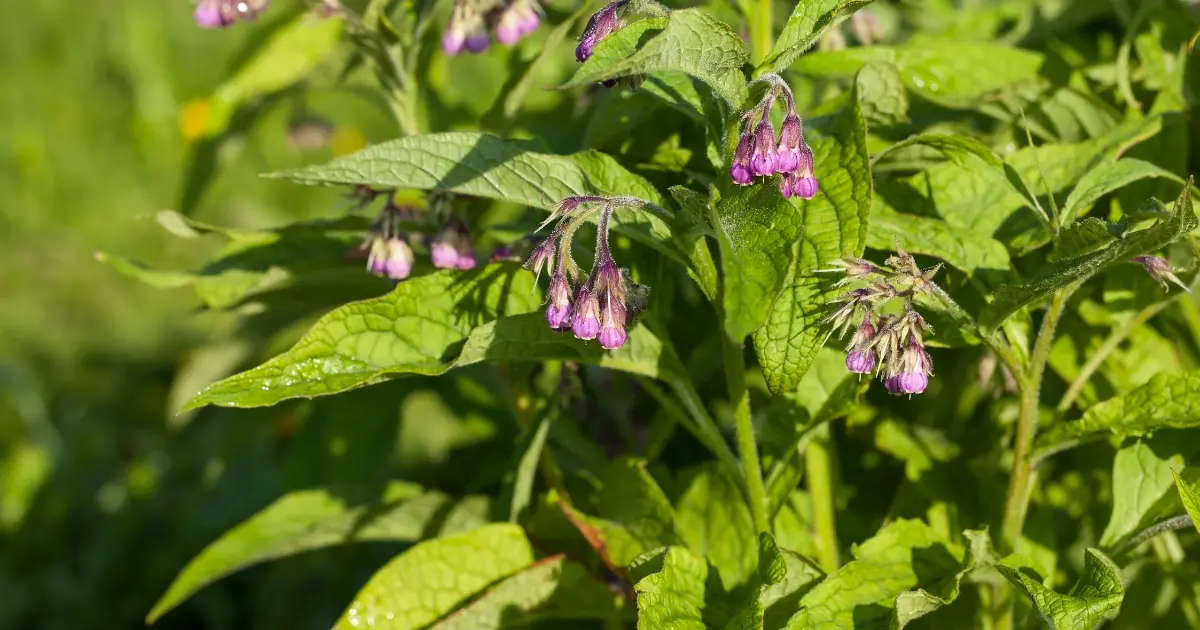
How to Identify Bocking 14 Comfrey: 5 Simple Visual Signs
If you’re growing comfrey for mulch, compost, or animal feed, knowing exactly which variety you [...]
Mar
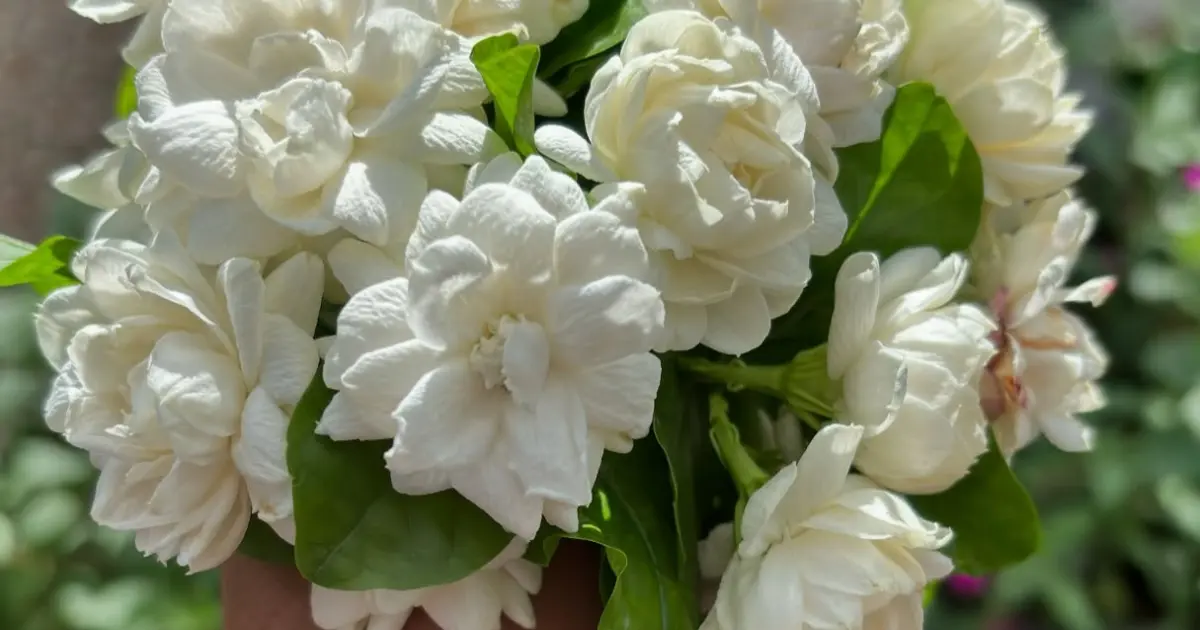
Grand Duke of Tuscany Jasmine: The Ultimate Guide to Growing a Fragrant Masterpiece
Have you ever caught a scent in the air so rich, creamy, and honey-sweet that [...]
Mar
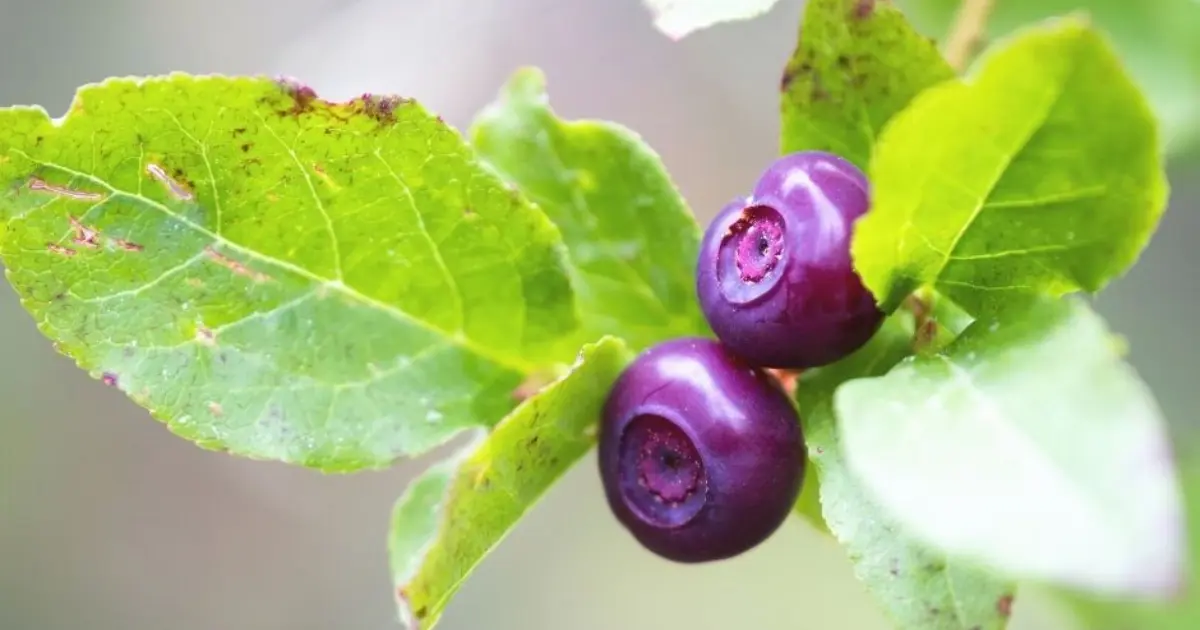
How to Grow Wild Huckleberries: A Guide to “Purple Gold”
Have you ever spent a summer afternoon hiking through the Pacific Northwest or the Rocky [...]
Mar
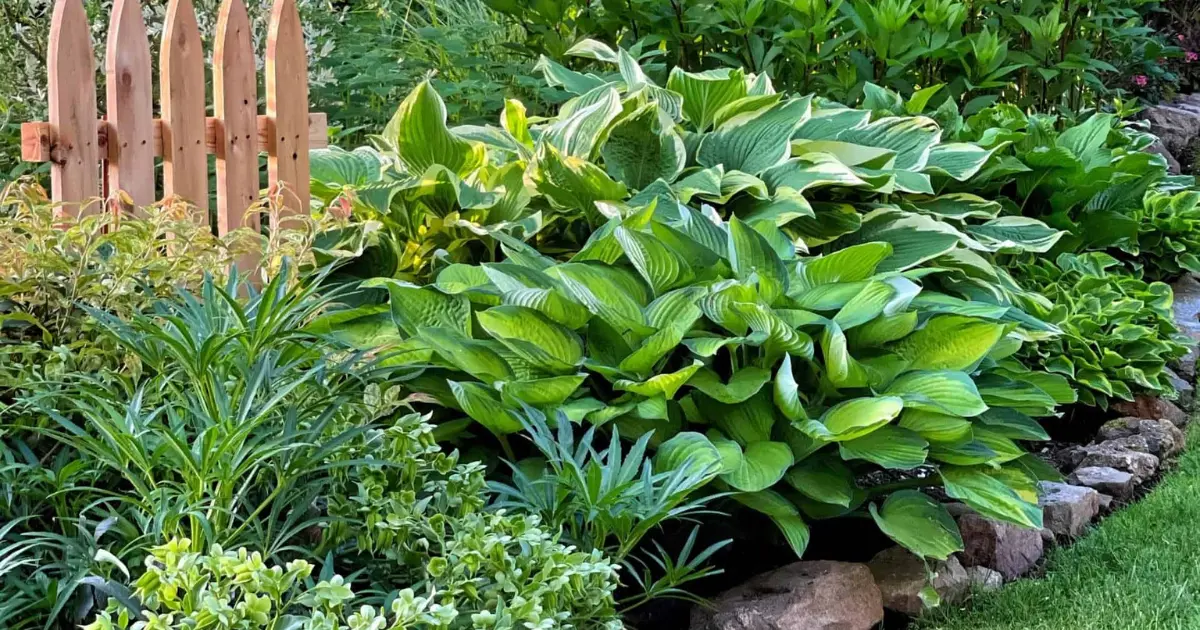
5 Best Shade-Loving Perennials for a Lush, Vibrant Garden
The world of gardening often shines a spotlight on sun-drenched blossoms, but there is a [...]
Mar
7 Common Curry Leaf Plant Problems: Easy Fixes for a Thriving Plant
Is your curry leaf plant looking a bit sad lately? Maybe you woke up to [...]
Mar
Best Time to Plant Bougainvillea: Timing for Vibrant Blooms
If you’re looking for a hardy tropical vine that delivers a riot of neon color, [...]
Feb
How to Propagate Purple Passion Plants (Gynura aurantiaca)
Have you ever been mesmerized by the neon-purple glow and fuzzy, velvet-like leaves of a [...]
Feb
How to Grow Beauregard Sweet Potatoes: From Slips to a Bountiful Harvest
Are you ready to add a classic, heavy-hitting favorite to your vegetable patch? If you’ve [...]
Feb


Reviews
There are no reviews yet.