
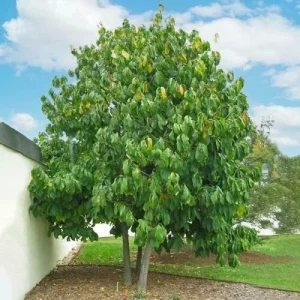
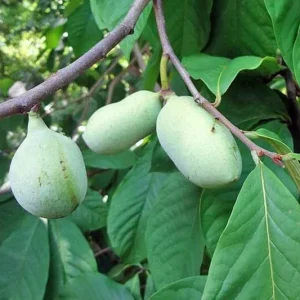
Paw Paw Tree Live Plant, Asimina triloba, 8-12 Inches Tall, Bare Root, Outdoor
Original price was: $41.79.$21.79Current price is: $21.79.
Cultivate your own unique fruit with this paw paw tree live plant. The Asimina triloba tree is a fascinating native species, offering delicious, custard-like fruits. This 8-12 inch bare root seedling is ready for outdoor planting and promises to be a rewarding addition to your garden.
Estimated arrival
Apr 06
Apr 11 - Apr 13
Apr 16 - Apr 20

Reasonable Price
We offer reasonable price

Support 24/7
Contact us 24 hrs a day

100% Money Back
You've 30 days to Return

Payment Secure
100% secure payment
Overview
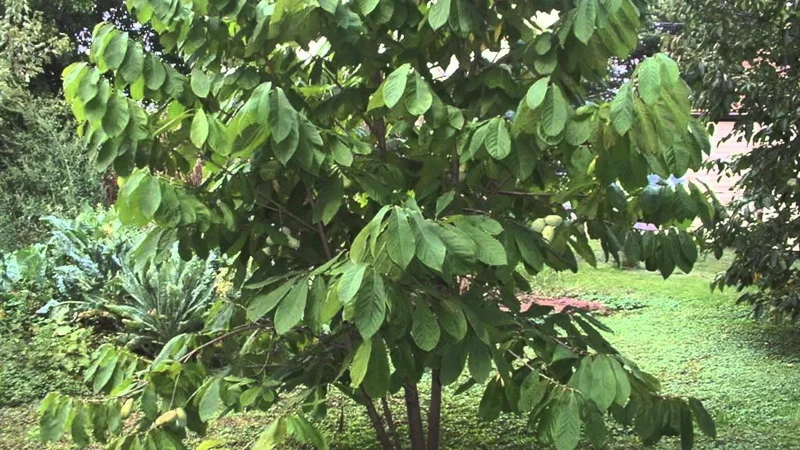
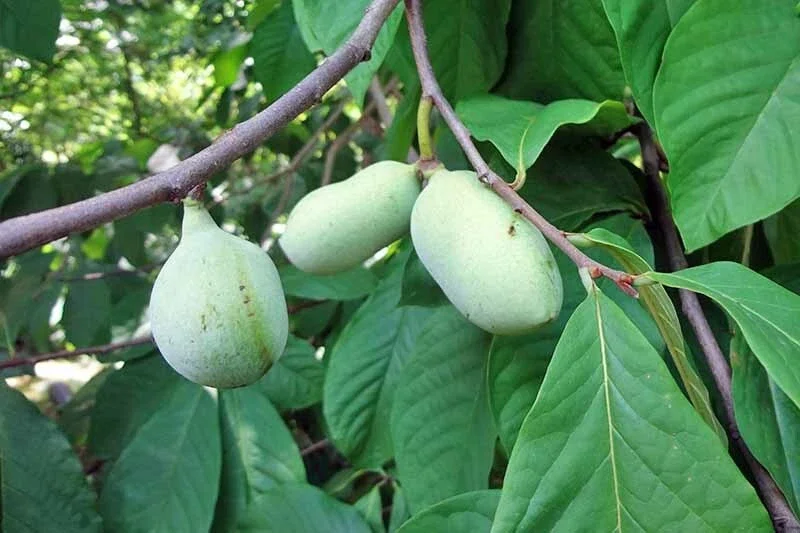
Discover the joy of growing your own native American fruit with this paw paw tree live plant. The Pawpaw, scientifically known as Asimina triloba tree, is a deciduous tree celebrated for its unique, tropical-flavored fruit. Often described as a blend of banana, mango, and pineapple, the pawpaw fruit is a true delicacy that ripens in late summer to early fall. This 8-12 inch bare root seedling offers an excellent start to establishing a thriving fruit-bearing tree in your landscape. Loved by gardeners and foragers alike, the pawpaw is a unique addition that brings both ornamental beauty and delicious, nutritious fruit to your yard. As a native fruit tree, it is well-adapted to many environments. This particular offering is a live plant, ready for careful transplanting into its permanent outdoor home.
The pawpaw tree is not only prized for its fruit but also for its attractive foliage and moderate size, making it suitable for various garden designs. It’s a hardy and relatively low-maintenance tree once established, providing years of enjoyment. Growing your own pawpaw fruit tree allows you to experience a taste of history, as this fruit has been enjoyed in North America for centuries.
Key Benefits
Adding a pawpaw tree to your garden brings a multitude of benefits, from its unique fruit to its ecological contributions. This paw paw tree live plant provides several advantages for any enthusiast or gardener:
- Delicious, Unique Fruit: Enjoy the sweet, custardy flavor of pawpaw fruit, a rare treat that is hard to find in commercial markets. The fruit is rich in vitamins and minerals, offering a healthy and delicious snack right from your garden.
- Native and Resilient: As a native fruit tree, the pawpaw is well-adapted to the local climate and soil conditions, requiring less intervention once established compared to many non-native fruit trees. It’s naturally resistant to many pests and diseases.
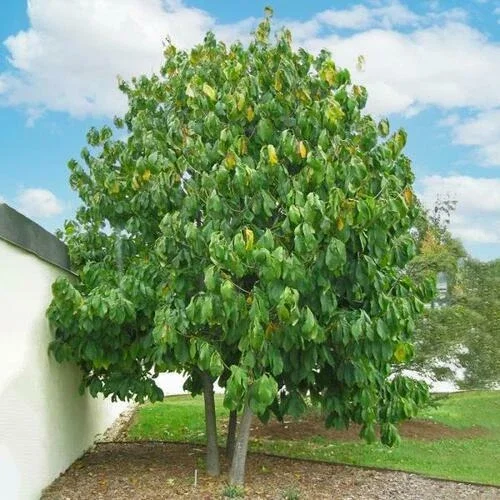
- Ornamental Value: Beyond its fruit, the Asimina triloba tree boasts attractive, large green leaves that turn a beautiful yellow in the fall, adding seasonal interest to your landscape. Its pyramidal shape provides a lovely focal point.
- Wildlife Attraction: Pawpaw trees serve as a host plant for the beautiful zebra swallowtail butterfly larvae, contributing to local biodiversity. The fruit also attracts various wildlife, enriching your garden ecosystem.
- Low Maintenance: Once established, this paw paw tree live plant is relatively easy to care for, making it an excellent choice for both experienced and novice gardeners looking for an edible fruit tree.
- Shade Tolerance: Unlike many fruit trees, pawpaws can tolerate and even prefer some shade, particularly when young, making them versatile for different garden settings.
- Sustainable Food Source: Growing your own pawpaws contributes to a sustainable lifestyle, providing a fresh, organic food source and reducing your reliance on store-bought produce.
Plant Care & Growing Tips
Caring for your paw paw tree live plant involves understanding its specific needs to ensure healthy growth and abundant fruit production. Pawpaws thrive in well-draining, fertile soil. While young plants prefer partial shade, especially in hot climates, mature trees need full sun for optimal fruit production. Ensure the planting site receives at least 6 hours of direct sunlight per day, gradually transitioning young plants to more sun as they mature. The soil should be consistently moist but never waterlogged. Regular watering is crucial during the first few years after planting, especially during dry spells. Once established, they are more drought-tolerant.
For soil preparation, amend heavy clay soils with organic matter to improve drainage and aeration. Pawpaws prefer a slightly acidic to neutral pH (5.5-7.0). Fertilize annually in early spring with a balanced, slow-release fertilizer formulated for fruit trees. Avoid over-fertilizing, which can burn the roots of this Asimina triloba tree. Pruning should be minimal, focusing on removing dead, damaged, or crossing branches to maintain good air circulation and shape. Pawpaws are generally hardy and resistant to most pests and diseases, but monitoring for any issues is always a good practice. Remember that pawpaws often require cross-pollination from a different pawpaw cultivar to produce fruit, so consider planting at least two genetically different trees for a successful harvest of your edible fruit tree.
Size & Details
This paw paw tree live plant is offered as a bare root seedling, typically measuring between 8 to 12 inches in height. Bare root plants are shipped without soil around their roots, which allows for easier transplanting and often results in faster establishment once planted. The growth rate of the pawpaw tree is moderate, and it can eventually reach heights of 15 to 20 feet, with a spread of 10 to 15 feet, though size can vary depending on growing conditions and pruning. Expect your tree to begin producing fruit within 3 to 5 years after planting, with full production typically achieved around 5 to 7 years. This pawpaw fruit tree is a single plant, ideal for starting your orchard or adding to an existing collection. It’s important to plant bare root trees as soon as possible after arrival to minimize stress and encourage vigorous growth.
Frequently Asked Questions
- Q: How big does this plant get? A: This paw paw tree live plant is typically 8-12 inches tall when shipped. Mature pawpaw trees can reach heights of 15-20 feet with a similar spread, depending on growing conditions and climate.
- Q: Is this an indoor or outdoor plant? A: The Asimina triloba tree is an outdoor plant. It requires space to grow and develop its root system, and it needs the natural seasonal changes to produce fruit effectively.
- Q: How much sunlight does it need? A: Young pawpaw trees prefer partial shade, especially during hot afternoons. As they mature, they require full sun (at least 6 hours daily) for optimal fruit production.
- Q: Is this plant easy to care for? A: Pawpaw trees are relatively easy to care for once established, making them a great edible fruit tree for various gardeners. They are quite hardy and resistant to many common issues.
- Q: What condition will it arrive in? A: This pawpaw tree is shipped as a bare root plant, meaning it will arrive without soil around its roots. This is a common and effective method for shipping deciduous trees.
- Q: How long until it blooms and produces fruit? A: A pawpaw fruit tree typically begins to bloom and produce fruit within 3 to 5 years after planting. Full fruit production is usually seen around 5 to 7 years.
- Q: Will it survive winter in my zone? A: Pawpaw trees are hardy and can tolerate cold temperatures. They are generally suitable for USDA hardiness zones 5 through 9, making them a robust native fruit tree for many regions.
- Q: Do I need more than one pawpaw tree to get fruit? A: Yes, pawpaw trees are not reliably self-pollinating. You generally need at least two genetically different pawpaw trees for successful cross-pollination and fruit production.
- Q: What kind of soil is best for a pawpaw tree? A: Pawpaw trees thrive in well-draining, fertile soil with a slightly acidic to neutral pH. Amending with organic matter can greatly benefit their growth.
- Q: What are the fruits like? A: The pawpaw fruit has a creamy, custard-like texture and a unique flavor often compared to a blend of banana, mango, and pineapple. It’s a truly distinctive taste.
Be the first to review “Paw Paw Tree Live Plant, Asimina triloba, 8-12 Inches Tall, Bare Root, Outdoor”
-
USDA Hardiness Zone
USDA zones 5-9 -
Soil Type
Well-draining, fertile soil -
Sunlight Exposure
Partial shade (young) to full sun (mature) -
Expected Planting Period
Spring to early summer
People Also Viewd


Sold 128 products
Original price was: $27.00.$24.00Current price is: $24.00.

Sold 128 products
Original price was: $89.99.$64.99Current price is: $64.99.
Sold 127 products
Original price was: $159.99.$139.99Current price is: $139.99.

Sold 126 products
Original price was: $3,536.00.$23.99Current price is: $23.99.

Sold 125 products
Original price was: $86.99.$66.99Current price is: $66.99.
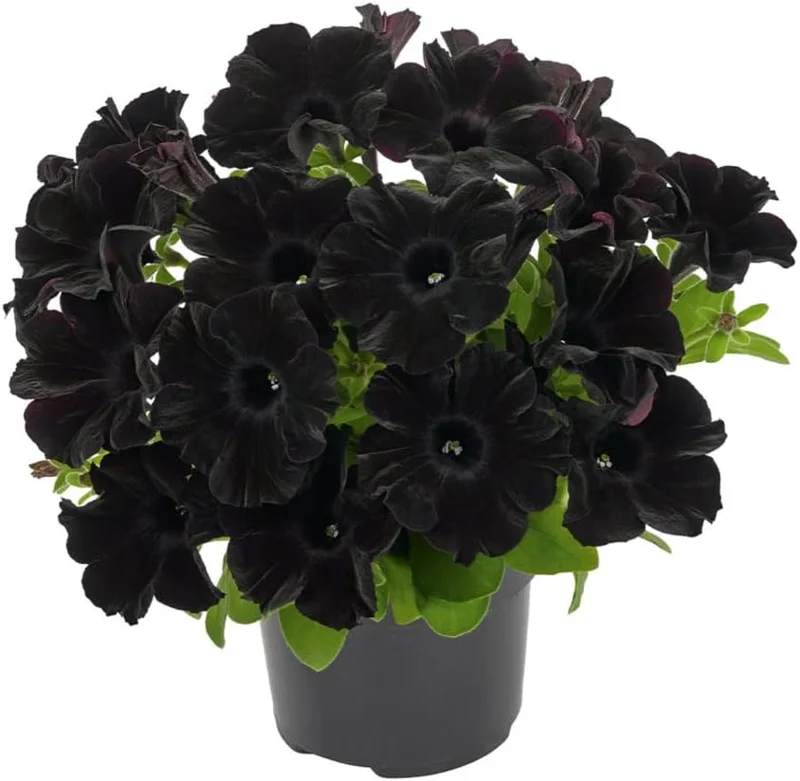
Sold 116 products
Original price was: $27.99.$16.99Current price is: $16.99.

Sold 114 products
Original price was: $28.99.$17.99Current price is: $17.99.

Flower Bulbs
3 Cranesbill Wild Geranium Organic Maculatums Bare Roots | Wildflower for Outdoor Garden
Sold 114 products
Original price was: $21.99.$6.99Current price is: $6.99.RELATED posts
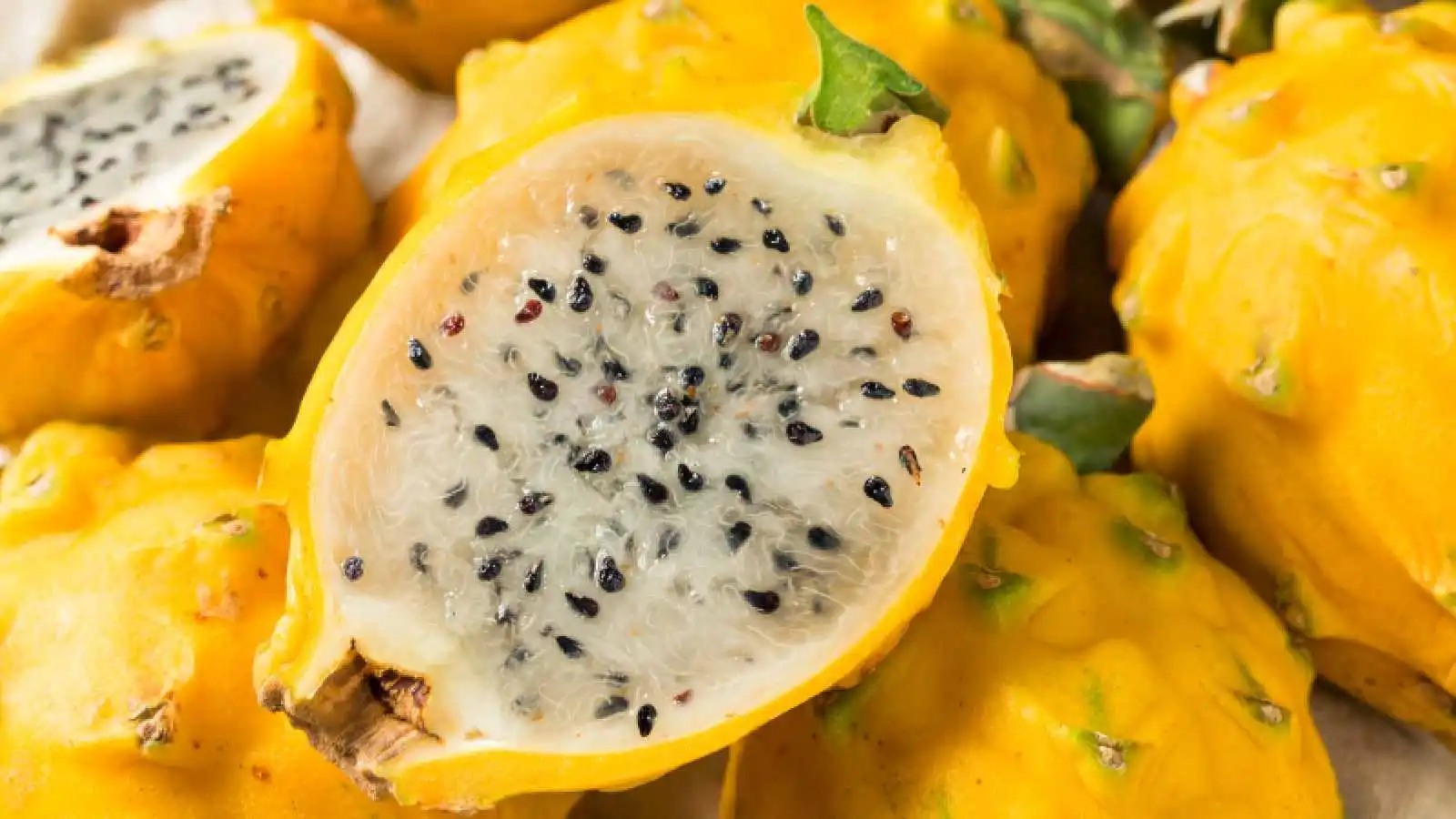
Yellow Dragon Fruit Plant Care: The Ultimate Guide for Healthy Growth
The yellow dragon fruit plant is a unique and rewarding addition to any home garden, [...]
Apr
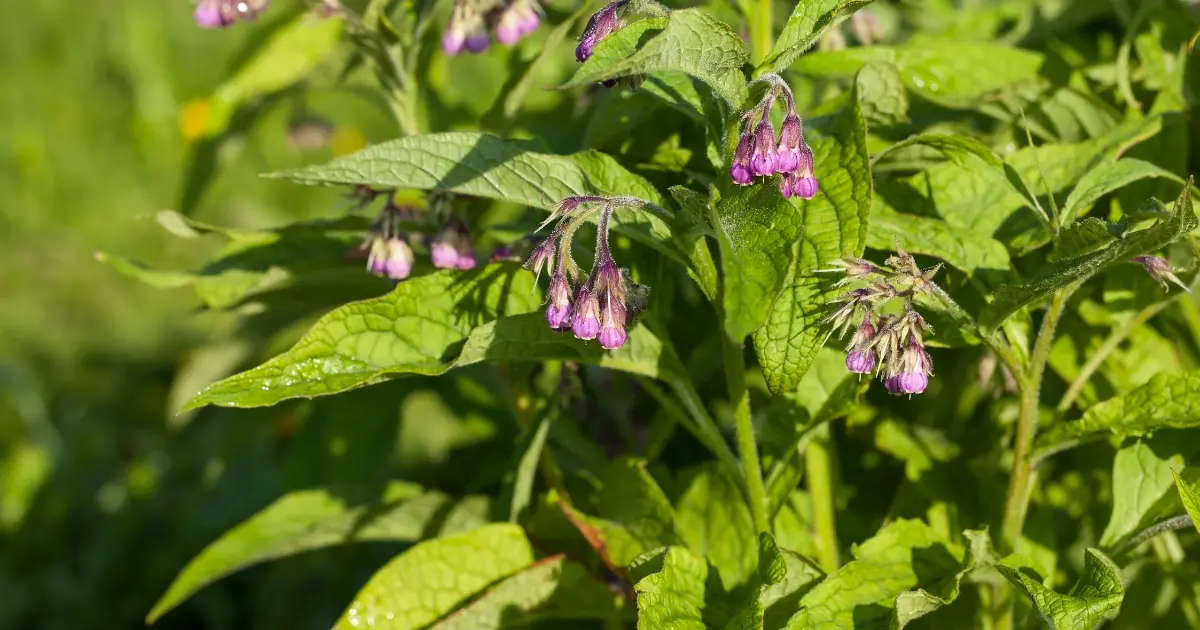
How to Identify Bocking 14 Comfrey: 5 Simple Visual Signs
If you’re growing comfrey for mulch, compost, or animal feed, knowing exactly which variety you [...]
Mar
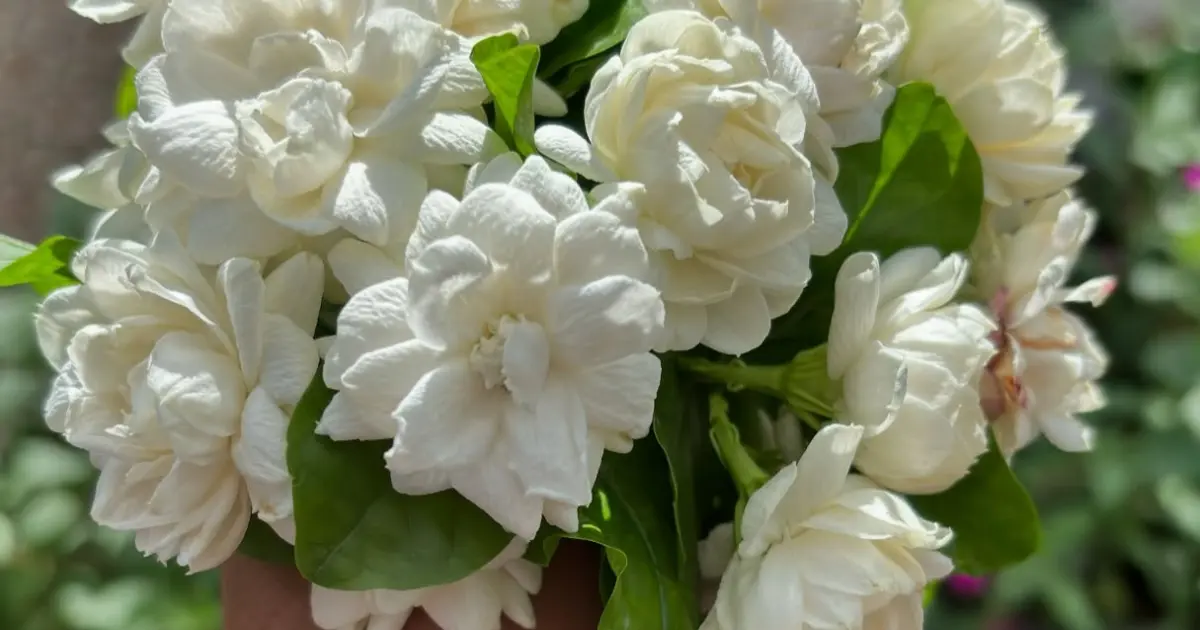
Grand Duke of Tuscany Jasmine: The Ultimate Guide to Growing a Fragrant Masterpiece
Have you ever caught a scent in the air so rich, creamy, and honey-sweet that [...]
Mar
How to Grow Wild Huckleberries: A Guide to “Purple Gold”
Have you ever spent a summer afternoon hiking through the Pacific Northwest or the Rocky [...]
Mar
5 Best Shade-Loving Perennials for a Lush, Vibrant Garden
The world of gardening often shines a spotlight on sun-drenched blossoms, but there is a [...]
Mar

7 Common Curry Leaf Plant Problems: Easy Fixes for a Thriving Plant
Is your curry leaf plant looking a bit sad lately? Maybe you woke up to [...]
Mar
Best Time to Plant Bougainvillea: Timing for Vibrant Blooms
If you’re looking for a hardy tropical vine that delivers a riot of neon color, [...]
Feb
How to Propagate Purple Passion Plants (Gynura aurantiaca)
Have you ever been mesmerized by the neon-purple glow and fuzzy, velvet-like leaves of a [...]
Feb


Reviews
There are no reviews yet.