
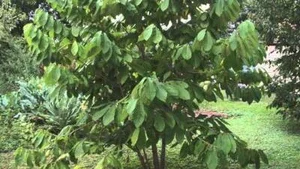
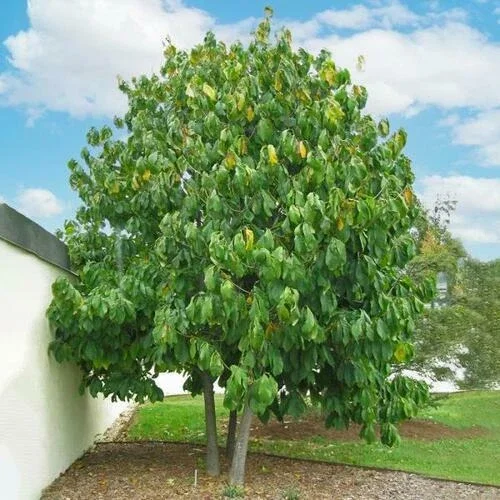
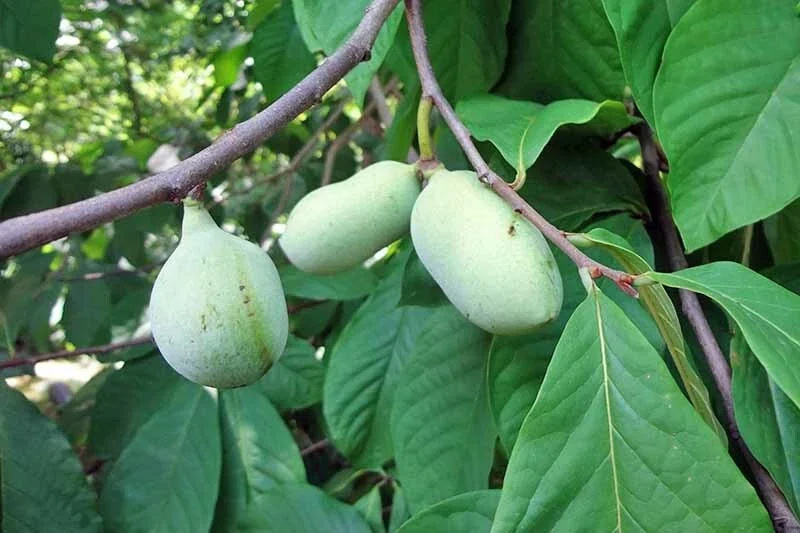
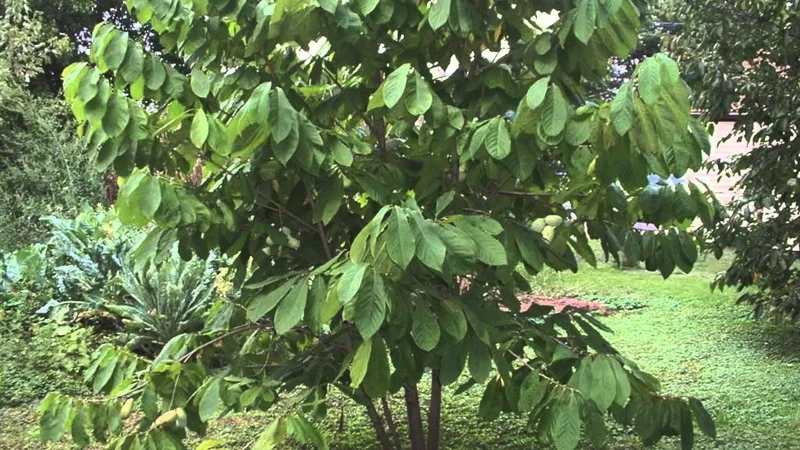
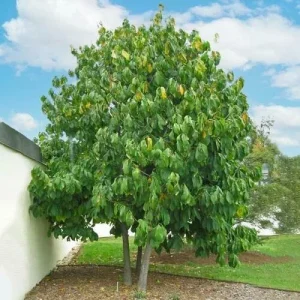
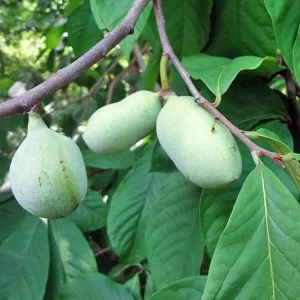
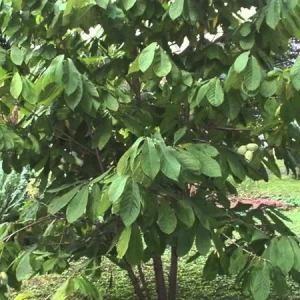
Paw Paw Tree Live Plant – Asimina triloba – 8 to 12 Inches Tall – Bare Root Seedling
Original price was: $41.79.$21.79Current price is: $21.79.
Cultivate your own unique American fruit with this paw paw tree live plant. This asimina triloba seedling is 8 to 12 inches tall, perfect for planting in your outdoor garden. Enjoy the promise of delicious, creamy fruit from this hardy paw paw fruit tree, a true native gem.
Estimated arrival
Apr 06
Apr 11 - Apr 13
Apr 16 - Apr 20

Reasonable Price
We offer reasonable price

Support 24/7
Contact us 24 hrs a day

100% Money Back
You've 30 days to Return

Payment Secure
100% secure payment
Overview
Embark on a rewarding gardening journey with the acquisition of a paw paw tree live plant. This unique and fascinating tree, scientifically known as Asimina triloba, offers the promise of delicious, custard-like fruit that is often referred to as the ‘poor man’s banana’ or ‘American custard apple.’ Our offerings are bare root seedlings, typically measuring 8 to 12 inches in height, making them an ideal starting point for establishing a new fruit-bearing tree in your landscape. The Paw Paw is a remarkable native North American tree, known for its distinctive flavor and adaptability. It’s a fantastic choice for gardeners looking to grow something truly special and enjoy fresh, homegrown fruit with a tropical twist.
The Paw Paw tree is not only celebrated for its delectable fruit but also for its ornamental value. Its deep green foliage and attractive purple flowers in spring add beauty to any garden setting. As a deciduous tree, it provides seasonal interest and contributes to local biodiversity, supporting various pollinators. This asimina triloba seedling is ready to be planted in your garden, offering a chance to cultivate a piece of American horticultural history. With proper care, this young tree will mature into a productive and cherished part of your outdoor space, bringing both aesthetic appeal and a bountiful harvest.
Key Benefits
Growing a Paw Paw tree offers a multitude of benefits, from its unique fruit to its ecological contributions. Here are some compelling reasons to add this native treasure to your garden:
- Unique, Delicious Fruit: The Paw Paw produces large, edible fruit with a creamy, custard-like texture and a flavor often described as a blend of banana, mango, and pineapple. It’s a truly distinctive taste not found in typical grocery stores.
- Native & Hardy: As a native North American tree, the paw paw tree live plant is well-adapted to various climates and soil conditions, making it relatively easy to grow and highly resilient once established.
- Pest and Disease Resistant: Paw Paw trees are generally resistant to most common pests and diseases, reducing the need for chemical treatments and making them a low-maintenance choice for organic gardening.
- Ornamental Value: Beyond its fruit, the Paw Paw tree offers attractive foliage and unique, bell-shaped purple flowers in the spring, adding visual interest to your landscape.
- Wildlife Support: The flowers attract pollinators, and the fruit provides a food source for local wildlife, contributing to the ecological health of your garden.
- Shade Provider: Mature Paw Paw trees develop a small to medium-sized canopy, providing pleasant shade in your garden during warmer months.
- Edible Landscaping: Integrate this paw paw fruit tree into your edible landscape design, enjoying both its beauty and its bounty.
Plant Care & Growing Tips
Caring for your paw paw tree live plant is a rewarding experience, leading to delicious fruit. Paw Paws prefer a location with partial shade when young, especially in hot climates, to protect them from scorching sun. As they mature, they can tolerate more sun, eventually preferring full sun for optimal fruit production. Aim for at least 6 hours of direct sunlight per day once established. These trees thrive in deep, fertile, well-draining soil with a slightly acidic to neutral pH (5.5-7.0). Amend heavy clay soils with organic matter to improve drainage and aeration. Regular watering is crucial, especially during the first few years after planting and during dry spells. Keep the soil consistently moist but not waterlogged.
Paw Paws are hardy in USDA Zones 5-9. They require a period of winter chill to fruit properly. Fertilize your asimina triloba seedling sparingly in its first year. Once established, apply a balanced, slow-release fertilizer in early spring. Pruning is generally minimal, focusing on removing dead, damaged, or crossing branches to maintain good air circulation and shape. Watch out for potential issues like leaf spot, though Paw Paws are generally quite resistant. Ensuring good air circulation and avoiding overhead watering can help prevent fungal issues. This hardy native fruit tree will reward your efforts with its unique and tasty harvest.
Size & Details
This offering is for a paw paw tree live plant, specifically an Asimina triloba seedling. Each plant typically stands between 8 to 12 inches tall, measured from the root collar to the tip of the highest stem. These are bare root plants, meaning they are shipped without soil around their roots. This method reduces shipping costs and minimizes transplant shock when planted correctly. The mature size of a Paw Paw tree can vary, but generally, they grow to be 15 to 20 feet tall with a spread of 10 to 15 feet. They have a moderate growth rate, and you can typically expect your first fruits within 4-7 years after planting, depending on growing conditions and cultivar.
The paw paw fruit tree is a deciduous species, shedding its leaves in the fall and entering dormancy for winter. It will leaf out again in spring, followed by its unique purple blossoms. For optimal fruit set, it is highly recommended to plant at least two different Paw Paw varieties, or two genetically distinct seedlings, to ensure cross-pollination. While some varieties are self-fertile, cross-pollination significantly increases fruit yield. These trees are robust and, once established, are relatively low maintenance, making them an excellent addition to any garden looking for a productive and interesting native fruit tree.
Frequently Asked Questions
- Q: How big does this Paw Paw tree get? A: This paw paw tree live plant is a seedling measuring 8 to 12 inches tall upon arrival. Mature Paw Paw trees typically grow to a height of 15 to 20 feet with a spread of 10 to 15 feet. Growth rates can vary based on planting conditions and care.
- Q: Is this an indoor or outdoor plant? A: The Paw Paw tree (Asimina triloba) is an outdoor deciduous fruit tree. It requires a significant chill period in winter and cannot thrive as an indoor houseplant. It is best suited for garden planting in appropriate USDA hardiness zones.
- Q: How much sunlight does a Paw Paw tree need? A: Young Paw Paw trees, like this asimina triloba seedling, prefer partial shade, especially in hot afternoon sun. As they mature, they will thrive and produce the most fruit in full sun, requiring at least 6 hours of direct sunlight daily.
- Q: Is this Paw Paw tree easy to care for? A: Yes, Paw Paw trees are generally considered relatively easy to care for, especially once established. They are hardy, disease-resistant, and require minimal pruning. Consistent watering during establishment is key for this native fruit tree.
- Q: What condition will the plant arrive in? A: This paw paw tree live plant is shipped as a bare root seedling. This means it will arrive without soil, with its roots carefully packaged to maintain moisture during transit. This is a common and effective method for shipping deciduous trees.
- Q: When is the best time to plant a Paw Paw tree? A: The best time to plant bare root Paw Paw trees is in early spring, after the last frost but before the tree breaks dormancy. This allows the roots to establish before the stress of summer heat.
- Q: Will this Paw Paw tree produce fruit? A: Yes, this paw paw fruit tree is capable of producing fruit. However, for optimal fruit production, it is highly recommended to plant at least two genetically different Paw Paw trees for cross-pollination. Fruit production usually begins 4-7 years after planting.
- Q: What USDA hardiness zones are suitable for Paw Paw trees? A: Paw Paw trees are hardy in USDA Zones 5 through 9. They require a certain amount of winter chill to properly set fruit in the spring. Ensure your zone falls within this range for successful growth.
- Q: What kind of soil does a Paw Paw tree prefer? A: Paw Paw trees prefer deep, fertile, well-draining soil with a slightly acidic to neutral pH (5.5-7.0). They do not tolerate consistently wet or poorly draining soils.
- Q: Why is it called a ‘paw paw’? A: The name ‘paw paw’ is thought to be derived from the Spanish ‘papaya,’ due to the superficial resemblance of the fruit, even though they are not botanically related. It is a true American native!
Be the first to review “Paw Paw Tree Live Plant – Asimina triloba – 8 to 12 Inches Tall – Bare Root Seedling”
-
USDA Hardiness Zone
USDA zones 5-9 -
Soil Type
Deep, fertile, well-draining soil -
Sunlight Exposure
Partial shade (young), Full sun (mature) -
Expected Planting Period
Early spring
People Also Viewd
Sold 128 products
Original price was: $27.00.$24.00Current price is: $24.00.
Sold 128 products
Original price was: $89.99.$64.99Current price is: $64.99.
Sold 127 products
Original price was: $159.99.$139.99Current price is: $139.99.
Sold 126 products
Original price was: $3,536.00.$23.99Current price is: $23.99.

Sold 125 products
Original price was: $86.99.$66.99Current price is: $66.99.
Sold 116 products
Original price was: $27.99.$16.99Current price is: $16.99.
Sold 114 products
Original price was: $28.99.$17.99Current price is: $17.99.
Flower Bulbs
3 Cranesbill Wild Geranium Organic Maculatums Bare Roots | Wildflower for Outdoor Garden
Sold 114 products
Original price was: $21.99.$6.99Current price is: $6.99.RELATED posts
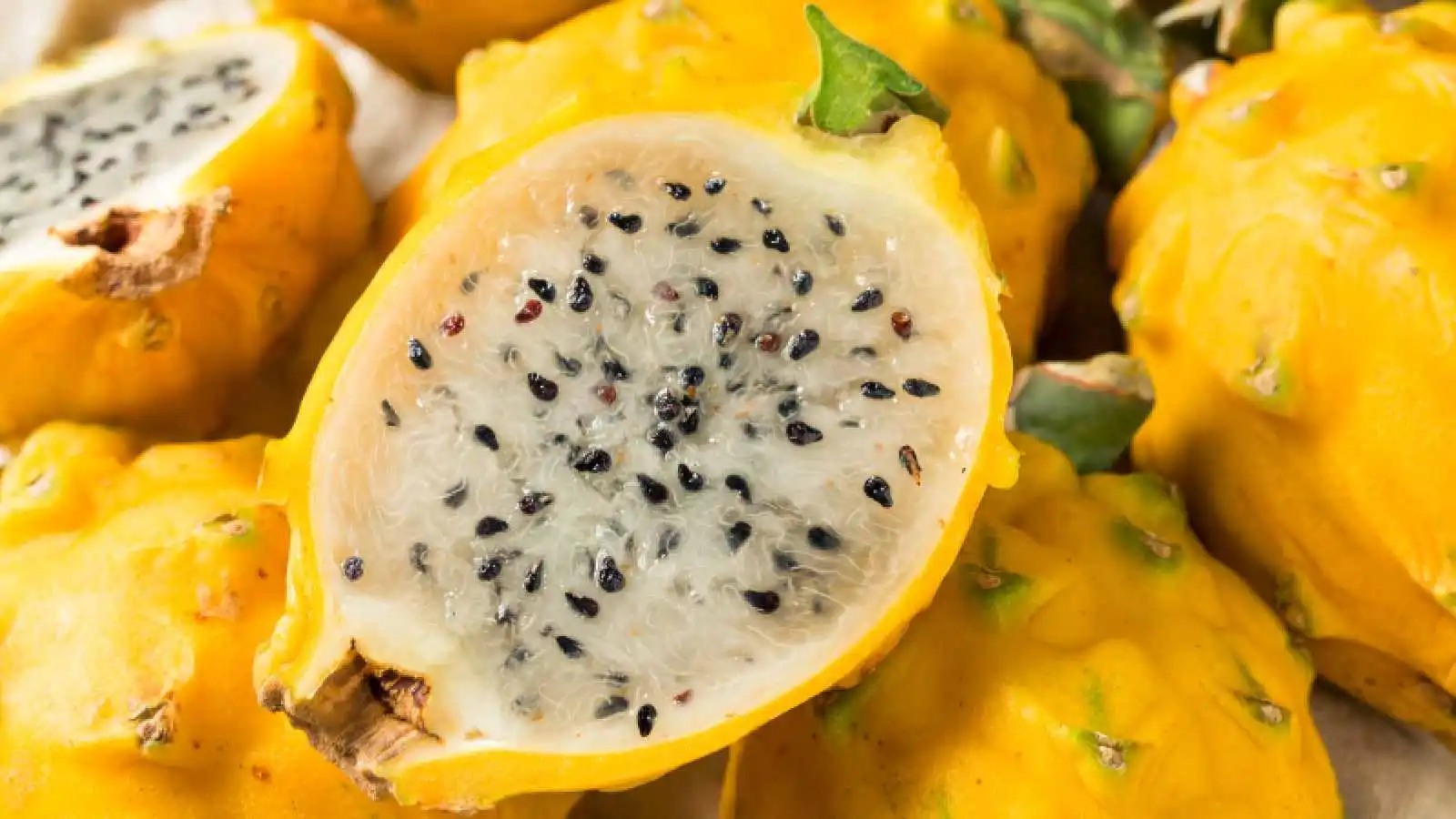
Yellow Dragon Fruit Plant Care: The Ultimate Guide for Healthy Growth
The yellow dragon fruit plant is a unique and rewarding addition to any home garden, [...]
Apr
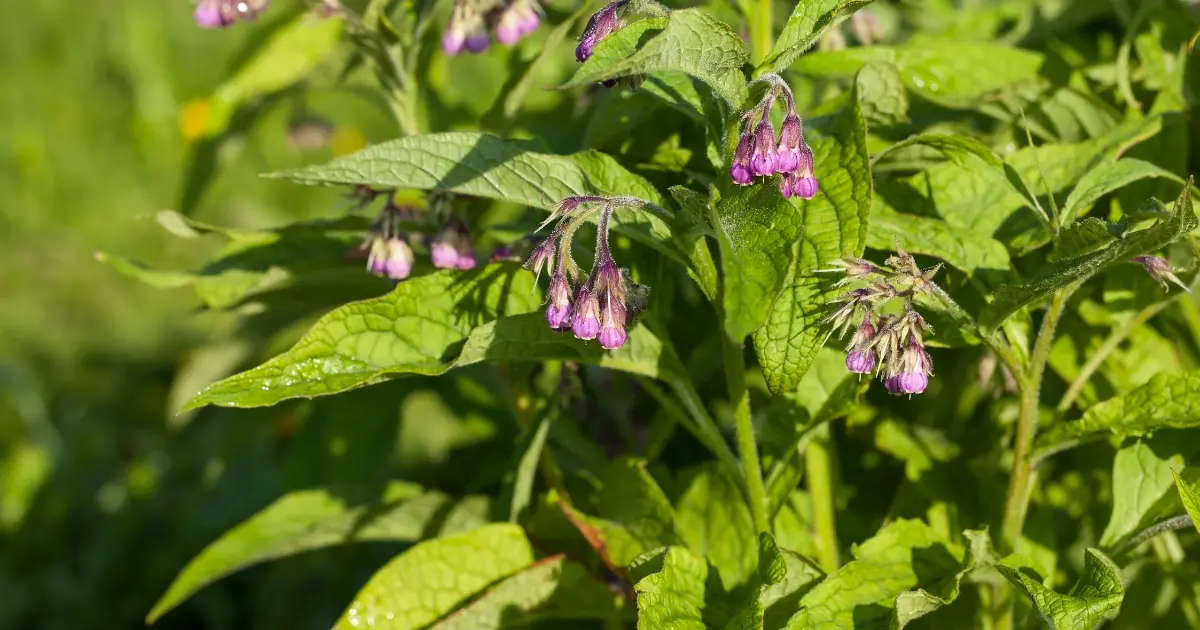
How to Identify Bocking 14 Comfrey: 5 Simple Visual Signs
If you’re growing comfrey for mulch, compost, or animal feed, knowing exactly which variety you [...]
Mar

Grand Duke of Tuscany Jasmine: The Ultimate Guide to Growing a Fragrant Masterpiece
Have you ever caught a scent in the air so rich, creamy, and honey-sweet that [...]
Mar
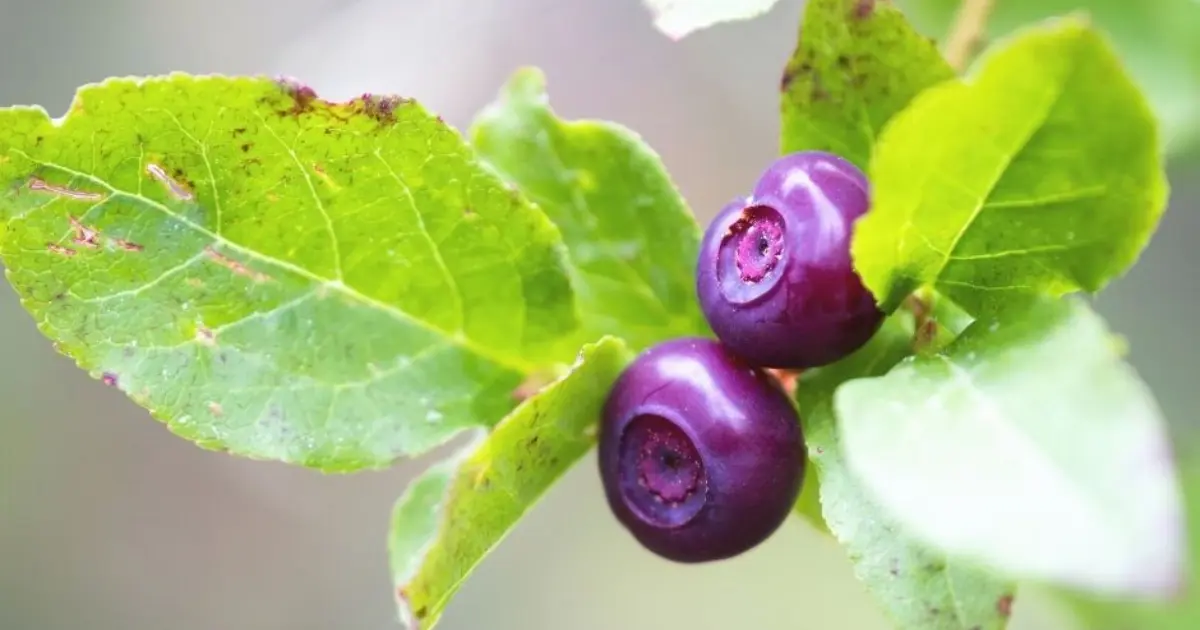
How to Grow Wild Huckleberries: A Guide to “Purple Gold”
Have you ever spent a summer afternoon hiking through the Pacific Northwest or the Rocky [...]
Mar
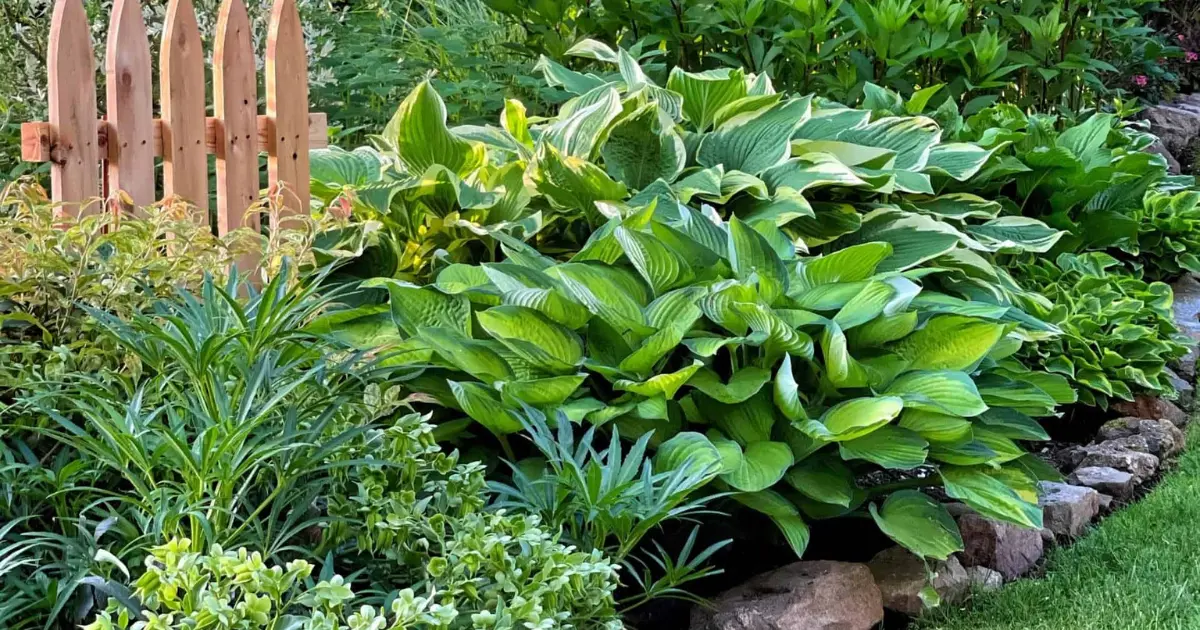
5 Best Shade-Loving Perennials for a Lush, Vibrant Garden
The world of gardening often shines a spotlight on sun-drenched blossoms, but there is a [...]
Mar

7 Common Curry Leaf Plant Problems: Easy Fixes for a Thriving Plant
Is your curry leaf plant looking a bit sad lately? Maybe you woke up to [...]
Mar
Best Time to Plant Bougainvillea: Timing for Vibrant Blooms
If you’re looking for a hardy tropical vine that delivers a riot of neon color, [...]
Feb
How to Propagate Purple Passion Plants (Gynura aurantiaca)
Have you ever been mesmerized by the neon-purple glow and fuzzy, velvet-like leaves of a [...]
Feb

Reviews
There are no reviews yet.