
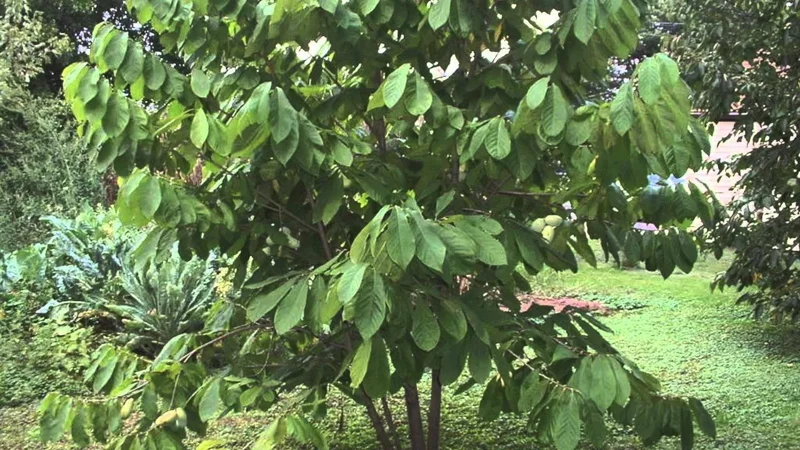
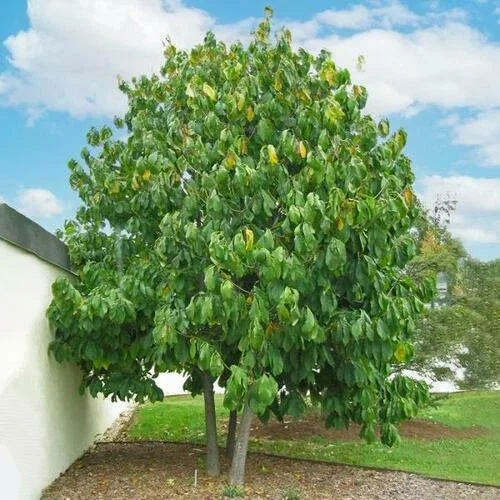
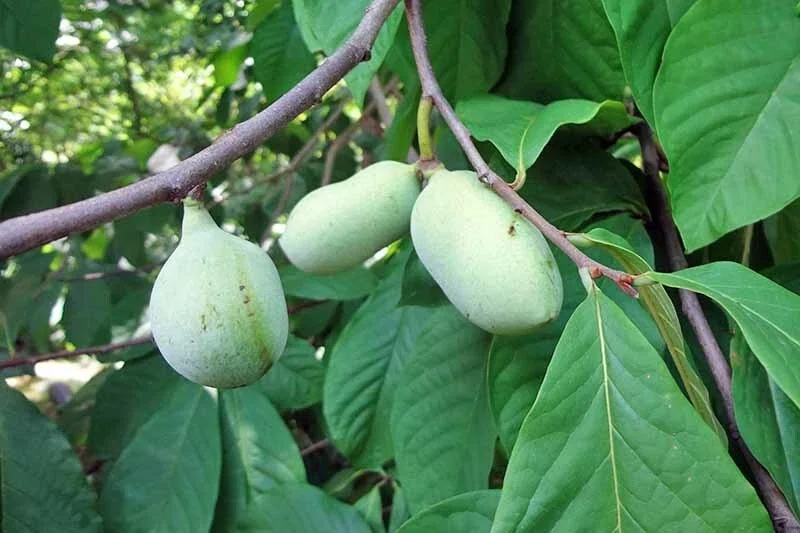
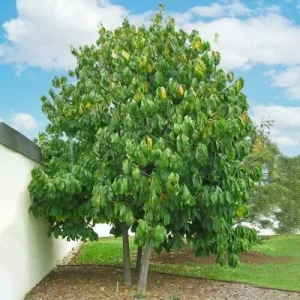
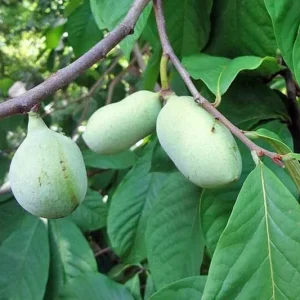
Paw Paw Tree Live Plant (Asimina triloba) – 8 to 12 Inches Tall, Outdoor Fruit Tree
Original price was: $41.79.$21.79Current price is: $21.79.
Bring home a unique piece of North American horticulture with this paw paw tree live plant. Standing 8 to 12 inches tall, this Asimina triloba plant is a bare root seedling ready for outdoor planting. Enjoy the prospect of growing delicious, custardy paw paw fruit in your own garden.
Estimated arrival
Apr 06
Apr 11 - Apr 13
Apr 16 - Apr 20

Reasonable Price
We offer reasonable price

Support 24/7
Contact us 24 hrs a day

100% Money Back
You've 30 days to Return

Payment Secure
100% secure payment
Overview
Introduce a truly unique and historical fruit tree to your landscape with the paw paw tree live plant. This offering features a young Asimina triloba specimen, typically measuring 8 to 12 inches in height, supplied as a bare root seedling ready for planting. The Paw Paw, often called the “Indiana Banana” or “Poor Man’s Banana,” is native to the eastern and central United States, offering a taste of the wild in your own backyard. Known for its distinctive tropical-like flavor, the paw paw fruit is a delightful and often overlooked delicacy. Growing a paw paw tree live plant allows you to cultivate this fascinating and resilient native species, bringing both ecological value and delicious harvests to your outdoor space. These trees are known for their hardiness and adaptability, making them an excellent choice for a variety of climates within their natural range.
The Asimina triloba is not just a fruit producer; it’s also an attractive ornamental tree. Its large, dark green leaves create a lush, tropical appearance, and in spring, it produces unique, purplish-brown flowers that precede the fruit. This asimina triloba plant is an investment in biodiversity, supporting local wildlife and offering a sustainable food source. Its relatively low maintenance requirements once established make it a rewarding addition for both experienced gardeners and those looking to try something new. Starting with a healthy bare root seedling ensures a strong foundation for future growth and fruit production, allowing you to enjoy the full lifecycle of this remarkable native fruit tree.
Key Benefits
Cultivating a paw paw tree live plant brings a multitude of advantages to your garden and palate:
- Unique Flavor Profile: The paw paw fruit offers a creamy, custard-like texture with a flavor often described as a blend of banana, mango, and pineapple, providing an exotic taste experience from a native North American tree.
- Native Resilience: As a native species, the paw paw tree live plant is naturally adapted to many North American climates, making it robust and relatively resistant to local pests and diseases compared to non-native fruit trees.
- Ecological Value: Paw paw trees serve as a host plant for the beautiful Zebra Swallowtail butterfly, contributing to local biodiversity and supporting pollinator populations in your garden.
- Low Maintenance: Once established, the paw paw tree care requirements are minimal. They are quite hardy and can thrive with less intervention than many other fruit-bearing trees.
- Shade Tolerance: Unlike most fruit trees that demand full sun, young paw paw trees prefer dappled shade, making them suitable for understory planting or areas with partial sun exposure.
- Nutritional Benefits: Paw paw fruits are rich in vitamins, minerals, and amino acids, offering a healthy and delicious addition to your diet.
- Ornamental Appeal: Beyond its fruit, the asimina triloba plant boasts large, attractive foliage and unique spring flowers, adding aesthetic beauty to your landscape.
Plant Care & Growing Tips
Proper paw paw tree care begins with understanding its specific needs to ensure successful growth and fruit production. When planting your paw paw tree live plant, choose a location with well-draining soil. While mature trees prefer full sun for optimal fruiting, young paw paw trees (especially bare root seedlings like this one) thrive in partial shade. This protects their delicate leaves from scorching during their first few years. Aim for a spot that receives morning sun and afternoon shade, or dappled light throughout the day. Once established, they can tolerate more sun. Watering is crucial during the establishment phase; keep the soil consistently moist but never waterlogged. Regular, deep watering is preferred over frequent, shallow watering. A good layer of mulch around the base of the tree will help retain soil moisture and regulate temperature.
Paw paw trees prefer slightly acidic to neutral soil (pH 5.5-7.0) that is rich in organic matter. Amending your planting hole with compost or well-rotted manure can provide a good start. These trees are typically hardy in USDA zones 5-9. Fertilization should be done sparingly in the first year; a balanced, slow-release fertilizer can be applied in subsequent years in early spring. Paw paws require cross-pollination, meaning you’ll need at least two genetically different trees to produce fruit. Consider planting multiple paw paw tree live plant specimens or ensuring there are other paw paw trees in your vicinity. Common problems include fungal issues in overly wet conditions or pest damage from the paw paw peduncle borer, though generally, paw paws are quite pest-resistant. Pruning is minimal, mainly focusing on removing dead or diseased branches and maintaining a strong central leader. With proper care, your paw paw fruit tree will flourish.
Size & Details
This offering is for one paw paw tree live plant, an Asimina triloba bare root seedling, typically measuring 8 to 12 inches in height from the root collar to the tip of the stem. These young trees are in a seedling growth stage, meaning they are ready to establish themselves in your garden and begin their journey to maturity. As a bare root plant, it will arrive without soil around its roots, which is the ideal and safest way to ship dormant trees. Upon planting, the tree will focus its energy on developing a strong root system, and new foliage will emerge when conditions are favorable. The ultimate height of a mature paw paw tree can range from 15 to 30 feet, with a spread of 15 to 20 feet, depending on growing conditions and location. Expect several years for the tree to mature and begin producing fruit, typically 3-5 years after planting, making it a rewarding long-term investment for your garden and a delightful native fruit tree.
Frequently Asked Questions
- Q: How big will this paw paw tree get? A: This paw paw tree live plant is currently 8 to 12 inches tall. Mature paw paw trees can reach a height of 15 to 30 feet with a spread of 15 to 20 feet, depending on growing conditions and climate.
- Q: Is this an indoor or outdoor plant? A: The Asimina triloba plant is an outdoor tree, well-suited for temperate climates. It requires outdoor conditions to thrive and produce fruit.
- Q: How much sunlight does it need? A: Young paw paw trees, like this paw paw tree live plant, prefer partial shade or dappled sunlight for their first few years. Once established, mature trees will produce more fruit in full sun (6+ hours per day).
- Q: Is this plant easy to care for? Is it good for beginners? A: Paw paw trees are relatively low-maintenance once established, especially as a native fruit tree. The initial planting and establishment period requires careful watering and protection from harsh sun, but they are generally a good choice for gardeners with some experience.
- Q: What condition will it arrive in? Is it shipped in soil? A: This paw paw tree live plant is shipped as a bare root seedling, meaning it will arrive without soil around its roots. This is a common and effective method for shipping dormant trees, ensuring they transplant well.
- Q: How long until it blooms and produces fruit? A: Paw paw trees typically begin to bloom and produce fruit 3 to 5 years after planting, once they have established a strong root system and reached sufficient maturity. Remember, you’ll need at least two genetically distinct trees for cross-pollination.
- Q: What’s the best time to plant this paw paw tree? A: The ideal time to plant bare root paw paw trees is in early spring, after the last hard frost but before the tree breaks dormancy and begins to leaf out. This allows the roots to establish before the stress of summer heat.
- Q: Will it survive winter in my zone? What’s the minimum temperature? A: Paw paw trees are hardy and can survive winters in USDA Zones 5-9. They are deciduous, meaning they will lose their leaves in winter and are well-adapted to cold temperatures within their hardiness range.
- Q: Do I need more than one paw paw tree to get fruit? A: Yes, paw paw trees generally require cross-pollination from a genetically different tree to produce fruit. Planting at least two distinct asimina triloba plant specimens is highly recommended for successful fruiting.
- Q: What kind of soil does a paw paw tree prefer? A: Paw paw trees thrive in well-draining, fertile soil that is rich in organic matter. They prefer a slightly acidic to neutral pH range (5.5-7.0).
Be the first to review “Paw Paw Tree Live Plant (Asimina triloba) – 8 to 12 Inches Tall, Outdoor Fruit Tree”
-
USDA Hardiness Zone
USDA Zones 5-9 -
Soil Type
Well-draining, fertile, rich in organic matter -
Sunlight Exposure
Partial shade (young trees), Full sun (mature trees) -
Expected Planting Period
Early spring
People Also Viewd


Sold 128 products
Original price was: $27.00.$24.00Current price is: $24.00.

Sold 128 products
Original price was: $89.99.$64.99Current price is: $64.99.
Sold 127 products
Original price was: $159.99.$139.99Current price is: $139.99.

Sold 126 products
Original price was: $3,536.00.$23.99Current price is: $23.99.

Sold 125 products
Original price was: $86.99.$66.99Current price is: $66.99.
Sold 116 products
Original price was: $27.99.$16.99Current price is: $16.99.

Sold 114 products
Original price was: $28.99.$17.99Current price is: $17.99.

Flower Bulbs
3 Cranesbill Wild Geranium Organic Maculatums Bare Roots | Wildflower for Outdoor Garden
Sold 114 products
Original price was: $21.99.$6.99Current price is: $6.99.RELATED posts
Yellow Dragon Fruit Plant Care: The Ultimate Guide for Healthy Growth
The yellow dragon fruit plant is a unique and rewarding addition to any home garden, [...]
Apr
How to Identify Bocking 14 Comfrey: 5 Simple Visual Signs
If you’re growing comfrey for mulch, compost, or animal feed, knowing exactly which variety you [...]
Mar
Grand Duke of Tuscany Jasmine: The Ultimate Guide to Growing a Fragrant Masterpiece
Have you ever caught a scent in the air so rich, creamy, and honey-sweet that [...]
Mar
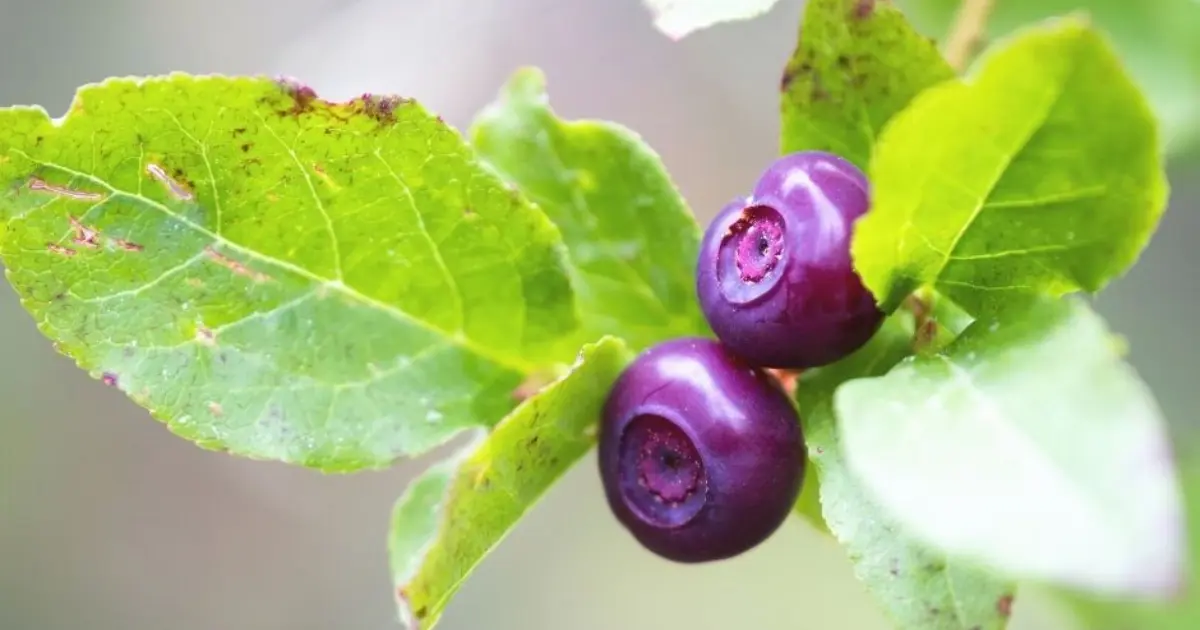
How to Grow Wild Huckleberries: A Guide to “Purple Gold”
Have you ever spent a summer afternoon hiking through the Pacific Northwest or the Rocky [...]
Mar
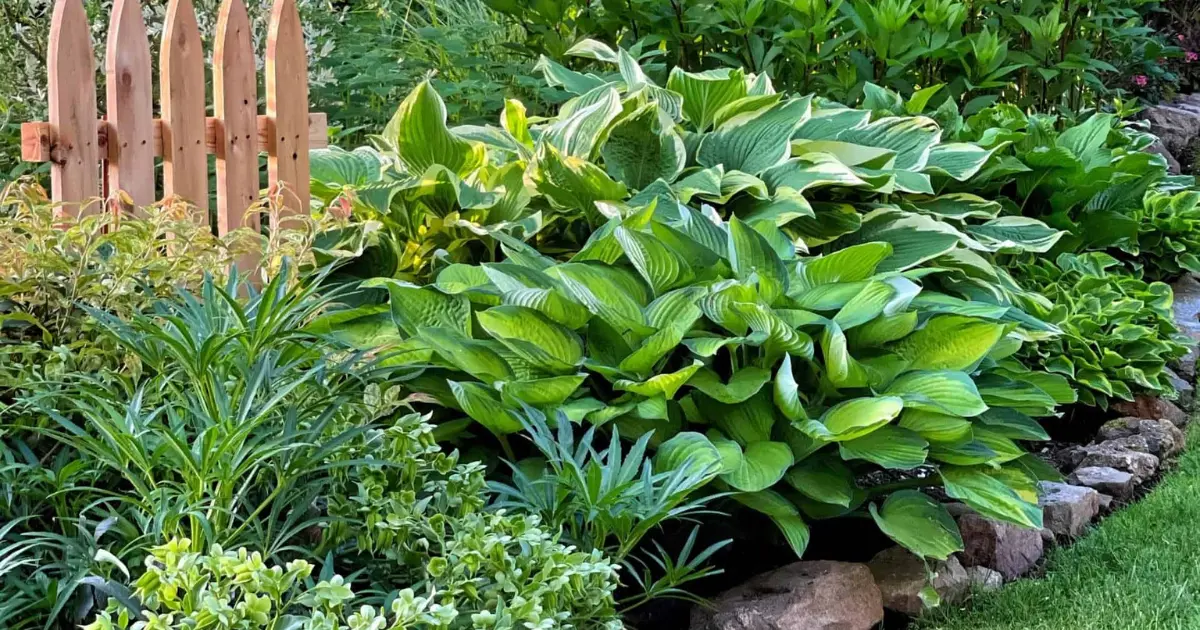
5 Best Shade-Loving Perennials for a Lush, Vibrant Garden
The world of gardening often shines a spotlight on sun-drenched blossoms, but there is a [...]
Mar

7 Common Curry Leaf Plant Problems: Easy Fixes for a Thriving Plant
Is your curry leaf plant looking a bit sad lately? Maybe you woke up to [...]
Mar
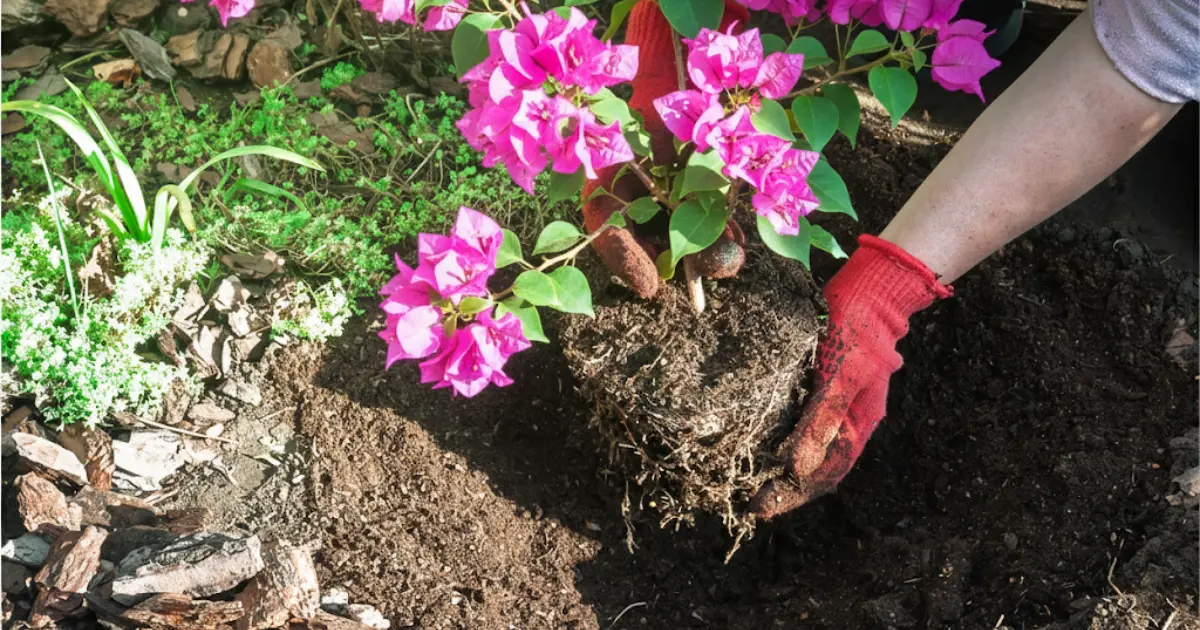
Best Time to Plant Bougainvillea: Timing for Vibrant Blooms
If you’re looking for a hardy tropical vine that delivers a riot of neon color, [...]
Feb
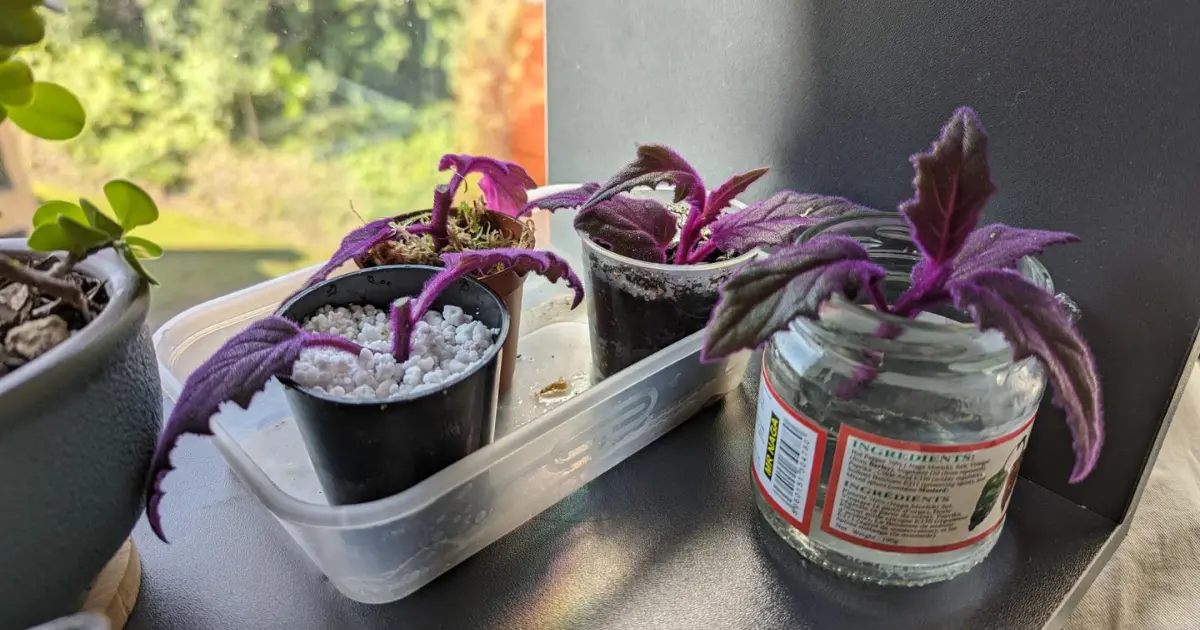
How to Propagate Purple Passion Plants (Gynura aurantiaca)
Have you ever been mesmerized by the neon-purple glow and fuzzy, velvet-like leaves of a [...]
Feb


Reviews
There are no reviews yet.