
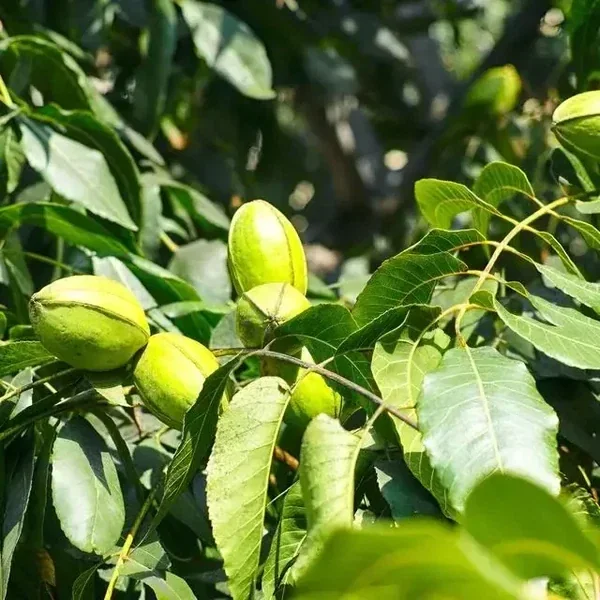
Pecan Tree Live Plant – Up to 3 ft Tall – Nut Producing – Outdoor
Original price was: $101.98.$50.99Current price is: $50.99.
Cultivate your own delicious harvests with this robust pecan tree live plant. Known scientifically as Carya illinoinensis, this magnificent outdoor tree is celebrated for its rich, flavorful nuts and impressive shade-providing canopy. Typically measuring up to 3 feet tall, it’s an excellent investment for future harvests and a greener landscape.
Estimated arrival
Apr 13
Apr 18 - Apr 20
Apr 23 - Apr 27

Reasonable Price
We offer reasonable price

Support 24/7
Contact us 24 hrs a day

100% Money Back
You've 30 days to Return

Payment Secure
100% secure payment
Overview
Cultivate your own delicious harvests with this robust pecan tree live plant. Known scientifically as Carya illinoinensis, this magnificent tree is a gardener’s favorite, celebrated for its rich, flavorful nuts and impressive shade-providing canopy. This particular offering features a vigorous young pecan tree live plant, typically measuring up to 3 feet tall at the time of shipping, though some plants may exceed this height. It represents an excellent choice for those aspiring to establish a productive, long-term orchard or simply enhance their garden with a beautiful and bountiful tree. The pecan nut tree is a native North American species, renowned for its exceptional hardiness and adaptability, allowing it to flourish in diverse climates across many regions. Enjoy the aesthetic appeal of its lush foliage and anticipate the eventual, rewarding bounty of its highly sought-after nuts. Investing in a pecan tree live plant is an investment in future harvests and a greener landscape.
Key Benefits
Adding a pecan tree live plant to your landscape offers a wealth of advantages, transforming your property both aesthetically and productively. Beyond the visual appeal of a stately tree, you’ll gain the satisfaction of harvesting your own delicious pecans from your very own pecan nut tree.
- Abundant Nut Production: The primary and most rewarding benefit of a pecan tree live plant is its capacity to produce an abundance of highly prized pecan nuts. These nuts are not only a tasty snack but also a nutritious ingredient, perfect for baking, cooking, or enjoying fresh.
- Exceptional Shade and Beauty: As it matures, the pecan nut tree develops into a large, majestic specimen, casting ample, cooling shade during hot summer months. Its attractive, dense foliage significantly enhances the aesthetic value of any garden or yard, contributing to a lush and inviting outdoor space.
- Wildlife Attraction: Planting a pecan tree live plant can enrich your local ecosystem by attracting various wildlife, including squirrels and numerous bird species. This adds to the biodiversity and natural charm, turning your outdoor area into a vibrant habitat.
- Long-Term Investment: A hardy pecan tree is a remarkably long-lived plant, often yielding nuts for many decades, some even for over a century. This makes it a sustainable and highly rewarding long-term investment for your property, potentially increasing its value and appeal for generations.
- Environmental Contributions: Like all trees, the carya illinoinensis plays a vital role in environmental health. It contributes positively by producing oxygen, absorbing carbon dioxide, and supporting healthy soil ecosystems, making it an eco-friendly addition to your garden.
- Robust Hardiness: This hardy pecan tree is celebrated for its resilience and ability to withstand a wide range of environmental conditions. This inherent hardiness ensures a greater likelihood of successful growth and establishment in your garden, providing peace of mind for the gardener.
- Culinary Versatility: The nuts from your pecan tree live plant offer incredible culinary versatility, from baking pies and cookies to enhancing savory dishes and salads, providing a fresh, homegrown ingredient for countless recipes.
Plant Care & Growing Tips
Successful growing pecan trees requires diligent attention to a few key care aspects, ensuring your efforts lead to a thriving, productive tree. Your pecan tree live plant will flourish best in a location that receives full sunlight, meaning it needs at least 6-8 hours of direct sun exposure per day. It is crucial to ensure the soil is well-draining, deep, and fertile. Pecan trees prefer a slightly acidic to neutral soil pH, ideally between 6.0 and 7.0. Consistent and regular watering is paramount, particularly during the first few years after planting and throughout any dry spells. Deep watering encourages the development of a strong, extensive root system. Conversely, it is important to avoid overwatering, which can lead to detrimental root rot.
This hardy pecan tree is known for its impressive cold hardiness, generally thriving across USDA Hardiness Zones 5-9. To effectively produce nuts, they require a specific number of chill hours during the dormant season. Fertilize your pecan tree live plant in late winter or early spring using a balanced fertilizer, gradually increasing the amount as the tree matures and grows larger. Be vigilant for common pests such as pecan weevils and diseases like pecan scab; address these promptly with appropriate organic or chemical treatments as needed. Proper pruning, ideally performed during the tree’s dormancy, is also important to maintain a healthy tree structure, promote good air circulation, and encourage fruit production. By following these comprehensive tips, you will be well on your way to successfully growing pecan trees that yield bountiful and delicious nuts for years to come.
Size & Details
This offering is for one robust pecan tree live plant, which typically measures up to 3 feet in height at the time of shipping. Please note that some individual plants may naturally exceed this height, as we prioritize sending the most vigorous specimens first. These young trees are usually shipped either as dormant bare root plants or securely nestled in small containers, arriving ready for immediate transplanting into your garden or a larger pot to begin their establishment. The initial growth stage upon arrival is that of a young, dormant tree, which is ideal for ensuring it establishes well and adapts effectively to its new environment. Pecan trees are known for their moderate to fast growth rate, meaning they will relatively quickly develop into substantial shade trees. You can generally expect these carya illinoinensis trees to begin producing nuts within 5-10 years after planting, with yields steadily increasing as the tree continues to mature and expand. As outdoor plants, they require ample space to grow, eventually reaching impressive heights of 70-100 feet with a similar spread, making them a grand addition to any spacious landscape. This pecan nut tree is a long-term investment that will provide beauty and bounty.
Frequently Asked Questions
- Q: How tall is the Pecan Tree live plant upon arrival? A: Your pecan tree live plant will typically be up to 3 feet tall, though some individual plants may be larger. We prioritize shipping the largest available plants first to ensure optimal vigor and a head start for your garden.
- Q: Is this an indoor or outdoor plant? A: This pecan tree live plant is an outdoor plant. It requires significant space, full sun exposure, and specific environmental conditions to thrive and produce nuts effectively.
- Q: How much sunlight does a Pecan Tree need? A: For successful growing pecan trees and optimal nut production, they need full sun exposure, which translates to at least 6-8 hours of direct sunlight per day.
- Q: What condition will the Pecan Tree arrive in? A: The tree will arrive as a healthy, dormant plant, either carefully packaged bare root or in a small container. We ensure meticulous packaging for safe transit, ready for your immediate planting.
- Q: How long until my Pecan Tree starts producing nuts? A: A young pecan nut tree typically begins producing nuts within 5 to 10 years after planting. Full production and larger yields are achieved as the tree matures further.
- Q: What USDA zones is this Hardy Pecan Tree suitable for? A: This hardy pecan tree (Carya illinoinensis) is generally suitable for USDA Hardiness Zones 5-9. It requires a sufficient number of chill hours during winter for optimal nut production.
- Q: What type of soil is best for Pecan trees? A: Pecan trees prefer deep, well-draining, fertile soil with a slightly acidic to neutral pH, ideally ranging between 6.0 and 7.0. Good drainage is crucial to prevent root issues.
- Q: Is this tree difficult to care for? A: While growing pecan trees does require consistent attention to watering, adequate sunlight, and occasional fertilization, they are generally hardy and offer a very rewarding experience for dedicated gardeners.
- Q: Can I grow a Pecan Tree in a large pot? A: While you can start a young pecan tree live plant in a large pot for a short period, it will eventually need to be transplanted into the ground. This allows it to develop its extensive root system and reach its full potential for growth and nut production.
- Q: What is the mature size of a Pecan Tree? A: Given ample space and proper care, a mature pecan tree live plant can reach impressive heights of 70-100 feet with a similar spread, becoming a dominant and beautiful feature in your landscape.
- Q: What is the scientific name for this pecan tree? A: The scientific name for this pecan nut tree is Carya illinoinensis.
Be the first to review “Pecan Tree Live Plant – Up to 3 ft Tall – Nut Producing – Outdoor”
-
USDA Hardiness Zone
5-9 -
Soil Type
Deep, well-draining, fertile soil with slightly acidic to neutral pH (6.0-7.0) -
Sunlight Exposure
Full sun (6-8 hours direct sunlight daily) -
Expected Planting Period
Late winter to early spring
People Also Viewd
Sold 128 products
Original price was: $89.99.$64.99Current price is: $64.99.
Sold 128 products
Original price was: $159.99.$139.99Current price is: $139.99.
Sold 128 products
Original price was: $27.00.$24.00Current price is: $24.00.
Sold 126 products
Original price was: $3,536.00.$23.99Current price is: $23.99.

Sold 125 products
Original price was: $86.99.$66.99Current price is: $66.99.
Sold 116 products
Original price was: $27.99.$16.99Current price is: $16.99.
Flower Bulbs
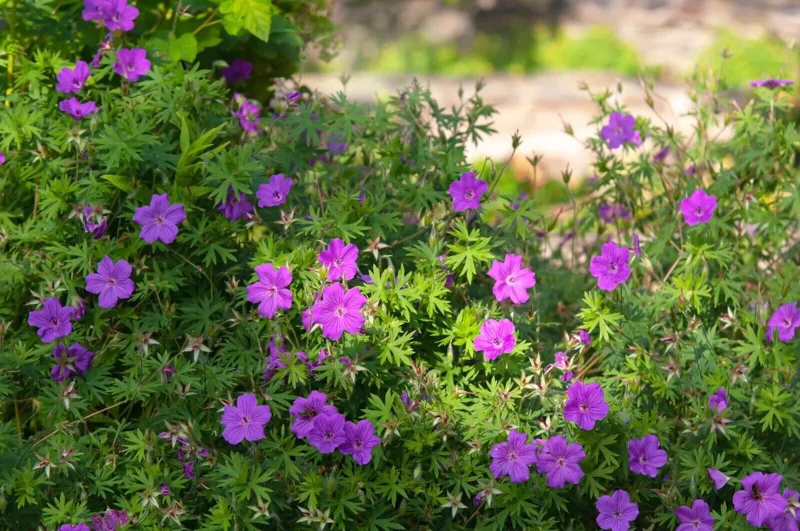
3 Cranesbill Wild Geranium Organic Maculatums Bare Roots | Wildflower for Outdoor Garden
Sold 114 products
Original price was: $21.99.$6.99Current price is: $6.99.
Sold 114 products
Original price was: $28.99.$17.99Current price is: $17.99.RELATED posts
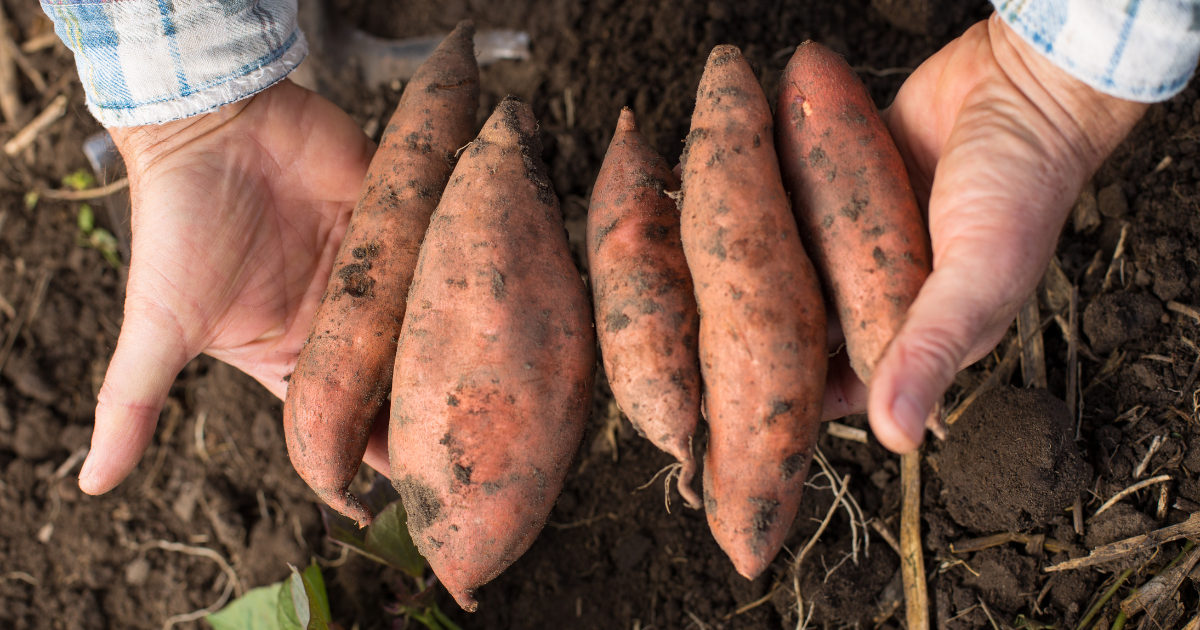
5 Tips for Growing Sweet Potatoes to Get the Biggest Sweet Potato Harvest Ever
If you are a fan of sweet potatoes, then these tips for growing sweet potatoes [...]
Apr
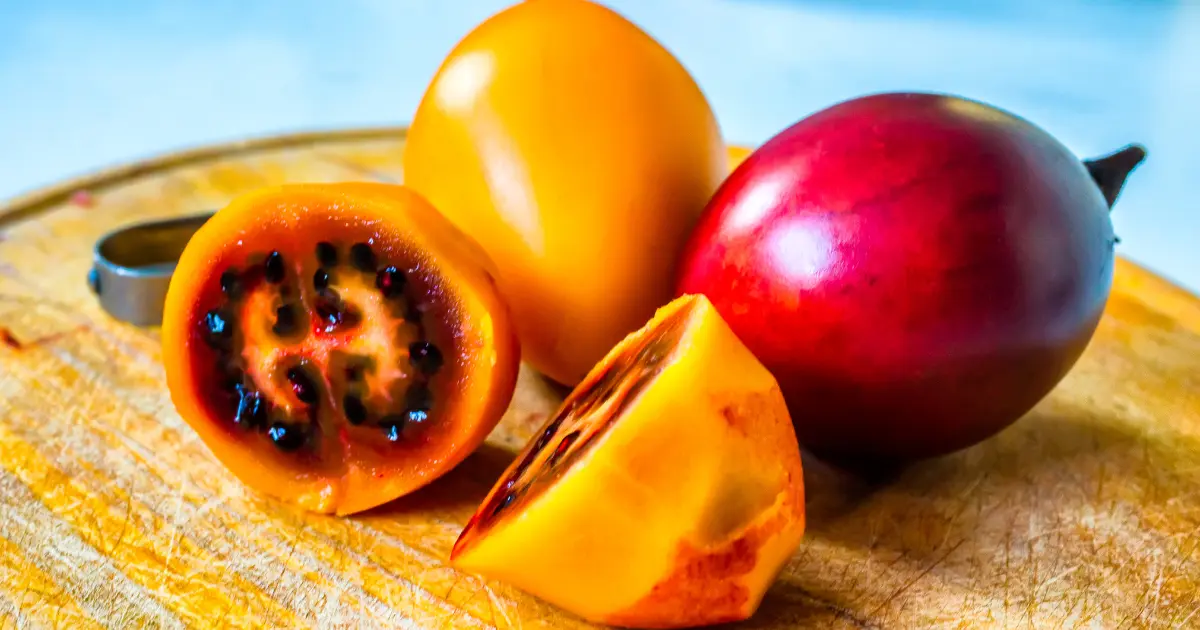
Tamarillo Tree Guide: Flavor, Texture & How to Eat Tree Tomatoes
The humble tomato is a kitchen staple we all know and love, but it rarely [...]
Apr
5 Pro Tips to Grow Esperanza ‘Gold Star’ Indoors: A Golden Glow for Your Home
While most gardeners know this Texas Superstar – Esperanza ‘Gold Star’ as a rugged outdoor [...]
Apr
Mastering Esperanza Goldstar: Grow the Ultimate Yellow Bloom
Esperanza Goldstar is more than just a heat-tolerant shrub; for the American gardener battling the [...]
Apr
Yellow Dragon Fruit Plant Care: The Ultimate Guide for Healthy Growth
The yellow dragon fruit plant is a unique and rewarding addition to any home garden, [...]
Apr
How to Identify Bocking 14 Comfrey: 5 Simple Visual Signs
If you’re growing comfrey for mulch, compost, or animal feed, knowing exactly which variety you [...]
Mar
Grand Duke of Tuscany Jasmine: The Ultimate Guide to Growing a Fragrant Masterpiece
Have you ever caught a scent in the air so rich, creamy, and honey-sweet that [...]
Mar
How to Grow Wild Huckleberries: A Guide to “Purple Gold”
Have you ever spent a summer afternoon hiking through the Pacific Northwest or the Rocky [...]
Mar
Reviews
There are no reviews yet.