
Peperomia Axillaris Succulent Live Plant 2 Inch for Home Office Garden Decor
Original price was: $19.99.$9.99Current price is: $9.99.
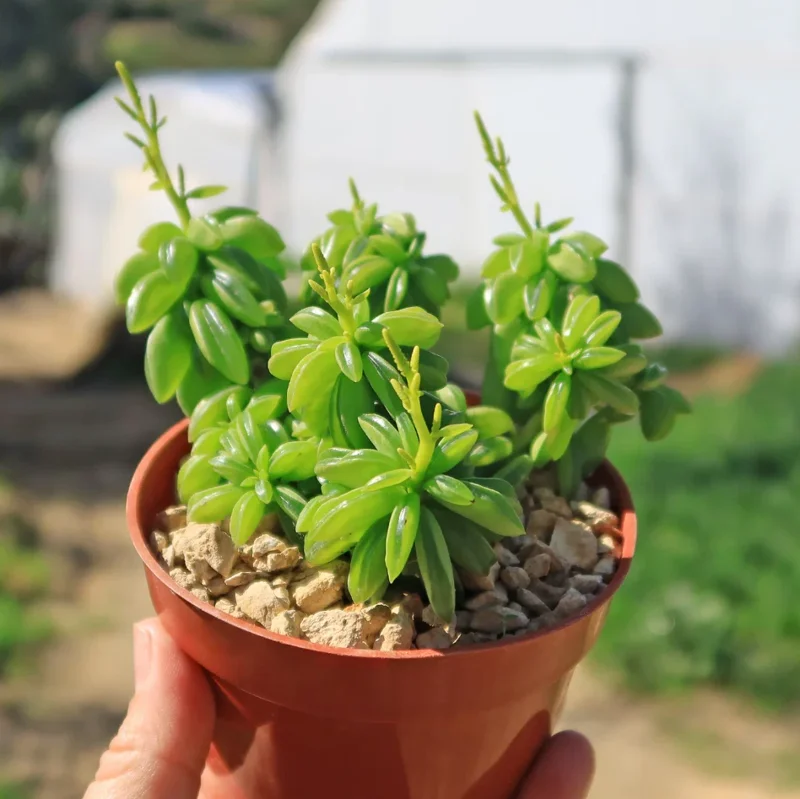
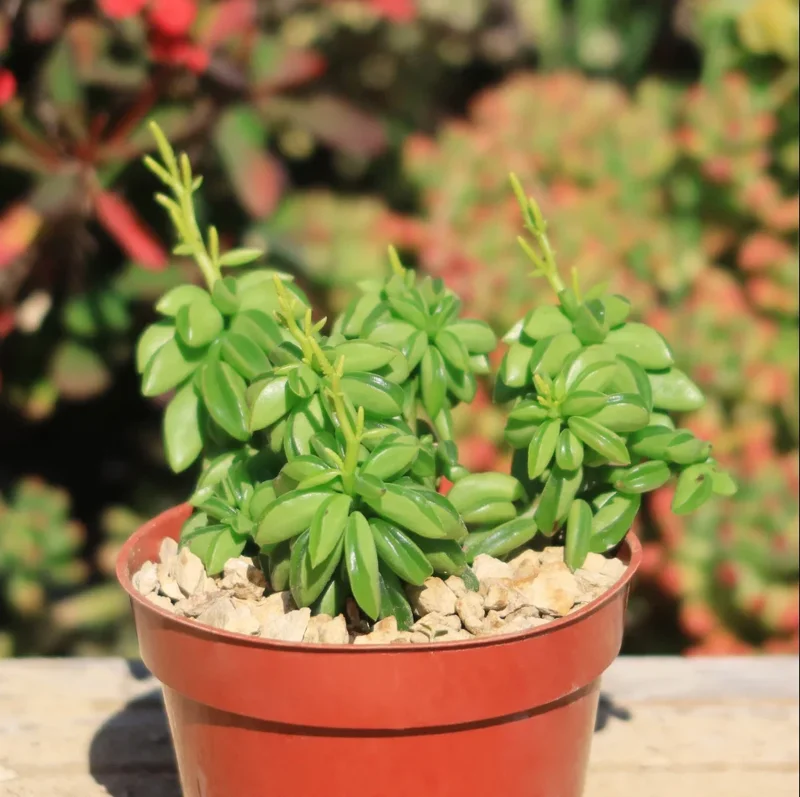
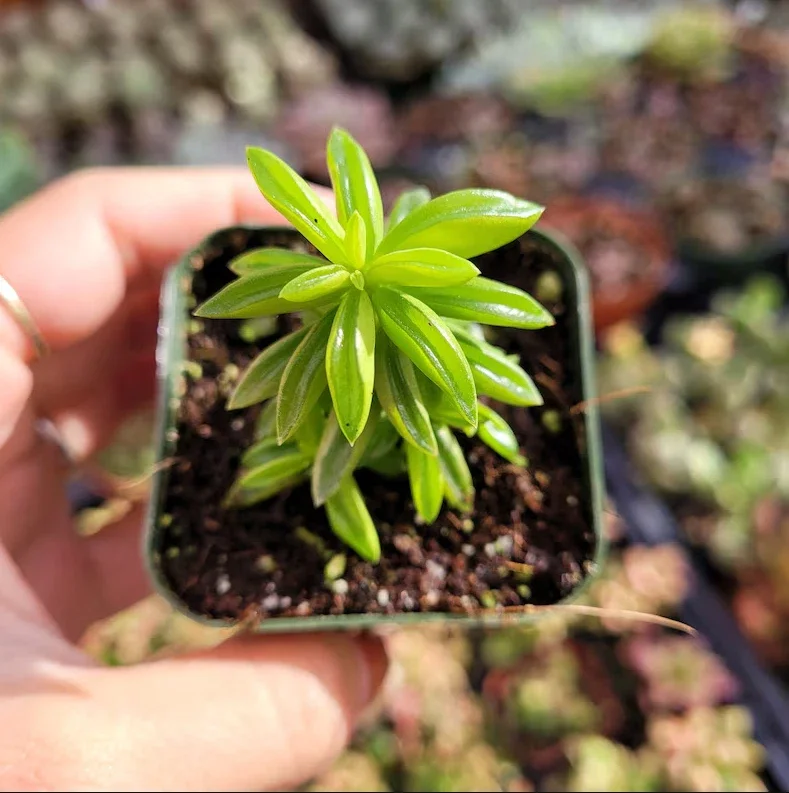
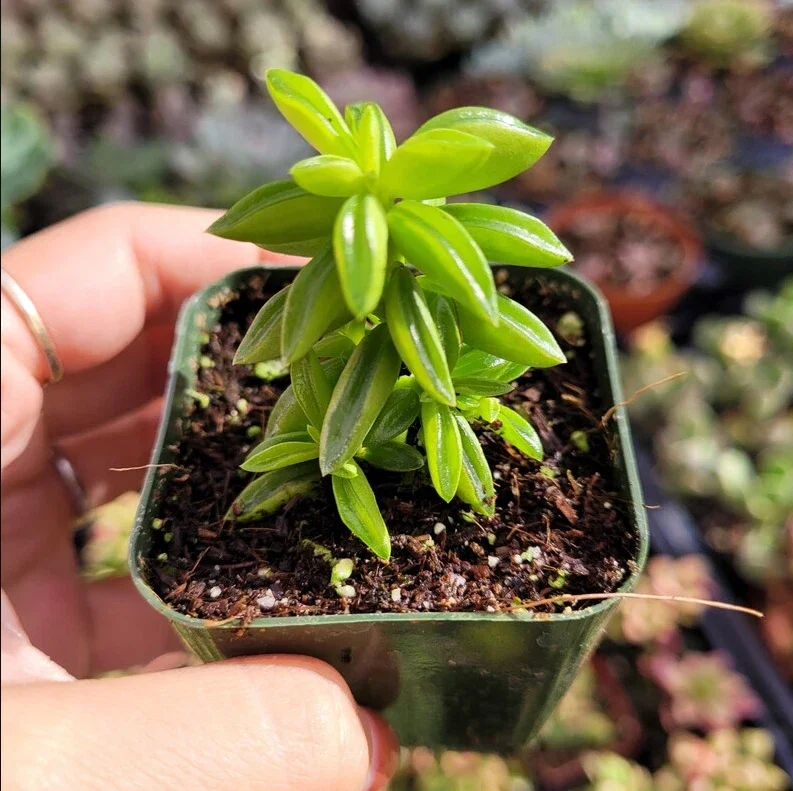
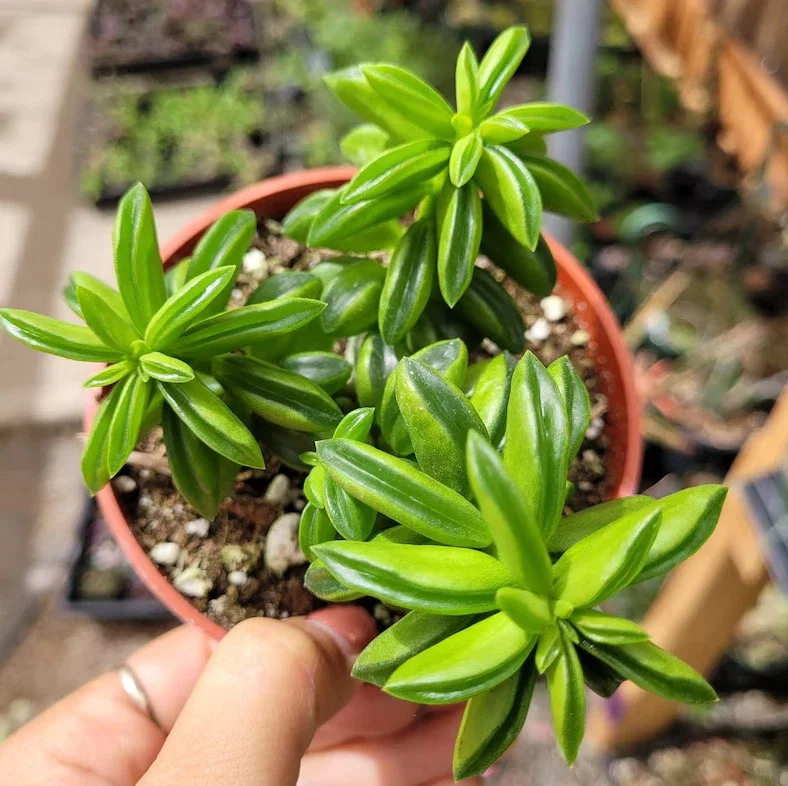
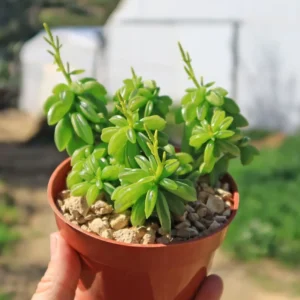
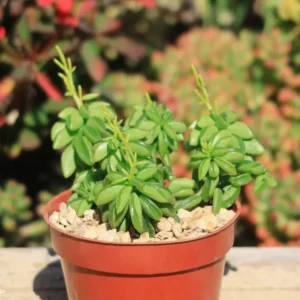
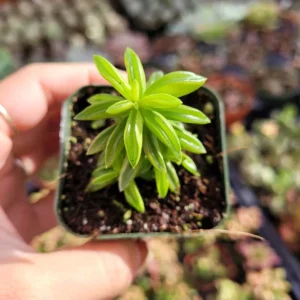
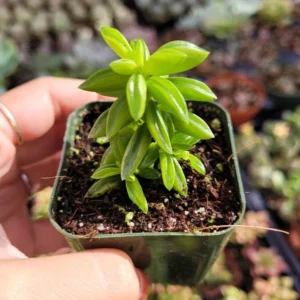
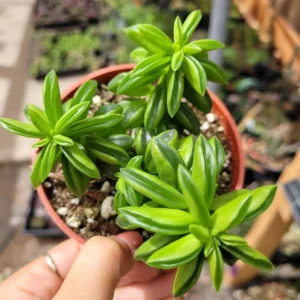
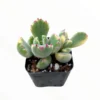
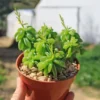
Add a touch of green to your space with this 2-inch Peperomia axillaris succulent. This semi-succulent, evergreen houseplant features thick, glossy oval leaves and is perfect for home, office, or garden decor. Potted and ready to thrive!
Estimated arrival
Mar 11
Mar 16 - Mar 18
Mar 21 - Mar 25

Reasonable Price
We offer reasonable price

Support 24/7
Contact us 24 hrs a day

100% Money Back
You've 30 days to Return

Payment Secure
100% secure payment
Bring the Beauty of Peperomia Axillaris Succulent to Your Home
The Peperomia axillaris succulent is a charming, easy-to-care-for houseplant that adds a touch of natural beauty to any space. This semi-succulent, evergreen plant features thick, fleshy, dark green leaves with a glossy texture, making it a visually appealing addition to your home, office, or garden. Its compact, rosette-forming growth habit and slow-growing nature make it perfect for small spaces.
Benefits of Owning a Peperomia Axillaris:
- Easy Care: Requires minimal maintenance, ideal for beginners.
- Air Purifying: Helps to purify the air in your home.
- Aesthetic Appeal: Adds a touch of greenery and elegance to any room.
- Compact Size: Perfect for small spaces like desks, shelves, and windowsills.
- Unique Texture: The thick, glossy leaves provide a unique visual and tactile experience.
Light and Temperature:
The Peperomia axillaris thrives in bright, indirect light but can tolerate medium light conditions. Avoid direct sunlight, as it can scorch the leaves. Maintain a temperature between 65–80°F (18–27°C) and avoid temperatures below 50°F (10°C). Moderate to high humidity is preferred but average home humidity is tolerated.
Watering and Soil:
Water your Peperomia axillaris succulent when the top 1–2 inches of soil feels dry. Ensure the soil remains moist but not soggy, and avoid letting the plant sit in water. Reduce watering during the winter months. Use a well-draining potting mix formulated for succulents or African violets, or mix standard potting soil with perlite or orchid bark for improved drainage.
Maintenance and Propagation:
Wipe the leaves occasionally with a damp cloth to remove dust and keep your Peperomia axillaris healthy. Remove any dead or yellowing leaves as needed. This plant is easily propagated by stem or leaf cuttings. Simply place the cuttings in moist soil or water until roots develop, and then transplant them into their own pots. Fertilize monthly during the growing season (spring to early fall) with a balanced, diluted liquid fertilizer, and avoid fertilizing in winter.
Frequently Asked Questions About Peperomia Axillaris
- How often should I water my Peperomia axillaris? Water when the top 1-2 inches of soil are dry, usually every 1-2 weeks, depending on environmental conditions.
- What type of light is best for Peperomia axillaris? Bright, indirect light is ideal. Avoid direct sunlight, which can burn the leaves.
- What size does Peperomia axillaris typically grow to? This plant typically grows to be 6-10 inches tall and wide.
- Is Peperomia axillaris toxic to pets? No, Peperomia axillaris is considered non-toxic to cats and dogs.
- How do I propagate Peperomia axillaris? You can easily propagate it by stem or leaf cuttings placed in moist soil or water until roots develop.
Be the first to review “Peperomia Axillaris Succulent Live Plant 2 Inch for Home Office Garden Decor”
People Also Viewd


Sold 128 products
Original price was: $27.00.$24.00Current price is: $24.00.

Sold 125 products
Original price was: $86.99.$66.99Current price is: $66.99.

Sold 125 products
Original price was: $89.99.$64.99Current price is: $64.99.

Sold 124 products
Original price was: $3,536.00.$23.99Current price is: $23.99.
Sold 116 products
Original price was: $27.99.$16.99Current price is: $16.99.

Sold 114 products
Original price was: $28.99.$17.99Current price is: $17.99.

Flower Bulbs
3 Cranesbill Wild Geranium Organic Maculatums Bare Roots | Wildflower for Outdoor Garden
Sold 114 products
Original price was: $21.99.$6.99Current price is: $6.99.

Sold 109 products
Original price was: $63.99.$28.99Current price is: $28.99.RELATED posts

7 Common Curry Leaf Plant Problems: Easy Fixes for a Thriving Plant
Is your curry leaf plant looking a bit sad lately? Maybe you woke up to [...]
Mar
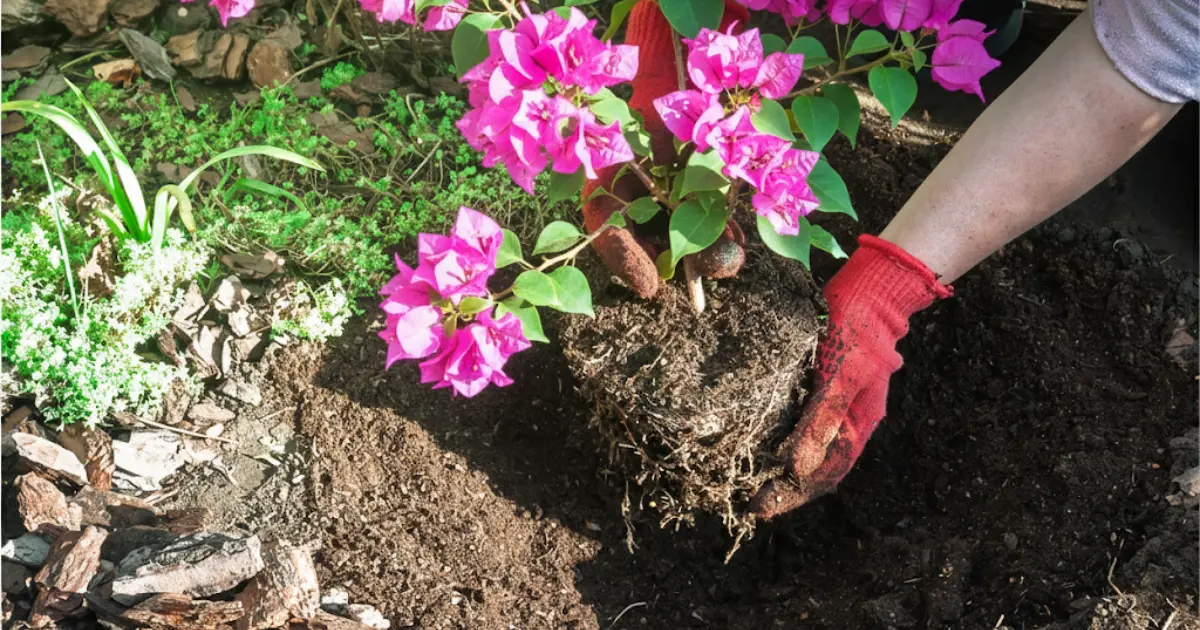
Best Time to Plant Bougainvillea: Timing for Vibrant Blooms
If you’re looking for a hardy tropical vine that delivers a riot of neon color, [...]
Feb
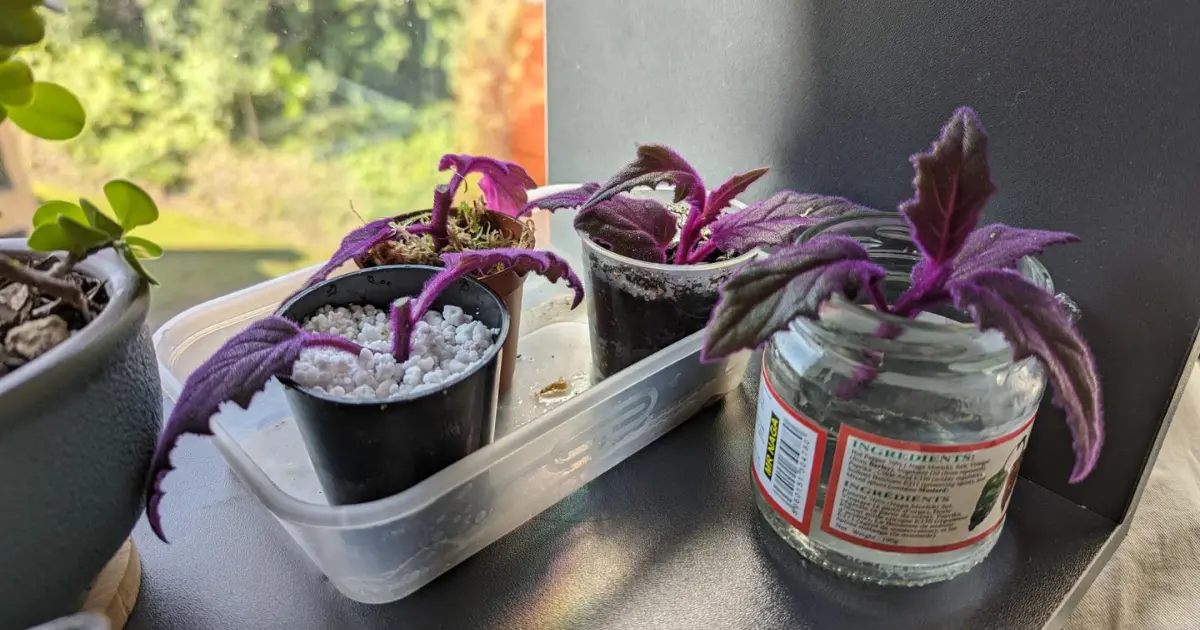
How to Propagate Purple Passion Plants (Gynura aurantiaca)
Have you ever been mesmerized by the neon-purple glow and fuzzy, velvet-like leaves of a [...]
Feb
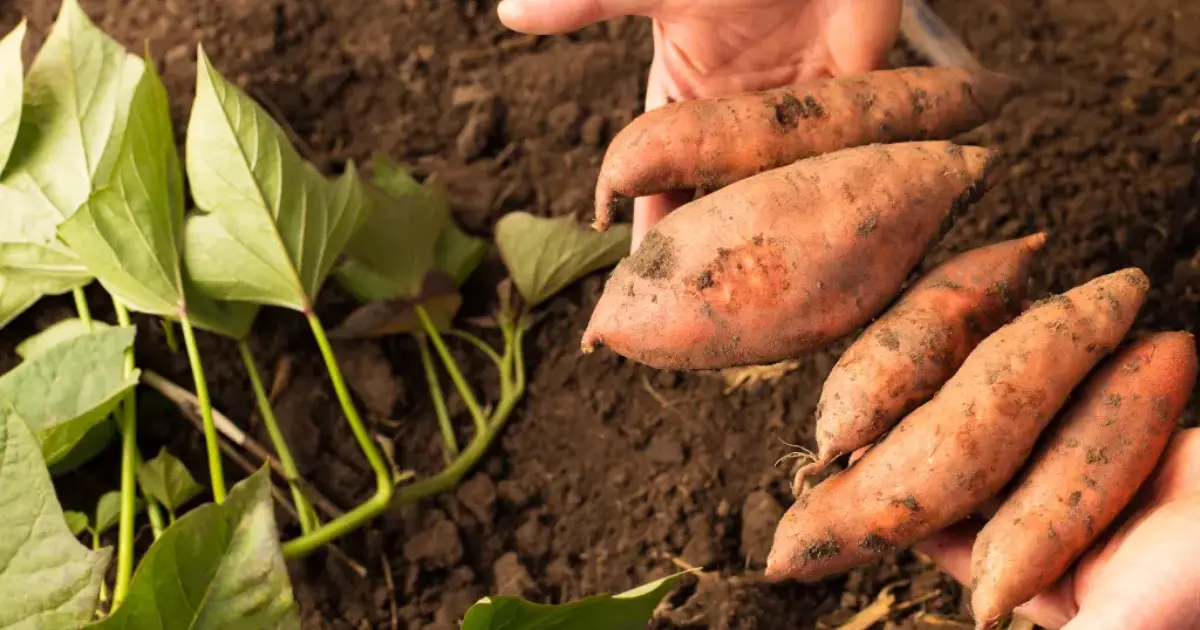
How to Grow Beauregard Sweet Potatoes: From Slips to a Bountiful Harvest
Are you ready to add a classic, heavy-hitting favorite to your vegetable patch? If you’ve [...]
Feb
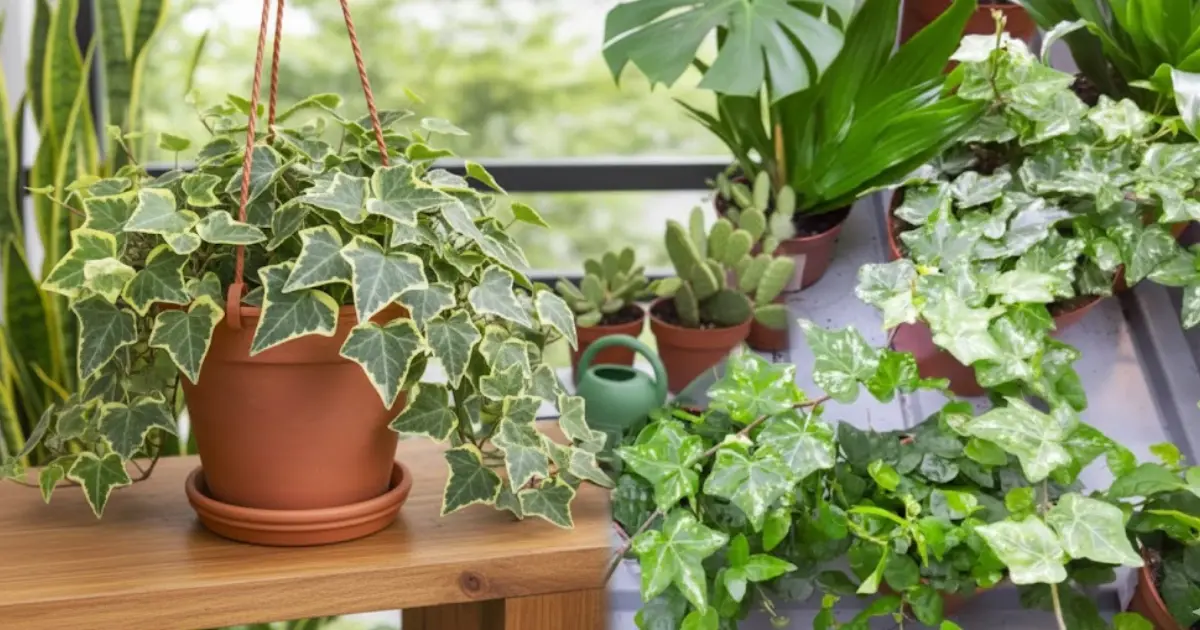
7 Expert Tips to Grow Lush Ivy Indoors: A Beginner’s Guide
Are you tired of seeing the same old Pothos vines in every corner of your [...]
Feb
7 Reasons Why Tamarillo Trees Are a Garden Must-Have
Once you start growing a garden, you will keep finding more reasons to add more [...]
Jan
Comfrey Companion Planting: What to Grow Next to Your Comfrey Patch?
Have you ever looked at that lush, fast-growing patch of comfrey in the corner of [...]
Jan
7 Vegetables to Plant in December for a Bountiful Winter Harvest
Winter gardening is a challenge many new gardeners shy away from. But if you’re among [...]
Dec
Reviews
There are no reviews yet.